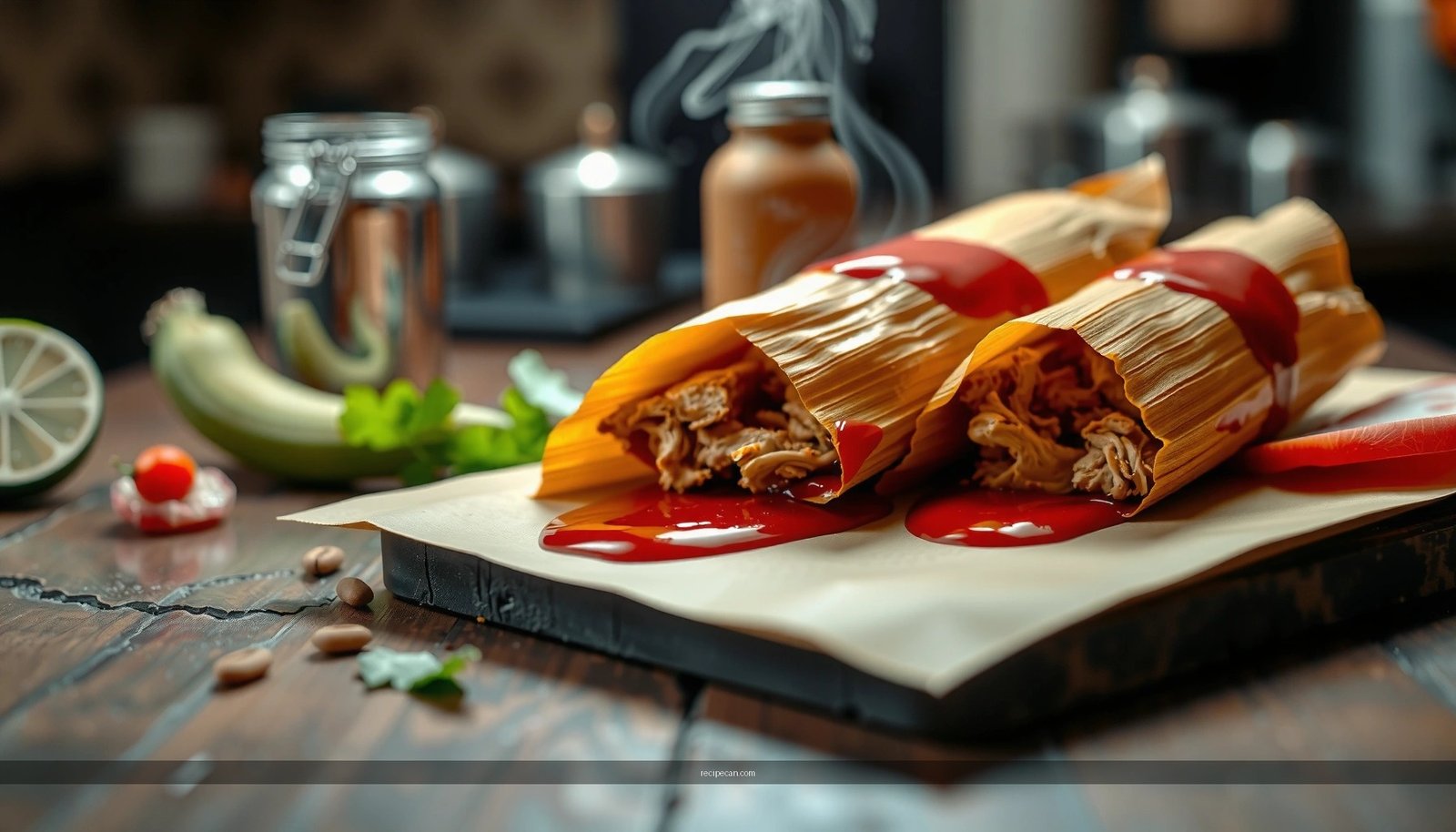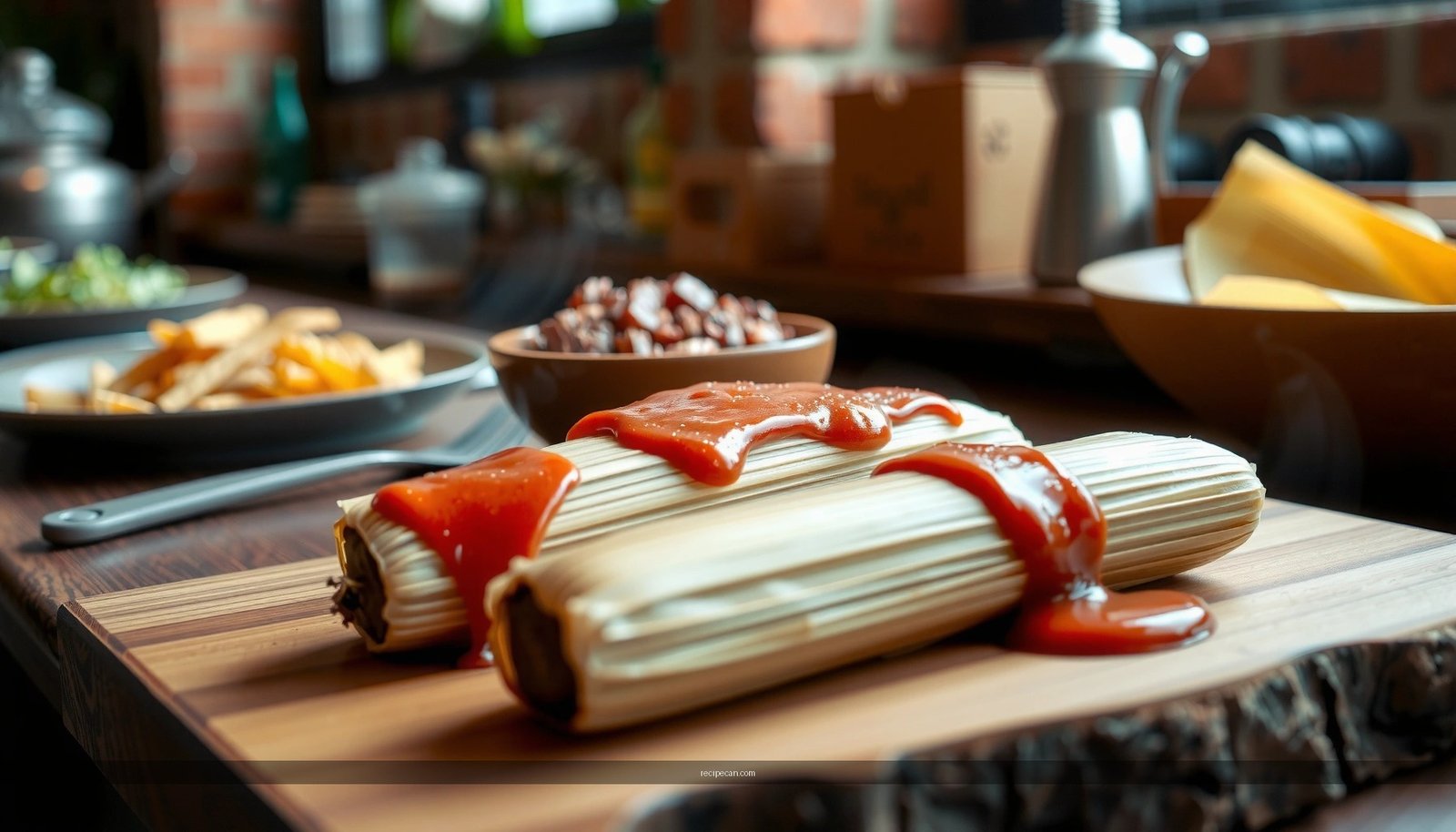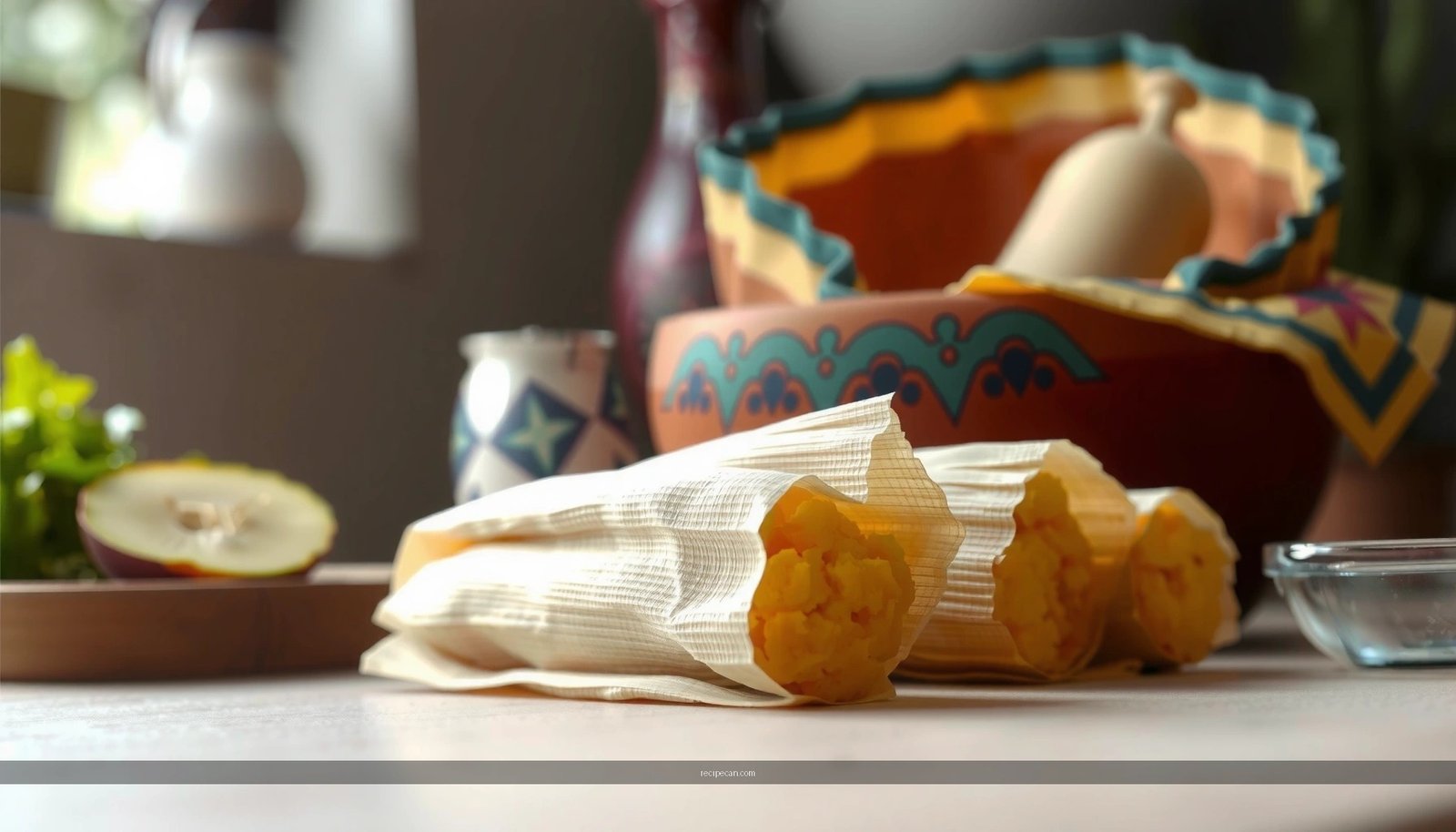
Get an authentic tamales recipe with step-by-step instructions for perfect masa that actually holds together and steams up tender, never gummy. This method answers the one question that stops most cooks: how to mix, spread, and season the masa so every tamale tastes right from first bite to last. Follow these precise steps and you’ll get consistent texture, real flavor, and tamales that peel cleanly.
Make authentic tamales at home by dialing in flavorful masa and properly cooked, well-seasoned fillings, then steaming until the masa is tender and releases cleanly. If you follow the ratios and timing below—soaked husks, correct masa spread, and steady steam—you’ll get tamales that slice neatly and hold together instead of drying out or falling apart.
Choose the Right Tamales Ingredients
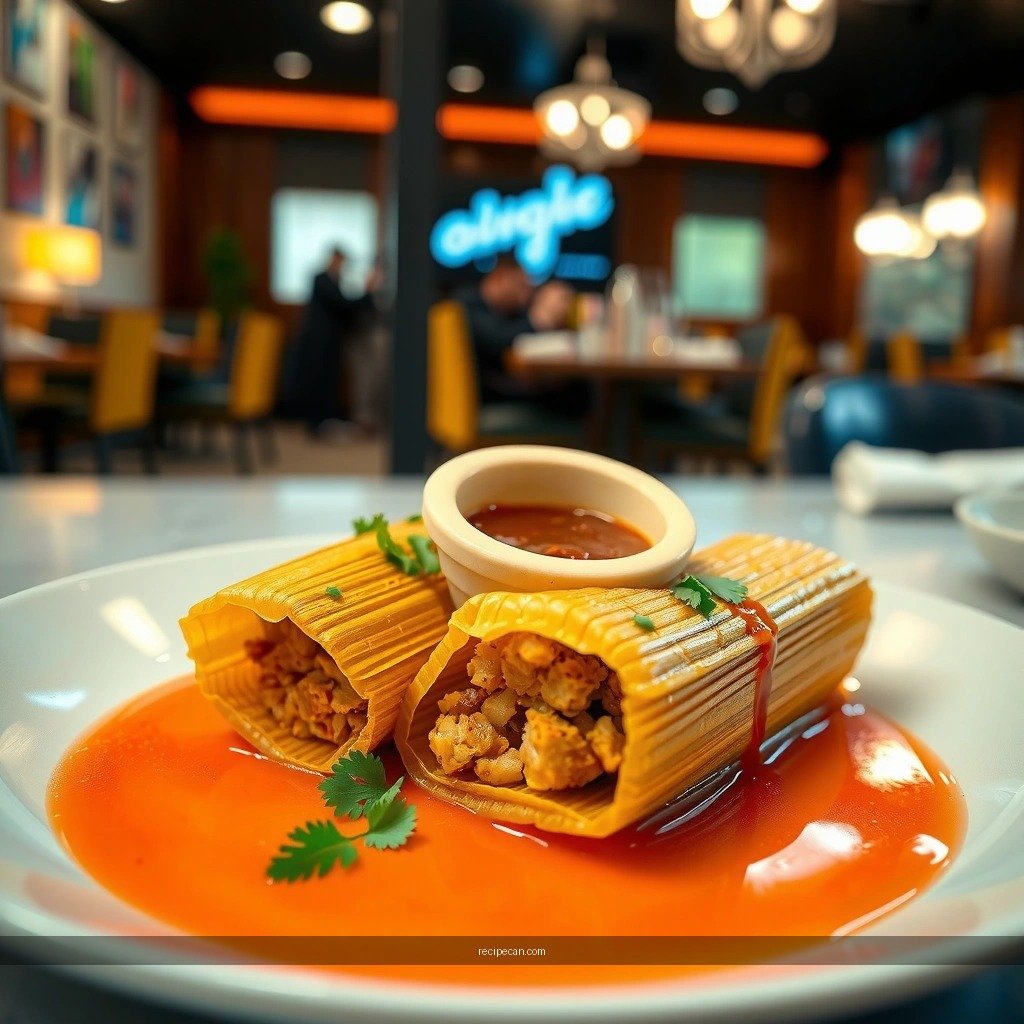
Authentic tamales start with ingredients that behave predictably, especially masa harina, fat, aromatics, and chile. While tamales vary by region, the fundamentals are consistent: masa must hydrate and aerate properly, and fillings must be cooked long enough to become concentrated and spoonable.
Key ingredient choices that matter most:
– Masa harina (fine, nixtamalized corn flour): Look for reputable brands and avoid “cornmeal-style” substitutes. For authentic texture, masa harina should be nixtamalized and designed specifically for tamales.
– Fat for masa: Traditional cooks use lard for rich flavor and improved mouthfeel. If you prefer vegetable shortening, choose one that’s solid and neutral rather than a liquid oil (oil tends to produce softer, less stable masa).
– Aromatics and seasonings: Onion, garlic, and dried chiles are not optional if you want “authentic” depth. A small amount of chicken or pork stock also boosts savory flavor and helps masa hydrate evenly.
– Traditional fillings aligned to flavor profiles:
– Pork in red chile (chiles + tomatoes + spices)
– Chicken in salsa verde (tomatillos + green chile + cilantro)
– Optional but common: bean-based fillings, rajas, or cheese (as a regional adaptation)
A common quality mistake is building filling flavor but leaving it watery. Tamale fillings should be saucy but thick enough to stay put when spooned onto masa—otherwise the masa can loosen and break during steaming.
Masa & Steaming Targets for Reliable Tamale Results
| # | Tamale variable | Recommended target | Why it matters | Outcome rating |
|---|---|---|---|---|
| 1 | Masa hydration (liquid vs masa harina) | ~1.25 cups stock per 2 cups masa harina | Ensures spreads without cracking | ★★★★★ |
| 2 | Fat ratio (lard/shortening) | ~1/3 cup fat per 2 cups masa harina | Improves tenderness & richness | ★★★★☆ |
| 3 | Husk soak time | 30–45 minutes (until pliable) | Prevents tearing during wrapping | ★★★★★ |
| 4 | Fill moisture consistency | Spoonable, not runny (coat-spoon thickness) | Keeps masa from loosening | ★★★★☆ |
| 5 | Steam start temperature | Bring to active simmer before loading | Prevents uneven cook | ★★★★★ |
| 6 | Cooking time (typical) | ~90 minutes at steady steam | Cook-through without drying | ★★★★☆ |
| 7 | Masa doneness test | Masa edges set + pulls away cleanly | Avoids gummy or dry results | ★★★★★ |
Make Authentic Masa (The Foundation)
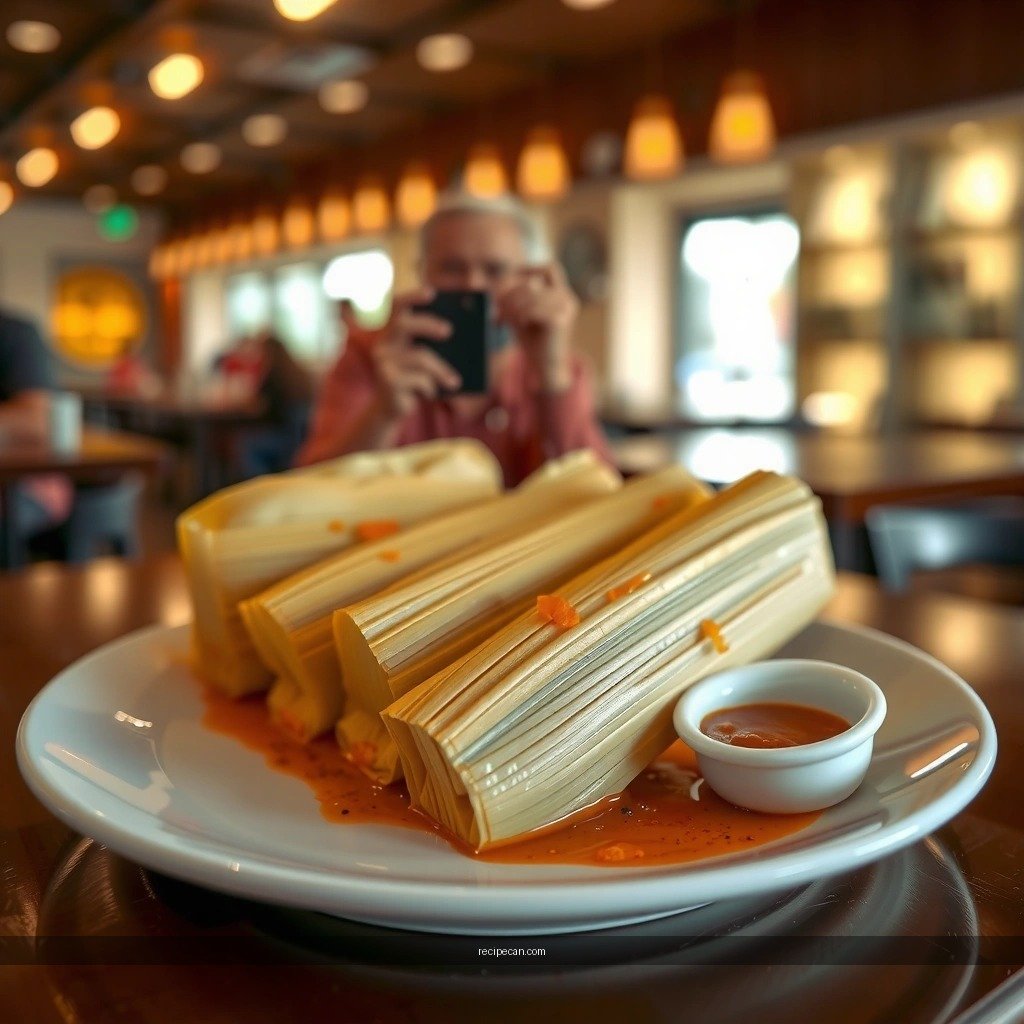
Masa is where most home cooks either win big or struggle. Authentic tamales depend on masa that’s fluffy, spreadable, and seasoned—not bland, stiff, or greasy.
Core steps for classic tamale masa:
1. Cream the fat: Beat lard (or shortening) until smooth. This helps create tenderness and a lighter crumb.
2. Hydrate masa harina gradually: Add stock slowly while mixing. The goal is a dough that feels like thick frosting—soft enough to spread, firm enough to hold shape.
3. Season correctly: Salt is essential; many masa recipes also include broth-like seasoning (via stock) and sometimes mild aromatics. Taste the masa mixture before assembling.
4. Check consistency with a spreading test: Spread a thin layer on a husk. If it tears or won’t level, it’s too dry. If it sags, it’s too wet.
Analytical consistency check (practical):
– If masa is too dry, it will crack at the edges and can trap steam unevenly.
– If masa is too wet, it will slump, making the tamales dense and prone to falling apart when unwrapped.
A professional tip: keep masa covered while you work so it doesn’t dry on the surface. Masa skin leads to uneven steaming and difficult wrapping.
Prepare Traditional Fillings
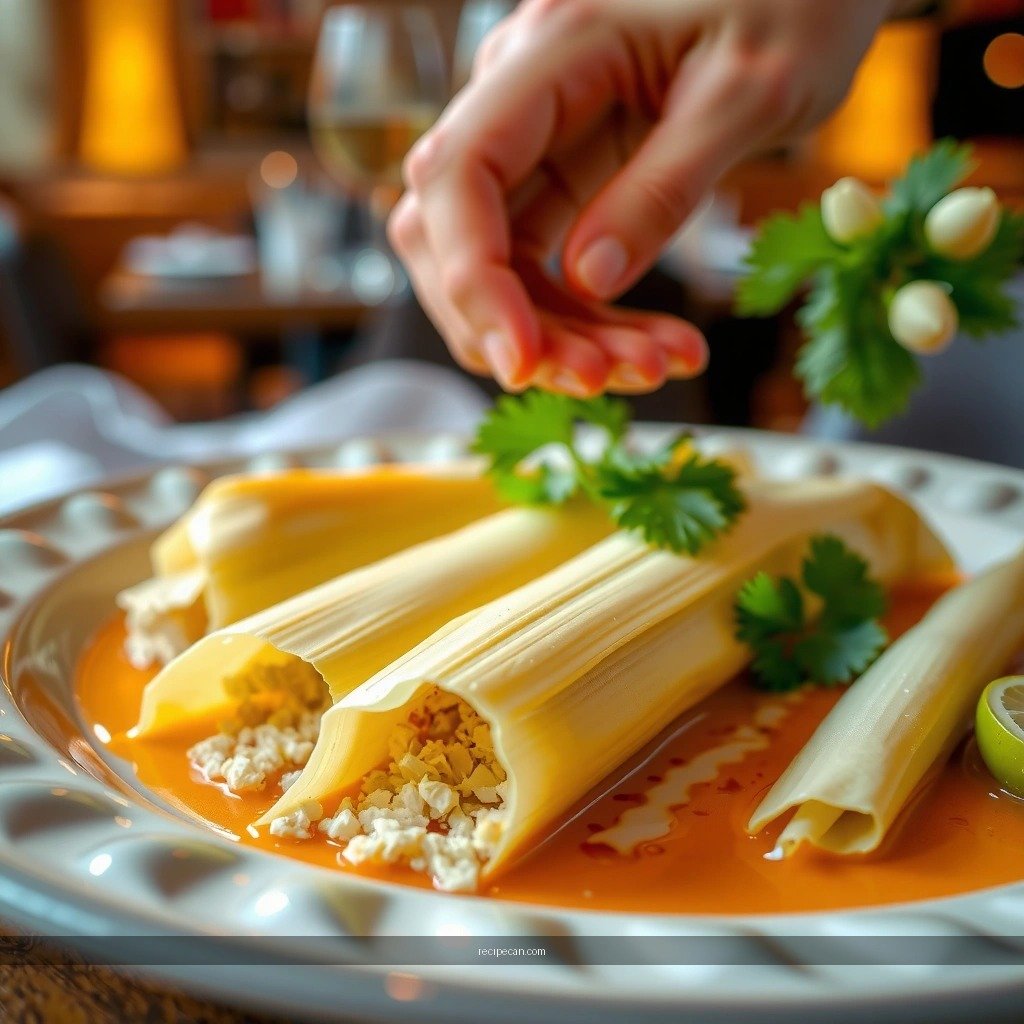
A great filling tastes like it simmered for hours—because it did. For tamales, the filling should be fully cooked, concentrated, and seasoned so it doesn’t dilute the masa.
Traditional workflow for most fillings (pork in red chile, chicken in salsa verde):
1. Cook the meat until tender: Braise pork shoulder or simmer chicken until it shreds easily.
2. Build chile or salsa depth:
– For red chile, toast dried chiles lightly, rehydrate, blend, then simmer with aromatics and often a small amount of tomato/stock for balance.
– For salsa verde, simmer tomatillos with green chile, onion, and cilantro (or blend and reduce), then season to taste.
3. Reduce to spoonable thickness: This is the single biggest “secret” to prevent soggy tamales.
4. Cool slightly before assembly: Hot filling can melt fat in masa and loosen the structure. Aim for warm to cool—comfortably spoonable, not steaming.
Best practice for seasoning: Taste your filling the way you’d want the final tamale to taste. Remember: masa is mild and absorbs flavor. If the filling tastes slightly bold in the bowl, it will be properly balanced inside the husk.
Assemble and Wrap Tamales Correctly
Wrapping isn’t just tradition—it’s engineering. Proper assembly prevents leaks, ensures even steam contact, and supports consistent doneness.
Step-by-step assembly:
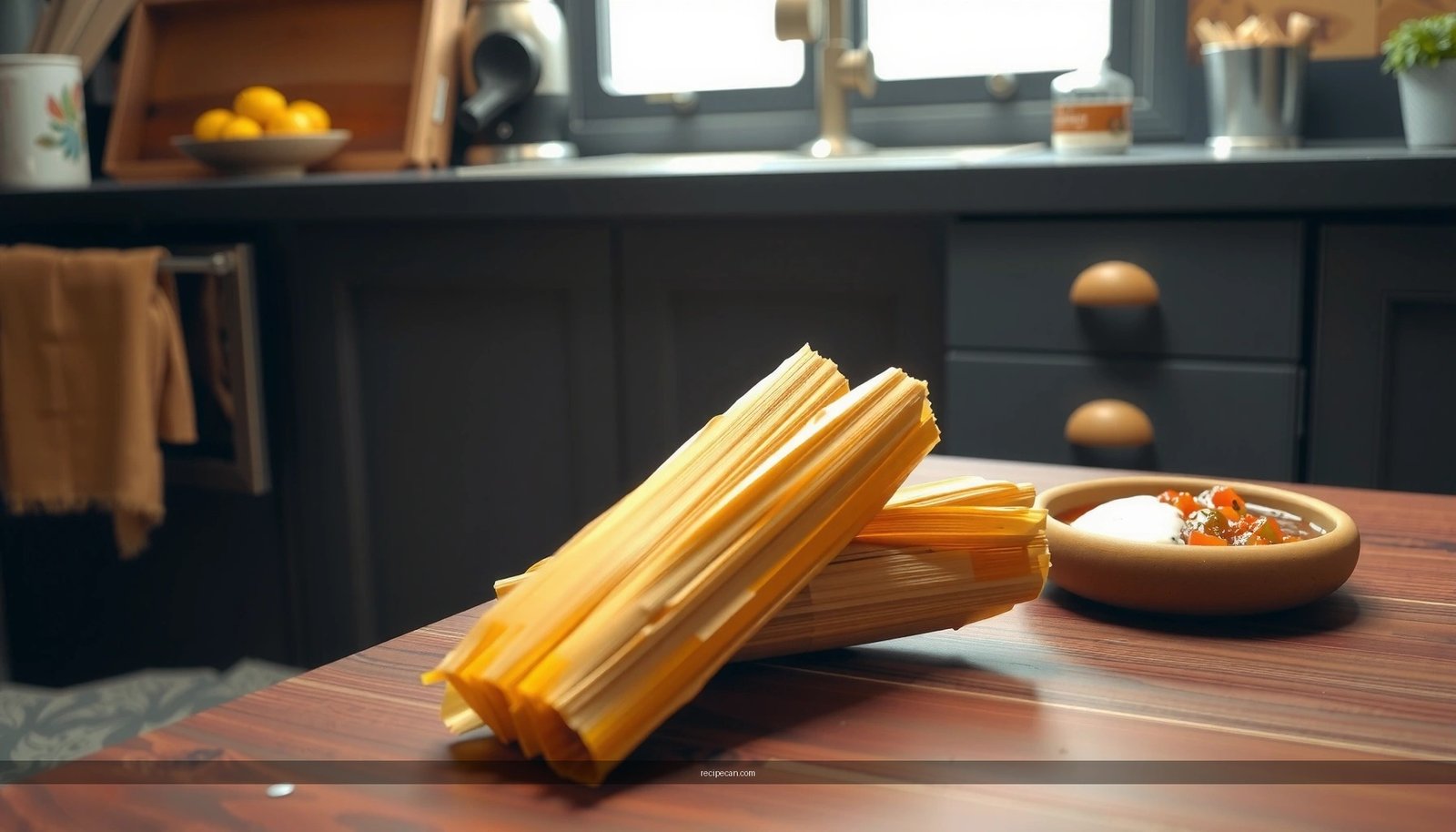
1. Soak husks until pliable: Typically 30–45 minutes. You want flexibility, not mush.
2. Pat off excess water: Wet husks can make masa slide, so remove dripping moisture.
3. Spread masa evenly: Use the back of a spoon to spread about 1/4-inch thick (varies by husk size). Leave a small margin at edges so the masa doesn’t seep out during folding.
4. Add filling consistently: Place filling in the center lengthwise. Use the same amount across tamales so cooking remains uniform.
5. Fold tightly: Fold edges toward the center, then secure (commonly by tying with a strip of husk or using natural twine, if your style calls for it).
Leak prevention checklist:
– Too much filling = overflow under steam pressure.
– Uneven masa thickness = some tamales overcook while others remain underdone.
– Loose wrapping = gaps allow sauce to contact masa directly, softening it.
If you’re batch cooking for a family event, enforce consistency like a system: portion filling with a spoon measure and keep a “masa spread thickness” visual standard.
Steam Tamales Until Tender
Steaming is where you convert setup into texture. Steady steam—not boiling water—is what cooks masa evenly and keeps tamales tender.
Steaming setup:
– Use a large steamer or stockpot with a rack to keep tamales upright.
– Bring water to an active simmer before loading so steam doesn’t drop off.
– Add water carefully during cooking to maintain the steam level without submerging tamales.
Cooking time and doneness:
– Typical steaming time is about 90 minutes, but thickness, batch size, and humidity can change results.
– Check doneness using the masa pull-away test:
– Masa should feel set and firm when pressed gently.
– The edges should pull away from the husk cleanly.
– If masa looks wet or sticks, steam longer in 10–15 minute increments.
Common steaming failure modes:
– Dry tamales: Usually from steam that isn’t maintained or too much heat loss from frequent lid lifting.
– Gummy masa: Usually from under-steaming or overly wet masa.
– Uneven texture: Often from overcrowding (insufficient steam circulation) or inconsistent masa thickness.
A reliable approach is to steam with a lid that seals well and to rotate stacks partway through if your steamer has hot/cool zones.
Serve, Store, and Reheat for Best Results
Even after steaming, tamales continue to set. Treat rest time as part of the cooking process, not an optional step.
Serving:
– Rest 10–20 minutes after removing from the steamer. This improves slicing and reduces crumbling when you unwrap.
– For best flavor, serve tamales with extra red chile or salsa verde, plus pickled onions or a simple crema-based topping if it fits your style.
Storage:
– Refrigerate in an airtight container once fully cooled.
– For longer storage, freeze tamales (wrap individually, then bag together). Freezing locks in texture and flavor.
Reheating without drying:
– Best method: steam until hot (about 10–20 minutes for thawed tamales).
– Microwave can work if you cover tamales and add a splash of water, but steaming yields the most tender result.
– If frozen, reheat longer, adding time gradually and keeping them covered to trap steam.
From a quality perspective, reheating is where many tamales “go wrong” into dryness. Gentle re-steaming helps masa rehydrate without breaking down the structure you worked so hard to build.
Tamales are all about getting the masa right, seasoning flavorful fillings, and steaming until fully tender. Follow the steps above, using the masa and steaming targets as your baseline, and you’ll be making authentic tamales you can confidently share—whether you’re cooking for a family gathering or refining a “house version” for next season. Try your first batch today, then adjust masa hydration and steaming time slightly to perfect the texture for your specific husks and filling style.
Frequently Asked Questions
What makes a tamales recipe authentic?
An authentic tamales recipe typically uses traditional masa (nixtamalized corn) made with fresh corn or masa harina, plus classic seasonings like lard and salt for flavor and texture. Authentic methods also use the correct chile sauces (often red or green) and cook the tamales wrapped in corn husks until the masa is fully set. For the filling, many traditional recipes rely on slow-cooked meats or well-balanced vegetarian options rather than shortcuts.
How do you make authentic red chile sauce for tamales?
Toast dried chiles like guajillo and ancho lightly, then soak them in hot water to soften before blending with garlic, onion, and a bit of vinegar or broth for depth. Simmer the blended sauce briefly to thicken and remove any raw chile flavor, then season with salt and optionally oregano or cumin. This chili sauce is poured or mixed with the filling in an authentic tamales recipe to keep the flavor rich throughout.
Why are my tamales dry or tough, and how can I fix it?
Dry or tough tamales usually come from masa that’s not properly fattened or hydrated, or from overcooking. If your masa feels stiff, mix in a little warm broth or water until it spreads smoothly, and ensure you beat in enough lard or fat for tenderness. Also steam at a steady level with enough water in the pot—opening the lid too often and cooking too long can dry out the masa.
Which filling options are best for authentic tamales?
Classic authentic tamales fillings include pork in red chile (puerco en salsa roja), chicken in green chile (pollo en salsa verde), and sometimes beef with a smoky chile sauce. For a traditional flavor profile, slow-cook the meat until tender, then shred and season well so the filling stays juicy. Vegetarian authentic tamales also do well with roasted chile, mushrooms, beans, or cheese, as long as the filling is well-seasoned.
Best way to steam tamales so the masa cooks evenly?
Start by soaking corn husks so they don’t crack, then arrange tamales upright in the steamer with space for steam to circulate. Keep the water at a steady simmer and cover the pot tightly, adding water as needed so the temperature doesn’t drop. Steam until the masa separates from the husk cleanly and feels set—timing varies by size, but checking a single tamal for doneness helps you avoid under- or overcooking.
References
- Tamale
https://en.wikipedia.org/wiki/Tamale - https://www.britannica.com/topic/tamale
https://www.britannica.com/topic/tamale - Google Scholar Google Scholar
https://scholar.google.com/scholar?q=authentic+Mexican+tamales+recipe+traditional - Google Scholar Google Scholar
https://scholar.google.com/scholar?q=nixtamalization+masa+for+tamales+study - Google Scholar Google Scholar
https://scholar.google.com/scholar?q=traditional+tamale+preparation+steaming+corn+husk - https://pubmed.ncbi.nlm.nih.gov/?term=tamales
https://pubmed.ncbi.nlm.nih.gov/?term=tamales - tamales traditional foods – Search Results – PMC
https://www.ncbi.nlm.nih.gov/pmc/?term=tamales+traditional+foods - https://www.loc.gov/search/?q=tamales&fa=subject%3Arecipes
https://www.loc.gov/search/?q=tamales&fa=subject%3Arecipes - Internet Archive: Digital Library of Free & Borrowable Texts, Movies, Music & Wayback Machine
https://archive.org/search?query=tamales+recipe - Google Scholar Google Scholar
https://scholar.google.com/scholar?q=tamales+recipe+authentic