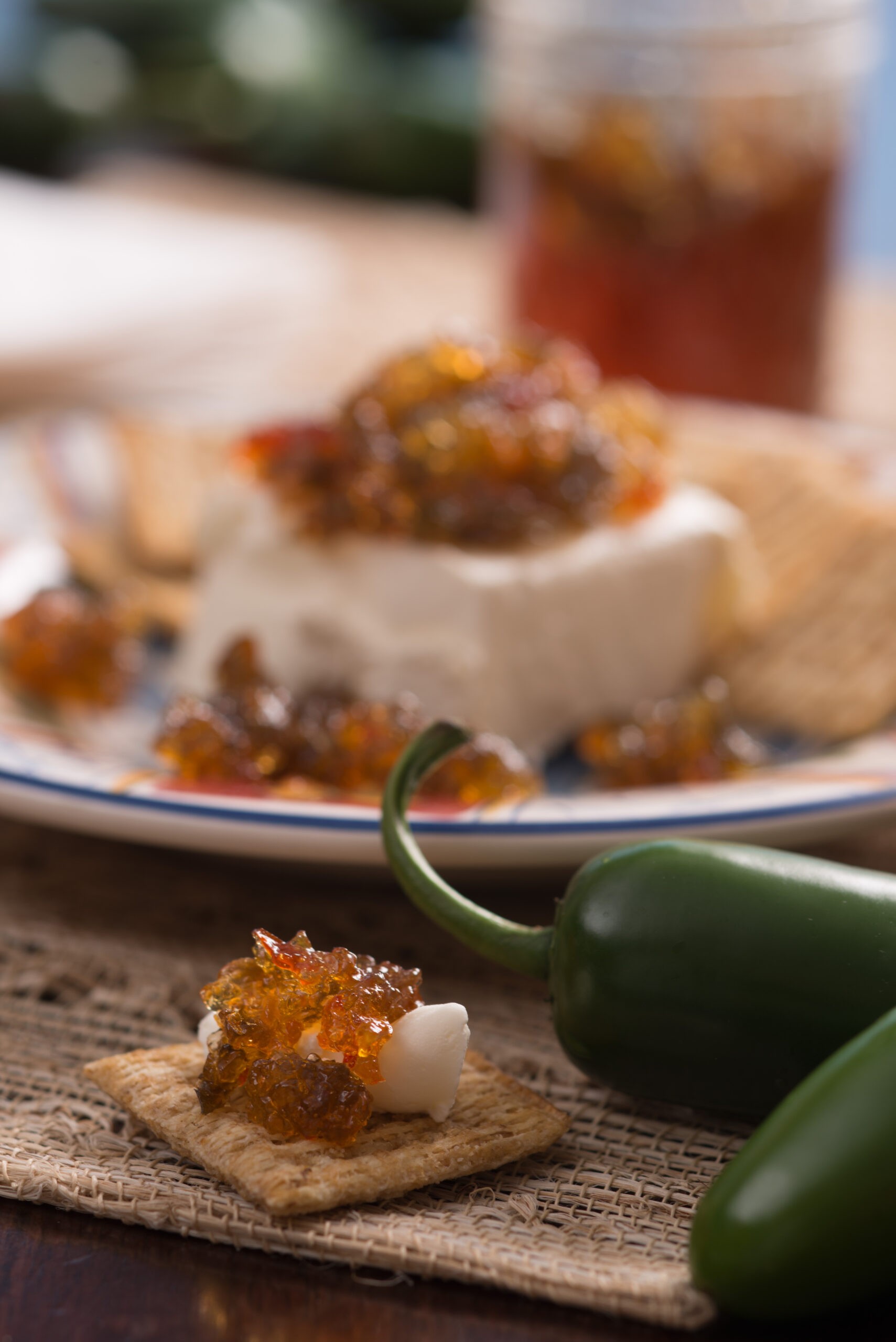
Master the art of canning jalapeno pepper jelly with this complete expert guide, designed for both novice and seasoned preservers. This detailed recipe outlines essential steps, safety protocols, and tips to ensure your jelly is flavorful and shelf-stable. Following proper canning techniques not only enhances taste but also prevents foodborne illness, making it crucial for anyone looking to preserve this spicy delight.
What This Guide Covers (And What It Doesn’t)
This comprehensive guide presents a step-by-step recipe for canning jalapeno pepper jelly, emphasizing safety, precise ingredient ratios, and the necessary equipment for successful preservation. It underscores the importance of proper sterilization techniques, maintaining adequate acidity levels, and adhering to processing times to ensure both food safety and shelf stability. However, this guide does not delve into alternative jelly recipes, non-canning methods, or general canning techniques unrelated to jalapeno pepper jelly.
Who Should Read This
This guide is tailored for home canners who possess a basic understanding of food preservation and are eager to expand their skills with a flavorful and spicy jelly. It caters to both novice canners who have some experience with jelly-making and more seasoned canners seeking detailed instructions for jalapeno pepper jelly. Those with specific dietary restrictions or allergies to common ingredients like sugar or pectin should seek alternative resources, as this recipe incorporates standard canning ingredients.
The Step-by-Step Protocol
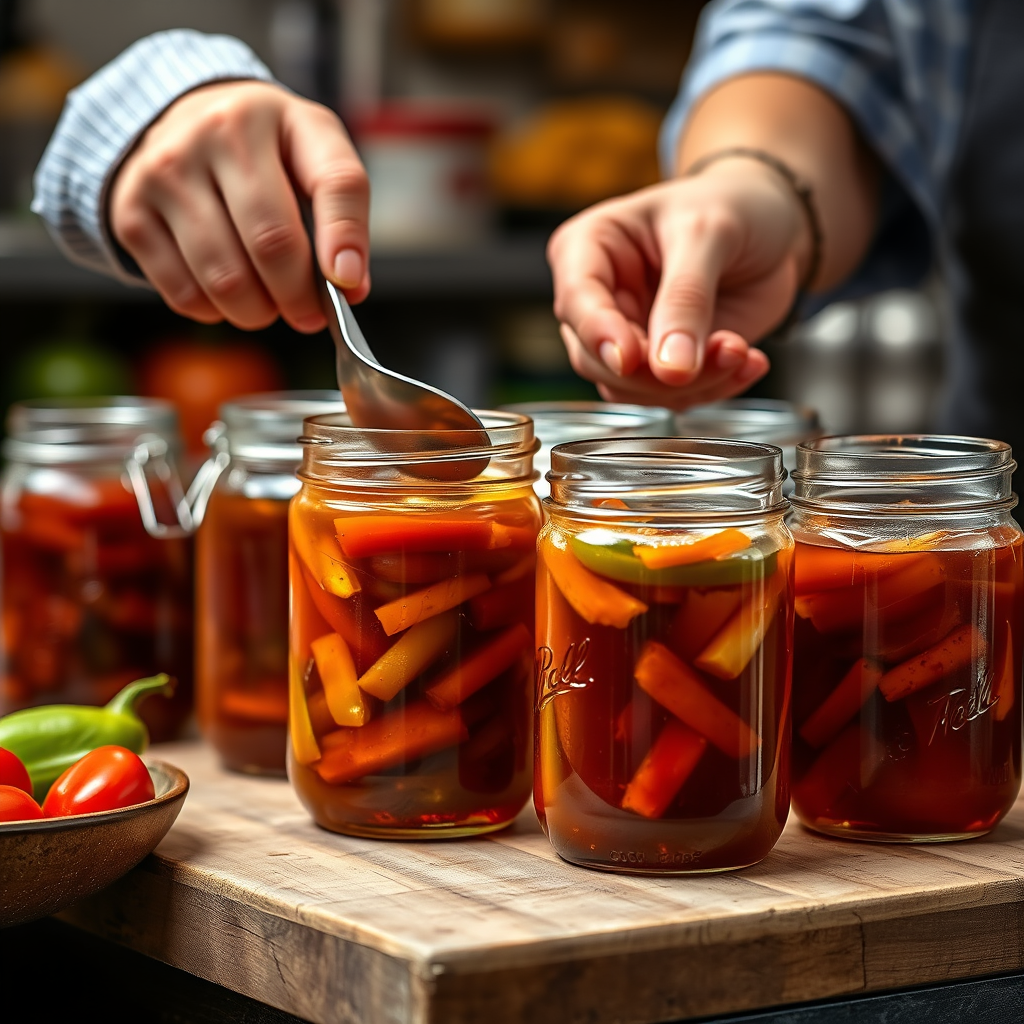
1. Gather Ingredients: Collect 1 pound of fresh jalapeno peppers, 1 cup of apple cider vinegar, 5 cups of granulated sugar, and 1 package (1.75 oz) of liquid pectin.
2. Prepare the Peppers: Wear gloves to finely chop the jalapeno peppers, removing seeds if a milder flavor is desired. Measure out 1 cup of chopped peppers.
3. Cook the Mixture: In a large pot, combine the chopped jalapenos, vinegar, and sugar. Bring to a rolling boil over medium-high heat, stirring constantly until the sugar dissolves.
4. Add Pectin: Once boiling, stir in the liquid pectin and return to a vigorous boil for exactly 1 minute. Remove from heat and skim off any foam.
5. Prepare Jars: Sterilize canning jars in boiling water for 10 minutes and keep them hot until ready to fill. Prepare lids according to the manufacturer’s instructions.
6. Fill and Process Jars: Ladle the hot jelly into the prepared jars, leaving 1/4-inch headspace. Wipe rims with a clean cloth, seal with lids, and process in a boiling water bath for 5-10 minutes based on your altitude.
7. Cool and Store: Allow jars to cool at room temperature for 12-24 hours. Check seals and store in a cool, dark place for up to one year.
Nutritional Information for Jalapeno Pepper Jelly (Per Serving)
| # | Nutrient | Amount | % Daily Value |
|---|---|---|---|
| 1 | Calories | 50 | 2% |
| 2 | Total Fat | 0g | 0% |
| 3 | Sodium | 5mg | 0% |
| 4 | Total Carbohydrates | 13g | 4% |
| 5 | Sugars | 12g | 24% |
| 6 | Protein | 0g | 0% |
| 7 | Vitamin C | 1mg | 2% |
Warning Signs: When Not to Follow This
– Avoid this recipe if your jalapeno peppers exhibit signs of spoilage, such as mold, soft spots, or an off odor, as these indicate potential safety hazards.
– Refrain from canning if you lack the appropriate equipment, like a boiling water canner or fully sterilized jars, to prevent contamination and spoilage.
– Do not proceed without accurately measuring your ingredients, particularly the vinegar and sugar, since incorrect ratios can compromise acidity levels and safety.
The Most Common Mistakes (And Their Consequences)
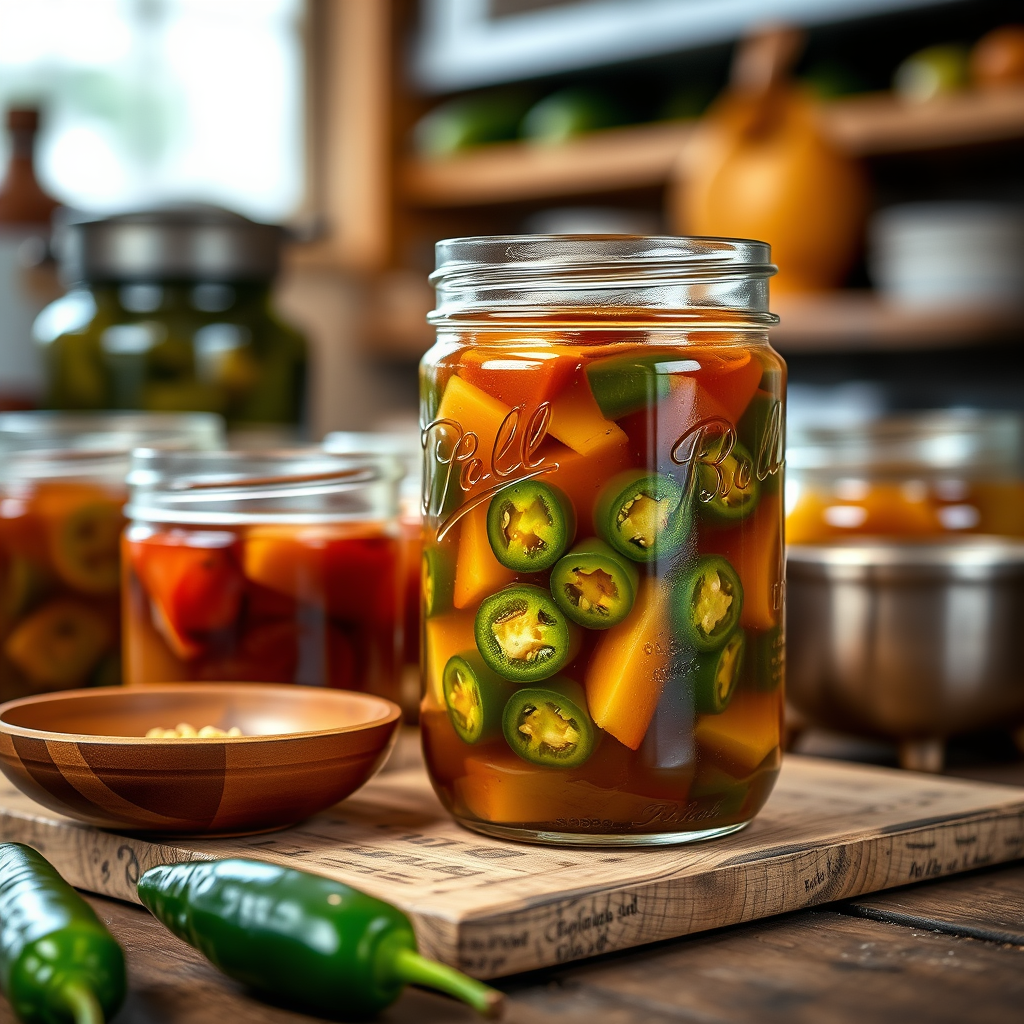
– Incorrect Measurements: Miscalculating the amount of sugar can significantly impact the jelly’s setting ability and safety. A sufficient sugar content is essential for preservation, and too little may lead to spoilage.
– Skipping Sterilization: Neglecting to properly sterilize jars and lids can introduce harmful bacteria, leading to spoilage or foodborne illness. Always ensure sterilization before filling, as unsterilized equipment poses a serious risk.
– Improper Processing Time: Failing to follow the recommended boiling water bath processing time can result in insufficient sealing, which may cause the jelly to spoil or ferment. Such mistakes can lead to severe food safety issues, including botulism.
Special Cases That Need a Different Approach
– If you’re looking to adjust the spice level, consider blending jalapenos with milder peppers, ensuring the total weight remains the same to maintain the recipe’s integrity. This will help balance the flavors without sacrificing safety.
– For those living at higher altitudes (above 1,000 feet), increase the boiling time to compensate for lower boiling temperatures, typically adding 1 minute for each additional 1,000 feet. This adjustment is vital for proper processing and sealing.
– When working with large batches, consider canning in smaller quantities to ensure even cooking and proper sealing of each jar. Larger volumes may result in uneven heat distribution and inconsistent results.
When You Need a Professional
– If you’re uncertain about the acidity of your peppers or the safety of your canning process, consult a certified food preservation expert. Ensuring adequate acid levels is crucial to prevent spoilage.
– In cases of suspected spoilage or if jars fail to seal properly, discard the contents and seek guidance on safe food preservation techniques. Never consume jelly from a jar that did not seal correctly.
– If you have health concerns related to food allergies or specific dietary needs, it’s wise to consult a nutritionist or food safety expert before proceeding with canning. Their advice can help you avoid adverse reactions and ensure appropriate ingredient use.
Sources and Further Reading
– National Center for Home Food Preservation guidelines on jelly-making and canning techniques, available at [nchfp.uga.edu](https://nchfp.uga.edu).
– USDA Complete Guide to Home Canning, which provides detailed information on safe canning practices and recipes.
– Local agricultural extension offices often offer workshops and resources on safe canning practices, which can be invaluable for new canners.
Frequently Asked Questions
What ingredients do I need for a jalapeno pepper jelly canning recipe?
To make jalapeno pepper jelly, you will need fresh jalapeno peppers, granulated sugar, apple cider vinegar, pectin, and food coloring (optional). It’s important to use ripe, firm peppers for the best flavor and heat. The combination of these ingredients creates a sweet and spicy jelly that is perfect for canning.
How do I properly can jalapeno pepper jelly to ensure it is safe for long-term storage?
To safely can jalapeno pepper jelly, start by sterilizing your jars and lids in boiling water. Follow the recipe instructions for cooking the jelly to the correct temperature, and fill the jars while hot, leaving appropriate headspace. Seal the jars with lids and process them in a boiling water bath for the recommended time to ensure they are safe for long-term storage.
Why is my jalapeno pepper jelly not setting properly?
If your jalapeno pepper jelly is not setting, it may be due to insufficient pectin or not cooking it long enough to reach the proper temperature. Ensure you are using the right type of pectin and check your cooking time with a candy thermometer, which should read at least 220°F for the jelly to set. If necessary, you can reprocess the jelly with added pectin.
What is the best way to store homemade jalapeno pepper jelly after canning?
After canning, the best way to store homemade jalapeno pepper jelly is in a cool, dark place, such as a pantry or cupboard. Make sure the jars are sealed properly and check for any signs of spoilage before using. Once opened, store the jelly in the refrigerator and consume it within a few weeks for optimal freshness.
Which types of jalapeno peppers are best for making pepper jelly?
The best types of jalapeno peppers for making jalapeno pepper jelly are those that are firm, bright green, and free from blemishes. You can choose mild jalapenos for a milder flavor or opt for slightly overripe ones for added heat. Experimenting with different varieties, such as red jalapenos, can also enhance the color and taste of your jelly.
References
- Jalapeño
https://en.wikipedia.org/wiki/Jalapeño - https://www.extension.purdue.edu/extmedia/FS/FS-12-W.pdf
https://www.extension.purdue.edu/extmedia/FS/FS-12-W.pdf - | National Center for Home Food Preservation
https://nchfp.uga.edu/how/can_06/jalapeno_jelly.html - How To Refinish Wood Siding With Latex Paints | US Forest Service Research and Development
https://www.fs.usda.gov/treesearch/pubs/5863 - Page not found
https://www.clemson.edu/extension/food_safety/preservation/canning/jalapeno-pepper-jelly.html - Google Scholar Google Scholar
https://scholar.google.com/scholar?q=jalapeno+pepper+jelly+canning+recipe - Google Scholar Google Scholar
https://scholar.google.com/scholar?q=canning+pepper+jelly - Google Scholar Google Scholar
https://scholar.google.com/scholar?q=jalapeno+jelly+preservation - https://pubmed.ncbi.nlm.nih.gov/25996539/
https://pubmed.ncbi.nlm.nih.gov/25996539/ - UGA
https://www.uga.edu/food-safety/preservation/canning/jalapeno-jelly.html