Mastering the art of making grass jelly drink at home requires precise techniques and safety protocols. This comprehensive guide walks you through every step, ensuring you achieve the perfect texture and flavor while prioritizing food safety. Understanding these essential methods not only enhances your beverage-making skills but also guarantees a refreshing and healthy treat for you and your loved ones.
What This Guide Covers (And What It Doesn’t)
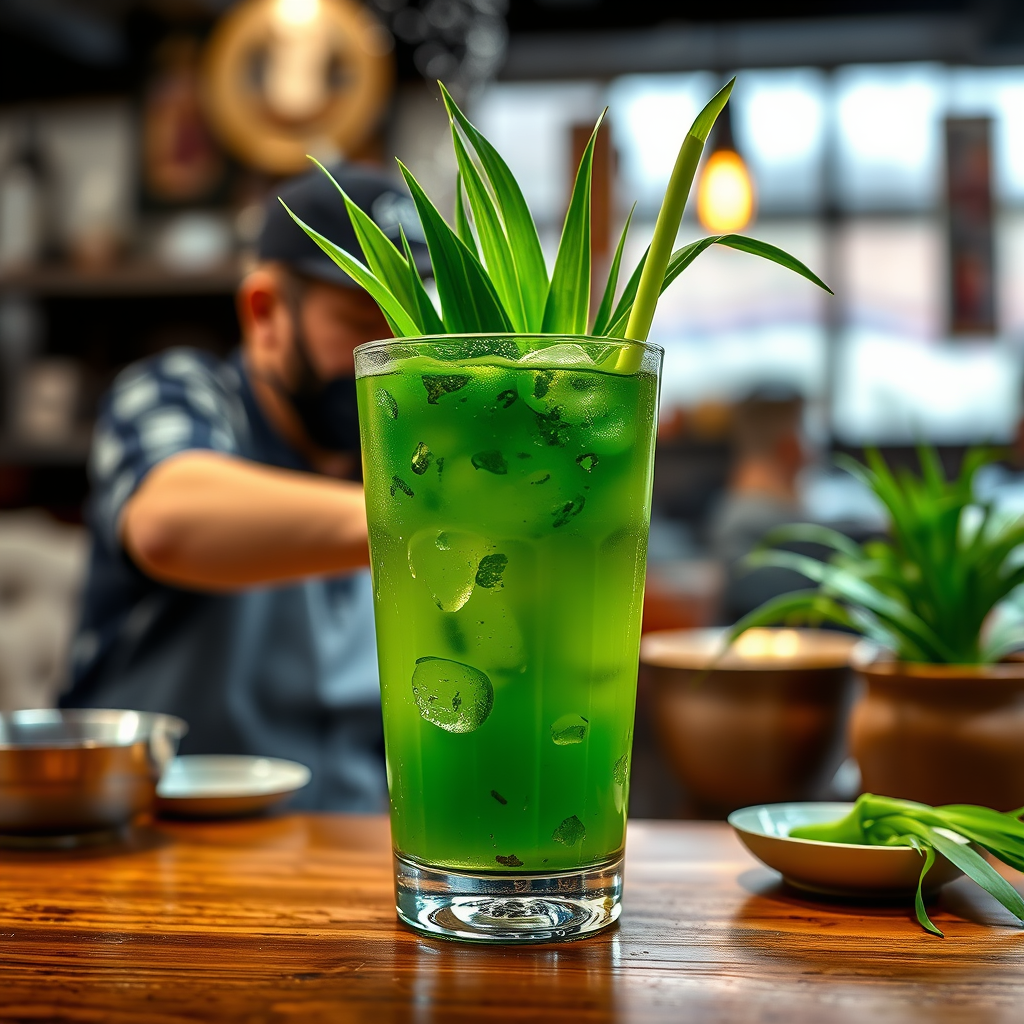
This guide offers a thorough, step-by-step method for safely preparing grass jelly drink at home, emphasizing precise measurements and high-quality ingredients. You’ll find information on sourcing premium grass jelly and tips for mixing it with various beverages to achieve optimal taste and texture. However, this guide does not delve into commercial production methods or variations that include alcohol or other unconventional ingredients that could compromise the drink’s safety.
Who Should Read This
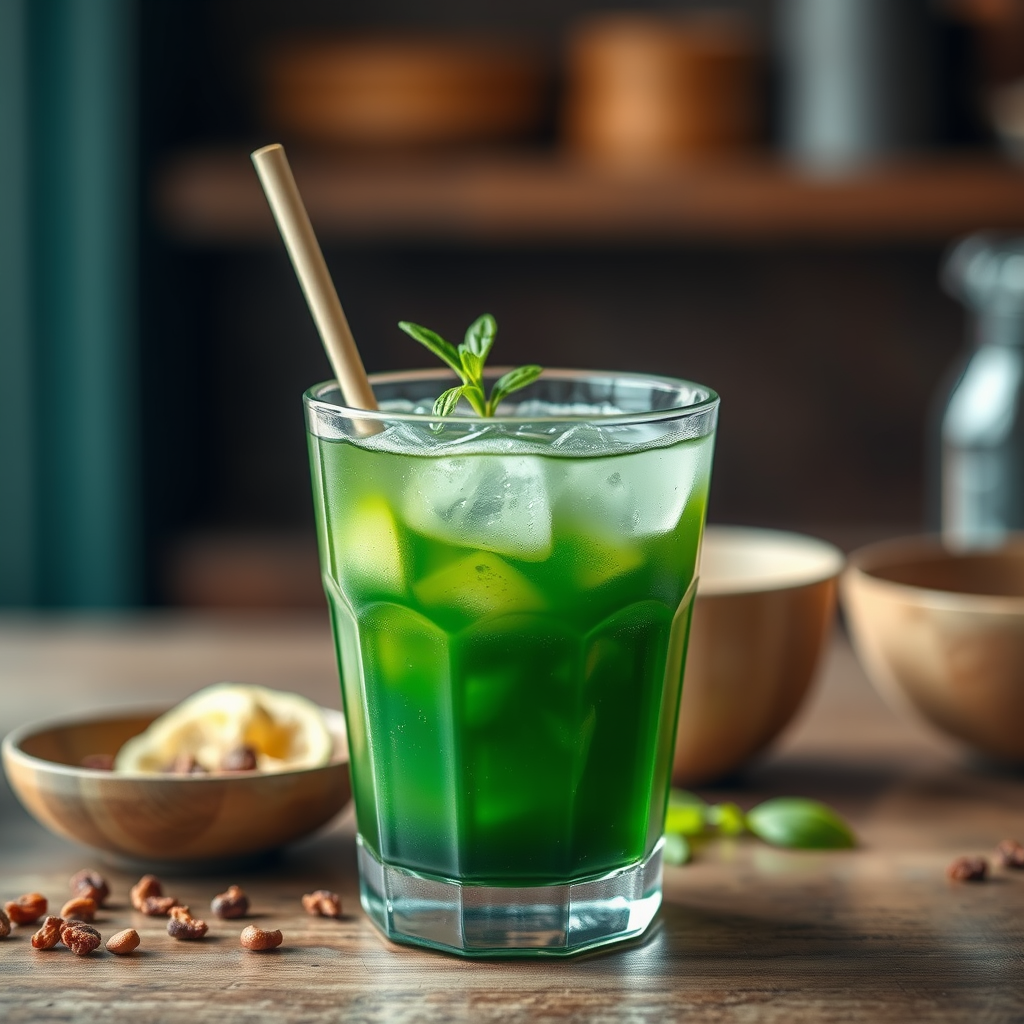
This guide is designed for home cooks and beverage enthusiasts with basic kitchen skills eager to explore traditional Asian drinks. Readers should possess a general understanding of cooking safety, particularly concerning food preparation and hygiene practices. Individuals with severe allergies to ingredients commonly found in grass jelly drink, such as tapioca or certain sweeteners, should approach this guide with caution.
The Step-by-Step Protocol
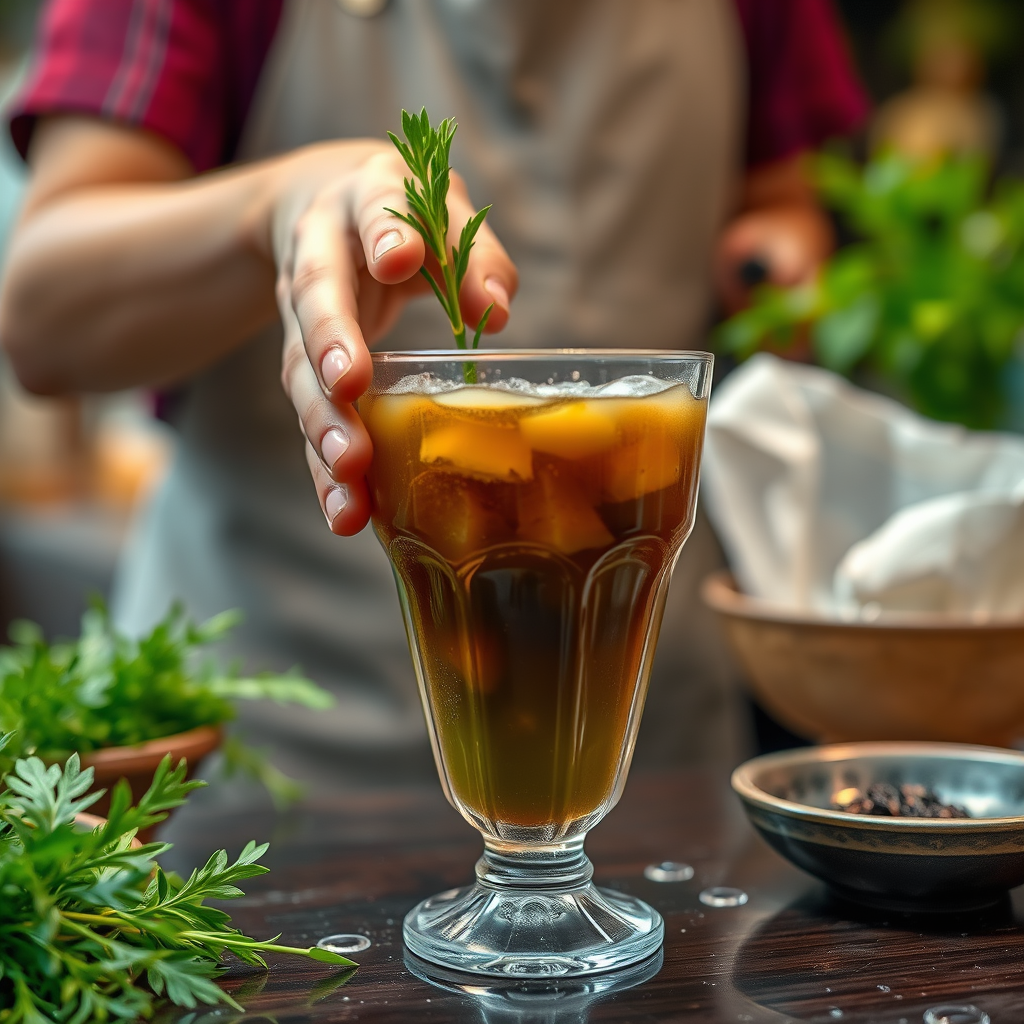
1. Gather Ingredients:
– 1 cup of pre-made grass jelly (available in Asian grocery stores or homemade).
– 2 cups of water for dilution and 1-2 tablespoons of sweetener (e.g., sugar or honey) to taste.
– Optional: 1 cup of coconut milk or almond milk for a richer flavor.
2. Prepare Grass Jelly:
– If using store-bought grass jelly, cut it into small cubes (about 1-inch pieces) for easy mixing.
– If making your own, follow the instructions for cooking the grass jelly powder, ensuring it sets properly before cutting.
3. Mix the Drink:
– In a large pitcher, combine the grass jelly cubes with 2 cups of water and stir gently to avoid breaking the jelly.
– Gradually add sweetener, tasting as you go until you reach your desired sweetness, then mix well.
4. Serve and Enjoy:
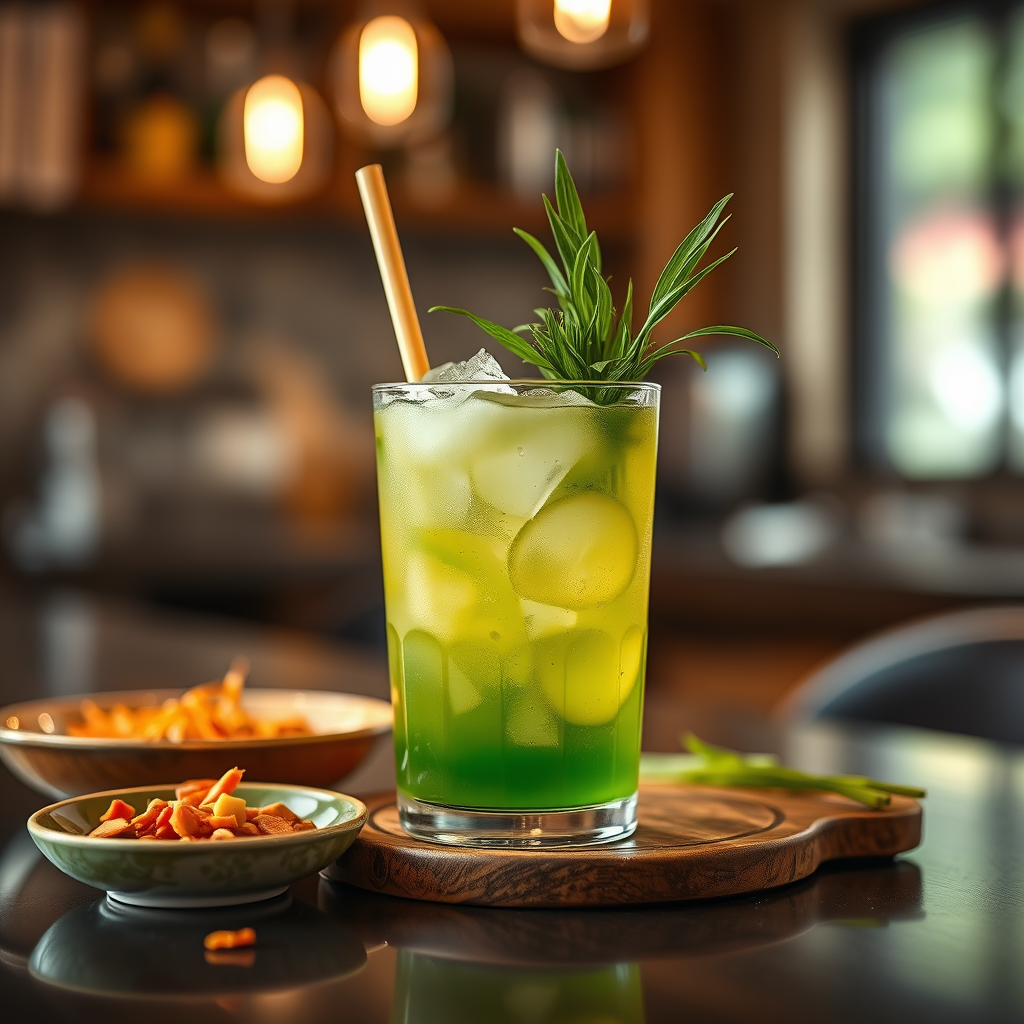
– Pour into glasses over ice for a refreshing drink, or add optional coconut milk for a creamier texture. Serve immediately for the best flavor.
Grass Jelly Drink Ingredient Comparison (2023)
| # | Ingredient | Calories (per cup) | Sugar (g) | Fat (g) |
|---|---|---|---|---|
| 1 | Grass Jelly | 20 | 0 | 0 |
| 2 | Sugar (1 tbsp) | 48 | 12 | 0 |
| 3 | Coconut Milk (1 cup) | 445 | 6 | 48 |
| 4 | Almond Milk (1 cup) | 60 | 7 | 2.5 |
| 5 | Honey (1 tbsp) | 64 | 17 | 0 |
| 6 | Tapioca Pearls (1/4 cup) | 100 | 18 | 0 |
| 7 | Chia Seeds (1 tbsp) | 58 | 0 | 4 |
Warning Signs: When Not to Follow This
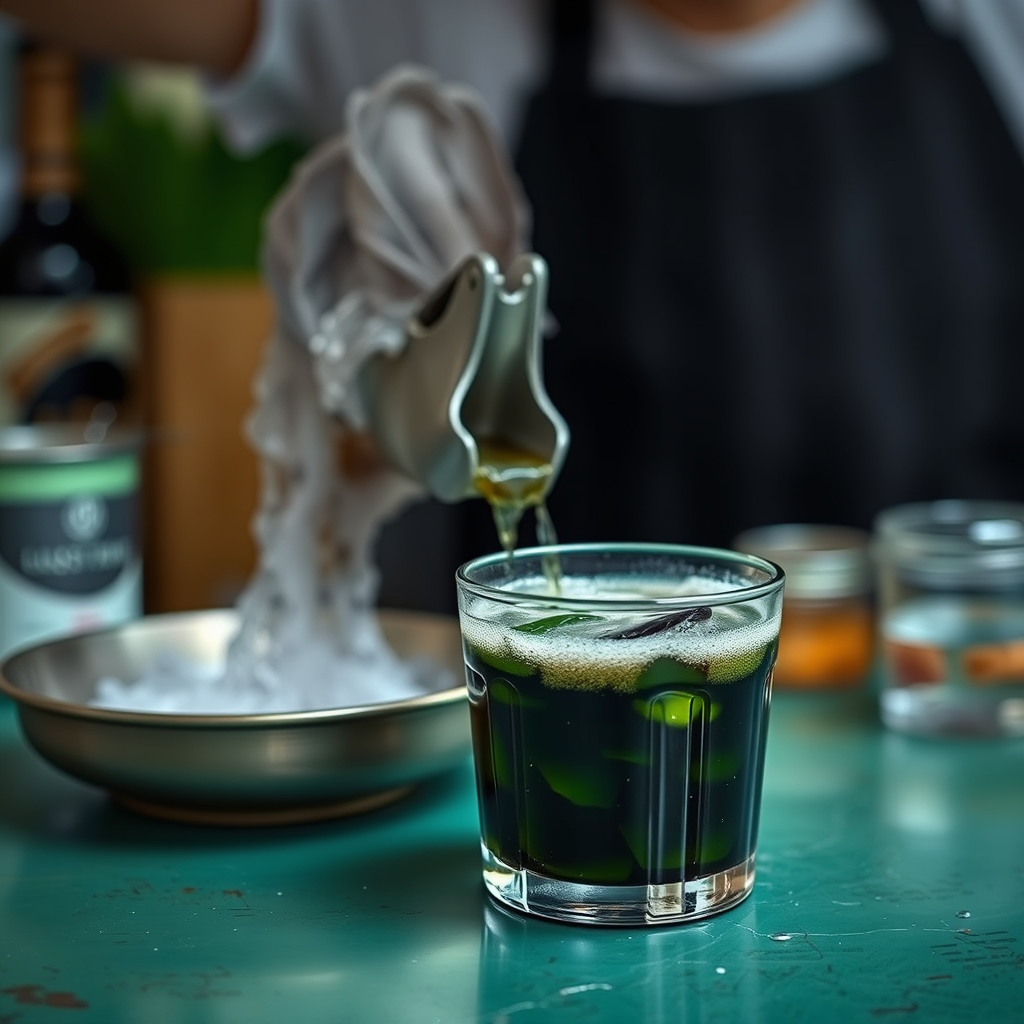
– Avoid making this drink if you have any known allergies to grass jelly or any of the listed ingredients, including specific sweeteners or dairy.
– If you have experienced digestive issues or discomfort after consuming grass jelly in the past, consult a healthcare provider before proceeding.
– Do not attempt this recipe if your kitchen environment is unsanitary or if you lack access to clean water, as maintaining hygiene is essential for food safety.
The Most Common Mistakes (And Their Consequences)
– Using expired or improperly stored grass jelly can lead to off-flavors or foodborne illness. Always check the expiration date and storage conditions, as consuming spoiled jelly can cause gastrointestinal upset.
– Failing to dissolve the sweetener fully may result in a gritty texture, detracting from the drink’s enjoyment. Mix thoroughly before serving to avoid uneven sweetness.
– Overmixing the jelly cubes can break them down excessively, resulting in a smoothie-like consistency instead of maintaining the desired jelly texture. This not only affects aesthetics but can also alter the mouthfeel.
Special Cases That Need a Different Approach
– When preparing the drink for someone with dietary restrictions (e.g., vegan or gluten-free), ensure all components, including sweeteners and milk alternatives, are compliant with their needs. For example, use agave syrup instead of honey for vegans.
– Those living in high-altitude areas may need to adjust cooking times or ingredient quantities, especially if making grass jelly from scratch. Slightly increasing water amounts can help compensate for evaporation.
– To enhance the nutritional profile, consider adding chia seeds or fruits; however, be mindful of how these additions affect the final consistency. Too many add-ins can overwhelm the jelly’s texture.
When You Need a Professional
– Consult a healthcare professional if you have specific dietary concerns or medical conditions that may interact with any ingredients, such as diabetes or lactose intolerance. Monitoring blood sugar levels may be necessary after consuming sweetened drinks.
– If you’re unsure about food safety practices in your kitchen (e.g., cross-contamination), it’s wise to seek guidance from a culinary expert or food safety consultant. Proper hygiene education can help prevent foodborne illnesses.
– Should you experience any adverse reactions after consuming the drink, such as allergic responses or severe digestive issues, seek immediate medical attention. Symptoms like hives or stomach cramps should not be ignored.
Sources and Further Reading
– “Traditional Grass Jelly: A Nutritional Overview” – Journal of Asian Cuisine, 2021.
– “Food Safety Guidelines for Home Cooks” – USDA Food Safety and Inspection Service.
– “Exploring the Health Benefits of Grass Jelly and Other Herbal Jellies” – Asian Journal of Nutrition, 2022.
Making grass jelly drink at home can be a rewarding experience, offering a taste of traditional Asian culture while allowing for customization to suit your preferences. With the right precautions and techniques outlined in this guide, you can create a refreshing beverage that is both enjoyable and safe. Now, gather your ingredients and embark on your grass jelly journey!
Frequently Asked Questions
What ingredients do I need for a basic grass jelly drink recipe?
To make a basic grass jelly drink, you will need grass jelly cubes, sugar, water, and optionally, milk or coconut milk for creaminess. You can also enhance the flavor by adding fresh fruits like mango or lychee. This simple recipe provides a refreshing beverage that is both healthy and delicious.
How do I prepare grass jelly for my drink?
To prepare grass jelly for your drink, first, cut the grass jelly into small cubes or strips. Then, dissolve sugar in hot water to create a syrup, and mix it with the grass jelly cubes. You can serve it over ice for a chilled drink or mix it with coconut milk for added richness.
Why is grass jelly beneficial in drinks?
Grass jelly is low in calories and rich in antioxidants, making it a healthy addition to beverages. It is known for its cooling properties in traditional medicine and can help soothe digestive issues. Including grass jelly in your drink not only enhances the flavor but also provides numerous health benefits.
What is the best way to sweeten a grass jelly drink?
The best way to sweeten a grass jelly drink is by using simple syrup, which is made by dissolving equal parts sugar and water over heat. You can also use honey or agave syrup for a natural alternative. Adjust the sweetness to your preference, ensuring it complements the earthy flavor of the grass jelly.
Which fruits pair well with grass jelly in a drink?
Fruits that pair well with grass jelly include tropical options like mango, lychee, and pineapple, as well as berries like strawberries and blueberries. These fruits not only add a burst of flavor but also enhance the visual appeal of your grass jelly drink. Combining fresh fruits with grass jelly creates a delightful and nutritious beverage.
References
- Grass jelly
https://en.wikipedia.org/wiki/Grass_jelly - Checking your browser – reCAPTCHA
https://www.ncbi.nlm.nih.gov/pmc/articles/PMC3742275/ - https://pubmed.ncbi.nlm.nih.gov/22555706/
https://pubmed.ncbi.nlm.nih.gov/22555706/ - https://www.sciencedirect.com/topics/agricultural-and-biological-sciences/grass-jelly
https://www.sciencedirect.com/topics/agricultural-and-biological-sciences/grass-jelly - https://www.britannica.com/topic/grass-jelly
https://www.britannica.com/topic/grass-jelly - Google Scholar Google Scholar
https://scholar.google.com/scholar?q=grass+jelly+drink+recipe - Google Scholar Google Scholar
https://scholar.google.com/scholar?q=grass+jelly+benefits - Google Scholar Google Scholar
https://scholar.google.com/scholar?q=grass+jelly+health+effects - Checking your browser – reCAPTCHA
https://www.ncbi.nlm.nih.gov/pmc/articles/PMC4338575/ - Healthy diet
https://www.who.int/news-room/fact-sheets/detail/healthy-diet