Mastering the art of making bacon jam safely is essential for both novice cooks and seasoned chefs alike. This expert guide offers step-by-step instructions, insights on ingredient selection, and crucial safety protocols to ensure your homemade bacon jam is not only delicious but also safe to enjoy. With the right techniques, you can elevate this savory spread while avoiding common pitfalls. Follow this comprehensive approach to create a flavorful bacon jam that impresses every time.
What This Guide Covers (And What It Doesn’t)

This guide serves as a comprehensive recipe for crafting bacon jam, detailing specific ingredient ratios, cooking times, and essential safety protocols for food preservation. It focuses solely on the process of making bacon jam, from selecting ingredients to proper storage techniques. Readers will discover various flavor variations and best practices for ensuring food safety, while discussions on nutritional values or dietary restrictions are beyond the scope of this guide.
Who Should Read This
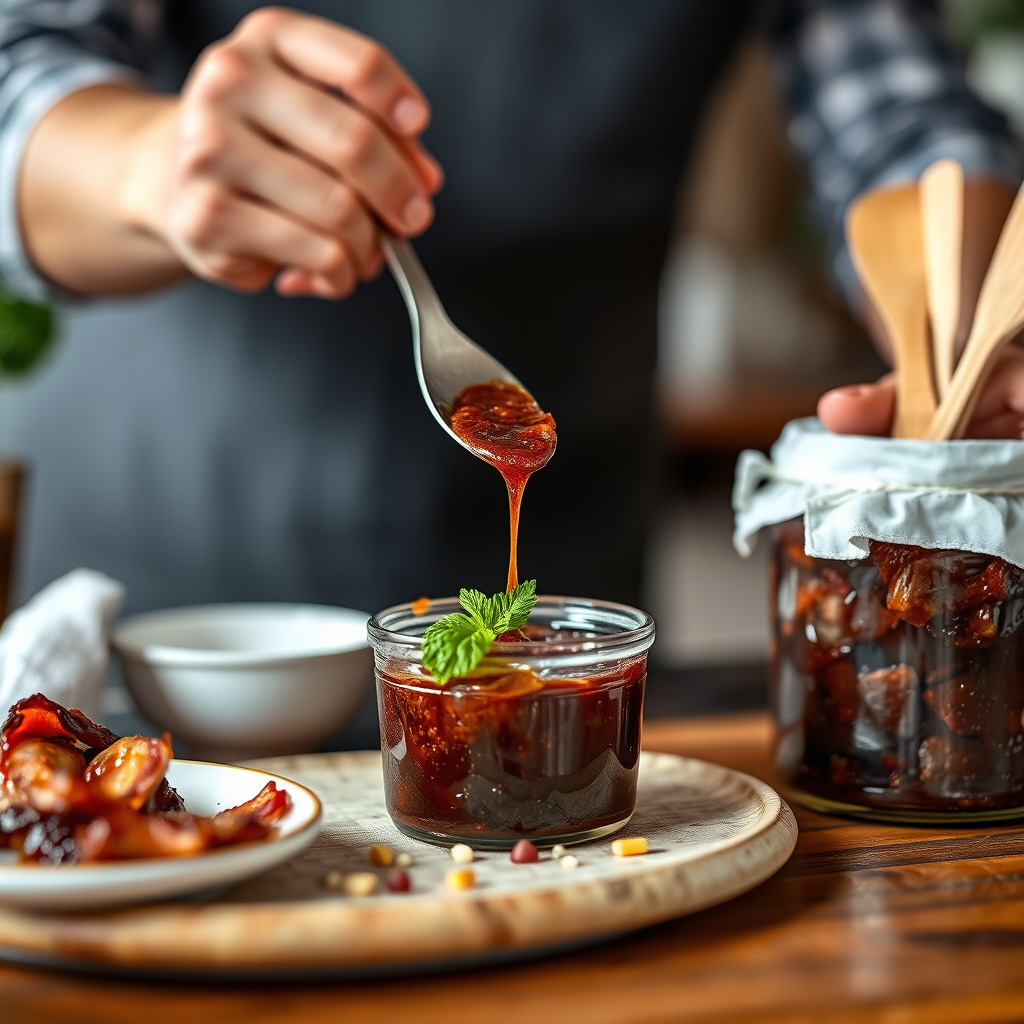
Home cooks with basic culinary skills seeking to elevate their condiment repertoire will find this guide particularly useful. Those experienced in canning or food preservation can enhance their existing knowledge by applying the safety measures outlined here. However, complete beginners may find the process daunting, as this guide assumes a foundational understanding of kitchen tools and techniques.
The Step-by-Step Protocol
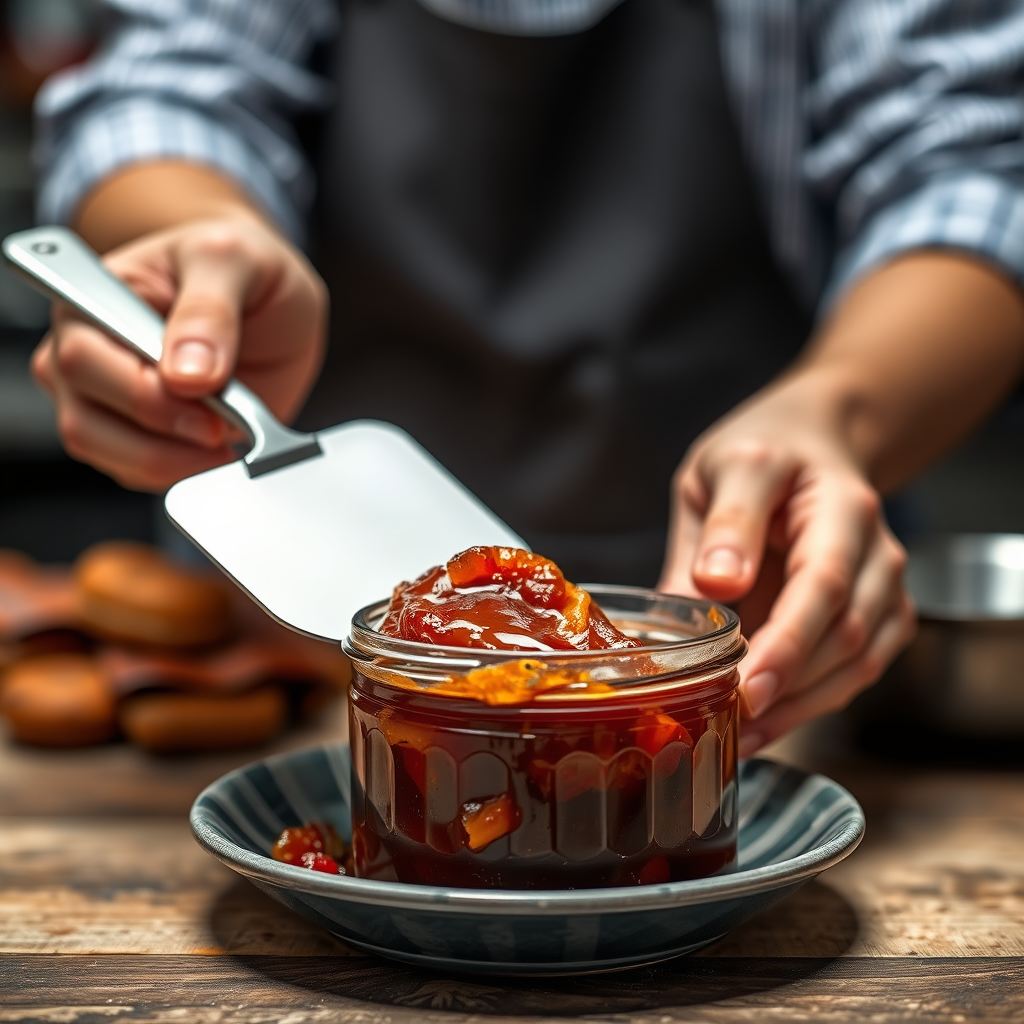
1. Gather Ingredients: Collect 1 pound of thick-cut bacon, 1 medium onion, 1 cup of brown sugar, 1/2 cup of apple cider vinegar, and 1 teaspoon of black pepper. Ensure all ingredients are fresh and of high quality to achieve the best flavor.
2. Cook the Bacon: In a large skillet over medium heat, cook the bacon until crispy, which typically takes about 10-15 minutes. Pay close attention to avoid burning. Once crispy, remove the bacon and let it drain on paper towels to absorb excess grease.
3. Sauté Onions: In the same skillet, drain excess grease, leaving approximately 2 tablespoons in the pan. Add the chopped onions and cook on medium heat. Stir occasionally, allowing them to caramelize slowly, which should take about 10 minutes. Aim for a deep golden color without burning.
4. Combine Ingredients: Once the onions are caramelized, add the chopped cooked bacon, brown sugar, apple cider vinegar, and black pepper to the skillet. Stir to combine and bring the mixture to a simmer. Allow it to simmer for about 15-20 minutes, stirring occasionally, until the mixture thickens to a jam-like consistency. Ensure the sugar dissolves completely and that it doesn’t stick to the bottom of the skillet.
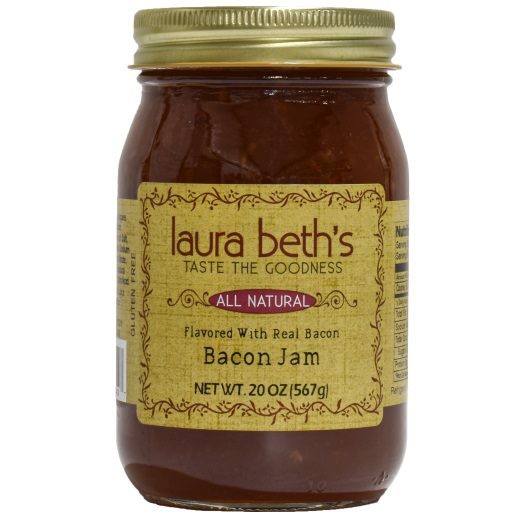
5. Blend and Store: After achieving the desired thickness, transfer the mixture to a food processor. Pulse until you reach a chunky jam consistency, adjusting as necessary to suit your preference. Store the bacon jam in sterilized jars and refrigerate for up to 3 weeks. For longer storage, consider freezing it in an airtight container.
Warning Signs: When Not to Follow This
– Avoid making bacon jam if you have a known allergy to any of the ingredients, particularly bacon or vinegar, as this can lead to severe allergic reactions.
– If you lack the proper kitchen tools, such as a skillet or food processor, it’s advisable not to proceed, as this can result in inconsistent outcomes or safety hazards.
– Do not attempt this recipe if you are unable to maintain a clean workspace and adhere to food safety protocols, as poor hygiene can lead to contamination.
The Most Common Mistakes (And Their Consequences)
– Using Pre-Cooked Bacon: A frequent mistake is opting for pre-cooked bacon, which can result in a lack of flavor depth and a greasy end product. This compromises the overall taste of the jam, making it less enjoyable.
– Overcooking the Mixture: Overcooking can lead to burnt sugar, producing a bitter flavor that disrupts the delicate balance of sweet and savory in the bacon jam. Always monitor the simmering process closely.
– Neglecting Jar Sterilization: Failing to properly sterilize jars before storing the jam can lead to spoilage. This negligence increases the risk of bacterial growth, making the jam unsafe for consumption within a short period.
Special Cases That Need a Different Approach
– Low-Sodium Diet: For those on a low-sodium diet, consider using low-sodium bacon and adjusting the brown sugar. This modification allows for a more suitable version of bacon jam without sacrificing flavor.
– Flavor Variations: If you’re eager to infuse additional flavors, consider adding 1-2 teaspoons of maple syrup or whiskey during the simmering process. Be mindful that this may slightly alter the cooking time, so keep an eye on the consistency.
– Vegan Alternatives: Exploring vegan alternatives using plant-based bacon substitutes and ensuring the sugar is vegan-friendly is possible, though this will significantly change the texture and flavor profile of the jam.
When You Need a Professional
– If food allergies are a concern, especially regarding ingredient cross-reactivity, consulting an allergist or dietitian before attempting this recipe is crucial. A professional can advise you on safe ingredient substitutions.
– If you plan to can bacon jam for long-term storage, seek guidance from a food safety expert or follow USDA guidelines to ensure safe canning practices. Improper canning can lead to serious foodborne illnesses.
– For individuals with underlying health conditions that may be aggravated by high-fat or high-sugar foods, consulting a healthcare provider before making the jam is recommended to address any dietary restrictions or health concerns.
Sources and Further Reading
– USDA Guidelines on Home Canning: [USDA Canning Guidelines](https://nchfp.uga.edu/)
– Food Safety and Inspection Service (FSIS) on preserving meats: [FSIS Preserving Meat](https://www.fsis.usda.gov/wps/portal/fsis/home)
– “The Art of Preserving” by Mary T. McCarthy, which includes jam and preserve recipes along with safety tips for home cooks.
This expert guide empowers you on your culinary journey with bacon jam, ensuring you possess the knowledge and tools to create a delicious, safe product. Embrace the process and savor the unique flavors that bacon jam can bring to your dishes.
Frequently Asked Questions
What are the essential ingredients for a basic bacon jam recipe?
A basic bacon jam recipe typically requires bacon, brown sugar, onions, apple cider vinegar, and coffee or maple syrup for added depth of flavor. These ingredients combine to create a sweet and savory spread that enhances both breakfast dishes and gourmet sandwiches.
How do you make bacon jam from scratch?
To make bacon jam from scratch, start by cooking diced bacon in a skillet until crispy, then remove and drain the fat. Sauté chopped onions in the remaining fat until caramelized, add the bacon back along with brown sugar, vinegar, and any optional spices, then simmer until thickened. The result is a rich, flavorful bacon jam perfect for topping meats or spreading on toast.
Why is my bacon jam too runny, and how can I thicken it?
If your bacon jam is too runny, it may not have simmered long enough to reduce properly. To thicken it, continue cooking over low heat, allowing the excess liquid to evaporate, or add a small amount of cornstarch mixed with water to help bind the ingredients. This will achieve the desired jam-like consistency.
What is the best way to store homemade bacon jam?
The best way to store homemade bacon jam is in an airtight container in the refrigerator, where it can last for up to two weeks. For longer storage, consider freezing the jam in small portions; it can be thawed and enjoyed later without losing its rich flavor or texture.
Which dishes pair well with bacon jam?
Bacon jam pairs exceptionally well with a variety of dishes, including burgers, grilled cheeses, and charcuterie boards. It can also elevate breakfast items like eggs, biscuits, or avocado toast, making it a versatile condiment that adds a unique twist to many meals.
References
- Bacon
https://en.wikipedia.org/wiki/Bacon - https://www.ncbi.nlm.nih.gov/pmc/articles/PMC7071008/
https://www.ncbi.nlm.nih.gov/pmc/articles/PMC7071008/ - https://www.bbc.co.uk/food/recipes/baconjam_77204
https://www.bbc.co.uk/food/recipes/baconjam_77204 - https://www.sciencedirect.com/topics/food-science/bacon
https://www.sciencedirect.com/topics/food-science/bacon - https://www.nytimes.com/2014/04/09/dining/bacon-jam-recipe.html
https://www.nytimes.com/2014/04/09/dining/bacon-jam-recipe.html - https://www.theguardian.com/food/2020/mar/17/how-to-make-bacon-jam-recipe
https://www.theguardian.com/food/2020/mar/17/how-to-make-bacon-jam-recipe - https://www.cdc.gov/foodsafety/food-safety-education-month.html
https://www.cdc.gov/foodsafety/food-safety-education-month.html - Google Scholar Google Scholar
https://scholar.google.com/scholar?q=bacon+jam+recipe - Google Scholar Google Scholar
https://scholar.google.com/scholar?q=bacon+jam+food+science - bacon jam recipe – Search results
https://en.wikipedia.org/wiki/Special:Search?search=bacon+jam+recipe