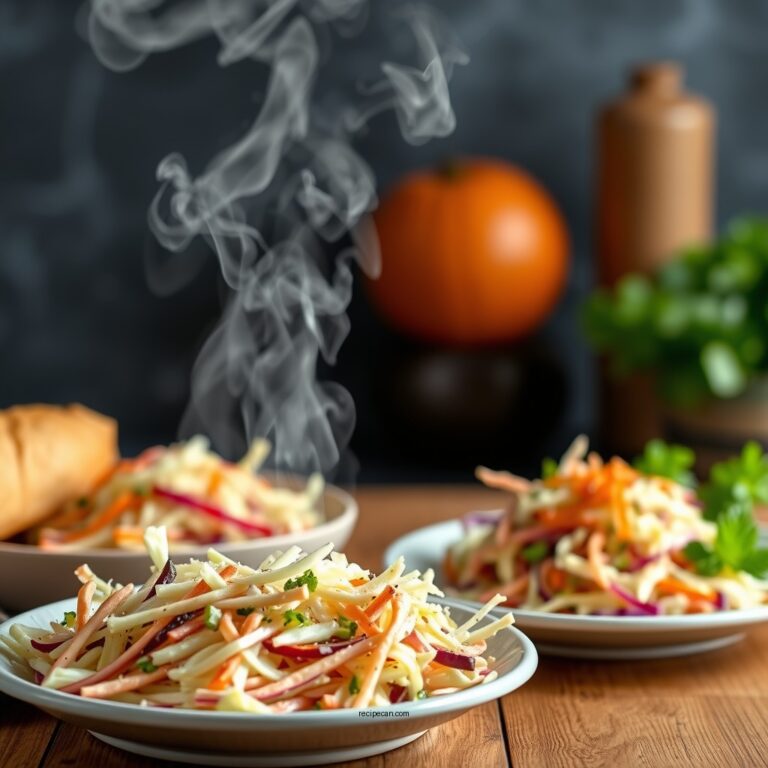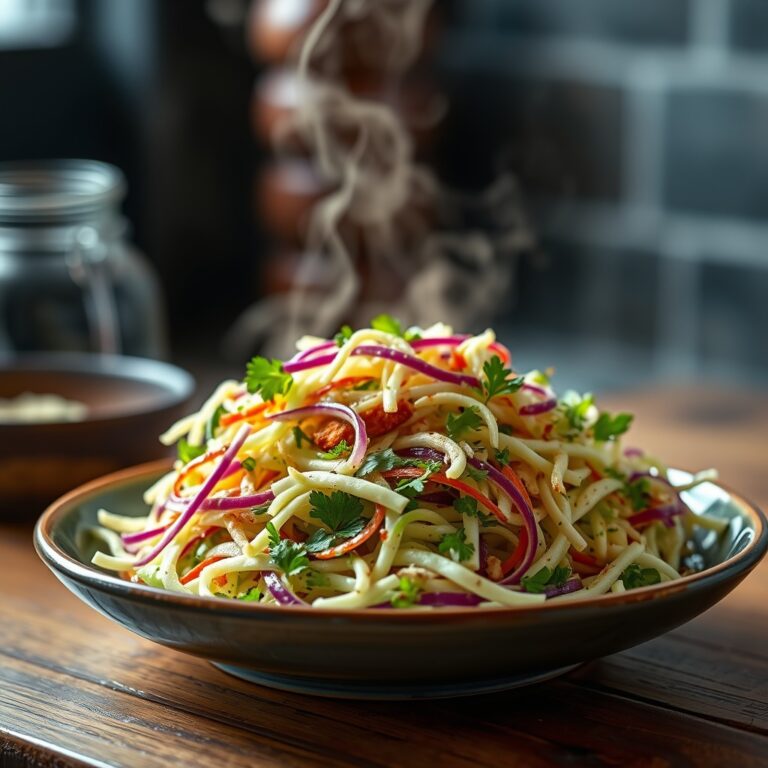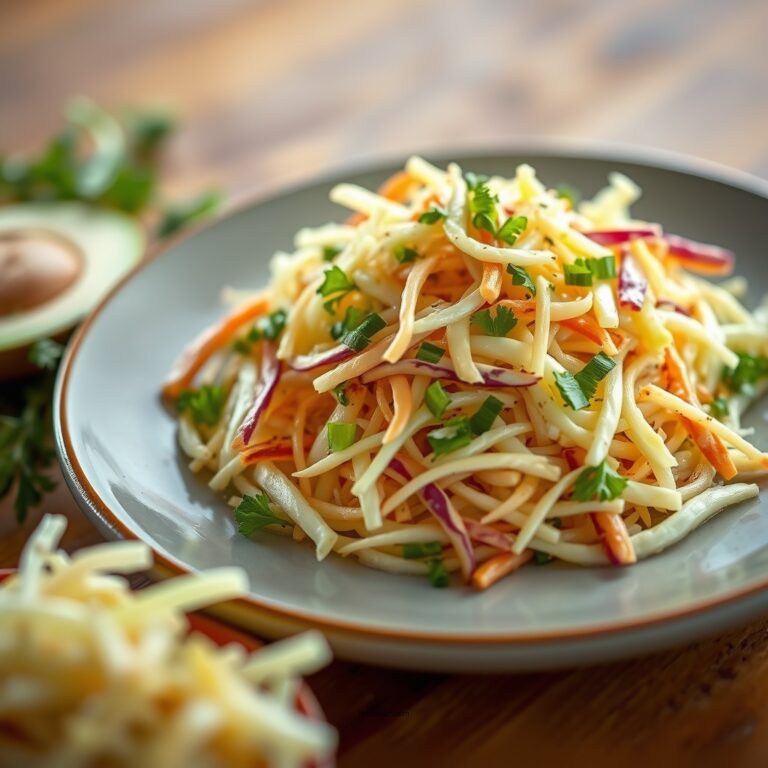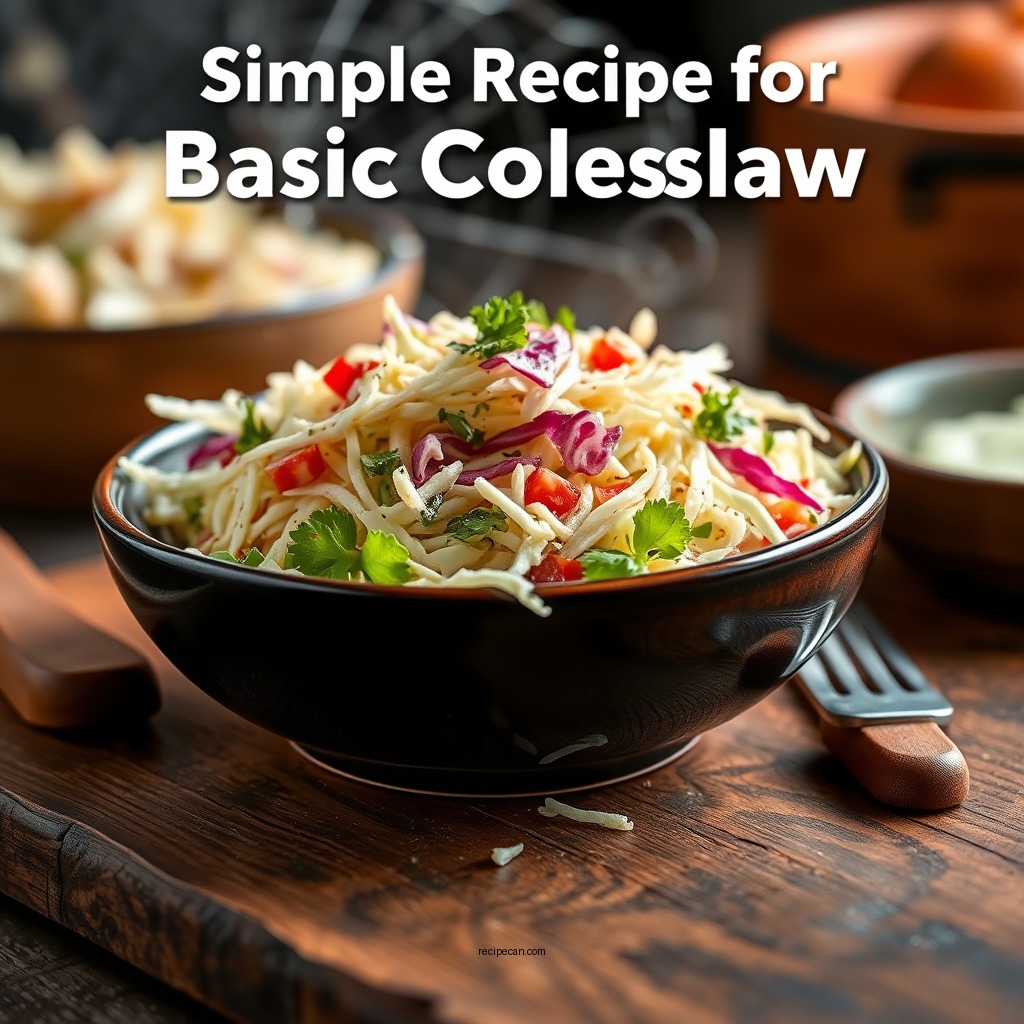
To make a basic coleslaw, you’ll need just a few simple ingredients: shredded cabbage, carrots, and a creamy dressing. This easy recipe is perfect for barbecues, picnics, or as a side dish for any meal. With its crisp texture and refreshing taste, coleslaw can elevate any dining experience. In this guide, you’ll learn how to prepare delicious coleslaw that everyone will love, along with tips for variations and storage.
Ingredients Needed
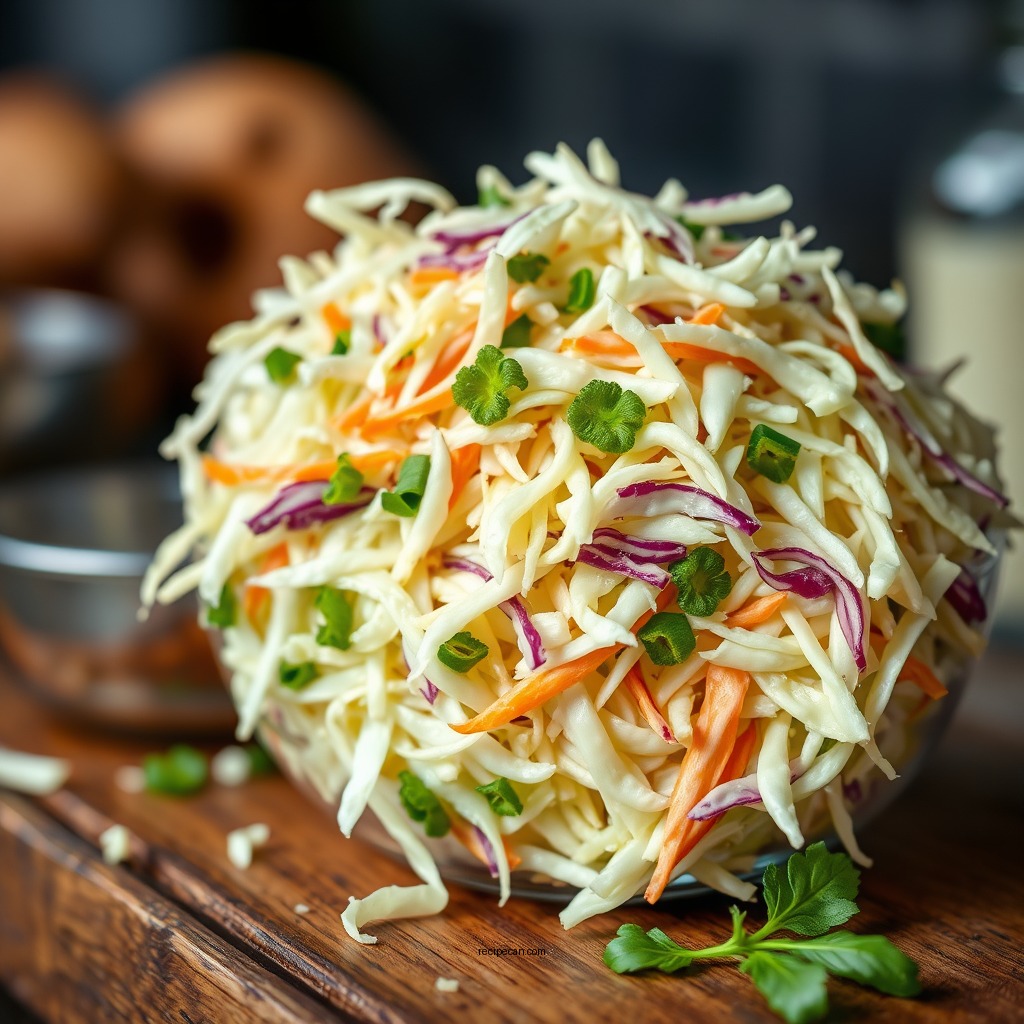
The simplicity of coleslaw lies in its few essential ingredients, each contributing to the overall flavor and texture of the dish. Here’s a breakdown of what you’ll need:
– Shredded green cabbage: This is the primary base of your coleslaw. Its natural crunchiness and subtle flavor make it an ideal canvas for the dressing and other ingredients. Green cabbage retains its texture well even after being mixed with dressing, ensuring that your coleslaw remains crunchy.
– Carrots: Added for their sweetness and vibrant orange hue, carrots introduce a pleasant contrast to the cabbage. They also provide additional vitamins and nutrients, making your coleslaw not only tastier but also healthier.
– Dressing: The dressing is what brings the coleslaw together. A classic coleslaw dressing typically includes mayonnaise, vinegar, and sugar. The mayonnaise offers creaminess, while vinegar adds a tangy kick, and sugar balances out the flavors.
Step-by-Step Preparation
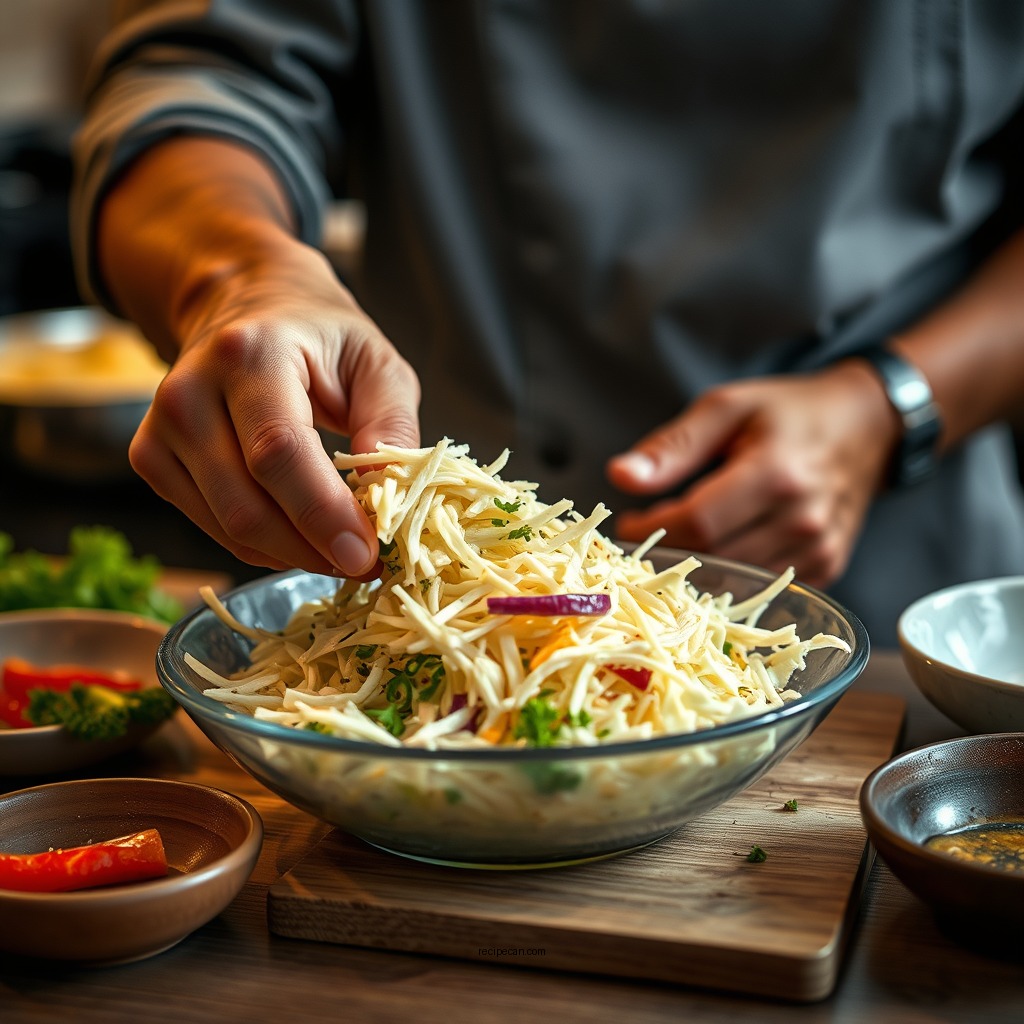
Preparing coleslaw is straightforward and can be done in just a few steps. Here’s how to do it:
1. Shred the cabbage and carrots: Start by removing the outer leaves from the cabbage. Cut it into quarters, then remove the core. Use a sharp knife or a box grater to shred the cabbage into thin strips. For the carrots, peel them first and then shred them using the same method. Aim for even shreds to ensure consistent texture throughout your coleslaw.
2. Combine the vegetables: In a large mixing bowl, combine the shredded cabbage and carrots. Toss them together to ensure they are evenly mixed before adding the dressing.
Making the Dressing
The dressing is crucial to the success of your coleslaw. Here’s a simple way to create a delicious creamy dressing:
1. Mix the ingredients: In a separate bowl, combine about one cup of mayonnaise with a tablespoon of vinegar (apple cider or white vinegar works well). The vinegar adds acidity that cuts through the richness of the mayonnaise.
2. Adjust sweetness: Taste the dressing and add sugar gradually, mixing well after each addition. Usually, one to two tablespoons of sugar will suffice, but you can adjust it based on your preference for sweetness.
3. Optional enhancements: For a more complex flavor, consider adding a teaspoon of mustard or a dash of hot sauce to the dressing. Freshly cracked black pepper and a pinch of salt can enhance the overall taste as well.
Mixing and Marinating
Once your vegetables and dressing are ready, it’s time to combine them:
1. Combine thoroughly: Pour the dressing over the cabbage and carrot mixture. Use tongs or a spatula to gently fold the vegetables into the dressing, ensuring every piece is evenly coated.
2. Marinate for flavor: Cover the bowl with plastic wrap or transfer the coleslaw into an airtight container and refrigerate it for at least 30 minutes. This marinating time allows the flavors to meld and enhances the overall taste of the coleslaw. The cabbage will also soften slightly, making it more palatable.
Serving Suggestions
Coleslaw is incredibly versatile and can be served in various ways:
– As a side dish: Serve chilled coleslaw alongside grilled meats, fried chicken, or barbecue dishes. Its refreshing crunch complements rich flavors beautifully.
– On sandwiches: Use coleslaw as a topping for pulled pork or barbecue chicken sandwiches. The creamy dressing adds moisture while the vegetables provide texture.
– In wraps or tacos: Incorporate coleslaw into wraps or fish tacos for a delightful crunch and added flavor.
Variations to Try
To keep your coleslaw interesting, consider these variations:
– Fruits and nuts: Add sliced apples, raisins, or chopped walnuts for extra flavor and texture. These ingredients can introduce a sweet or nutty dimension that pairs well with the traditional coleslaw.
– Alternative dressings: Experiment with different dressings. A tangy vinaigrette made from olive oil and balsamic vinegar can provide a lighter alternative to mayonnaise. Yogurt-based dressings also offer a healthier option while still delivering creaminess.
– Colorful vegetables: Incorporate red cabbage for a vibrant color contrast or add bell peppers for extra crunch and sweetness.
Storage Tips
Proper storage is key to maintaining the freshness of your coleslaw:
– Refrigerate leftovers: Store any leftover coleslaw in an airtight container in the refrigerator. This will help preserve its crunch and flavor.
– Consume within 3-5 days: For the best taste and texture, aim to eat the coleslaw within three to five days. The dressing may cause the vegetables to soften over time, so it’s best enjoyed fresh.
Popular Coleslaw Variations and Ingredients
| # | Variation | Main Ingredient | Flavor Profile |
|---|---|---|---|
| 1 | Classic Creamy | Cabbage | Creamy & Tangy |
| 2 | Asian Style | Napa Cabbage | Savory & Sweet |
| 3 | Spicy Jalapeño | Green Cabbage | Spicy & Tangy |
| 4 | Fruit Coleslaw | Apples | Sweet & Fruity |
| 5 | Vegan Coleslaw | Cabbage | Creamy & Light |
| 6 | Southern Style | Cabbage | Creamy & Hearty |
Coleslaw Ingredients Popularity
In summary, making a basic coleslaw is not only easy but also allows for a variety of creative adaptations. With just a few ingredients, you can whip up a crunchy, flavorful side dish that complements many meals. Don’t hesitate to explore different variations or serve it alongside your favorite dishes. Get started with your own coleslaw today and enjoy the delicious crunch!
Frequently Asked Questions
What are the essential ingredients for a basic coleslaw recipe?
A basic coleslaw recipe typically includes shredded green cabbage, shredded carrots, and a creamy dressing made from mayonnaise, vinegar, sugar, salt, and pepper. You can also add other ingredients like celery seeds or chopped onions for extra flavor. This simple combination creates a classic coleslaw that pairs well with various dishes.
How do I make a homemade coleslaw dressing?
To make a homemade coleslaw dressing, combine 1 cup of mayonnaise, 2 tablespoons of apple cider vinegar, 1 tablespoon of sugar, and salt and pepper to taste in a bowl. Whisk the ingredients together until smooth, then adjust the sweetness or acidity to your liking. This dressing will complement the crunchy vegetables in your coleslaw for a delicious flavor.
Why is my coleslaw watery, and how can I prevent it?
Watery coleslaw often results from the natural moisture in the vegetables, especially if they are not properly drained. To prevent this, sprinkle shredded cabbage with salt and let it sit for about 30 minutes before rinsing and draining it. This process draws out excess moisture and helps achieve a crispier coleslaw.
What are the best types of cabbage to use for coleslaw?
The best types of cabbage for coleslaw include green cabbage, purple cabbage, and Napa cabbage. Green cabbage is the most commonly used due to its crisp texture and mild flavor, while purple cabbage adds vibrant color and a slightly peppery taste. Napa cabbage offers a softer texture, making it an excellent choice for a lighter slaw.
Which toppings can I add to enhance my basic coleslaw recipe?
To enhance your basic coleslaw recipe, consider adding toppings like diced apples, raisins, or chopped nuts for sweetness and crunch. You can also incorporate fresh herbs like parsley or cilantro for a burst of flavor. These additions not only elevate the taste but also add nutritional value and visual appeal to your coleslaw.
References
- Coleslaw
https://en.wikipedia.org/wiki/Coleslaw - https://www.ncbi.nlm.nih.gov/pmc/articles/PMC6127625/
https://www.ncbi.nlm.nih.gov/pmc/articles/PMC6127625/ - https://www.mayoclinic.org/healthy-lifestyle/nutrition-and-healthy-eating/in-depth/coleslaw/ART-20459701
https://www.mayoclinic.org/healthy-lifestyle/nutrition-and-healthy-eating/in-depth/coleslaw/ART-20459701 - https://www.sciencedirect.com/topics/food-science/coleslaw
https://www.sciencedirect.com/topics/food-science/coleslaw - https://www.cdc.gov/nutrition/resources-publications/food-safety.html
https://www.cdc.gov/nutrition/resources-publications/food-safety.html - https://www.bbc.com/food/recipes/coleslaw_93025
https://www.bbc.com/food/recipes/coleslaw_93025 - https://www.foodsafety.gov/food-safety-charts/cutting-board-safety
https://www.foodsafety.gov/food-safety-charts/cutting-board-safety - Google Scholar Google Scholar
https://scholar.google.com/scholar?q=coleslaw+recipes - Google Scholar Google Scholar
https://scholar.google.com/scholar?q=nutritional+benefits+of+coleslaw - Google Scholar Google Scholar
https://scholar.google.com/scholar?q=history+of+coleslaw