Meringue made with cream of tartar is a simple yet effective way to achieve a light and airy texture perfect for various desserts. This ingredient not only stabilizes the egg whites but also enhances their volume, resulting in a meringue that holds its shape beautifully. In this article, you’ll learn how to make the perfect meringue using cream of tartar, what equipment you need, and tips to avoid common pitfalls.
Understanding Meringue and Its Components
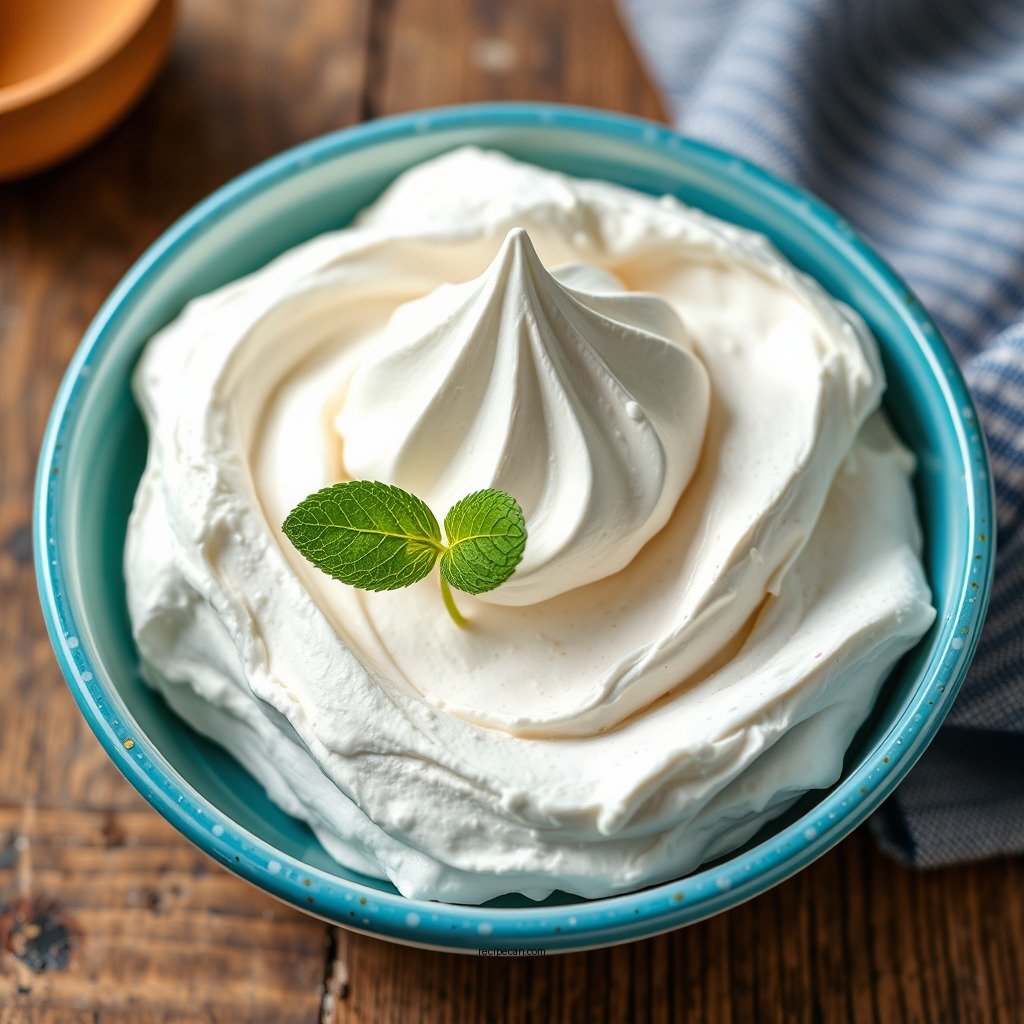
Meringue is primarily made from whipped egg whites and sugar, creating a stable foam that is both delicate and versatile. The process of whipping egg whites incorporates air, leading to the formation of tiny bubbles that expand and provide the desired lightness. However, achieving this light texture can be challenging without the right ingredients.
Cream of tartar acts as an acid, helping to stabilize the egg whites and improve their volume. By lowering the pH of the egg whites, cream of tartar encourages the proteins to bond more effectively, creating a stronger foam. This means that adding cream of tartar is crucial, especially when you want a meringue that needs to maintain its structure, such as in pies or pavlovas.
Essential Ingredients for Meringue
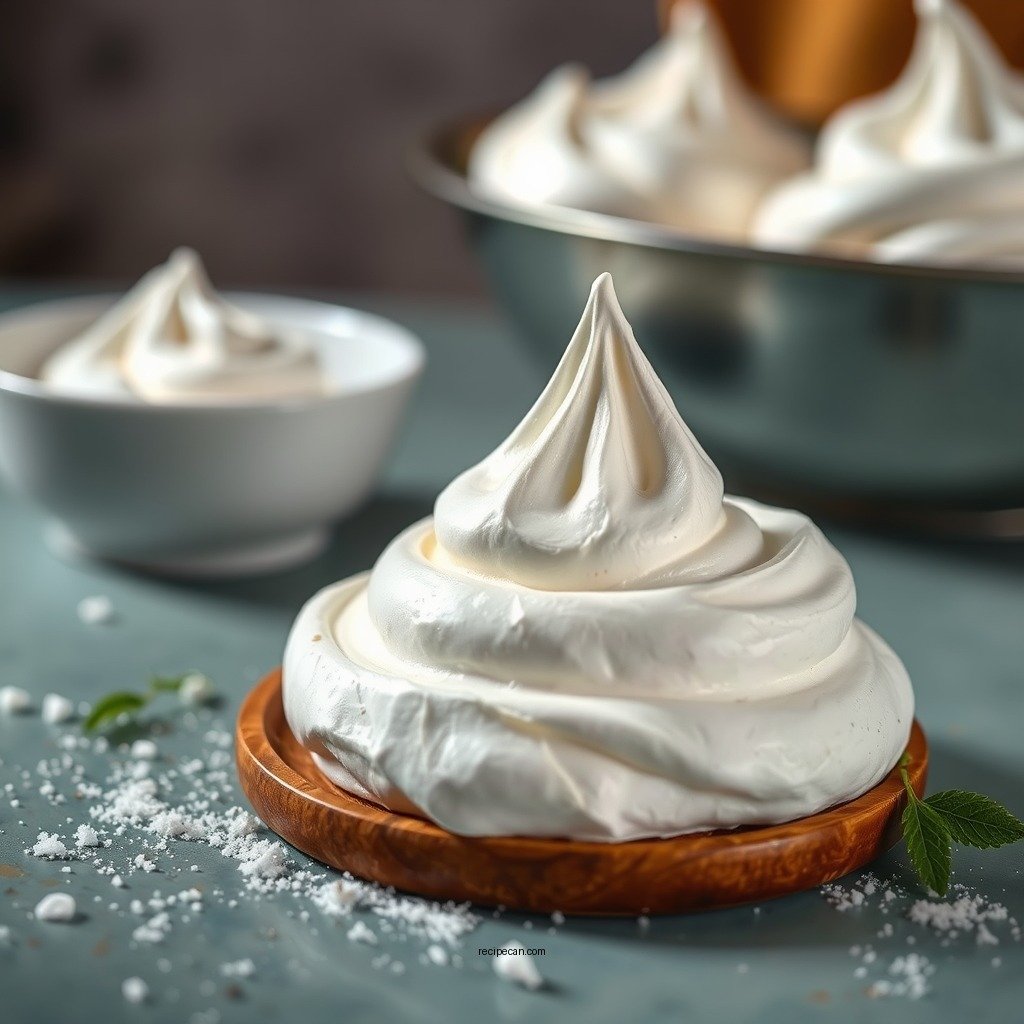
To master the art of meringue, it’s vital to gather the essential ingredients:
– Egg Whites: Fresh, room temperature egg whites whip better and create more volume. When separating the egg whites from yolks, ensure that no yolk contaminates the whites, as even a small amount of fat can hinder the whipping process.
– Sugar: Granulated sugar is ideal for achieving the right texture and sweetness. It is best to add sugar gradually during the whipping process to ensure that it dissolves properly and contributes to the overall stability of the meringue.
– Cream of Tartar: Typically used in small amounts (1/8 teaspoon per egg white) to enhance stability, cream of tartar is a key ingredient that makes a noticeable difference in the final product.
Equipment Needed for Meringue
To make perfect meringue, you will need the following equipment:
– Mixing Bowl: Use a clean, dry glass or metal bowl for the best results. Plastic bowls can harbor grease, which can affect the whipping of egg whites.
– Electric Mixer: A stand mixer or hand mixer is recommended for achieving stiff peaks. Manual whisking can be labor-intensive and may not yield the desired volume.
– Rubber Spatula: For folding in sugar gently without deflating the meringue, a rubber spatula is essential. This tool allows for precise mixing without compromising the airiness of the egg whites.
Top Ingredients for Meringue Stability (2024)
| # | Ingredient | Function | Recommended Amount |
|---|---|---|---|
| 1 | Egg Whites | Structure & Volume | 2-3 per batch |
| 2 | Granulated Sugar | Sweetness & Stability | 1/4 cup per egg white |
| 3 | Cream of Tartar | Stability | 1/8 tsp per egg white |
| 4 | Vanilla Extract | Flavor | 1 tsp per batch |
| 5 | Salt | Flavor | Pinch per batch |
| 6 | Cornstarch (optional) | Stability | 1 tsp per batch |
| 7 | Lemon Juice (optional) | Flavor & Stability | 1/2 tsp per batch |
Step-by-Step Instructions to Make Meringue
Making meringue may seem daunting, but by following these detailed steps, you can successfully create this delicious dessert base:
1. Preheat the Oven: Begin by preheating your oven to 200°F (93°C) if you plan to bake your meringue. A low temperature is essential for drying out the meringue without browning it.
2. Prepare the Mixing Bowl: Ensure your mixing bowl is clean and dry. Even a trace of oil can prevent the egg whites from whipping properly.
3. Beat the Egg Whites: In your mixing bowl, beat the egg whites on medium speed until they become frothy and start to form soft peaks. This indicates that air has been incorporated.
4. Add Cream of Tartar: Once the egg whites are frothy, add the cream of tartar. Continue beating until the mixture becomes glossy.
5. Gradually Add Sugar: Slowly add the granulated sugar, one tablespoon at a time, while continuing to beat the mixture. This gradual incorporation helps the sugar dissolve properly, ensuring a smooth meringue.
6. Check for Stiff Peaks: Keep beating until you achieve stiff peaks. This means that the meringue should hold its shape without drooping when the beaters are lifted.
7. Pipe or Spread: Once your meringue is ready, you can pipe it onto a baking sheet or spread it into a pie crust, depending on your recipe.
8. Bake: Place the meringue in the oven and bake for 1 to 1.5 hours or until it is completely dry and can easily lift off the baking sheet.
Meringue Types and Their Characteristics
Common Mistakes to Avoid
Even with a solid recipe, there are common pitfalls that can lead to disappointing results:
– Not Using Clean Equipment: Any grease can prevent egg whites from whipping properly. Always ensure that bowls and beaters are free of any residue.
– Overbeating: Whipping egg whites too long can cause them to become dry and grainy. Stop beating as soon as stiff peaks form, as this is the ideal consistency.
– Underbaking: Ensure meringues are fully dried to avoid a chewy texture. If they are not dried sufficiently, they may collapse or remain sticky.
Variations of Meringue
Meringue can be adapted into various types, each suited for different culinary applications:
– French Meringue: This classic method is light and airy, making it ideal for cookies and pie toppings. It is the simplest form of meringue and is often used for quick desserts.
– Swiss Meringue: Made by heating the egg whites and sugar together, Swiss meringue has a denser texture. It is often used for frostings and as a base for buttercream.
– Italian Meringue: This involves adding hot sugar syrup to beaten egg whites, creating a stable and glossy meringue perfect for buttercreams and mousses.
Serving Suggestions for Meringue
Meringue can be used in a variety of delightful ways:
– Topping for Pies: Use as a topping for pies, like classic lemon meringue pie, where the sweet and tangy filling is beautifully complemented by the airy meringue.
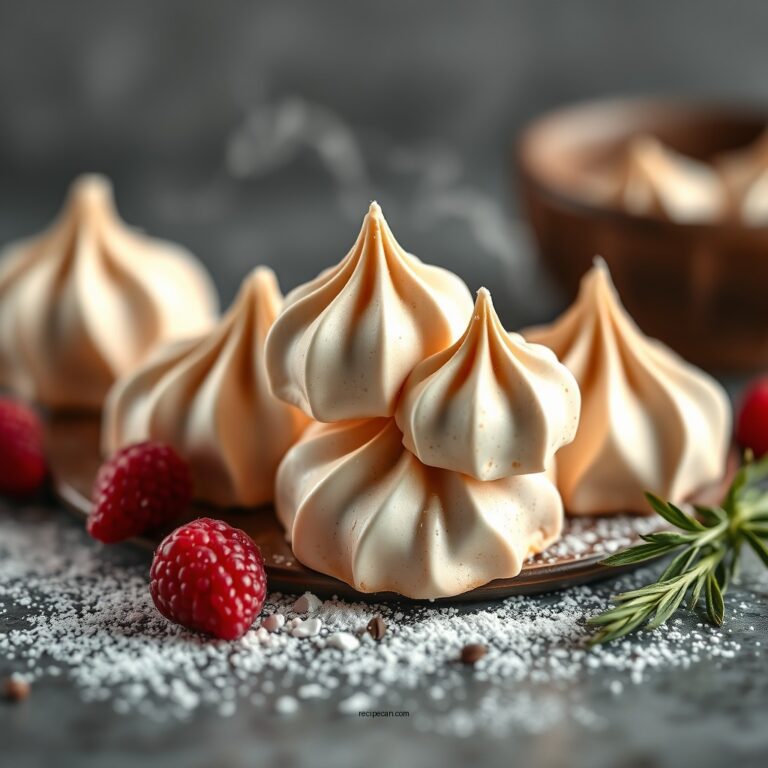
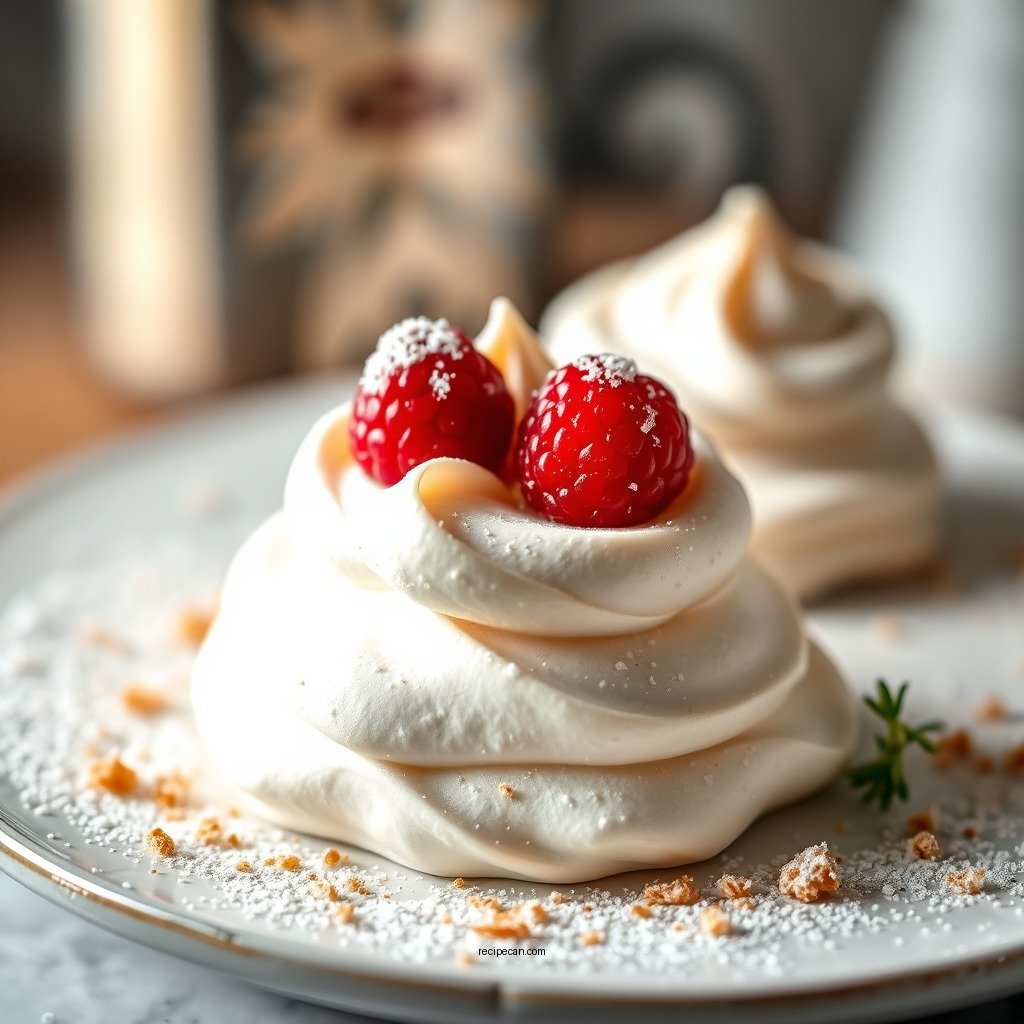
– Meringue Cookies: Make meringue cookies or nests filled with fruits and cream for a delightful dessert. These cookies can be flavored with chocolate or nuts for added depth.
– Pavlova: Incorporate into pavlova for a crispy exterior and soft, marshmallow-like interior. Top with whipped cream and fresh fruits for an elegant dessert.
Creating meringue with cream of tartar is a straightforward process that can elevate your baking. By following these steps and tips, you’ll be able to create perfect meringue every time. Try your hand at making meringue today, and enjoy the delightful results in your favorite desserts!
Frequently Asked Questions
What is the role of cream of tartar in a meringue recipe?
Cream of tartar is an acidic stabilizer that helps to strengthen the egg whites when whipping them into peaks. It prevents the proteins in the egg whites from bonding too tightly, allowing for a more stable meringue that holds its shape and texture during baking or when piped.
How do I make a meringue recipe with cream of tartar?
To make a meringue with cream of tartar, start by preheating your oven to 225°F (107°C). Beat 4 egg whites in a clean bowl until foamy, then add 1/4 teaspoon of cream of tartar and continue beating until soft peaks form. Gradually add 1 cup of sugar while beating until you achieve stiff, glossy peaks, then pipe or spread the meringue onto a baking sheet and bake for 1 to 1.5 hours until dry.
Why does my meringue collapse after baking?
Meringue can collapse after baking due to several factors, including insufficient beating, improper measurement of ingredients, or humidity in the air. For a stable meringue, ensure your egg whites are at room temperature, beat them to stiff peaks, and avoid any grease in your mixing bowl. Additionally, baking in a dry environment helps maintain the structure of the meringue.
What is the best way to store meringue made with cream of tartar?
To store meringue, allow it to cool completely before placing it in an airtight container. Meringue can be kept at room temperature for up to 2 days, but it’s best consumed fresh as it can become chewy over time. If you need to store it longer, consider freezing it, wrapped tightly in plastic wrap and then placed in a freezer bag.
Which types of desserts can I make using a meringue recipe with cream of tartar?
Meringue made with cream of tartar can be used in various desserts, including classic pavlova, lemon meringue pie, and as toppings for baked Alaska. It can also be piped into cookies or used to create delicate meringue nests, perfect for filling with whipped cream and fresh fruits.
References
- Meringue
https://en.wikipedia.org/wiki/Meringue - https://www.foodnetwork.com/recipes/articles/how-to-make-meringue
https://www.foodnetwork.com/recipes/articles/how-to-make-meringue - https://www.seriouseats.com/how-to-make-meringue
https://www.seriouseats.com/how-to-make-meringue - https://www.nytimes.com/2021/03/12/cooking/how-to-make-meringue.html
https://www.nytimes.com/2021/03/12/cooking/how-to-make-meringue.html - https://www.thespruceeats.com/meringue-recipe-5202548
https://www.thespruceeats.com/meringue-recipe-5202548 - Google Scholar Google Scholar
https://scholar.google.com/scholar?q=meringue+recipe+cream+of+tartar - Google Scholar Google Scholar
https://scholar.google.com/scholar?q=meringue+with+cream+of+tartar+recipe - Google Scholar Google Scholar
https://scholar.google.com/scholar?q=meringue+cooking+techniques - Google Scholar Google Scholar
https://scholar.google.com/scholar?q=meringue+recipe+with+cream+of+tartar - meringue recipe with cream of tartar – Search results
https://en.wikipedia.org/wiki/Special:Search?search=meringue+recipe+with+cream+of+tartar