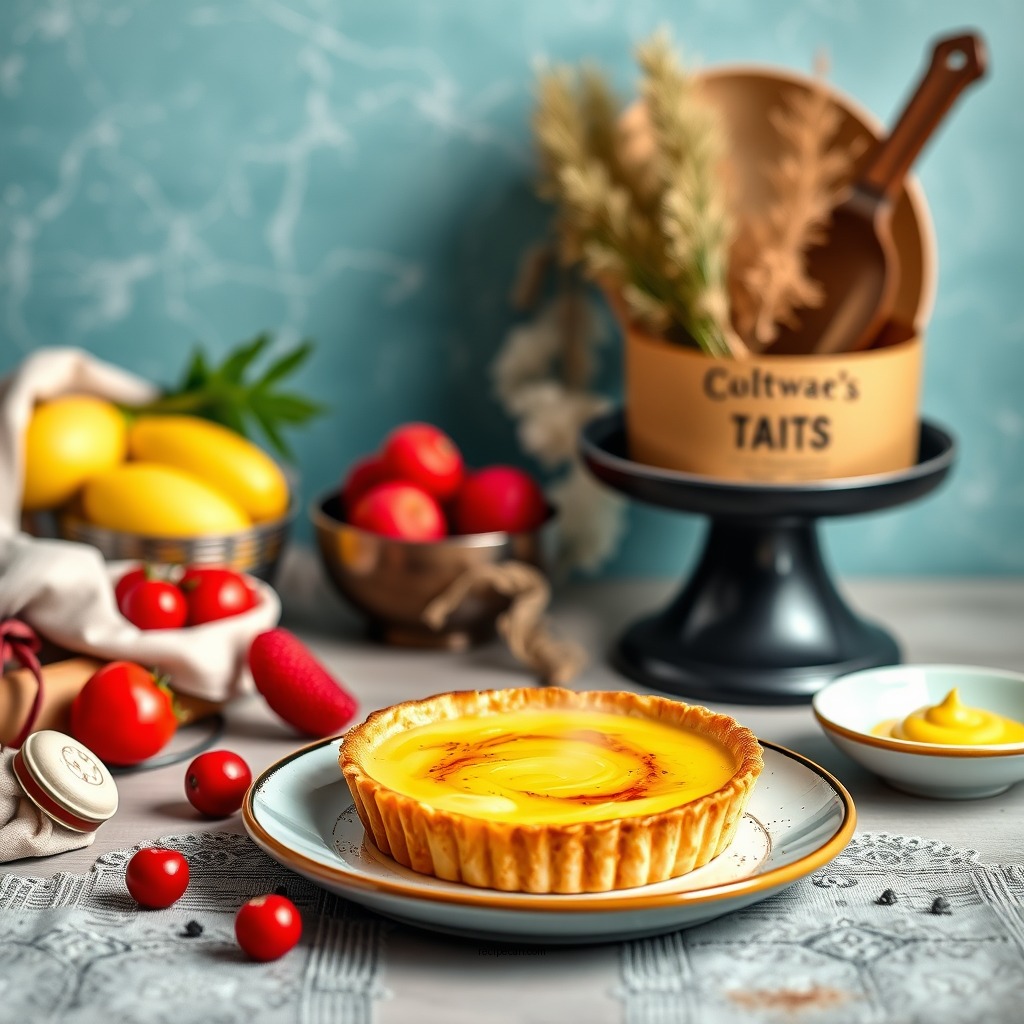
Learn how to make delicious Portuguese custard tarts, also known as Pastéis de Nata, with this straightforward recipe. In just a few simple steps, you’ll discover how to create these iconic treats that feature a flaky pastry crust filled with a creamy custard. This guide will walk you through the ingredients, preparation, and baking process to ensure your tarts turn out perfectly every time.
Key Ingredients for Portuguese Custard Tarts
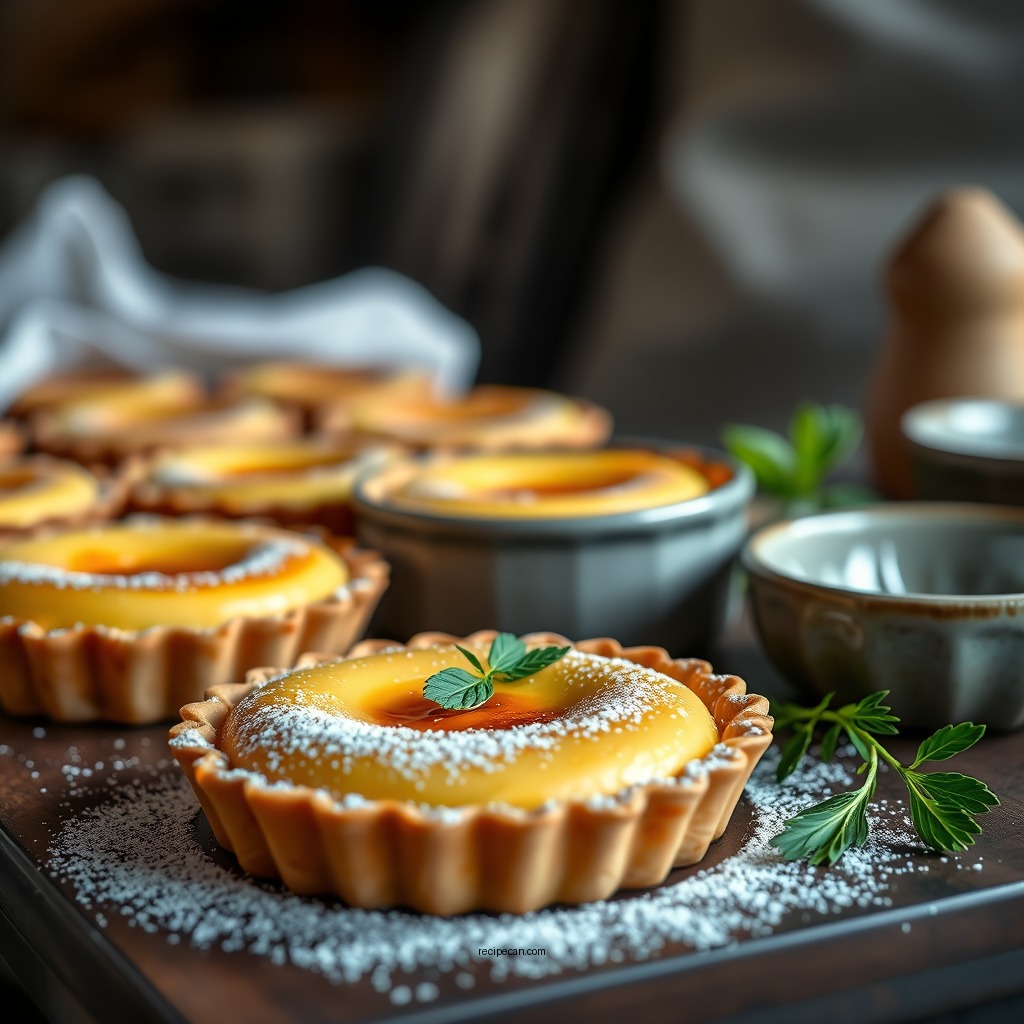
Creating authentic Pastéis de Nata begins with selecting the right ingredients. The quality and freshness of your ingredients will greatly influence the final product. Here’s what you will need:
– Puff pastry: This is essential for achieving that flaky texture that is characteristic of Portuguese tarts. You can opt for store-bought puff pastry for convenience, or if you’re feeling adventurous, make your own from scratch. Homemade pastry can elevate the overall taste and texture of the tarts.
– Egg yolks: These provide richness and a vibrant yellow color to the custard filling. The yolks are crucial for creating a smooth and creamy texture that contrasts beautifully with the crispy pastry.
– Sugar: Sugar sweetens the custard filling, balancing the flavors perfectly. It’s important to use a fine sugar to ensure it dissolves completely, creating a silky custard.
In addition to these primary ingredients, you may also want to consider adding a pinch of salt to enhance flavors and a bit of lemon zest for a refreshing touch.
Preparing the Puff Pastry
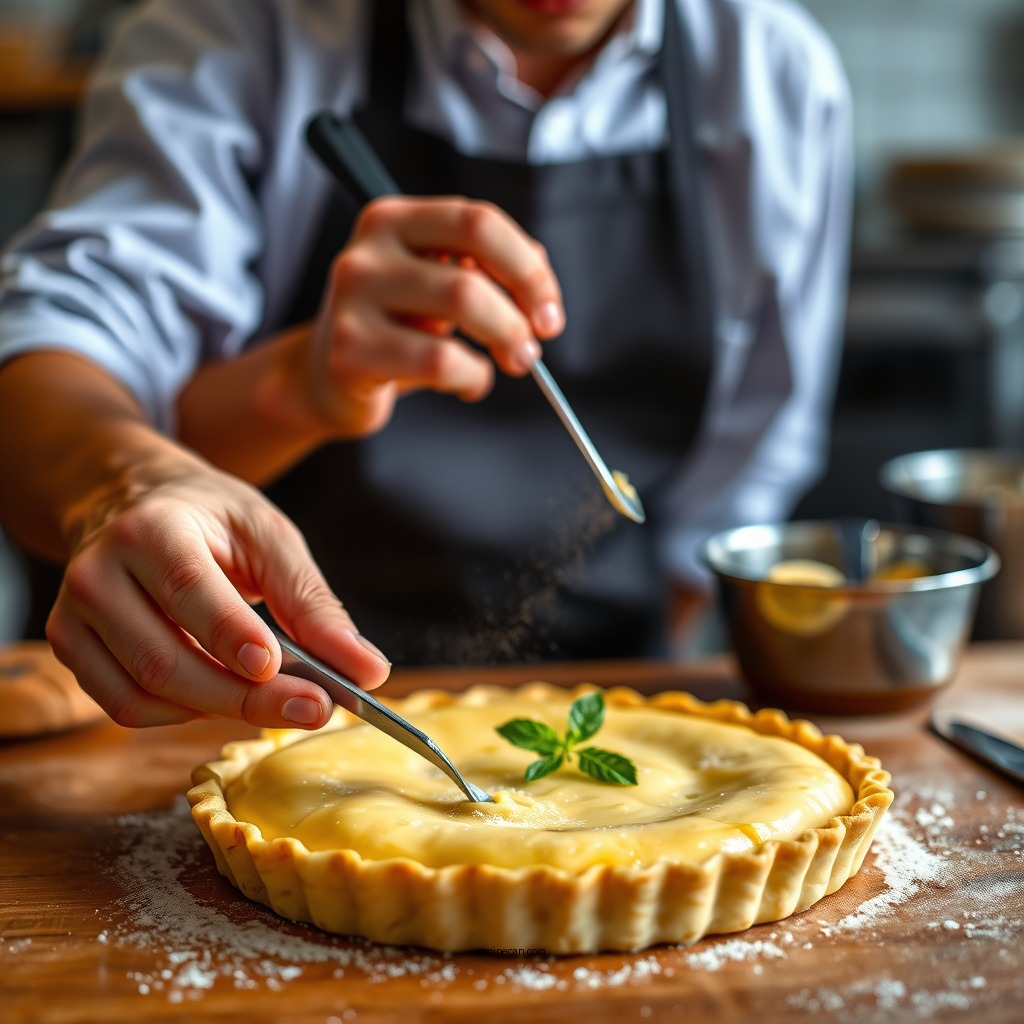
The puff pastry is the foundation of your custard tarts, and preparing it correctly is key to achieving that signature flaky crust.
– Roll out the pastry: Start by rolling out your puff pastry on a lightly floured surface. The goal is to roll it thin enough to create layers that will puff up during baking, resulting in a light and airy texture. Aim for about 1/8 inch thickness.
– Cut and shape: Once rolled out, use a round cutter or a glass to cut out circles of pastry. You’ll need these to line your muffin tin or tartlet pans. Press the pastry circles into each cup, ensuring that they fit snugly and that there are no air bubbles.
– Chill: After shaping the pastry, it’s crucial to chill them in the refrigerator for about 30 minutes. This step helps maintain the structure of the pastry and prevents it from shrinking during baking.
Making the Custard Filling
The custard filling is the heart of the Pastéis de Nata, and making it requires careful attention to detail.
– Combine ingredients: In a mixing bowl, whisk together the egg yolks, sugar, milk, and heavy cream until the mixture is smooth and well combined. The ratio of milk to cream can be adjusted based on your preference for richness; more cream will yield a more decadent custard.
– Infuse flavor: To elevate the flavor profile, consider adding a pinch of cinnamon or a few drops of vanilla extract. These additions can enhance the overall complexity of the tarts, giving them a more traditional taste.
– Strain: For a perfectly smooth custard, strain the mixture through a fine sieve before pouring it into the prepared pastry shells. This step ensures that any lumps are removed and results in a silky custard filling.
Top 7 Essential Ingredients for Portuguese Custard Tarts
| # | Ingredient | Quantity | Purpose |
|---|---|---|---|
| 1 | Puff Pastry | 1 sheet | Crust |
| 2 | Egg Yolks | 6 | Custard |
| 3 | Sugar | 150g | Sweetness |
| 4 | Milk | 250ml | Custard Base |
| 5 | Heavy Cream | 125ml | Richness |
| 6 | Cinnamon | 1 pinch | Flavor |
| 7 | Vanilla Extract | 1 tsp | Flavor |
Baking the Tarts
Once your pastry and custard filling are ready, it’s time to bring everything together through baking.
– Preheat the oven: A high temperature is essential for achieving that signature caramelized top. Preheat your oven to 220°C (428°F). This high heat will help to quickly set the custard while giving the pastry a golden, flaky texture.
– Fill the shells: Carefully pour the custard into each pastry shell, filling them about three-quarters full. This allows enough room for the custard to puff up slightly while baking without overflowing.
– Monitor baking: Bake the tarts for about 15-20 minutes, or until the tops become a deep golden brown and the pastry is well puffed. Keep an eye on them towards the end of the baking time, as they can quickly go from perfectly baked to burnt.
Baking Time Analysis for Pastéis de Nata
Serving Suggestions
The enjoyment of Pastéis de Nata extends beyond just eating them; the way you serve them can enhance the experience.
– Cool slightly: After removing the tarts from the oven, let them cool slightly in the pan for about 10 minutes. This helps the custard set properly and makes them easier to remove without breaking.
– Dust with cinnamon: For a traditional touch, consider dusting the tarts with a light sprinkle of cinnamon before serving. This not only adds flavor but also enhances the visual appeal.
– Pair with coffee: Enjoy your freshly baked tarts with a rich cup of coffee or a sweetened espresso. The bitter notes of coffee beautifully complement the sweet, creamy custard and flaky pastry.
Storing and Reheating Tips
If you find yourself with leftover tarts, knowing how to store and reheat them properly is essential to maintain their quality.
– Store in an airtight container: Place any leftover tarts in an airtight container, and store them in the refrigerator. They will remain fresh for about 2-3 days, although they are best enjoyed fresh.
– Reheat gently: When you’re ready to eat the tarts again, preheat your oven to a low temperature (around 150°C or 300°F) and warm the tarts for about 10 minutes. This method will help restore their crispiness without compromising the custard’s texture.
With this recipe, you can create authentic Portuguese custard tarts right in your own kitchen. The combination of crispy pastry and creamy custard is sure to impress your family and friends. Don’t hesitate to try this recipe today and enjoy the delightful flavors of Portugal!
Frequently Asked Questions
What are the key ingredients for a traditional Portuguese custard tart recipe?
A traditional Portuguese custard tart, known as “Pastéis de Nata,” typically requires simple yet essential ingredients: puff pastry, egg yolks, sugar, milk, cream, cornstarch, and cinnamon. These ingredients come together to create a flaky crust and a creamy custard filling that’s rich in flavor, making it a beloved pastry around the world.
How do I achieve the perfect flaky crust for my Portuguese custard tarts?
To achieve the perfect flaky crust for your Portuguese custard tarts, use a high-quality puff pastry and ensure it is chilled before use. Roll out the pastry thinly and layer it to create multiple folds, which will help develop the desired flakiness as it bakes. Additionally, pre-bake the pastry shells for a few minutes before adding the custard to prevent sogginess.
Why do my Portuguese custard tarts crack on top, and how can I prevent this?
Cracking on top of your Portuguese custard tarts often occurs due to rapid temperature changes or overcooking the custard. To prevent this, bake your tarts at a high temperature, ideally in a preheated oven, and avoid opening the oven door frequently. Additionally, ensuring that your custard is not over-whipped can help maintain its structure and prevent cracking.
What is the best way to serve Portuguese custard tarts for maximum flavor?
To serve Portuguese custard tarts for maximum flavor, allow them to cool slightly before serving to enhance their creamy texture. Dust the tarts with a light sprinkle of cinnamon or powdered sugar just before serving, and pair them with a strong espresso or a glass of port wine for a delightful contrast that complements the sweet and rich flavors.
Which common mistakes should I avoid when making Portuguese custard tarts?
Common mistakes to avoid when making Portuguese custard tarts include not allowing the custard to cool before baking, using low-quality pastry, and neglecting to properly measure ingredients. Additionally, skipping the step of blind baking the pastry can lead to a soggy bottom, so ensure you follow the recipe closely and pay attention to each step for the best results.
References
- Pastel de nata
https://en.wikipedia.org/wiki/Past%C3%A9is_de_nata - https://www.bbc.co.uk/food/recipes/pasteis_de_nata_06057
https://www.bbc.co.uk/food/recipes/pasteis_de_nata_06057 - https://www.theguardian.com/food/2021/apr/26/how-to-make-pasteis-de-nata-portuguese-custard-tarts
https://www.theguardian.com/food/2021/apr/26/how-to-make-pasteis-de-nata-portuguese-custard-tarts - https://www.nytimes.com/2020/07/22/dining/pasteis-de-nata-recipe.html
https://www.nytimes.com/2020/07/22/dining/pasteis-de-nata-recipe.html - Portuguese custard tarts (Pastéis de nata) recipe | Good Food
https://www.bbcgoodfood.com/recipes/pasteis-de-nata - Google Scholar Google Scholar
https://scholar.google.com/scholar?q=portuguese+custard+tart+recipe - Google Scholar Google Scholar
https://scholar.google.com/scholar?q=pasteis+de+nata+history - Google Scholar Google Scholar
https://scholar.google.com/scholar?q=traditional+portuguese+desserts - https://www.sciencedirect.com/topics/food-science/pasteis-de-nata
https://www.sciencedirect.com/topics/food-science/pasteis-de-nata - portuguese custard tart recipe – Search results
https://en.wikipedia.org/wiki/Special:Search?search=portuguese+custard+tart+recipe