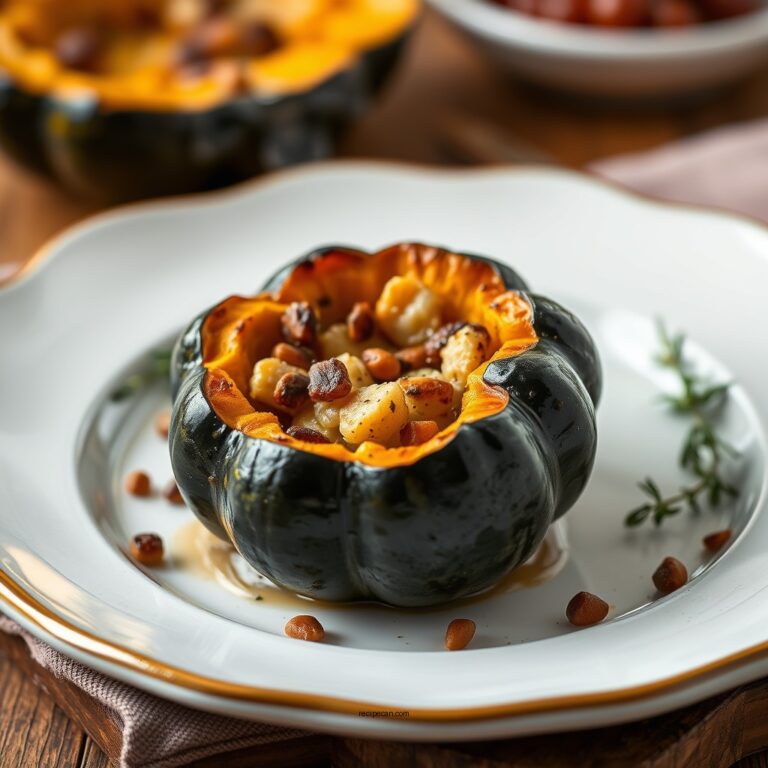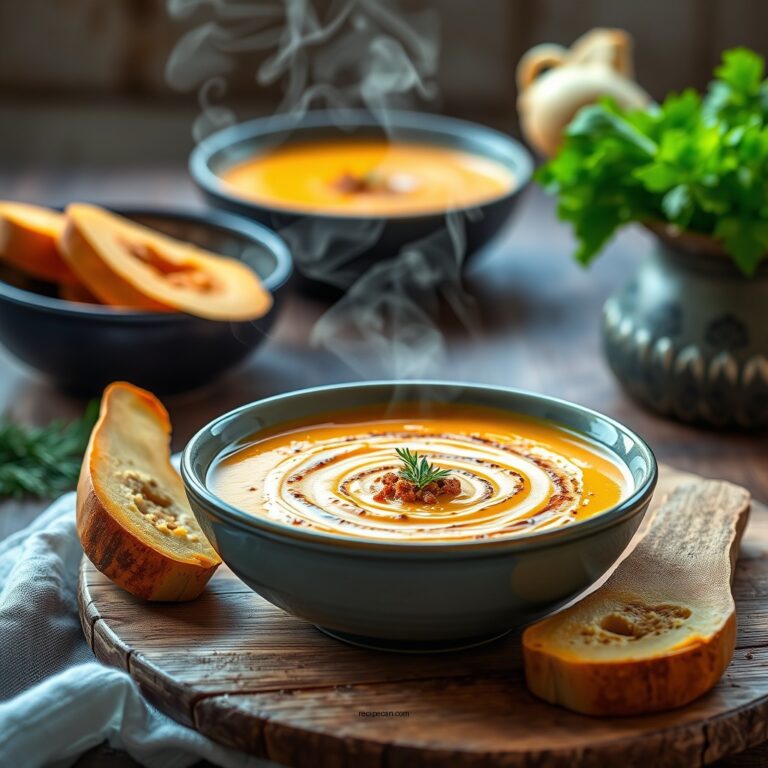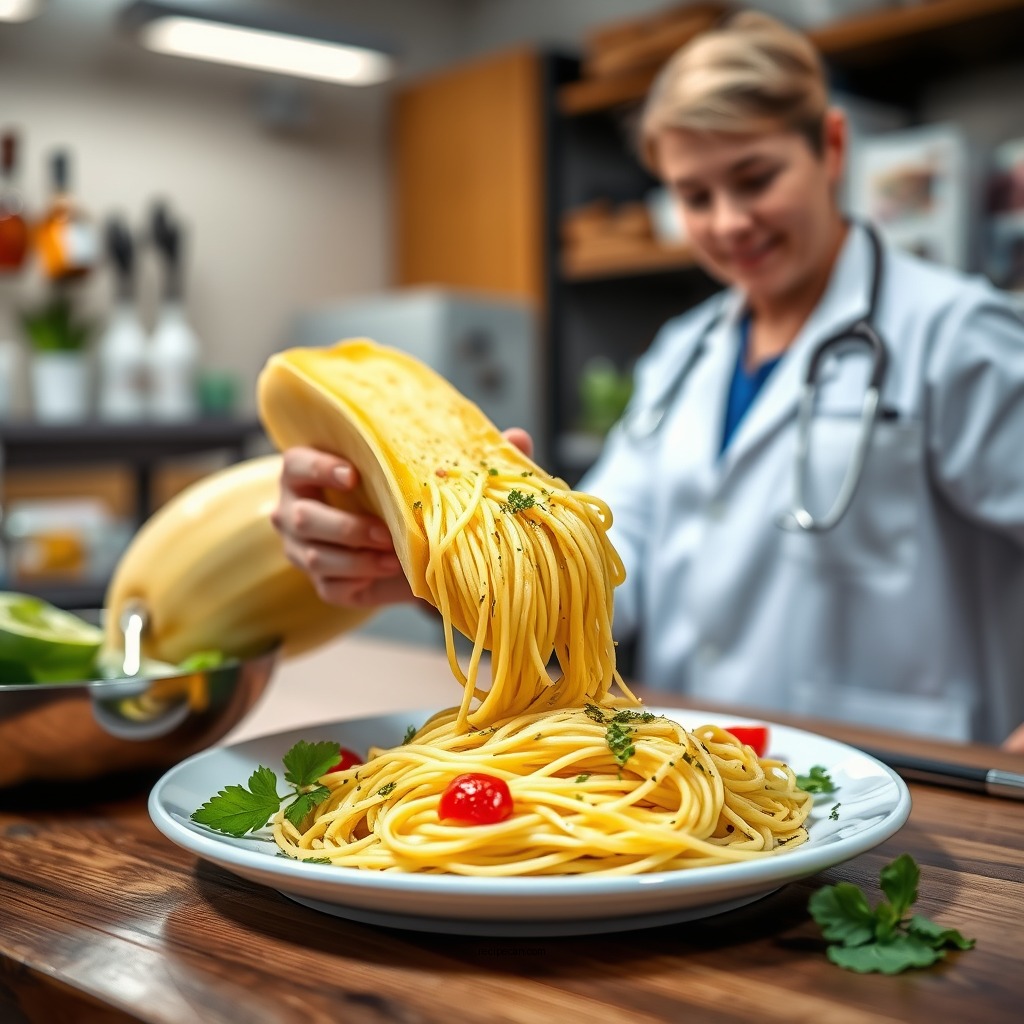
Spaghetti squash is a versatile and healthy alternative to traditional pasta, perfect for creating delicious, low-carb meals. This nutritious vegetable not only provides a unique texture and flavor but also serves as a canvas for countless culinary creations. Whether you’re looking to reduce carbohydrates in your diet or simply want to explore new flavors, spaghetti squash is an excellent choice. In this article, you’ll discover various recipes that highlight the unique qualities of spaghetti squash, making it an essential addition to your healthy meal repertoire.
Preparing Spaghetti Squash
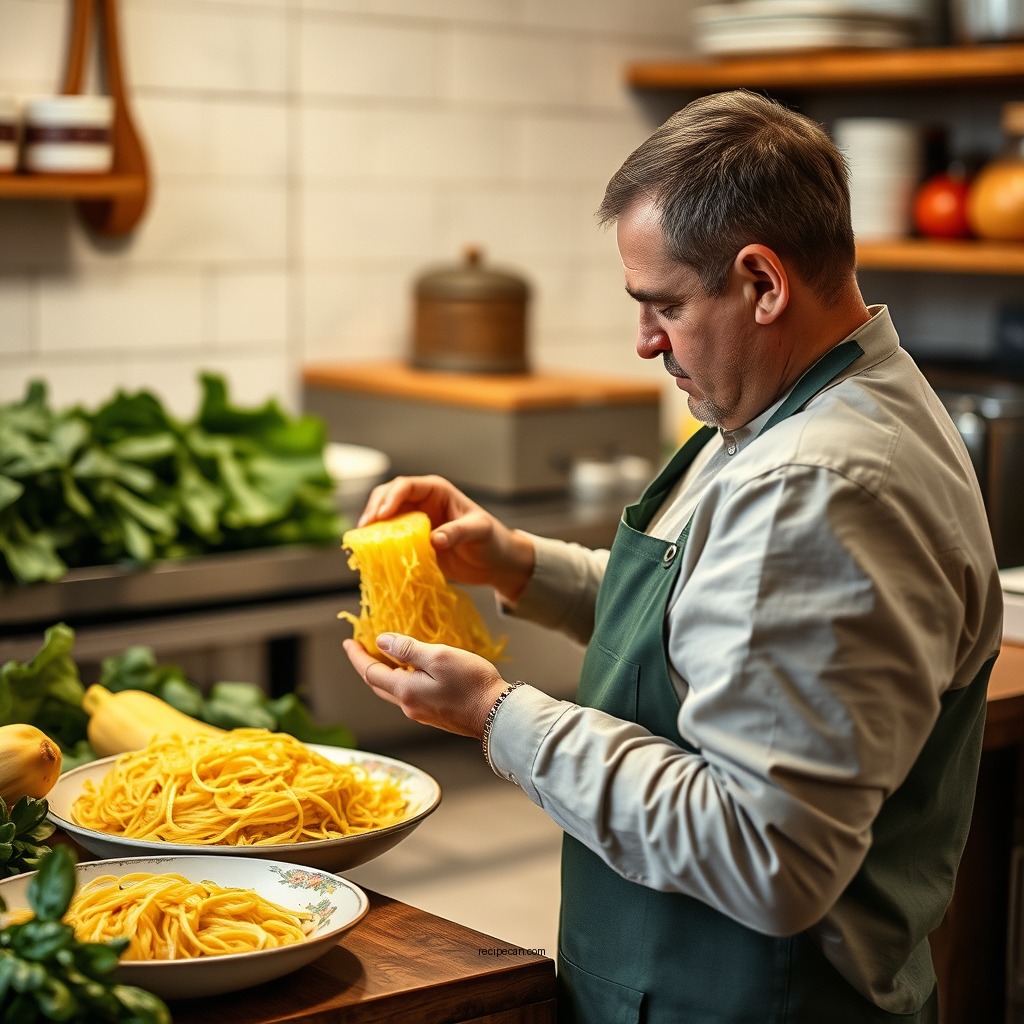
To make the most of spaghetti squash, proper preparation is key.
– Choose a ripe spaghetti squash: Look for a firm, yellow squash with a dull skin. A ripe squash should feel heavy for its size, indicating that it is filled with flesh rather than water. Avoid squashes with soft spots or shiny skin, as these may be overripe or underdeveloped.
– Cooking methods: The most common methods for cooking spaghetti squash are baking, microwaving, or steaming. Baking tends to produce the best texture, while microwaving is the quickest option. To bake, preheat your oven to 400°F (200°C), cut the squash in half lengthwise, remove the seeds, and place it cut-side down on a baking sheet. Bake for about 30-40 minutes until tender. Alternatively, place the squash whole in the microwave for 10-12 minutes, turning it halfway through.
– Scraping the strands: After cooking, allow the squash to cool slightly, then use a fork to gently pull the strands apart. The flesh should easily come away from the skin in a noodle-like fashion, resembling traditional pasta.
Spaghetti Squash with Marinara Sauce
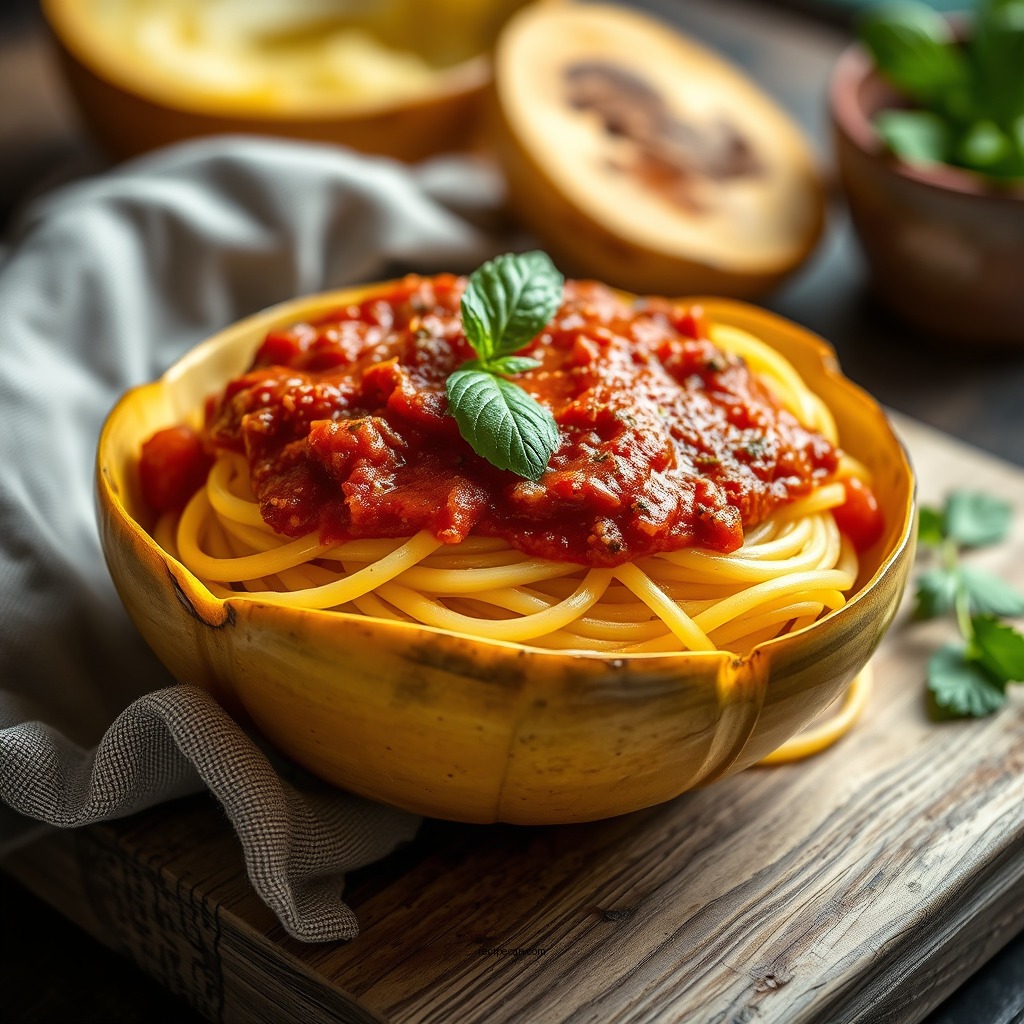
One of the simplest yet most satisfying ways to enjoy spaghetti squash is with marinara sauce.
– Simple marinara recipe: Start by sautéing minced garlic and diced onions in olive oil until softened. Add a can of crushed tomatoes, along with Italian herbs such as basil, oregano, and thyme. Simmer the sauce for about 20 minutes to allow the flavors to meld. For added depth, consider incorporating a splash of red wine or a pinch of red pepper flakes for heat.
– Tossing with squash: Once your sauce is ready, combine it with your cooked spaghetti squash strands for a hearty meal. The sweetness of the squash pairs beautifully with the tangy sauce, creating a comforting dish.
– Add-ins: To enhance the nutritional profile and flavor, consider adding sautéed vegetables like bell peppers or spinach, or lean proteins such as turkey meatballs or grilled chicken. This transforms a simple side dish into a complete meal.
Spaghetti Squash Pad Thai
Elevate your spaghetti squash game with a Pad Thai twist, showcasing the squash’s adaptability to various cuisines.
– Traditional flavors: Use tamarind paste, soy sauce, and peanut butter to create a rich and tangy sauce. Stir in a bit of brown sugar for sweetness and lime juice for acidity, balancing the dish perfectly.
– Protein options: Incorporate shrimp, diced chicken, or tofu for a satisfying protein boost. Sauté your protein of choice until cooked through before adding the sauce and cooked spaghetti squash.
– Garnish: Finish with fresh cilantro, chopped peanuts, and lime wedges for a zesty and aromatic experience. This dish not only looks vibrant but also offers a delightful mix of textures and flavors.
Spaghetti Squash Primavera
For a light and refreshing meal, spaghetti squash primavera is an excellent choice.
– Colorful veggies: Incorporate a variety of vegetables such as bell peppers, zucchini, and cherry tomatoes. These not only add color but also provide essential nutrients and antioxidants.
– Light sauce: Keep it simple with a dressing of olive oil, minced garlic, and a splash of lemon juice. This light sauce allows the natural flavors of the vegetables and squash to shine through.
– Serve warm or chilled: This dish is versatile; it can be served warm as a comforting meal or chilled as a refreshing salad, making it perfect for any season.
Nutritional Comparison of Spaghetti Squash vs. Traditional Pasta (per 100g)
| # | Nutrient | Spaghetti Squash | Traditional Pasta |
|---|---|---|---|
| 1 | Calories | 31 | 158 |
| 2 | Carbohydrates | 7g | 31g |
| 3 | Fiber | 1.5g | 1.5g |
| 4 | Protein | 0.6g | 5.5g |
| 5 | Fat | 0.3g | 1g |
| 6 | Vitamin C | 5% DV | 0% DV |
| 7 | Calcium | 4% DV | 1% DV |
Spaghetti Squash Casserole
For a comforting, family-friendly dish, spaghetti squash casserole is an excellent option.
– Layering flavors: Start by combining cooked spaghetti squash with beaten eggs, shredded cheese, and your choice of vegetables. Spinach, mushrooms, and bell peppers work particularly well. Mix everything thoroughly to ensure even distribution.
– Baking instructions: Transfer the mixture to a greased casserole dish and bake at 350°F (175°C) for about 30-40 minutes, or until the top is golden and set. This dish can be prepared in advance and stored in the refrigerator until ready to bake.
– Variations: Feel free to experiment with different cheeses or spices. Adding Italian seasoning or a sprinkle of red pepper flakes can enhance the flavor profile, while a blend of mozzarella and cheddar provides a delightful melty texture.
Tips for Storing and Reheating
Efficient meal prep is essential for maintaining a healthy diet, and knowing how to store and reheat spaghetti squash can save you time.
– Storing leftovers: Keep cooked spaghetti squash in an airtight container in the fridge for up to five days. Make sure to allow it to cool completely before sealing the container to prevent moisture buildup.
– Reheating methods: To reheat, use the microwave for a quick option, or warm it gently in a skillet over low heat. Avoid overheating, as this can result in a mushy texture. Adding a splash of olive oil or a bit of broth can help restore moisture if needed.
– Meal prep ideas: Cook a large batch of spaghetti squash at the beginning of the week and portion it out for quick meals. It can easily be added to salads, stir-fries, or served as a base for various sauces.
Popular Spaghetti Squash Recipes on Social Media (2024)
Using these recipes, you can easily incorporate spaghetti squash into your meal rotations, offering nutritious and delicious alternatives to your favorite pasta dishes. Whether you prefer a classic marinara, a creative stir-fry, or a comforting casserole, the possibilities are endless. Try these recipes and enjoy the benefits of healthy eating!
Frequently Asked Questions
What is the best way to cook spaghetti squash for a recipe?
The best way to cook spaghetti squash is to roast it in the oven. Preheat your oven to 400°F (200°C), cut the squash in half lengthwise, and scoop out the seeds. Drizzle with olive oil, season with salt and pepper, and place cut-side down on a baking sheet. Roast for about 30-40 minutes until the flesh is tender and can be easily shredded with a fork.
How do you make a simple spaghetti squash recipe with tomato sauce?
To make a simple spaghetti squash recipe with tomato sauce, first cook the spaghetti squash as described above. Once cooked, use a fork to scrape out the strands and place them in a bowl. Heat your favorite marinara sauce in a saucepan and pour it over the spaghetti squash. Top with grated cheese and fresh basil for added flavor.
Why is spaghetti squash a popular alternative to traditional pasta?
Spaghetti squash is a popular alternative to traditional pasta because it is low in carbohydrates and calories, making it a great option for those on a keto or gluten-free diet. Additionally, it provides a good source of vitamins and minerals, such as vitamin C and potassium, while offering a satisfying texture that mimics pasta when cooked properly.
Which spices and seasonings work best with spaghetti squash?
The best spices and seasonings for spaghetti squash include garlic powder, Italian seasoning, red pepper flakes, and fresh herbs like basil and parsley. These flavors complement the mild taste of the squash and can enhance any dish, whether you’re making a hearty marinara, a creamy Alfredo, or a simple olive oil and garlic mixture.
What are some creative recipes using spaghetti squash?
Some creative recipes using spaghetti squash include spaghetti squash pad Thai, where you replace noodles with squash, and a baked spaghetti squash casserole with cheese and vegetables. You can also use it in salads, stir-fries, or as a base for different proteins like chicken or shrimp, allowing you to explore various cuisines while keeping meals healthy and delicious.
References
- Spaghetti squash
https://en.wikipedia.org/wiki/Spaghetti_squash - https://www.ncbi.nlm.nih.gov/pmc/articles/PMC5532498/
https://www.ncbi.nlm.nih.gov/pmc/articles/PMC5532498/ - https://www.mayoclinic.org/healthy-lifestyle/nutrition-and-healthy-eating/in-depth/spaghetti-squash/art-20046406
https://www.mayoclinic.org/healthy-lifestyle/nutrition-and-healthy-eating/in-depth/spaghetti-squash/art-20046406 - https://www.sciencedirect.com/topics/agricultural-and-biological-sciences/spaghetti-squash
https://www.sciencedirect.com/topics/agricultural-and-biological-sciences/spaghetti-squash - https://www.ncbi.nlm.nih.gov/pmc/articles/PMC5579675/
https://www.ncbi.nlm.nih.gov/pmc/articles/PMC5579675/ - https://www.healthline.com/nutrition/spaghetti-squash-benefits
https://www.healthline.com/nutrition/spaghetti-squash-benefits - Google Scholar Google Scholar
https://scholar.google.com/scholar?q=spaghetti+squash+recipes - Google Scholar Google Scholar
https://scholar.google.com/scholar?q=spaghetti+squash+nutrition - Google Scholar Google Scholar
https://scholar.google.com/scholar?q=spaghetti+squash+dishes - Google Scholar Google Scholar
https://scholar.google.com/scholar?q=recipe+with+spaghetti+squash