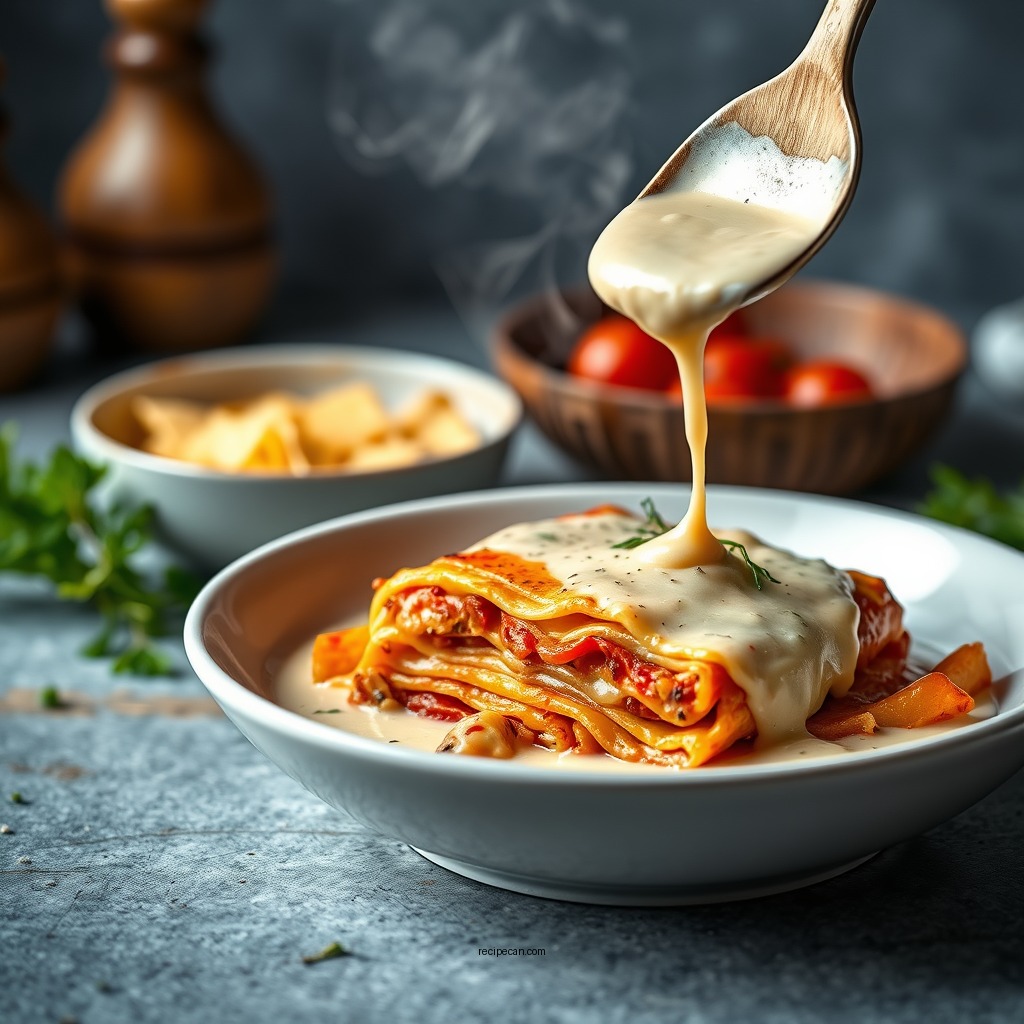
Making a delicious bechamel sauce for lasagne is simple and elevates your dish to new heights. This creamy white sauce, made from butter, flour, and milk, creates a rich and velvety texture that perfectly complements the layers of pasta and other ingredients. In this article, you’ll learn how to make the perfect bechamel sauce for lasagne, along with useful tips and variations.
Understanding Bechamel Sauce
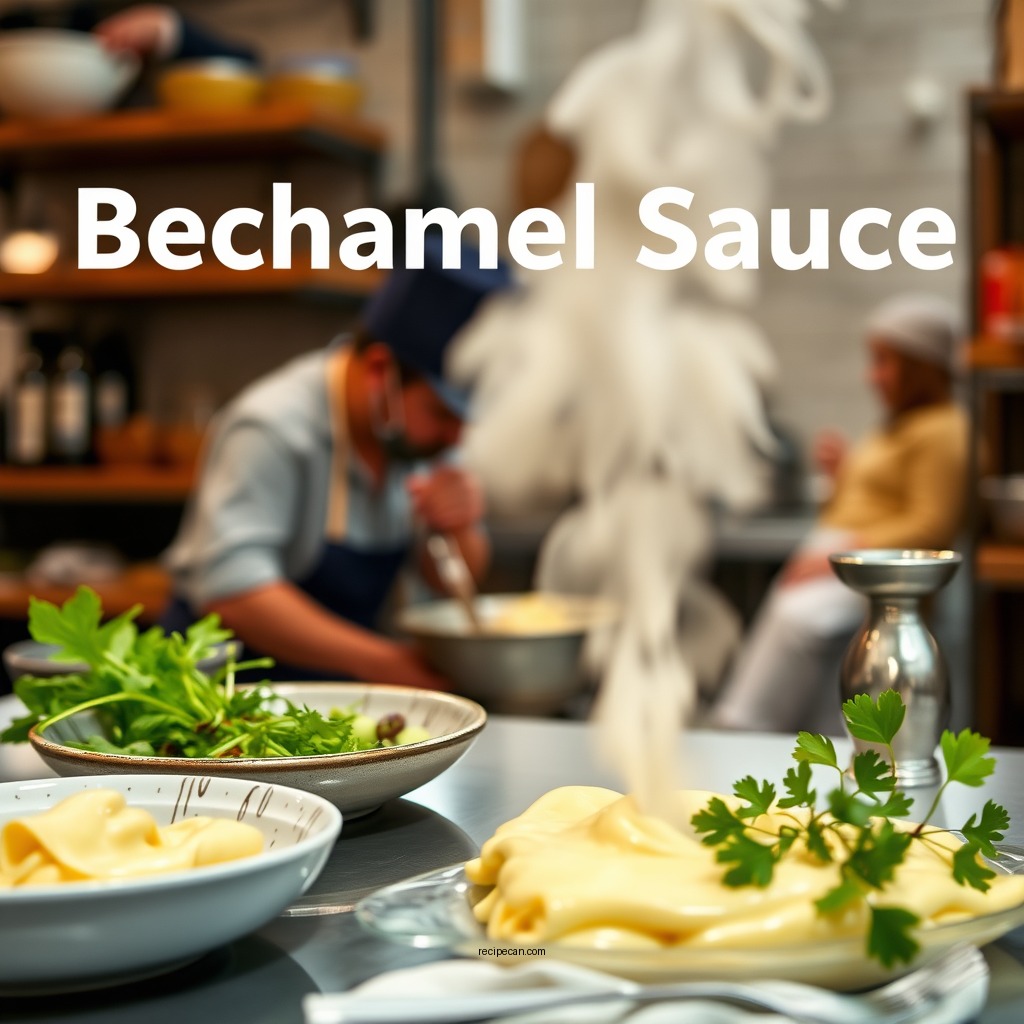
Bechamel is one of the five mother sauces in classical cuisine, forming the foundation for many dishes across various culinary traditions. Originating from French cuisine, this sauce is not only essential for lasagne but also serves as a base for many other sauces, including cheese sauce, which is popular in mac and cheese, and creamy sauces for pasta dishes. The versatility of bechamel makes it a crucial element in many recipes, allowing cooks to craft rich flavors and textures.
The importance of mastering bechamel cannot be overstated; it acts as a binder for ingredients and adds a luxurious mouthfeel to dishes. Understanding its role in various recipes can open up a world of culinary possibilities.
Ingredients for Bechamel Sauce
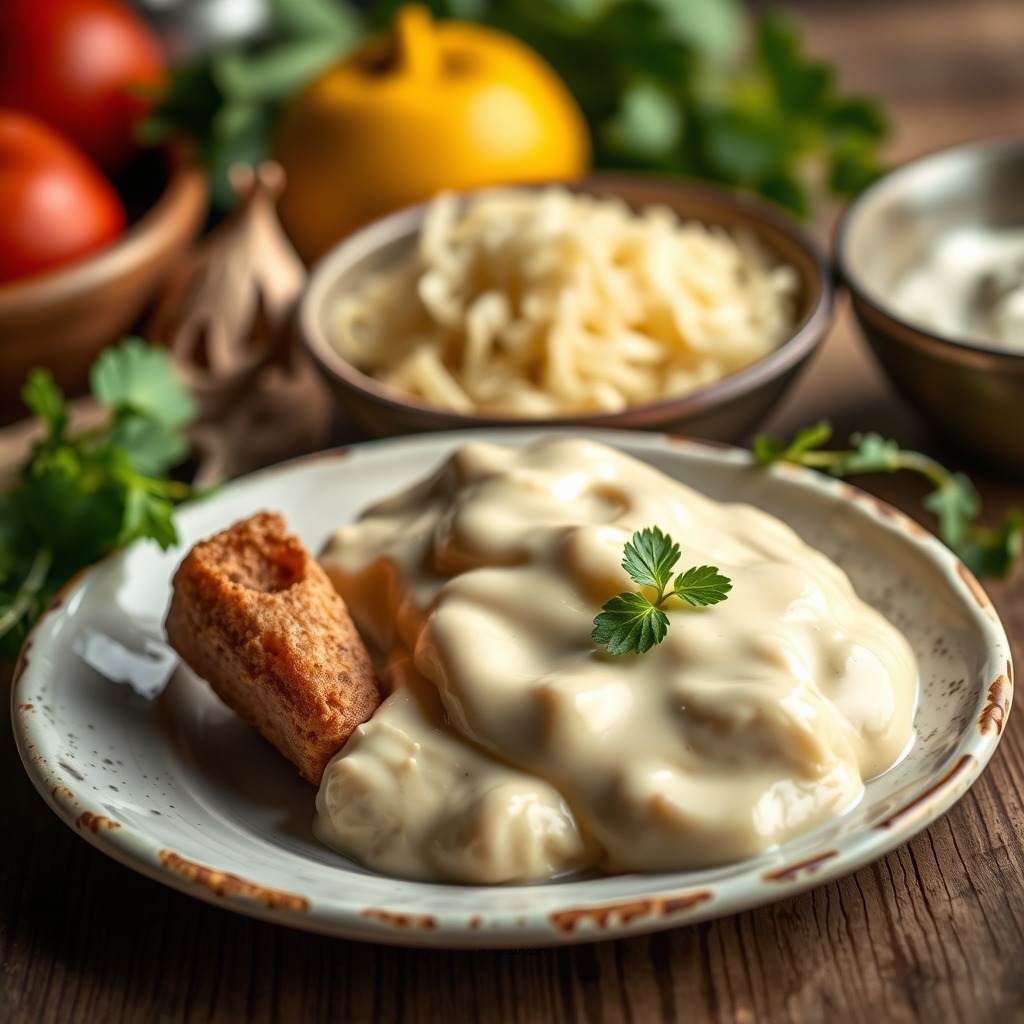
To create a classic bechamel sauce, you will need a few common ingredients:
– Butter: Unsalted butter is the preferred choice as it allows for better control over the seasoning.
– All-purpose flour: This is the thickening agent that will give your sauce structure.
– Milk: Whole milk is recommended for a creamier texture, but you can use low-fat milk if desired.
– Seasoning: Salt and freshly ground black pepper are essential, while ground nutmeg can add a warm, aromatic flavor.
Optional ingredients can enhance the flavor profile even further. For instance, adding a pinch of nutmeg not only complements the creaminess but also elevates the overall taste of the sauce. Some cooks also incorporate grated cheese to transform the bechamel into a cheese sauce, making it even richer and more indulgent.
Step-by-Step Guide to Making Bechamel
Creating a perfect bechamel sauce is straightforward and requires just a few steps:
1. Start by melting butter: In a medium saucepan, melt 4 tablespoons of unsalted butter over medium heat. Stir occasionally to prevent burning.
2. Add flour to create a roux: Once the butter is melted, add ¼ cup of all-purpose flour. Whisk continuously for about 2 minutes until the mixture turns a light golden color. This step is crucial as it cooks out the raw flour taste.
3. Gradually add milk: Slowly pour in 2 cups of whole milk while whisking vigorously. This helps to prevent lumps from forming. Continue to whisk until the mixture is smooth.
4. Cook until thickened: Keep the sauce on medium heat, stirring constantly until it thickens to your desired consistency. This should take about 5-10 minutes. You will know it’s ready when it coats the back of a spoon.
5. Season to taste: Finally, season your bechamel sauce with salt, pepper, and a pinch of nutmeg. Stir well to incorporate the seasoning evenly.
This basic method can be adapted as needed, but following these steps will yield a reliable and delicious bechamel sauce.
Nutrition Information for Bechamel Sauce (per serving)
| # | Ingredient | Amount | Calories | Fat (g) |
|---|---|---|---|---|
| 1 | Butter | 4 tbsp | 400 | 44 |
| 2 | Flour | ¼ cup | 114 | 0.3 |
| 3 | Milk | 2 cups | 300 | 16 |
| 4 | Nutmeg | Pinch | 0 | 0 |
| 5 | Salt | 1 tsp | 0 | 0 |
| 6 | Pepper | To taste | 0 | 0 |
Tips for a Perfect Bechamel
Achieving the perfect bechamel sauce requires attention to detail and a few best practices:
1. Use whole milk: For a creamier texture, whole milk is preferred over lower-fat alternatives. This will enrich the sauce and provide a luxurious mouthfeel.
2. Whisk continuously: To achieve a smooth consistency, it’s crucial to whisk continuously while adding the milk. This prevents lumps from forming, which can compromise the sauce’s texture.
3. Strain if necessary: If you do end up with lumps, don’t despair. Simply strain the sauce through a fine-mesh sieve to achieve a silky finish.
4. Taste before serving: Always taste your sauce before using it in your lasagne. Adjust the seasoning as needed to ensure a well-balanced flavor.
5. Keep warm: If you’re not using the sauce immediately, keep it warm on low heat and cover it to prevent a skin from forming on the surface.
By following these tips, you can ensure that your bechamel sauce is both delicious and visually appealing.
Variations of Bechamel Sauce
Bechamel sauce is incredibly versatile, and there are many ways to tweak the basic recipe to suit your needs:
– Cheese Bechamel: Also known as ‘Mornay sauce’, simply stir in grated cheese—such as Gruyère, Parmesan, or cheddar—after the sauce has thickened. This creates a rich, cheesy sauce perfect for enhancing lasagne or macaroni and cheese.
– Herb-Infused Bechamel: For a more aromatic and flavorful sauce, consider adding fresh herbs like thyme, bay leaves, or even garlic during the cooking process. Strain the sauce to remove the herbs before using.
– Spicy Bechamel: For those who enjoy a kick, add a pinch of cayenne pepper or crushed red pepper flakes to your sauce. This can elevate the flavor profile of your lasagne significantly.
Customizing your bechamel sauce allows you to create a unique twist on classic dishes, making it a favorite in many kitchens.
Common Mistakes to Avoid
Even experienced cooks can make mistakes while preparing bechamel sauce. Here are some common pitfalls to watch out for:
1. Overcooking the roux: If the roux (the mixture of flour and butter) is cooked too long, it can develop a burnt flavor that will negatively affect the sauce. Cook it just until it is lightly golden.
2. Adding milk too quickly: Pouring in the milk too fast can lead to lumps forming. Always add it gradually while whisking constantly to ensure a smooth mixture.
3. Not seasoning properly: A bland bechamel can ruin the overall flavor of your dish. Always taste and adjust the seasoning as necessary to enhance the sauce.
4. Ignoring temperature control: Cooking on too high heat can cause the sauce to scorch. Medium heat is ideal for a gradual thickening process.
By being mindful of these common mistakes, you can ensure that your bechamel sauce turns out perfectly every time.
Bechamel Sauce Variations Popularity (2024)
The key to a successful lasagne is the perfect bechamel sauce, which adds creaminess and depth to every bite. Now that you have the recipe and tips, don’t hesitate to try it out in your next lasagne! With just a few simple steps, you can create a sauce that transforms your dish into a comforting masterpiece. Enjoy your cooking adventure!
Frequently Asked Questions
What ingredients do I need for a classic bechamel sauce for lasagne?
To make a classic bechamel sauce for lasagne, you will need butter, all-purpose flour, milk, salt, and nutmeg. The butter and flour create a roux, which thickens the milk when heated, resulting in a creamy sauce perfect for layering in your lasagne.
How do I achieve the perfect consistency for my bechamel sauce in lasagne?
To achieve the perfect consistency for your bechamel sauce, ensure you cook the roux for at least 2-3 minutes to eliminate the raw flour taste, then gradually whisk in the milk. Continue to stir while the sauce simmers until it thickens to a creamy texture that coats the back of a spoon, typically around 10 minutes.
Why is bechamel sauce important in a lasagne recipe?
Bechamel sauce is crucial in a lasagne recipe because it adds creaminess and moisture, balancing the flavors of the meat, cheese, and pasta layers. It also helps bind the ingredients together, preventing the dish from becoming dry and enhancing the overall texture.
What is the best way to layer bechamel sauce in my lasagne?
The best way to layer bechamel sauce in your lasagne is to start with a thin layer on the bottom of the baking dish to prevent sticking. Then, alternate layers of pasta, meat sauce, bechamel, and cheese, ensuring you spread the bechamel evenly to cover each layer for optimal flavor and moisture.
Which cheeses pair well with bechamel sauce in lasagne?
Cheeses that pair beautifully with bechamel sauce in lasagne include mozzarella, ricotta, and parmesan. Mozzarella adds stretch and creaminess, ricotta provides a rich texture, and parmesan offers a sharp, savory flavor, all complementing the bechamel for a delicious, well-rounded lasagne.
References
- Béchamel sauce
https://en.wikipedia.org/wiki/Béchamel_sauce - https://www.bbc.co.uk/food/recipes/bechamel_sauce_13250
https://www.bbc.co.uk/food/recipes/bechamel_sauce_13250 - https://www.sciencedirect.com/topics/food-science/bechamel-sauce
https://www.sciencedirect.com/topics/food-science/bechamel-sauce - https://www.britannica.com/topic/bechamel-sauce
https://www.britannica.com/topic/bechamel-sauce - Google Scholar Google Scholar
https://scholar.google.com/scholar?q=bechamel+sauce+recipe - Google Scholar Google Scholar
https://scholar.google.com/scholar?q=béchamel+sauce+lasagna - NYT Cooking – Recipes and Cooking Guides From The New York Times
https://www.nytimes.com/recipes/1019291/bechamel-sauce - https://www.theguardian.com/food/2020/nov/04/how-to-make-bechamel-sauce
https://www.theguardian.com/food/2020/nov/04/how-to-make-bechamel-sauce - https://pubmed.ncbi.nlm.nih.gov/?term=bechamel+sauce
https://pubmed.ncbi.nlm.nih.gov/?term=bechamel+sauce - https://www.healthline.com/nutrition/white-sauce-recipe
https://www.healthline.com/nutrition/white-sauce-recipe