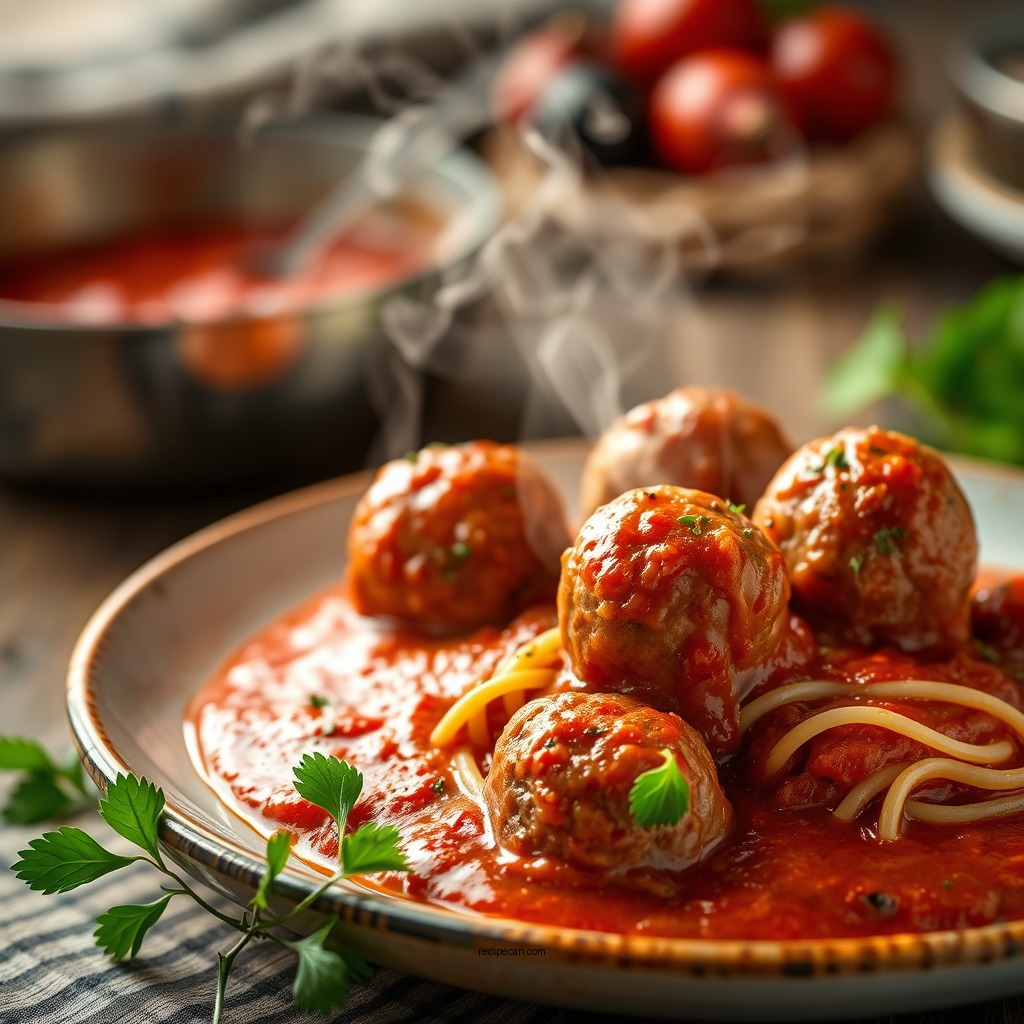
Making mouthwatering meatballs with a flavorful sauce is easier than you think! In this article, you’ll learn a simple yet delicious meatball and sauce recipe that will impress your family and friends. From selecting the right ingredients to cooking tips, we’ve got everything you need to create this comforting dish. Whether you’re planning a family dinner or a gathering with friends, this recipe is bound to be a crowd-pleaser.
Selecting the Right Ingredients
The foundation of any great dish lies in its ingredients, and meatballs are no exception. Choosing high-quality ground meat is essential for achieving the best flavor and texture. You can opt for beef, pork, or turkey, depending on your preferences. Each meat offers a unique taste profile; for instance, beef provides a rich flavor, while turkey offers a leaner option.
In summary, here are some key ingredients to consider:
– Ground Meat: Beef, pork, or turkey
– Fresh Herbs: Parsley, basil, or oregano
– Binders: Breadcrumbs and eggs
– Seasonings: Salt, pepper, garlic powder, and onion powder
Preparing the Meatball Mixture
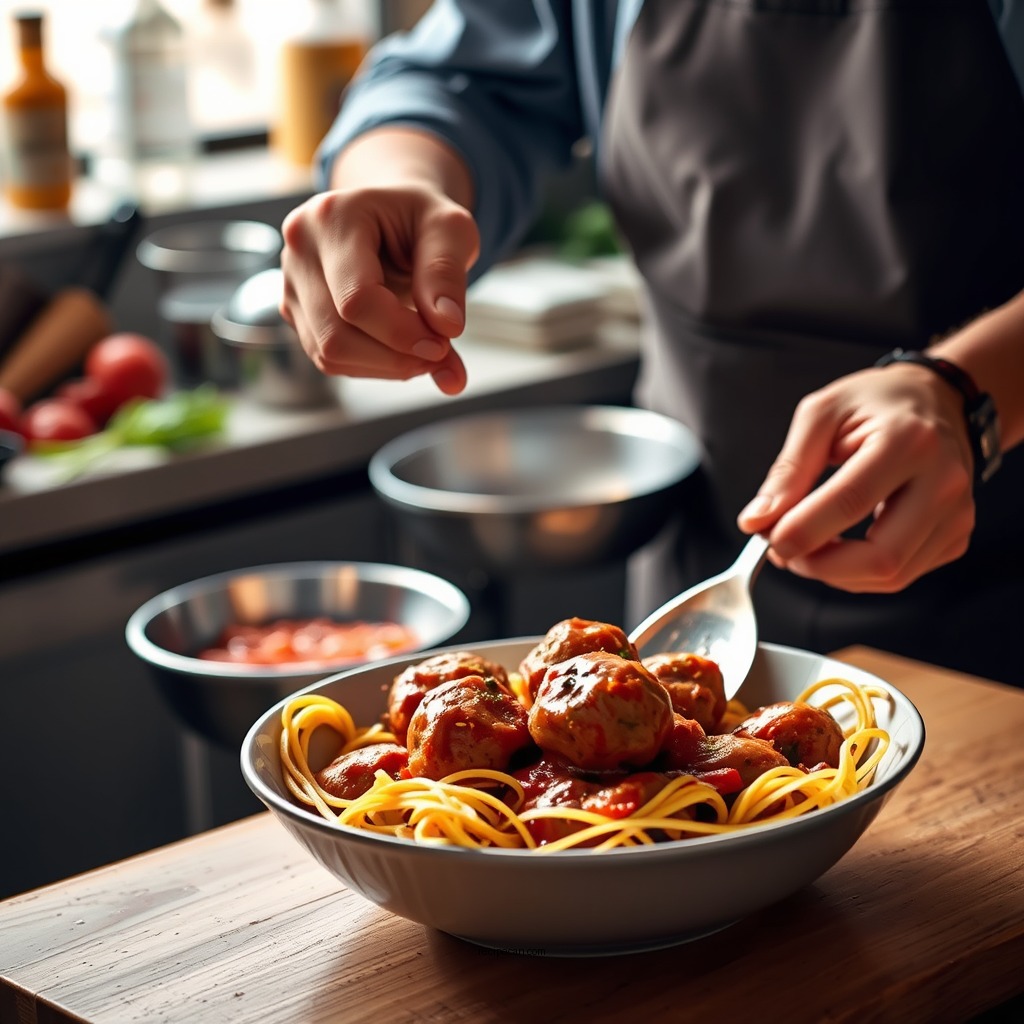
Once you have gathered your ingredients, it’s time to prepare the meatball mixture. Start by combining the ground meat with breadcrumbs, fresh herbs, and your chosen seasonings in a large mixing bowl. It’s essential to mix the ingredients gently using your hands. Over-mixing can lead to tough meatballs, so be mindful to work just until everything is combined.
Form the mixture into meatballs of uniform size, approximately one to two inches in diameter. This ensures even cooking and helps maintain consistency in texture. You can use a cookie scoop for precision or simply mold them with your hands. If you’re feeling adventurous, consider stuffing the meatballs with cheese or herbs for an unexpected burst of flavor.
Cooking the Meatballs
There are multiple methods for cooking meatballs, and the choice often depends on personal preference and desired healthiness. One popular approach is to brown the meatballs in a skillet over medium-high heat. This method creates a delicious crust, enhancing the overall flavor.
Alternatively, you can bake the meatballs in the oven for a healthier option. Preheat your oven to 400°F (200°C) and place the meatballs on a lined baking sheet. Bake for about 20-25 minutes, or until they reach an internal temperature of 160°F (70°C). This method allows for less oil usage and is convenient for larger batches.
Regardless of the cooking method, ensure the meatballs are cooked through. Using a meat thermometer is a reliable way to check their doneness.
Making the Sauce
The sauce is where you can truly elevate your meatballs. Start by sautéing finely chopped onions and minced garlic in olive oil over medium heat. This process unlocks their natural sweetness and creates a flavorful base for your sauce.
Next, add crushed tomatoes, which form the backbone of your sauce. You can choose canned or fresh tomatoes, depending on the season and your availability. Season the sauce with salt, pepper, and dried herbs like oregano and thyme. Let the sauce simmer for at least 20-30 minutes; this will deepen the flavors and create a rich, savory sauce that complements your meatballs perfectly.
Consider incorporating a splash of red wine or balsamic vinegar for added depth. For a creamier sauce, you can stir in a touch of heavy cream or sour cream just before serving.
Top 7 Meatball Ingredients and Their Benefits
| # | Ingredient | Nutritional Value (per 100g) | Benefits |
|---|---|---|---|
| 1 | Ground Beef | 250 kcal | Rich in protein and iron |
| 2 | Breadcrumbs | 350 kcal | Provides texture and binding |
| 3 | Egg | 155 kcal | High in protein and vitamins |
| 4 | Parsley | 36 kcal | Rich in antioxidants and vitamins A, C, K |
| 5 | Crushed Tomatoes | 32 kcal | High in vitamins and lycopene |
| 6 | Garlic | 149 kcal | Boosts immunity and adds flavor |
| 7 | Onion | 40 kcal | Rich in vitamins and minerals |
Combining Meatballs and Sauce
To bring your meatballs and sauce together, gently place the cooked meatballs into the simmering sauce. This step is crucial as it allows the meatballs to absorb the rich flavors of the sauce, enhancing the overall taste of the dish. Let the meatballs simmer in the sauce for about 10-15 minutes to meld the flavors together effectively.
When serving, you can opt for pasta, rice, or a crusty piece of bread. Each option offers a different experience, allowing you to customize the meal according to your preferences. Garnish with additional fresh herbs or grated cheese for an extra touch of flavor.
Storing and Reheating Leftovers
One of the benefits of this meatball and sauce recipe is its ability to store well for later use. After enjoying your meal, transfer any leftovers into an airtight container and refrigerate. They can last for up to three days. For longer storage, consider freezing the meatballs and sauce in separate containers.
When reheating, use the stove or microwave, adding a splash of water or broth to keep the dish moist. This ensures that your homemade meatballs and sauce remain tender and delicious, even after reheating.
Tips for Variations and Enhancements
While the classic meatballs and sauce recipe is delightful, there are numerous ways to elevate it further. Experiment with different types of meat, such as lamb or chicken, or explore plant-based alternatives like lentils or chickpeas for a vegetarian option.
Adding vegetables such as bell peppers, mushrooms, or spinach to the sauce can enhance its nutritional value and add depth to the flavor. If you enjoy a bit of heat, consider spicing it up with chili flakes or paprika.
For a unique twist, try different sauces, such as a creamy Alfredo instead of a traditional tomato-based sauce, or incorporate international flavors, like teriyaki or curry.
Conclusion
Enjoying homemade meatballs and sauce is not only a comforting meal but also a versatile dish that can be adapted to suit various tastes and dietary preferences. By selecting high-quality ingredients and following the straightforward preparation steps outlined in this article, you can create a delightful meal that is sure to impress. Whether served for a family dinner or a casual gathering, meatballs and sauce are a classic choice that never goes out of style. Try this recipe today and elevate your cooking!
Frequently Asked Questions
What ingredients do I need for a classic meatballs and sauce recipe?
A classic meatballs and sauce recipe typically requires ground meat (beef, pork, or turkey), breadcrumbs, eggs, garlic, onion, and seasonings like salt, pepper, and parsley. For the sauce, you’ll need canned tomatoes, olive oil, garlic, and herbs such as basil and oregano. Using high-quality ingredients can enhance the flavor and texture of your meatballs.
How do I ensure my meatballs are moist and tender?
To ensure moist and tender meatballs, consider mixing in ingredients like grated Parmesan cheese, milk, or ricotta to the meat mixture. Avoid overmixing the meat, as this can lead to a dense texture. Additionally, baking or simmering the meatballs in sauce can help retain moisture during cooking.
Why does my meatballs and sauce recipe always turn out bland?
A bland meatballs and sauce recipe often results from insufficient seasoning or the absence of flavor-enhancing ingredients. Be sure to season both the meat mixture and the sauce generously with salt, pepper, and herbs. Adding ingredients like garlic, onion, and fresh herbs can significantly elevate the overall flavor profile.
What is the best cooking method for meatballs in sauce?
The best cooking method for meatballs in sauce is to first sear them in a skillet to develop a crust, then simmer them in the sauce. This dual approach locks in juices and flavors. Slow simmering allows the meatballs to absorb the sauce’s flavors, resulting in a rich and satisfying dish.
Which types of meat are best for making meatballs?
The best types of meat for making meatballs include ground beef, pork, and turkey, each offering different flavors and textures. A combination of beef and pork is popular for its rich taste and juiciness, while turkey provides a leaner option. Choosing meat with a bit of fat content ensures your meatballs stay moist and flavorful during cooking.
References
- Meatball
https://en.wikipedia.org/wiki/Meatball - https://www.ncbi.nlm.nih.gov/pmc/articles/PMC6313449/
https://www.ncbi.nlm.nih.gov/pmc/articles/PMC6313449/ - https://www.sciencedirect.com/topics/food-science/meatballs
https://www.sciencedirect.com/topics/food-science/meatballs - https://www.mayoclinic.org/healthy-lifestyle/nutrition-and-healthy-eating/expert-answers/healthy-meatball-recipe/faq-20058481
https://www.mayoclinic.org/healthy-lifestyle/nutrition-and-healthy-eating/expert-answers/healthy-meatball-recipe/faq-20058481 - https://www.bbc.co.uk/food/recipes/meatballs_4336
https://www.bbc.co.uk/food/recipes/meatballs_4336 - https://www.theguardian.com/food/2020/jan/07/how-to-make-the-perfect-meatballs
https://www.theguardian.com/food/2020/jan/07/how-to-make-the-perfect-meatballs - https://www.nytimes.com/2015/09/30/dining/meatball-recipe.html
https://www.nytimes.com/2015/09/30/dining/meatball-recipe.html - Google Scholar Google Scholar
https://scholar.google.com/scholar?q=meatballs+and+sauce+recipe - Google Scholar Google Scholar
https://scholar.google.com/scholar?q=meatball+nutritional+value - Google Scholar Google Scholar
https://scholar.google.com/scholar?q=meatball+preparation+techniques