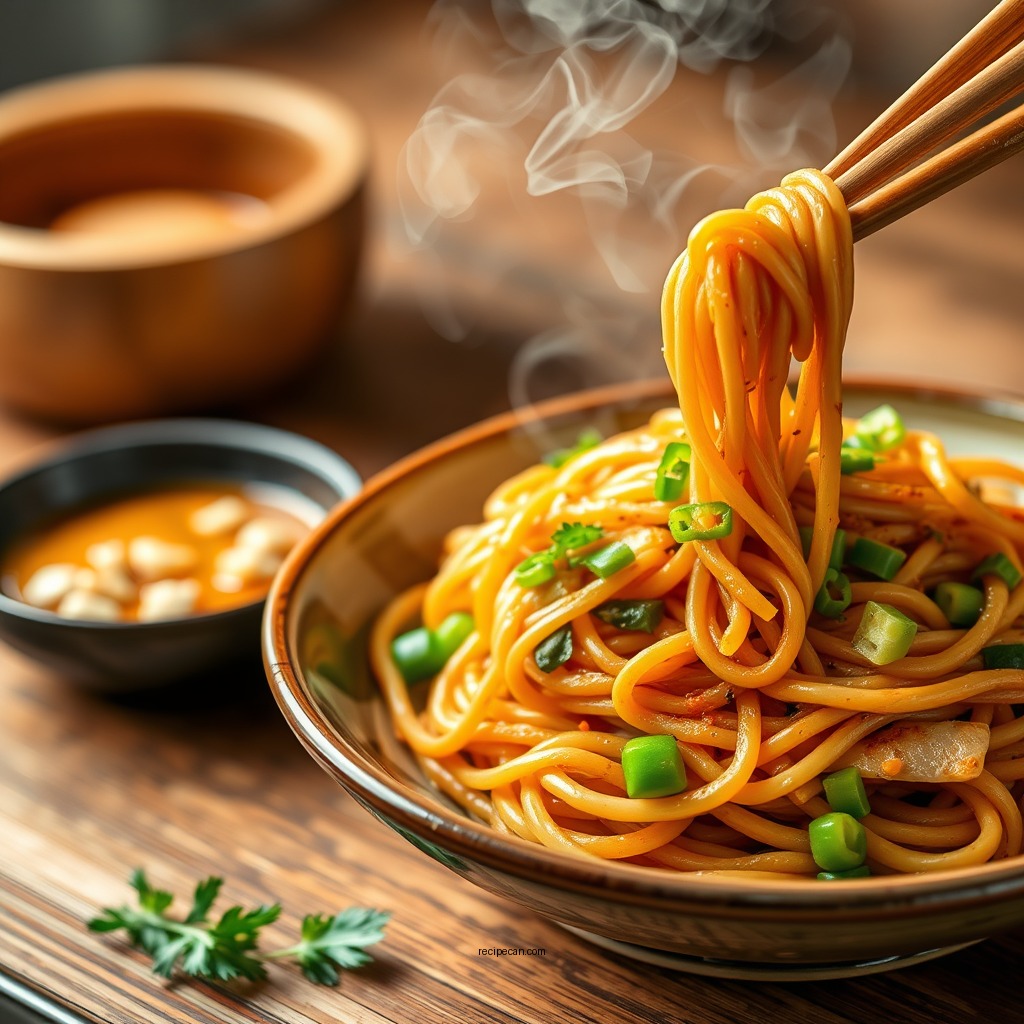
Making a delicious lo mein sauce at home is simple and requires just a few key ingredients. With this easy recipe, you can create a flavorful sauce that enhances your stir-fried noodles and vegetables. This guide provides a comprehensive look at the essential ingredients, step-by-step preparation methods, and tips for variations, ensuring you can whip up a delightful sauce that elevates your home-cooked meals.
Key Ingredients for Lo Mein Sauce
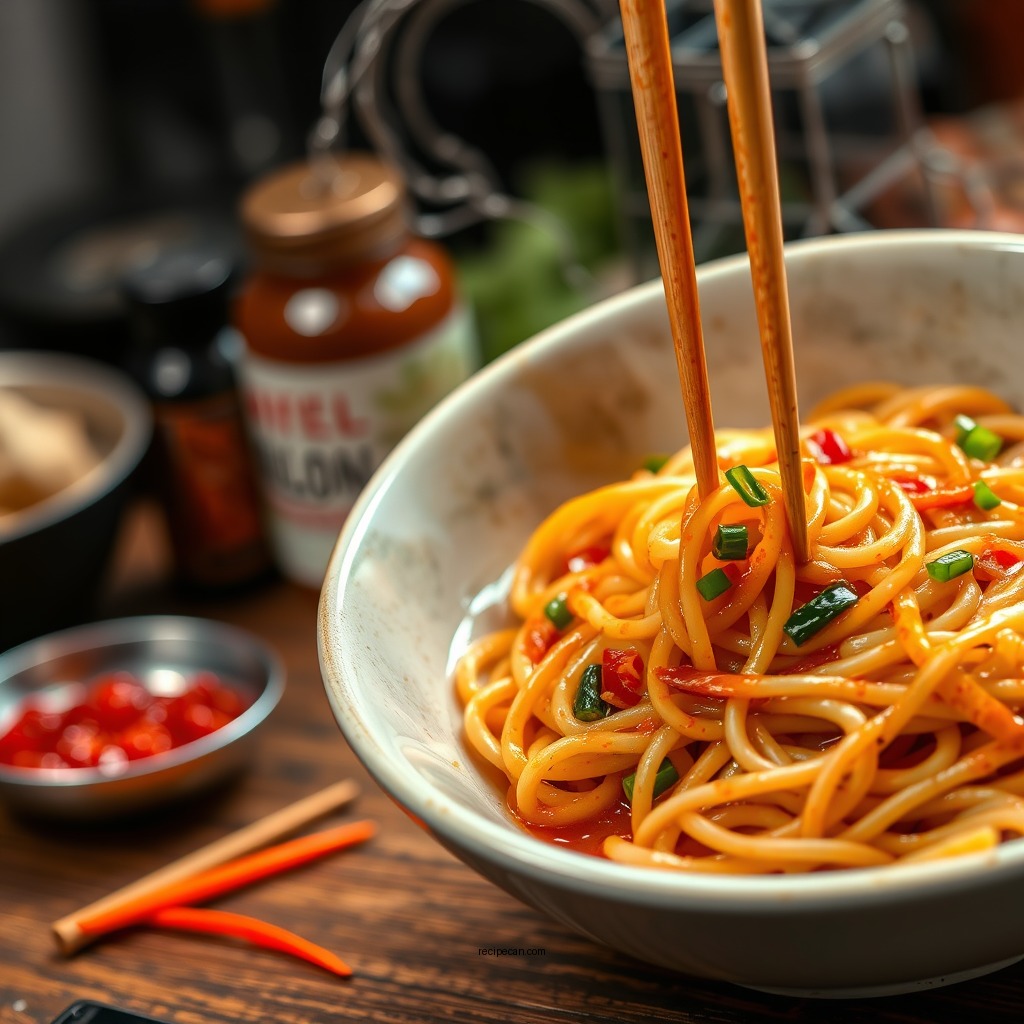
The quality and balance of ingredients are crucial when making lo mein sauce. Here are the key components that will provide a rich flavor profile:
– Soy sauce: This is the cornerstone of lo mein sauce, providing essential saltiness and umami flavor. Opt for low-sodium soy sauce for a healthier option without sacrificing taste.
– Oyster sauce: This ingredient adds depth and a slightly sweet flavor to the sauce. Made from oyster extracts, it enhances the overall richness of the dish. If you’re looking for a vegetarian alternative, mushroom sauce can serve as a substitute.
– Sesame oil: Known for its nutty aroma, sesame oil enhances the overall taste of the sauce. Use toasted sesame oil for a more intense flavor, which will truly complement the noodles and vegetables.
These ingredients come together to form a cohesive sauce that binds the flavors of your lo mein dish.
Step-by-Step Recipe Instructions
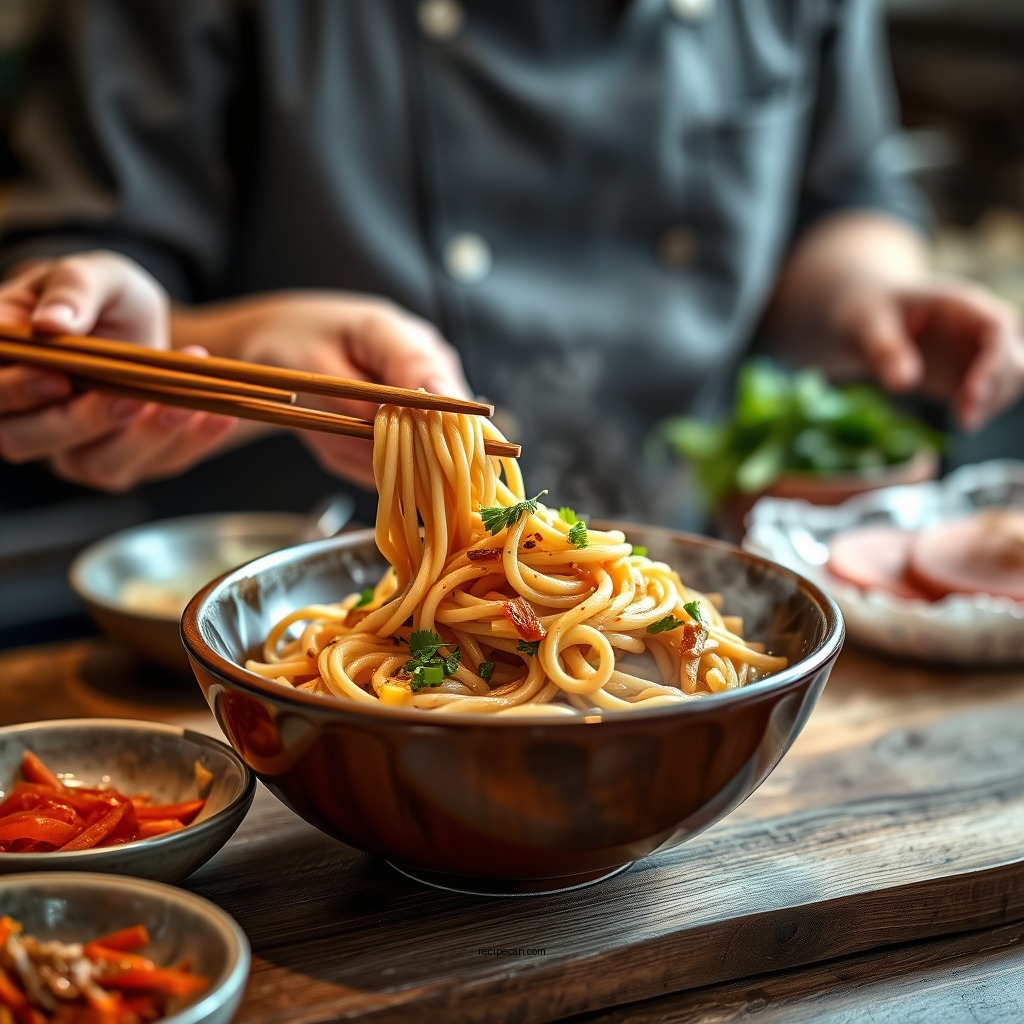
To create a delicious lo mein sauce at home, follow these straightforward steps:
1. Combine ingredients: In a mixing bowl, start by measuring out the soy sauce (about 3 tablespoons), oyster sauce (around 2 tablespoons), and sesame oil (1 tablespoon). Whisk them together until well combined.
2. Adjust consistency: If you prefer a thicker sauce, mix 1 teaspoon of cornstarch with 1 tablespoon of water to create a slurry. Gradually add this mixture to your sauce while stirring continuously until it reaches your desired thickness.
3. Taste and tweak: The best part of making your own sauce is customization. Taste the sauce and adjust sweetness or saltiness to your liking. You might add a pinch of sugar for sweetness or a bit more soy sauce for saltiness.
This simple method allows you to create a versatile sauce that can be used for various stir-fried dishes.
Top 7 Ingredients for Homemade Lo Mein Sauce (2024)
| # | Ingredient | Quantity | Flavor Profile | Usage |
|---|---|---|---|---|
| 1 | Soy Sauce | 3 tbsp | Salty, Umami | Base |
| 2 | Oyster Sauce | 2 tbsp | Sweet, Savory | Enhancer |
| 3 | Sesame Oil | 1 tbsp | Nutty | Finish |
| 4 | Cornstarch | 1 tsp | Thickening | Optional |
| 5 | Sugar | Pinch | Sweetness | Adjust |
| 6 | Water | 1 tbsp | Dilution | Mix |
| 7 | Ginger (optional) | 1 tsp | Spicy | Enhancer |
Variations to Enhance Flavor
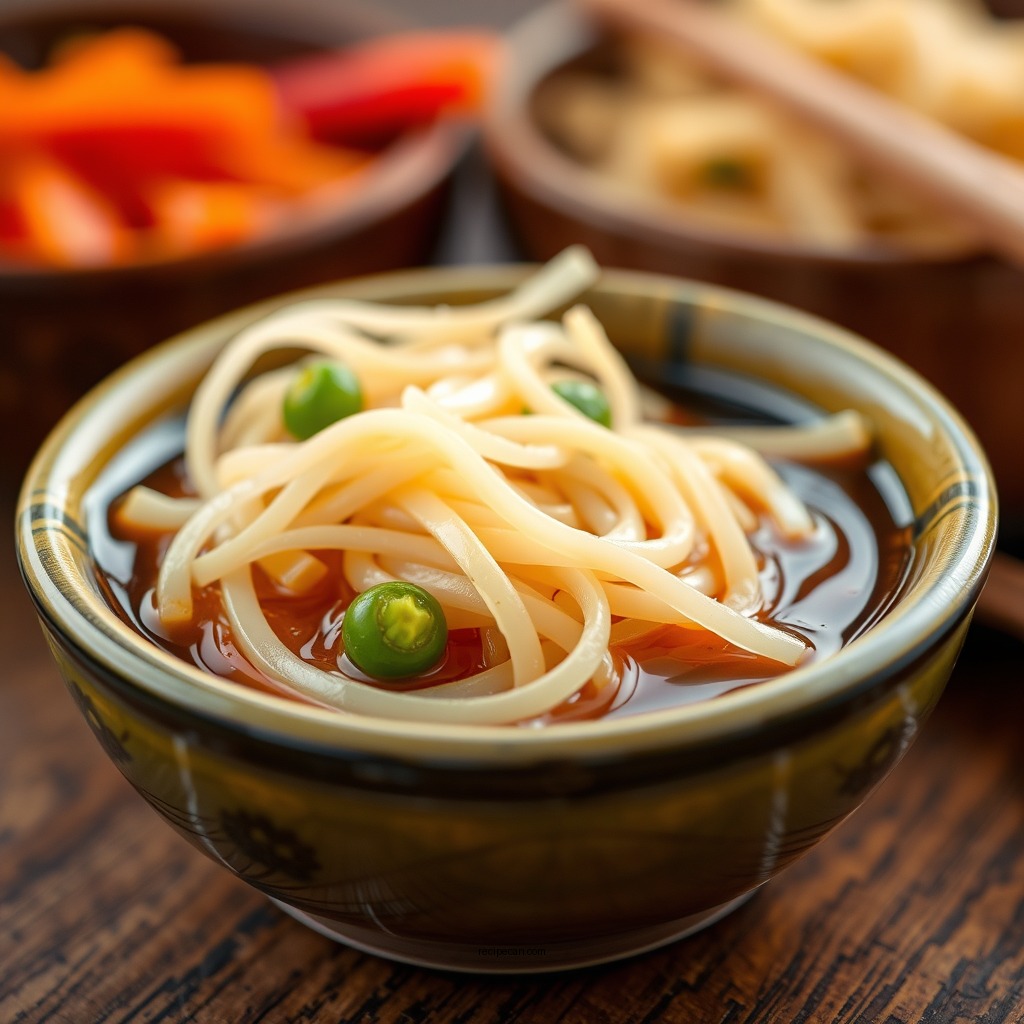
While the basic lo mein sauce is fantastic on its own, there are several variations you can employ to enhance its flavor further:
– Add garlic: Incorporating minced garlic can provide a robust flavor to your sauce. The pungency of garlic complements the richness of the oyster sauce and adds depth.
– Incorporate ginger: Freshly grated ginger introduces a spicy kick and warmth to the sauce. It pairs beautifully with the other ingredients, creating a well-rounded flavor profile.
– Spice it up: For those who enjoy a bit of heat, consider adding red pepper flakes. This simple addition can elevate the sauce and create a more exciting dish.
These variations allow you to tailor the sauce to your taste and can make your lo mein stand out.
Flavor Variations for Lo Mein Sauce
Tips for Perfecting Your Sauce
To achieve the perfect lo mein sauce, consider these essential tips:
– Balance flavors: Ensure you have a harmonious mix of salty, sweet, and umami tastes. Taste frequently as you adjust the ingredients to avoid overpowering any one flavor.
– Use freshly made ingredients: Fresh sauces yield better flavors than pre-packaged options. Whenever possible, use fresh garlic, ginger, and high-quality sauces.
– Experiment: Don’t hesitate to try different proportions or additional ingredients based on personal preference. The beauty of homemade sauce lies in its adaptability.
By following these tips, you can create a sauce that not only tastes great but also meets your personal flavor preferences.
Serving Suggestions
Now that you have your lo mein sauce ready, consider these serving suggestions:
– Toss with cooked lo mein noodles: Once your lo mein noodles are cooked, add them to the sauce and toss thoroughly to ensure each strand is coated with flavor.
– Pair with vegetables and proteins: Enhance your dish by adding stir-fried vegetables such as bell peppers, broccoli, and carrots, or your choice of protein like chicken, beef, or tofu.
– Serve hot: For the best taste experience, enjoy your lo mein immediately after cooking. The flavors are at their peak when served fresh.
These serving suggestions can transform a simple dish into a flavorful and satisfying meal.
Storing Leftover Sauce
If you find yourself with leftover sauce, here are some tips for storage:
– Refrigerate: Store any leftover sauce in an airtight container in the fridge. This will help preserve its flavor and prevent spoilage.
– Use within a week: For optimal flavor, try to consume the sauce within 5-7 days. The longer it sits, the more the flavors may change.
– Reheat gently: When you’re ready to use the sauce again, warm it up gently on the stove over low heat. Avoid boiling, as this could alter the texture and flavor.
By following these storage tips, you can enjoy your homemade lo mein sauce for multiple meals.
In conclusion, making an easy lo mein sauce at home is quick and rewarding. With just a few ingredients and some simple steps, you can create a delicious accompaniment for your favorite noodle dishes. Whether you stick to the classic recipe or experiment with different flavors, this sauce is sure to elevate your meals. Try out this recipe today and enjoy the satisfaction of a homemade lo mein sauce!
Frequently Asked Questions
What are the key ingredients in a traditional lo mein sauce recipe?
A traditional lo mein sauce typically includes soy sauce, oyster sauce, sesame oil, and sometimes hoisin sauce for added sweetness. Some variations may also incorporate garlic, ginger, and scallions to enhance the flavor profile, making it rich and savory.
How can I make a vegetarian lo mein sauce at home?
To create a vegetarian lo mein sauce, substitute oyster sauce with a vegetarian alternative, such as mushroom sauce or a blend of soy sauce and sugar. Combine soy sauce, sesame oil, and a splash of rice vinegar for a balanced flavor that complements your vegetable and noodle mix.
Why is my lo mein sauce too salty, and how can I adjust it?
If your lo mein sauce is too salty, it may be due to an excess of soy sauce or oyster sauce. To adjust, you can dilute the sauce with a bit of water or low-sodium soy sauce, or add a touch of sugar to balance the flavors and reduce the saltiness.
What is the best type of noodles to pair with lo mein sauce?
The best noodles for lo mein sauce are fresh egg noodles, as they have a chewy texture that absorbs the sauce well. Alternatively, you can use wheat-based lo mein or even gluten-free options like rice noodles, depending on your dietary preferences.
Which cooking method works best for lo mein with sauce?
Stir-frying is the best cooking method for lo mein with sauce, as it allows the noodles and vegetables to cook quickly while being evenly coated in the sauce. Using a high heat and a wok can help achieve that signature smoky flavor and ensure that everything is cooked to perfection.
References
- Lo mein
https://en.wikipedia.org/wiki/Lo_mein - https://www.britannica.com/topic/lo-mein
https://www.britannica.com/topic/lo-mein - Google Scholar Google Scholar
https://scholar.google.com/scholar?q=lo+mein+sauce+recipe - Google Scholar Google Scholar
https://scholar.google.com/scholar?q=Chinese+cuisine+lo+mein - https://pubmed.ncbi.nlm.nih.gov/
https://pubmed.ncbi.nlm.nih.gov/ - https://www.sciencedirect.com/
https://www.sciencedirect.com/ - The New York Times – Breaking News, US News, World News and Videos
https://www.nytimes.com/ - BBC Home – Breaking News, World News, US News, Sports, Business, Innovation, Climate, Culture, Tr…
https://www.bbc.com/ - https://www.theguardian.com/
https://www.theguardian.com/ - https://www.cdc.gov/
https://www.cdc.gov/