Making hollandaise sauce is easier than you might think, and with this straightforward recipe, you can create this rich, buttery sauce in no time. This guide will walk you through the ingredients and steps needed to achieve the perfect hollandaise, whether for eggs Benedict or drizzling over veggies. With just a few simple ingredients and the right technique, you can impress your family and friends with a classic sauce that elevates any dish.
Ingredients You’ll Need
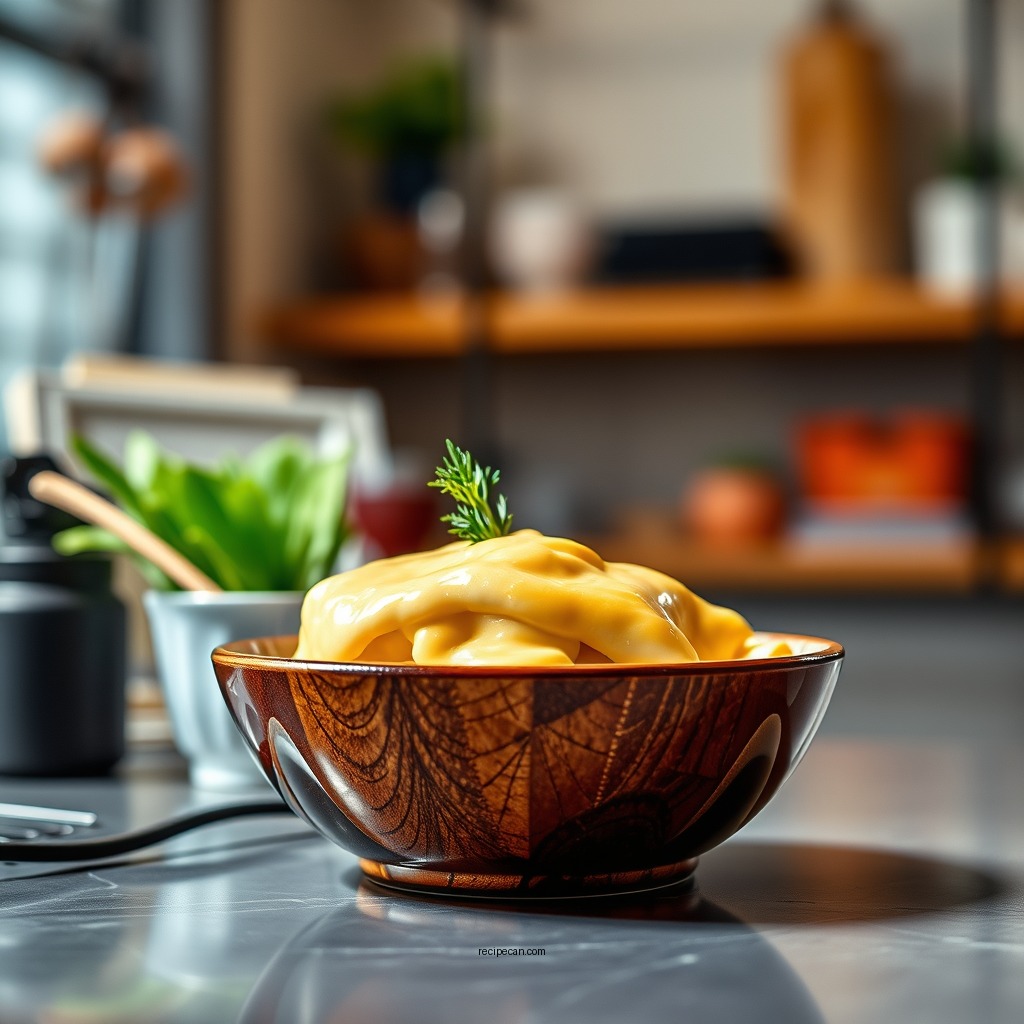
To create a delicious hollandaise sauce, you need just three main ingredients:
– Fresh Egg Yolks: The foundation of hollandaise, egg yolks provide a creamy texture and rich flavor. It is essential to use fresh, high-quality egg yolks for the best results, as they contribute to the sauce’s smoothness and stability.
– Unsalted Butter: This adds richness and a smooth mouthfeel to the sauce. Using unsalted butter allows you to control the seasoning, ensuring the sauce isn’t overly salty.
– Fresh Lemon Juice: This ingredient introduces acidity, balancing the richness of the butter and yolks. Freshly squeezed lemon juice is preferable, as it offers better flavor than bottled alternatives.
Equipment Required

To successfully make hollandaise sauce, you’ll need the following equipment:
– Double Boiler or Heatproof Bowl: This is crucial for gentle cooking, preventing the eggs from scrambling. If you don’t have a double boiler, a heatproof bowl set over a pot of simmering water works just as well.
– Whisk: A whisk is essential for emulsifying the sauce, helping to combine the eggs and butter smoothly. You can use a hand whisk or an electric mixer, but a hand whisk gives you better control.
– Measuring Cups and Spoons: Accurate measurements are vital for achieving the right consistency and flavor balance.
Step-by-Step Instructions
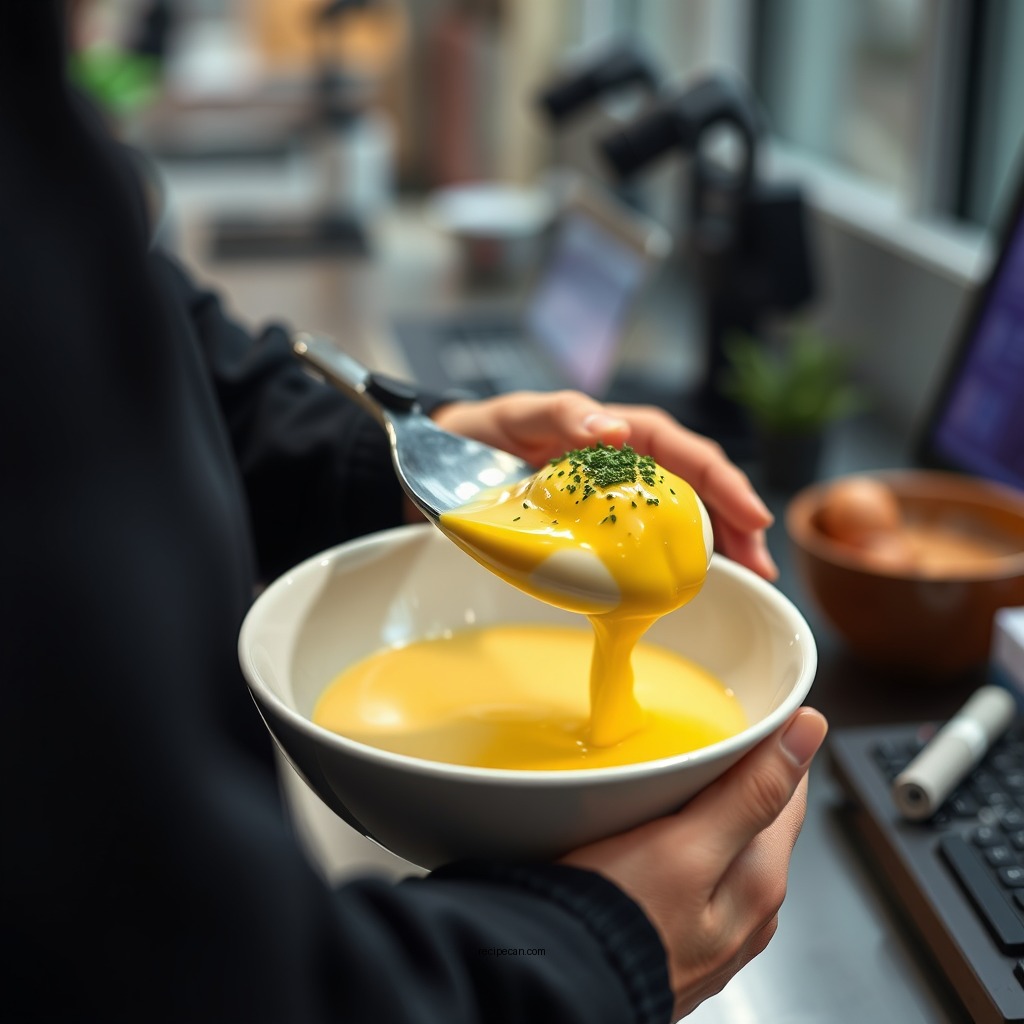
Making hollandaise sauce involves a few simple steps:
1. Melt the Butter: Start by melting the butter in a saucepan over low heat. This slow melting process ensures it doesn’t burn, which would impart an unpleasant taste to the sauce.
2. Prepare the Egg Mixture: In a heatproof bowl, whisk together the egg yolks and fresh lemon juice until the mixture thickens and lightens in color. This aeration is crucial for creating a stable emulsion.
3. Combine the Ingredients: Once the butter is melted, remove it from the heat. Gradually pour the warm butter into the egg mixture while continuously whisking. This gradual addition is key to preventing the eggs from cooking too quickly.
4. Emulsify: Keep whisking until the sauce thickens and reaches a creamy consistency. If the sauce is too thick, you can add a few drops of warm water to loosen it.
5. Season: Finally, season the sauce with salt and additional lemon juice to taste. Adjusting the seasoning is essential to balance the flavors.
Tips for Perfect Hollandaise
– Use Room Temperature Eggs: Room temperature eggs emulsify more easily than cold ones. Allow them to sit out for about 30 minutes before cooking.
– Keep the Sauce Warm, Not Hot: To prevent curdling, serve the sauce immediately or keep it warm in a bowl over hot water. Avoid direct heat, as it may cause the eggs to scramble.
Common Mistakes to Avoid
Avoid these pitfalls when making hollandaise sauce:
– Overheating the Sauce: If the sauce gets too hot, it will separate. Always use low heat and whisk continuously to maintain a stable temperature.
– Not Whisking Vigorously Enough: Insufficient whisking can lead to a weak emulsion. Make sure to whisk thoroughly to incorporate air and achieve the desired thickness.
Variations and Flavor Enhancements
Hollandaise sauce is versatile, and you can easily customize it:
– Dijon Mustard: Adding a teaspoon of Dijon mustard can give the sauce a tangy kick, enhancing its flavor profile.
– Herbs: Incorporate fresh herbs like tarragon or dill for an aromatic twist. These herbs complement the buttery sauce beautifully and add depth.
– Spices: Experiment with spices like cayenne pepper or paprika to introduce a hint of heat. This variation is perfect for those who enjoy a bit of spice in their dishes.
Top 5 Ingredients for Hollandaise Sauce (2024)
| # | Ingredient | Quantity (grams) | Flavor Profile | Nutritional Value (per serving) |
|---|---|---|---|---|
| 1 | Egg Yolks | 4 | Rich, Creamy | 55 kcal |
| 2 | Unsalted Butter | 100 | Buttery, Rich | 717 kcal |
| 3 | Lemon Juice | 15 | Bright, Tangy | 4 kcal |
| 4 | Salt | 1 | Savory | 0 kcal |
| 5 | Dijon Mustard | 5 | Tangy | 5 kcal |
Hollandaise Sauce Preparation Time Breakdown
Now that you have all the necessary tips and steps for making a delicious hollandaise sauce, it’s time to put your skills to the test. Gather your ingredients and equipment, and enjoy the process of creating this exquisite sauce that will elevate any dish. Don’t forget to experiment with variations to find your favorite flavor combination! Whether you’re serving it over eggs, vegetables, or seafood, mastering hollandaise will undoubtedly enhance your culinary repertoire.
Frequently Asked Questions
What are the essential ingredients for a classic hollandaise sauce recipe?
To make a classic hollandaise sauce, you will need egg yolks, unsalted butter, lemon juice, and a pinch of salt. The egg yolks and lemon juice are whisked together over gentle heat until thickened, then emulsified with melted butter to create a rich, creamy sauce that is perfect for dishes like Eggs Benedict.
How do I prevent my hollandaise sauce from curdling?
To prevent hollandaise sauce from curdling, it’s crucial to whisk the egg yolks over low heat and avoid overheating, which can cause them to scramble. Additionally, adding the melted butter slowly while whisking continuously helps maintain the emulsion and gives you a smooth, creamy texture.
Why is my hollandaise sauce too thin, and how can I fix it?
If your hollandaise sauce is too thin, it may be due to not incorporating enough butter or not cooking it long enough to thicken. To fix it, you can gently heat the sauce while whisking in additional melted butter, or you can create a new emulsion by whisking in a fresh egg yolk and slowly adding the thin sauce.
What is the best method for storing leftover hollandaise sauce?
The best method for storing leftover hollandaise sauce is to place it in an airtight container and refrigerate it for up to 2 days. When ready to use, gently reheat the sauce over a double boiler while whisking until it reaches the desired consistency, as it can thicken in the fridge.
Which dishes pair best with hollandaise sauce?
Hollandaise sauce pairs wonderfully with a variety of dishes, including poached eggs, asparagus, and smoked salmon. It’s a classic topping for Eggs Benedict but can also enhance vegetables, fish, and even meats, making it a versatile sauce in your culinary repertoire.
References
- Hollandaise sauce
https://en.wikipedia.org/wiki/Hollandaise_sauce - https://www.bbc.co.uk/food/recipes/hollandaise_sauce_57635
https://www.bbc.co.uk/food/recipes/hollandaise_sauce_57635 - https://www.ncbi.nlm.nih.gov/pmc/articles/PMC6008907/
https://www.ncbi.nlm.nih.gov/pmc/articles/PMC6008907/ - https://www.sciencedirect.com/topics/food-science/hollandaise-sauce
https://www.sciencedirect.com/topics/food-science/hollandaise-sauce - https://www.mayoclinic.org/healthy-lifestyle/nutrition-and-healthy-eating/expert-answers/what-is-hollandaise-sauce/faq-20058171
https://www.mayoclinic.org/healthy-lifestyle/nutrition-and-healthy-eating/expert-answers/what-is-hollandaise-sauce/faq-20058171 - https://www.theguardian.com/food/2020/mar/04/how-to-make-the-perfect-hollandaise-sauce
https://www.theguardian.com/food/2020/mar/04/how-to-make-the-perfect-hollandaise-sauce - https://www.nytimes.com/2009/04/15/dining/15hollandaise.html
https://www.nytimes.com/2009/04/15/dining/15hollandaise.html - https://scholar.google.com/scholar?q=hollandaise+sauce+recipe Google Scholar
https://scholar.google.com/scholar?q=hollandaise+sauce+recipe - Google Scholar Google Scholar
https://scholar.google.com/scholar?q=hollandaise+sauce+cooking+techniques - Google Scholar Google Scholar
https://scholar.google.com/scholar?q=hollandaise+sauce+history+and+preparation