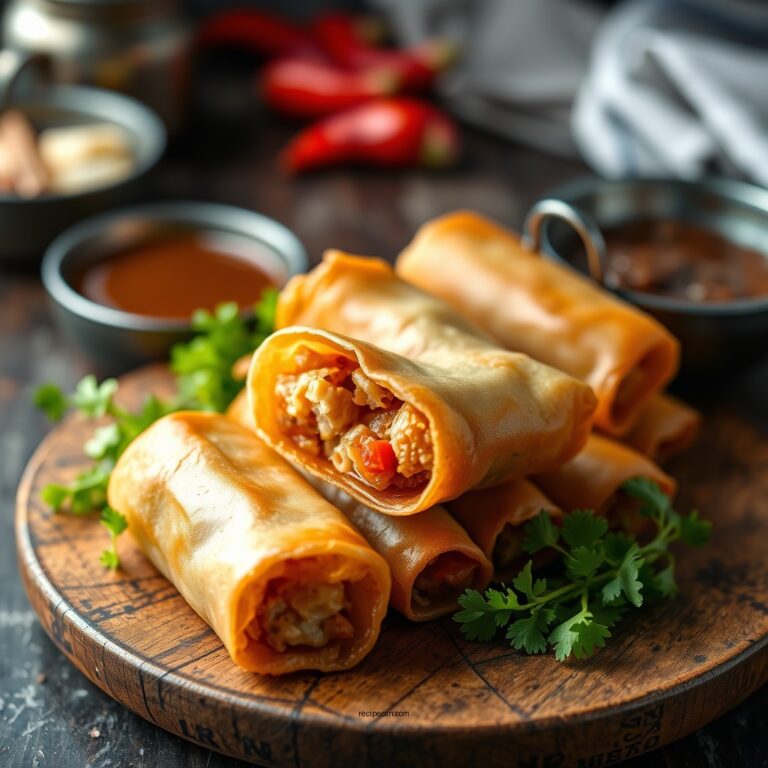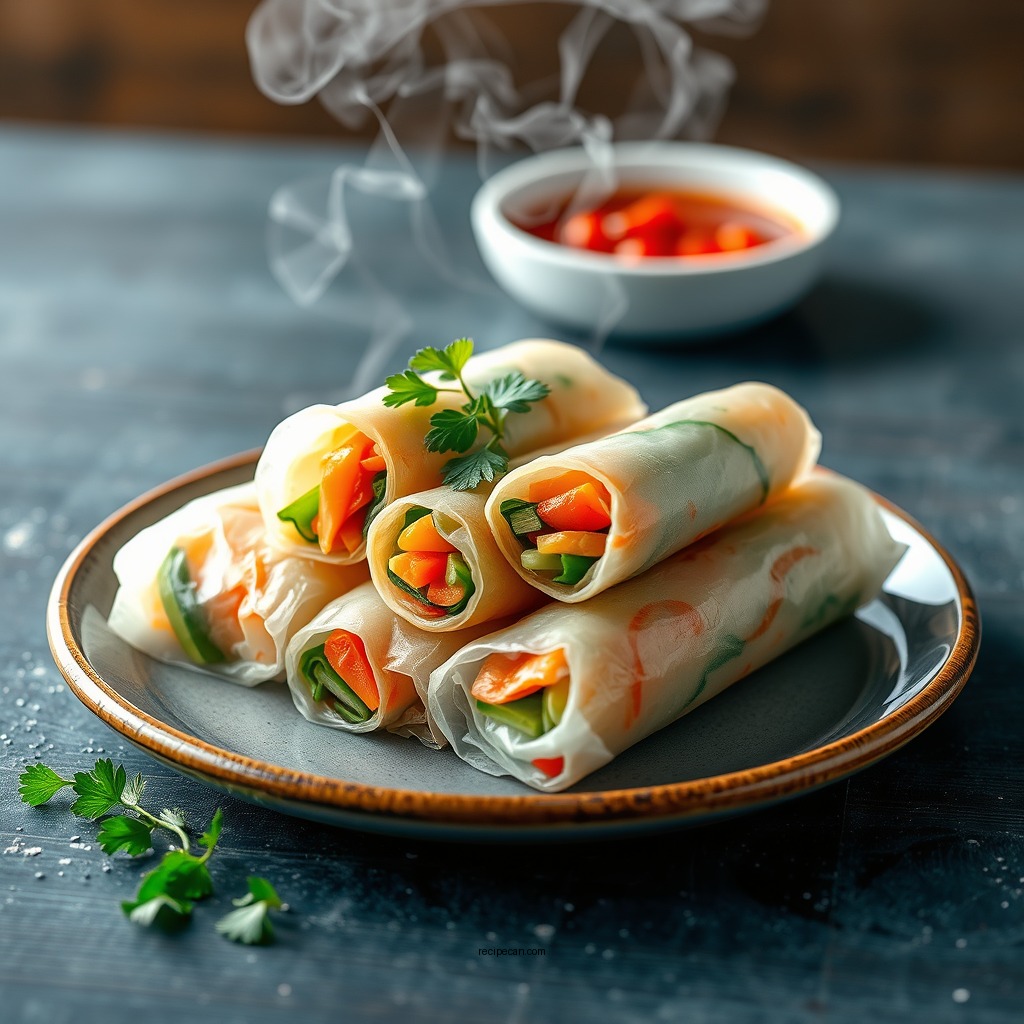
Making delicious vegetable spring rolls at home is simple and rewarding. With a few fresh ingredients and easy-to-follow steps, you can create a crunchy and healthy snack or appetizer. This recipe not only satisfies your taste buds but also allows you to customize the filling to your liking. Spring rolls are not only visually appealing but also packed with nutrients, making them a perfect choice for health-conscious individuals or anyone looking to enjoy fresh flavors.
Vegetable spring rolls offer a delightful crunch and can be served at gatherings, as appetizers, or as light meals. The versatility in their fillings allows you to cater to various tastes and dietary preferences, ensuring everyone can enjoy them. Let’s dive into the details of making these flavorful delights.
Ingredients You’ll Need
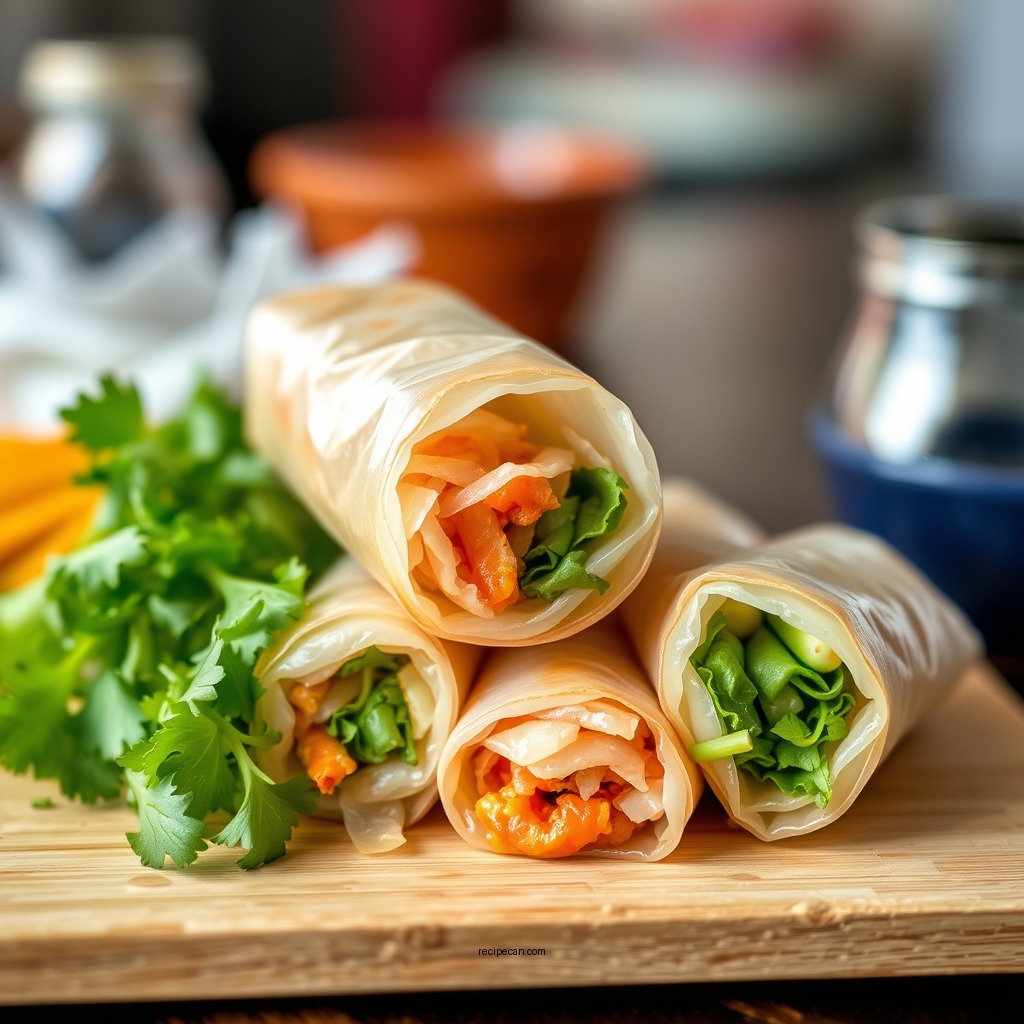
To create your vegetable spring rolls, gather the following ingredients:
– Fresh vegetables: Carrots, cucumbers, bell peppers, and lettuce are excellent choices. You can also add other vegetables like radishes, avocados, or bean sprouts for variety.
– Rice paper wrappers: These thin, translucent wrappers are essential for the exterior of the spring rolls, providing a light and crispy texture.
– Optional proteins: For those wanting to add a protein element, tofu and shrimp are great options. Tofu is an excellent meat substitute and can be marinated for an extra flavor boost.
Preparing the Filling
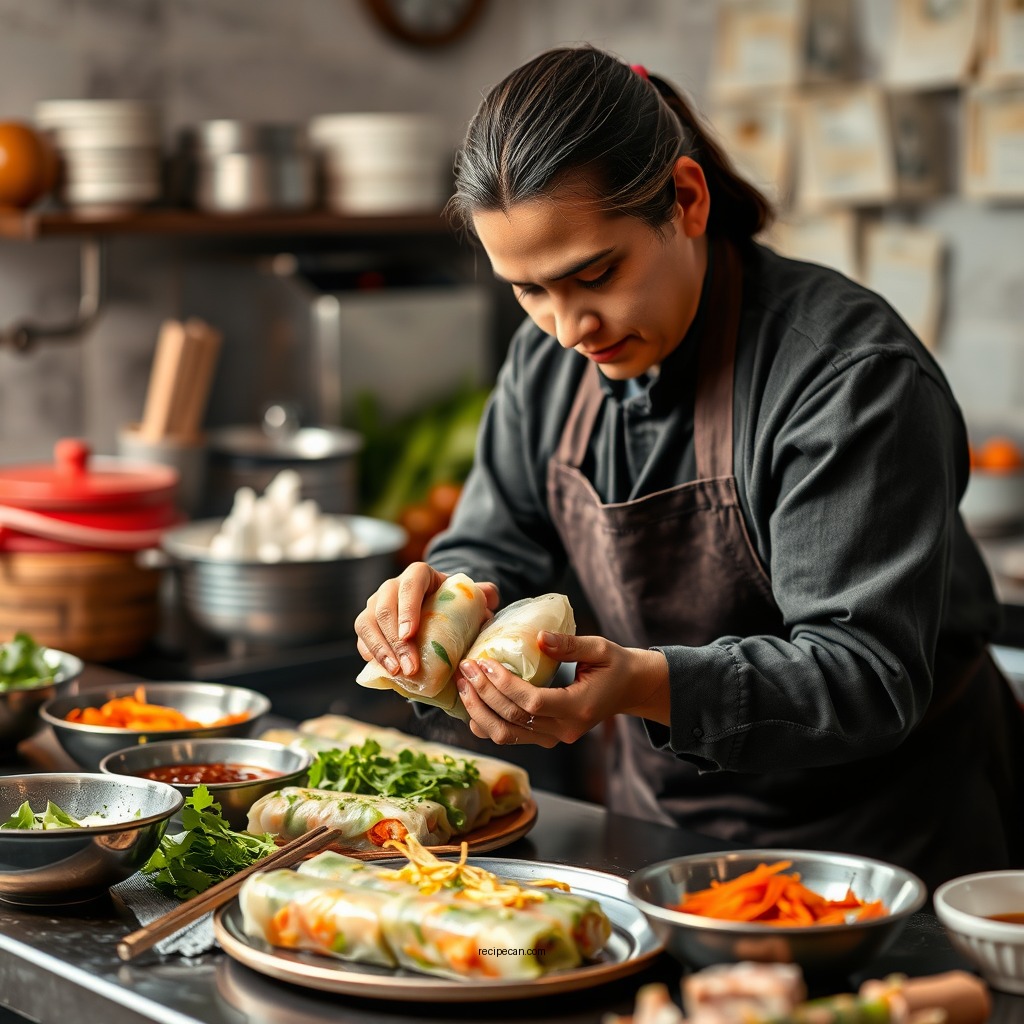
The filling of your spring rolls is where you can get creative. Here are some tips to prepare it:
– Julienne vegetables: Cut your vegetables into thin strips. This not only ensures even cooking but also makes rolling them easier. For example, julienned carrots and cucumbers create an appealing presentation and a satisfying crunch.
– Seasoning: Enhance the flavor of your filling by adding soy sauce, sesame oil, or your favorite herbs. A dash of rice vinegar can also add a tangy note that brightens the overall taste.
– Fresh herbs: Incorporate aromatic herbs like cilantro or mint. These herbs not only add flavor but also elevate the freshness of your spring rolls, making each bite invigorating.
Wrapping the Spring Rolls
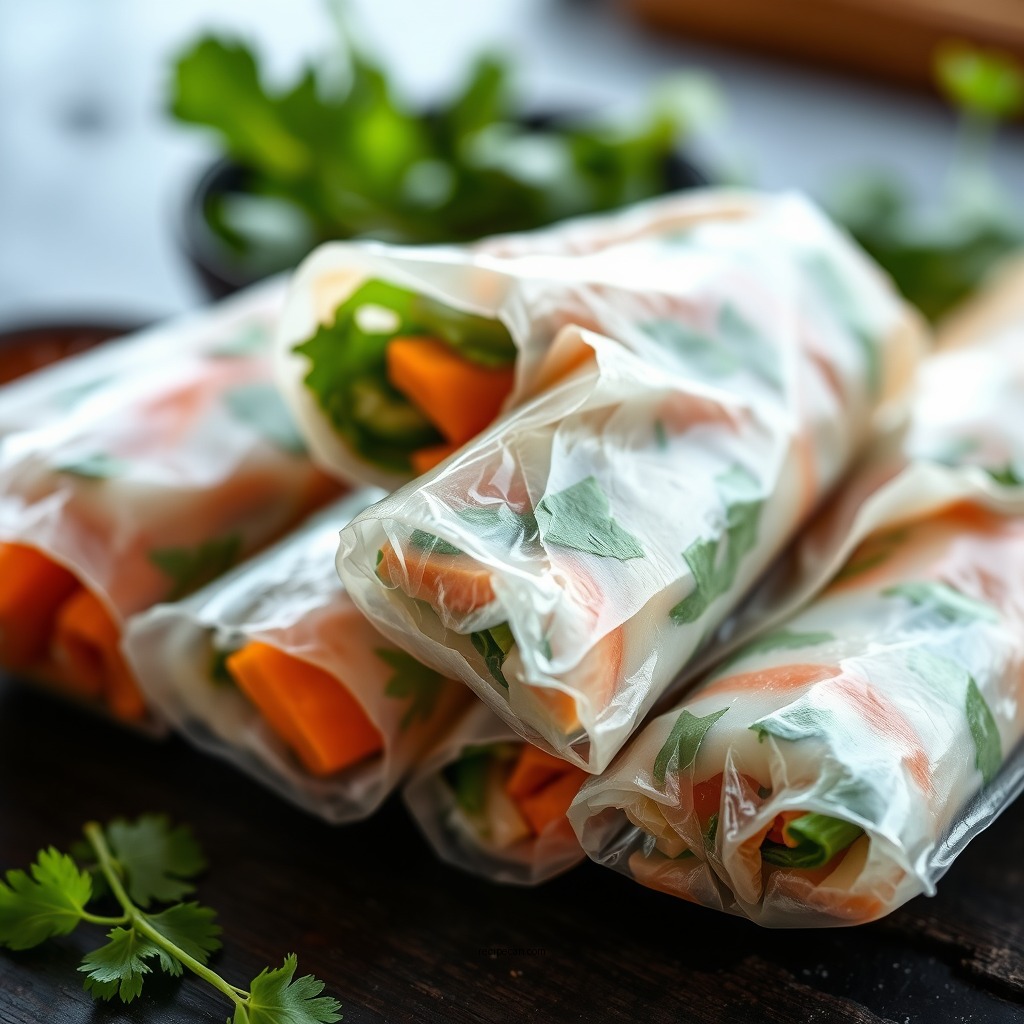
The wrapping process is crucial for achieving beautiful and functional spring rolls. Follow these steps:
– Soak rice paper wrappers: In a shallow dish, soak the rice paper wrappers in warm water until they become soft and pliable. This usually takes about 20-30 seconds. Be careful not to soak them for too long, as they can become too sticky.
– Forming the roll: Place a small amount of your prepared filling in the center of the wrapper. Fold the sides over the filling, then roll tightly from the bottom to the top. It takes practice to get the right tightness, but don’t be discouraged if your first few attempts aren’t perfect!
– Tips for success: If your spring rolls are tearing, it may indicate that the rice paper is too wet or too dry. Adjust your soaking time accordingly.
Top 7 Fresh Ingredients for Vegetable Spring Rolls
| # | Ingredient | Nutritional Value (per 100g) | Calories | Fiber (g) |
|---|---|---|---|---|
| 1 | Carrots | 41 | 41 | 2.8 |
| 2 | Cucumbers | 16 | 16 | 0.5 |
| 3 | Bell Peppers | 31 | 31 | 1.5 |
| 4 | Lettuce | 15 | 15 | 1.2 |
| 5 | Tofu | 76 | 76 | 2.0 |
| 6 | Shrimp | 85 | 85 | 0.0 |
| 7 | Mint | 70 | 70 | 8.0 |
Cooking Methods
Once your spring rolls are wrapped, you have several options for cooking and serving them:
– Fresh and un-cooked: The simplest way to enjoy spring rolls is to serve them fresh. This method preserves the crunchiness of the vegetables and the lightness of the rice paper, making them a refreshing snack.
– Frying: For those who prefer a crispy texture, frying is an excellent option. Heat a small amount of oil in a pan and fry the spring rolls until they are golden brown. This method adds a delicious crunch and a rich flavor, but be mindful of the added calories.
– Baking: If you’re looking for a healthier alternative, baking is a great choice. Preheat your oven, brush the spring rolls lightly with oil, and bake until crispy. This method significantly reduces the oil used while still providing a satisfying crunch.
– Air-frying: This modern cooking technique has gained popularity for offering a guilt-free way to achieve crunchiness without deep frying. Air fry your spring rolls for a few minutes, and enjoy a crispy result with minimal oil.
Cooking Methods for Spring Rolls
Dipping Sauces to Try
No spring roll is complete without a delicious dipping sauce. Here are some popular options:
– Peanut sauce: A combination of peanut butter, soy sauce, and lime juice creates a rich and savory dip that pairs beautifully with vegetable spring rolls.
– Sweet and spicy chili sauce: The perfect balance of sweetness and heat makes this sauce a favorite. It complements the fresh flavors of the spring rolls perfectly.
– Hoisin sauce: For a unique twist, mix hoisin sauce with a bit of water to achieve a smooth consistency. This sauce brings a delightful depth of flavor that enhances the spring rolls.
Experimenting with different dipping sauces can elevate your spring roll experience. Consider making a small tasting platter with various sauces for your guests to enjoy.
Storing Leftovers
If you find yourself with leftover spring rolls, proper storage is essential to maintain their freshness:
– Airtight container: Store any leftover spring rolls in an airtight container in the refrigerator to keep them from drying out.
– Parchment paper: Place parchment paper between layers of spring rolls to prevent them from sticking together, ensuring they retain their shape.
– Reheating: For the best results, reheat your spring rolls in the oven or air fryer. This will help them regain their crispiness and avoid sogginess.
By following these storage tips, you can enjoy your homemade spring rolls for several days without compromising their quality.
Now that you have all the steps to make your own vegetable spring rolls, gather your ingredients and get rolling! Enjoy this fresh and healthy treat as an appetizer or snack, and don’t forget to try out different fillings and sauces to make it your own. Whether you’re entertaining guests or simply satisfying a craving, these spring rolls are sure to impress.
Frequently Asked Questions
What ingredients do I need for a basic vegetable spring rolls recipe?
To make a basic vegetable spring rolls recipe, you’ll need rice paper wrappers, a variety of fresh vegetables such as carrots, bell peppers, cucumbers, and lettuce, as well as herbs like cilantro and mint. You can also include vermicelli noodles for added texture and a dipping sauce, such as hoisin or peanut sauce, to enhance the flavor.
How do I properly roll vegetable spring rolls without tearing the wrappers?
To roll vegetable spring rolls without tearing the wrappers, start by soaking the rice paper in warm water until it’s pliable, then lay it flat on a clean surface. Place your desired fillings in the center, fold the sides inwards, and roll tightly from the bottom, ensuring the filling is secure. Practice makes perfect, so don’t worry if your first few attempts aren’t perfect!
Why are my vegetable spring rolls soggy after cooking?
Soggy vegetable spring rolls are often a result of excess moisture in the filling or improper frying technique. To prevent this, ensure your vegetables are dry before wrapping and avoid overfilling. Additionally, frying at the right temperature (around 350°F) will help achieve a crispy texture without absorbing too much oil.
What is the best dipping sauce for vegetable spring rolls?
The best dipping sauce for vegetable spring rolls includes a mix of flavors that complement the freshness of the rolls. A popular choice is a sweet and spicy peanut sauce made with peanut butter, soy sauce, lime juice, and a touch of honey. Alternatively, a classic hoisin sauce or a tangy vinegar-based dipping sauce also pairs well.
Which vegetables are best for making vegetable spring rolls?
The best vegetables for making vegetable spring rolls are those that offer a mix of crunch and flavor. Common choices include shredded carrots, thinly sliced bell peppers, cucumbers, and lettuce, as well as herbs like basil and mint for freshness. You can also experiment with ingredients like avocado or bean sprouts to add variety and texture.
References
- Spring roll
https://en.wikipedia.org/wiki/Spring_roll - https://www.ncbi.nlm.nih.gov/pmc/articles/PMC6134475/
https://www.ncbi.nlm.nih.gov/pmc/articles/PMC6134475/ - https://www.health.harvard.edu/staying-healthy/how-to-make-spring-rolls
https://www.health.harvard.edu/staying-healthy/how-to-make-spring-rolls - https://www.verywellfit.com/spring-rolls-recipe-5183071
https://www.verywellfit.com/spring-rolls-recipe-5183071 - Spring rolls recipe | Good Food
https://www.bbcgoodfood.com/recipes/spring-rolls - https://www.sciencedirect.com/topics/agricultural-and-biological-sciences/spring-roll
https://www.sciencedirect.com/topics/agricultural-and-biological-sciences/spring-roll - https://www.nytimes.com/2012/08/29/dining/vegetable-spring-rolls-recipe.html
https://www.nytimes.com/2012/08/29/dining/vegetable-spring-rolls-recipe.html - Google Scholar Google Scholar
https://scholar.google.com/scholar?q=vegetable+spring+rolls+recipe - Google Scholar Google Scholar
https://scholar.google.com/scholar?q=spring+rolls+ingredients - Google Scholar Google Scholar
https://scholar.google.com/scholar?q=how+to+make+spring+rolls