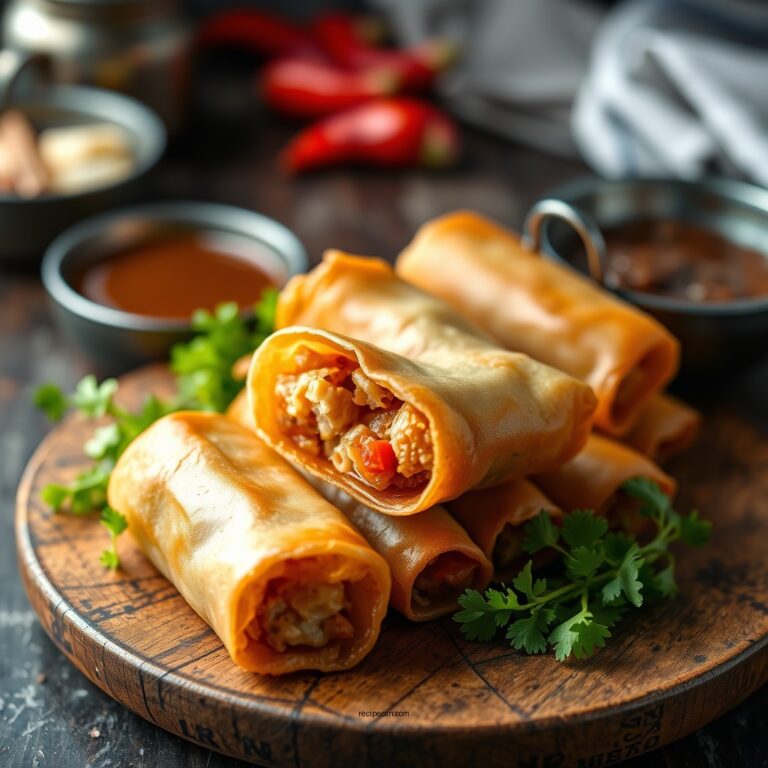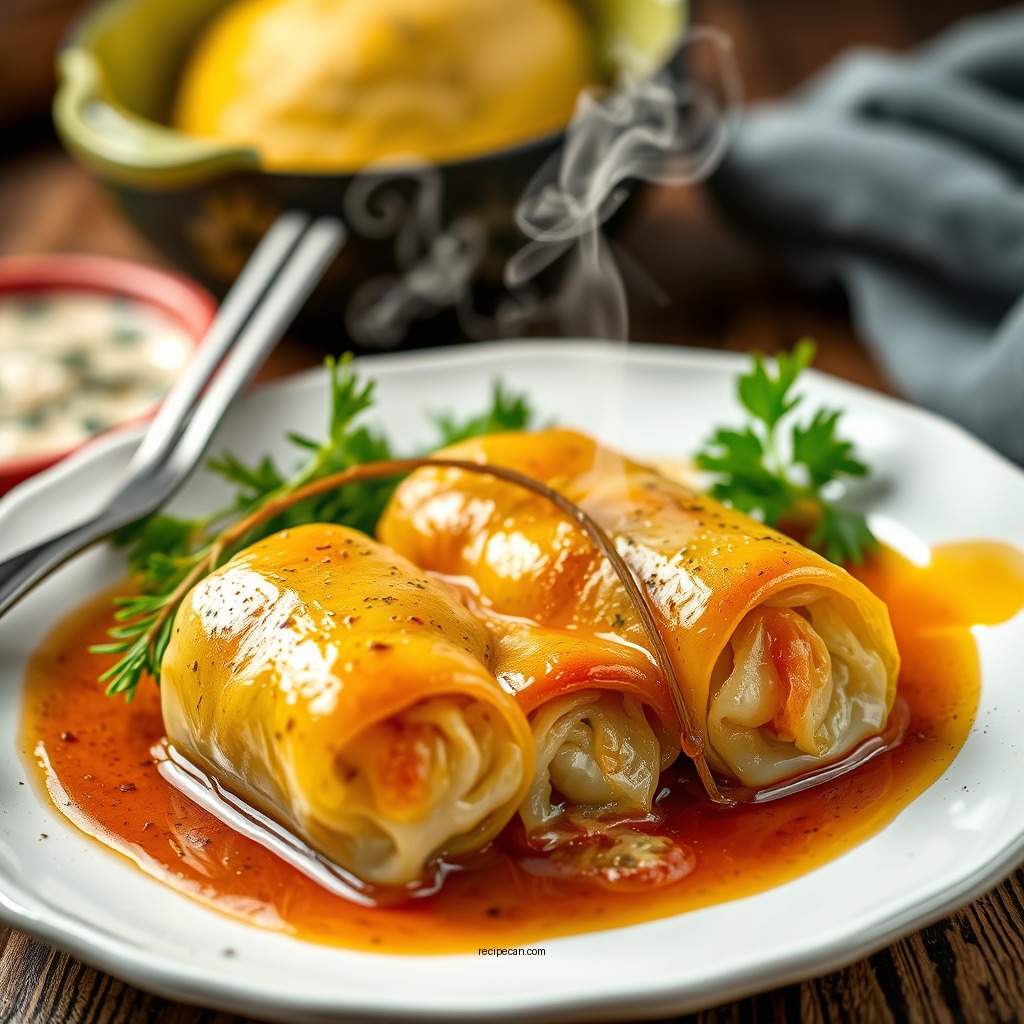
Making delicious Polish cabbage rolls is simpler than you might think! In this guide, you’ll learn how to prepare this traditional dish, complete with a savory filling and a delightful tomato sauce. By the end, you’ll be ready to impress your family and friends with your culinary skills.
Polish cabbage rolls, or “gołąbki,” are a cherished comfort food, often associated with family gatherings and festive occasions. These delectable rolls consist of tender cabbage leaves filled with a seasoned mixture of meat and grains, all enveloped in a rich tomato sauce. Not only are they satisfying, but they also present a wonderful opportunity to connect with cultural traditions in your home kitchen. Embrace the heartwarming flavors of Poland with this step-by-step recipe.
Ingredients You’ll Need
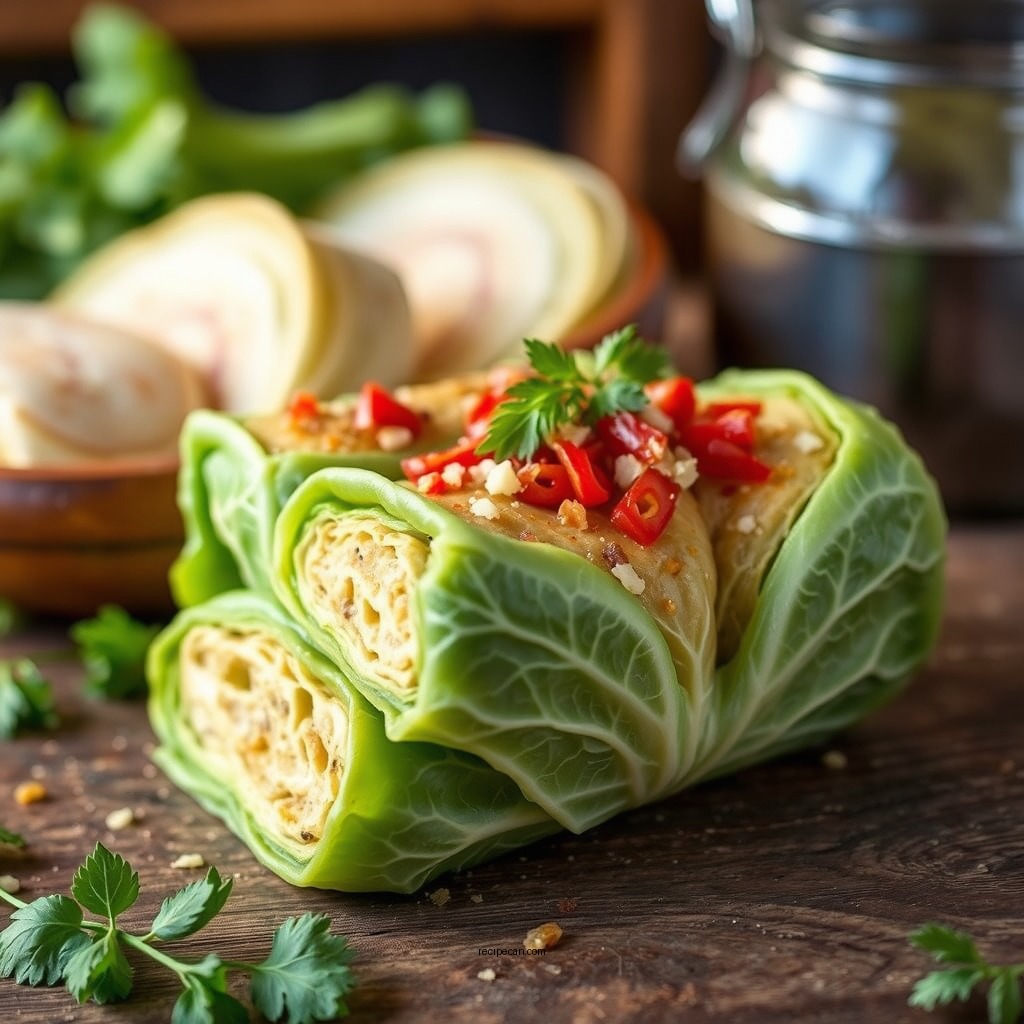
To make authentic Polish cabbage rolls, gather the following ingredients:
– Fresh cabbage leaves: The foundation of the dish, providing the necessary structure for rolling.
– Ground meat: A blend of beef and pork is traditional, delivering a rich flavor profile. You can also opt for turkey or chicken for a lighter alternative.
– Rice or barley: These grains add texture and bulk to the filling, helping to balance the taste and making each bite satisfying.
– Onions: Sautéed onions enhance the filling with sweetness and depth.
– Garlic: A few cloves of minced garlic can elevate the flavor.
– Spices and herbs: Don’t forget salt, pepper, dill, and perhaps a pinch of paprika for an extra kick.
Preparing the Cabbage
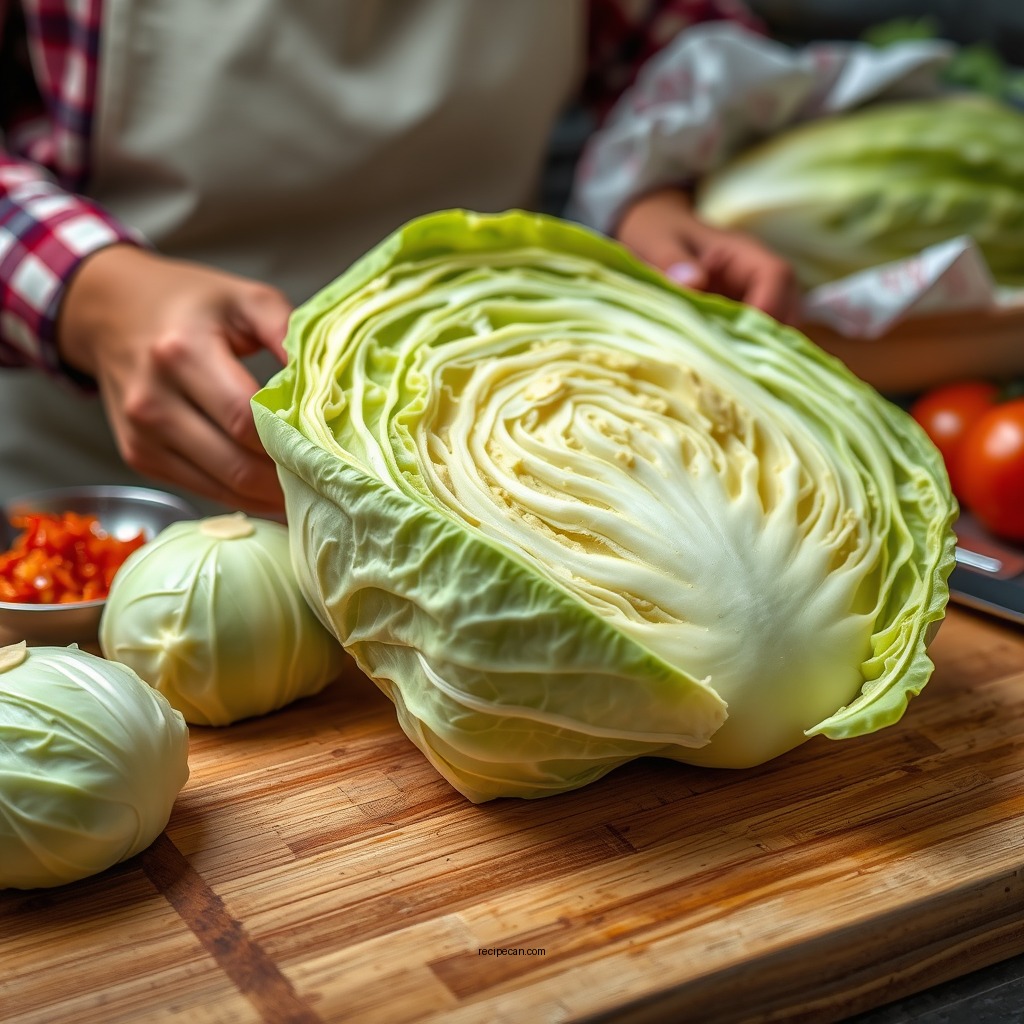
A crucial step in making cabbage rolls is preparing the cabbage leaves properly. Here’s how to do it effectively:
– Blanching: Start by bringing a large pot of water to a boil. Carefully add the cabbage head and blanch it for about 5-7 minutes until the outer leaves soften. This process makes the leaves pliable and easier to roll.
– Cooling: Once blanched, transfer the cabbage to a bowl filled with cold water. This stops the cooking process, preserving the vibrant color and crunch.
– Removing stems: After cooling, gently peel off the leaves. Use a sharp knife to trim the thick part of the stem at the base of each leaf to facilitate easier rolling.
Making the Filling
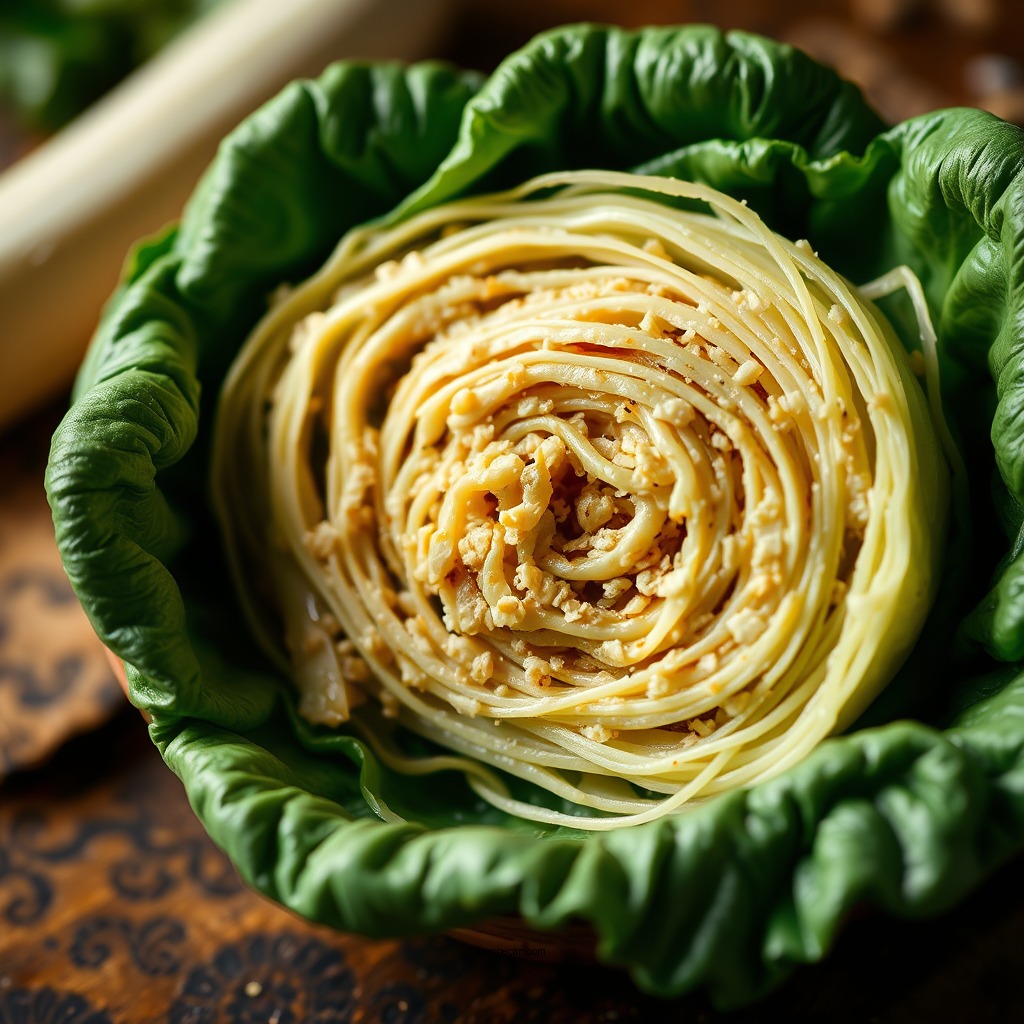
The filling is the heart of the cabbage rolls, and it’s essential to get it just right.
– Mixing ingredients: In a large bowl, combine your ground meat, cooked rice, sautéed onions, minced garlic, and a selection of spices.
– Seasoning: Generously season with salt, pepper, and fresh or dried dill to impart that authentic Polish flavor. You may also add a splash of Worcestershire sauce for depth.
– Proportions: Aim for a balanced mixture. A good rule of thumb is to use about half a cup of rice for every pound of meat, ensuring the filling is neither too dry nor too mushy.
Rolling the Cabbage
Rolling the cabbage rolls can be an enjoyable process once you get the hang of it.
– Technique: Take a blanched cabbage leaf and place a spoonful of filling at the base. Fold the sides over the filling first, then roll tightly from the base to the tip, ensuring that the filling is secure.
– Securing: Tuck in the sides as you roll to prevent any filling from spilling out during cooking. If needed, you can use a toothpick to hold the rolls together.
– Arranging in the pot: Layer the rolls in a large pot or baking dish, seam-side down. If you have leftover cabbage leaves, you can place them at the bottom of the pot to prevent sticking.
Essential Ingredients for Polish Cabbage Rolls
| # | Ingredient | Quantity | Purpose |
|---|---|---|---|
| 1 | Cabbage Leaves | 10-12 leaves | Outer wrap |
| 2 | Ground Meat | 1 lb. | Filling |
| 3 | Rice | ½ cup | Bulk |
| 4 | Onion | 1 medium | Flavor |
| 5 | Garlic | 2 cloves | Flavor |
| 6 | Dill | 1 tsp | Seasoning |
| 7 | Tomato Sauce | 2 cups | Topping |
Cooking the Cabbage Rolls
Once your cabbage rolls are assembled, it’s time to cook them to perfection.
– Baking or simmering: Choose your preferred method. For baking, preheat your oven to 350°F (175°C) and place the rolls in a baking dish covered with foil. If simmering, place the rolls in a large pot with a bit of water and cover it to allow steaming.
– Tomato sauce: Prepare a simple sauce by combining tomato sauce, a bit of sugar, and spices. Pour this mixture over the cabbage rolls before covering them for cooking.
– Cooking time: Whether baking or simmering, cook the rolls for about 60-90 minutes. Ensure they are thoroughly cooked and the flavors meld beautifully. The internal temperature of the meat should reach 165°F (74°C) for safety.
Cooking Time for Different Methods
Serving Suggestions
The final presentation of your cabbage rolls can enhance the dining experience.
– Accompaniments: Serve your cabbage rolls with a dollop of sour cream on the side for a creamy contrast. A slice of crusty bread complements the dish perfectly, allowing you to soak up any extra sauce.
– Garnishing: For an added touch, sprinkle freshly chopped dill or parsley over the rolls before serving. This not only adds visual appeal but also a burst of fresh flavor.
– Portions: Consider serving them family-style, allowing guests to help themselves. This creates a warm, inviting atmosphere that is characteristic of Polish gatherings.
Cabbage rolls are not only a meal but an experience, encouraging shared stories and laughter around the dining table.
In conclusion, making authentic Polish cabbage rolls is a rewarding culinary experience that combines tradition, flavor, and comfort. By following these detailed steps, from preparing the cabbage to crafting a savory filling and cooking the rolls to perfection, you can recreate this heartwarming dish in your own kitchen. Enjoy sharing this beloved recipe with family and friends, and savor the delightful flavors of Poland in every bite.
Frequently Asked Questions
What ingredients do I need for a traditional Polish cabbage rolls recipe?
To make traditional Polish cabbage rolls, also known as gołąbki, you will need green cabbage, ground meat (usually pork or beef), rice, onions, garlic, and seasonings such as salt, pepper, and paprika. Additionally, prepare a tomato sauce made from canned tomatoes, broth, and herbs to enhance the dish’s flavor.
How do I prepare the cabbage leaves for rolling?
To prepare the cabbage leaves, begin by removing the core of the cabbage and then blanch the whole head in boiling water for about 2-3 minutes until the leaves soften. Carefully peel off the outer leaves, trimming any thick stems if necessary, which will make them easier to roll without tearing.
Why do my cabbage rolls fall apart during cooking?
Cabbage rolls may fall apart during cooking if the leaves are not blanched long enough or if the filling is too loose. To prevent this, ensure you cook the cabbage leaves just until pliable and use a well-mixed filling that holds together, potentially adding an egg as a binder.
What is the best way to bake Polish cabbage rolls?
The best way to bake Polish cabbage rolls is to preheat your oven to 350°F (175°C) and place the rolls seam-side down in a baking dish. Cover them with the prepared tomato sauce and bake for about 1.5 hours, ensuring they are heated through and the flavors meld beautifully.
Which side dishes pair well with Polish cabbage rolls?
Polish cabbage rolls pair well with side dishes such as mashed potatoes, crusty bread, or a fresh cucumber salad. These sides complement the savory flavors of the rolls and provide a balanced meal that highlights the comforting essence of this traditional dish.
References
- Gołąbki
https://en.wikipedia.org/wiki/Gołąbki - NYT Cooking – Recipes and Cooking Guides From The New York Times
https://www.nytimes.com/recipes/1019828/cabbage-rolls - https://www.sciencedirect.com/topics/agricultural-and-biological-sciences/cabbage
https://www.sciencedirect.com/topics/agricultural-and-biological-sciences/cabbage - Head cabbage | plant and vegetable, Brassica oleracea capitata | Britannica
https://www.britannica.com/topic/cabbage - https://www.ncbi.nlm.nih.gov/pmc/articles/PMC7148883/
https://www.ncbi.nlm.nih.gov/pmc/articles/PMC7148883/ - Google Scholar Google Scholar
https://scholar.google.com/scholar?q=polish+cabbage+rolls+recipe - https://scholar.google.com/scholar?q=golabki+recipe Google Scholar
https://scholar.google.com/scholar?q=golabki+recipe - Google Scholar Google Scholar
https://scholar.google.com/scholar?q=cabbage+rolls+nutritional+value - polish cabbage rolls recipe – Search results
https://en.wikipedia.org/wiki/Special:Search?search=polish+cabbage+rolls+recipe - https://www.ncbi.nlm.nih.gov/search/research-articles/?term=polish+cabbage+rolls+recipe
https://www.ncbi.nlm.nih.gov/search/research-articles/?term=polish+cabbage+rolls+recipe