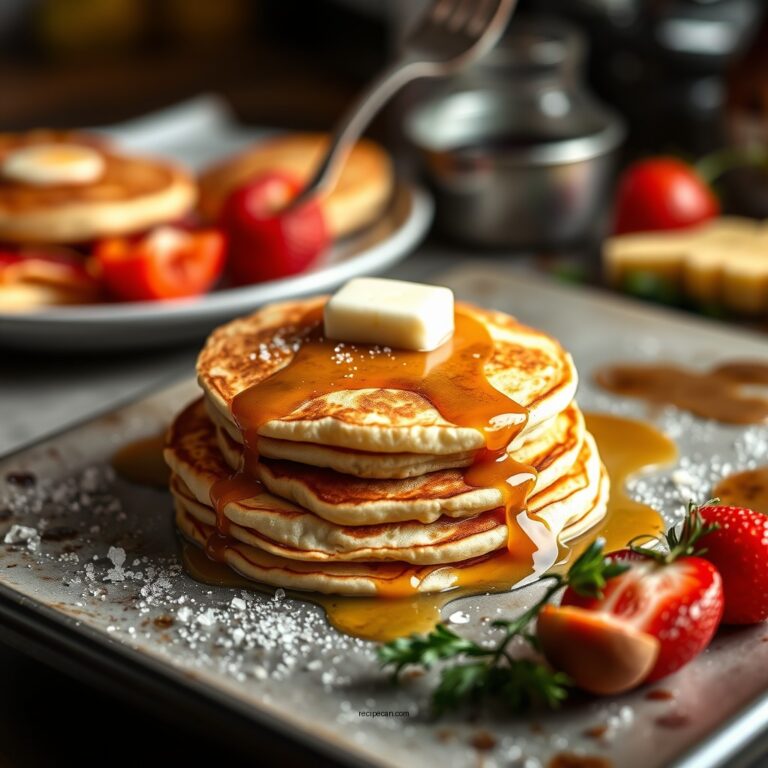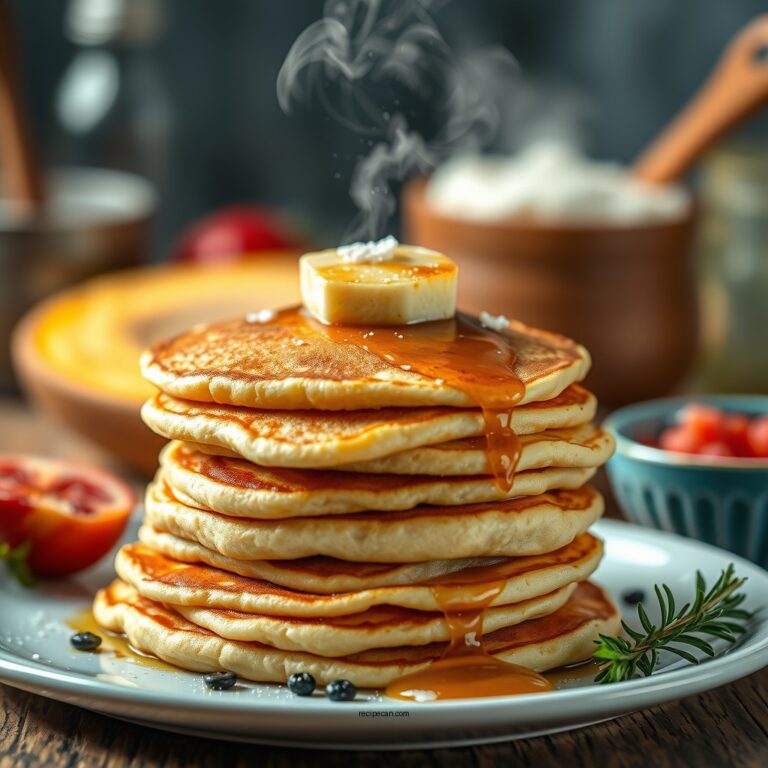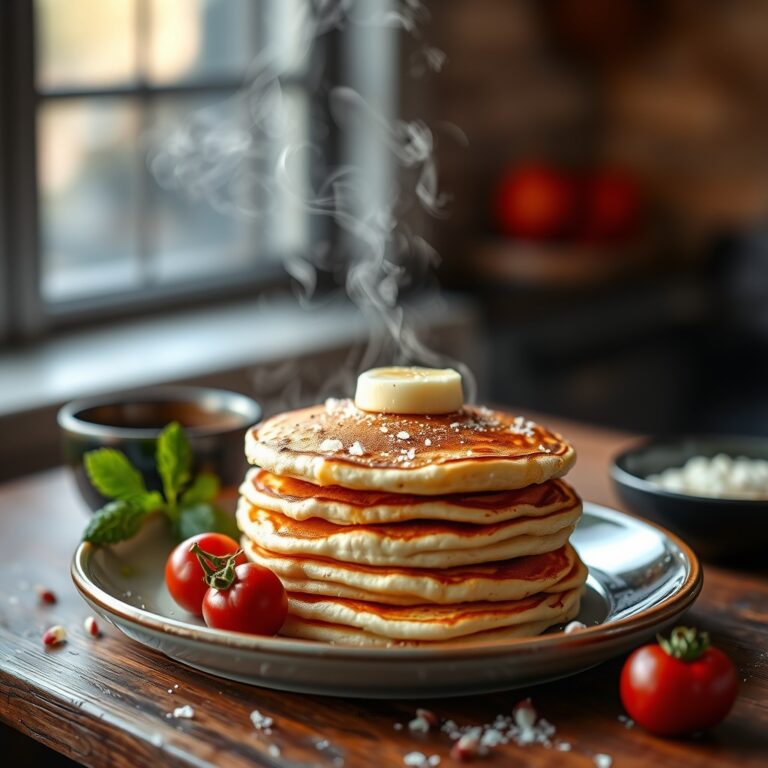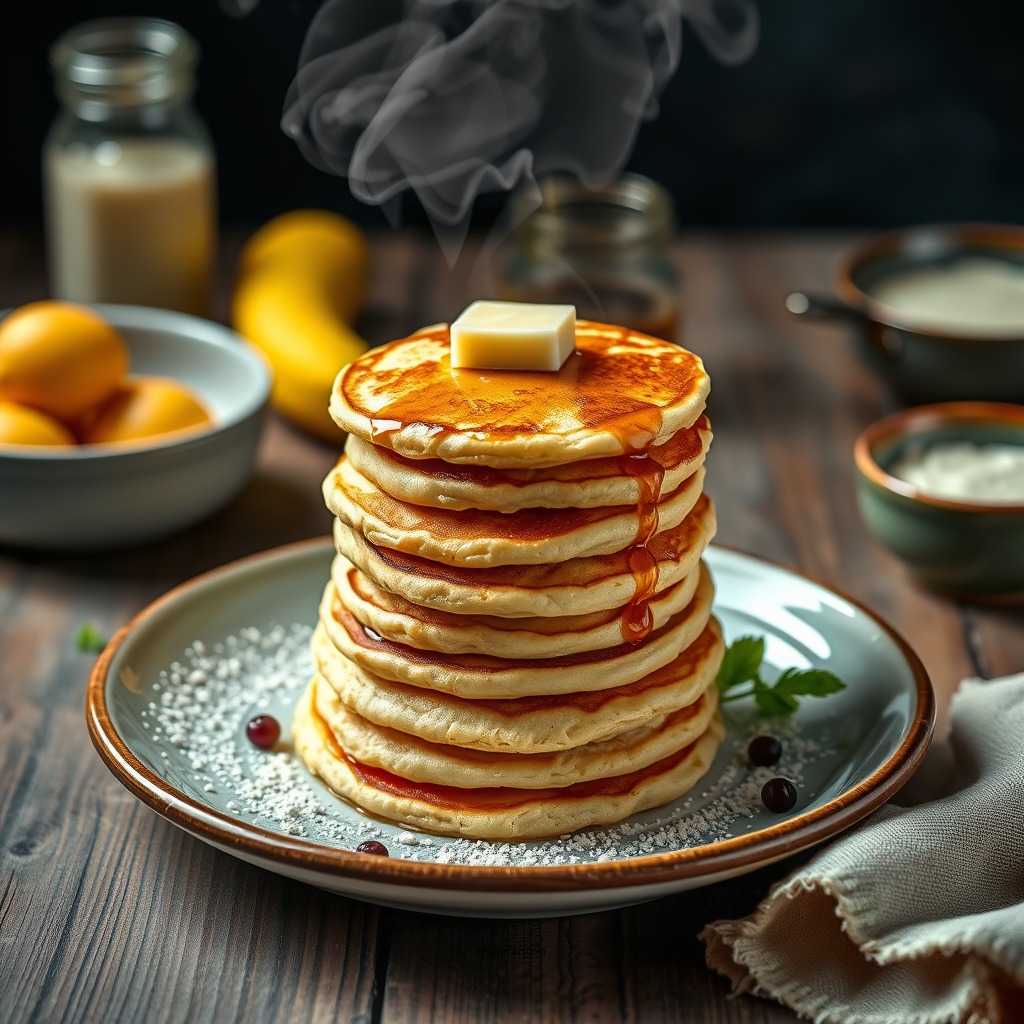
For those looking for a simple and delicious pancake recipe that doesn’t require milk, there are plenty of delightful alternatives available. By using substitutes like water, almond milk, or coconut milk, you can create fluffy pancakes that satisfy your breakfast cravings without compromising on taste. This guide will help you navigate through easy ingredients and methods to whip up a batch of pancakes that everyone will love.
Understanding Milk Alternatives
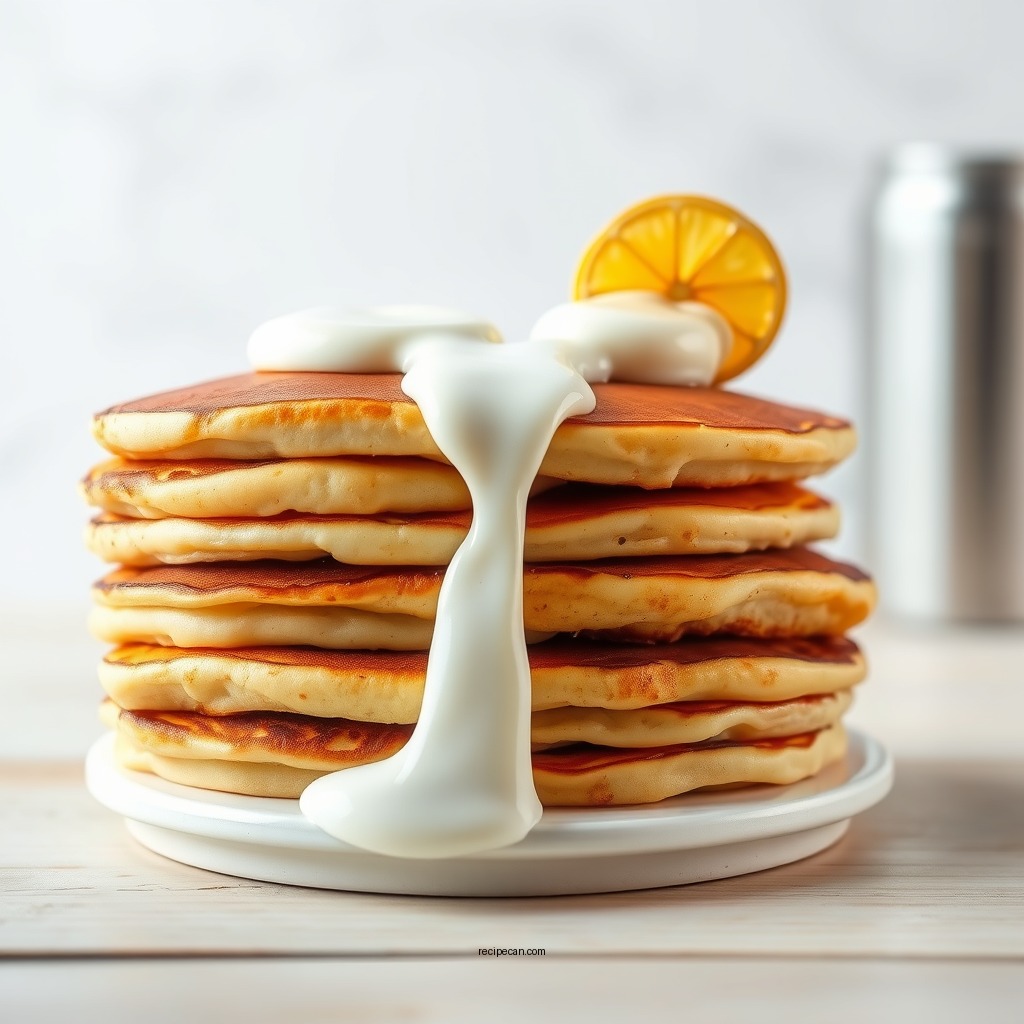
Milk alternatives have surged in popularity, especially among those with dietary restrictions or preferences. Common substitutes for milk in pancake recipes include water, almond milk, soy milk, oat milk, and coconut milk. Each of these options brings its own unique flavor and texture to the pancakes.
– Water: The simplest alternative, water will yield a pancake that is lighter and slightly less rich than those made with milk.
– Almond Milk: This nut-based milk adds a subtle sweetness and nuttiness to the pancakes, enhancing their flavor without overpowering.
– Coconut Milk: Rich and creamy, coconut milk will produce a denser pancake with a delightful tropical essence.
– Soy Milk: A great option for those seeking a protein boost, soy milk adds a creamy texture and a neutral flavor that works well in pancakes.
– Oat Milk: This option is naturally sweet and has a creamy consistency, making it an excellent choice for fluffy pancakes.
When substituting milk with these alternatives, you may notice slight differences in flavor and texture, but the overall result remains delicious.
Essential Ingredients for Milk-Free Pancakes
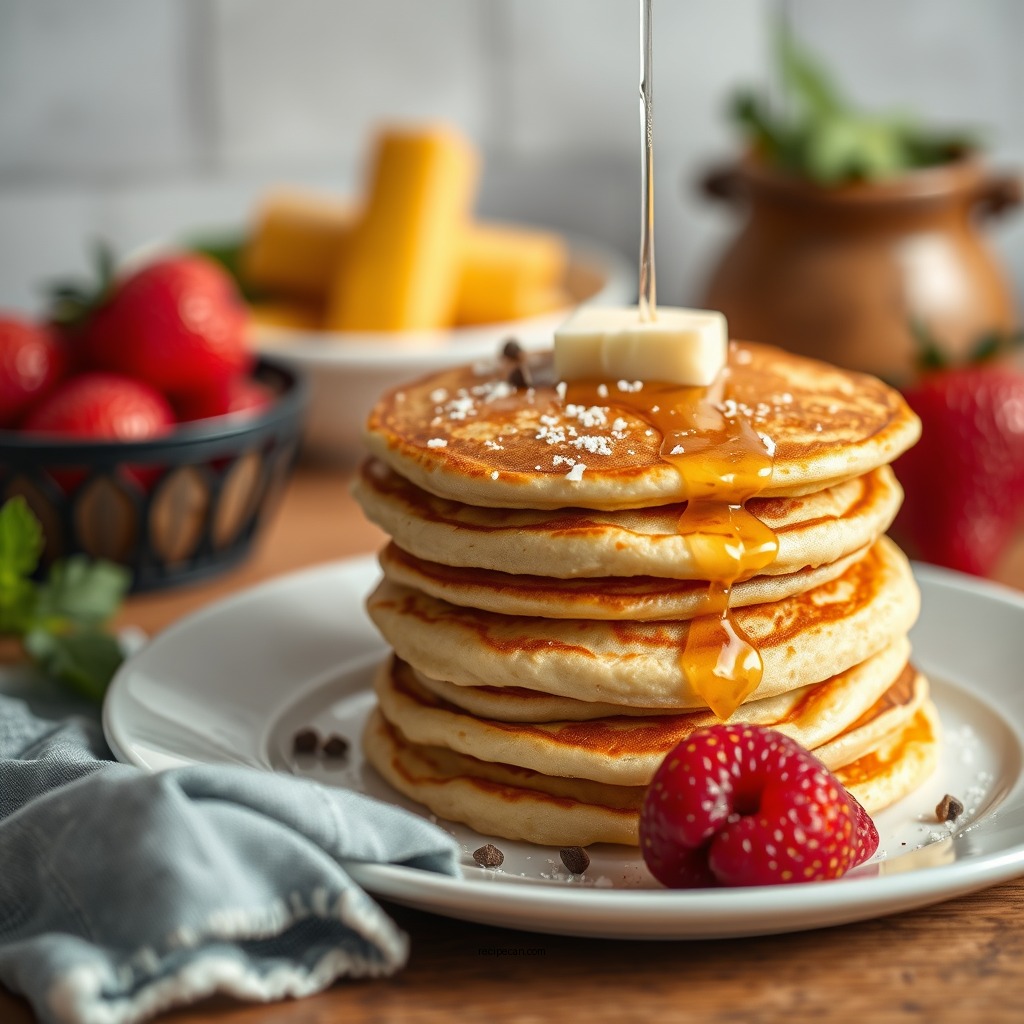
To create a basic pancake batter without milk, you’ll need the following essential ingredients:
– 1 cup all-purpose flour
– 2 tablespoons sugar
– 1 tablespoon baking powder
– 1/2 teaspoon salt
– 1 cup milk alternative (water, almond milk, coconut milk, etc.)
– 2 tablespoons vegetable oil or melted butter
– 1 large egg
In addition to these ingredients, consider adding optional elements such as vanilla extract for flavor, or a pinch of cinnamon for warmth and spice. You might also include mashed bananas or applesauce to enhance moisture and sweetness.
Step-by-Step Pancake Preparation
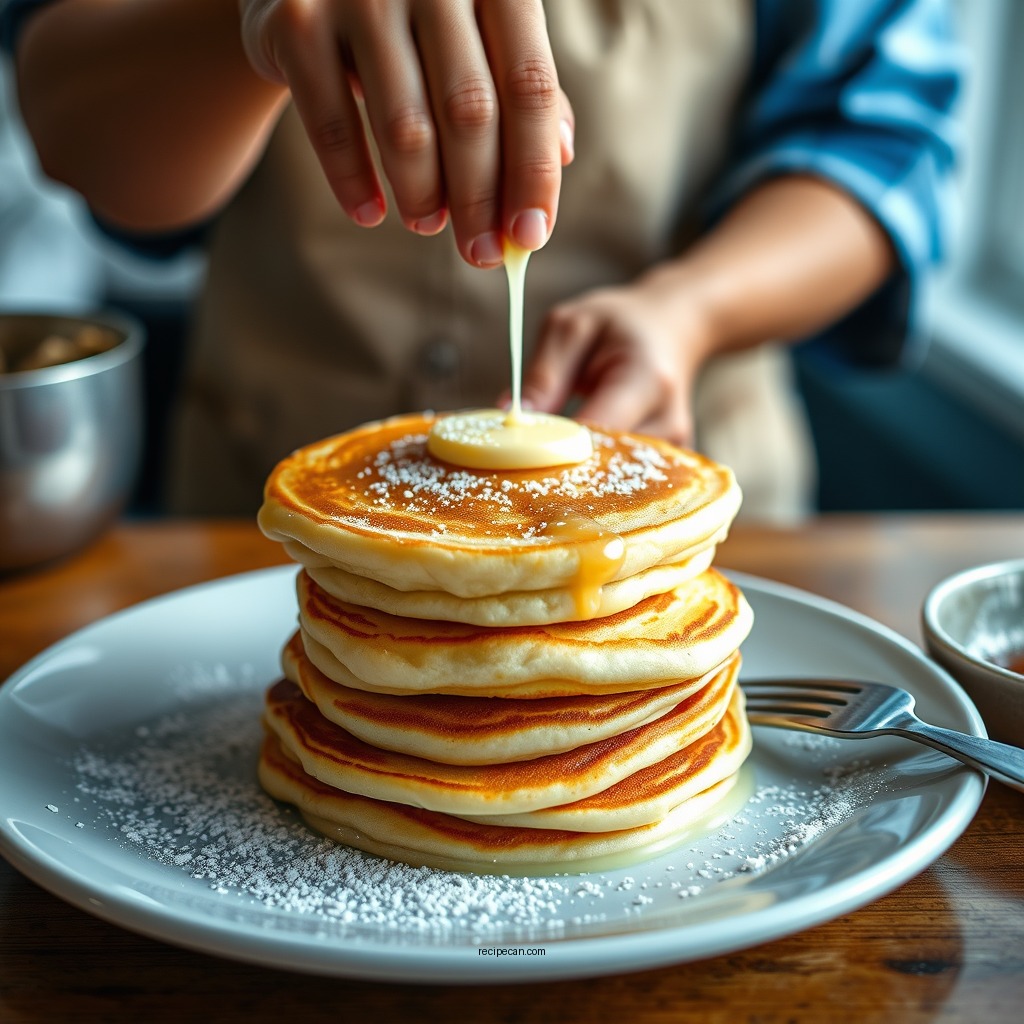
Making pancakes without milk is straightforward. Follow these easy steps to ensure you achieve perfect pancakes:
1. Mix Dry Ingredients: In a large bowl, whisk together the flour, sugar, baking powder, and salt until well combined.
2. Combine Wet Ingredients: In a separate bowl, mix the milk alternative, oil (or melted butter), and egg. Whisk until smooth.
3. Combine Mixtures: Pour the wet ingredients into the dry ingredients. Stir gently until just combined; it’s okay if the batter is a little lumpy. Avoid overmixing, as this can lead to tough pancakes.
4. Heat the Pan: Preheat a non-stick skillet or griddle over medium heat. Lightly grease the surface with a bit of oil or butter.
5. Cook the Pancakes: For each pancake, pour about 1/4 cup of batter onto the skillet. Cook until bubbles form on the surface, usually about 2-3 minutes. Flip and cook for an additional 1-2 minutes until golden brown.
6. Serve: Enjoy your pancakes warm with your favorite toppings.
Tips for Achieving the Perfect Pancake Texture
– Ensure your skillet is at the right temperature; too hot will burn the pancakes, while too cool will make them dense.
– If the batter seems too thick, add a bit more of your chosen milk alternative.
Flavor Variations to Try
One of the most enjoyable aspects of pancakes is their versatility. Here are some popular add-ins and toppings to elevate your milk-free pancakes:
Add-ins:
– Fruits: Blueberries, sliced bananas, or diced apples can be mixed into the batter or added on top.
– Nuts: Chopped walnuts or pecans add a delightful crunch.
– Spices: A dash of vanilla extract or cinnamon can enhance the flavor profile.
Toppings:
– Maple Syrup: A classic choice that pairs well with any pancake.
– Fresh Fruits: Strawberries, raspberries, or a fruit compote offer a refreshing contrast.
– Nut Butter: Almond or peanut butter provide a rich taste and protein boost.
Cooking Tips for Perfect Pancakes
To ensure your pancakes are consistently delicious, consider these cooking tips:
– Flipping: Wait until bubbles appear on the surface before flipping. This indicates that the pancake has set and will flip more easily.
– Thickness Adjustment: If you prefer thicker pancakes, reduce the cooking time slightly, and ensure the batter is thick.
– Batch Cooking: If making multiple pancakes, keep cooked pancakes warm in a low oven (200°F) while you finish cooking the rest.
Storing and Reheating Leftovers
If you find yourself with leftover pancakes, here’s how to store and reheat them effectively:
– Storage: Place cooled pancakes in an airtight container or wrap them tightly in plastic wrap. Store them in the refrigerator for up to 3 days or freeze for up to 2 months.
– Reheating: For best results, reheat pancakes in a toaster or on a skillet over low heat. This will help maintain their fluffy texture. You can also microwave them for about 20-30 seconds, but they may lose some crispiness.
Nutritional Benefits of Milk-Free Pancakes
Using non-dairy ingredients in pancake recipes can offer several nutritional benefits. For example, almond milk is lower in calories and fat than whole milk and is rich in vitamin E. Soy milk provides a good source of protein, while coconut milk offers healthy fats.
When comparing the nutritional profiles of these alternatives, it becomes clear that milk substitutes can enhance the overall health benefits of pancakes, especially for those with lactose intolerance or dairy allergies.
Nutritional Comparison Table
Nutritional Comparison of Milk Alternatives per 1 Cup (240ml)
| Milk Alternative | Calories | Protein (g) | Fat (g) | Calcium (%) |
|---|---|---|---|---|
| Almond Milk | 30 | 1 | 2.5 | 45% |
| Soy Milk | 80 | 7 | 4 | 30% |
| Coconut Milk | 50 | 1 | 5 | 2% |
| Oat Milk | 90 | 2 | 2.5 | 25% |
| Rice Milk | 120 | 1 | 2.5 | 2% |
📈 Mandatory Bar Chart
Popularity of Milk Alternatives in Pancakes (2024)
In conclusion, making pancakes without milk is not only easy but also allows for a variety of delicious alternatives that cater to different dietary needs. Whether you prefer almond, coconut, or any other milk substitute, you can enjoy a delightful breakfast that is both satisfying and nourishing. With the tips and variations provided in this guide, feel free to experiment and make the recipe your own. Enjoy your pancake-making adventure!
Frequently Asked Questions
What can I use as a substitute for milk in a pancake recipe?
You can use a variety of milk substitutes in your pancake recipe, such as almond milk, soy milk, oat milk, or coconut milk. For a thicker texture, consider using yogurt or applesauce, which can add moisture and flavor without dairy. These alternatives will ensure your pancakes remain fluffy and delicious.
How do I make pancakes without milk that are fluffy?
To make fluffy pancakes without milk, focus on using baking powder as your leavening agent and ensure your batter is not overmixed. Using a substitute like almond or oat milk can help achieve the desired texture, while incorporating ingredients like vinegar or lemon juice with your non-dairy milk can create a buttermilk effect, enhancing fluffiness.
Why would someone want to make pancakes without milk?
Many people choose to make pancakes without milk due to lactose intolerance, dairy allergies, or vegan dietary preferences. Additionally, some individuals may simply want to reduce their dairy intake for health reasons or out of personal choice, and making pancakes without milk allows for delicious breakfast options that cater to these needs.
What are the best non-dairy options for pancakes without milk?
The best non-dairy options for making pancakes without milk include almond milk, soy milk, and coconut milk, as they provide a creamy texture. For those looking for something richer, oat milk is an excellent choice due to its naturally sweet flavor. Each option can enhance your pancake recipe while keeping it dairy-free.
Which pancake recipe without milk is quick and easy to prepare?
A quick and easy pancake recipe without milk involves mixing 1 cup of flour, 1 tablespoon of sugar, 2 teaspoons of baking powder, and a pinch of salt. Then, combine it with 1 cup of any non-dairy milk substitute and 2 tablespoons of vegetable oil. This simple recipe can be prepared in under 15 minutes, making it perfect for a fast breakfast.
References
- Pancake
https://en.wikipedia.org/wiki/Pancake - https://www.healthline.com/nutrition/pancake-recipe
https://www.healthline.com/nutrition/pancake-recipe - https://www.sciencedirect.com/topics/food-science/pancakes
https://www.sciencedirect.com/topics/food-science/pancakes - Page Not Found – Site Help – Mayo Clinic
https://www.mayoclinic.org/healthy-lifestyle/nutrition-and-healthy-eating/expert-answers/pancakes/faq-20058540 - https://www.nutrition.gov/topics/wholesome-grains/pancakes
https://www.nutrition.gov/topics/wholesome-grains/pancakes - https://www.ncbi.nlm.nih.gov/pmc/articles/PMC6116377/
https://www.ncbi.nlm.nih.gov/pmc/articles/PMC6116377/ - Google Scholar Google Scholar
https://scholar.google.com/scholar?q=pancake+recipe+without+milk - Google Scholar Google Scholar
https://scholar.google.com/scholar?q=dairy-free+pancake+recipe - Google Scholar Google Scholar
https://scholar.google.com/scholar?q=non-dairy+pancake+recipe - pancake recipe without milk – Search results
https://en.wikipedia.org/wiki/Special:Search?search=pancake+recipe+without+milk