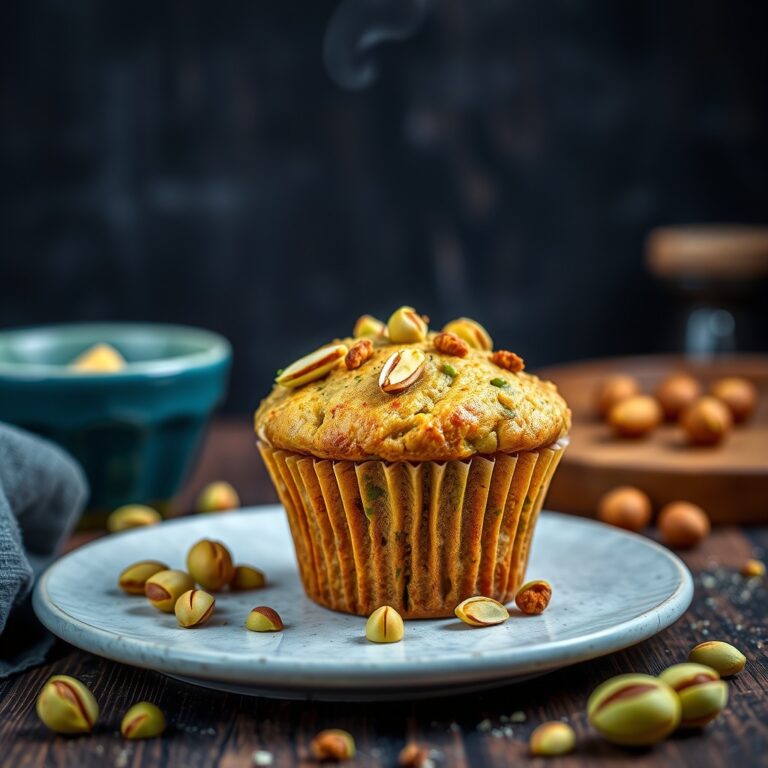
Making sourdough English muffins at home is both rewarding and delicious. With just a few ingredients and some patience, you can create perfectly toasted, golden-brown muffins with a delightful texture and flavor. In this article, you’ll learn how to make these homemade treats, from preparing the dough to cooking them to perfection.
Understanding Sourdough Starter

A healthy sourdough starter is crucial for developing the optimal flavor and texture in your English muffins. The starter is a living culture of flour and water that captures wild yeast and beneficial bacteria from the environment. This fermentation process not only leavens the dough but also imparts a unique, tangy flavor that is characteristic of sourdough baked goods. To ensure your starter is ready for baking, it should be active and bubbly, which typically means it has been fed and maintained properly for at least several hours before use.
To maintain your sourdough starter effectively, feed it regularly with equal parts of flour and water. A common feeding ratio is 1:1:1 (starter:flour:water). For optimal activity, use a mixture of all-purpose and whole wheat flours, as whole wheat tends to enhance the starter’s flavor profile. Before you bake, conduct the “float test”: take a small spoonful of the starter and drop it in a glass of water. If it floats, it’s ready to use!
Ingredients for Sourdough English Muffins

For a simple yet delicious sourdough English muffin recipe, you will need the following basic ingredients:
– Flour: Use a high-quality all-purpose flour or a mix of all-purpose and bread flour.
– Water: Filtered or bottled water is preferable to avoid chlorine, which can inhibit yeast activity.
– Salt: Sea salt or kosher salt works best for flavor.
– Sourdough Starter: A well-maintained starter is key for leavening and flavor.
In addition to these basic ingredients, consider incorporating optional flavor variations to elevate your muffins. Add-ins can include herbs like rosemary or thyme, shredded cheese such as cheddar or gruyère, or even spices like garlic powder for a savory twist.
Preparing the Dough

The preparation of the dough is straightforward and can be broken down into a few simple steps:
1. Mixing Ingredients: In a large mixing bowl, combine 2 cups of flour, 1 cup of water, 1 teaspoon of salt, and 1 cup of active sourdough starter. Stir until a shaggy dough forms.
2. Kneading: Transfer the dough onto a lightly floured surface and knead for about 10 minutes until it becomes smooth and elastic. The dough should be tacky but not overly sticky; adjust with additional flour or water as needed.
3. Resting: After kneading, place the dough in a greased bowl, cover it with a damp towel, and let it rest for about 30 minutes to an hour. This allows the gluten to relax and makes shaping easier.
Dough Consistency Tips
Achieving the right dough consistency is crucial for the final product. If the dough feels too sticky, incorporate small amounts of flour until it reaches the desired texture. Conversely, if it is too dry, add water gradually. The goal is a dough that is slightly tacky but easy to handle.
Fermentation Process
The fermentation process is essential for developing the flavors in your English muffins. This involves two stages: bulk fermentation and proofing.
– Bulk Fermentation: After mixing the dough, allow it to ferment at room temperature for 4 to 6 hours, or until it has doubled in size. During this time, the yeast will produce gases, giving the dough its rise.
– Signs of Readiness: Look for the dough to have large bubbles and a puffy appearance. You can perform the “poke test” by gently pressing your finger into the dough; if it springs back slowly, it’s ready for shaping.
Fermentation Time Table
Fermentation Times for Sourdough Dough
| # | Stage | Duration | Temperature |
|---|---|---|---|
| 1 | Bulk Fermentation | 4-6 hours | 75-80°F |
| 2 | Proofing | 1-2 hours | 75-80°F |
| 3 | Cold Fermentation (Optional) | 12-24 hours | Refrigerator |
Shaping and Cooking the Muffins
Once the dough has fermented, it’s time to shape and cook the muffins. Follow these detailed steps:
1. Shaping: Turn the dough onto a lightly floured surface and gently flatten it into a rectangle about 1 inch thick. Use a round cutter or a glass to cut out circles, placing them on a floured baking sheet.
2. Resting: Cover the shaped muffins with a damp cloth and let them rest for another 30 minutes to an hour, allowing them to puff up slightly.
Cooking Methods
You have two primary options for cooking your English muffins:
– Stovetop: Heat a cast-iron skillet or griddle over low to medium heat. Cook the muffins for about 8-10 minutes on each side until they are golden brown and sound hollow when tapped.
– Oven Baking: Preheat your oven to 350°F (175°C) and bake the muffins on a baking sheet for 15-20 minutes, turning them halfway through.
Choose the method that best suits your kitchen setup; stovetop cooking generally yields a crispier exterior, while oven baking can be more convenient for larger batches.
Storing and Serving Suggestions
To keep your sourdough English muffins fresh, store them in an airtight container at room temperature for up to 3 days. For longer storage, consider freezing them. Simply slice the muffins in half, wrap them in plastic wrap, and place them in a freezer bag. They can be frozen for up to 3 months. When you’re ready to enjoy them, toast them straight from the freezer for a delightful breakfast treat.
Creative Serving Ideas
Sourdough English muffins are incredibly versatile. Here are a few creative serving suggestions:
– Classic Toppings: Spread with butter and jam or honey for a simple breakfast.
– Savory Options: Top with poached eggs, avocado, and a sprinkle of salt for a hearty brunch.
– Gourmet Treats: Add smoked salmon, cream cheese, and capers for a sophisticated snack.
Troubleshooting Common Issues
While making sourdough English muffins is generally straightforward, you may encounter a few common issues:
– Dense Muffins: This can occur if the dough hasn’t fermented long enough or if the starter wasn’t active. Ensure your starter is bubbly and perform the poke test to check for readiness.
– Too Dry or Crumbly: This may indicate insufficient hydration. Adjust the water content in future batches or consider using a higher hydration starter.
Adjustments for Success
To achieve the best results, consider the following tips:
– If your muffins are consistently dense, experiment with longer fermentation times or slightly warmer temperatures to encourage yeast activity.
– Monitor your dough’s hydration levels closely. A wetter dough can lead to a lighter texture, while a drier dough may yield denser muffins.
Enjoy your freshly baked sourdough English muffins hot off the grill! By following these steps, you’ll not only have a delightful breakfast treat but also gain confidence in your sourdough baking skills. Don’t forget to experiment with flavors and share your creations with friends and family!
Frequently Asked Questions
What ingredients do I need for a sourdough English muffins recipe?
To make sourdough English muffins, you will need all-purpose flour, active sourdough starter, water, salt, and a bit of sugar or honey for flavor. It’s important to use a well-fed and bubbly starter to achieve the best flavor and texture in your muffins.
How do I create the perfect texture for sourdough English muffins?
Achieving the perfect texture for sourdough English muffins involves using a higher hydration dough, which means more water relative to flour. Additionally, allowing for proper fermentation time will enhance the flavor and create those signature nooks and crannies, so be patient during the proofing stages.
Why are my sourdough English muffins not rising?
If your sourdough English muffins are not rising, it could be due to an inactive or under-fed sourdough starter. Ensure your starter is bubbly and has doubled in size before using it, and check that your dough is kept in a warm, draft-free environment to encourage fermentation.
What is the best way to cook sourdough English muffins?
The best way to cook sourdough English muffins is on a griddle or skillet over medium-low heat. This method allows for even cooking and helps achieve a nice crust while keeping the inside soft and airy. Cooking them slowly also enhances the flavor development.
Which toppings pair well with homemade sourdough English muffins?
Homemade sourdough English muffins are versatile and can be topped with a variety of delicious options. Classic choices include butter and jam, avocado and poached eggs, or even savory options like smoked salmon and cream cheese, making them perfect for breakfast or brunch.
References
- Sourdough
https://en.wikipedia.org/wiki/Sourdough - https://www.ncbi.nlm.nih.gov/pmc/articles/PMC5963284/
https://www.ncbi.nlm.nih.gov/pmc/articles/PMC5963284/ - https://www.sciencedirect.com/science/article/pii/S2212670813000149
https://www.sciencedirect.com/science/article/pii/S2212670813000149 - https://www.bbc.co.uk/food/recipes/sourdough_english_muffins_08894
https://www.bbc.co.uk/food/recipes/sourdough_english_muffins_08894 - https://www.theguardian.com/food/2020/apr/02/how-to-make-sourdough-english-muffins
https://www.theguardian.com/food/2020/apr/02/how-to-make-sourdough-english-muffins - https://www.nytimes.com/2020/04/01/dining/sourdough-english-muffins-recipe.html
https://www.nytimes.com/2020/04/01/dining/sourdough-english-muffins-recipe.html - Google Scholar Google Scholar
https://scholar.google.com/scholar?q=sourdough+english+muffins+recipe - Google Scholar Google Scholar
https://scholar.google.com/scholar?q=sourdough+recipes+health+benefits - Google Scholar Google Scholar
https://scholar.google.com/scholar?q=sourdough+fermentation+english+muffins - https://www.britannica.com/topic/sourdough-bread
https://www.britannica.com/topic/sourdough-bread