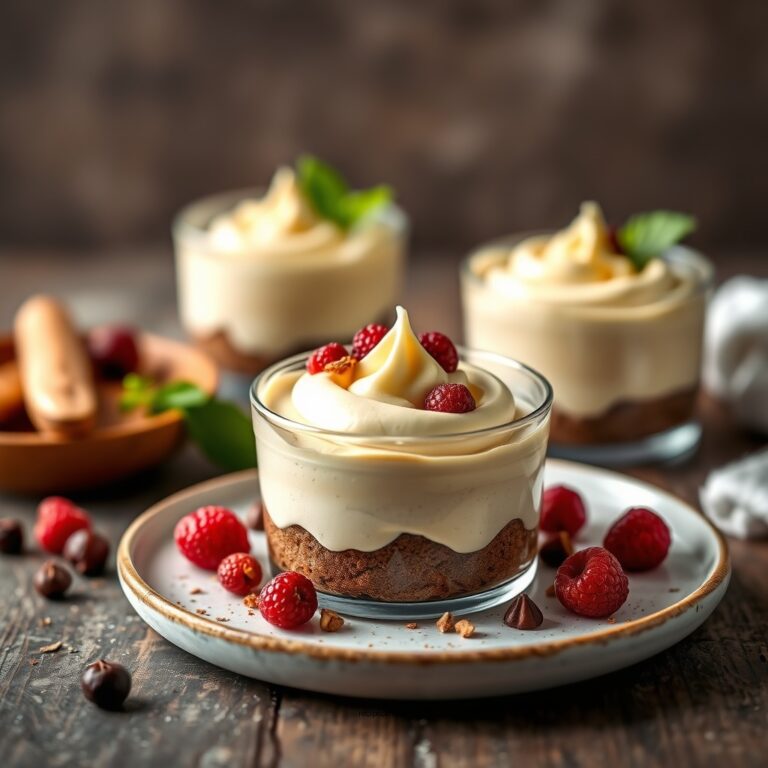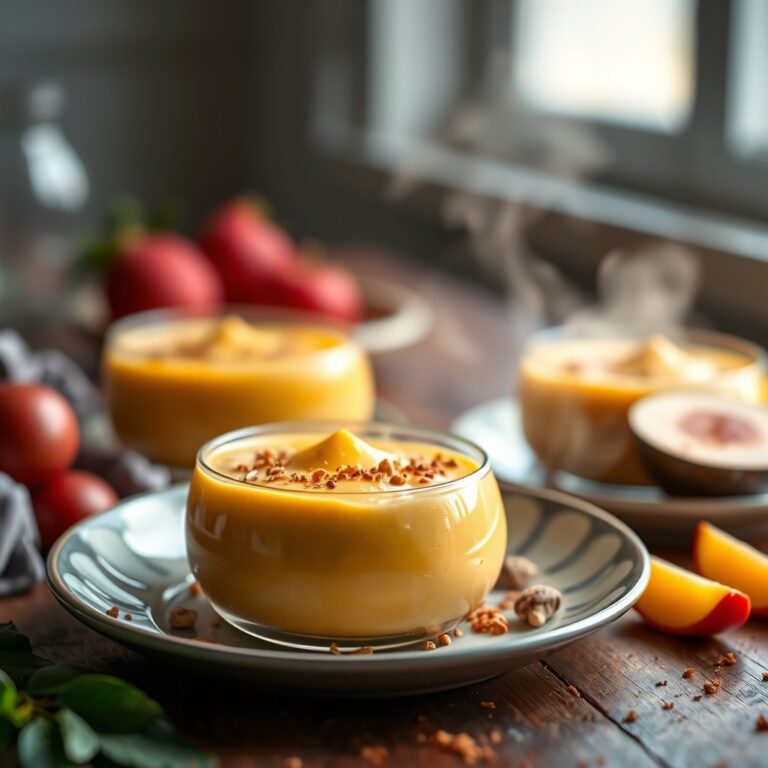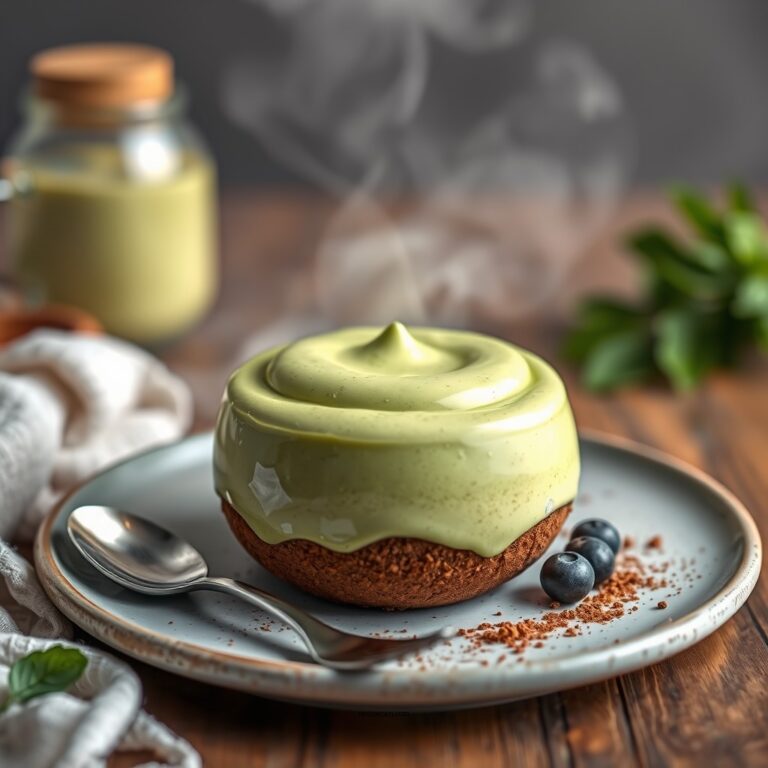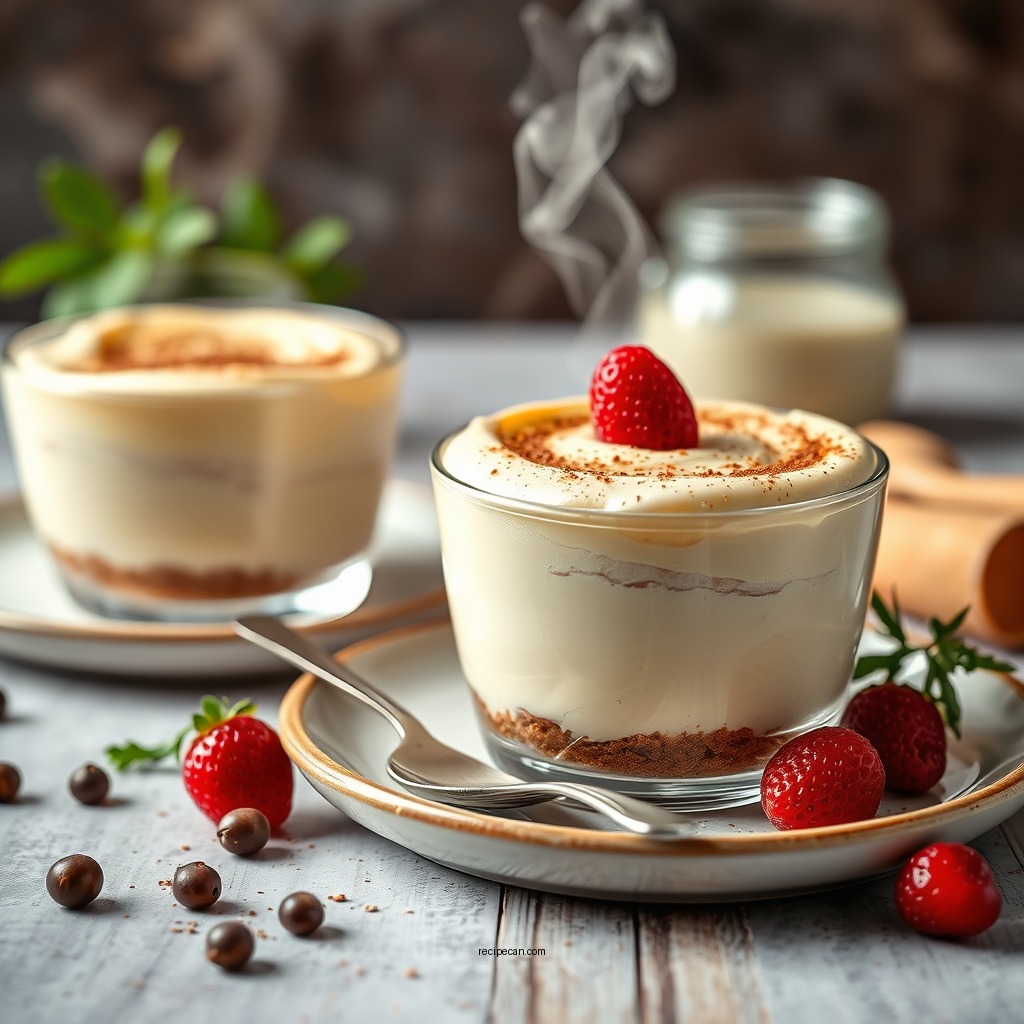
Indulging in a classic French mousse is easier than you think! This rich and airy dessert can be made at home with just a few simple ingredients and techniques. In this guide, you’ll learn how to create a delightful chocolate mousse that is sure to impress your guests. With just the right combination of chocolate, eggs, and cream, you can craft a mousse that is both sophisticated and satisfying, perfect for any occasion.
Understanding the Basics of Mousse
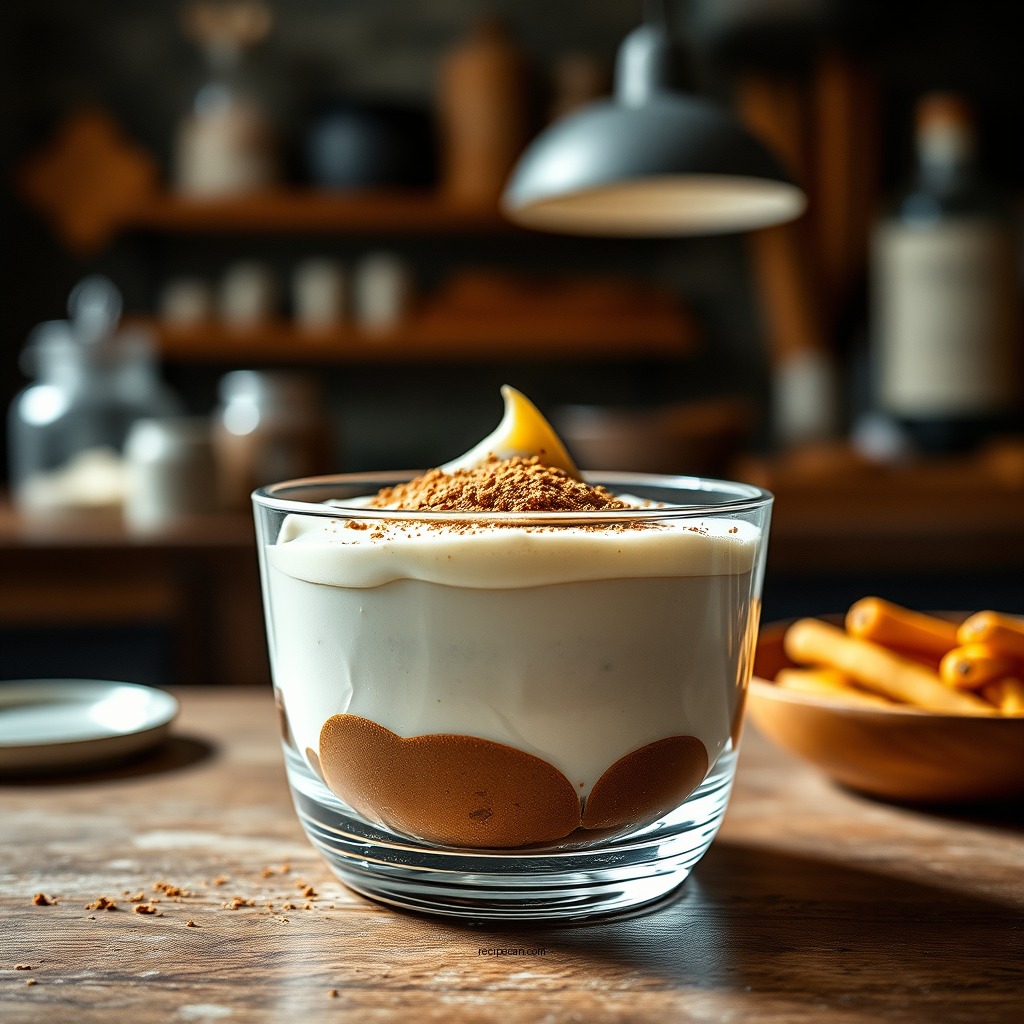
Mousse is a light and fluffy dessert that derives its unique texture from the incorporation of air into a base mixture. This technique is what distinguishes mousse from other dessert forms like puddings or custards. Traditional mousse recipes frequently use eggs, cream, or both to achieve the desired lightness and volume. The air is introduced through various means, such as whipping egg whites or heavy cream, making the dessert airy and rich at the same time.
Historically, mousse has been a staple in French cuisine, showcasing the culinary finesse of integrating simple ingredients into an elegant dish. The word “mousse” itself means “foam” in French, aptly describing the dessert’s texture. Understanding these fundamentals will empower you to experiment with different flavor profiles, from chocolate to fruit-infused variations.
Key Ingredients for French Mousse
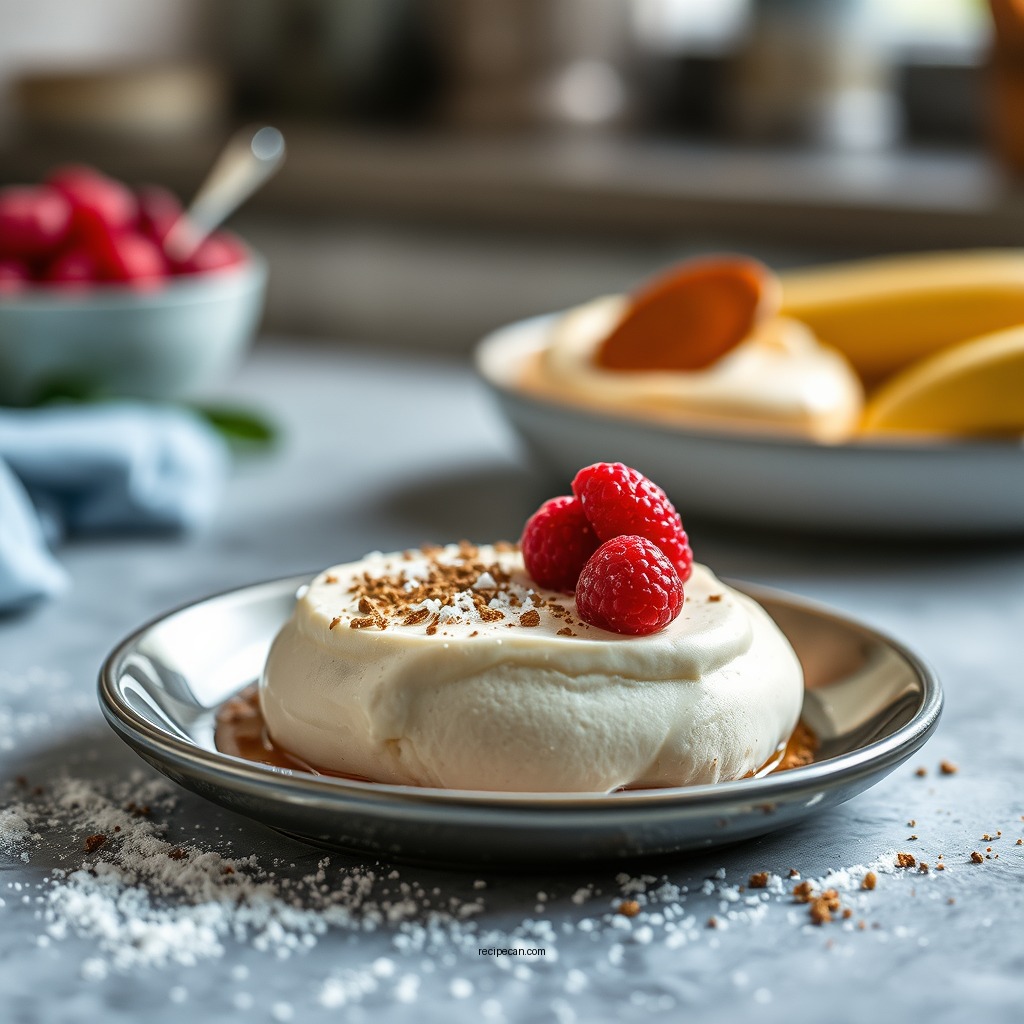
– Chocolate: The star ingredient, chocolate lends both flavor and richness to the mousse. For the best outcome, use high-quality dark chocolate with at least 70% cocoa solids. The quality of the chocolate directly impacts the overall taste, so choosing a reputable brand is essential.
– Eggs: Fresh eggs are crucial for the richness and stability of the mousse. They serve as the primary base and provide necessary emulsification. Using room temperature eggs can enhance the incorporation process, leading to a smoother texture.
– Sugar: This ingredient adds sweetness and helps to stabilize the whipped cream and egg whites. Depending on personal taste, the amount of sugar can be adjusted, but it is vital to balance sweetness with the chocolate’s intensity.
– Whipping Cream: Heavy whipping cream is whipped to soft peaks and folded into the chocolate mixture, providing the mousse’s signature lightness. The cream should be cold to ensure it whips effectively.
Step-by-Step Instructions
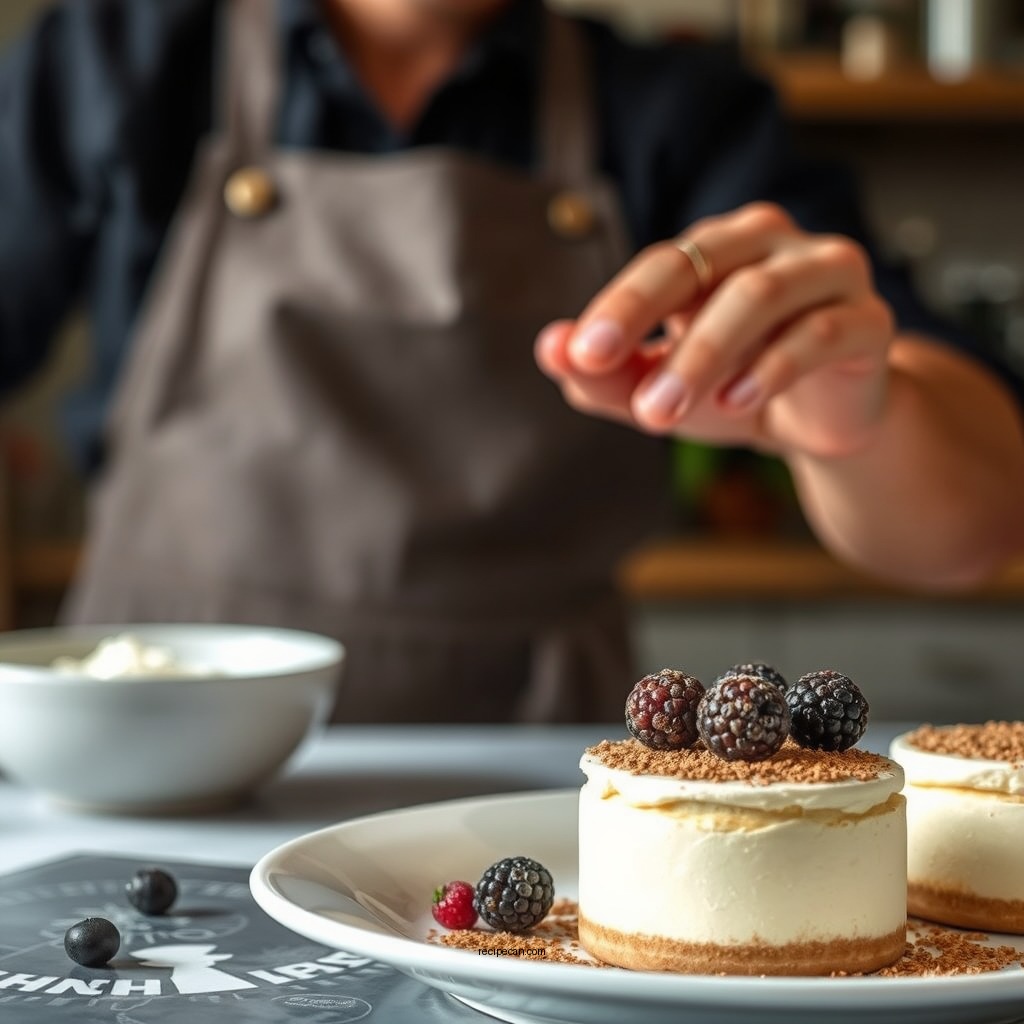
Creating a classic French chocolate mousse involves a few straightforward steps that yield impressive results.
1. Melt the Chocolate: Begin by chopping the chocolate into small pieces for even melting. Use a double boiler or microwave to gently melt the chocolate, stirring occasionally until smooth. Allow it to cool slightly once melted.
2. Whip the Egg Whites: In a clean, dry bowl, whip the egg whites with sugar using a hand mixer or stand mixer until stiff peaks form. This process incorporates air, which is essential for the mousse’s texture.
3. Combine Chocolate and Egg Whites: Once the chocolate has cooled to a lukewarm temperature, gently fold in a small amount of the whipped egg whites to lighten the mixture. Then, gradually fold the rest of the egg whites into the chocolate, being careful not to deflate the mixture.
4. Fold in Whipped Cream: In a separate bowl, whip the heavy cream to soft peaks. Gently fold the whipped cream into the chocolate mixture until no streaks remain, ensuring a light and airy mousse.
5. Chill and Serve: Spoon the mousse into serving glasses or ramekins and refrigerate for at least 2 hours to set. This chilling time allows the flavors to meld and the mousse to achieve its final texture.
Top Chocolate Brands for Mousse (2023)
| # | Brand | Cocoa Content | Origin | Rating |
|---|---|---|---|---|
| 1 | Valrhona | 70% | France | ★★★★☆ |
| 2 | Ghirardelli | 60% | USA | ★★★★☆ |
| 3 | Lindt | 70% | Switzerland | ★★★★☆ |
| 4 | Green & Black’s | 85% | UK | ★★★☆☆ |
| 5 | Schogetten | 50% | Germany | ★★★☆☆ |
| 6 | Callebaut | 70% | Belgium | ★★★★☆ |
| 7 | Toblerone | 60% | Switzerland | ★★☆☆☆ |
Tips for Perfecting Your Mousse
To ensure the success of your mousse, keep the following tips in mind:
– Room Temperature Ingredients: Make sure all ingredients, especially eggs and cream, are at room temperature. This helps them incorporate more easily and evenly, contributing to a smoother texture.
– Gentle Folding Technique: When combining the chocolate mixture with whipped egg whites and cream, use a gentle folding technique. This ensures that the air you’ve carefully whipped into the eggs and cream is preserved, which is essential for achieving the light and airy texture characteristic of mousse.
– Chilling Time: Always chill the mousse for at least 2 hours before serving. This not only allows the dessert to set properly but also enhances the flavor as it melds together. For an extra touch, consider chilling your serving glasses beforehand.
Serving Suggestions
Presentation can elevate the experience of your chocolate mousse, making it feel even more special. Here are a few serving suggestions:
– Elegant Glassware: Serve the mousse in beautiful glasses or dessert cups to showcase its rich color and airy texture. Clear glass allows guests to appreciate the layers and presentation of your mousse.
– Garnishes: Enhance the visual appeal and flavor by garnishing with whipped cream, chocolate shavings, or fresh berries. A sprig of mint can also add a pop of color and freshness.
– Accompaniments: Pair the mousse with a side of shortbread cookies or a scoop of vanilla ice cream to create a delightful dessert experience that balances flavors and textures.
Mousse Flavor Preferences (2023)
Common Mistakes to Avoid
Even the simplest recipes can lead to pitfalls if certain aspects are overlooked. Here are some common mistakes to avoid when making mousse:
– Over-Whipping: It’s crucial not to over-whip the cream or egg whites. Over-whipped cream can become grainy, while over-whipped egg whites can lead to a dry and crumbly texture. Always monitor your whipping closely, and stop when you achieve soft or stiff peaks.
– Skipping Chilling Time: Many novice chefs may be tempted to skip chilling the mousse. However, allowing the mousse to rest in the refrigerator is essential for it to set properly. A well-chilled mousse is firmer and offers a more refined texture when served.
– Not Using Fresh Ingredients: Fresh eggs and high-quality chocolate make a significant difference in the flavor and texture of your mousse. Always use fresh, high-quality ingredients to ensure the best results.
Incorporating these tips and avoiding common mistakes will help you achieve a mousse that is both delicious and visually appealing.
In conclusion, making a classic French mousse at home is a rewarding experience that showcases your culinary skills while delighting your guests. By following the steps outlined in this guide, and keeping in mind the tips and tricks for perfection, you can create a dessert that is not only rich and airy but also a true representation of French culinary artistry. Don’t hesitate to experiment with different flavors and presentations—your own interpretation of mousse could become a new favorite! So gather your ingredients, roll up your sleeves, and embark on this delightful dessert journey. Happy cooking!
Frequently Asked Questions
What are the key ingredients for a classic French mousse recipe?
A classic French mousse typically requires just a few key ingredients: high-quality chocolate or fruit puree, eggs, sugar, and heavy cream. For chocolate mousse, dark chocolate is preferred for a rich flavor, while fruit mousses often use fresh or pureed fruits for a lighter taste. The balance of these ingredients is crucial for achieving the perfect texture and flavor.
How do you achieve the perfect texture in a chocolate mousse?
To achieve the perfect texture in chocolate mousse, it’s essential to fold the whipped cream gently into the egg and chocolate mixture, maintaining airiness. Additionally, using room-temperature eggs helps create a smooth mixture, while allowing the mousse to chill properly in the fridge for at least two hours will set it to a light and airy consistency.
Why is it important to separate eggs when making mousse?
Separating eggs when making mousse is critical because the egg whites are whipped to create a light and airy texture, while the yolks add richness and flavor. Whipping the egg whites separately ensures that they can trap air effectively, resulting in a mousse that is both light and indulgent. This technique is foundational in achieving the classic mousse consistency.
What is the best method for melting chocolate for a mousse recipe?
The best method for melting chocolate for a mousse recipe is to use a double boiler, which allows for gentle heating and avoids burning the chocolate. Simply place chopped chocolate in a heatproof bowl over simmering water, stirring frequently until smooth. Alternatively, you can melt chocolate in short bursts in the microwave, being careful to stir in between to prevent overheating.
Which flavors work best in a French mousse recipe?
While chocolate is the most traditional flavor for French mousse, other popular options include raspberry, lemon, and coffee. These flavors provide a delightful contrast to the creaminess of the mousse, enhancing the overall experience. Experimenting with different flavor extracts or purees can lead to unique and delicious variations that cater to personal taste preferences.
References
- Mousse
https://en.wikipedia.org/wiki/Mousse - https://www.bbc.co.uk/food/recipes/chocolate_mousse_15529
https://www.bbc.co.uk/food/recipes/chocolate_mousse_15529 - NYT Cooking – Recipes and Cooking Guides From The New York Times
https://www.nytimes.com/recipes/1016230/chocolate-mousse - https://www.sciencedirect.com/topics/food-science/mousse
https://www.sciencedirect.com/topics/food-science/mousse - https://www.britannica.com/topic/mousse-dish
https://www.britannica.com/topic/mousse-dish - https://www.foodnetwork.com/recipes/articles/what-is-mousse
https://www.foodnetwork.com/recipes/articles/what-is-mousse - Google Scholar Google Scholar
https://scholar.google.com/scholar?q=french+mousse+recipe - Google Scholar Google Scholar
https://scholar.google.com/scholar?q=chocolate+mousse+recipe - Google Scholar Google Scholar
https://scholar.google.com/scholar?q=dessert+mousse+recipes - https://www.cookingchanneltv.com/recipes/mousse-recipes
https://www.cookingchanneltv.com/recipes/mousse-recipes