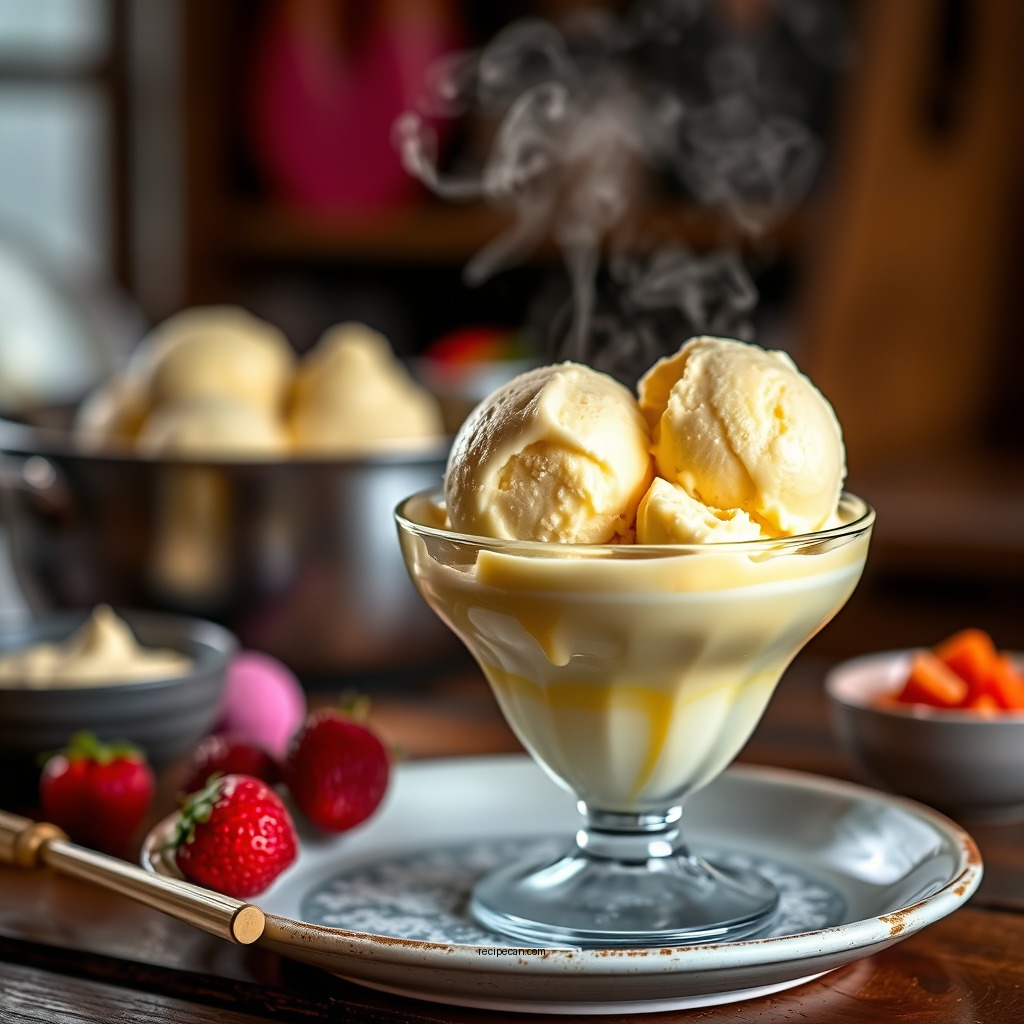
Creating a rich and creamy custard-based ice cream at home is not only achievable but also a delightful culinary experience. With just a few simple ingredients and a little patience, you can craft a velvety dessert that rivals any premium ice cream shop. This guide will walk you through the process of preparing the custard, churning it into ice cream, and exploring various flavor customizations to suit your palate.
Understanding Custard-Based Ice Cream
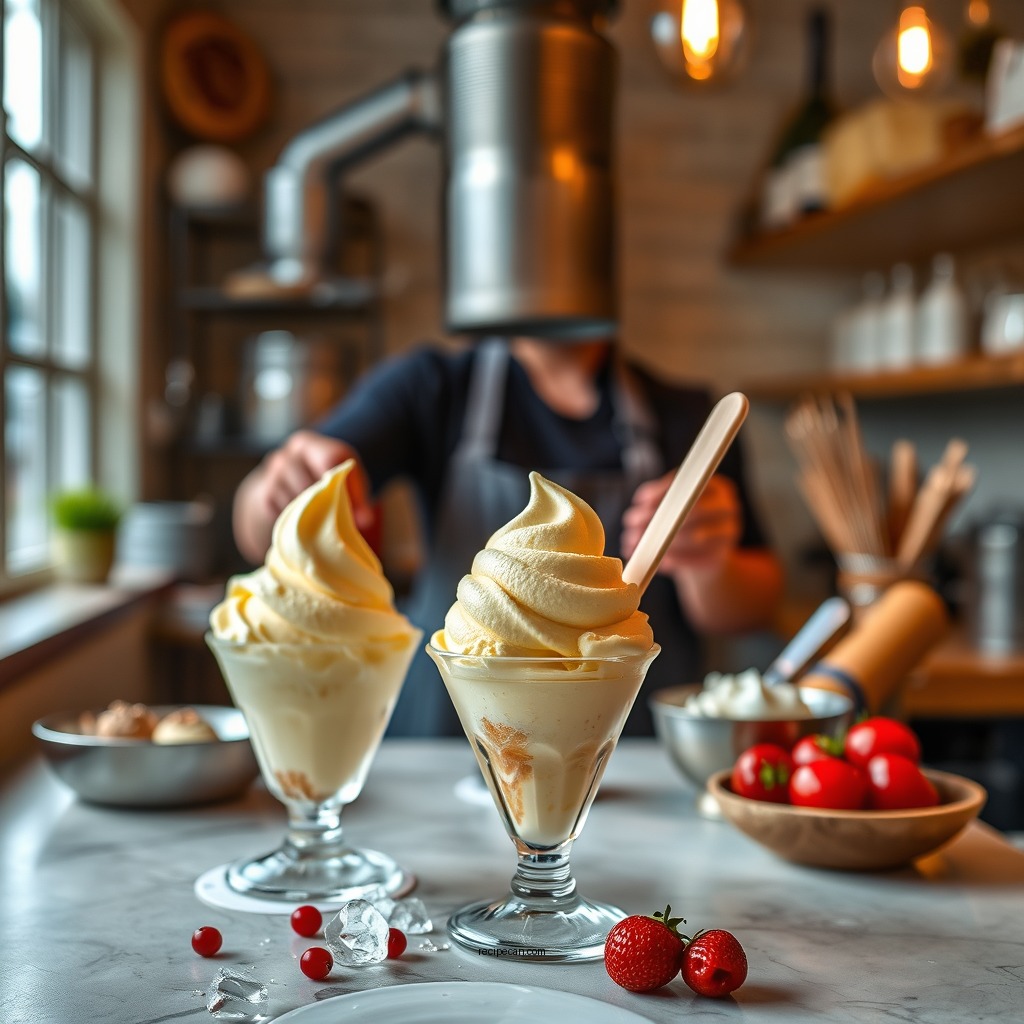
Custard ice cream is distinguished by its use of egg yolks, cream, and sugar, which together form a base that is both rich and creamy. The inclusion of egg yolks not only imparts a silky texture but also enhances the flavor profile, making it deeper and more satisfying compared to standard ice cream made without eggs. The process of cooking the custard allows for the flavors to meld beautifully, resulting in an ice cream that is smooth, decadent, and indulgent.
The science behind custard-based ice cream lies in its emulsification process. The fat from the cream and the proteins from the egg yolks work together to create a stable mixture that prevents ice crystals from forming, giving the final product a luscious mouthfeel. This is why custard ice cream is often favored by ice cream enthusiasts and chefs alike for its incomparable texture and taste.
Essential Ingredients
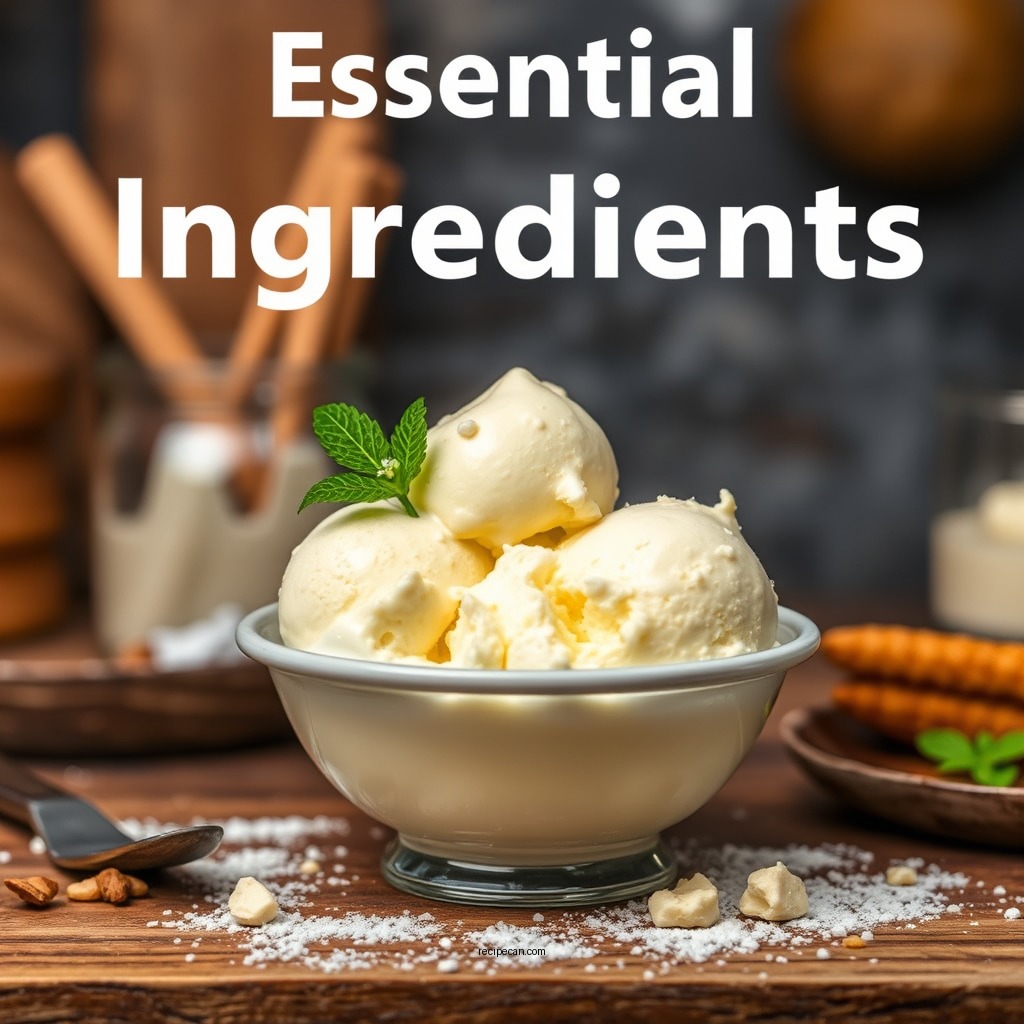
To make a basic custard-based ice cream, you will need the following essential ingredients:
– Heavy Cream: This ingredient is critical for achieving the creamy texture associated with high-quality ice cream. Heavy cream typically contains around 36% fat, which helps create a rich mouthfeel.
– Whole Milk: Whole milk adds moisture and a lighter texture while ensuring that the ice cream is not overly rich. The combination of heavy cream and whole milk provides a perfect balance of creaminess.
– Egg Yolks: The star of the show, egg yolks are what transform your mixture into a custard. They add richness, color, and a depth of flavor that is hard to replicate with other ingredients.
– Sugar: Sugar not only sweetens the ice cream but also helps to lower the freezing point of the mixture, resulting in a softer, smoother texture. You can adjust the amount of sugar based on your taste preferences.
– Optional Flavorings: Vanilla extract is a classic choice, but you can also consider using fresh fruits, chocolate, or even spices like cinnamon or nutmeg to create unique flavors.
Step-by-Step Custard Preparation
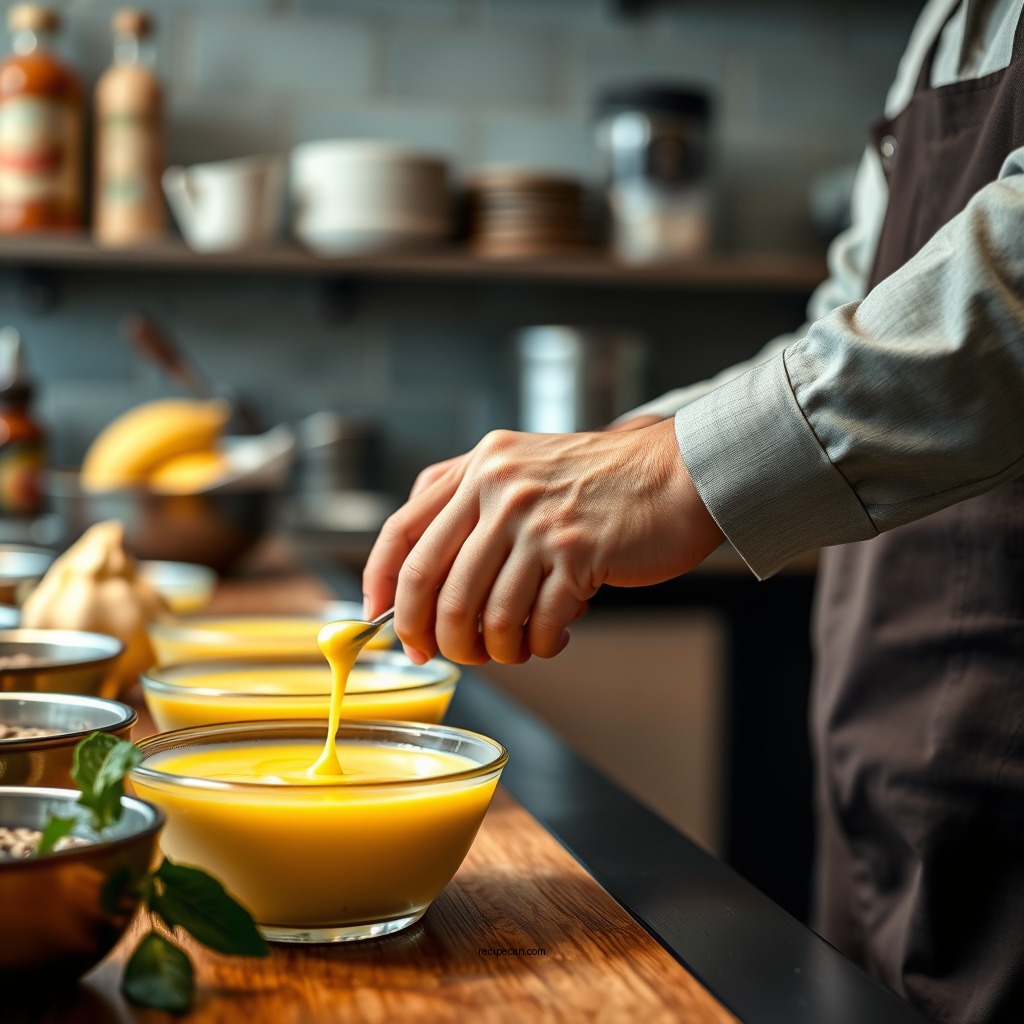
Making the custard for your ice cream involves a few simple steps that require attention to detail:
1. Whisk Egg Yolks and Sugar: In a mixing bowl, combine the egg yolks and sugar. Use a whisk to blend them together until the mixture is pale and creamy. This step is crucial as it helps to dissolve the sugar and aerate the yolks.
2. Heat Milk and Cream: In a saucepan, combine the heavy cream and whole milk. Heat the mixture over medium heat until it is just about to simmer. Stir occasionally to prevent the milk from scorching.
3. Temper the Mixture: Once the milk and cream are heated, it’s time to temper the egg mixture. Gradually pour a small amount of the hot milk mixture into the egg yolks while whisking constantly. This step raises the temperature of the yolks without cooking them. Repeat this process until you have combined about half of the milk mixture with the yolks.
4. Cook Until Thickened: Pour the tempered yolk mixture back into the saucepan with the remaining milk and cream. Cook over low heat, stirring constantly with a wooden spoon or spatula until the custard thickens enough to coat the back of the spoon. This should take about 5-10 minutes.
5. Cool the Custard: Once thickened, remove the saucepan from the heat and pour the custard through a fine mesh strainer into a clean bowl to remove any cooked egg bits. Allow it to cool at room temperature for a bit before transferring it to the refrigerator to chill completely, ideally for at least 4 hours or overnight.
Key Ingredients for Custard-Based Ice Cream
| # | Ingredient | Quantity | Role in Ice Cream |
|---|---|---|---|
| 1 | Heavy Cream | 2 cups | Provides creaminess |
| 2 | Whole Milk | 1 cup | Adds moisture |
| 3 | Egg Yolks | 4 large | Creates custard base |
| 4 | Sugar | 3/4 cup | Sweetens and balances |
| 5 | Vanilla Extract | 1 tablespoon | Adds flavor |
| 6 | Salt | 1/4 teaspoon | Enhances flavor |
Churning Your Ice Cream
Once your custard has cooled, the next step is churning it into ice cream. While you can churn ice cream by hand, using an ice cream maker is highly recommended for optimal results.
1. Prepare Your Ice Cream Maker: Ensure your ice cream maker bowl is frozen (if applicable). Follow the manufacturer’s instructions for setup.
2. Churn the Custard: Pour the chilled custard mixture into the ice cream maker. Turn it on and churn according to the manufacturer’s instructions, usually around 20-30 minutes. The mixture will thicken and double in size as you churn.
3. Check the Consistency: The ice cream is ready when it reaches a soft-serve consistency. If you desire a firmer texture, transfer the churned ice cream into an airtight container and freeze for an additional 2-4 hours.
Ice Cream Maker Efficiency Comparison
Flavor Customization Ideas
One of the most enjoyable aspects of making your own ice cream is the opportunity to customize flavors to your liking. Here are several ideas to get you started:
1. Classic Vanilla: Enhance your custard base with pure vanilla extract or the seeds from a vanilla bean for an intense vanilla flavor.
2. Chocolate Lovers: Add melted chocolate or cocoa powder to your custard mixture for a rich chocolate ice cream. Swirling in chocolate fudge or chunks during the churning process can elevate this flavor even further.
3. Fruit Infusion: Puree your favorite fruits, such as strawberries or mangoes, and fold them into the custard base before churning. This will create a refreshing and fruity ice cream.
4. Nuts and Crunch: Incorporate toasted nuts, like almonds or pistachios, into the ice cream base. You can also use cookie crumbles or candy pieces for added texture and flavor.
5. Herbal and Spicy Flavors: Experiment with infusing your custard with herbs like mint or basil, or spices such as cinnamon or cardamom. These unique flavors can offer a surprising twist to your homemade ice cream.
6. Swirls and Sauces: Add ribbons of caramel, fudge, or fruit compote to the churned ice cream before freezing for a visually stunning and delicious treat.
Storing and Serving Tips
To ensure your homemade custard-based ice cream remains fresh and enjoyable, proper storage and serving techniques are essential:
– Airtight Containers: Store your ice cream in an airtight container to minimize exposure to air, which can lead to ice crystal formation. A shallow container will also help maintain a consistent texture.
– Softening Before Serving: When ready to serve, allow the ice cream to sit at room temperature for about 5-10 minutes. This will soften it slightly, making it easier to scoop while still maintaining its creamy structure.
– Serving Suggestions: Consider serving your ice cream in waffle cones, bowls, or even as a topping for desserts like brownies or pie. Garnishing with fresh fruits, whipped cream, or chocolate sauce can elevate the presentation.
– Storage Duration: Homemade ice cream can be stored in the freezer for up to 2-3 weeks. Beyond this time, the texture and flavor may begin to degrade.
In conclusion, making your own custard-based ice cream at home is a rewarding endeavor that allows you to control the ingredients and flavors. By following the steps outlined in this guide, you can create a creamy, smooth treat that is sure to impress friends and family. Don’t hesitate to explore different flavor combinations and techniques to make this dessert truly your own. Enjoy your culinary creativity, and indulge in the delightful world of homemade ice cream!
Frequently Asked Questions
What are the key ingredients for a custard-based ice cream recipe?
The key ingredients for a custard-based ice cream recipe typically include heavy cream, whole milk, sugar, egg yolks, and vanilla extract. The combination of cream and milk creates a rich texture, while the egg yolks act as an emulsifier, resulting in a smooth and creamy ice cream.
How do I make custard for ice cream without curdling the eggs?
To make custard for ice cream without curdling the eggs, it’s essential to use a gentle heat and to temper the eggs. Start by heating the milk and cream mixture, then slowly pour a small amount into the beaten egg yolks while whisking continuously. This gradual process raises the temperature of the eggs without cooking them, allowing you to combine everything smoothly.
Why is custard-based ice cream considered better than other types?
Custard-based ice cream is often considered better than other types due to its rich flavor and creamy texture, which is a result of using egg yolks. The inclusion of these yolks not only enhances the ice cream’s mouthfeel but also helps it maintain a smoother consistency, reducing the formation of ice crystals.
What is the best method for churning custard-based ice cream?
The best method for churning custard-based ice cream involves using an ice cream maker. After chilling the custard mixture in the refrigerator for several hours, pour it into the ice cream maker and churn according to the manufacturer’s instructions. This process incorporates air and helps achieve a light and creamy texture while freezing the mixture evenly.
Which flavors pair well with custard-based ice cream?
Flavors that pair well with custard-based ice cream include vanilla, chocolate, and fruit flavors like strawberry or raspberry. Additionally, incorporating spices like cinnamon or nutmeg can enhance the custard’s richness, while mix-ins such as nuts or chocolate chips add texture and variety to the final product.
References
- Ice cream
https://en.wikipedia.org/wiki/Ice_cream - https://www.sciencedirect.com/science/article/pii/S2351978916301082
https://www.sciencedirect.com/science/article/pii/S2351978916301082 - https://www.ncbi.nlm.nih.gov/pmc/articles/PMC6001902/
https://www.ncbi.nlm.nih.gov/pmc/articles/PMC6001902/ - https://www.journalofchemicaleducation.org/doi/abs/10.1021/acs.jchemed.8b00177
https://www.journalofchemicaleducation.org/doi/abs/10.1021/acs.jchemed.8b00177 - https://www.foodnetwork.com/recipes/articles/ice-cream-recipes
https://www.foodnetwork.com/recipes/articles/ice-cream-recipes - https://www.nytimes.com/2020/07/10/dining/ice-cream-recipe.html
https://www.nytimes.com/2020/07/10/dining/ice-cream-recipe.html - Google Scholar Google Scholar
https://scholar.google.com/scholar?q=custard+based+ice+cream+recipe - Google Scholar Google Scholar
https://scholar.google.com/scholar?q=custard+ice+cream+recipe+science - Google Scholar Google Scholar
https://scholar.google.com/scholar?q=ice+cream+custard+technique - https://en.wikipedia.org/wiki/Special:Search?search=custard+based+ice+cream+recipe
https://en.wikipedia.org/wiki/Special:Search?search=custard+based+ice+cream+recipe