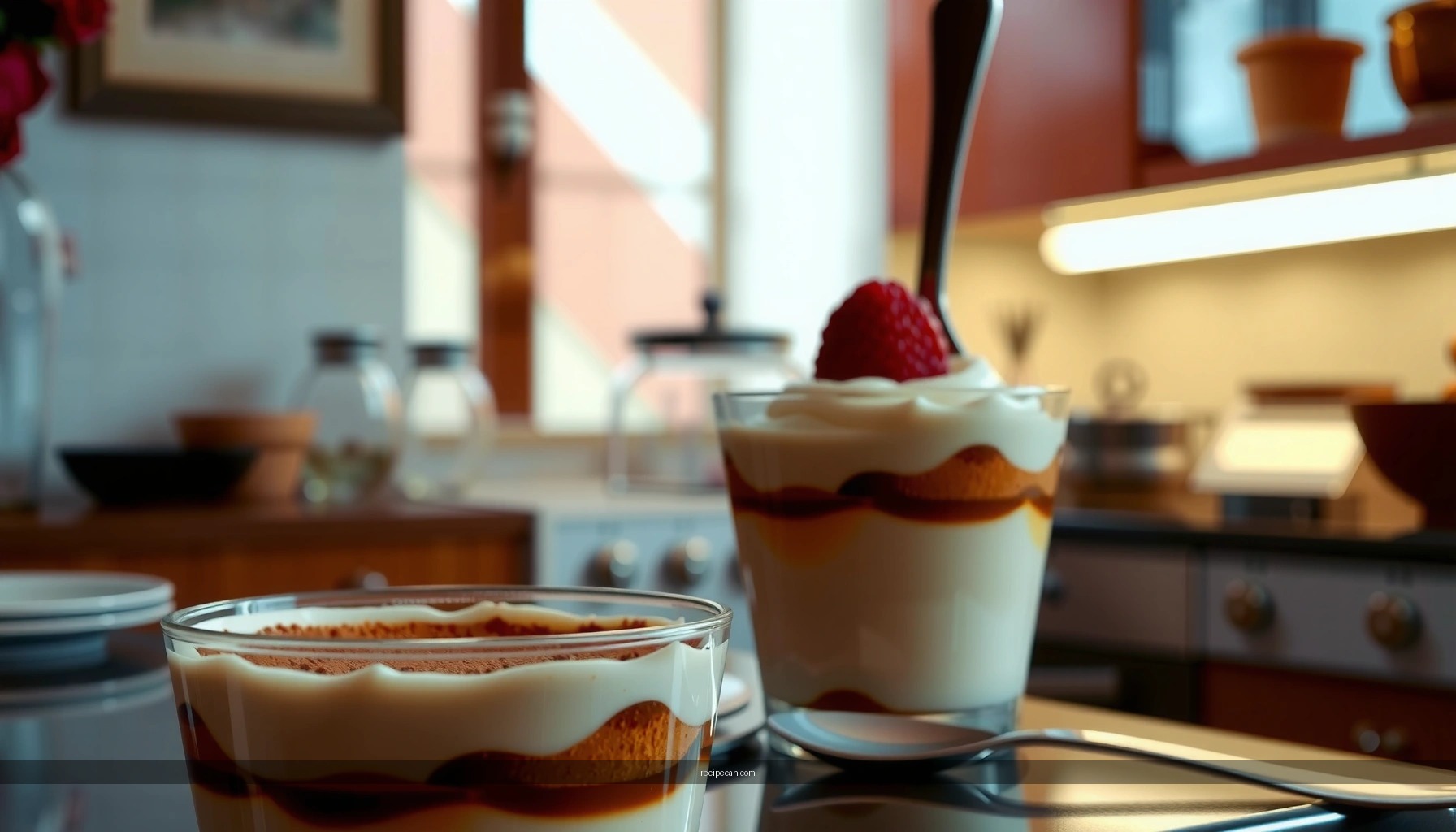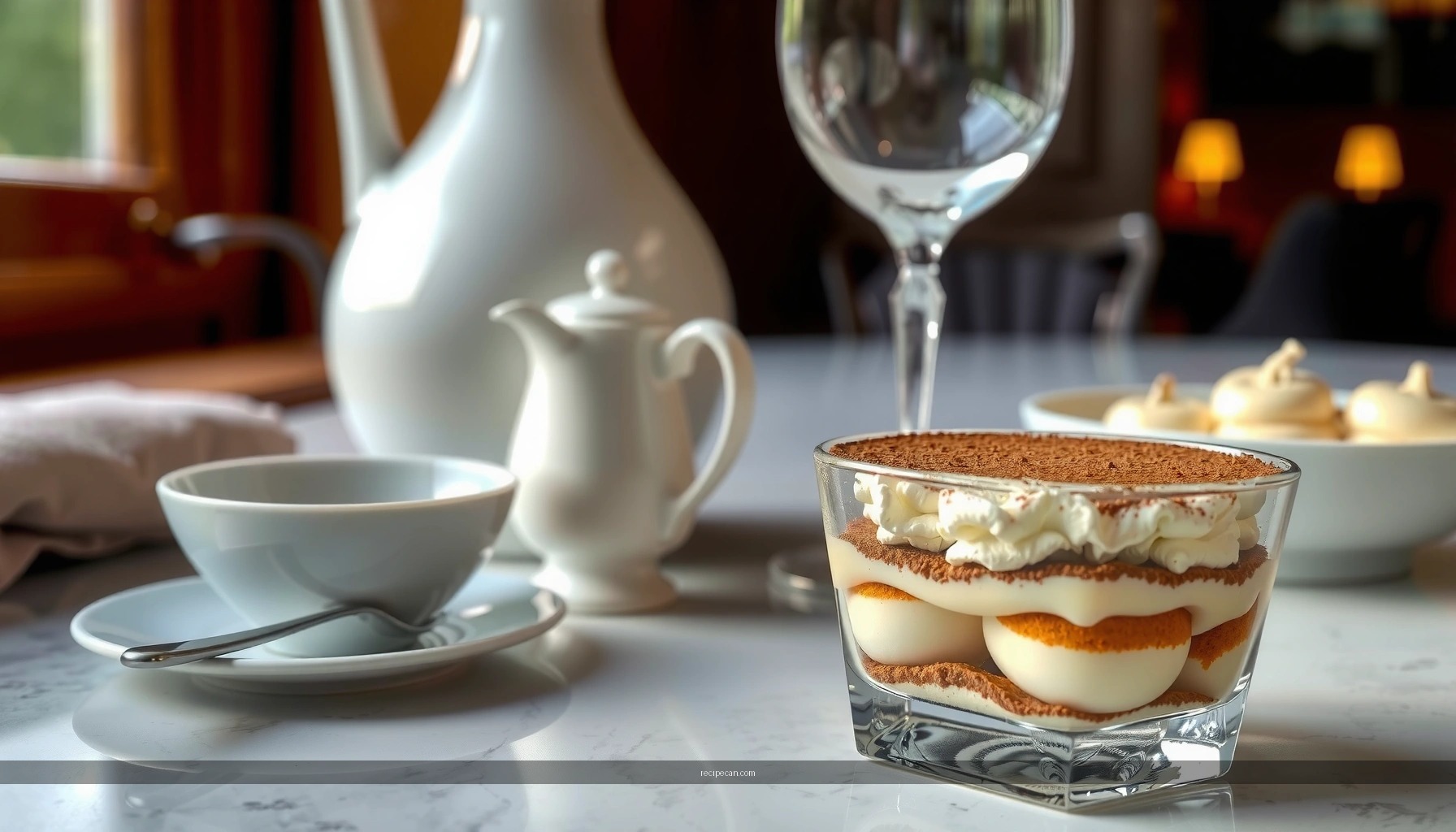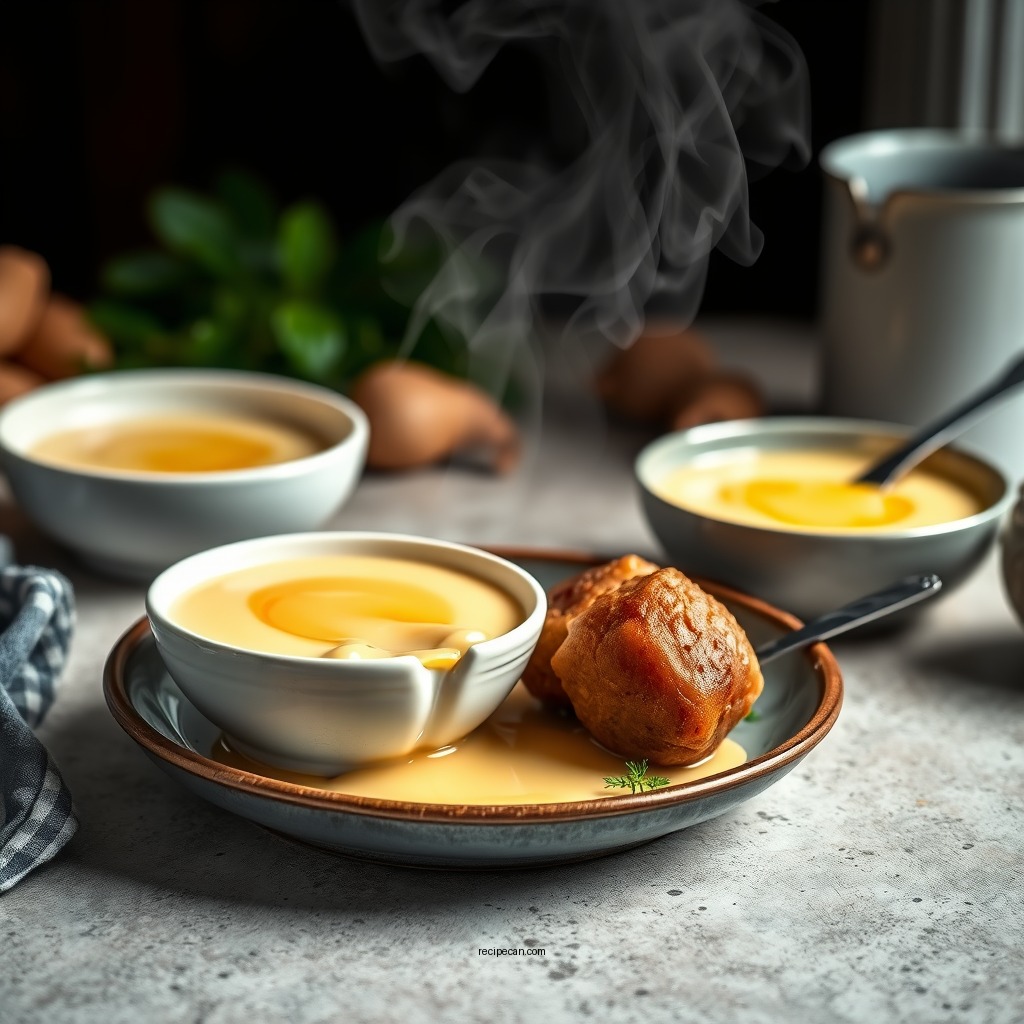
Boiled custard is a rich and creamy dessert that can elevate any meal. In just a few simple steps, you can create this delightful treat using basic ingredients you likely have at home. This article will guide you through a classic boiled custard recipe that’s both easy to follow and delicious, ensuring you can impress your family and friends with this timeless dessert.
Custard has been a cherished dessert for centuries, known for its luscious texture and versatility. Whether enjoyed on its own or as a complement to other dishes, boiled custard is a staple in many households. With just a handful of ingredients, you can whip up a creamy delight that can be served warm or chilled, making it the perfect dessert for any occasion.
Ingredients You’ll Need
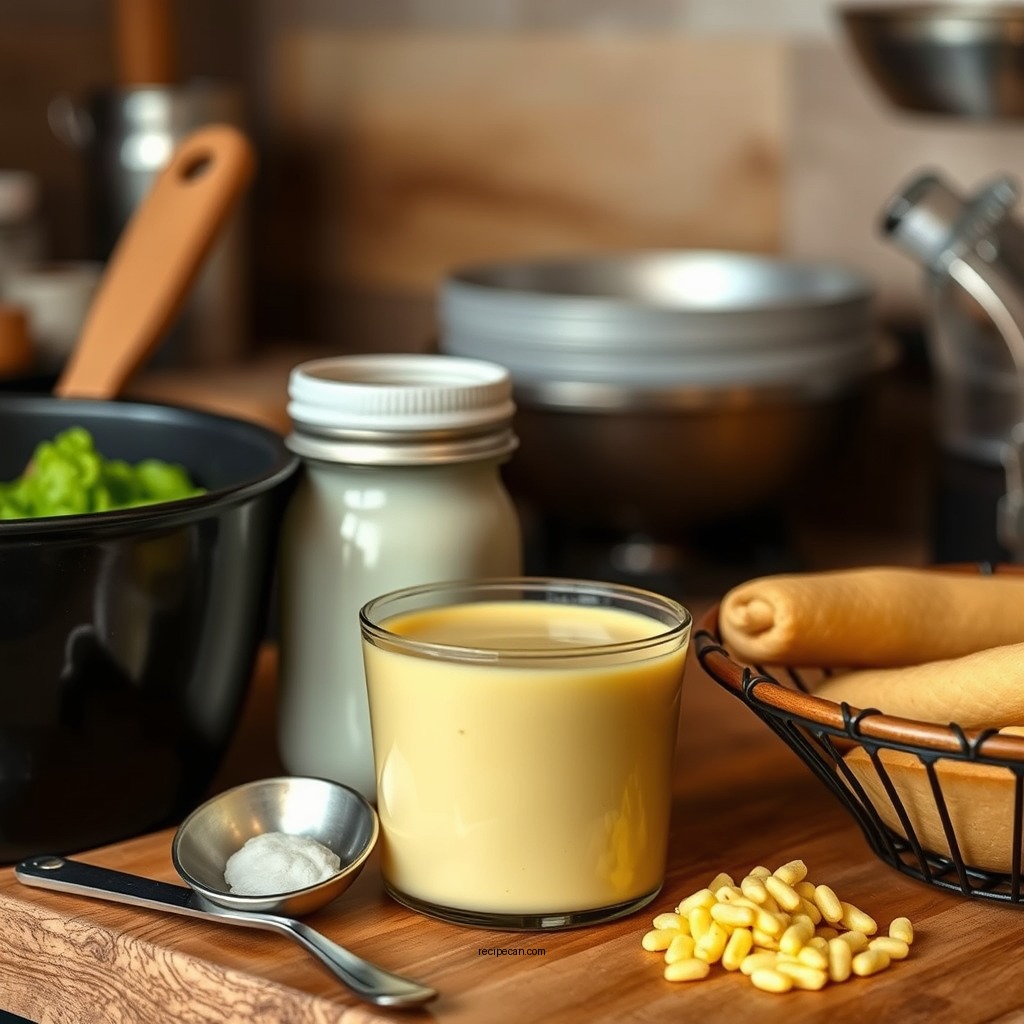
To create the perfect boiled custard, you’ll need the following ingredients:
– Milk: Whole milk provides the best flavor and creaminess, forming the base of your custard. Its fat content helps create a rich texture that is essential for a satisfying dessert.
– Sugar: Granulated sugar is typically used to sweeten the custard. The amount can be adjusted based on your personal taste preferences, but a balanced sweetness is key to complementing the dairy flavors.
– Eggs: Fresh eggs are essential for achieving the right texture. They serve as the thickening agent, turning your custard into a silky smooth treat. Using room temperature eggs can enhance the blending process, ensuring a lump-free mixture.
Step-by-Step Cooking Instructions
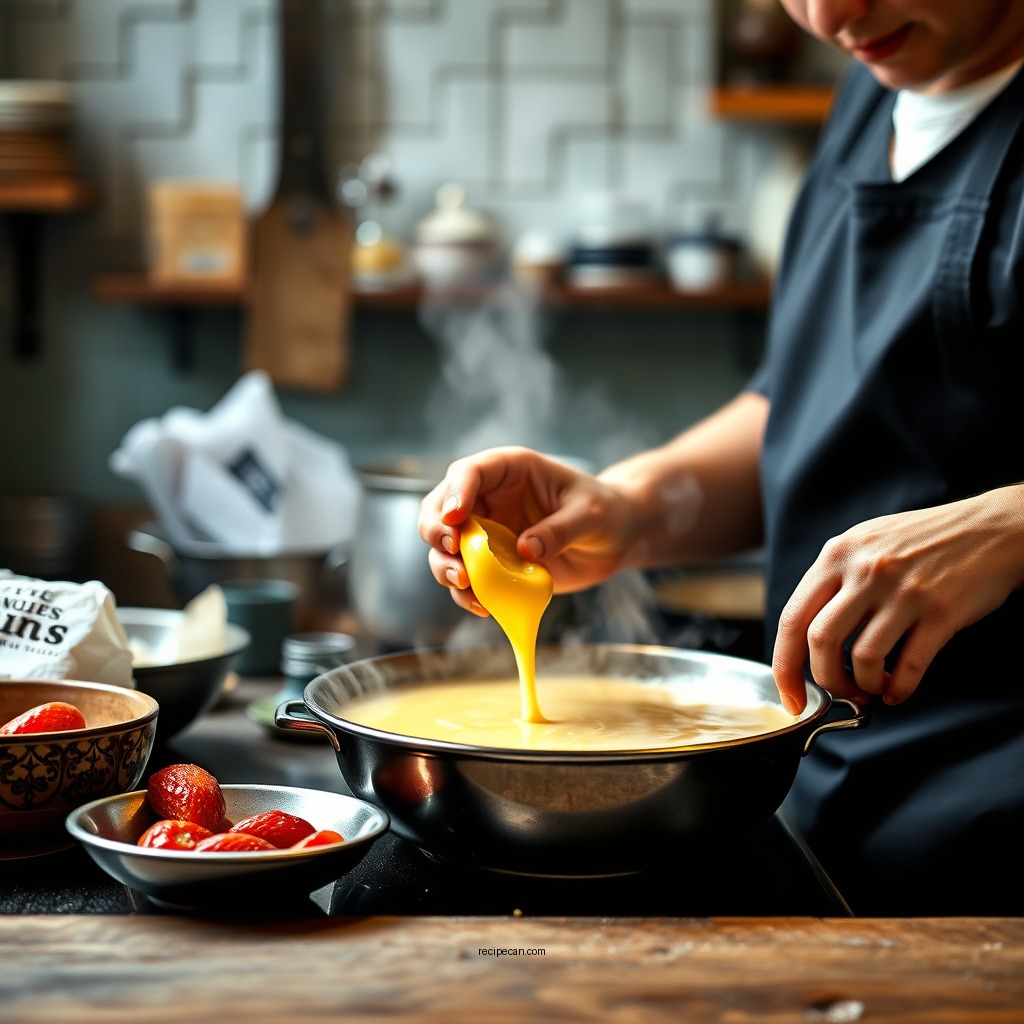
Creating boiled custard is an art that combines patience and precision. Here’s how to do it:
1. Combine Milk and Sugar: In a medium-sized saucepan, pour in the whole milk and add the granulated sugar. Heat over medium heat, stirring continuously until the sugar is completely dissolved. This process should take about 5-7 minutes. Watch closely to avoid boiling, as you want the mixture to be hot but not bubbling.
2. Whisk the Eggs: While the milk mixture is heating, crack the eggs into a separate bowl. Whisk them thoroughly until the yolks and whites are well combined. This step is crucial for ensuring a smooth texture in your custard.
3. Temper the Eggs: Once the milk mixture is hot, gradually pour a small amount into the bowl with the whisked eggs while continuously stirring. This is known as tempering and helps prevent the eggs from scrambling when added to the hot mixture. Slowly add more of the milk mixture to the eggs, whisking constantly.
4. Cook the Custard: Pour the tempered egg mixture back into the saucepan with the remaining milk. Cook over low heat, stirring continuously with a wooden spoon or heat-resistant spatula. The custard is ready when it thickens enough to coat the back of the spoon. This usually takes about 10-15 minutes.
5. Strain and Cool: Once thickened, remove the custard from heat and strain it through a fine mesh sieve into a clean bowl to remove any curdled bits. Allow it to cool before serving, or refrigerate if you prefer it chilled.
Tips for Perfect Texture
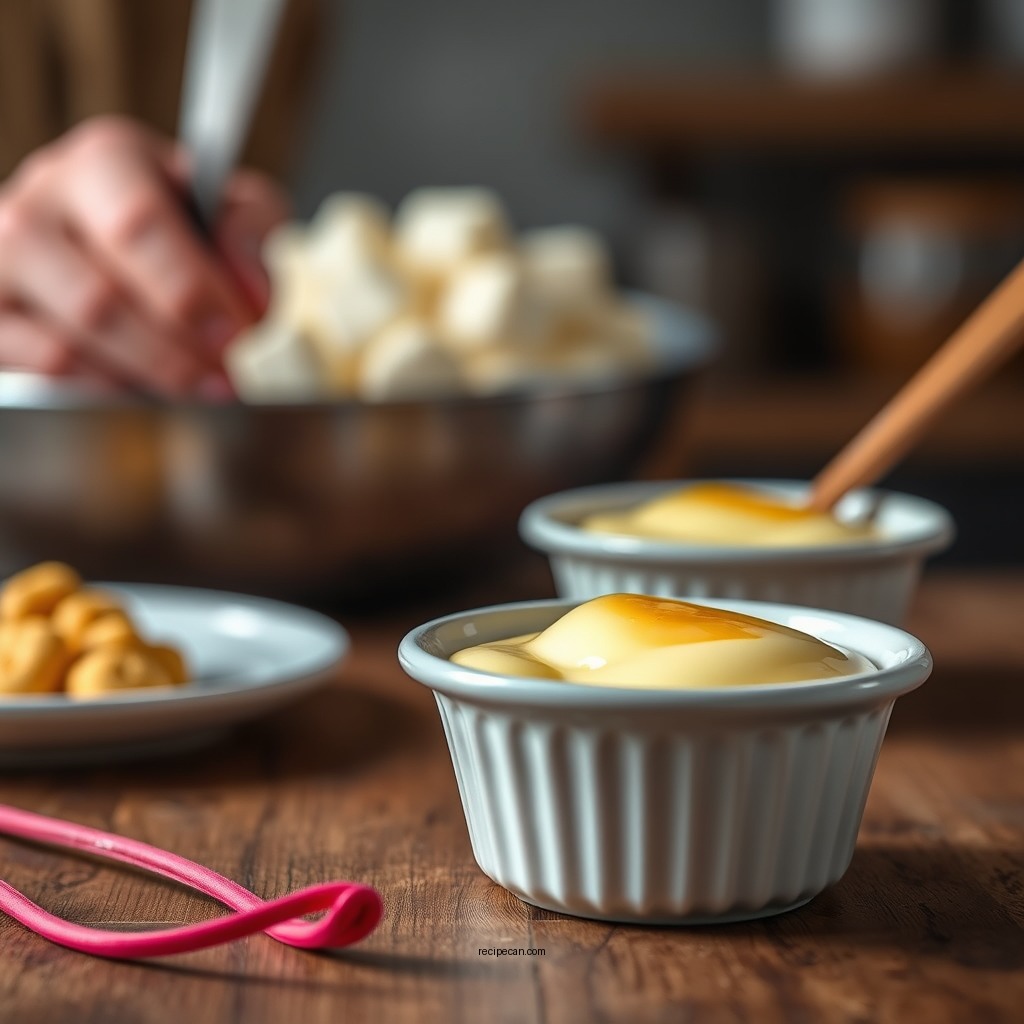
Achieving the ideal texture for your boiled custard requires attention to detail. Here are some tips:
– Avoid Boiling: Boiling the custard can result in curdling. Cook gently and consistently over low heat, ensuring you stir regularly.
– Stir Continuously: This not only promotes even cooking but also prevents the mixture from sticking to the bottom of the pan, which can lead to undesired lumps and a burnt flavor.
– Use a Thermometer: If you want to be precise, use a kitchen thermometer. The custard should reach a temperature of around 170°F (77°C) for optimal thickening without curdling.
Flavor Enhancements
While the basic boiled custard is delightful on its own, consider these flavor enhancements to elevate your dessert:
– Vanilla Extract: Adding a teaspoon of vanilla extract while cooking enhances the custard’s flavor profile. For a more intense vanilla flavor, you can also infuse the milk with a vanilla bean.
– Nutmeg: A pinch of freshly grated nutmeg adds a warm, spicy note that pairs beautifully with the creaminess of the custard.
– Chocolate Twist: For chocolate lovers, mix in melted chocolate after the custard has cooled. This creates a luscious chocolate custard that can be served as a standalone dessert or used as a filling for pastries.
Serving Suggestions
Boiled custard is incredibly versatile, making it a great addition to various dishes:
– Warm or Chilled: Serve the custard warm for a comforting dessert, or chill it in the refrigerator for a refreshing treat. Both options are delightful.
– Garnish: Top your custard with a dollop of whipped cream, fresh berries, or even a drizzle of caramel sauce for an added touch of elegance.
– Filling or Topping: Use boiled custard as a filling for cakes, pastries, or pies. It also makes a fantastic topping for brownies or sponge cakes.
Common Mistakes to Avoid
To ensure your boiled custard turns out perfectly, be mindful of these common pitfalls:
– Not Tempering the Eggs Properly: Skipping this step can lead to scrambled bits in your custard, ruining its smooth texture. Always take your time to temper the eggs correctly.
– Overheating: Cooking the custard too quickly or at too high a temperature can cause it to curdle. Low and slow is the key to success with this delicate dessert.
– Not Straining: Failing to strain the custard before serving can result in lumps. This step is crucial for achieving that silky smooth consistency that everyone loves.
Essential Ingredients for Boiled Custard
| # | Ingredient | Quantity | Calories (per serving) | Fat (grams) |
|---|---|---|---|---|
| 1 | Whole Milk | 2 cups | 300 | 16 |
| 2 | Granulated Sugar | 3/4 cup | 600 | 0 |
| 3 | Eggs | 4 large | 280 | 20 |
| 4 | Vanilla Extract | 1 tsp | 12 | 0 |
| 5 | Nutmeg | Pinch | 1 | 0 |
| 6 | Chocolate (optional) | 1/2 cup | 200 | 12 |
Cooking Time for Boiled Custard
In conclusion, making boiled custard is a straightforward process that rewards you with a rich and creamy dessert that can be enjoyed in various ways. By following the steps outlined in this guide and avoiding common mistakes, you can master this classic recipe. Remember to experiment with flavor enhancements to make it your own, and don’t hesitate to serve it in different ways. With practice, you’ll be able to impress your friends and family with this delightful treat that is sure to become a favorite in your home. So gather your ingredients and embark on this culinary adventure today!
Frequently Asked Questions
What ingredients do I need for a boiled custard recipe?
To make a classic boiled custard, you will need milk, sugar, egg yolks, vanilla extract, and a pinch of salt. These simple ingredients combine to create a rich and creamy custard that can be used in various desserts or enjoyed on its own.
How do I properly boil custard without scrambling the eggs?
To prevent scrambling the eggs in your boiled custard, it’s essential to cook the mixture over low to medium heat while continuously stirring. Gradually temper the egg yolks by adding a small amount of the hot milk mixture to them before combining everything, ensuring a smooth custard without curdles.
Why is my boiled custard too thin, and how can I thicken it?
If your boiled custard turns out too thin, it could be due to insufficient cooking time or not using enough egg yolks. To thicken it, return the custard to the heat and cook it gently while stirring until it reaches your desired consistency, keeping in mind that it will thicken further as it cools.
What is the best way to store boiled custard?
The best way to store boiled custard is to let it cool completely, then transfer it to an airtight container and refrigerate. It will keep well for up to three days; just give it a gentle stir before serving, as it may thicken in the fridge.
Which desserts can I make using boiled custard?
Boiled custard is versatile and can be used in various desserts, including trifles, bread puddings, or as a filling for pastries. It can also be served as a sauce over fruit, cake, or even ice cream, adding a delightful creamy texture and rich flavor to your dishes.
References
- Custard
https://en.wikipedia.org/wiki/Custard - https://www.bbc.co.uk/food/recipes/vanilla_custard_20680
https://www.bbc.co.uk/food/recipes/vanilla_custard_20680 - https://www.sciencedirect.com/topics/food-science/custard
https://www.sciencedirect.com/topics/food-science/custard - Custard | Definition, Ingredients, & Preparation | Britannica
https://www.britannica.com/topic/custard - https://www.ncbi.nlm.nih.gov/pmc/articles/PMC4910548/
https://www.ncbi.nlm.nih.gov/pmc/articles/PMC4910548/ - https://www.ncbi.nlm.nih.gov/pmc/articles/PMC6641197/
https://www.ncbi.nlm.nih.gov/pmc/articles/PMC6641197/ - Google Search
https://www.google.com/search?q=boiled+custard+recipe&hl=en - Google Scholar Google Scholar
https://scholar.google.com/scholar?q=boiled+custard+recipe - Google Scholar Google Scholar
https://scholar.google.com/scholar?q=custard+recipes - https://pubmed.ncbi.nlm.nih.gov/31061289/
https://pubmed.ncbi.nlm.nih.gov/31061289/