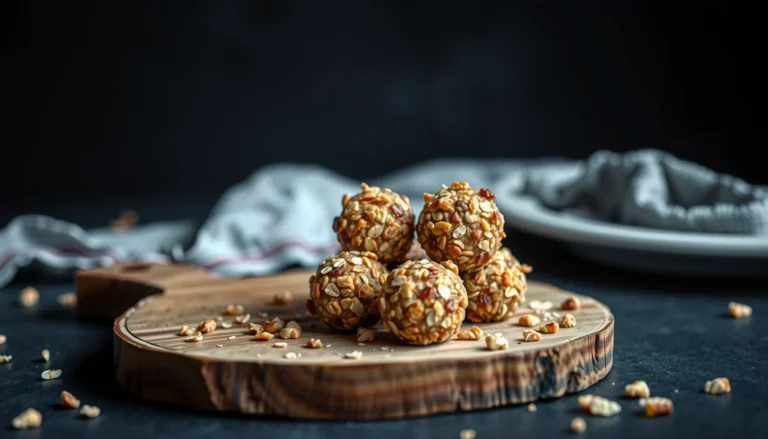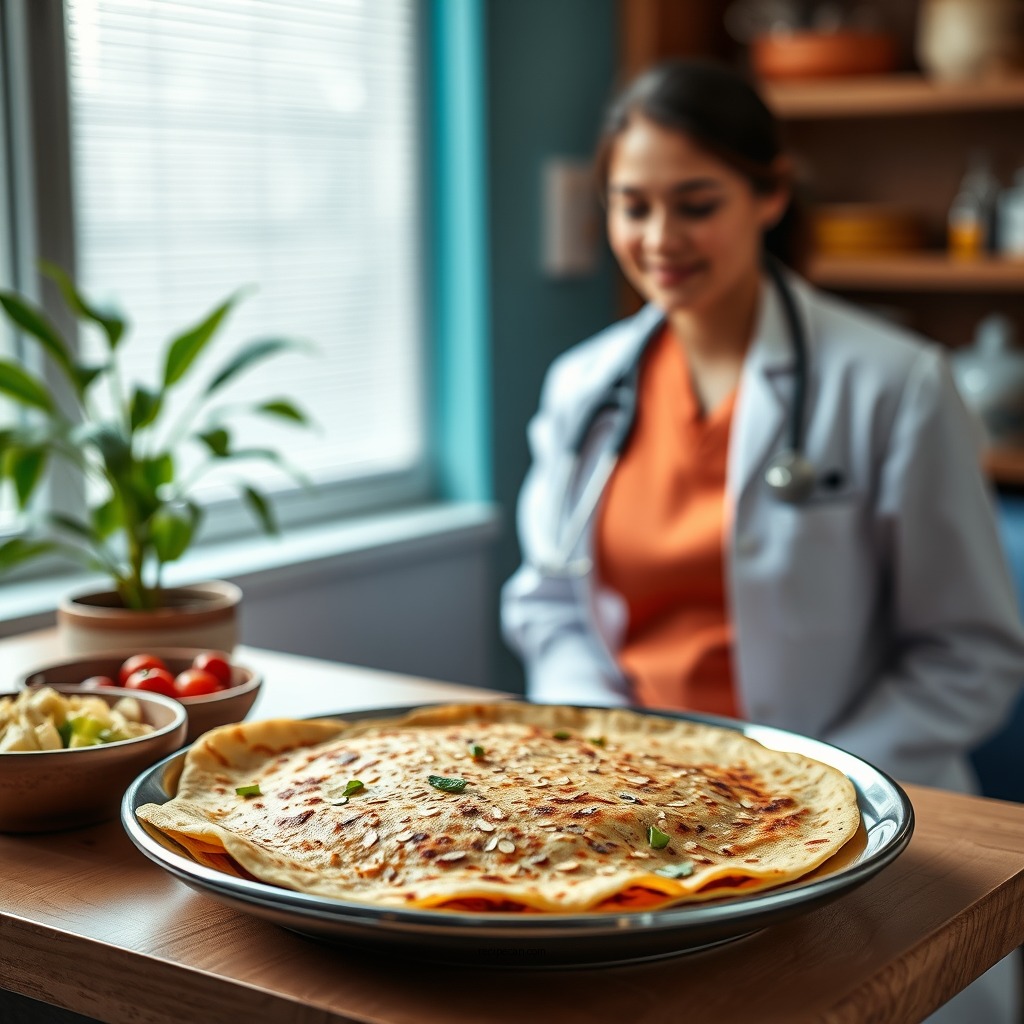
Oats dosa is a nutritious and delicious alternative to traditional dosa, made primarily from oats and minimal ingredients. In this article, you’ll learn how to prepare this quick and healthy dish that’s perfect for breakfast or a snack. With just a few simple steps, you can enjoy a crispy, flavorful dosa that’s packed with fiber and nutrients.
Ingredients for Oats Dosa
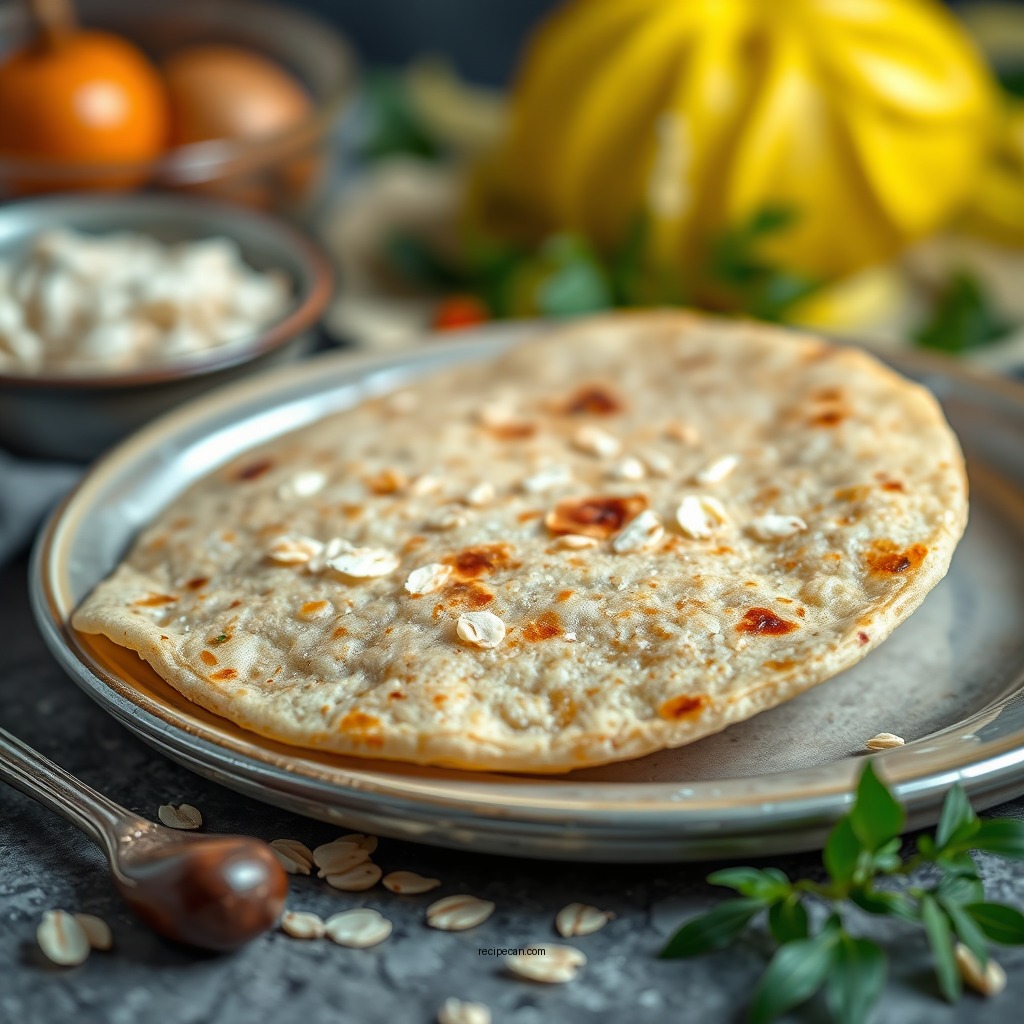
To prepare oats dosa, you’ll need the following ingredients:
– Rolled oats or instant oats: These serve as the main ingredient and are rich in fiber, vitamins, and minerals. They provide a healthy base for your dosa while also ensuring that the dish is gluten-free.
– Optional ingredients: You can use yogurt or water to achieve the desired consistency for the batter. Yogurt adds a slight tanginess and probiotics, while water can make the mixture lighter and easier to spread.
– Spices: Seasonings such as cumin seeds and salt enhance the flavor of the dosa. You may also consider adding black pepper or chopped green chilies for a spicy kick.
These ingredients are not only simple but are also easily available, making oats dosa an accessible dish for anyone looking to prepare a healthy meal.
Preparation Steps
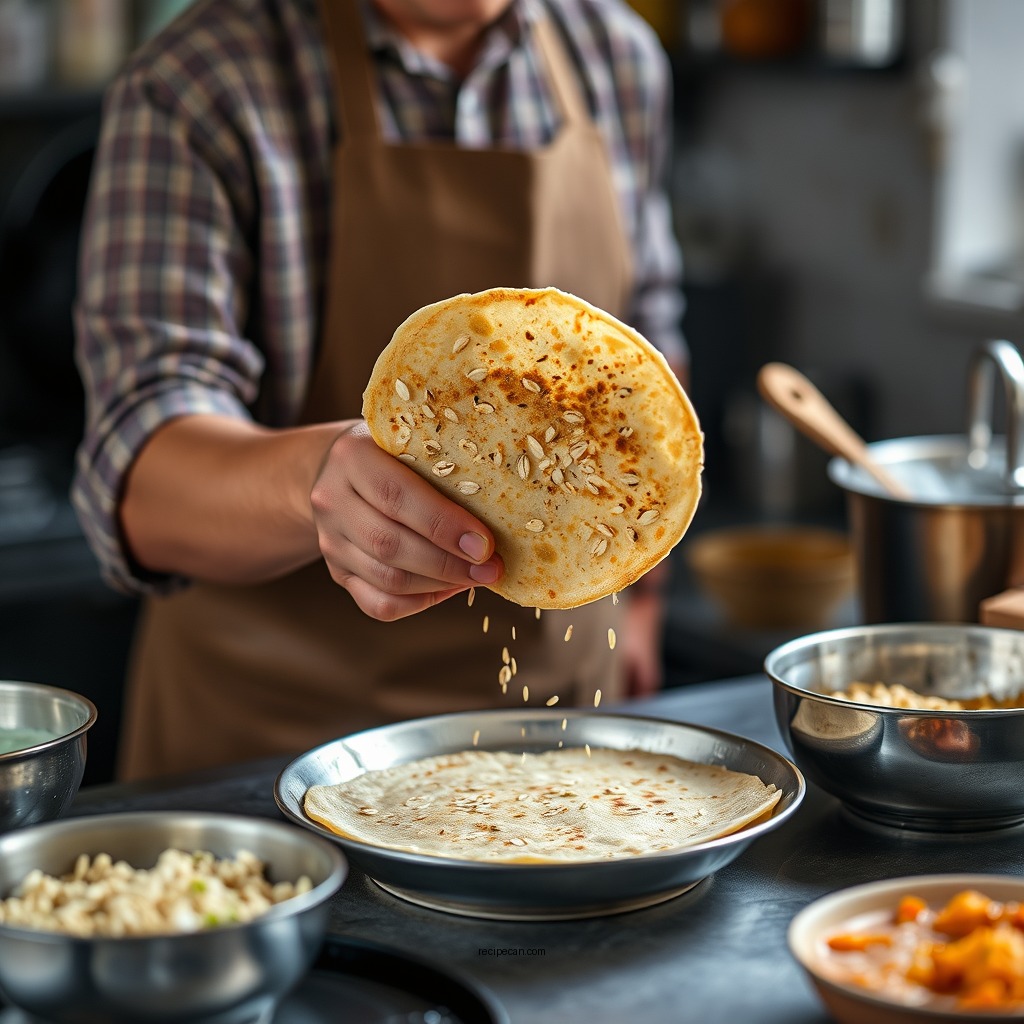
The preparation of oats dosa is straightforward and can be completed in just a few minutes:
1. Blend Oats: Start by placing rolled oats or instant oats in a blender and pulse them until they reach a fine powder consistency. This oat flour will be the backbone of your dosa.
2. Mix with Liquid: In a mixing bowl, combine the oat flour with yogurt or water to form a smooth batter. Aim for a consistency that is pourable yet thick enough to hold its shape when poured onto the pan. If you’re using yogurt, you may want to dilute it slightly with water to ensure the batter flows easily.
Let the batter sit for about 10 minutes. This resting period allows the oats to absorb moisture and helps improve the texture of the dosa.
Cooking the Oats Dosa
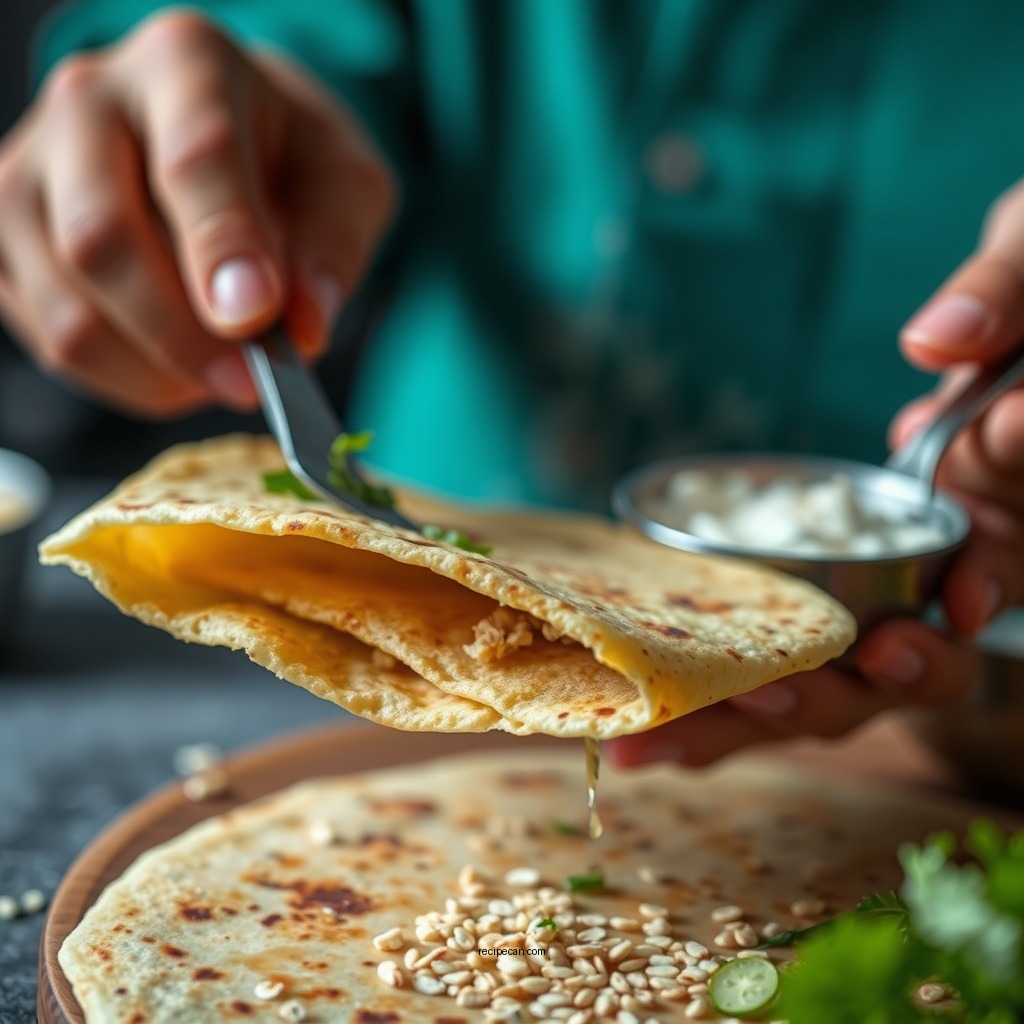
Cooking oats dosa is simple and requires minimal equipment. Follow these steps for the perfect dosa:
1. Heat the Pan: Place a non-stick frying pan or tawa over medium heat and allow it to become hot. A well-heated pan is essential for achieving that crispy texture.
2. Pour and Spread: Using a ladle, pour a portion of the batter onto the center of the pan. Quickly spread it in a circular motion to form a thin layer, similar to how you would make a traditional dosa.
3. Cook Until Golden: Allow the dosa to cook for 2-3 minutes or until the edges begin to lift and the bottom turns golden brown. Carefully flip the dosa using a spatula and cook the other side for an additional 1-2 minutes.
Cooking the dosa until it’s crispy will enhance the overall flavor and texture, making it more enjoyable to eat.
Top Ingredients for Oats Dosa (Nutritional Value per 100g)
| # | Ingredient | Calories | Protein | Fiber |
|---|---|---|---|---|
| 1 | Rolled Oats | 389 | 13.2g | 10.6g |
| 2 | Yogurt | 59 | 3.5g | 0g |
| 3 | Cumin Seeds | 375 | 17g | 11g |
| 4 | Salt | 0 | 0g | 0g |
| 5 | Green Chilies | 40 | 1.5g | 1.5g |
| 6 | Onions | 40 | 1g | 1g |
| 7 | Tomatoes | 18 | 0.9g | 1g |
Serving Suggestions
Oats dosa can be enjoyed in various ways, making it versatile for different palates:
– With Traditional Sides: Serve your oats dosa with coconut chutney, a classic accompaniment that enhances the flavor profile. The freshness of the coconut balances the nuttiness of the oats.
– Add a Protein Boost: Pair your dosa with sambar, a lentil-based vegetable stew, for a hearty meal. This combination not only adds flavor but also increases the protein content of the meal.
– Vegetable Pairing: For added nutrition, serve the dosa with fresh vegetables or a side salad. Incorporate leafy greens, cucumbers, or tomatoes to enhance the meal’s fiber and vitamin content.
These serving suggestions not only make the dish more nutritious but also cater to different taste preferences, allowing for a custom dining experience.
Variations of Oats Dosa
Oats dosa is highly adaptable, and there are numerous ways to customize it:
– Vegetable Additions: Incorporate chopped vegetables like onions, tomatoes, or spinach directly into the batter. This not only enhances the flavor but also increases the nutritional value of your dish.
– Spice it Up: Experiment with spices such as turmeric for color and health benefits or chili powder for a spicy twist. Adding herbs like coriander or curry leaves can also elevate the flavor further.
– Cheese or Paneer: For a richer taste, consider adding shredded cheese or crumbled paneer to the batter. This variation makes for a delightful treat, particularly for children or those who enjoy indulgent flavors.
The flexibility of oats dosa allows you to tailor it according to seasonal ingredients or personal preferences, making it a fun and creative cooking experience.
Tips for Perfect Oats Dosa
To achieve the best results with your oats dosa, consider the following tips:
– Rest the Batter: Allowing the batter to rest for 10-15 minutes before cooking can significantly improve the texture. This resting period enables the oats to absorb moisture fully and aids in better fermentation if using yogurt.
– Grease the Pan: Ensure that the pan is adequately greased before pouring in the batter. Using oil or ghee not only prevents sticking but also helps achieve a crispier dosa.
– Adjust Heat: Maintain a medium heat throughout the cooking process. If the heat is too high, the dosa can burn before cooking through, while too low a heat may lead to soggy dosas.
Implementing these tips can enhance your cooking experience and result in better taste and texture.
Health Benefits of Oats Dosa
Oats dosa is not just a tasty option; it is loaded with health benefits:
– High in Fiber: Oats are renowned for their high fiber content, which aids digestion and helps maintain a feeling of fullness. This can be particularly beneficial for weight management.
– Gluten-Free: For individuals with gluten sensitivities or celiac disease, oats dosa provides a safe and delicious alternative to traditional wheat-based dosas.
– Rich in Nutrients: Oats are a good source of essential nutrients, including iron, magnesium, and B vitamins, which are vital for overall health.
Incorporating oats dosa into your diet can contribute to improved digestive health and overall well-being.
Conclusion
Enjoy making this quick and healthy oats dosa at home, and feel free to experiment with flavors and ingredients to make it your own! With its simplicity and nutritional benefits, oats dosa is a great addition to your meal repertoire. Whether enjoyed for breakfast, as a snack, or served alongside your favorite sides, this dish offers a delightful twist on a classic that everyone can appreciate.
Frequently Asked Questions
What are the main ingredients needed for an oats dosa recipe?
To make oats dosa, you will need rolled oats, rice flour, yogurt, water, and spices like cumin seeds and salt. Optional ingredients include chopped vegetables like onions, tomatoes, and green chilies to enhance flavor and nutrition.
How do you prepare the batter for oats dosa?
To prepare the batter, first grind the rolled oats into a fine powder. Then, mix the oat flour with rice flour, yogurt, water, and spices until you achieve a smooth batter. Let the mixture rest for about 15-20 minutes to improve texture before cooking.
Why is oats dosa a healthier option compared to traditional dosa?
Oats dosa is a healthier alternative because it incorporates oats, which are high in dietary fiber and can help regulate blood sugar levels. Additionally, oats are gluten-free and contain essential nutrients, making oats dosa a nutritious option for breakfast or a snack.
What is the best cooking method for making crispy oats dosa?
The best method for achieving crispy oats dosa is to use a hot non-stick skillet or cast-iron pan. Pour a ladle of batter onto the pan, spread it thinly, and cook on medium heat until the edges turn golden brown. Drizzling a little oil around the edges can enhance crispiness.
Which sides pair well with oats dosa for a complete meal?
Oats dosa pairs well with a variety of sides like coconut chutney, tomato chutney, or sambar for a complete meal. These accompaniments not only complement the flavor of the dosa but also add nutritional value, making your meal more balanced.
References
- Oat
https://en.wikipedia.org/wiki/Oats - https://www.ncbi.nlm.nih.gov/pmc/articles/PMC3257631/
https://www.ncbi.nlm.nih.gov/pmc/articles/PMC3257631/ - https://www.ncbi.nlm.nih.gov/pmc/articles/PMC5604740/
https://www.ncbi.nlm.nih.gov/pmc/articles/PMC5604740/ - https://www.sciencedirect.com/topics/agricultural-and-biological-sciences/oats
https://www.sciencedirect.com/topics/agricultural-and-biological-sciences/oats - https://www.ncbi.nlm.nih.gov/pmc/articles/PMC4578330/
https://www.ncbi.nlm.nih.gov/pmc/articles/PMC4578330/ - Google Scholar Google Scholar
https://scholar.google.com/scholar?q=oats+dosa+recipe - Google Scholar Google Scholar
https://scholar.google.com/scholar?q=oats+recipes - Google Scholar Google Scholar
https://scholar.google.com/scholar?q=dosa+recipe - https://www.bbc.com/food/recipes/oats_dosa_91107
https://www.bbc.com/food/recipes/oats_dosa_91107 - Newborn sleep: Should I wake my baby for feedings? – Mayo Clinic
https://www.mayoclinic.org/healthy-lifestyle/nutrition-and-healthy-eating/expert-answers/oats/faq-20057752