Butternut squash soup is the perfect dish to embrace the flavors of fall 2015, offering a warm, comforting experience with every spoonful. This recipe not only highlights the rich, nutty flavor of butternut squash but also incorporates seasonal ingredients that are easy to find. In this article, you’ll learn how to prepare this delicious soup, including ingredients, preparation steps, and tips to enhance its flavor.
Ingredients You’ll Need
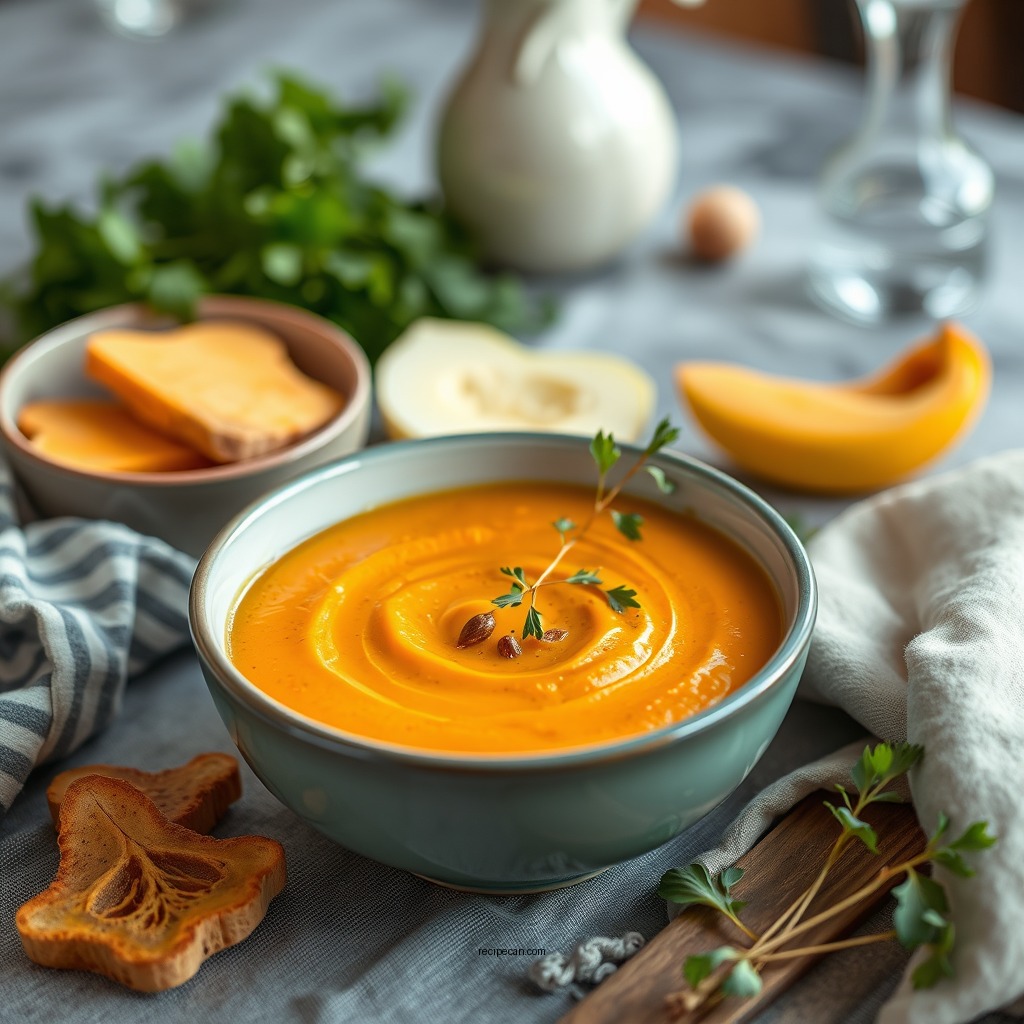
To create the quintessential fall butternut squash soup, you will require a few key ingredients that combine to create a rich and hearty dish. Here’s what you’ll need:
– Fresh Butternut Squash: Choose a medium-sized squash, about 2-3 pounds, that is firm and has a smooth skin. This vegetable is the star of the show, providing a sweet and nutty base for the soup.
– Aromatic Vegetables: Onions and garlic are essential for building a depth of flavor. Use one medium onion and 2-3 cloves of garlic, minced.
– Broth: You can opt for vegetable broth for a vegetarian version or chicken broth for a richer taste. About 4 cups will suffice, depending on how thick you prefer your soup.
– Spices: Optional spices such as nutmeg and cinnamon add a warm, seasonal twist. A dash of each can enhance the overall flavor profile.
– Olive Oil: For sautéing the vegetables and adding a touch of richness to the soup.
– Salt and Pepper: Essential for seasoning, to taste.
Preparation Steps

The preparation of butternut squash soup is straightforward and can be completed in about 30-40 minutes. Follow these steps for a delicious outcome:
1. Sauté Aromatics: In a large pot, heat about 2 tablespoons of olive oil over medium heat. Once hot, add the diced onion and sauté until translucent, about 5 minutes. Add the minced garlic and cook for an additional minute until fragrant. This step is crucial, as it forms the flavor foundation of your soup.
2. Cook the Squash: Add the peeled and diced butternut squash to the pot. Stir and cook for about 5-7 minutes, allowing the squash to caramelize slightly and develop a richer flavor. This step adds depth and sweetness to the soup.
3. Add Broth and Simmer: Pour in the vegetable or chicken broth and bring the mixture to a gentle simmer. Add salt and pepper to taste. Allow the soup to simmer for about 20-25 minutes, or until the squash is tender when pierced with a fork.
4. Blend the Soup: Once the squash is tender, use an immersion blender to puree the soup directly in the pot until smooth. If you don’t have an immersion blender, carefully transfer the soup in batches to a countertop blender. For a creamier texture, consider adding a splash of heavy cream or coconut milk at this stage.
Blending the Soup

Achieving the perfect texture in your butternut squash soup is essential for a delightful eating experience.
– Immersion Blender: This handy tool allows you to blend the soup directly in the pot, minimizing cleanup. Simply immerse the blender and blend until smooth.
– Regular Blender: If you opt for a traditional blender, be cautious when blending hot liquids. Fill the blender no more than halfway and leave the lid slightly ajar to allow steam to escape. Blend until you reach your desired consistency.
– Creamy Variations: For an extra touch of luxury, add a splash of heavy cream or coconut milk after blending. This not only enhances the flavor but also gives the soup a rich, velvety texture that is perfect for the colder months.
Flavor Enhancements
To elevate your butternut squash soup, consider the following enhancements:
– Seasonal Spices: Incorporating spices like nutmeg and cinnamon can give your soup a distinctive fall flavor. Start with a pinch of each and adjust to your taste. These spices complement the natural sweetness of the squash beautifully.
– Herbs: Fresh herbs such as thyme or sage can add an aromatic quality that resonates with the autumn season. A simple sprinkle of fresh herbs as a garnish can also enhance the visual appeal of the dish.
– Garnishes: A drizzle of high-quality olive oil or a dollop of crème fraîche can add a touch of elegance. For an extra layer of flavor, consider adding roasted pumpkin seeds or a sprinkle of croutons for crunch.
Serving Suggestions
Serving butternut squash soup can be as simple or as elaborate as you desire. Here are a few suggestions to enhance your dining experience:
– Ideal Temperature: Serve the soup hot, allowing diners to enjoy its warmth on chilly fall evenings.
– Accompaniments: Pair the soup with crusty bread, such as a rustic sourdough or a warm baguette. A fresh side salad with a light vinaigrette can also complement the rich flavors of the soup.
– Beverage Pairing: For a delightful meal experience, consider pairing the soup with a glass of white wine, such as a Chardonnay or Sauvignon Blanc. Their crispness can contrast nicely with the creamy texture of the soup.
Top 7 Health Benefits of Butternut Squash (2023)
| # | Benefit | Description | Nutritional Value |
|---|---|---|---|
| 1 | Rich in Vitamins | High in Vitamin A and C. | 1 cup = 457% DV Vitamin A |
| 2 | Fiber Content | Aids in digestion and satiety. | 7g fiber per cup |
| 3 | Antioxidants | Helps fight free radicals. | Contains beta carotene |
| 4 | Heart Health | Promotes cardiovascular health. | Low in fat |
| 5 | Skin Health | Supports skin hydration. | Rich in antioxidants |
| 6 | Weight Management | Low in calories, high in nutrients. | 82 calories per cup |
| 7 | Bone Health | Contains calcium and magnesium. | Supports bone density |
Butternut Squash Soup Popularity Over the Years
Storing and Reheating
To make the most of your butternut squash soup, proper storage and reheating are key:
– Storage: Allow the soup to cool before transferring it to an airtight container. It can be stored in the refrigerator for up to a week or frozen for up to three months. If freezing, consider portioning it out for convenience.
– Reheating: When you’re ready to enjoy the leftovers, reheat the soup on the stove over medium heat until warmed through. If it thickens too much, add a splash of water or broth to achieve your desired consistency. Alternatively, you can reheat it in the microwave, stirring halfway through for even heating.
Enjoy this delightful butternut squash soup as a cozy addition to your fall meals. Whether it’s a family gathering or a quiet evening at home, this recipe is sure to impress. Don’t forget to share your experience or variations in the comments below!
Frequently Asked Questions
What ingredients do I need for the Fall 2015 butternut squash soup recipe?
To make the Fall 2015 butternut squash soup, you will need fresh butternut squash, onion, garlic, vegetable or chicken broth, olive oil, salt, pepper, and optional spices like nutmeg or cinnamon. For a creamy texture, consider adding coconut milk or heavy cream. This combination of ingredients creates a rich, flavorful soup perfect for the autumn season.
How do I prepare butternut squash for the soup?
Preparing butternut squash involves peeling the outer skin, seeding the inside, and cutting it into cubes. To make this process easier, you can microwave the whole squash for a few minutes to soften the skin before peeling. This step helps ensure you get the maximum flavor and texture in your Fall 2015 butternut squash soup.
Why is butternut squash soup a popular choice for fall?
Butternut squash soup is popular in fall due to its warm, comforting flavor and seasonal availability of ingredients. The natural sweetness of butternut squash pairs well with autumn spices, creating a dish that embodies the essence of the season. Additionally, its creamy texture makes it a cozy choice for chilly days.
What is the best way to store leftover butternut squash soup?
The best way to store leftover butternut squash soup is to let it cool to room temperature and then transfer it to an airtight container. You can refrigerate the soup for up to 3-4 days or freeze it for longer storage, up to 3 months. When reheating, stir well and add a splash of broth or water if the soup has thickened.
Which spices enhance the flavor of butternut squash soup?
Spices like nutmeg, cinnamon, and ginger can significantly enhance the flavor of butternut squash soup. These warm spices complement the natural sweetness of the squash and add depth to the dish. Additionally, a touch of cayenne pepper can introduce a subtle heat, balancing the sweetness beautifully for a comforting fall meal.
References
- https://www.ncbi.nlm.nih.gov/pmc/articles/PMC5372827/
https://www.ncbi.nlm.nih.gov/pmc/articles/PMC5372827/ - https://www.ncbi.nlm.nih.gov/pmc/articles/PMC4424908/
https://www.ncbi.nlm.nih.gov/pmc/articles/PMC4424908/ - https://www.ncbi.nlm.nih.gov/pmc/articles/PMC6118781/
https://www.ncbi.nlm.nih.gov/pmc/articles/PMC6118781/ - https://www.ncbi.nlm.nih.gov/pmc/articles/PMC6463518/
https://www.ncbi.nlm.nih.gov/pmc/articles/PMC6463518/ - Google Scholar Google Scholar
https://scholar.google.com/scholar?q=butternut+squash+soup+recipe+2015 - Google Scholar Google Scholar
https://scholar.google.com/scholar?q=butternut+squash+soup+recipe - Google Scholar Google Scholar
https://scholar.google.com/scholar?q=food+home+fall+2015+butternut+squash+soup - Healthy diet
https://www.who.int/news-room/fact-sheets/detail/healthy-diet - https://www.cdc.gov/nutrition/infographics/healthy-eating.html
https://www.cdc.gov/nutrition/infographics/healthy-eating.html - https://www.bbc.com/food/recipes/butternut_squash_soup_96068
https://www.bbc.com/food/recipes/butternut_squash_soup_96068