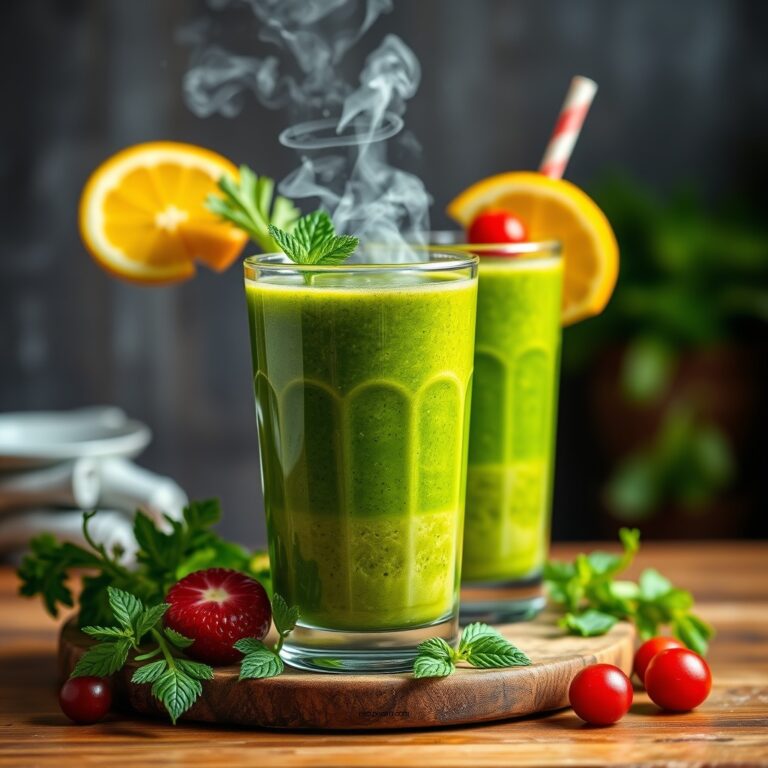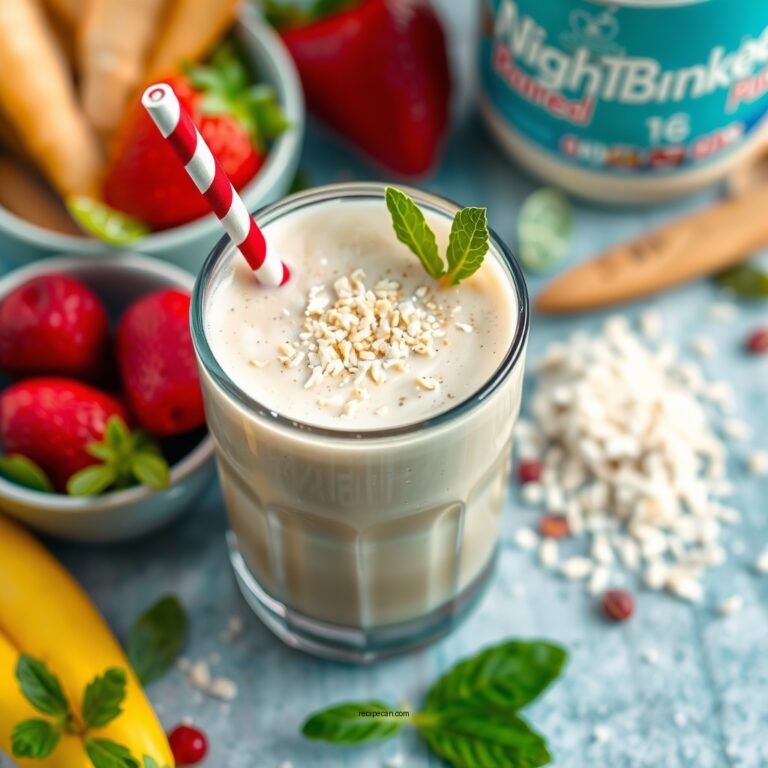
Want to enjoy a tasty and nutritious low carb smoothie? This recipe combines delicious ingredients that keep your carb count low while providing essential nutrients and flavor. In this article, you’ll discover how to make a delightful low carb smoothie that fits perfectly into your healthy lifestyle.
Essential Ingredients for Your Low Carb Smoothie
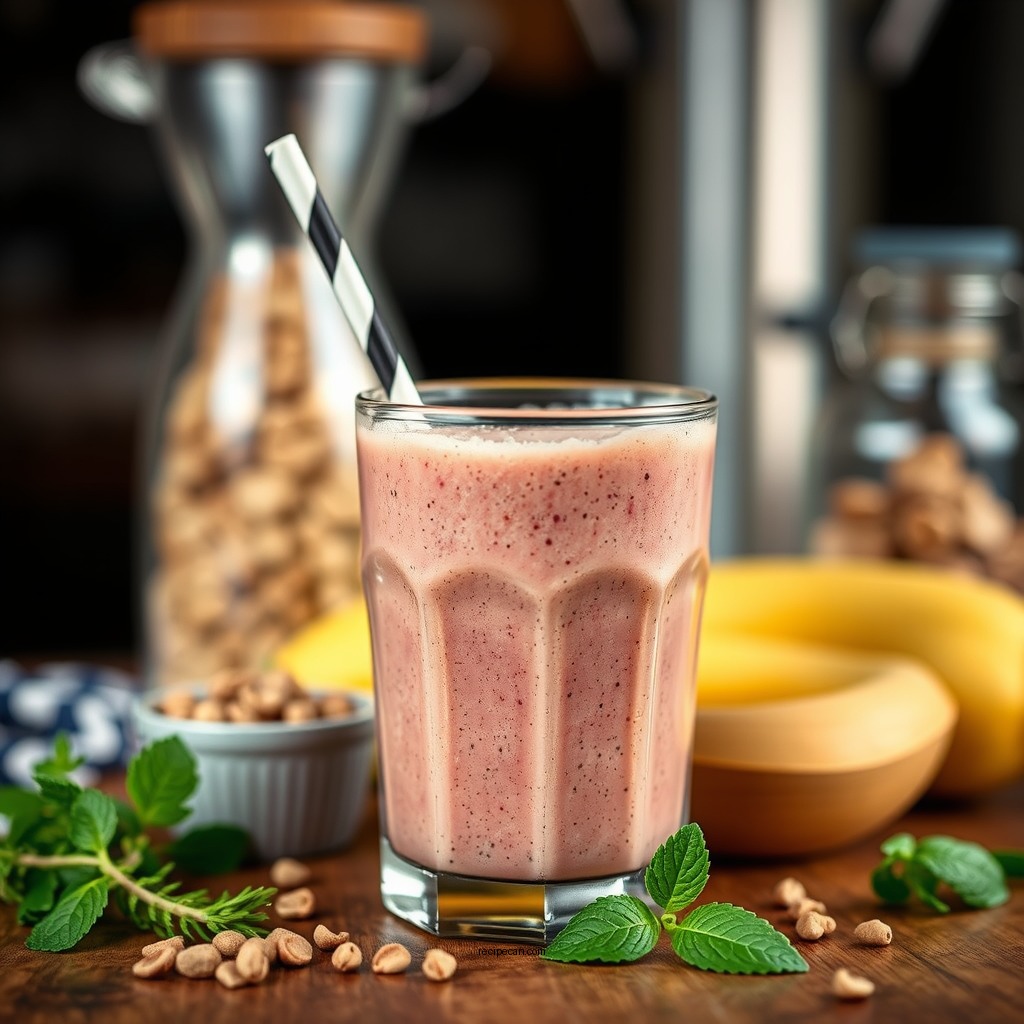
Creating a low carb smoothie that is both delicious and nutritious begins with the right ingredients. The first step is to choose low-sugar fruits, which serve as the natural sweeteners for your smoothie. Berries, such as strawberries, blueberries, and raspberries, are excellent options due to their low glycemic index and high antioxidant content. Avocado is another fantastic ingredient that adds creaminess and healthy fats while keeping the carb count low.
Next, incorporating high-protein sources can significantly enhance the nutritional profile of your smoothie. Greek yogurt is a popular choice, providing both protein and probiotics. For those who prefer a dairy-free option, protein powders from sources like whey, pea, or brown rice can also work well.
Finally, selecting low-carb liquids is crucial for achieving a smooth consistency without adding unnecessary carbohydrates. Almond milk, coconut milk, or even unsweetened coconut water are excellent choices that contribute to the overall flavor while keeping the carb count minimal.
Step-by-Step Preparation Guide
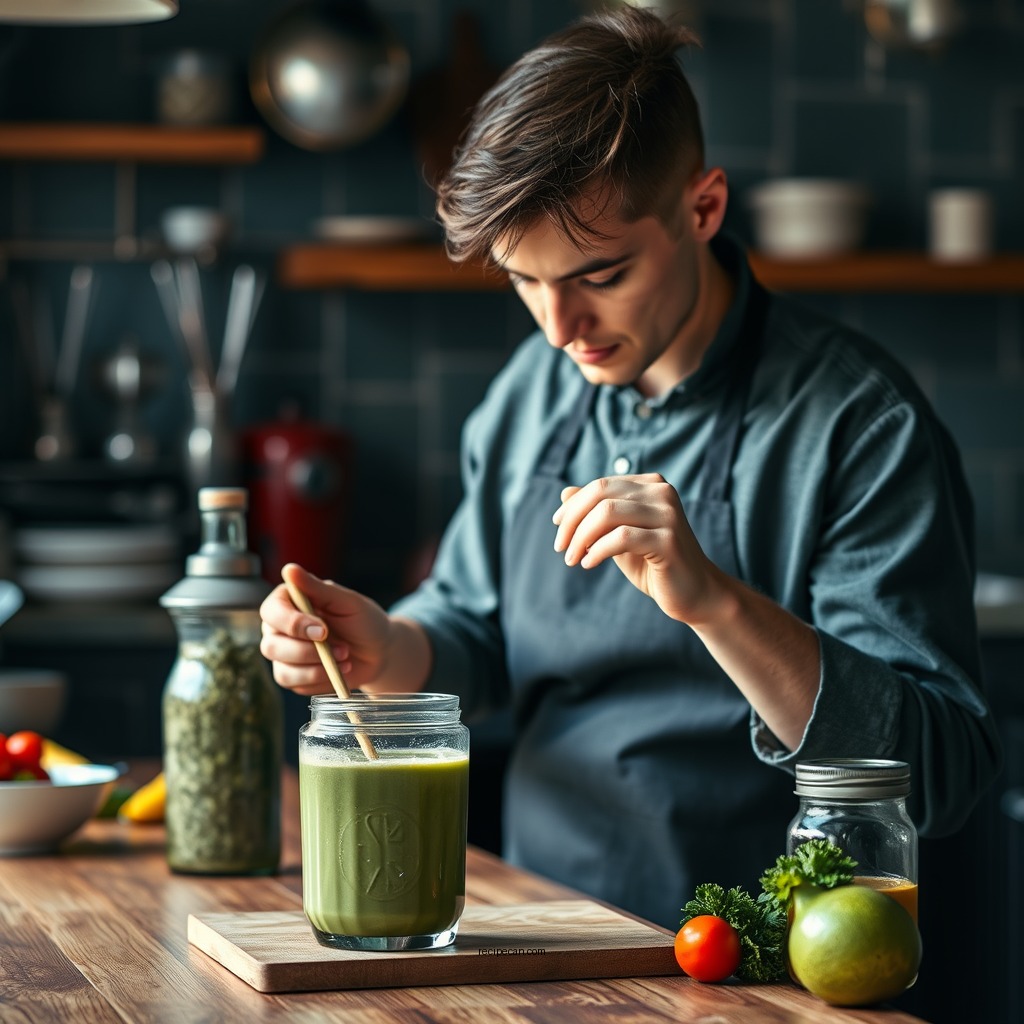
Making your low carb smoothie is simple and straightforward. Here’s a step-by-step guide to creating your delicious drink:
1. Select Your Base: Start by choosing a base for your smoothie. You can opt for Greek yogurt for a creamier texture, nut butter (like almond or peanut butter) for added richness, or a scoop of your favorite protein powder for an extra protein boost.
2. Add Fruits and Vegetables: Next, add your chosen low-sugar fruits. A combination of half a banana with a handful of spinach or kale adds nutrients without significantly increasing the carb count. Frozen fruits can also enhance the texture of your smoothie.
3. Blend Until Smooth: Finally, blend all the ingredients together until you achieve a smooth consistency. If the smoothie is too thick, gradually add your low-carb liquid of choice until you reach your desired thickness.
Tips for Enhancing Flavor and Texture
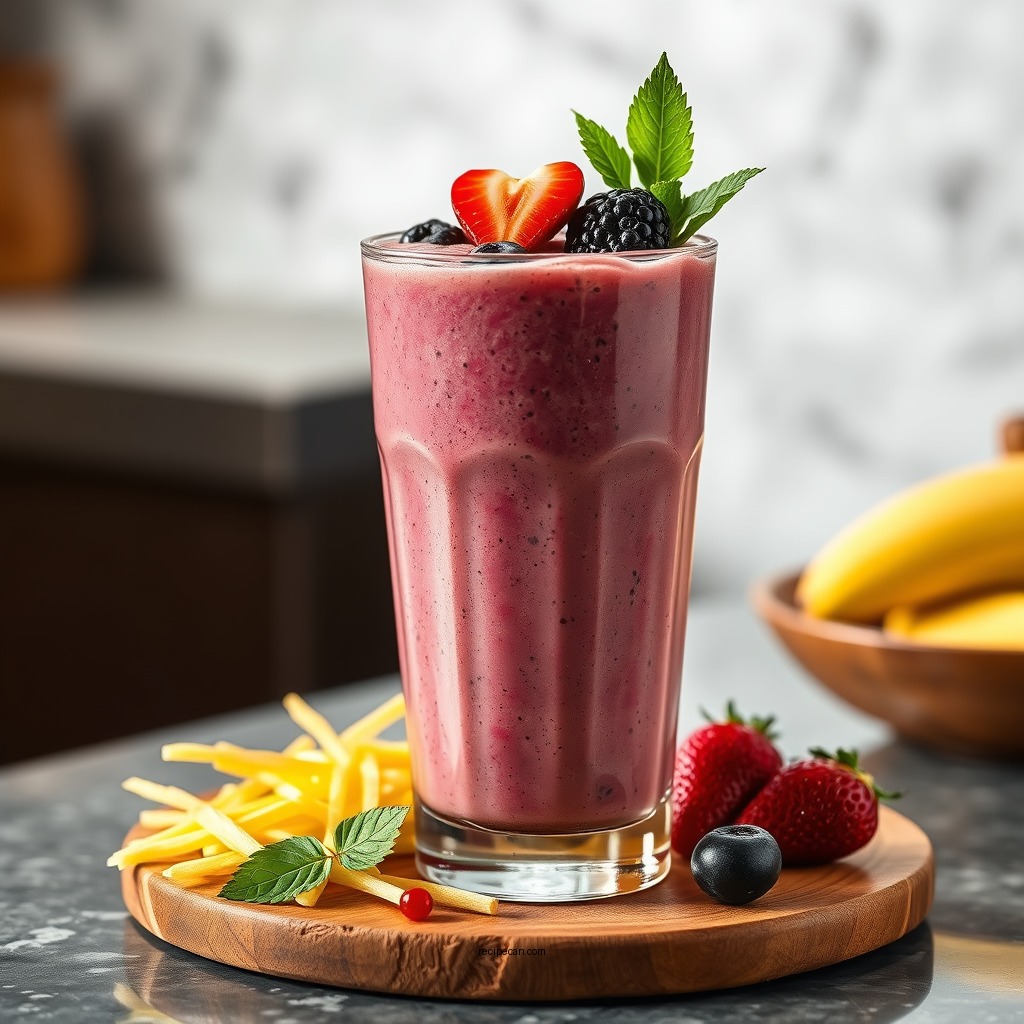
To elevate the flavor and texture of your low carb smoothie, consider the following tips:
– Incorporate Leafy Greens: Adding a handful of spinach or kale is a fantastic way to boost the vitamin content without altering the flavor. Both greens are rich in vitamins A, C, and K, as well as fiber.
– Experiment with Spices: A dash of cinnamon or a splash of vanilla extract can dramatically enhance the taste of your smoothie. These spices can add warmth and depth, making your smoothie even more enjoyable.
– Chill It Off: For a refreshing drink, consider adding ice cubes. This not only cools down your smoothie but also gives it a thicker texture, making it more satisfying.
Top 7 Low Carb Fruits for Smoothies (2023)
| # | Fruit | Net Carbs (per 100g) | Fiber (g) | Antioxidants |
|---|---|---|---|---|
| 1 | Strawberries | 7.7 | 2.0 | High |
| 2 | Blackberries | 4.3 | 5.3 | Very High |
| 3 | Raspberries | 5.4 | 6.5 | High |
| 4 | Avocado | 1.8 | 6.7 | Moderate |
| 5 | Coconut (meat) | 6.2 | 9.0 | Low |
| 6 | Lemon | 9.3 | 2.8 | Moderate |
| 7 | Tomato | 3.9 | 1.2 | Moderate |
Nutritional Benefits of Low Carb Smoothies
Low carb smoothies offer numerous health benefits, making them an excellent addition to your diet. They are particularly suited for those on ketogenic or low-carb diets, as they maintain a low carbohydrate count while still being rich in flavor and nutrition.
These smoothies are typically packed with vitamins, minerals, and antioxidants, which support overall health. For example, the inclusion of leafy greens provides essential nutrients like vitamin K and iron, while berries contribute antioxidants that help combat oxidative stress.
Additionally, low carb smoothies are high in fiber, which is crucial for digestive health. Fiber promotes feelings of fullness, helping you manage hunger levels and potentially aiding in weight loss.
Common Mistakes to Avoid
To ensure you create the perfect low carb smoothie, be mindful of these common pitfalls:
– Overusing High-Sugar Fruits: While fruits are healthy, adding too many high-sugar varieties like bananas or grapes can lead to a significant carb increase. Stick to low-carb options like berries.
– Neglecting Protein and Fats: A well-rounded smoothie should include a balance of protein and healthy fats to keep you satiated. Failing to do so may lead to a quick drop in energy.
– Inadequate Blending: Not blending your smoothie thoroughly can result in a chunky texture, which is less enjoyable. Ensure that all ingredients are blended until smooth for the best experience.
Variations to Try
To keep your smoothie routine exciting, consider these variations:
– Flavor Combinations: Experiment with unique flavor profiles such as chocolate avocado smoothies or berry spinach blends. The rich taste of cocoa can complement the creamy texture of avocado, while spinach adds nutrition without overpowering the flavor.
– Ingredient Substitutions: Depending on your dietary preferences or allergies, feel free to substitute ingredients. For example, use a dairy-free yogurt alternative or switch out almond milk for coconut milk.
– Seasonal Smoothies: Take advantage of seasonal ingredients to create refreshing flavors. For instance, use pumpkin puree and spices in the fall or fresh peaches in the summer for a delightful twist.
Storing and Serving Suggestions
For optimal taste and texture, it’s best to serve your smoothie immediately after preparation. However, if you have leftovers, store them in the refrigerator in an airtight container or mason jar. Ideally, consume your smoothie within 24 hours to retain its freshness and nutritional value.
When it comes to serving, consider garnishing your smoothie with toppings such as chia seeds, nuts, or fresh berries. These toppings not only enhance the visual appeal but also provide additional texture and nutrition.
Nutritional Comparison of Common Smoothie Ingredients
Enjoy this easy-to-make low carb smoothie as a delicious and healthy option for breakfast or a snack. By following this simple recipe and tips, you can indulge in a nutritious treat that aligns with your dietary goals. So grab your blender and start whipping up your perfect low carb smoothie today!
Frequently Asked Questions
What ingredients are essential for a low carb smoothie recipe?
A low carb smoothie typically includes ingredients such as unsweetened almond milk, spinach, avocado, and low-carb fruits like berries. You can also add protein powder or Greek yogurt for added nutrition while keeping the carb count low. Incorporating seeds like chia or flax can provide healthy fats and fiber without spiking your carb intake.
How can I make my low carb smoothie taste better?
To enhance the flavor of your low carb smoothie, consider adding natural flavorings such as vanilla extract or cocoa powder. Using frozen berries can create a refreshing texture, and adding a pinch of salt can elevate sweetness. Additionally, blending in a small amount of nut butter can add creaminess and richness to your smoothie.
Why should I choose a low carb smoothie over a traditional smoothie?
Choosing a low carb smoothie can be beneficial for those looking to manage their weight or blood sugar levels. Traditional smoothies often contain high amounts of sugar from fruits and sweeteners, which can lead to energy crashes. Low carb smoothies provide a balanced approach, allowing you to enjoy a nutritious drink without the excess carbohydrates.
What are the best low carb fruits to use in smoothies?
The best low carb fruits for smoothies include berries like strawberries, raspberries, and blackberries, which are lower in sugar than other fruits. Other options include avocado and cucumber, which add creaminess and hydration without increasing carb levels significantly. These fruits not only keep your smoothie low in carbs but also provide essential vitamins and antioxidants.
Which low carb smoothie recipes are ideal for meal replacement?
Ideal low carb smoothie recipes for meal replacement should include a balance of protein, healthy fats, and fiber. A great example is a green smoothie with spinach, avocado, protein powder, and unsweetened almond milk. Another option is a berry smoothie made with Greek yogurt, frozen raspberries, and almond butter, which will keep you full longer while staying low in carbohydrates.
References
- https://www.ncbi.nlm.nih.gov/pmc/articles/PMC6520925/
https://www.ncbi.nlm.nih.gov/pmc/articles/PMC6520925/ - https://www.mayoclinic.org/healthy-lifestyle/nutrition-and-healthy-eating/expert-answers/low-carb-diet/faq-20058014
https://www.mayoclinic.org/healthy-lifestyle/nutrition-and-healthy-eating/expert-answers/low-carb-diet/faq-20058014 - https://www.health.harvard.edu/staying-healthy/the-truth-about-low-carb-diets
https://www.health.harvard.edu/staying-healthy/the-truth-about-low-carb-diets - https://www.ncbi.nlm.nih.gov/pmc/articles/PMC6411010/
https://www.ncbi.nlm.nih.gov/pmc/articles/PMC6411010/ - https://www.cdc.gov/healthyweight/healthy_eating/index.html
https://www.cdc.gov/healthyweight/healthy_eating/index.html - Healthy diet
https://www.who.int/news-room/fact-sheets/detail/healthy-diet - Google Scholar Google Scholar
https://scholar.google.com/scholar?q=low+carb+smoothie+recipe - Google Scholar Google Scholar
https://scholar.google.com/scholar?q=low+carbohydrate+diet+benefits - Google Scholar Google Scholar
https://scholar.google.com/scholar?q=nutritional+smoothies+low+carb - Nutrition | Definition, Importance, & Food | Britannica
https://www.britannica.com/science/nutrition/Carbohydrates