Start your day with a refreshing green drink smoothie that’s packed with nutrients and flavor. This easy recipe combines leafy greens, fruits, and other healthy ingredients to provide you with a delicious way to boost your energy and health. In this article, you’ll discover the key ingredients, preparation steps, and tips to customize your green smoothie for maximum enjoyment.
Key Ingredients for Your Green Smoothie
Creating a nutritious green smoothie begins with selecting the right ingredients, each contributing unique health benefits.
– Leafy Greens: Spinach and kale are two of the best options for your smoothie. Spinach is rich in iron, calcium, and vitamins A and C, making it a powerhouse for immune support and bone health. Kale, on the other hand, is packed with antioxidants and is known to help reduce cholesterol levels.
– Fruits: Incorporating fruits such as bananas, apples, or mangoes not only adds natural sweetness but also enhances the flavor profile. Bananas are a great source of potassium, which helps regulate blood pressure, while apples offer fiber and vitamin C. Mangoes bring a tropical twist, rich in vitamins A and E, promoting skin health.
– Liquid Base: The choice of liquid can significantly affect the smoothie’s texture. Water is the simplest option, while coconut water adds a hint of sweetness and electrolytes. Almond milk is a fantastic dairy alternative that provides a creamy consistency without added sugars.
Step-by-Step Preparation
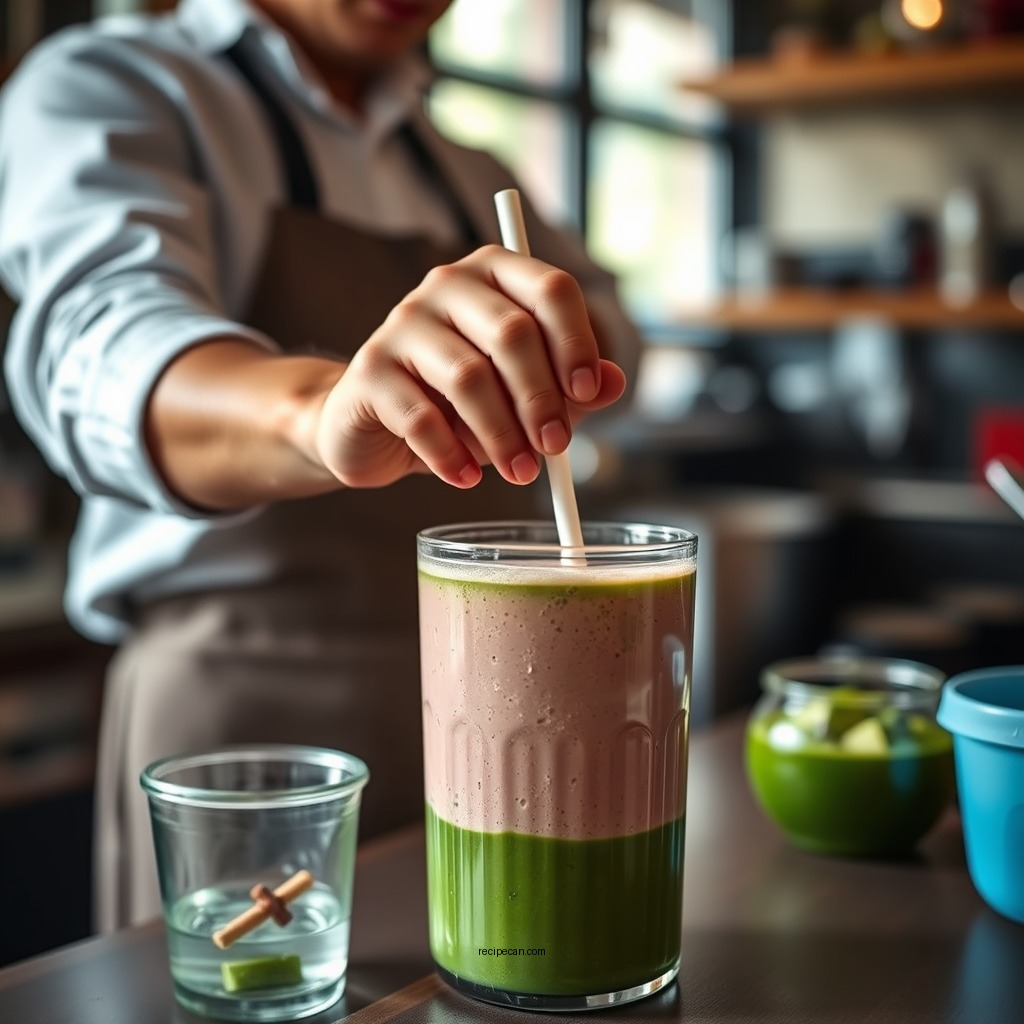
Making your green smoothie is quick and straightforward. Here’s a simple guide to help you through the process:
1. Wash and Prepare Your Greens and Fruits: Start by thoroughly washing your leafy greens to remove any dirt or pesticides. Cut the fruits into manageable pieces for easier blending. For example, slice bananas and chop apples into quarters.
2. Add All Ingredients to a Blender: Begin by pouring your chosen liquid base into the blender. This helps create a smoother blend and prevents ingredients from sticking to the blades. Layer the greens and fruits on top, ensuring the greens are at the bottom for better mixing.
3. Blend Until Smooth: Start blending on a low speed, gradually increasing to high. Blend for about 30-60 seconds or until the mixture reaches a smooth consistency. If the smoothie is too thick, add more liquid until you achieve your desired texture.
Enhancements and Variations
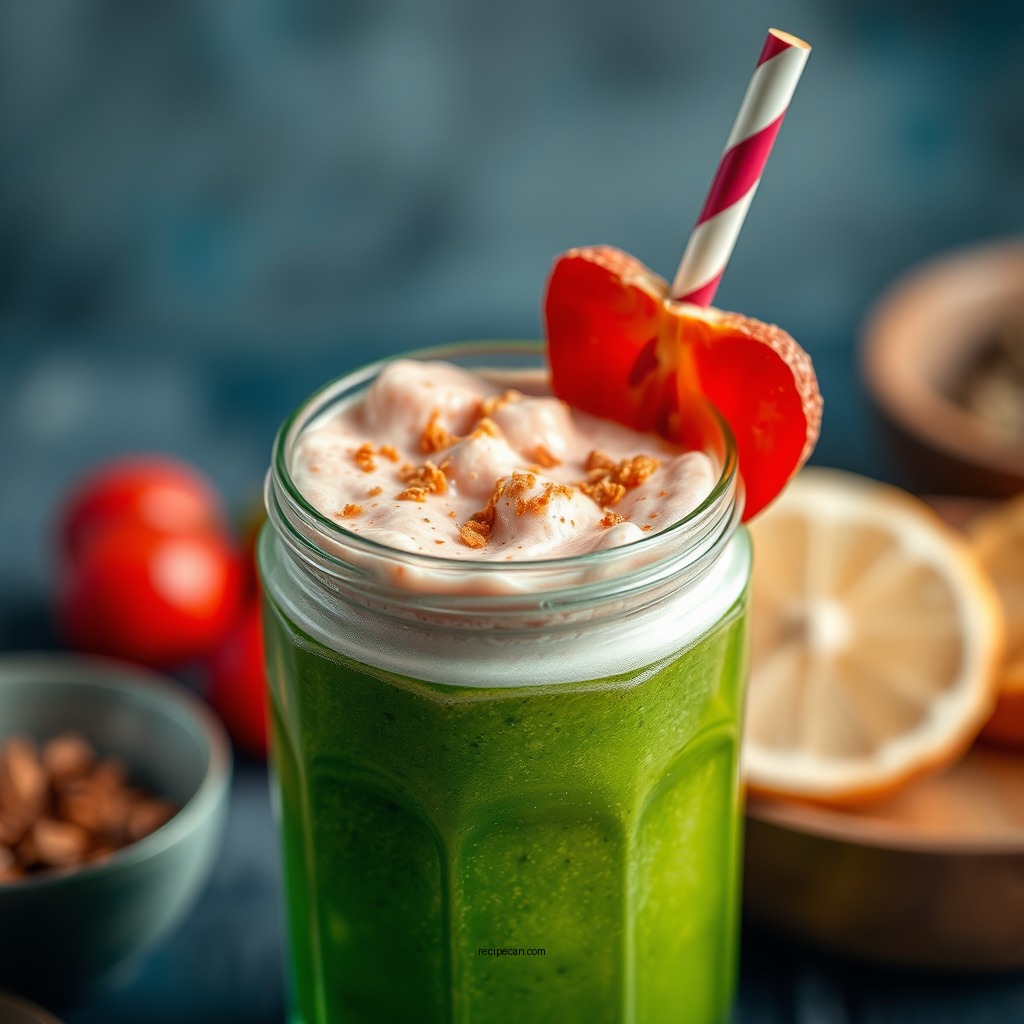
While the basic green smoothie recipe is delicious on its own, you can elevate it by incorporating additional ingredients.
– Add-ins: Consider adding protein powder, chia seeds, or nut butter for extra nutrition. Protein powder can help keep you fuller longer, while chia seeds are rich in omega-3 fatty acids and fiber. Nut butter adds healthy fats and a creamy texture.
– Flavor Boosters: A squeeze of lemon or a bit of fresh ginger can enhance the taste significantly. Lemon adds brightness and vitamin C, while ginger offers anti-inflammatory properties and a spicy kick that aids digestion.
– Seasonal Variations: Modify your smoothie based on seasonal fruits. In summer, berries like strawberries and blueberries can be used, while in fall, apples and pears work wonderfully. This not only keeps your smoothie interesting but also ensures you’re using fresh, in-season produce.
Nutritional Comparison of Common Green Smoothie Ingredients (100g)
| # | Ingredient | Calories | Protein (g) | Fiber (g) |
|---|---|---|---|---|
| 1 | Spinach | 23 | 2.9 | 2.2 |
| 2 | Kale | 35 | 4.3 | 2.0 |
| 3 | Banana | 89 | 1.1 | 2.6 |
| 4 | Apple | 52 | 0.3 | 2.4 |
| 5 | Mango | 60 | 0.8 | 1.6 |
| 6 | Chia Seeds | 486 | 16.5 | 34.4 |
| 7 | Almond Milk | 13 | 0.4 | 0.4 |
Nutritional Benefits of Green Smoothies
Green smoothies are an excellent way to incorporate a variety of nutrients into your diet. They offer several health benefits:
– Rich in Vitamins: Leafy greens, such as spinach and kale, are loaded with essential vitamins A, C, and K. Vitamin A supports eye health, while vitamin C boosts the immune system. Vitamin K is crucial for blood clotting and bone health.
– Fiber Content: The combination of fruits and greens in your smoothie contributes to a high fiber content, promoting digestive health. Fiber aids in maintaining a healthy gut, reduces cholesterol, and helps in weight management by keeping you fuller for longer.
– Hydration: Using water or coconut water as your liquid base not only enhances flavor but also keeps you hydrated. Proper hydration is essential for overall health, aiding in digestion, nutrient absorption, and temperature regulation.
Tips for the Perfect Green Smoothie
Crafting the ideal green smoothie involves some finesse. Here are some tips to ensure you create a delicious and nutritious beverage:
– Balance Flavors: Strive for a harmonious blend of sweet and savory ingredients. This will create a well-rounded flavor profile. For instance, pair sweet bananas with slightly bitter kale or spinach to mask any overpowering tastes.
– Experiment with Textures: Adjust the thickness of your smoothie by varying the amount of liquid or incorporating ice. If you prefer a thicker consistency, reduce the liquid or add frozen fruits.
– Freshness Matters: Always opt for fresh ingredients whenever possible. Fresh fruits and greens not only enhance flavor but also ensure you’re getting the maximum nutritional benefits.
Top Green Smoothie Ingredients by Nutrient Density (Per 100g)
Common Mistakes to Avoid
While preparing your green smoothie, it’s easy to make mistakes that can detract from its nutritional value and taste. Here are some common pitfalls to avoid:
– Over-blending: Blending for too long can break down the ingredients excessively, resulting in a watery consistency. Aim to blend just until smooth.
– Skipping Greens: Many people tend to skip greens in their smoothies, which can compromise the health benefits. Ensure that greens make up a significant portion of your smoothie for best results.
– Too Much Sugar: Be cautious with sweeteners, as many fruits are naturally sweet. Relying on fruits for sweetness is ideal, but avoid adding extra sugar or syrup, which can diminish the health benefits.
Creating a delicious green drink smoothie is not only simple but also a fantastic way to nourish your body. By following this recipe and tips, you can enjoy a vibrant and healthful drink any time of the day. Grab your blender, choose your favorite ingredients, and start blending your way to better health today!
Frequently Asked Questions
What are the best ingredients for a green drink smoothie recipe?
The best ingredients for a green drink smoothie typically include leafy greens like spinach or kale, a banana for sweetness, and a source of healthy fat such as avocado or nut butter. You can also add fruits like pineapple or mango for flavor, and protein sources like Greek yogurt or protein powder to enhance nutritional value.
How can I make my green drink smoothie taste better?
To improve the taste of your green drink smoothie, consider adding natural sweeteners like honey or agave syrup, and flavor boosters such as fresh ginger or mint leaves. Using frozen fruits can also enhance the texture and chill of the smoothie, making it more enjoyable to drink.
Why should I include green drinks in my diet?
Including green drinks in your diet provides a concentrated source of vitamins, minerals, and antioxidants, which can boost your immune system and improve overall health. They are also a great way to increase your daily vegetable intake, making it easier to meet recommended nutrition goals.
Which green drink smoothie recipes are best for beginners?
For beginners, a simple green drink smoothie recipe could include spinach, a banana, and almond milk. This combination is mild in flavor and easy to blend, making it a great starting point. You can gradually experiment with adding other ingredients like protein powders or superfoods to customize your smoothie.
What is the nutritional value of a typical green drink smoothie?
A typical green drink smoothie can provide a range of nutrients, including vitamins A, C, and K, as well as fiber and healthy fats, depending on the ingredients used. Generally, a well-balanced green smoothie can contain around 200-300 calories and offer a significant portion of your daily vegetable intake, making it a nutritious option for breakfast or a snack.
References
- Smoothie
https://en.wikipedia.org/wiki/Smoothie - https://www.ncbi.nlm.nih.gov/pmc/articles/PMC6520975/
https://www.ncbi.nlm.nih.gov/pmc/articles/PMC6520975/ - https://www.mayoclinic.org/healthy-lifestyle/nutrition-and-healthy-eating/in-depth/smoothies/art-20045817
https://www.mayoclinic.org/healthy-lifestyle/nutrition-and-healthy-eating/in-depth/smoothies/art-20045817 - https://www.cdc.gov/nutrition/resources-publications/index.html
https://www.cdc.gov/nutrition/resources-publications/index.html - Nutrition
https://www.who.int/health-topics/nutrition#tab=tab_1 - https://www.sciencedirect.com/topics/agricultural-and-biological-sciences/smoothie
https://www.sciencedirect.com/topics/agricultural-and-biological-sciences/smoothie - https://www.bbc.com/future/article/20210913-the-science-of-smoothies
https://www.bbc.com/future/article/20210913-the-science-of-smoothies - Google Scholar Google Scholar
https://scholar.google.com/scholar?q=green+drink+smoothie+recipe - Google Scholar Google Scholar
https://scholar.google.com/scholar?q=smoothie+nutrition+benefits - Google Scholar Google Scholar
https://scholar.google.com/scholar?q=healthy+smoothie+ingredients