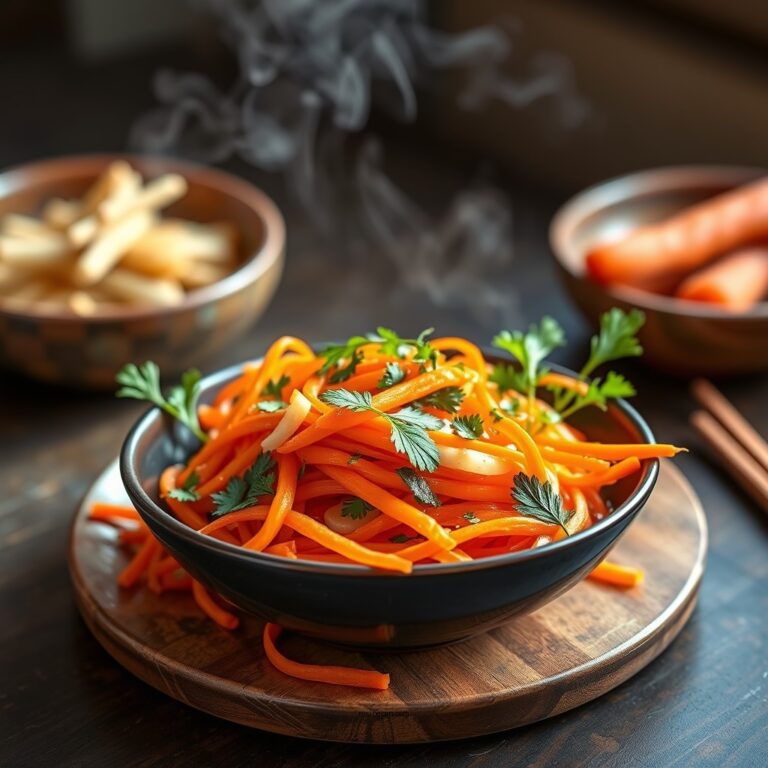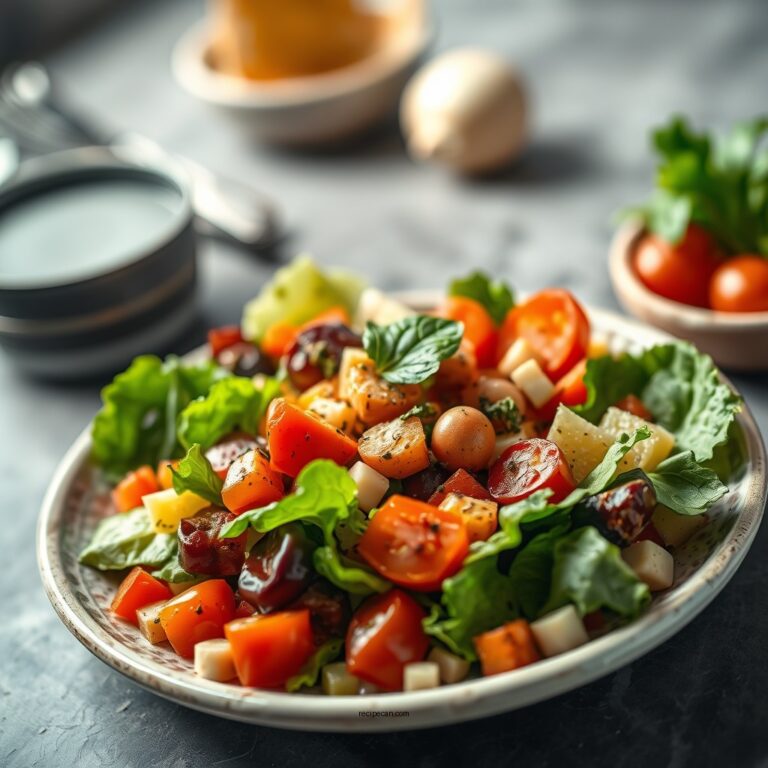
Discovering a simple and tasty AIP salad dressing recipe can elevate your meals while adhering to the Autoimmune Protocol. In this guide, you’ll learn how to create flavorful dressings that complement your salads without the use of common allergens. Get ready to enhance your dishes with these easy-to-make recipes!
Understanding AIP Ingredients
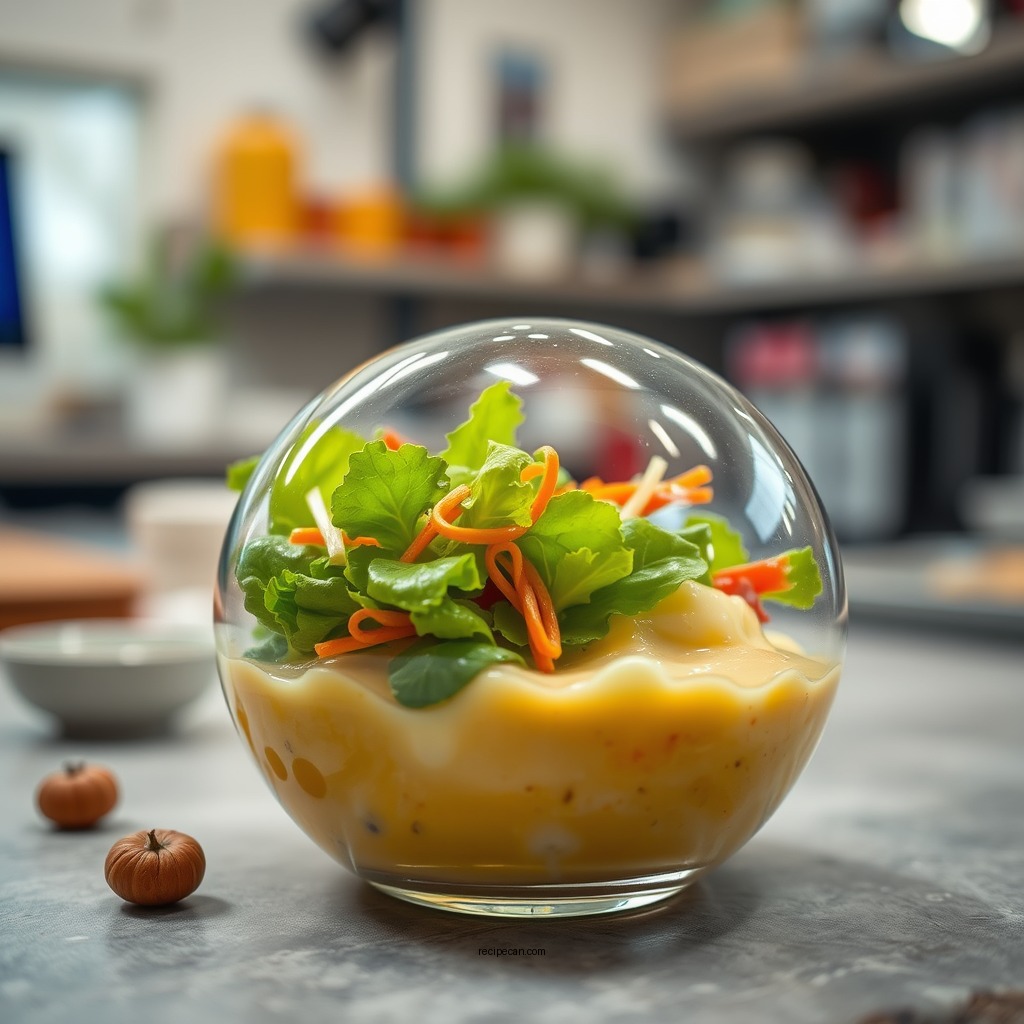
The Autoimmune Protocol (AIP) is a dietary approach designed to help individuals manage autoimmune diseases by eliminating foods that may trigger inflammation and immune responses. A critical component of this dietary lifestyle is understanding the ingredients that are compliant with AIP guidelines.
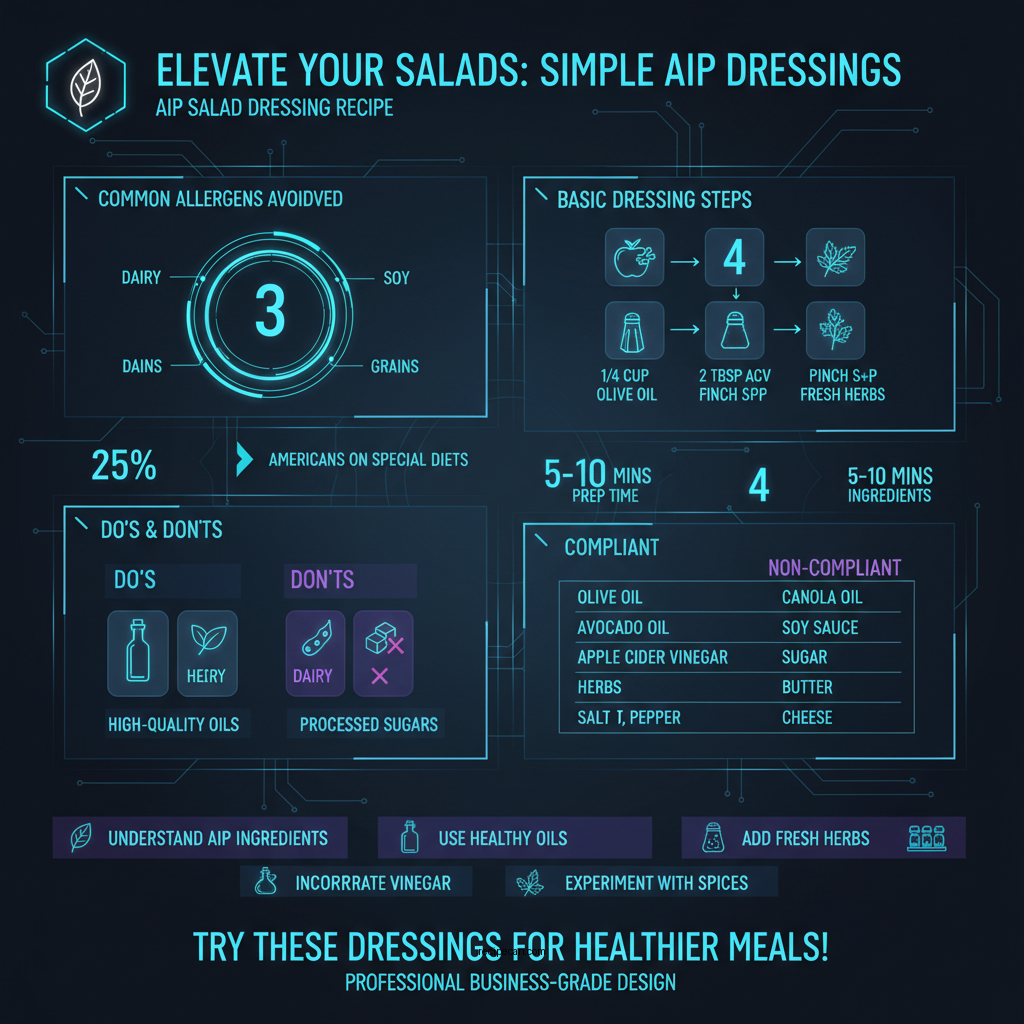
When crafting salad dressings, focus on compliant ingredients. Opt for high-quality oils such as olive oil or avocado oil, which are rich in healthy fats and provide a smooth texture. These oils serve as a wonderful base for your dressings and can add depth to your salads. Additionally, vinegars such as apple cider vinegar or coconut vinegar can add acidity and flavor without compromising AIP principles.
It is equally important to avoid common allergens that are not compliant with the AIP diet. Stay clear of dairy, soy, grains, and processed sugars, all of which can provoke inflammation and hinder healing. By prioritizing whole, natural ingredients, you can create delicious dressings that not only taste great but also support your health.
Basic AIP Salad Dressing Recipe

Crafting a basic AIP salad dressing is straightforward and requires minimal ingredients. Here’s a simple recipe to get you started:
1. Combine 1/4 cup olive oil with 2 tablespoons apple cider vinegar.
2. Add a pinch of salt and pepper for seasoning.
3. Whisk until combined.
This basic dressing is not only quick to prepare but also versatile. You can use it to dress a variety of salads, enhancing the flavors of your fresh vegetables while keeping your meal compliant with AIP regulations.
Flavor Variations
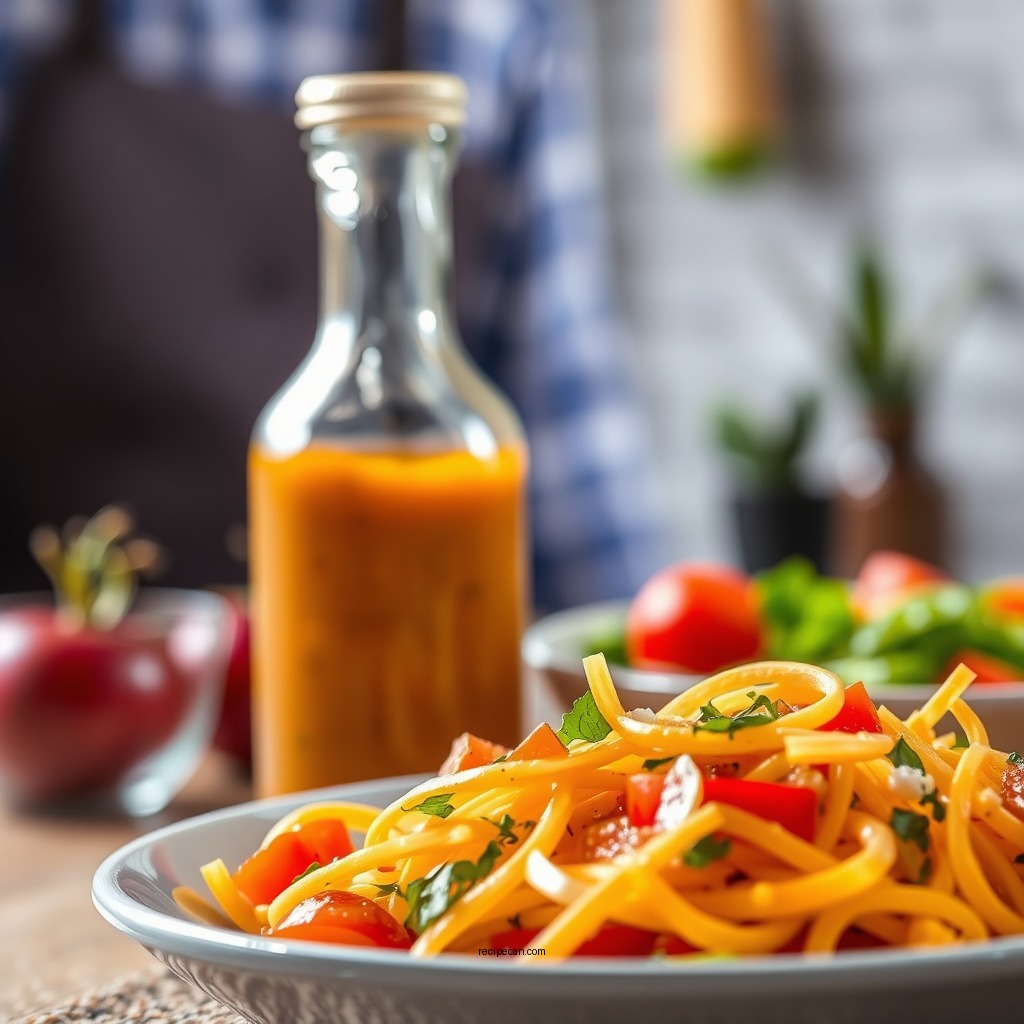
To keep your salads exciting, consider adding flavor variations to your basic dressing. Here are some ideas to elevate your AIP salad dressings:
– Add Fresh Herbs: Incorporate fresh, chopped herbs such as basil, cilantro, or parsley. These herbs not only enhance the flavor but also provide additional nutrients and antioxidants. For example, basil gives a sweet, aromatic touch, while cilantro adds a fresh, citrusy note.
– Experiment with Spices: Spices can add depth and complexity to your dressings. Consider incorporating garlic powder, onion powder, or dried mustard. These spices can transform a simple dressing into a gourmet experience. For instance, garlic powder can provide a robust flavor, while dried mustard can introduce a slight tanginess that complements many salad ingredients.
Popular AIP Salad Dressing Ingredients
| # | Ingredient | Flavor Profile | Nutritional Benefits |
|---|---|---|---|
| 1 | Olive Oil | Rich, Fruity | High in Monounsaturated Fats |
| 2 | Apple Cider Vinegar | Tangy, Sour | Supports Digestion |
| 3 | Coconut Vinegar | Slightly Sweet | Rich in Electrolytes |
| 4 | Garlic Powder | Savory, Pungent | Anti-inflammatory Properties |
| 5 | Basil | Sweet, Aromatic | Rich in Antioxidants |
| 6 | Dried Mustard | Tangy, Spicy | Promotes Metabolism |
| 7 | Cilantro | Fresh, Citrusy | Detoxifying Properties |
Using Citrus in Dressings
Citrus fruits can play a significant role in enhancing the flavor of your AIP salad dressings. Here are some practical suggestions for incorporating citrus into your dressings:
– Leverage Citrus Juices: Squeeze fresh lemon or lime juice into your dressings for a zesty kick. The acidity from the citrus not only brightens up the flavor but also complements the richness of oils, creating a balanced dressing that can enliven any salad.
– Balance Flavors: Mixing citrus with a sweet component like maple syrup can enhance the overall taste. The sweetness counteracts the acidity, resulting in a well-rounded dressing that can elevate even the simplest salad. For instance, a lemon-maple dressing can provide an enticing flavor profile that pairs well with bitter greens like arugula.
Citrus Varieties for AIP Dressings
Storing Your Dressings
Proper storage of your homemade AIP salad dressings is essential to maintain their freshness and flavor. Here are some crucial tips:
– Keep it Fresh: Store your dressings in an airtight container in the refrigerator for up to a week. This helps preserve the flavors and keeps the ingredients fresh.
– Shake Before Use: Homemade dressings can separate over time due to the natural ingredients used. Before serving, give the container a good shake to emulsify the ingredients again, ensuring that each serving delivers consistent flavor.
Pairing Dressings with Salads
The right dressing can transform a salad from mundane to extraordinary. Here are some pairing strategies to consider:
– Match Flavors: Use lighter dressings with delicate greens like spinach or arugula, and heavier dressings with robust vegetables such as kale or broccoli. For instance, a light lemon vinaigrette works wonderfully with delicate greens, while a creamy avocado dressing pairs well with heartier vegetables.
– Create Balanced Meals: Enhance your salads by incorporating proteins or healthy fats, such as grilled chicken, nuts, or seeds. This not only adds nutrition but also creates a more satisfying meal. A protein-rich salad topped with a tangy dressing can provide a complete, balanced dish perfect for lunch or dinner.
In conclusion, creating delicious and easy AIP salad dressings is both simple and rewarding. By understanding compliant ingredients, exploring flavor variations, and mastering the art of citrus incorporation, you can enhance your salads while adhering to the Autoimmune Protocol. Remember to store your dressings properly and pair them thoughtfully with your salads for the best dining experience. Don’t hesitate to experiment with different flavors and ingredients to discover your favorite combinations, fostering a healthy and enjoyable eating pattern.
Frequently Asked Questions
What ingredients do I need for an AIP salad dressing recipe?
To create a delicious AIP salad dressing, you will typically need ingredients such as olive oil, apple cider vinegar, lemon juice, herbs like oregano or basil, and a pinch of salt. You can also incorporate avocado or coconut milk for creaminess, ensuring the dressing remains compliant with the Autoimmune Protocol (AIP) diet.
How do I make a simple AIP salad dressing at home?
Making a simple AIP salad dressing is easy and quick. Start by whisking together 1/4 cup of olive oil, 2 tablespoons of apple cider vinegar, and the juice of half a lemon in a bowl. Add your choice of herbs and season with salt to taste, then mix until well combined.
Why is it important to use AIP-compliant ingredients in salad dressings?
Using AIP-compliant ingredients in salad dressings is crucial for those following the Autoimmune Protocol to avoid triggering inflammation or adverse reactions. Many common dressings contain dairy, sugar, and preservatives, which can exacerbate autoimmune symptoms, so it’s important to stick to whole, natural ingredients.
What are the best AIP salad dressing recipes for flavor and health?
The best AIP salad dressing recipes include balsamic vinaigrette made with balsamic vinegar, olive oil, and garlic powder, or a creamy avocado dressing blended with avocado, lemon juice, and herbs. These dressings not only provide robust flavors but also add healthy fats and nutrients to your salads.
Which AIP salad dressing can I use for meal prep and storage?
A great option for meal prep is a basic vinaigrette made with olive oil, apple cider vinegar, and herbs, as it can be stored in the refrigerator for up to a week. For longer storage, consider making a creamy dressing using coconut milk, which also holds up well, allowing you to enjoy flavorful, AIP-compliant salads throughout the week.
References
- Salad dressing
https://en.wikipedia.org/wiki/Salad_dressing - https://www.ncbi.nlm.nih.gov/pmc/articles/PMC7073471/
https://www.ncbi.nlm.nih.gov/pmc/articles/PMC7073471/ - Top 5 lifestyle changes to improve your cholesterol – Mayo Clinic
https://www.mayoclinic.org/healthy-lifestyle/nutrition-and-healthy-eating/in-depth/salad-dressings/art-20045935 - https://www.ncbi.nlm.nih.gov/pmc/articles/PMC5371774/
https://www.ncbi.nlm.nih.gov/pmc/articles/PMC5371774/ - https://www.health.harvard.edu/staying-healthy/how-to-make-a-healthy-salad
https://www.health.harvard.edu/staying-healthy/how-to-make-a-healthy-salad - https://www.cdc.gov/nutrition/index.html
https://www.cdc.gov/nutrition/index.html - https://www.sciencedirect.com/topics/food-science/salad-dressing
https://www.sciencedirect.com/topics/food-science/salad-dressing - Google Scholar Google Scholar
https://scholar.google.com/scholar?q=aip+salad+dressing+recipe - Google Scholar Google Scholar
https://scholar.google.com/scholar?q=salad+dressing+recipes+health+benefits - aip salad dressing recipe – Search results
https://en.wikipedia.org/wiki/Special:Search?search=aip+salad+dressing+recipe