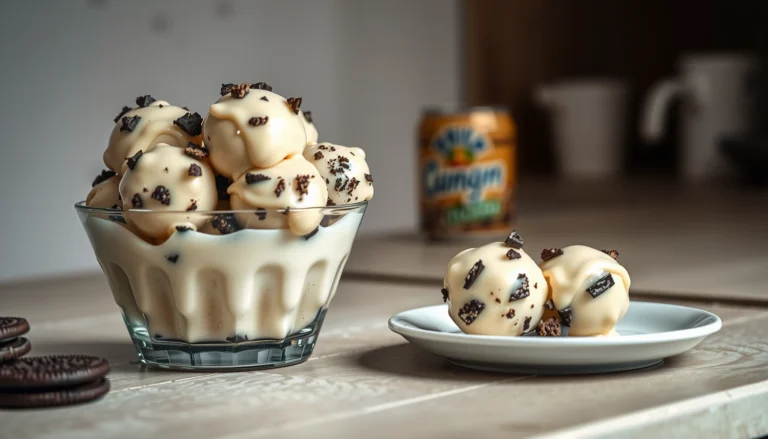
Making delicious dog cookies at home is simple and rewarding! With just a few ingredients, you can whip up tasty treats that your furry friend will love. This article will guide you through a straightforward dog cookie recipe, including tips for customizing flavors and ensuring your pup’s health, so you can provide them with safe and nutritious snacks.
Essential Ingredients for Dog Cookies

Creating homemade dog cookies begins with selecting the right ingredients. The following components are essential for a healthy and delectable treat:
– Whole Wheat Flour: This ingredient serves as the base for your cookies. Whole wheat flour is not only easy on your dog’s stomach but is also rich in fiber, which aids digestion. It is preferable to all-purpose flour due to its higher nutritional value.
– Peanut Butter: An excellent flavor that most dogs adore, peanut butter provides healthy fats and protein. Ensure you choose a variety that does not contain xylitol, as this sweetener is toxic to dogs. Natural peanut butter with no added sugars or salt is the best choice.
– Eggs: Eggs act as a binding agent, adding nutrition and moisture to the cookie dough. They are a great source of protein and also contain vitamins and minerals that are beneficial for your canine companion.
Step-by-Step Recipe Instructions

Creating your dog cookies doesn’t require culinary expertise. Follow these simple steps to bake up a batch of delicious treats:
1. Preheat Your Oven: Set your oven to 350°F (175°C). Preheating is crucial for even baking and achieving the perfect texture.
2. Mix Ingredients: In a large mixing bowl, combine 2 cups of whole wheat flour, 1 cup of natural peanut butter, and 1 egg. Mix thoroughly until a dough forms. You may need to use your hands for the final mixing to ensure everything is well incorporated.
3. Roll and Cut: Use a rolling pin to flatten the dough to about ½ inch thickness. Employ cookie cutters to cut out shapes. If you don’t have cookie cutters, you can simply cut the dough into squares or rectangles with a knife.
4. Place on Baking Sheet: Arrange the cut-out shapes onto a baking sheet lined with parchment paper, leaving some space between each cookie.
5. Bake: Place the baking sheet in the oven and bake for 20-25 minutes, or until the cookies are golden brown. The baking time may vary depending on the thickness of your cookies.
6. Cool: Once baked, let the cookies cool on the baking sheet for a few minutes before transferring them to a wire rack to cool completely.
Top Ingredients for Homemade Dog Cookies
| # | Ingredient | Nutritional Benefits | Common Usage |
|---|---|---|---|
| 1 | Whole Wheat Flour | Fiber, Protein | Base for cookies |
| 2 | Peanut Butter | Healthy Fats, Protein | Flavoring agent |
| 3 | Eggs | Protein, Vitamins | Binder and moisture |
| 4 | Pumpkin Puree | Fiber, Antioxidants | Flavor variation |
| 5 | Carrots | Vitamins, Fiber | Healthy addition |
| 6 | Bacon | Flavor, Protein | Savory option |
| 7 | Oats | Fiber, Nutrients | Base for cookies |
Baking and Cooling Tips

Baking is an art that requires attention to detail. Here are some tips to ensure your dog cookies turn out perfectly:
– Baking Time: The ideal baking time is between 20 to 25 minutes. Keep an eye on the cookies as they bake. Look for a golden brown color, which indicates they are finished. Underbaked cookies may be too soft, while overbaked ones could become too hard.
– Cooling Process: Once removed from the oven, let the cookies cool on the baking sheet for about 5 minutes. This allows them to firm up slightly before transferring them to a wire rack. Cooling on a wire rack helps maintain their texture and prevents sogginess.
Flavor Variations to Try
Homemade dog cookies can be easily customized to suit your pup’s taste preferences. Here are some flavor variations to consider:
– Pumpkin: Adding canned pumpkin puree not only provides a seasonal twist but also offers extra fiber, which can aid digestion. Dogs often love the taste of pumpkin, making it a favorite addition.
– Carrot: Grating fresh carrots into the dough adds a natural sweetness and boosts the nutritional value. Carrots are low-calorie treats packed with vitamins, making them an excellent option for training rewards.
– Bacon: Incorporate crumbled bacon into the dough for an irresistible savory flavor. Many dogs find bacon to be a treat that they simply cannot resist.
– Apple: Finely chop or puree unsweetened apple to incorporate into the dough. Apples are a good source of vitamins A and C and can add a delightful sweetness to the cookies.
– Sweet Potato: Mashed sweet potatoes can also be a wonderful addition, providing a rich flavor and a source of dietary fiber.
Storing Your Dog Cookies
Once your cookies have cooled completely, proper storage is essential to maintain their freshness:
– Airtight Container: Store the cookies in an airtight container at room temperature to keep them fresh for up to a week. This will help retain their texture and flavor.
– Freezing: For long-term storage, consider freezing the cookies. Place them in a freezer-safe container or bag, and they can last for up to three months. Simply defrost them as needed for a quick treat.
Health Considerations
As with any homemade treat, it is crucial to consider your dog’s health. Here are some important health tips:
– Always Check Ingredients: Ensure that all ingredients you use are safe for dogs. Avoid harmful items like chocolate, grapes, and xylitol, which are toxic to pets.
– Portion Control: Adjust the cookie sizes based on your dog’s size and dietary needs. Larger dogs can handle bigger treats, while smaller breeds may require smaller portions to avoid overindulgence.
– Monitor Reactions: Keep an eye on your dog after introducing any new treats. If they show any signs of allergies or digestive issues, discontinue the treat immediately and consult your veterinarian.
Your homemade dog cookies will not only be a hit with your pup but also allow you to control the ingredients for a healthier treat. By following this easy recipe and incorporating different flavors, you can keep treat time exciting and nutritious. Don’t wait—gather your ingredients and start baking today!
Frequently Asked Questions
What ingredients do I need for a basic dog cookie recipe?
To make a basic dog cookie recipe, you’ll need whole wheat flour, peanut butter (ensure it’s xylitol-free), eggs, and water. These simple ingredients not only create a tasty treat for your dog but also provide essential nutrients. You can also add variations like oats or pumpkin for added flavor and health benefits.
How can I make dog cookies without using flour?
If you want to make dog cookies without flour, you can use alternatives like oats or ground sweet potatoes. Simply blend the oats into a fine powder or cook and mash the sweet potatoes, then mix them with peanut butter and eggs to form a dough. This gluten-free option is healthy and still provides a chewy texture that dogs love.
Why should I bake homemade dog cookies instead of buying them?
Baking homemade dog cookies allows you to control the ingredients, ensuring they’re healthy and free from preservatives or harmful additives. Additionally, you can customize flavors to suit your dog’s preferences and dietary needs, making it a more personalized treat. It’s also a fun activity that can strengthen the bond between you and your furry friend.
What is the best way to store homemade dog cookies?
The best way to store homemade dog cookies is to keep them in an airtight container at room temperature for up to a week. For longer storage, you can freeze them in a ziplock bag or airtight container, which can extend their freshness for several months. Just remember to let them thaw before serving them to your dog.
Which baking method is best for dog cookies: baking or dehydrating?
Both baking and dehydrating have their benefits for making dog cookies. Baking typically yields a classic crunchy texture and is faster, while dehydrating can preserve nutrients better and create chewy treats. The choice depends on your dog’s preferences and dietary needs, so you might want to try both methods to see which your pup enjoys more.
References
- Dog food
https://en.wikipedia.org/wiki/Dog_food - Homemade Dog Treats: Recipes, Tips, & Tricks for Delicious DIY Treats
https://www.akc.org/expert-advice/nutrition/homemade-dog-treats/ - https://www.cdc.gov/healthypets/publications/pet-food-safety.html
https://www.cdc.gov/healthypets/publications/pet-food-safety.html - https://www.ncbi.nlm.nih.gov/pmc/articles/PMC7053656/
https://www.ncbi.nlm.nih.gov/pmc/articles/PMC7053656/ - https://www.mayoclinic.org/healthy-lifestyle/pet-health/in-depth/dog-nutrition/art-20045061
https://www.mayoclinic.org/healthy-lifestyle/pet-health/in-depth/dog-nutrition/art-20045061 - https://www.royalcanin.com/us/dogs/recipes
https://www.royalcanin.com/us/dogs/recipes - https://www.sciencedirect.com/topics/agricultural-and-biological-sciences/dog-food
https://www.sciencedirect.com/topics/agricultural-and-biological-sciences/dog-food - Google Scholar Google Scholar
https://scholar.google.com/scholar?q=dog+cookie+recipe - Google Scholar Google Scholar
https://scholar.google.com/scholar?q=homemade+dog+treats - Google Scholar Google Scholar
https://scholar.google.com/scholar?q=nutritional+needs+of+dogs