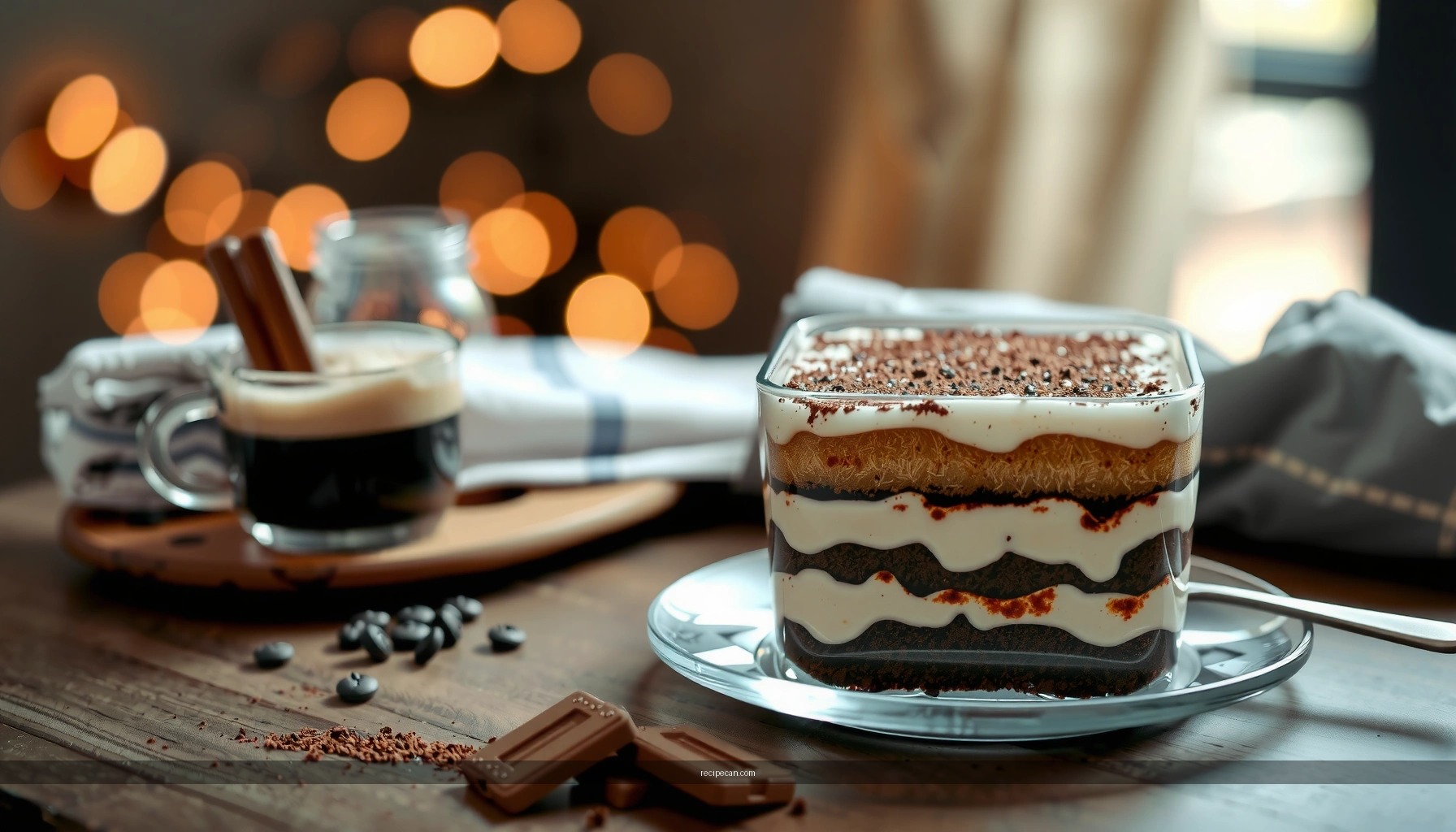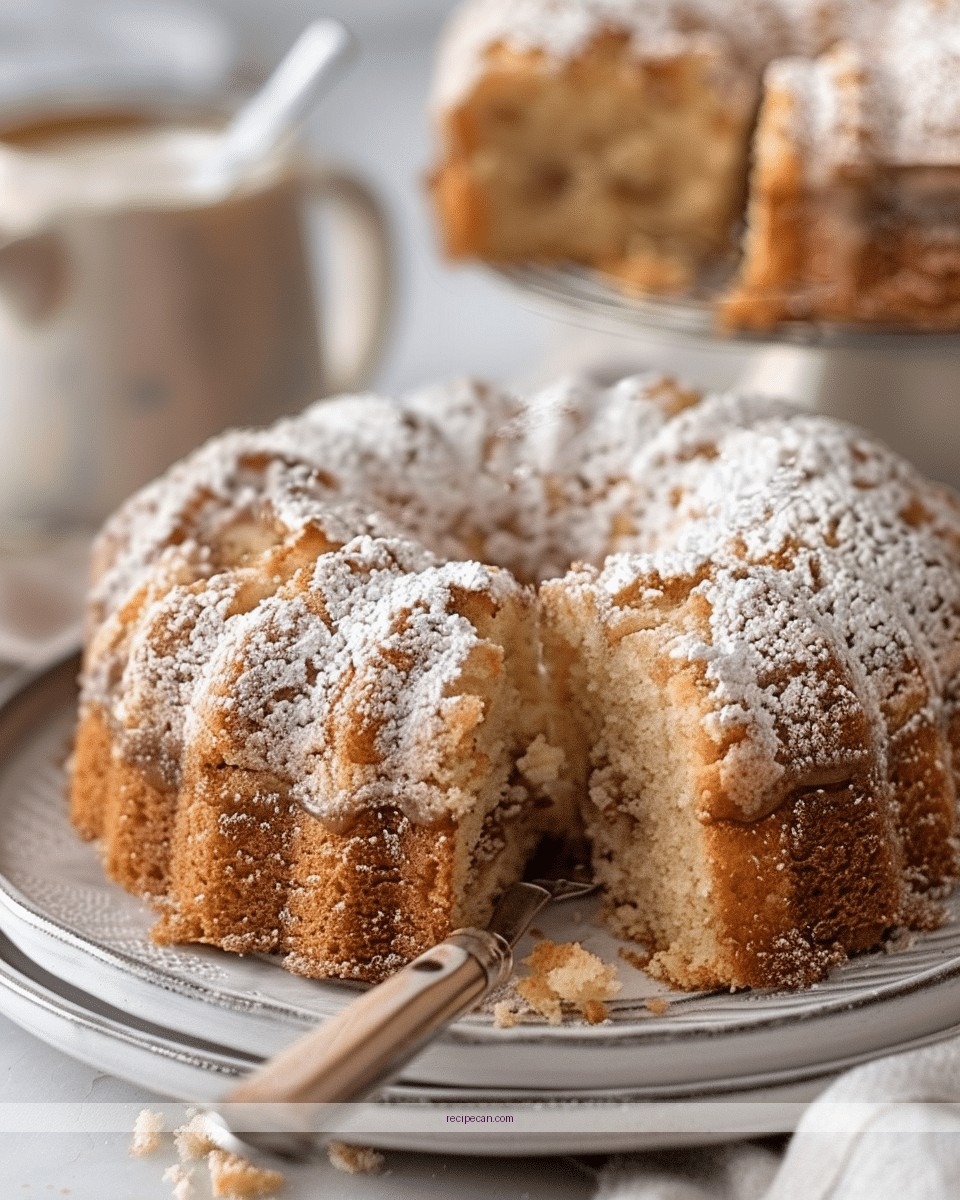
Master the art of baking buttermilk coffee cake with this expert guide, designed for home bakers seeking precision and flavor. This step-by-step protocol ensures that you achieve the perfect balance of moistness and richness that defines a classic coffee cake. Understanding each stage of the process is crucial, as even minor deviations can impact the final product. Follow these instructions carefully to elevate your baking skills and delight your taste buds.
What This Guide Covers (And What It Doesn’t)
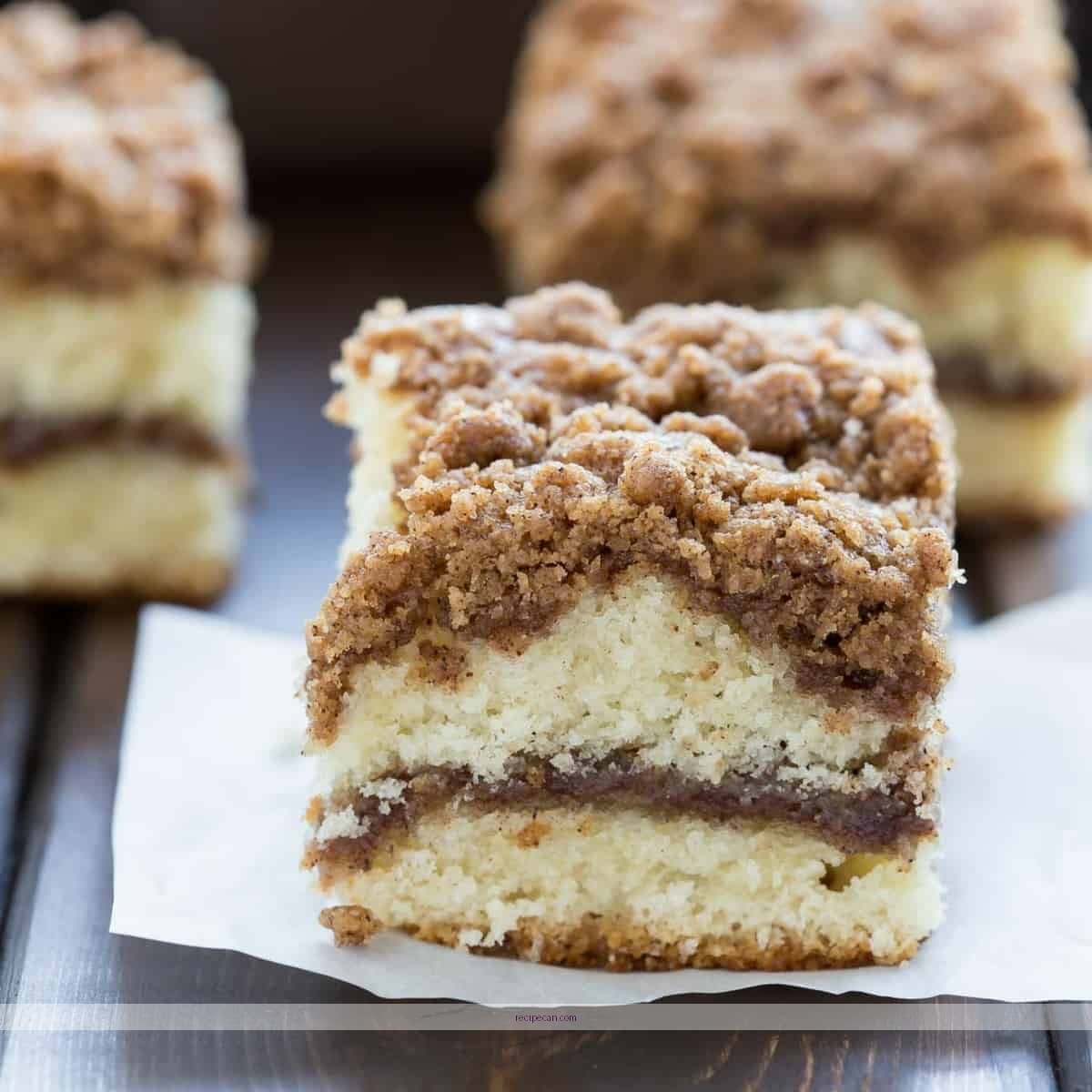
This guide offers a comprehensive recipe for baking buttermilk coffee cake, detailing ingredient measurements, preparation techniques, and baking times. It intentionally leaves out variations of coffee cake that do not include buttermilk, as well as recipes that require specialized equipment or advanced baking skills. Designed for home bakers, this guide ensures you create a moist, flavorful coffee cake perfect for breakfast or dessert, providing precise steps to achieve the best results. If you’re looking for dietary modifications, such as gluten-free or vegan alternatives, this guide will not meet those needs.
Who Should Read This
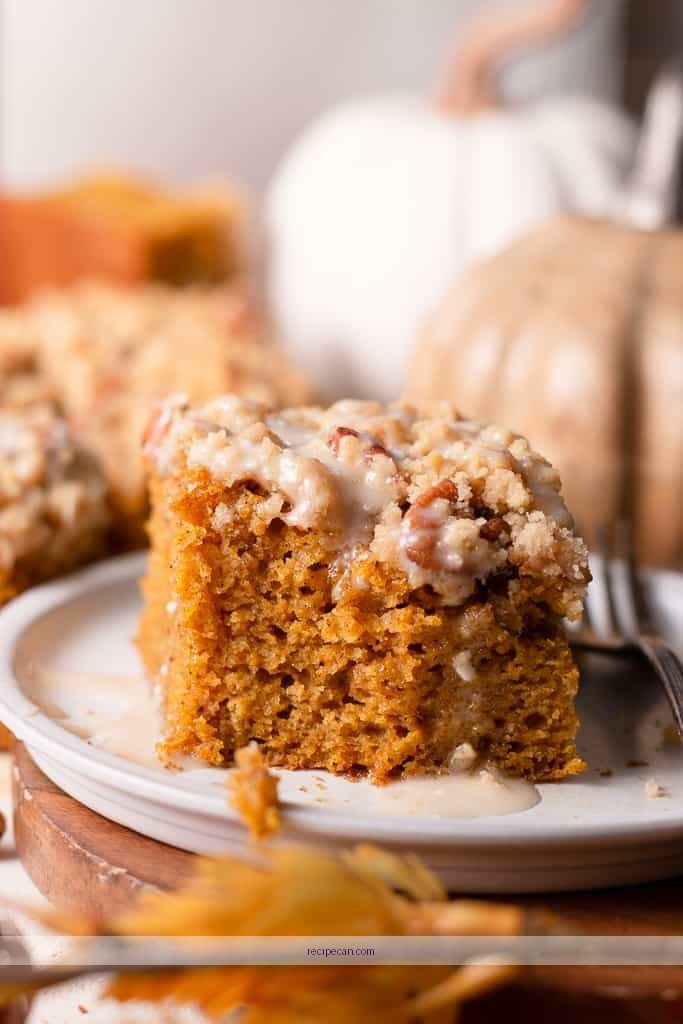
This guide is crafted for home bakers with a basic grasp of baking techniques, including measuring, mixing, and effective oven use. It’s perfect for those who enjoy baking from scratch and are eager to enhance their skills by mastering the art of buttermilk coffee cake. Beginners may find it beneficial if they are committed to following instructions closely and have access to standard baking tools. Meanwhile, experienced bakers can use this guide as a refresher or for perfecting their existing recipes.
The Step-by-Step Protocol
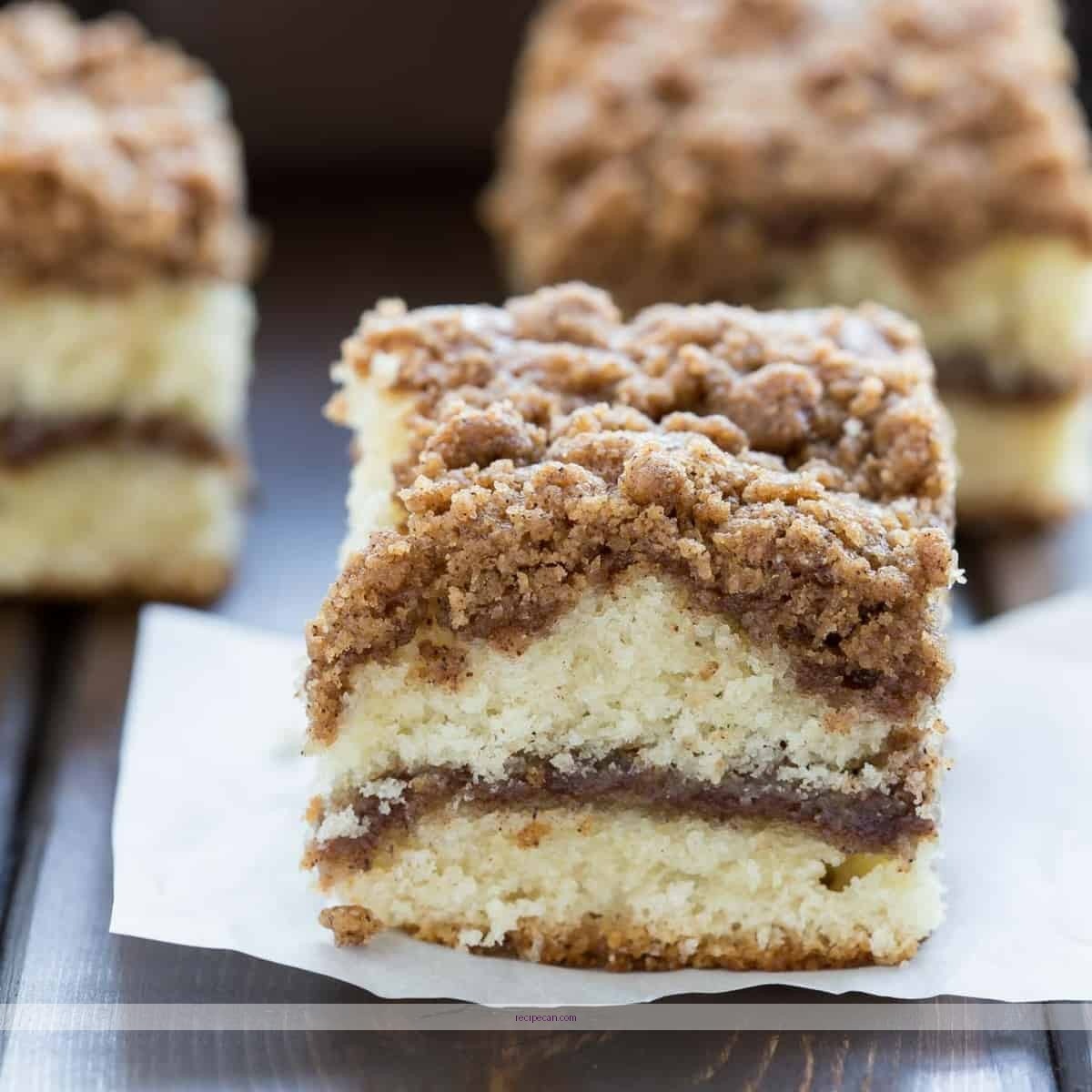
1. Gather Ingredients: Assemble 2 cups all-purpose flour, 1 teaspoon baking powder, 1/2 teaspoon baking soda, 1/2 teaspoon salt, 1/2 cup unsalted butter (softened), 1 cup granulated sugar, 2 large eggs, 1 cup buttermilk, and 1 teaspoon vanilla extract.
2. Preheat the Oven: Set your oven to 350°F (175°C) and grease a 9×13 inch baking pan with butter or cooking spray.
3. Mix Dry Ingredients: In a medium bowl, whisk together the flour, baking powder, baking soda, and salt until well combined, ensuring no lumps remain.
4. Cream Butter and Sugar: In a large mixing bowl, beat the softened butter and granulated sugar together with a hand mixer on medium speed until light and fluffy, about 3-4 minutes.
5. Incorporate Eggs and Vanilla: Add the eggs one at a time, mixing well after each addition, then stir in the vanilla extract until fully combined.
6. Combine Mixtures: Gradually add the dry ingredient mixture to the butter mixture, alternating with the buttermilk, starting and ending with the dry ingredients. Mix until just combined, taking care to avoid overmixing.
7. Pour and Spread: Pour the batter into the prepared baking pan, spreading it evenly with a spatula.
8. Bake: Place the pan in the preheated oven and bake for 30-35 minutes, or until a toothpick inserted in the center comes out clean.
9. Cool and Serve: Allow the cake to cool in the pan for 10-15 minutes before transferring it to a wire rack. Serve warm or at room temperature.
Top Ingredients for Buttermilk Coffee Cake
| # | Ingredient | Quantity | Purpose |
|---|---|---|---|
| 1 | All-Purpose Flour | 2 cups | Structure |
| 2 | Baking Powder | 1 tsp | Leavening |
| 3 | Baking Soda | 1/2 tsp | Leavening |
| 4 | Salt | 1/2 tsp | Flavor |
| 5 | Unsalted Butter | 1/2 cup | Moisture |
| 6 | Granulated Sugar | 1 cup | Sweetness |
| 7 | Large Eggs | 2 | Structure & Moisture |
| 8 | Buttermilk | 1 cup | Moisture & Flavor |
| 9 | Vanilla Extract | 1 tsp | Flavor |
Warning Signs: When Not to Follow This
Avoid this recipe if you are allergic to dairy, as buttermilk is a critical ingredient; consider a non-dairy alternative if needed. Don’t attempt this recipe if your oven is malfunctioning or if you lack essential baking tools, such as measuring cups or mixing bowls, which are vital for accuracy. If you have never baked before or lack basic kitchen safety knowledge (e.g., handling hot pans), it may be best to start with simpler recipes. Additionally, if you live in a high-altitude area, adjustments to baking times and ingredient ratios may be necessary; be sure to consult specific high-altitude baking guidelines before proceeding.
The Most Common Mistakes (And Their Consequences)
Overmixing the batter is a frequent error that results in a dense, tough coffee cake rather than a light, fluffy texture. Using cold buttermilk instead of allowing it to reach room temperature can lead to uneven rising and dryness. Neglecting to properly grease the baking pan may cause the coffee cake to stick, complicating removal and ruining its appearance. Lastly, skipping the cooling step before slicing can produce a crumbly texture and uneven pieces, as the cake needs time to set adequately.
Special Cases That Need a Different Approach
Baking at high altitudes (above 3,000 feet) requires some adjustments; consider adding an extra tablespoon of flour while slightly reducing the buttermilk for optimal results. If you prefer a sweeter coffee cake, a streusel topping made from 1/2 cup brown sugar, 1/2 cup flour, and 1/4 cup melted butter can elevate the flavor before baking. For gluten-sensitive individuals, substituting all-purpose flour with a gluten-free blend that includes xanthan gum is essential for maintaining structure. If you’re feeling adventurous, a chocolate variant can be achieved by adding 1/2 cup unsweetened cocoa powder to the dry ingredients and adjusting the sugar accordingly.
When You Need a Professional
For those with severe food allergies or dietary restrictions that complicate the recipe, consulting a registered dietitian or nutritionist specializing in food allergies is wise. If you’re uncertain about your oven’s accuracy or have faced repeated baking failures, seek advice from a professional baker or an experienced home cook who can offer personalized guidance. Persistent kitchen accidents or injuries while baking might indicate the need for a cooking class focused on safety and fundamental baking skills. Lastly, if you require advanced modifications for medical conditions (like diabetes), collaborating with a healthcare professional can help you adapt the recipe to meet your dietary needs.
Sources and Further Reading
– King Arthur Baking Company: “Baking with Buttermilk” – a resource detailing the benefits and uses of buttermilk in baking.
– The Joy of Cooking: A classic cookbook that includes various coffee cake recipes and baking techniques.
– Food Network: “How to Bake Perfect Cakes” – offers foundational knowledge for cake baking, including tips specific to buttermilk cakes.
– USDA Food Composition Databases: For accurate nutritional information on ingredients used in baking buttermilk coffee cake.
Frequently Asked Questions
What ingredients are needed for a buttermilk coffee cake recipe?
A classic buttermilk coffee cake recipe typically requires all-purpose flour, sugar, baking powder, baking soda, salt, eggs, buttermilk, and butter. You may also want to include vanilla extract for flavor and a streusel topping made from flour, sugar, and cinnamon for added texture and taste.
How do you make buttermilk coffee cake moist and flavorful?
To ensure your buttermilk coffee cake is moist and flavorful, use room temperature ingredients, especially the buttermilk and eggs, as they blend more easily. Additionally, don’t overmix the batter; just combine the ingredients until they are moistened, and consider adding a bit of sour cream or extra butter for richness.
Why is buttermilk used in coffee cake recipes?
Buttermilk is used in coffee cake recipes because it adds moisture and a slight tanginess that balances the sweetness of the cake. It also reacts with baking soda and powder to create a lighter texture, making your coffee cake fluffier and more tender.
What is the best way to store leftover buttermilk coffee cake?
The best way to store leftover buttermilk coffee cake is to wrap it tightly in plastic wrap or aluminum foil and keep it at room temperature for up to three days. For longer storage, you can freeze individual slices in an airtight container for up to three months, allowing you to enjoy a slice whenever you like.
Which toppings pair well with buttermilk coffee cake?
Popular toppings that pair well with buttermilk coffee cake include a simple glaze made from powdered sugar and milk, fresh fruit like berries, or a dollop of whipped cream. You can also sprinkle powdered sugar or cinnamon sugar on top for an extra touch of sweetness and visual appeal.
References
- Coffee cake
https://en.wikipedia.org/wiki/Coffee_cake - https://www.bbc.com/food/recipes/buttermilk_coffee_cake_92920
https://www.bbc.com/food/recipes/buttermilk_coffee_cake_92920 - Tater Tot Casserole Recipe
https://www.nytimes.com/recipes/1020916/buttermilk-coffee-cake.html - https://www.foodnetwork.com/recipes/buttermilk-coffee-cake-recipe-1943441
https://www.foodnetwork.com/recipes/buttermilk-coffee-cake-recipe-1943441 - Google Scholar Google Scholar
https://scholar.google.com/scholar?q=buttermilk+coffee+cake+recipe - Google Scholar Google Scholar
https://scholar.google.com/scholar?q=buttermilk+cake+recipes - Google Scholar Google Scholar
https://scholar.google.com/scholar?q=coffee+cake+buttermilk+recipe - https://www.cookinglight.com/recipes/buttermilk-coffee-cake
https://www.cookinglight.com/recipes/buttermilk-coffee-cake - https://www.thekitchn.com/buttermilk-coffee-cake-recipe-229129
https://www.thekitchn.com/buttermilk-coffee-cake-recipe-229129 - buttermilk coffee cake recipe – Search results
https://en.wikipedia.org/wiki/Special:Search?search=buttermilk+coffee+cake+recipe