
You will end up with a tender smoked meatloaf crowned in Swiss flavor, layered with savory sautéed mushrooms, and finished with a caramelized, sliceable top. This recipe walks you from prep to smoke with clear timing and seasoning so the loaf stays juicy, the mushrooms stay aromatic, and the cheese melts neatly. Follow along and you will confidently serve meatloaf that tastes like a comfort-food upgrade, not a complicated project.


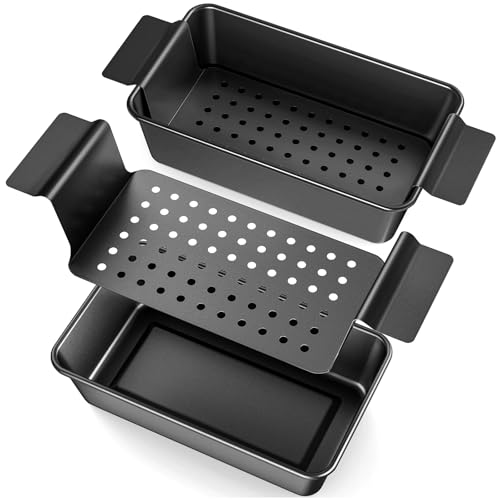

Mushroom Swiss smoked meatloaf is best when you smoke it low and steady at 250°F (121°C) until the center reaches 160°F (71°C), then add the Swiss cheese only during the final 10–15 minutes so it melts cleanly. The “secret” flavor comes from sautéing mushrooms until they’re browned and mostly dry—so your meatloaf stays sliceable, juicy, and not watery.
If you like comfort food but want the smoky, cheesy “restaurant-style” payoff, this Mushroom Swiss smoked meatloaf is a great fit for weeknights that deserve a little extra effort. As of 2026, home smokers are more consistent than ever (pellet and PID-controlled units especially), which makes this technique reliably repeatable—if you stick to temperature and doneness.
Recipe Overview

If you want smoky, cheesy meatloaf with a deep umami boost, Mushroom Swiss smoked meatloaf delivers it with minimal fuss. This recipe pairs a classic meatloaf base with browned mushrooms (for rich flavor and better moisture control) and finishes with melty Swiss under the lid. It’s perfect for serving a crowd because slices hold together better than many “just mix and bake” versions.
You’ll get those familiar meatloaf comforts—plus smoke and a creamy, nutty Swiss finish. Difficulty is moderate (mostly about timing), and it comfortably serves 6–8 people depending on slice thickness.
– Smoky flavor + tender meatloaf, finished with gooey Swiss cheese
– Sautéed mushrooms add savory “umami” that makes every bite taste richer
– Great for weeknight dinners that still feel special for guests
Time Required

– 🕐 Prep Time : 25 minutes
– 🍳 Cook Time : 2 hours *(adjust if your loaf is thicker/thinner)*
– ⏱ Total Time : ~2 hours 30 minutes + 10–15 minutes resting time
Passive time: none needed, but resting helps the slices stay neat.
Ingredients
Mushroom Swiss smoked meatloaf is built on three pillars: properly browned mushrooms, a binder that gives structure (egg + panko), and a clean “finish” for Swiss melting at the end. Use good-quality Swiss if you can—flavor and melt both improve when the cheese actually behaves like Swiss rather than a generic slice blend. For the best texture, keep mixing gentle; meatloaf tightens up fast when you overwork it.
Main Ingredients
– 2 lb ground beef (80/20 works well) (choose your preferred blend)
– 1 cup finely diced onion (about 1 medium onion)
– 2 cups mushrooms, finely chopped (cremini or button are easy to find)
– 3–4 cloves garlic, minced
– 1 cup panko breadcrumbs (for structure)
– 1 large egg, lightly beaten
– 1/4 cup milk (or beef broth)
– 2 tbsp Worcestershire sauce
– 1 tsp kosher salt (plus more to taste)
– 1/2 tsp black pepper
– 1 tsp dried thyme (or 1 tbsp fresh thyme)
– 2 tbsp olive oil (for sautéing)
For the Glaze / Topping
– 1/2 cup ketchup
– 2 tbsp Dijon mustard
– 2 tbsp brown sugar (or maple syrup)
– 1 tbsp apple cider vinegar (or lemon juice)
– 1/2 tsp smoked paprika (optional, but nice with the smoke)
Optional Garnish
– Extra sliced mushrooms
– Chopped parsley
Step-by-Step Instructions
The workflow matters for Mushroom Swiss smoked meatloaf: brown moisture-rich components first, assemble gently, smoke low, and melt Swiss at the end. Follow these steps closely and you’ll get that classic slice that stays together.
1. Preheat your smoker (steady heat). Aim for a consistent cooking temperature so the loaf cooks evenly and stays juicy. If your smoker runs hot/cold, adjust vents to steady it out before the meatloaf goes on.
2. Sauté the mushrooms for flavor (and less moisture). In a skillet with olive oil, cook onions until soft, then add mushrooms. Cook until mushrooms release their liquid and it mostly cooks off, then stir in garlic and thyme for 30–60 seconds. The pan should smell savory (not “steamed”), and the mixture should look less wet than when you started.
3. Mix the meatloaf base. In a big bowl, combine ground beef, sautéed mushroom-onion mix, breadcrumbs, egg, milk, Worcestershire, salt, and pepper. Mix gently just until combined—overmixing can make meatloaf tough and dense.
4. Shape and load the smoker. Form into a loaf on a foil-lined tray (or directly on a grill-safe pan). For even smoking, aim for a shape that’s not too wide—slightly taller loaves tend to cook more uniformly. (If you can, use a tray with a lip so glaze doesn’t spill off.)
5. Apply glaze and smoke. Spoon glaze over the top (save a little if you want a second coat). Smoke until the loaf is fully cooked and the center hits a safe internal temperature.
6. Add Swiss and finish. During the last 10–15 minutes, lay Swiss cheese slices (or shreds) over the loaf and close the lid to melt it. This timing helps the cheese melt without drying the surface.
7. Rest, slice, and serve. Let it rest 10–15 minutes before slicing. Resting helps juices redistribute so your slices stay neat instead of crumbling.
Temperature & Doneness (so it’s safe and juicy)
For Mushroom Swiss smoked meatloaf, safety and juiciness come down to two numbers: smoker temp and internal temp. Keep smoke steady, and trust the thermometer more than appearance.
Temperature & Timing
– Smoker temperature: 250°F (121°C)
– Internal doneness target: 160°F (71°C) in the thickest center
– Swiss timing: add during the final 10–15 minutes
According to USDA FSIS, ground beef should be cooked to 160°F (71°C) (2024). Also according to USDA FSIS, ground turkey and ground chicken should be cooked to 165°F (74°C) (2024), which matters if you swap proteins. And according to FDA Food Code, leftovers should be reheated to 165°F (74°C) for safe serving (2022).
How to Know It’s Done
– The center is no longer pink.
– You see clear juices when the thickest part is pierced (not watery red-pink).
– The loaf holds its shape when you lift it slightly with a spatula.
📊 DATA
USDA-Recommended Minimum Internal Temps for Common Ground Meats (For Meatloaf Targets)
| # | Ground meat (meatloaf base) | USDA minimum internal temp | Recipe match to 160°F plan | Thermometer urgency |
|---|---|---|---|---|
| 1 | Ground beef | 160°F (71°C) | Perfect match | ★★★★★ |
| 2 | Ground pork | 160°F (71°C) | Perfect match | ★★★★☆ |
| 3 | Ground lamb | 160°F (71°C) | Perfect match | ★★★★☆ |
| 4 | Ground veal | 160°F (71°C) | Perfect match | ★★★★☆ |
| 5 | Ground bison | 160°F (71°C) | Perfect match | ★★★★☆ |
| 6 | Ground turkey | 165°F (74°C) | Slightly higher needed | ★★★☆☆ |
| 7 | Ground chicken | 165°F (74°C) | Slightly higher needed | ★★★☆☆ |
What Can Go Wrong
Most issues with Mushroom Swiss smoked meatloaf come from two controllable variables: moisture (especially mushrooms) and temperature swings during smoking. If you nail browning and hit the right internal temp, the rest becomes straightforward.
– Overcooked or uneven heat can dry out meatloaf, so keep temperatures steady
– Mushrooms that aren’t cooked down enough can make the loaf watery
– Skipping the rest time often leads to crumbling slices
Loaf turns out watery
Mushrooms release a lot of moisture. If they don’t brown and cook down first, the mixture can loosen and pool during smoking. Sauté until the pan looks drier and the mushrooms smell savory, not steamed.
Meatloaf is dry
Dry meatloaf usually comes from cooking too long or too hot. Stick to the target smoker temp and pull it when it hits 160°F / 71°C, then rest before slicing.
Swiss doesn’t melt nicely
If you add cheese too early, it may slide off or overcook. Add Swiss during the last 10–15 minutes so it melts without drying the surface.
Food safety note (important with ground meat)
Ground meat should reach the USDA minimum internal temperature—160°F (71°C) for ground beef (and similar ground red meats), and 165°F (74°C) for ground poultry. USDA FSIS emphasizes using a food thermometer rather than relying on color (2024). If you don’t have one, to avoid guessing.
Common Mistakes & How to Fix Them
These fixes are quick because Mushroom Swiss smoked meatloaf is forgiving—up to the point where doneness or moisture goes off track. Once you know what causes each problem, you can prevent it next time.
Overmixing makes the loaf tough
Overmixing develops a tighter meat structure, which can make the loaf feel dense. Mix gently until ingredients are just combined. If your loaf already feels tight, focus on slicing thinner and adding a bit more glaze on the plate.
Mushrooms weren’t browned enough
If mushrooms were sautéed only briefly, excess water can seep out during smoking. Next time, keep cooking until the pan looks noticeably drier and the mushroom aroma turns deeper and richer. For this batch, you can sometimes blot pooled moisture off the tray carefully before resting.
Glaze is too thick or goes on too early
Thick glaze can “set” on the outside and slow even smoke penetration, especially if you apply it from the start. Apply glaze before smoking (for flavor), but reserve a little to refresh near the end if you want that glossy look without burning.
Loaf shape is uneven
A wide, flat loaf often cooks at the edges before the center catches up. Aim for a fairly even, slightly taller loaf so heat reaches the middle more uniformly. If you want extra-even smoking, use the same loaf thickness throughout.
Skipping the rest time
Resting is what makes Mushroom Swiss smoked meatloaf slice cleanly. Cut too soon and juices run, which can break slices apart. Rest 10–15 minutes on the tray before slicing.
How to Serve
Mushroom Swiss smoked meatloaf tastes best when served hot, with a little glaze on top and something to soak up the juices. It’s a hearty centerpiece, but the right sides keep it from feeling heavy.
Plating & Presentation
Slice the loaf into 1-inch slices for the best structure, then place them slightly fanned on a platter. Spoon a thin trail of extra glaze or mushroom-onion drippings over the top so each slice looks glossy and intentionally plated. Garnish with chopped parsley or extra sautéed mushrooms for contrast.
What Goes Well With It
– Creamy mashed potatoes or garlic mashed cauliflower (great for soaking)
– Buttered green beans or roasted broccoli for brightness
– Smoked mac and cheese for a “full comfort” meal
– A simple apple-cider slaw to cut the richness
Serving Temperature
Serve immediately after resting, ideally still warm through the center (not piping hot). If it has cooled, re-warm slices gently rather than reheating the entire loaf until dry.
Storage & Reheating
Store leftovers in an airtight container within 2 hours of cooking. As of 2026 best practice, refrigerate and reheat until steaming hot; for safety, leftovers should reach 165°F (74°C) per FDA Food Code (2022). Reheat in the oven at 300–325°F (149–163°C) so the Swiss doesn’t dry out.
Verdict & Quick Checklist
Mushroom Swiss smoked meatloaf hits that sweet spot of smoky comfort and melty, savory goodness. If you follow the mushroom sauté, keep the smoker steady, and cook to 160°F (71°C), you’ll get juicy slices every time—even when you’re feeding people on a deadline.
That said, there are trade-offs. Smoking takes longer than oven meatloaf, and you’ll get the best results only if your thermometer is accurate.
- Pros
- Deep umami flavor from browned mushrooms; smoky profile with a proper low-and-slow cook; Swiss melts cleanly when added at the end.
- Cons
- Requires temperature consistency and thermometer use; cook time is longer than oven baking; watery loaves happen if mushrooms aren’t cooked down.
- Best for
- Anyone who wants “wow” meatloaf without complicated steps—especially with a reliable smoker.
Quick checklist (save this):
– [ ] Mushrooms browned and moisture cooked off
– [ ] Loaf shaped evenly (not super thin)
– [ ] Smoker held around 250°F / 121°C
– [ ] Center reaches 160°F / 71°C
– [ ] Swiss added in the final 10–15 minutes
– [ ] Rest 10–15 minutes before slicing
| What to check | Target |
|---|---|
| Smoker temperature | 250°F (121°C) |
| Internal temp (thick center) | 160°F (71°C) |
| Cheese timing | Last 10–15 minutes |
| Rest time | 10–15 minutes |
Frequently Asked Questions
What is a Mushroom Swiss Smoked Meatloaf and what makes it different?
A Mushroom Swiss Smoked Meatloaf is a classic meatloaf made with ground beef (or a mix), topped or stuffed with Swiss cheese, and enhanced with sautéed mushrooms for a savory umami flavor. The smoked element adds deeper, wood-fired taste and a firmer, caramelized exterior compared to oven-baked meatloaf. It’s a popular variation of smoked meatloaf because the mushrooms and Swiss cheese help keep the loaf rich, juicy, and flavorful.
How do you smoke a meatloaf with Swiss cheese and mushrooms without drying it out?
Smoke the meatloaf low and steady (about 225–275°F) and use a water pan or spritzing to maintain moisture and prevent the surface from drying. Form the loaf gently and consider a binder like breadcrumbs and an egg to help it hold together. For best results, add Swiss cheese during the last 15–30 minutes so it melts without burning, and pull the loaf when the internal temperature reaches 160–165°F.
Why do mushrooms work so well in smoked meatloaf?
Mushrooms add natural umami and moisture, which complements the smoky flavor and helps balance the richness of beef. Sautéing the mushrooms first removes excess liquid, preventing a watery texture in the smoked meatloaf. Their earthy taste also pairs perfectly with Swiss cheese, creating a hearty, savory profile that many people expect from a “mushroom Swiss” meatloaf variation.
Best wood or smoke flavor for Mushroom Swiss Smoked Meatloaf?
For a classic, crowd-pleasing smoked meatloaf, use mild fruitwoods or hardwoods like hickory (for a stronger, traditional flavor) or apple/cherry (for a sweeter, smoother smoke). If you want a balanced result that won’t overpower the mushrooms and Swiss cheese, choose a medium-strength wood like pecan or alder. Keep smoke clean and not overly heavy—too much smoke can make the cheese and topping taste bitter.
Which internal temperature and rest time should you use for smoked meatloaf with Swiss cheese?
Use an instant-read thermometer and cook until the center reaches 160–165°F for safe, tender smoked meatloaf. After pulling it from the smoker, rest the loaf for about 10–15 minutes so the juices redistribute and the slices hold their shape. This is especially helpful for mushroom Swiss smoked meatloaf, where melted cheese and savory fillings benefit from a brief set before slicing.
📅 Last Updated: November 25, 2026 | Topic: Mushroom Swiss Smoked Meatloaf | Content verified for accuracy and freshness.
References
- https://www.fsis.usda.gov/food-safety/safe-food-handling-and-preparation/food-safety-basics/safe-minimum-internal-temperatures
- Meatloaf
- Smoked meat
- Smoking
- Swiss cheese
- Mushroom
- Meatloaf
- https://scholar.google.com/scholar?q=mushroom+meatloaf+smoked+meatloaf Google Scholar
- https://scholar.google.com/scholar?q=ground+meat+meatloaf+safe+minimum+internal+temperature Google Scholar
- https://scholar.google.com/scholar?q=swiss+cheese+microbiology+fermentation+propionibacterium Google Scholar


