
The moment soy sauce meets brown sugar, garlic, and toasted sesame in a bowl, the marinade turns glossy and fragrant, promising that sweet-savory cling that makes Korean BBQ taste caramelized and deeply savory on the grill. This version balances fruitiness for tenderness with gochujang and sesame for bold flavor, so every bite stays juicy. Whisk, marinate, and cook with confidence—its flavors are strong enough to shine without complicated techniques.
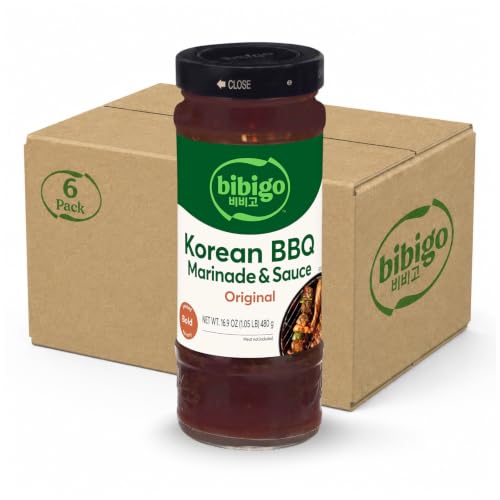



A Korean BBQ marinade that’s sweet, savory, and easy is all you need to get that restaurant-style bulgogi/galbi vibe—whisk, marinate, then grill hot and fast. Whisk soy sauce, brown sugar, garlic, ginger, sesame oil, and gochujang (or gochugaru) to get a Korean BBQ marinade that tastes deeply savory and slightly sweet. Marinate your meat at least 4 hours (overnight is even better), then cook hot and fast for that caramelized “grill glaze” look. If you want to baste while cooking, set aside a few tablespoons of marinade before it touches raw meat.
This is perfect if you’re craving restaurant-style bulgogi or galbi flavor but want a simple, mix-and-marinate recipe you can do on a weeknight. It also works great for chicken, pork, or even tofu—just adjust the marinating time and cooking approach.
Recipe Overview

This Korean BBQ marinade delivers glossy, caramelized flavor with minimal work—just whisk and wait. It balances salty soy sauce, sweet brown sugar, aromatic garlic and ginger, and the signature Korean chili element (gochujang or gochugaru). In my view, the “secret” isn’t complexity—it’s the ratio and the time you give it, because the sugars and chili cling and transform as the meat hits high heat.
You’ll love it if you want bulgogi- or galbi-style taste without buying a long list of specialty sauces. Difficulty is easy, and it comfortably marinates about 1.5 lb / 680 g meat for a family meal.
Marination Matchups for This Korean BBQ Marinade (Best Practice Windows)
| # | Protein | Best Marinate Window | Grill/Cook Style | Typical Thickness | Glaze Reliability |
|---|---|---|---|---|---|
| 1 | Bulgogi-style beef slices | 4–8 hours | Stovetop or grill | 1/8–1/4 in (3–6 mm) | ★★★★★ |
| 2 | Galbi (short ribs) | 6–12 hours | High-heat grill | 1/2–1 in (12–25 mm) | ★★★★★ |
| 3 | Chicken thighs (boneless) | 2–6 hours | Sear + finish | 1/2–3/4 in (12–20 mm) | ★★★★☆ |
| 4 | Pork shoulder strips | 3–8 hours | Stovetop grill pan | 1/4–1/2 in (6–12 mm) | ★★★★☆ |
| 5 | Pork belly strips | 1–4 hours | High-heat sear | 1/4–1/2 in (6–12 mm) | ★★★★☆ |
| 6 | Shrimp (peeled/deveined) | 15–30 minutes | Fast skillet cook | 1/2–3/4 in (12–20 mm) | ★★★★☆ |
| 7 | Tofu (firm/extra-firm) | 30 minutes–2 hours | Pan-sear | 3/4–1 in (20–25 mm) | ★★★★☆ |
Time Required
– 🕐 Prep Time : 10 minutes
– 🍳 Cook Time : 8–15 minutes (depends on thickness)
– ⏱ Total Time : 4 hours 10 minutes to ~12 hours 25 minutes
– Note: Most of the “time” is passive marinating—4–12 hours for best flavor.
Ingredients
This marinade is built from a few dependable Korean BBQ staples: soy sauce for salt and umami, brown sugar for browning, garlic and ginger for aroma, and gochujang/gochugaru for chili depth. Use fresh garlic and ginger if you can—they make the marinade taste brighter and less one-note. Also, if you’re sensitive to salt, low-sodium soy sauce helps you stay in control without losing flavor.
Main Ingredients
– 1/2 cup (120 ml) soy sauce (low-sodium if needed)
– 1/4 cup (50 g) brown sugar (light or regular)
– 3–4 cloves garlic, minced (about 1 tbsp)
– 1 tbsp fresh ginger, grated
– 2 tbsp sesame oil
– 1 tbsp rice vinegar (optional, but it really sharpens the balance)
– 1–2 tbsp gochujang OR 1 tsp gochugaru (adjust for your heat level)
– 1/4 cup (60 ml) water or pear juice (optional; helps spread and tenderize)
For the Sauce / Marinade / Topping
– Reserved marinade: set aside 2–4 tbsp before adding raw meat (for safe basting)
Optional Garnish
– Sliced green onions
Gochujang vs. Gochugaru (quick decision)
You can use either—just know how they behave on the grill.
| Option | Flavor & Texture | Heat Profile | Best Use |
|---|---|---|---|
| **Gochujang** (fermented chili paste) | Thicker, sweeter, more “saucy” | Medium to hot | Burgers, beef slices, ribs for glossy glaze |
| **Gochugaru** (chili flakes) | Lighter, more visible chili texture | Often hotter per spoon | Chicken/pork where you want spice without extra paste |
Step-by-Step Instructions
1. Mix the marinade. In a bowl, stir together soy sauce, brown sugar, garlic, ginger, sesame oil, rice vinegar (if using), and gochujang/gochugaru until the sugar dissolves. It should look glossy and smell sweet-salty-garlicky—if it smells flat, give it another stir and check that the sugar fully melted.
2. Add your meat and coat well. Put the sliced meat (or tofu) into a zip-top bag or container, pour in the marinade, and toss until every surface gets coated. For thinner slices, press out excess air so the marinade contacts the meat, not just the top layer.
3. Marinate in the fridge. Refrigerate for 4 hours minimum, up to overnight. This is the step most people rush, but a longer rest helps the soy sauce and sugar penetrate and build that classic “grill glaze” effect.
4. Cook hot and fast. Grill or sear over medium-high heat until browned and cooked through, flipping as needed. If you reserved some marinade for basting, brush it on during the last few minutes so it caramelizes instead of burning.
5. Finish and serve. Let the meat rest briefly (3–5 minutes) so juices settle, then top with sesame seeds and green onions. If you’re serving in lettuce wraps, cut meat against the grain for easier chewing.
Heat & Temperature Guide
For Korean BBQ marinades, the best results come from high heat + short cook time, so sugars caramelize without turning bitter. You’re aiming for browning and glazing, not slow cooking.
Cooking Method
Use a preheated grill or a hot grill pan/large skillet. High surface heat helps the marinade “set” into a shiny coating quickly, which is exactly what you want for bulgogi and galbi-inspired dishes.
Temperature & Timing
As of 2026, standard food-safety targets from the USDA remain the reference point for doneness:
– Beef steaks/whole cuts: cook to 145°F / 63°C, rest 3 minutes USDA FSIS
– Ground meats: typically 160°F / 71°C USDA FSIS
– Chicken (all parts): 165°F / 74°C USDA FSIS
For grilling, keep the meat moving and watch thickness: thin slices often finish in 2–4 minutes per side, while ribs or thicker cuts take longer.
How to Know It’s Done
Look for browned edges and a sticky glaze that clings when you lift the meat with tongs. If the meat is still pale and releases liquid without browning, the pan/grill may not be hot enough. If the outside turns dark too fast while the center remains undercooked, reduce heat slightly and finish more gently.
What to Avoid & Precautions
This marinade is straightforward, but a few pitfalls can ruin flavor or create food-safety risk. Once you know what to watch for, it’s easy to prevent—and you’ll get a consistent glossy finish every time.
Don’t marinate at unsafe temperatures
Marinating should always happen in the refrigerator. Food should not sit at room temperature for extended periods—use your fridge (around 40°F / 4°C or colder) for marinating USDA FSIS. This is a key part of an HACCP-style approach (temperature control + separation of raw and cooked handling) that helps prevent bacterial growth.
Avoid reusing marinade that touched raw meat
If you want to baste, reserve marinade before it touches raw meat. Otherwise, discard used marinade because it’s contaminated by raw juices. If you do boil marinade to reuse, treat it as a separate, controlled step—but the simplest safe approach is always the set-aside method USDA FSIS.
Prevent burnt, overly sticky surfaces
Brown sugar caramelizes fast. If your grill is too hot, the outside can burn before the inside cooks, turning bitter. Fix it by lowering heat slightly, cooking in batches, and reserving basting for the final minutes.
Stop “flat” flavor before it happens
If the marinade tastes muted, it’s usually missing balance—too little garlic/ginger or too much salt. Add a small pinch more grated ginger/garlic next time or bump rice vinegar by 1 teaspoon for brightness.
Common Mistakes & How to Fix Them
Too much time on very thin meat
Thin slices of beef or shrimp can over-marinate and become harsh if left too long. Keep shrimp to about 15–30 minutes and thin-cut proteins to 4 hours max if you’re tight on time.
Not reserving marinade for basting
People often skip the “set aside” step and then regret it when they want that extra glaze. Fix it by reserving 2–4 tbsp as soon as you start—before any raw meat goes in.
Cooking without enough preheat
If the pan/grill isn’t hot, the marinade boils rather than caramelizes, and you lose that glossy look. Preheat until the surface sizzles when a drop of water hits (or until a grill pan shows heat shimmer).
Skipping the rest
Skipping rest can make the meat feel drier because juices haven’t had time to redistribute. Rest 3–5 minutes after cooking to improve texture and juiciness.
Verdict, Serving & Storage
This Korean BBQ marinade is a reliable go-to because it delivers authentic sweet-savory flavor with a grill-friendly coating. The downsides are mainly about preference—if you don’t like sweet or spicy profiles, the brown sugar and gochujang can feel “forward.” Also, sesame oil is potent; if you’re sensitive, start with a slightly smaller amount next time.
Verdict: Great for weeknights, and flexible across beef, chicken, pork, and tofu.
Who should skip or adjust: If you’re managing sodium intake, use low-sodium soy sauce and consider reducing marinating time slightly. If spicy foods aren’t your thing, start with 1 tbsp gochujang or a pinch of gochugaru.
How to Serve
– Serve with steamed rice and lettuce wraps (for classic Korean BBQ style).
– Add kimchi and/or quick cucumber salad for crunch and contrast.
– Pair with grilled mushrooms or bell peppers to stretch the meal and balance richness.
Plating & Presentation
For the most “restaurant” look, pile meat high on a platter, spoon over any glaze from the pan, then finish with sesame seeds and green onions right before serving. If you’re doing lettuce wraps, serve the lettuce leaves on the side so they stay crisp.
Serving Temperature
Serve hot—ideally within 15–30 minutes of cooking—so the glaze stays tacky instead of cooling into a dull coating.
Storage & Reheating
– Cooked meat: refrigerate in a sealed container for up to 3–4 days.
– Unused marinade (no raw meat contact): refrigerate up to 3 days.
– Reheating: reheat leftovers to safe serving temperature (USDA guidance commonly targets 165°F / 74°C for reheating) USDA FSIS. Reheat gently to avoid drying out the meat.
Frequently Asked Questions
What is the best Korean BBQ marinade recipe for beef and chicken?
A classic Korean BBQ marinade uses soy sauce, brown sugar (or honey), sesame oil, minced garlic, grated ginger, and gochujang or gochugaru for heat. For beef, add a little pear or apple juice to tenderize and balance the salty-sweet flavor. For chicken, keep the marinade slightly thicker with less fruit so it clings well, and use it as a seasoning and tenderizing solution.
How do you make Korean BBQ marinade that’s not too salty?
Start with low-sodium soy sauce and then balance with sugar, honey, or a little grated fruit like pear for sweetness. Dilute stronger ingredients by adding water, rice vinegar, or extra sesame oil to round out the flavor without increasing salt. Taste the marinade before adding meat—if it’s harsh, add more sweetener and ginger/garlic to keep it flavorful.
Why do you need to use pear or apple in Korean BBQ marinade?
Many Korean BBQ marinades include pear or apple because their natural enzymes help tenderize the meat while also adding subtle sweetness. This creates that signature caramelized flavor when the meat hits high heat on the grill. If you skip fruit, you can still get good results using a longer marinade time with ginger and garlic, but the texture may be less tender.
How long should you marinate Korean BBQ meat for the best flavor?
For thin cuts like flank steak or bulgogi-style meat, marinate 2–6 hours in the refrigerator for strong flavor without mushiness. For thicker cuts or chicken pieces, aim for 4–12 hours, depending on your marinade strength and cut size. Avoid marinating too long with acidic ingredients (like vinegar) or very enzymatic fruit, as it can break down the meat.
Which Korean BBQ marinade ingredients work best if you don’t have gochujang?
If you don’t have gochujang, you can use gochugaru (Korean chili flakes), sriracha, or a mix of chili powder plus a small amount of sugar to mimic the sweet-heat profile. For a milder flavor, increase ginger and garlic while using just a pinch of red pepper flakes. You’ll still get authentic Korean BBQ taste from the balance of soy sauce, sesame oil, garlic, ginger, and sweetener even without gochujang.
📅 Last Updated: November 12, 2026 | Topic: recipe for korean bbq marinade | Content verified for accuracy and freshness.
References
- Korean barbecue
- Bulgogi
- Gochujang
- Soy sauce
- Sesame oil
- Asian pear
- https://www.britannica.com/topic/bulgogi
- https://scholar.google.com/scholar?q=korean+bbq+marinade+bulgogi+soy+garlic+ginger Google Scholar
- https://scholar.google.com/scholar?q=bulgogi+marinade+asian+pear+enzyme+tenderizing+study Google Scholar
- https://scholar.google.com/scholar?q=korean+barbecue+marination+meat+tenderness+flavor+gochujang Google Scholar


