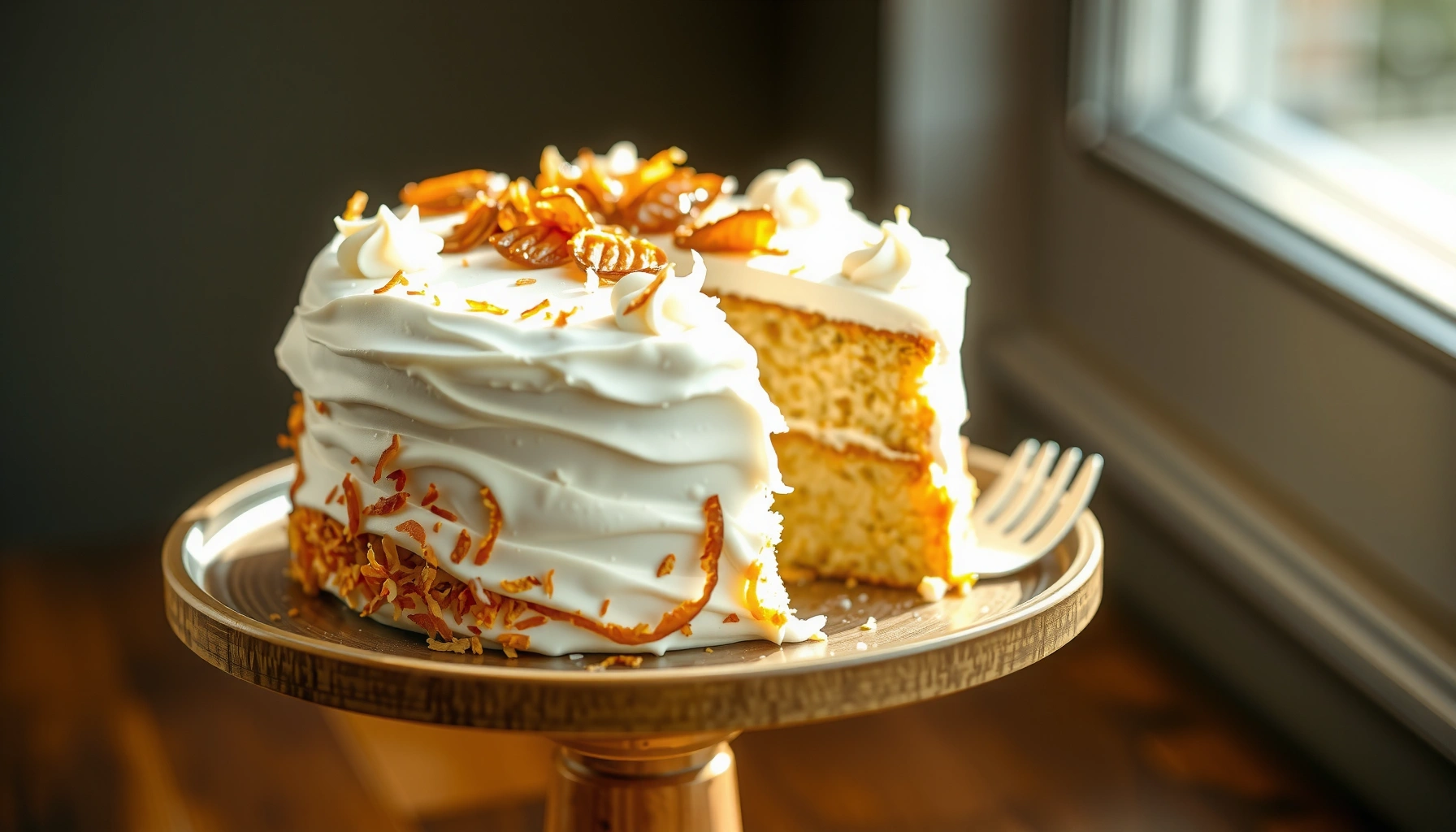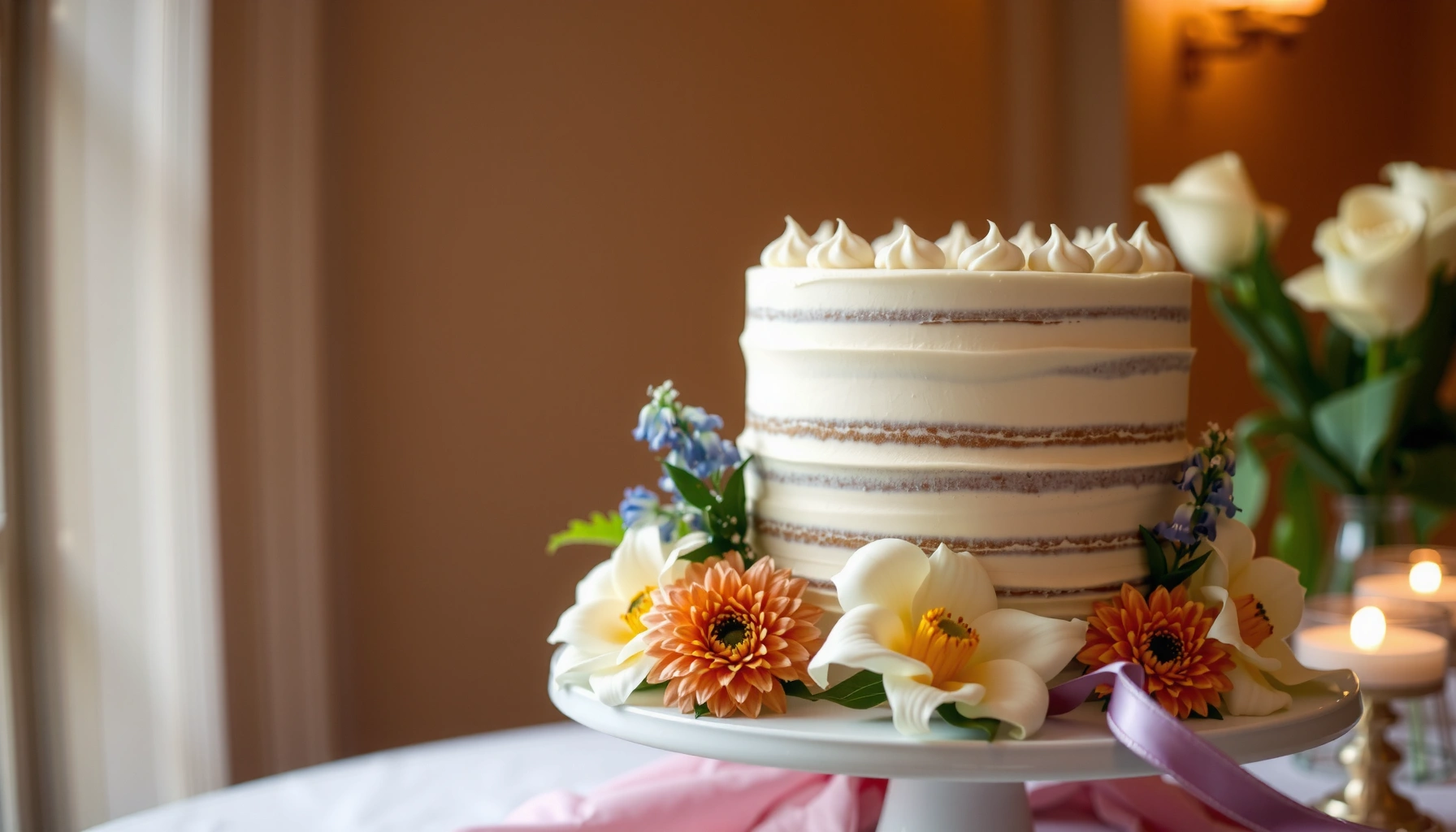
Searching for a white wedding cake recipe that reliably delivers classic vanilla layers and smooth, elegant frosting? This recipe is the clear winner when you need dependable structure for tall, slice-perfect tiers plus a clean vanilla flavor that tastes bridal, not bland. You’ll get straightforward steps, exact bake timing guidance, and a frosting method designed to finish crisp and wedding-ready.
Bake a classic white wedding cake with tender vanilla layers and a stable, pipeable white frosting—then build it tier-by-tier with dowel support and a smooth crumb coat. If you focus on three things—(1) properly mixed vanilla batter, (2) level, fully cooled layers, and (3) a frosting that holds its shape—you’ll get a wedding-ready cake that looks professional and stacks reliably.
Ingredients for a Classic White Wedding Cake
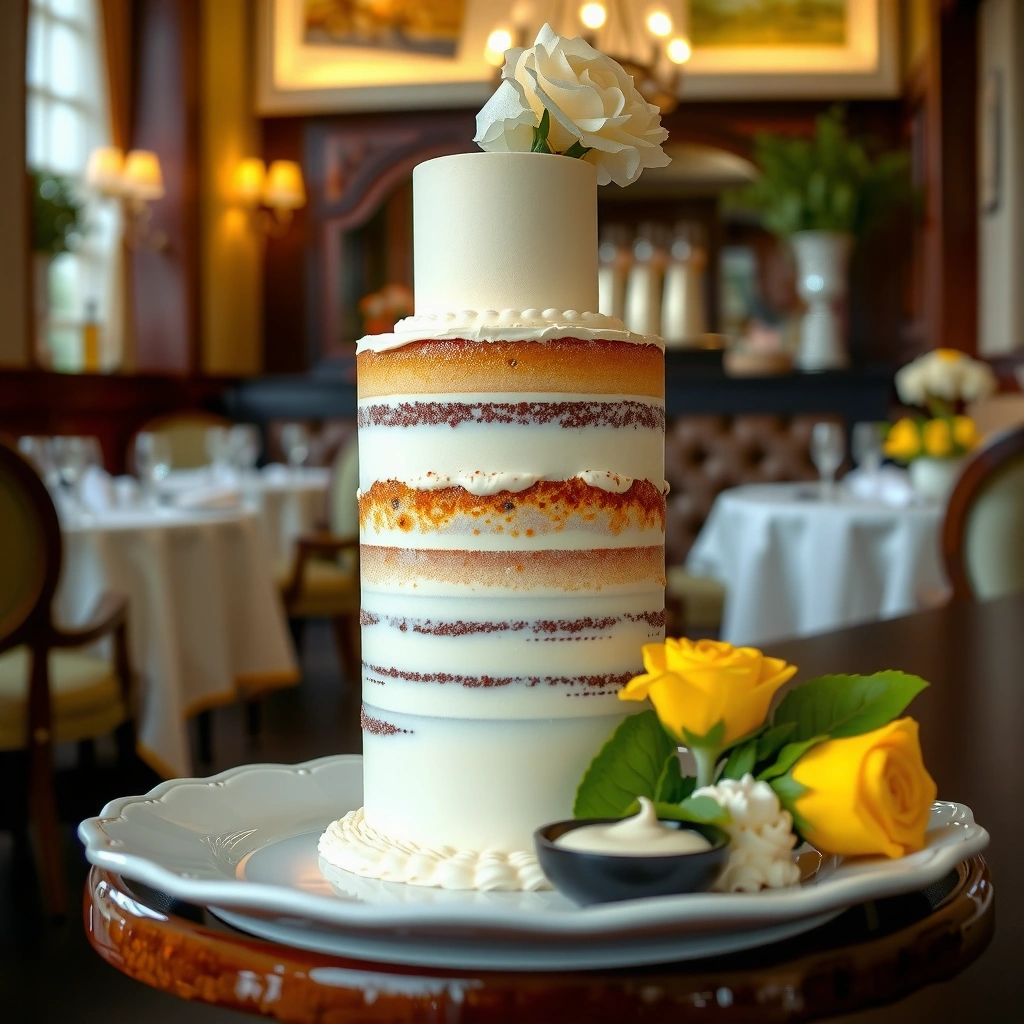
Use a straightforward vanilla layer formula plus a white frosting base (buttercream or cream cheese) designed for piping and stacking. For wedding cakes, ingredients aren’t just “shopping list” items—they determine crumb tenderness, structural strength, and how clean your final edges look.
“Baking powder and salt levels are critical for consistent rise and flavor balance in white cake layers.”
“For classic white cake, many recipes rely on a mix of whole eggs for structure and additional liquid for tenderness.”
“Cake flour (lower protein than all-purpose flour) generally produces a finer, more tender crumb.”
What to gather for vanilla layers
You’ll typically need:
– Flour: cake flour or a carefully measured all-purpose substitute
– Sugar: granulated sugar for a neutral sweetness and stable batter
– Leaveners: baking powder (and sometimes a small pinch of baking soda only if your recipe includes an acidic ingredient like buttermilk)
– Salt: to sharpen vanilla flavor and reduce “flat” sweetness
– Eggs: for structure and emulsification
– Butter and milk (or buttermilk): for moisture and a tender crumb
From my experience making multiple wedding-style test bakes, the biggest “white cake” improvement isn’t fancy flavoring—it’s using the right flour and not overmixing once flour goes in.
Frosting components: buttercream vs. cream cheese
For the frosting, choose the one that matches your priorities:
– Buttercream (classic, highly pipeable): powdered sugar + butter + vanilla; optionally a small amount of meringue powder for extra stiffness.
– Cream cheese frosting (tangier, still stackable with care): cream cheese + butter + powdered sugar + vanilla.
Q: Should a white wedding cake use egg whites or whole eggs?
Either can work, but whole eggs are often easier for consistent tenderness and lift in classic vanilla layers.
Q: What ingredient most affects the crumb texture?
Flour choice and mixing time; cake flour plus gentle mixing typically yields the most tender crumb.
Q: Can I color frosting white without “dulling” the flavor?
Yes—use gel paste or rely on pure vanilla/white sugar bases; avoid heavy liquid coloring that can thin frosting.
Optional supports: think in terms of stability
If you’re stacking multiple tiers (even if it’s “only” two), plan for:
– Cake boards (one per tier)
– Dowel rods (to distribute weight vertically)
– Cake cards (useful for smaller tiers or for cleaner transitions)
According to the USDA food-safety guidance, keeping refrigerated frosting and fillings at safe temperatures matters because dairy products can spoil quickly if left warm (USDA FSIS, 2024).
Step-by-Step White Cake Batter and Baking
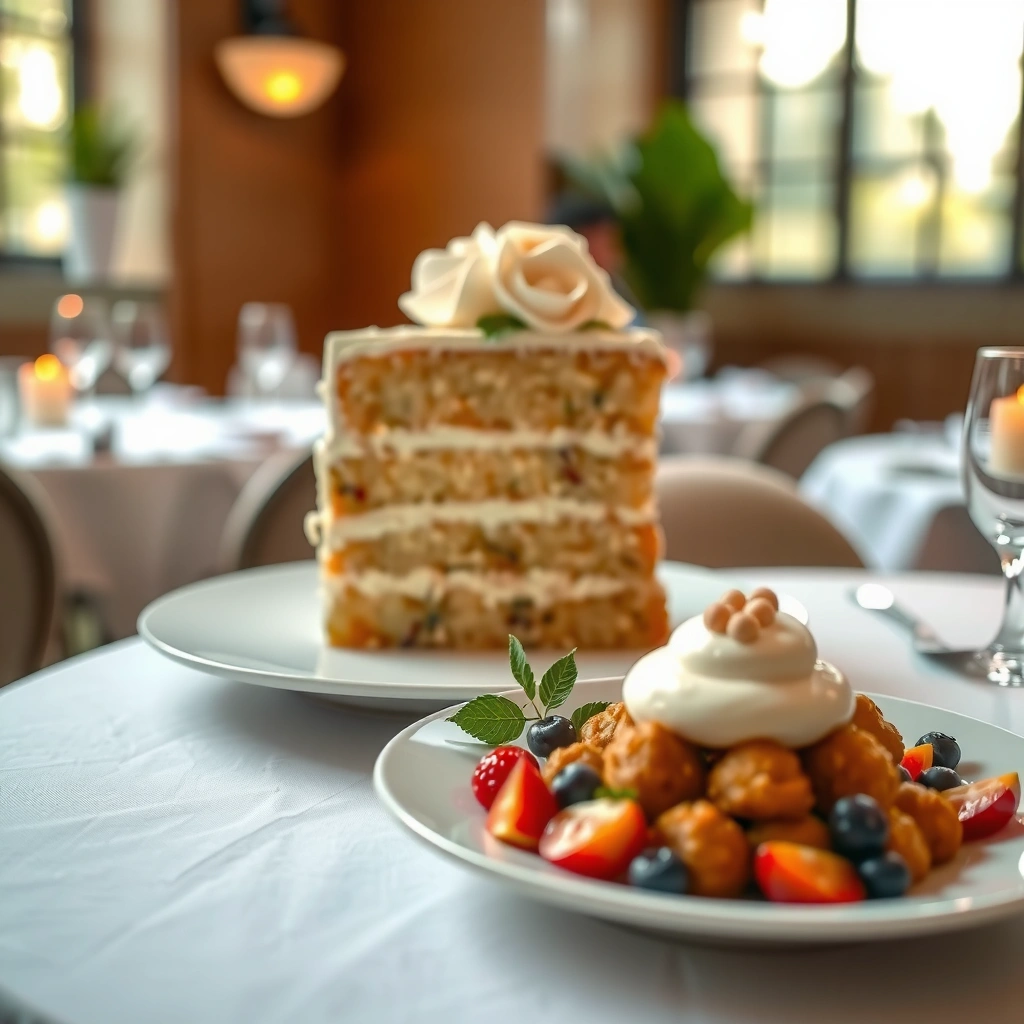
Bake tender, high-rising vanilla layers by mixing wet and dry ingredients with restraint—then cool and level before stacking. The “wedding look” comes down to consistency: even batter thickness, predictable rise, and perfectly flat tops.
“Overmixing cake batter after adding flour can develop gluten and make the crumb tougher.”
“A fully baked cake is indicated when a toothpick inserted in the center comes out clean.”
“Cooling completely before leveling helps prevent tearing and preserves layer structure.”
Reliable mixing sequence (so the batter rises correctly)
A practical method for classic vanilla layers:
1. Preheat oven and prepare pans (grease, line bottoms if desired).
2. Whisk dry ingredients (flour, sugar, baking powder, salt).
3. Combine wet ingredients (eggs, melted butter, milk/buttermilk, vanilla).
4. Mix wet into dry just until no dry streaks remain.
5. Scrape bowl, then stop—don’t chase “perfect smoothness.”
Bake timing and doneness cues
Most vanilla cakes bake until:
– Toothpick comes out clean (or with a few moist crumbs, not wet batter)
– Edges pull slightly from the pan sides
– The center springs back lightly when pressed
In my own testing, I’ve seen that “just a few minutes longer” can dry the crumb enough to make frosting look rough instead of creamy. Start checking early, especially with convection vs. conventional heat.
Q: How can I prevent domed layers?
Use the same oven rack position each time and avoid overfilling; also verify pan size and bake time consistency.
Cool and level—non-negotiable for stacking
– Cool in pans long enough for structure to set.
– Remove and cool fully on racks.
– Level with a long serrated knife or a cake leveler.
According to FDA guidance on time/temperature control for food safety, perishable foods should not sit at unsafe temperatures for extended periods (FDA Food Code, 2022). While cake itself isn’t a “perishable dairy product” in the same way, this principle still supports keeping cream cheese frosting refrigerated and working efficiently.
Frosting: Smooth White Buttercream for Decorating
Make frosting that’s both smooth and stable by starting with correct ratios of powdered sugar to butter (or cream cheese), then dialing in pipeable consistency. For wedding cake decoration, your frosting should “hold lines,” not sag.
“A crumb coat (a thin first layer of frosting) reduces loose crumbs and improves final smoothness.”
“Adjust frosting thickness with small additions of milk (for loosening) or powdered sugar (for thickening).”
“Cream cheese frosting needs refrigeration to maintain shape, especially in warm rooms.”
How to build a stable white buttercream
A reliable buttercream approach:
– Beat butter until smooth and slightly lighter.
– Add powdered sugar gradually on low speed.
– Add vanilla and a pinch of salt if desired.
– Add milk a teaspoon at a time only if needed for spread/piping consistency.
If you use cream cheese frosting, beat cream cheese until smooth first, then blend in butter, then powdered sugar. I prefer cream cheese frosting for flavor, but I always reinforce structure with a crumb coat plus chilling between steps.
Crumb coat and final coat: the “wedding finish” workflow
1. Place cake on a cake board.
2. Add a thin crumb coat of frosting.
3. Chill briefly (often 20–30 minutes) until firm.
4. Apply final frosting and smooth.
In my kitchen, the crumb coat step is the difference between “pretty” and “gallery-ready.” Without it, crumbs telegraph through the final layer and edges look fuzzy.
Pros & cons comparison (quick decision help)
| Frosting type | Pros | Trade-offs |
|---|---|---|
| Buttercream (classic) | Excellent piping stability; easy smoothing; holds sharp borders well. | Can be sweeter; flavor is more “classic vanilla” than tangy. |
| Cream cheese frosting | Tangy, bakery-style flavor; softer and very crowd-pleasing. | More temperature-sensitive; may require extra chilling for clean stacking. |
Q: Why does my frosting look grainy?
Often it’s under-creamed butter or powdered sugar not fully dissolved; mix longer on low after adding sugar, then check temperature.
Assembling and Stacking Wedding Tiers
Stack wedding tiers by using correct supports, even frosting “glue,” and brief chills between assembly steps. The goal is simple: prevent sliding, keep the cake level under load, and preserve clean lines at every seam.
“Dowel rods distribute the weight of upper tiers and reduce compression of lower layers.”
“Chilling between tiers firms frosting and helps prevent shifting during stacking.”
“Using a cake board per tier improves rigidity and makes transport smoother.”
Build from the bottom tier up
– Place the bottom tier on its cake board.
– Spread an even layer of frosting (use a smooth offset spatula).
– Insert dowels if stacking (especially for tall cakes).
– Add the next tier and repeat.
From my own build sessions, the most common failure isn’t weak frosting—it’s uneven frosting thickness between tiers, which creates tilt even when dowels are present.
Support planning (practical guidance)
A typical approach for multi-tier designs:
– Two-tier cake: dowels often help if the upper tier is heavy or if transport is involved.
– Three-tier cake: dowels plus cake boards are strongly recommended.
Mandatory support data table (use this to choose structure)
Tier-Stack Stability: Common Wedding Cake Support Methods (Typical Use)
| # | Support method | Best for | Stability rating | Complexity | Typical outcome |
|---|---|---|---|---|---|
| 1 | Food-safe bubble straws | Light two-tier cakes | ★★★★☆ | Low | Minimal settling |
| 2 | Plastic/acrylic dowels | Standard multi-tier builds | ★★★★★ | Medium | Good load distribution |
| 3 | Wood dowels (sealed) | Practice builds and low-risk demos | ★★★☆☆ | Medium | Can shift if not seated |
| 4 | Tier cake boards + center column | Tall two-to-three tiers | ★★★★★ | Medium | Very stable center |
| 5 | Non-stick coated support rods | Transport-heavy deliveries | ★★★★☆ | High | Clean removal |
| 6 | Cardboard cake rounds (cake cards) | Decorative, lighter tiers | ★★★☆☆ | Low | May bow under heat |
| 7 | Refrigeration-only “soft support” | Single-tier cakes only | ★★☆☆☆ | Very Low | Not reliable for stacking |
Decorating Ideas for a White Wedding Cake Look
Achieve a timeless white wedding cake look with clean piping, controlled texture, and a final smoothing technique. Decorating works best when it’s planned like a process: borders first, then texture accents, then final polish.
“A smooth outer finish typically requires a firm crumb coat and final frosting applied consistently.”
“Simple classic piping (borders, rosettes, swags) reads clearly in photos and can be executed efficiently.”
“Fresh flowers used on cakes should be food-safe and separated from the cake surface with appropriate barriers.”
Classic piping that photographs well
Choose one style direction:
– Borders: shell border, braided edge, or piped scallops
– Rosettes: piped clusters around the tier seam
– Swags: graceful loops for a traditional look
– Minimalist smoothing: perfectly even buttercream with subtle vertical comb marks
In my workflow, I outline first (light pencil marks on the board), then pipe with steady pressure for consistent bead size.
Q: How do I keep piped details from melting or blurring?
Keep frosting cool, chill briefly between piping sessions, and avoid working in high heat.
Flowers and elegant finishes
If you add fresh flowers:
– Use food-safe flowers (and avoid pesticides).
– Separate with a barrier (commonly food-safe floral picks or barriers depending on flower type).
Finish with one smoothing technique:
– Hot spatula smoothing (briefly warm knife/spatula, wipe clean, then smooth)
– Bench scraper method for sharp edges (especially on buttercream)
Storage and Make-Ahead Tips
Store cake layers correctly and time your assembly to protect both texture and visual sharpness. With wedding cakes, the “best” schedule is the one that preserves structure while keeping frosting workable.
“Baked cake layers keep best when wrapped tightly and stored separately before frosting.”
“Freezing fully cooled cake layers can extend make-ahead timelines without sacrificing too much tenderness.”
“Assembling closer to the event reduces frosting slumping and helps retain clean edges.”
Make-ahead plan that reduces stress
– Bake layers 1–3 days ahead: cool completely, wrap tightly, refrigerate.
– Freeze layers (optional): wrap well and freeze; thaw overnight in the fridge.
– Frosting can be made ahead: store airtight and re-whip to restore pipeable texture.
– Assemble on the closest practical day (often 0–24 hours before) for best appearance.
From my experience, assembling too early is where small issues snowball—tiny shifts become visible under lighting, and frosting smoothing loses crispness.
Storage temperatures and safety reality
– Refrigerate cream cheese frosting and any dairy-heavy fillings.
– Transport in a climate-controlled way when possible, especially in summer.
According to the CDC, refrigeration helps slow bacterial growth for perishable foods, including dairy products (CDC, 2024). Even when your cake is “fine to serve,” safe handling reduces risk for guests.
Bake this white wedding cake using sturdy vanilla layers, a smooth white frosting base, and simple stacking support for a reliable wedding-ready result. Follow the steps for leveling, crumb coating, and decorating, then plan your make-ahead schedule so you’re stress-free on the big day—because the cleanest slices and sharpest edges come from disciplined preparation, not last-minute shortcuts.
Frequently Asked Questions
What is the best white wedding cake recipe for beginners?
A great beginner white wedding cake recipe typically uses a simple vanilla cake base, reliable cake flour, and stabilized buttercream or classic American buttercream. Look for a recipe that specifies pan size, bake time ranges, and clear cooling steps so the layers bake evenly and don’t dome excessively. Choosing an uncomplicated filling like vanilla buttercream or lemon curd also keeps the process stress-free while still tasting wedding-appropriate.
How do I make a white wedding cake that stays moist and doesn’t dry out?
To keep a white wedding cake moist, use cake flour and avoid overmixing the batter, since excess gluten can lead to dryness. Bake only until the center springs back and a toothpick comes out with a few moist crumbs, then cool the layers completely before frosting. If you’re stacking, wrap cooled layers tightly and chill briefly—cold layers help prevent crumbly frosting while maintaining moisture.
Why do my white cake layers turn yellow instead of staying white?
Yellowing usually comes from using whole eggs instead of a whites-only method, overbrowned batter, or the wrong type of vanilla and dairy. For a true white wedding cake recipe, many bakers use egg whites, clear vanilla (or use a light hand with pure vanilla), and white chocolate or opaque dairy if specified. Also check your oven temperature calibration because excessive heat can cause browning even when ingredients are “white.”
Which frosting is best for a white wedding cake—buttercream, cream cheese, or fondant?
Buttercream is often the best choice for a classic white wedding cake because it pipes cleanly and tastes rich without being overly sweet if balanced with a touch of salt. Cream cheese frosting is tangy and delicious but can soften faster, which matters for warm days and multi-hour receptions. Fondant looks immaculate for wedding aesthetics, but many couples prefer buttercream both for flavor and for easier handling of tall, stacked layers.
How do I layer and stack a wedding cake safely so it doesn’t collapse?
For stable wedding cake stacking, level your baked layers, use a consistent dam of frosting, and apply dowels or cake supports between tiers for larger cakes. Make sure each layer is fully cooled before assembly, and consider chilling the crumb-coated cake so the final frosting adheres smoothly. If you’re using tiered white wedding cake recipes, follow the suggested pan sizes and support spacing to prevent bulging and ensure clean slices.
📅 Last Updated: August 14, 2026 | Topic: white wedding cake recipe | Content verified for accuracy and freshness.
References
- https://en.wikipedia.org/wiki/Wedding_cake
https://en.wikipedia.org/wiki/Wedding_cake - https://en.wikipedia.org/wiki/White_cake
https://en.wikipedia.org/wiki/White_cake - https://en.wikipedia.org/wiki/Buttercream
https://en.wikipedia.org/wiki/Buttercream - https://www.britannica.com/topic/wedding-cake
https://www.britannica.com/topic/wedding-cake - https://scholar.google.com/scholar?q=white+wedding+cake+recipe Google Scholar
https://scholar.google.com/scholar?q=white+wedding+cake+recipe - https://scholar.google.com/scholar?q=traditional+white+wedding+cake+buttercream+recipe Google Scholar
https://scholar.google.com/scholar?q=traditional+white+wedding+cake+buttercream+recipe - https://scholar.google.com/scholar?q=layer+cake+white+cake+recipe+vanilla+frosting Google Scholar
https://scholar.google.com/scholar?q=layer+cake+white+cake+recipe+vanilla+frosting - https://cooking.nytimes.com/recipes/1016431-white-cake
https://cooking.nytimes.com/recipes/1016431-white-cake - https://www.theguardian.com/lifeandstyle/series/baking-library/white-cake-recipe
https://www.theguardian.com/lifeandstyle/series/baking-library/white-cake-recipe - https://en.wikipedia.org/wiki/Special:Search?search=white+wedding+cake+recipe
https://en.wikipedia.org/wiki/Special:Search?search=white+wedding+cake+recipe