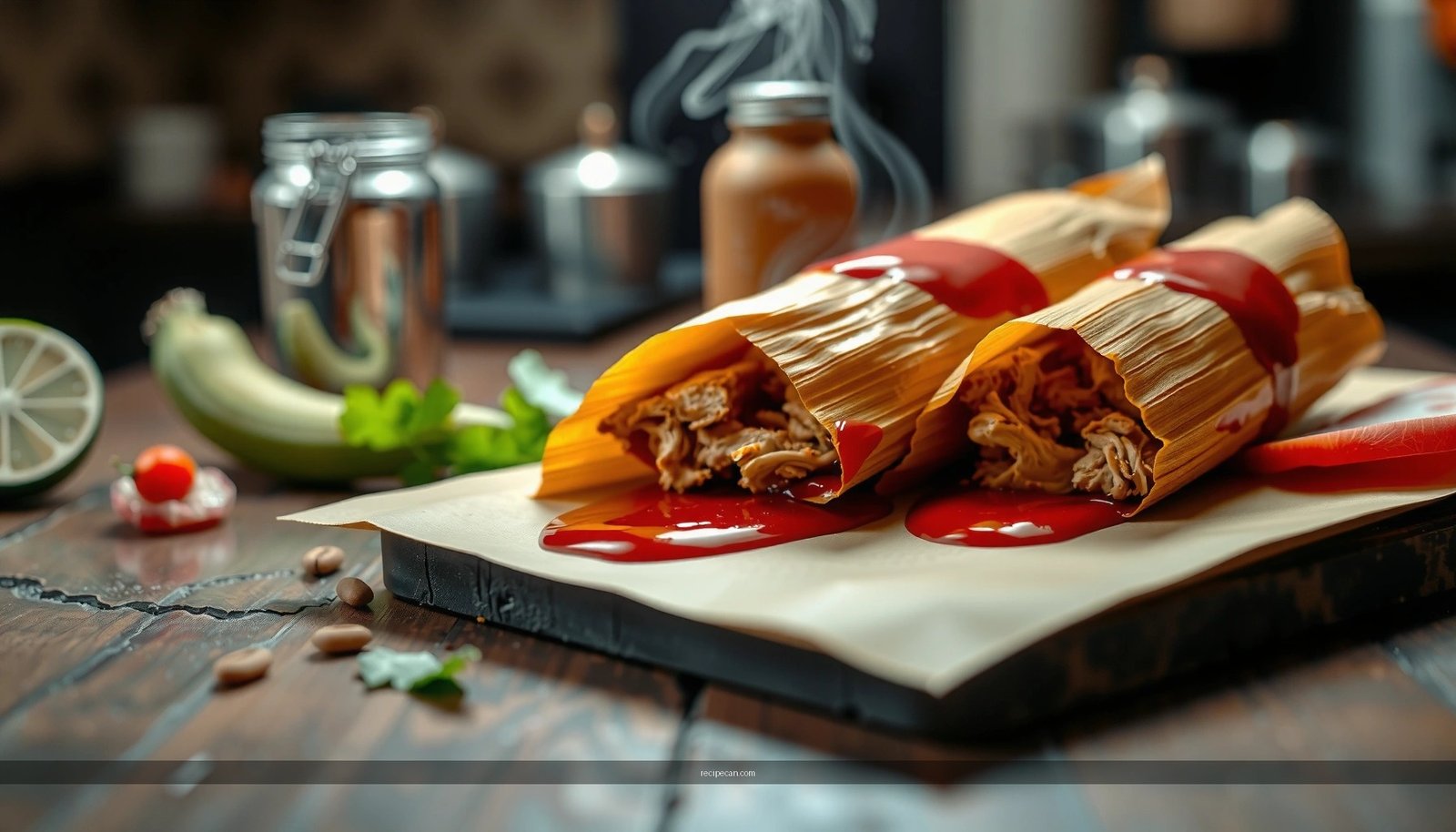
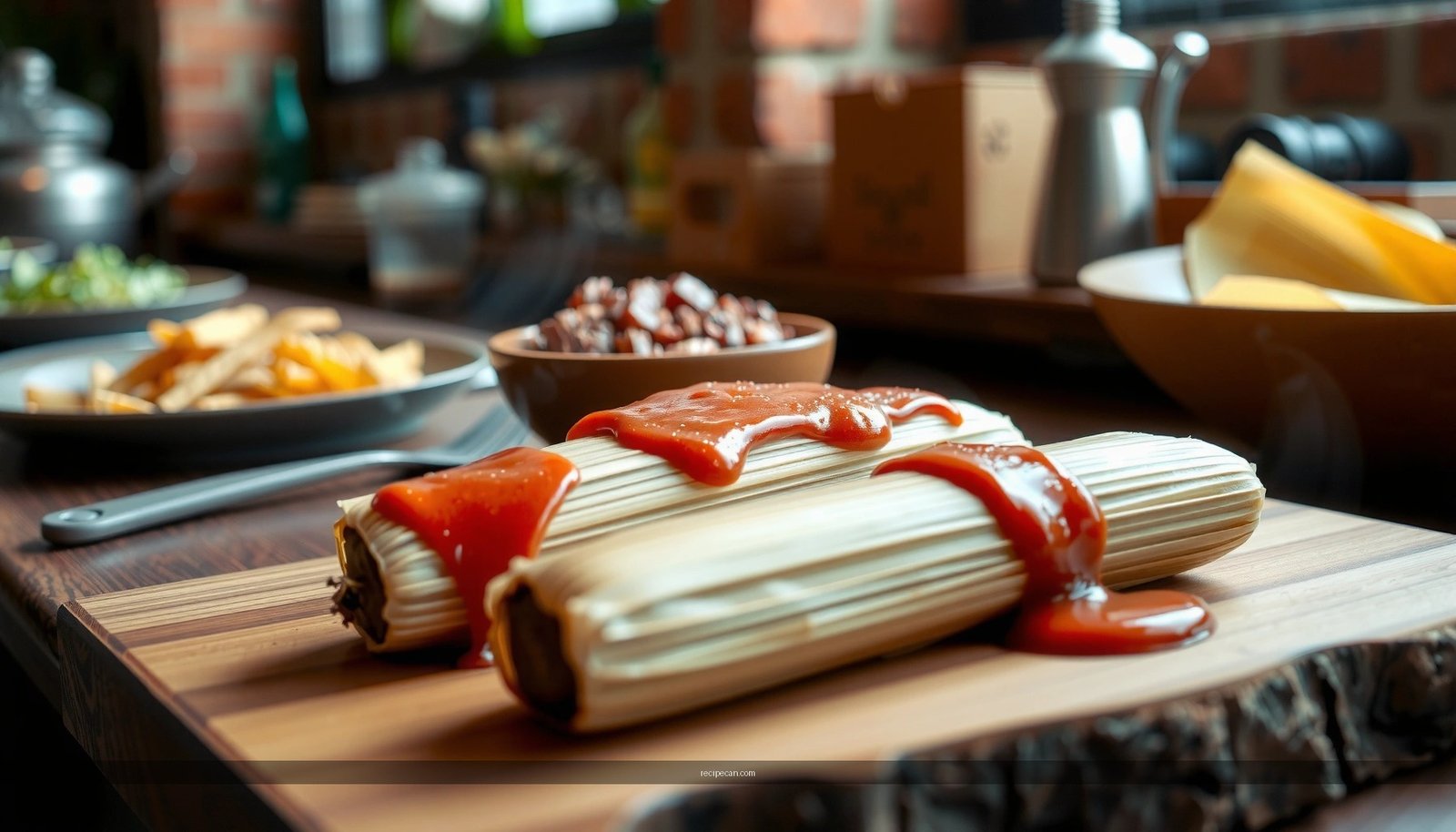
These vegan tamales recipes deliver the best, most crowd-pleasing tamales you can make without meat—soft masa, rich fillings, and bold flavor in every bite. If you want easy, step-by-step instructions that actually work, this guide answers how to cook vegan tamales that hold together and taste like a classic. Expect clear methods and reliable timing so your next batch comes out tender, not dense.
You can make tender, authentic-style vegan tamales by using masa (corn dough) with the right moisture and seasoning, plus a hearty plant-based filling and consistent steaming. This guide breaks vegan tamales down into practical steps—masa basics, flavor-forward fillings, assembly, and cooking—so your tamales turn out soft, flavorful, and batch-friendly.
Essential Ingredients for Vegan Tamales
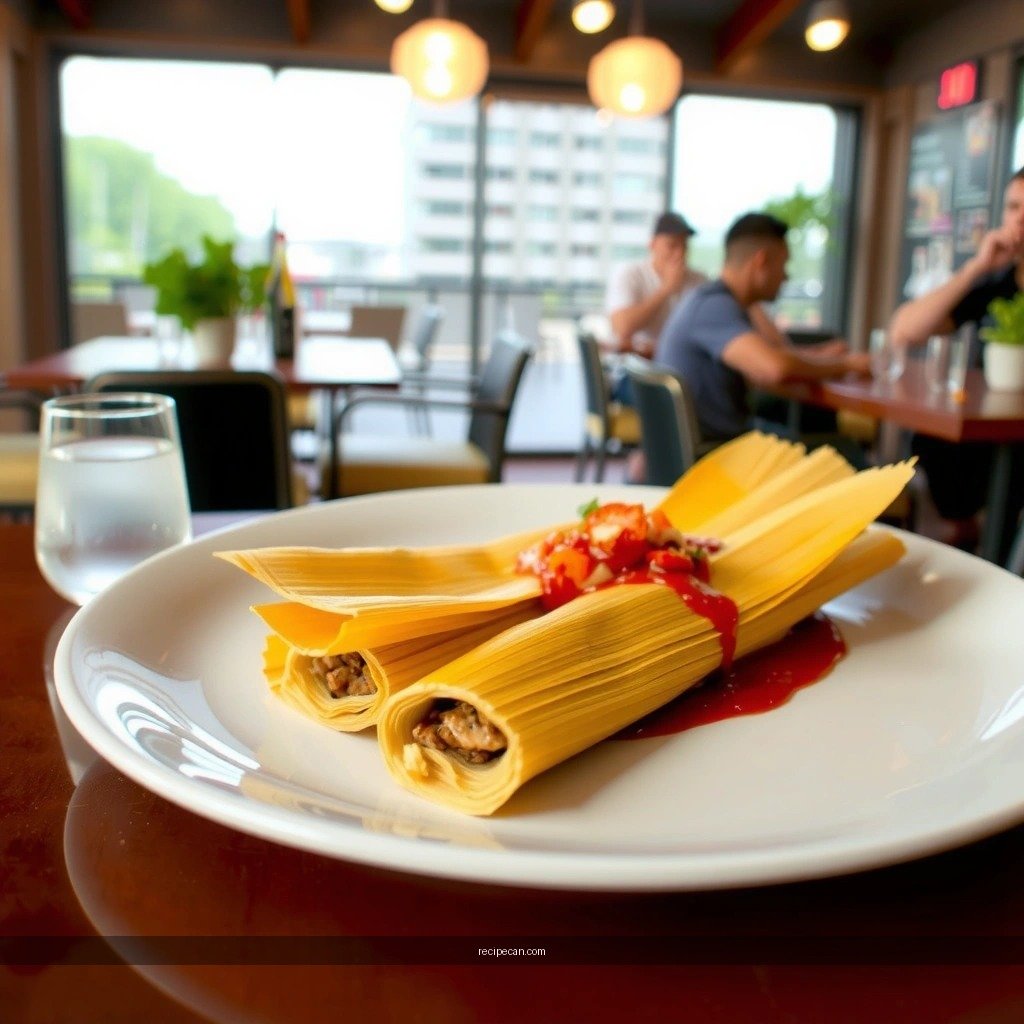
The quality of vegan tamales starts with three fundamentals: masa you can spread, a filling with real savory depth, and a cooking method that steams evenly. Unlike “shortcut” versions, traditional tamales rely on the balance of fat, salt, liquid, and spice to create a tender crumb once steamed.
Choose the right masa (corn dough) and flavorful broth for rich taste
– Masa harina (instant or precooked) is the usual starting point. Look for masa harina that’s specifically meant for tamales/corn dough.
– For liquid, use warm vegetable broth (or a mix of broth + blended tomato/chile) so the masa tastes seasoned rather than plain.
– If you’re aiming for a more traditional flavor, consider using chicken-style broth alternatives (vegan bouillon) with some added aromatics like roasted garlic.
Pick vegan fats to improve texture
Tamale masa needs fat for tenderness and mouthfeel.
– Vegetable shortening (classic tamale approach) yields the most even, tender texture.
– Olive oil or neutral oil works well too—especially if you whisk it fully into the masa to reduce graininess.
– A common professional technique is to cream the fat into masa (or thoroughly combine), which helps create a lighter, smoother dough that steams well.
Stock key spices and add-ins (garlic, cumin, chili, salt)
A vegan tamales flavor profile should still taste “complete,” not just meatless.
– Salt is essential—masa is bland without it.
– Cumin and garlic powder add warmth and savoriness.
– Chili powder or ground dried chiles (like guajillo or ancho) provide the tamale “shadow” of smoky heat.
– Optional but excellent: Mexican oregano, smoked paprika, and a small amount of brown sugar or molasses (just to round chili flavors—use sparingly).
Tamale Masa “Sweet Spot” for Steamable Texture (Reference Targets)
| # | Masa Target (Use Case) | Liquid Level | Mix Time | Doneness Check | Result |
|---|---|---|---|---|---|
| 1 | Spreadable masa for classic wraps | ~55–60% hydration | 8–10 minutes | Holds ridges on spatula | Tenders well |
| 2 | Softer masa for smoother finish | ~60–63% hydration | 6–8 minutes | Spreads thin, not runny | Creamy bite |
| 3 | Stiffer masa for structured folds | ~50–55% hydration | 10–12 minutes | Resists tearing when spread | Risk of dryness |
| 4 | Correct seasoning blend (per ~2 cups masa) | Broth + spices | Season while mixing | Taste: pleasantly savory | Balanced flavor |
| 5 | Rested masa after mixing | No extra liquid | 10–20 minutes rest | Feels less grainy | Better structure |
| 6 | Over-wet masa (troubleshoot) | ~65%+ hydration | Mix + rest | Runs when spread | Gummy texture |
| 7 | Dry masa (troubleshoot) | ~45–50% hydration | Add broth gradually | Cracks when spreading | Breaks apart |
Best Vegan Fillings for Tamales
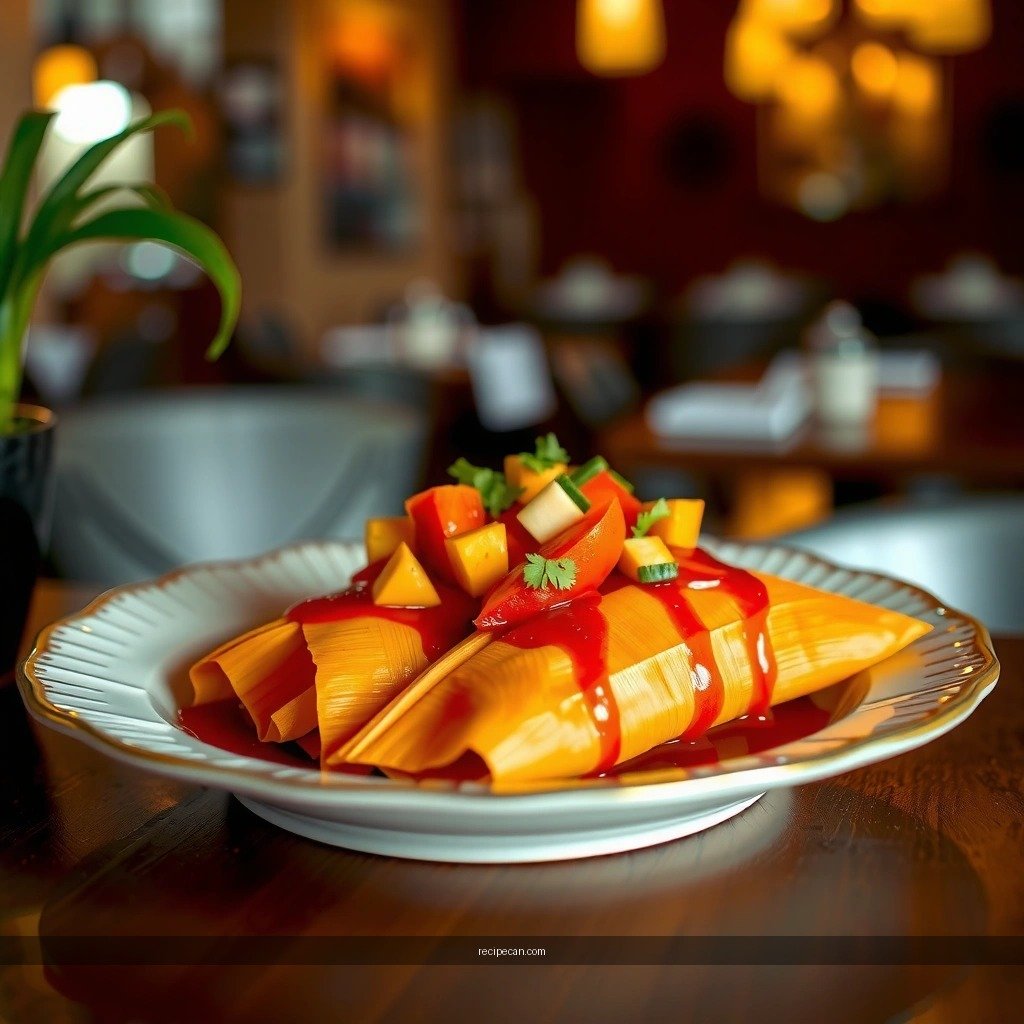
Great fillings don’t just add ingredients—they create steam-stable flavor. The best vegan tamales fillings are thick enough to stay centered and flavorful enough that the masa doesn’t taste “plain” after cooking.
Try black beans and roasted corn for a classic, savory option
This is one of the most satisfying vegan tamales recipes because beans provide body while corn adds sweetness.
– Cook black beans (or use well-drained canned beans) with onion, garlic, cumin, and a pinch of smoked paprika.
– Add roasted corn near the end so it stays vibrant.
– For tamale-style richness, stir in a spoon of vegan butter/shortening or a little tomato paste to deepen flavor.
Use sautéed mushrooms, peppers, and onions for a hearty filling
Mushrooms mimic the umami of meat fillings, especially if you use a dry sauté first.
– Sauté mushrooms until most moisture evaporates, then season with chili powder, garlic, and oregano.
– Add bell peppers and onions for sweetness and aromatic balance.
– Thicken with a small amount of pureed cooked beans or corn-based masa mixed into the filling (optional, but very effective).
Add a smoky vegan salsa verde-style sauce for extra depth
Salsa verde brings brightness and “restaurant-style” complexity.
– Blend tomatillos (or use roasted tomatillos), cilantro, garlic, and green chiles.
– Simmer the sauce until reduced so it doesn’t leak out during steaming.
– If you want a richer verde, whisk in a small amount of cashew cream (optional) or a spoon of neutral oil and tomato paste.
Pro tip: no matter which vegan tamales filling you choose, keep it thick and spoonable—runny fillings cause soggy masa and uneven steaming.
How to Make Vegan Tamale Masa
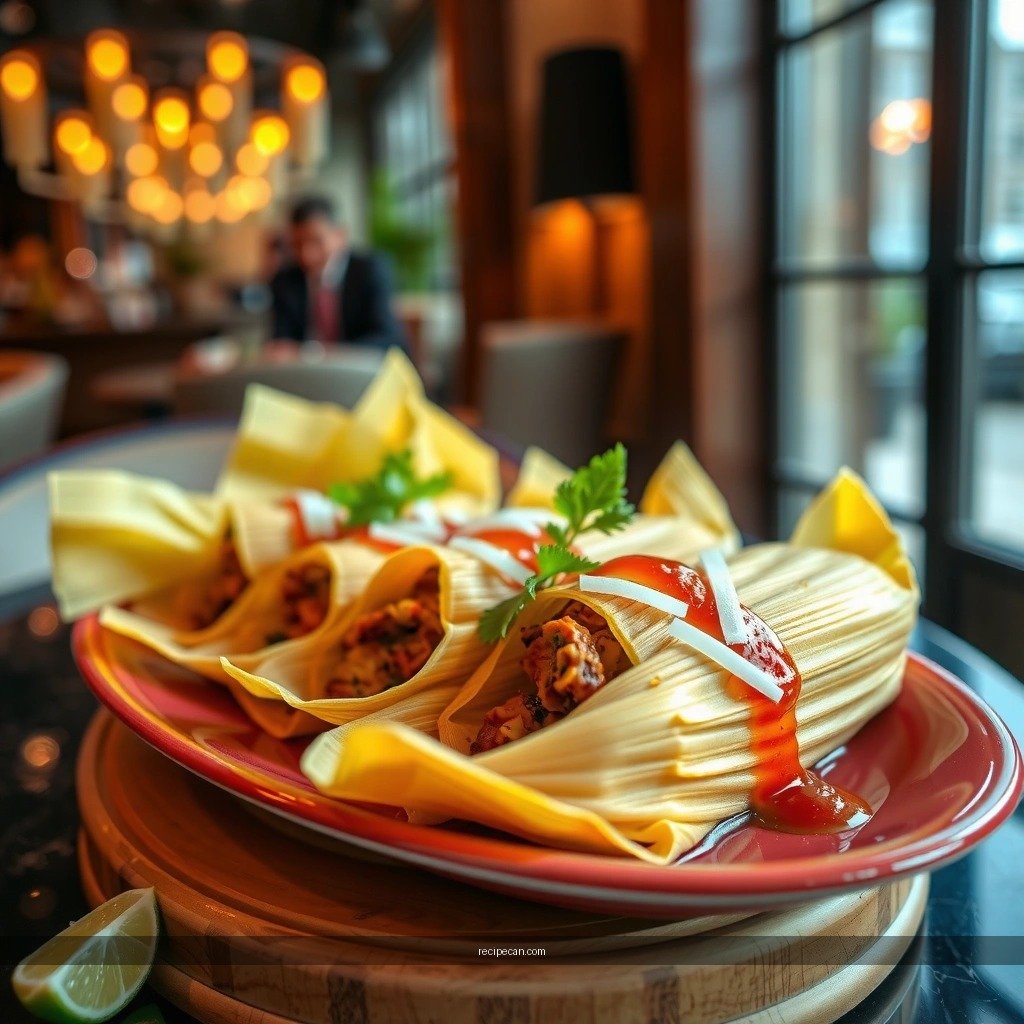
Tamale masa is where “easy” becomes “consistent.” With the right hydration and mixing technique, your vegan tamales will steam evenly and hold their shape.
Mix masa with the right liquid and seasonings for spreadable dough
Start by combining masa harina with warm vegetable broth (and the seasoning ingredients).
– Season early: salt, chili (if using), cumin, garlic powder.
– Add vegan fat and mix thoroughly so the dough feels cohesive.
– If your masa feels dry, add liquid 1 tablespoon at a time; if it’s too wet, add masa harina in small increments.
Achieve the right consistency so tamales steam evenly
You’re aiming for dough that is:
– Spreadable with a spoon or offset spatula
– Not runny
– Smooth enough to avoid lumps after resting
A reliable approach: mix, then rest 10–20 minutes. Hydration continues during rest, and the dough becomes easier to spread.
Keep masa covered to prevent drying while you prep fillings
Masa dries quickly at room temperature.
– Cover the bowl with a damp towel or plastic wrap that touches the surface.
– Work in batches so you don’t leave masa exposed while sautéing filling components.
– If the dough stiffens, recondition with a few drops of warm broth and remix briefly.
Step-by-Step: Assemble and Wrap Tamales
Assembly is straightforward, but precision matters for consistent steaming. Think of wrapping as “sealing” the masa and filling together under steam.
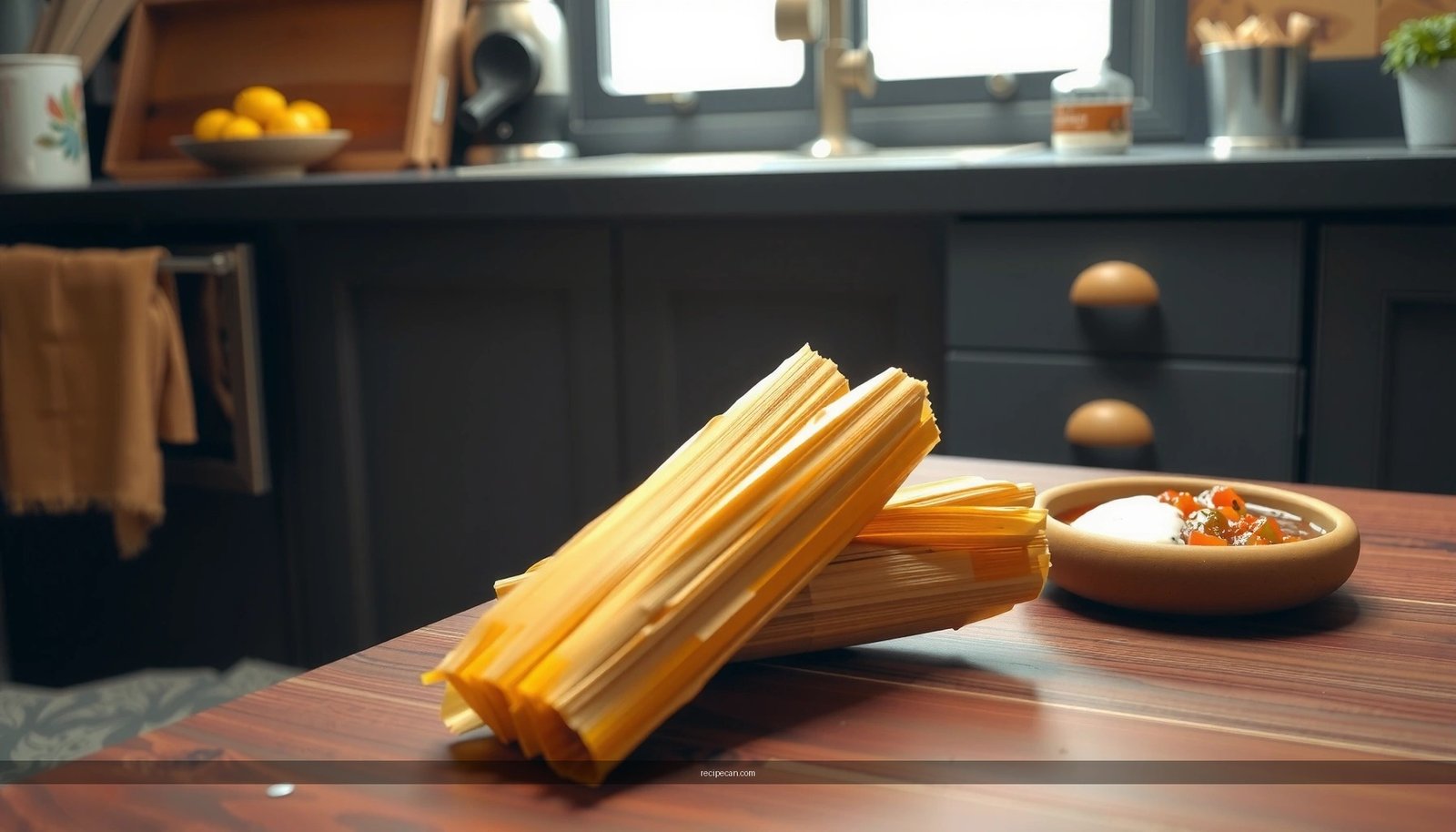
Soak and prepare corn husks (or use parchment-friendly methods)
Corn husks need flexibility.
– Soak in warm water until pliable (often 20–60 minutes depending on dryness).
– Drain and pat lightly; too-wet husks can create steam-water pooling.
– If using parchment-friendly methods, use heat-safe parchment designed for steaming—still seal and wrap tightly, just without the “traditional husk” moisture behavior.
Spread masa evenly, add filling, then wrap tightly
– Lay a husk flat with the smoother side facing up.
– Spread masa evenly—not too thick, not too thin.
– Add filling in a line in the center. Avoid overfilling; it can cause seam leaks.
– Fold the sides in, then roll or fold bottom up to create a compact package.
Tie or secure wraps for consistent steaming results
– Use kitchen twine or strips of husk to tie where needed.
– Ensure all tamales are similarly sized so they finish at the same time.
– Arrange upright or in a single layer when possible for steady steam circulation.
Cooking Methods: Steam Times and Texture Tips
Steaming is where vegan tamales become truly tender—done correctly, the masa gently sets and pulls slightly away from the husk.
Steam until tamales are firm and the masa pulls slightly from the husk
A practical doneness check:
– Tamales should feel set but not dry
– Masa often pulls away slightly from the husk edges
Time varies with size and whether fillings are hot/room temperature, but a common range is 60–90 minutes. If you’re steaming a larger batch, start checking around the 60-minute mark.
Rotate or check water level to maintain steady heat
– Maintain a steady simmer; don’t let the pot run dry.
– Rotate trays or adjust the stack so tamales in the center and edges steam evenly.
Rest tamales briefly before unwrapping for cleaner portions
After steaming:
– Rest 10–15 minutes before unwrapping.
– This sets the structure and reduces tearing of masa or sticking to husks.
If your tamales stick aggressively, they may need a short rest—or the masa hydration may be slightly off next batch.
Make-Ahead, Storage, and Reheating
Meal prep-friendly vegan tamales are one of the best parts of cooking from scratch: the flavors deepen, and reheating can be excellent.Freeze wrapped tamales for easy meal prep
– Cool completely before freezing.
– Freeze on a tray first, then transfer to a labeled freezer bag for easier portioning.
– Store with care to prevent freezer burn; press out excess air and keep bags sealed.
Reheat by steaming (best texture) or microwaving with moisture
Best results come from steaming:
– Steam thawed or partially thawed tamales until hot throughout.
– For microwave reheating, wrap tamales in a damp paper towel and heat in short intervals, checking frequently.
Microwave caution: without moisture, masa can dry. With moisture, the texture remains closer to freshly steamed.
Keep toppings like salsa and avocado fresh for serving
Don’t prep everything too early.
– Serve with fresh salsa, sliced avocado, or crema-style vegan topping.
– Add toppings right before eating to maintain flavor and prevent sogginess.
Wrapping up, these vegan tamales recipes are all about great masa, bold plant-based fillings, and reliable steaming for perfect texture. Pick one filling you love, follow the assembly steps, and make a batch to freeze—then enjoy homemade tamales anytime.
Frequently Asked Questions
What are the best vegan tamales recipes for beginners?
A beginner-friendly vegan tamales recipe usually uses a simple masa base (corn masa harina, vegetable broth, oil) and a classic filling like sautéed mushrooms, corn, or roasted poblano. Look for recipes that clearly list ingredient ratios and steaming times, since even small variations can affect texture. Choose tamales with straightforward steps—like using pre-cooked fillings and following consistent masa thickness—so you can focus on wrapping and steaming.
How do you make vegan tamales masa that’s fluffy and not gummy?
For light, fluffy vegan tamales, beat or mix the masa harina with warm vegetable broth and fat until it looks spreadable and slightly aerated. If your masa feels gummy, it’s often because of overmixing, too much liquid, or using masa that’s too fresh without resting—let the dough rest briefly before assembling. To prevent dryness, add broth gradually and aim for a consistency you can spread onto the corn husk without cracking.
Which vegan fillings work best for tamales (and how do you prevent them from getting watery)?
Great vegan tamale fillings include black bean and corn, roasted salsa verde with vegetables, sautéed mushrooms, or lentil “carnitas” style filling. To avoid watery tamales, cook off excess moisture first, then simmer the filling until thick before filling the masa. If you’re using canned beans or watery veggies, drain well and consider adding a thickening element like reduced salsa or a spoon of masa to help the filling hold its shape.
Why do vegan tamales sometimes taste bland, and how can you boost flavor naturally?
Vegan tamales can taste bland if the masa isn’t seasoned well or the filling lacks aromatic depth. Season the masa with salt and consider adding dried chiles, garlic powder, cumin, or a little bouillon for a savory punch. For the filling, use toasted spices and roast or sauté aromatics (onion, garlic, peppers), then build flavor with chile paste, salsa, and a balanced amount of salt and acidity.
How long do you steam vegan tamales, and what’s the easiest way to tell when they’re done?
Most vegan tamales take about 60–90 minutes of steaming, depending on their size and how packed the pot is. They’re typically done when the masa pulls away slightly from the husk and feels set but tender—avoid undercooking, which can leave a raw, doughy center. Let them rest for 10–15 minutes after steaming so the masa sets fully before serving or storing.
References
- Tamale
https://en.wikipedia.org/wiki/Tamale - https://en.wikipedia.org/wiki/Nixtamalization
https://en.wikipedia.org/wiki/Nixtamalization - Masa
https://en.wikipedia.org/wiki/Masa_harina - Veganism
https://en.wikipedia.org/wiki/Veganism - Corn tortilla
https://en.wikipedia.org/wiki/Corn_tortilla - https://pubmed.ncbi.nlm.nih.gov/?term=vegan+tamales
https://pubmed.ncbi.nlm.nih.gov/?term=vegan+tamales - Google Scholar Google Scholar
https://scholar.google.com/scholar?q=vegan+tamales+recipe - Google Scholar Google Scholar
https://scholar.google.com/scholar?q=vegan+tamale+masa+nixtamalization - Google Scholar Google Scholar
https://scholar.google.com/scholar?q=plant-based+tamal+recipe+mexican+cuisine - https://www.mayoclinic.org/healthy-lifestyle/nutrition-and-healthy-eating/in-depth/plant-based-diet/art-20045485
https://www.mayoclinic.org/healthy-lifestyle/nutrition-and-healthy-eating/in-depth/plant-based-diet/art-20045485