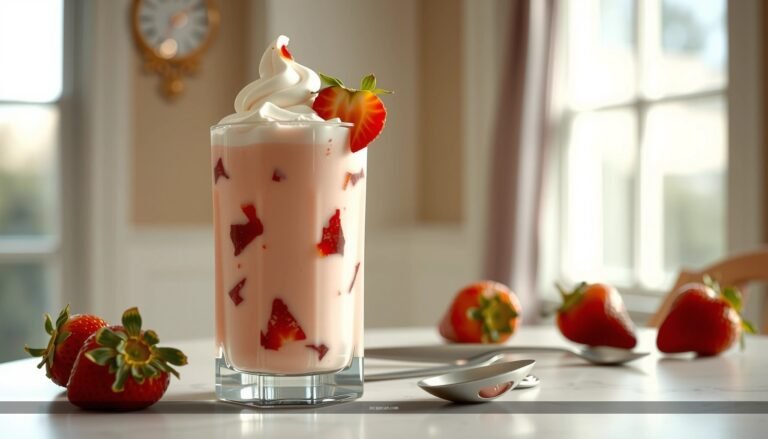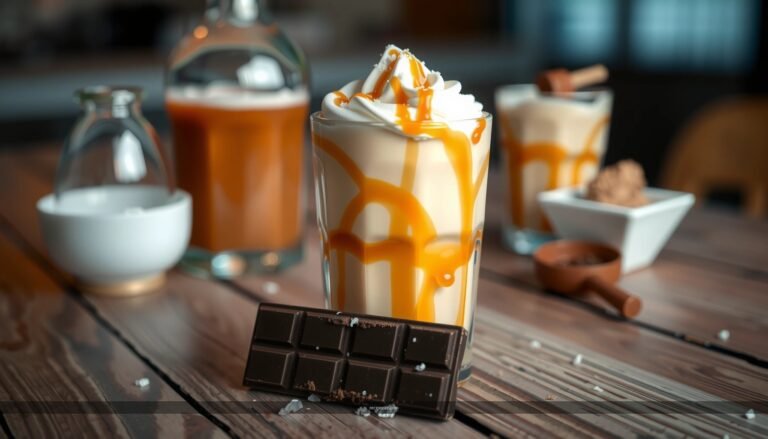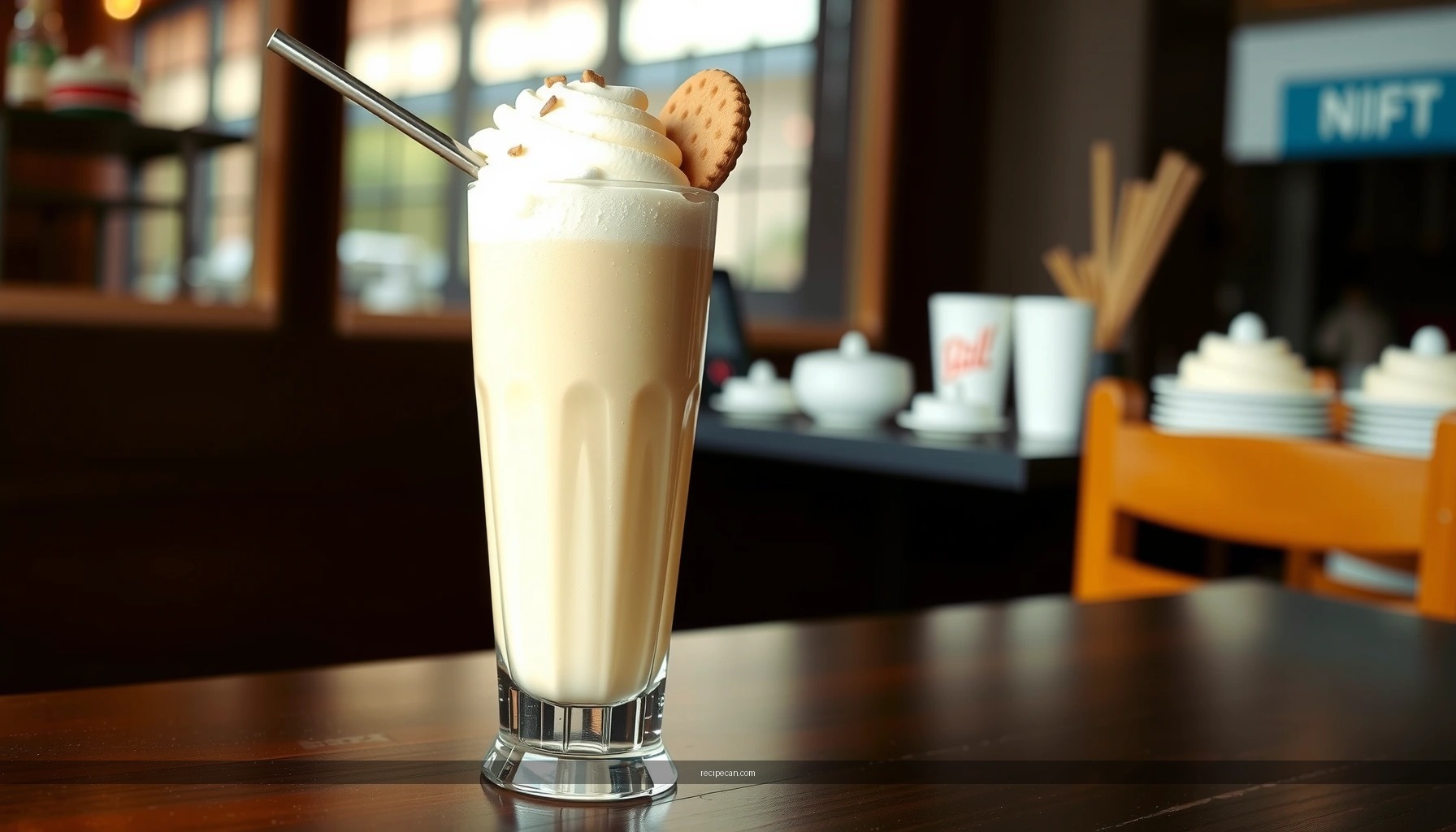
Get a classic vanilla milkshake recipe that turns out creamy, thick, and sweet on the first try. This guide delivers the exact blend of vanilla ice cream, milk, and a simple technique so your shake is smooth—not icy—and ready fast. If you want an easy vanilla milkshake that tastes like a diner classic, this is the clear winner.
A classic vanilla milkshake is easy: blend cold milk with vanilla ice cream (and optional vanilla extract) until thick and smooth. The key to a truly creamy, restaurant-style texture is using the right milk-to-ice-cream ratio, blending briefly, and keeping everything very cold from start to finish—then dialing thickness up or down with small adjustments.
Ingredients for a Classic Vanilla Milkshake
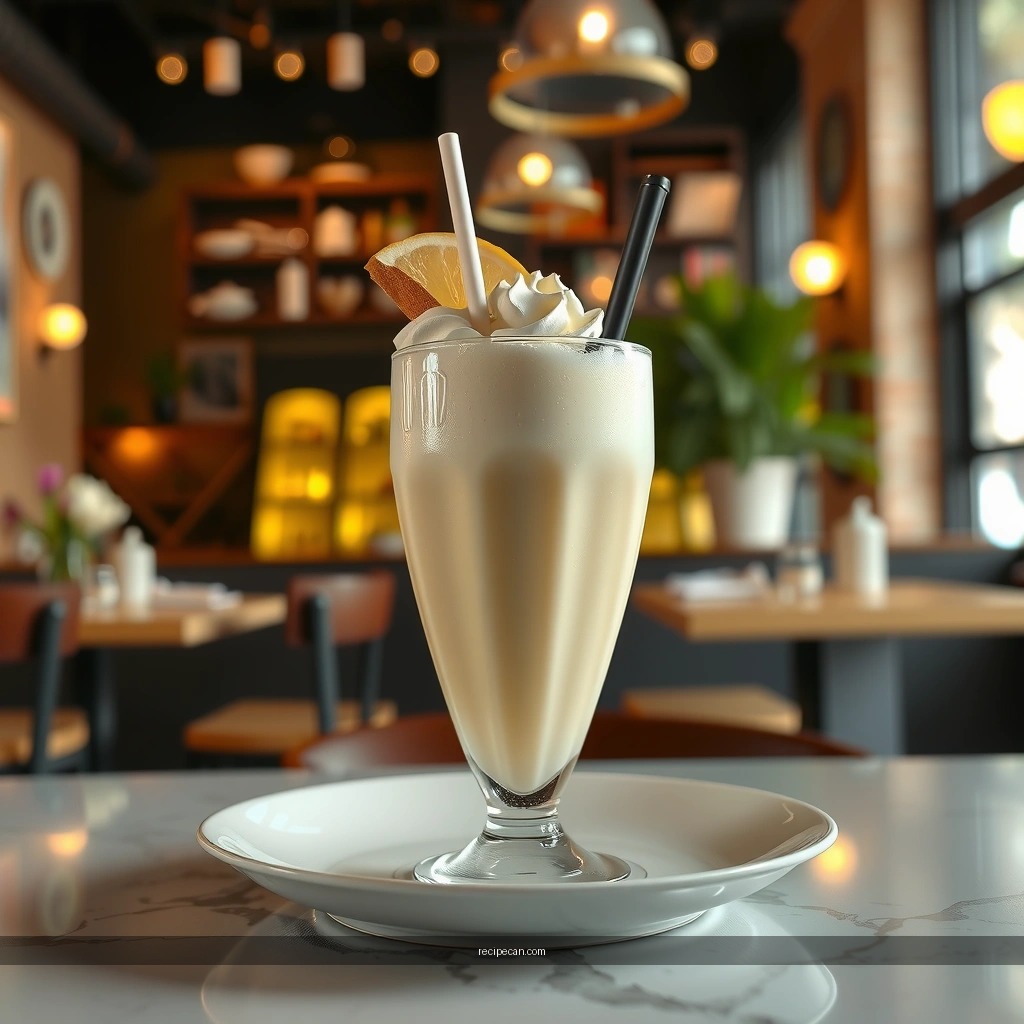
– Use vanilla ice cream as the main base for rich flavor and thickness
– Choose cold milk (dairy or non-dairy) and optionally add a touch of vanilla extract
A classic vanilla milkshake is fundamentally a “cold emulsification” exercise: the ice cream provides fat and sweetness, while the milk supplies liquid for blending. When done correctly, the mixture thickens as the ice cream and milk combine, creating a smooth, scoop-like mouthfeel rather than a thin drink.
Core ingredients (recommended)
1. Vanilla ice cream (base): Look for a brand with a higher ice-cream composition (not “frozen dessert”). Higher butterfat typically improves thickness and flavor intensity.
2. Cold milk (liquid phase): Whole milk is the most reliable for classic results. If you use non-dairy milk, choose one labeled barista-style or thick and creamy—these blend more uniformly and reduce curdling risk.
3. Vanilla extract (optional but effective): A small amount boosts aroma, especially if your ice cream’s vanilla flavor is subtle or you’re using a lighter vanilla bean variety.
Common “quality upgrades”
– Salt pinch (optional): A tiny pinch can elevate vanilla flavor without making it taste salty—especially when using low-sugar ice cream.
– Use real coldness: If your ice cream is soft (not freezer-stiff), the shake often ends up looser and less aerated.
Best Milk-to-Ice Cream Ratio

– Start with about 3–4 cups ice cream per 1 cup milk for a thick shake
– Add milk gradually to thin if you prefer a lighter, pourable consistency
The ratio is where most homemade milkshakes succeed or fail. Too much milk leaves you with a “vanilla milk drink,” while too little milk can turn the shake grainy or chunky.
Professional consistency benchmark (by ratio)
Use this table as a practical guide for achieving your preferred thickness. For classic “thick straw” shakes, aim for the 3.5–4.0 range.
Vanilla Milkshake Consistency Benchmarks (Ice Cream-to-Milk Ratio)
| # | Ice Cream : Milk (cups) | Milk (240 ml) | Ice Cream (approx. ml) | Vanilla Extract | Expected Thickness | Consistency Score |
|---|---|---|---|---|---|---|
| 1 | 4.25 : 1 | 240 ml | ~1,020 ml | 1/4 tsp | Very thick (stays moundable) | ★★★★★ |
| 2 | 4.00 : 1 | 240 ml | ~960 ml | 1/4 tsp | Thick classic (best for thick straw) | ★★★★☆ |
| 3 | 3.75 : 1 | 240 ml | ~900 ml | 1/4 tsp | Classic-thick, easy to sip | ★★★★☆ |
| 4 | 3.50 : 1 | 240 ml | ~840 ml | 1/8–1/4 tsp | Thick but pourable | ★★★☆☆ |
| 5 | 3.25 : 1 | 240 ml | ~780 ml | 1/8–1/4 tsp | Slightly thinner (still creamy) | ★★☆☆☆ |
| 6 | 3.00 : 1 | 240 ml | ~720 ml | 1/8 tsp | Classic-lite texture | ★★☆☆☆ |
| 7 | 2.75 : 1 | 240 ml | ~660 ml | 1/8 tsp | Runny risk (more milk-like) | ★☆☆☆☆ |
How to Blend for Maximum Creaminess
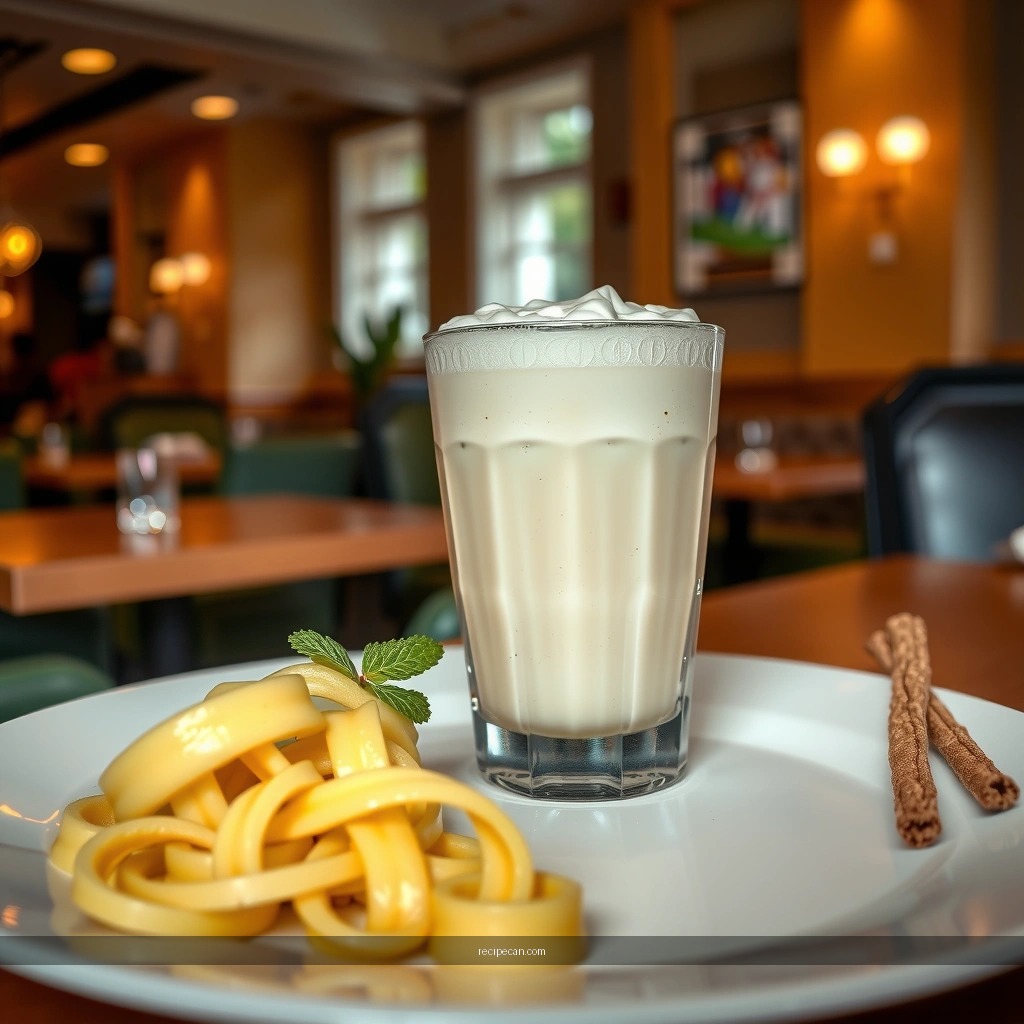
– Blend just until smooth to avoid overheating or thinning
– Scrape down the sides and blend again briefly for an even texture
Even with the right ingredients, blending technique determines whether the milkshake is silky or icy. Think of blending as a time-sensitive process: you’re not trying to “cook” the shake, just to emulsify and aerate it.
Best blending workflow
1. Start with the ice cream first, then add milk around it. This helps the blades catch and move the colder, thicker base quickly.
2. Blend in short pulses (e.g., 10–20 seconds), then pause to assess texture. For most blenders, the total blend time should stay relatively brief.
3. Scrape the sides at least once. Ice cream clings to container walls, and pockets of unmixed ice cream can create uneven texture.
4. Finish with a final short blend until the mixture is smooth and uniform.
Why overheating matters
Warmth increases melt rate. When the shake melts too fast, the fat separates more easily and the final texture becomes thinner and less “shake-like.” The practical fix is cold ingredients plus brief blending.
Topping Ideas and Flavor Variations

– Add whipped cream, sprinkles, or a drizzle of caramel for extra sweetness
– Try mix-ins like chocolate syrup, crushed cookies, or fresh berries
A vanilla milkshake is a flexible platform. The safest approach is to keep the base vanilla-forward, then add toppings/mix-ins that complement vanilla rather than overwhelm it.
Classic topping pairings
– Caramel drizzle + flaky salt: Highlights vanilla’s sweetness and adds complexity.
– Whipped cream + rainbow sprinkles: A high-appeal option for events and family-style service.
– Toasted nuts (optional): Adds crunch without competing with vanilla aromatics.
Flavor variations (mix-ins)
– Chocolate swirl: Add 1–2 tablespoons chocolate syrup and blend briefly to keep some marbling.
– Crushed cookies: Fold in after blending for a “chunky” mouthfeel (and better texture control).
– Fresh berries: For a berry vanilla shake, blend berries with a small splash of milk first, then add ice cream—or use a berry syrup to maintain smoothness.
Operational tip: If you add mix-ins, reduce blending time slightly. Over-blending chunks can break down into a paste, changing the intended texture.
Make It Thick: Tips to Prevent a Runny Milkshake
– Use very cold ingredients and ice cream straight from the freezer
– If it’s too thin, blend in more ice cream (a little at a time)
Runny milkshakes are usually caused by one of three issues: too much milk, ingredients warming up, or over-blending.
Prevent runniness proactively
1. Use freezer-stiff ice cream: Letting it sit out softens it, which makes the mixture more fluid before it even blends.
2. Chill the milk: Cold milk blends better and slows melt.
3. Keep blending short: Over-blending increases friction heat and accelerates melting.
Fix it quickly if it goes thin
– Add more ice cream in small increments (e.g., 1–2 scoops at a time or a few tablespoons of ice cream volume), then blend briefly again.
– If the shake becomes too thick to blend smoothly, add milk one teaspoon at a time—not by cups—until it reaches your target consistency.
Serving and Storage Recommendations
– Serve immediately with a thick straw for the best texture
– For leftovers, refrigerate and re-blend briefly (expect some texture change)
Milkshakes are best when served immediately because the texture depends on being both cold and partially aerated. As they sit, ice crystals form and the shake loses its “flow.”
Best serving practice
– Pour into chilled glasses (optional, but helpful).
– Use a thick straw or a short spoon for thicker consistency.
– Add toppings right before serving so whipped cream and crunchy toppings don’t dissolve.
Storage reality (and how to manage it)
– Refrigerate leftovers promptly.
– When you’re ready to reuse, re-blend briefly to restore some smoothness.
– Expect texture variation: dairy fat and air content change after the shake melts and re-freezes. Re-blending helps, but it may not perfectly recreate the fresh texture.
A classic vanilla milkshake is all about the right ratio, cold ingredients, and blending until smooth. Start with the 3.5–4.0 ice cream-to-milk range for a thick, classic result, blend in short bursts with a scrape-down for consistency, and then customize with toppings or mix-ins once the base is perfect. With these principles, you’ll reliably produce a creamy, business-quality milkshake at home—so make your next batch, refine the thickness to your preference, and share your go-to vanilla combination.
References
- Google Scholar Google Scholar
https://scholar.google.com/scholar?q=vanilla+milkshake+recipe - Google Scholar Google Scholar
https://scholar.google.com/scholar?q=milkshake+ice+cream+mixing+technique - Google Scholar Google Scholar
https://scholar.google.com/scholar?q=milkshake+dairy+beverage+nutritional+composition - Milkshake
https://en.wikipedia.org/wiki/Milkshake - Vanilla ice cream
https://en.wikipedia.org/wiki/Vanilla_ice_cream - Ice cream
https://en.wikipedia.org/wiki/Ice_cream - Vanilla
https://en.wikipedia.org/wiki/Vanilla - Milk
https://en.wikipedia.org/wiki/Milk - https://www.britannica.com/topic/milkshake
https://www.britannica.com/topic/milkshake - https://pubmed.ncbi.nlm.nih.gov/?term=milkshake
https://pubmed.ncbi.nlm.nih.gov/?term=milkshake