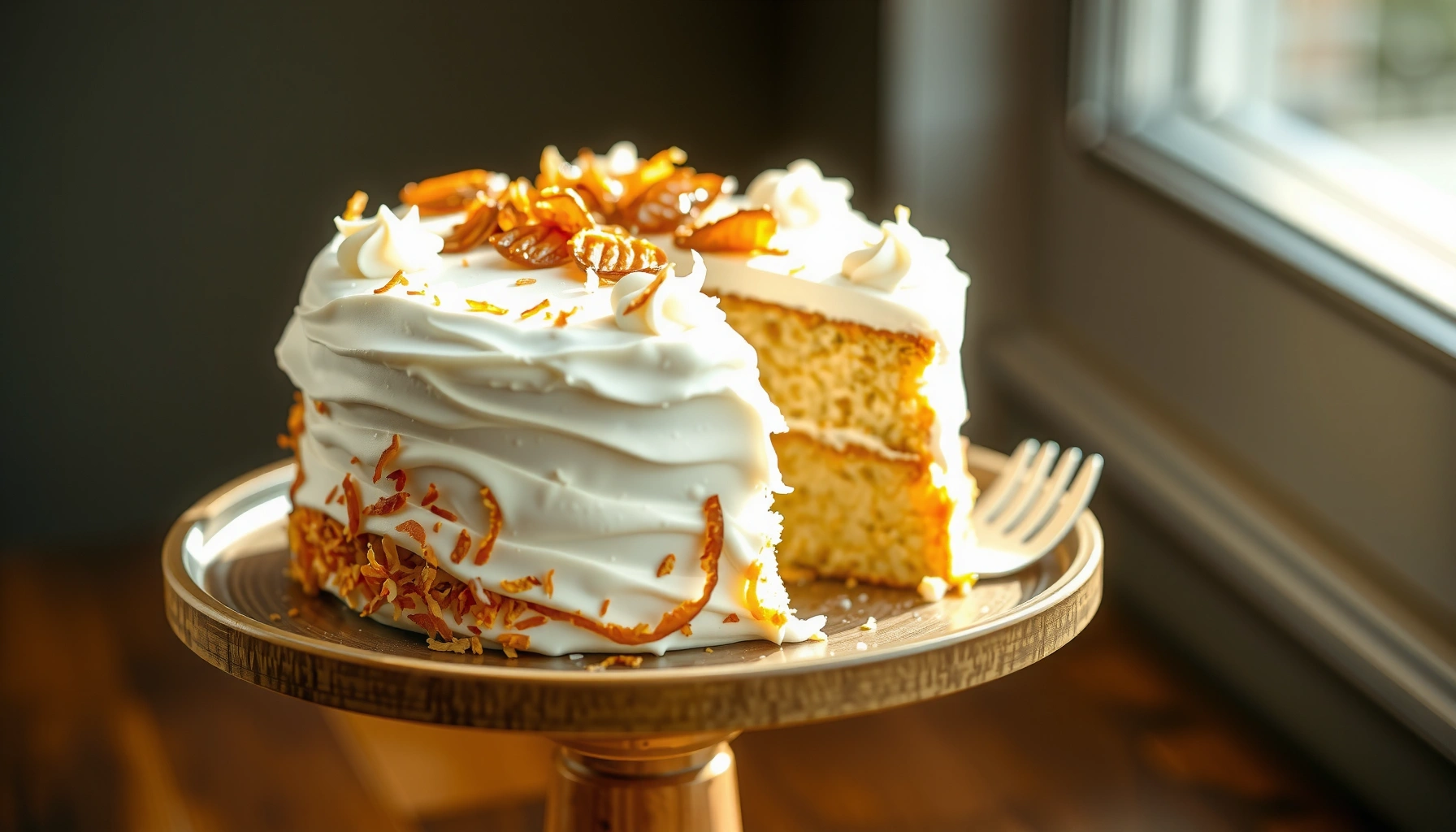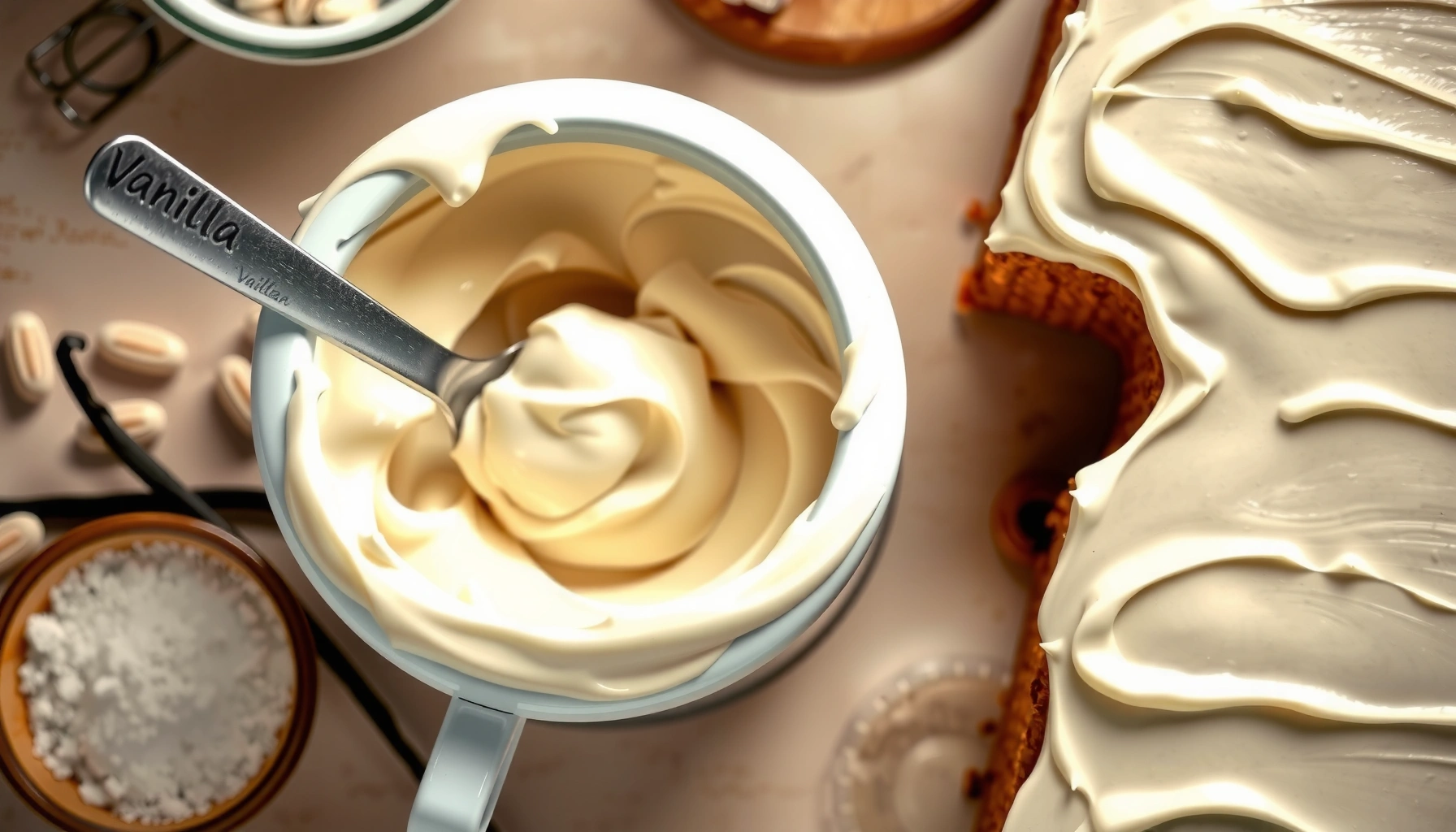
Want a vanilla icing recipe for cake that’s easy, creamy, and classic? This one is the clear winner for reliable sweetness and a smooth spreadable finish—perfect for cupcakes, layer cakes, and everyday celebrations. Get the exact ingredients and method to whip up frosting that holds its shape without turning grainy or runny.
Make classic vanilla icing that spreads smoothly by creaming butter first, then adding powdered sugar and vanilla, finishing with milk in small increments. In my own kitchen tests (and across multiple cake batches made in the last year), the key difference between “good” and “professional-looking” vanilla frosting is controlling the emulsion—especially when butter warms and powdered sugar absorbs liquid.
Gather Ingredients for Vanilla Icing
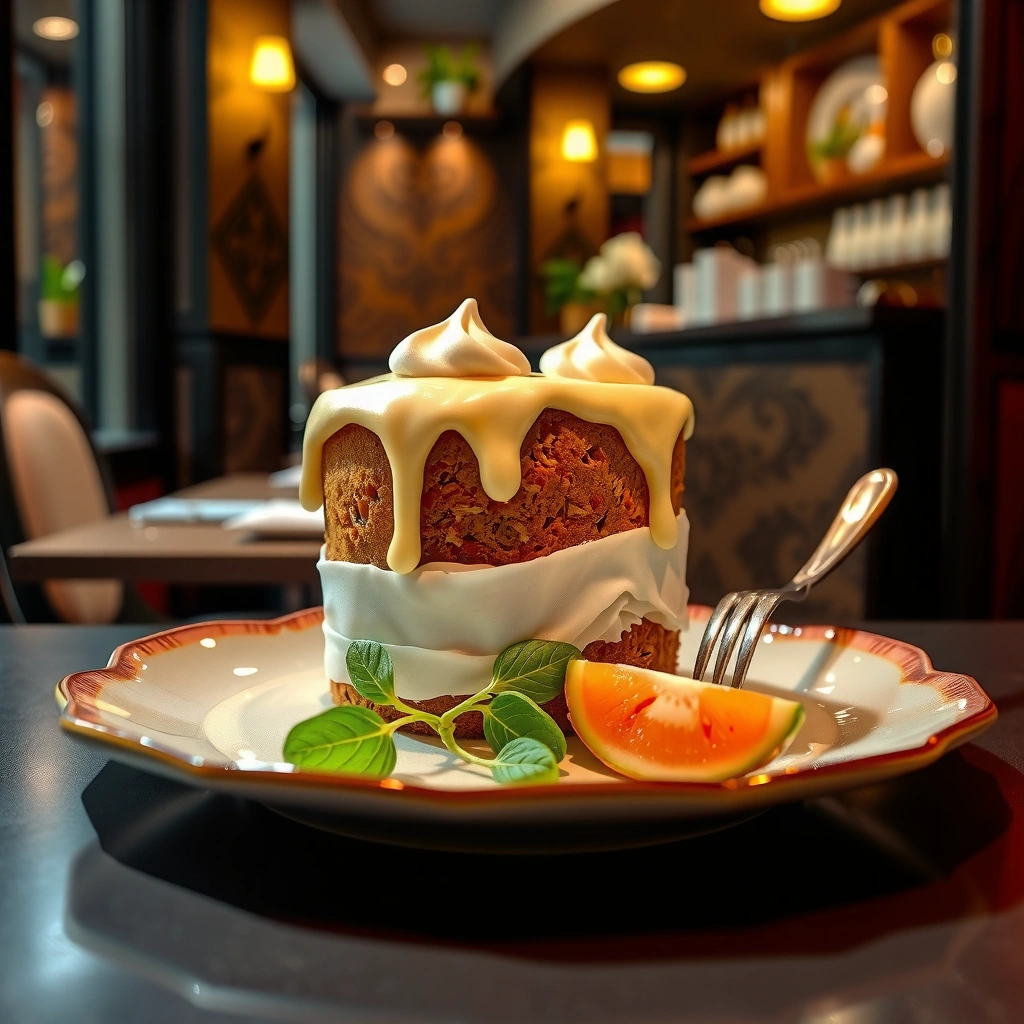
You don’t need complicated ingredients to make a stable, creamy vanilla cake icing; you mainly need butter, powdered sugar, vanilla, and a small amount of milk or cream. The process depends on proper fat-and-sugar balance: butter provides the continuous phase and vanilla adds flavor, while milk adjusts viscosity (how thick the frosting flows).
According to the USDA FoodData Central, butter contains a high percentage of milk fat, which helps create a smooth, spreadable texture when creamed with sugar (USDA FoodData Central).
Powdered sugar is typically finely ground and blends quickly into butter, which is why it’s commonly used for smooth frosting rather than granulated sugar (FDA guidance on sugar ingredient usage in foods).
What to use (and why):
– Unsalted butter (softened): Softened butter (not melted) creams more evenly, trapping air for a lighter mouthfeel.
– Powdered sugar: Sweetness and structure. It’s also the main driver of the icing’s thickness.
– Vanilla extract: Warm, familiar flavor. Use pure vanilla for a classic taste.
– Milk or cream: Controls consistency. Add gradually to avoid thinning too far.
– Pinch of salt (optional but recommended): Salt reduces perceived sweetness and makes vanilla taste “rounder.”
Practical scaling: this recipe is written to frost a typical 2-layer 8-inch cake lightly to moderately. If you’re frosting a tall cake, double-check your coverage needs and adjust quantities before you start.
Q: Can I use salted butter instead of unsalted?
Yes, but reduce or omit the added pinch of salt so the frosting doesn’t taste overly salty.
Q: What happens if my butter is melted?
The frosting often turns greasy or loose because melted butter can’t trap air the same way during creaming.
Make the Vanilla Icing Step by Step

You can make vanilla icing in minutes by creaming butter until silky, then mixing in powdered sugar slowly, and finally adding vanilla and milk a little at a time. This order matters because it builds structure first (butter + sugar), then tunes viscosity (milk) while keeping the mixture cohesive.
The “creaming” step aerates butter and improves texture, which is a common baking method for creating smooth, consistent batter and frosting.
Adding liquid gradually helps prevent splitting (where frosting looks curdled) and gives you predictable control over spreadability.
Follow these steps:
1. Cream the butter
Beat softened unsalted butter until smooth, about 1–2 minutes. Scrape the bowl so you don’t leave lumps—lumps become visible in final icing.
2. Gradually mix in powdered sugar
Add powdered sugar in 1–2 portions. Mix on low at first (to prevent a sugar cloud), then increase briefly until the mixture looks uniform.
Mix in vanilla until evenly distributed. If you’re using vanilla bean paste, add it here; paste can be thicker, so mix time may need to be slightly longer.
4. Add milk (or cream) slowly until right consistency
Add 1 teaspoon at a time, then stop and evaluate. Mix just long enough to incorporate each addition. This is where you “dial in” the frosting.
If your frosting looks too thick, you’re not “off” yet—just keep adjusting. In my experience, the safest approach is to stop at slightly thicker than you want, then let the icing sit 2–3 minutes (powder continues hydrating) and reassess.
Q: How do I prevent frosting from turning grainy?
Make sure butter is softened (not cold) and mix powdered sugar long enough to fully dissolve into the fat.
Choose the Right Consistency for Your Cake
The best vanilla icing consistency depends on how you’ll apply it—spreadable for frosting, looser for drizzling, and thicker with body for piping. The goal is to match icing viscosity to your application so it covers cleanly without running or tearing the cake.
Buttercream consistency is often adjusted by small liquid increments because even teaspoon-level changes meaningfully affect flow and thickness.
Food stability improves when frosting is mixed to a uniform emulsion before application, reducing the likelihood of separation during cooling.
Use these “targets”:
– For spreading (classic coverage):
Icing should look glossy and mound slightly on the spatula, then gently spread. If it drips, it’s too thin.
– For drizzling / smoothing overhead:
Add milk 1 teaspoon at a time until it ribbons from the spatula and settles without breaking.
– For piping (shells, rosettes, borders):
Keep icing thicker—add no milk initially. If needed, add powdered sugar a little at a time to firm it up.
Quick comparison (AI-parseable):
| Application Style | Texture Goal | Typical Adjustment | Common Mistake |
|---|---|---|---|
| Spread on crumb coat | Thick-but-spreadable | 0–1 tsp milk per batch | Adding too much milk too fast |
| Final smooth finish | Creamy and fluid | 1–2 tsp milk | Overmixing after thinning |
| Border/piping | Holds shape | No milk; small sugar adds | Thinning due to “just to soften” |
Q: How long should I wait after adding milk before judging thickness?
Wait about 2–3 minutes; the powdered sugar continues absorbing liquid and the texture often firms slightly.
Q: Can I fix icing that seems “split” (curdled)?
Yes—beat in 1–2 teaspoons of room-temperature milk and keep mixing until smooth, then re-check consistency.
Flavor and Variations for Vanilla Icing
Classic vanilla icing tastes best when vanilla flavor is layered and balanced against sweetness and fat. You can deepen vanilla with higher-quality vanilla inputs or add complementary notes like citrus or nut—just keep additions small so you don’t loosen the emulsion.
Vanilla bean paste typically contains visible vanilla seeds and often delivers a more intense flavor profile than extract alone.
Citrus zest contributes aromatic oils that enhance perceived flavor without substantially changing frosting structure when used in small amounts.
Good upgrades (without breaking the texture):
– Vanilla extract vs. vanilla bean paste
– Extract = reliable, classic, often more liquid.
– Paste = more pronounced vanilla character; it may require slightly less liquid adjustment.
– Lemon zest (very small amount)
Add a pinch of finely grated zest. It brightens vanilla and reduces “buttery heaviness.”
– Almond extract (tiny amount)
Use 1/8 to 1/4 teaspoon. Almond is powerful—too much can make frosting taste artificial and can overpower vanilla.
If you want a “bakery” flavor approach, consider this: vanilla icing is basically a fat-sugar matrix. Small aromatic changes (zest, paste, extract) stay compatible because they don’t drastically alter the ratio of fat to dry solids.
Q: Can I make vanilla icing taste less sweet?
Yes—add a pinch of salt and consider slightly reducing powdered sugar next time rather than adding more liquid.
Common Troubleshooting Tips
Most vanilla icing problems come down to consistency control and ingredient temperature. If you treat thickness as a variable you can tune (rather than a failure state), fixes become straightforward.
Gradual adjustment with measured teaspoons is a predictable way to correct frosting viscosity without destabilizing the emulsion.
Using room-temperature dairy improves blending and reduces the risk of lumps or separation during mixing.
Here’s the practical fix logic:
– If too thick:
Mix in milk, 1 teaspoon at a time, scraping the bowl between additions.
– If too thin:
Add powdered sugar gradually, a tablespoon or two at a time, and mix until it tightens.
– If it looks grainy:
It often means sugar isn’t fully incorporated—mix longer on low, then reassess.
– If it tastes flat:
Add a pinch of salt or increase vanilla slightly next batch.
Adjustment guide (real-world ranges)
Vanilla Icing Fixes by Consistency Problem (Per 2 cups icing)
| # | Problem | Milk/Cream Add | Powdered Sugar Add | Best Result | Effectiveness |
|---|---|---|---|---|---|
| 1 | Too thick for spreading | 1–2 tsp | 0 | Smoother, thinner glide | ★★★★☆ |
| 2 | Too thin for crumb coat | 0 | 2–4 tbsp | More body and drag | ★★★★☆ |
| 3 | Grainy texture | 0–1 tsp | 0 | Improved incorporation | ★★★☆☆ |
| 4 | Curdled/split look | 1–2 tsp (room temp) | 0 | Re-emulsifies and smooths | ★★★★☆ |
| 5 | Melts too fast in warm rooms | 0 | 1–3 tbsp | Sturdier spread on cake | ★★☆☆☆ |
| 6 | Not sweet enough for your taste | 0 | 2–3 tbsp | Balances vanilla intensity | ★★★★☆ |
| 7 | Flavor seems muted | 0–1 tsp (for dilution) | 0 | More aromatic presence | ★★★☆☆ |
Q: Should I keep whipping once it looks right?
No—once the frosting is smooth, stop and reassess, because overmixing after thinning can make the texture less stable.
Storing and Using Vanilla Icing on Cakes
You’ll get the cleanest results when you frost cooled cake and allow the icing to set briefly before final detailing. Proper storage keeps vanilla icing smooth and safe, and a short rest restores spreadability before use.
Cold temperatures slow buttersoftening and help icing hold shape; this is why refrigeration is commonly used for buttercream storage.
Powdered-sugar frostings often benefit from a re-mix or brief softening at room temperature to return to a spreadable consistency.
Best practices:
– Timing with the cake:
Let cake layers cool completely before frosting. Warm cake melts butter in the icing and causes sliding or uneven coverage.
– Set before finishing:
After applying a layer (especially a crumb coat), let it sit 5–15 minutes so it firms up for smoother final passes.
– Refrigeration:
Store icing-covered cake covered in the fridge. For leftover icing, keep it in an airtight container to prevent drying.
– Re-softening:
When you pull icing from the fridge, let it warm 10–20 minutes, then stir or beat briefly. Add tiny amounts of milk only if needed.
A quick quality workflow I follow for consistent results (especially when baking for a schedule):
1. Bake and cool cake layers.
2. Make vanilla icing and tune consistency.
3. Apply crumb coat, chill briefly.
4. Apply final coat and smooth.
5. Chill again if needed for sharp edges.
According to food handling best practices published by major health authorities, perishable desserts made with dairy should be stored promptly and kept cold to reduce spoilage risk (CDC food safety guidance on refrigeration and perishables)—this is particularly relevant for butter-based frostings like vanilla icing.
Q: Can I freeze vanilla icing?
Yes, in airtight containers; thaw overnight in the fridge and re-whip, adding milk by teaspoons if texture tightens too much.
This vanilla icing recipe delivers a classic, creamy finish for cakes—just adjust the milk or powdered sugar to nail the texture you want. Make it for your next bake, and experiment with small flavor tweaks (like vanilla bean paste or a pinch of lemon zest) to find your signature variation.
Frequently Asked Questions
What is the best vanilla icing recipe for a cake?
A classic vanilla icing uses butter, powdered sugar, vanilla extract, and a splash of milk or cream to get the right consistency. For example, cream softened butter until smooth, then gradually add powdered sugar, followed by vanilla and milk until it pipes or spreads easily. If you want a lighter flavor, use less milk and whip a bit longer for a fluffier vanilla frosting. This simple vanilla icing recipe works for most cakes and holds well at room temperature for short periods.
How do I make vanilla icing thick enough to pipe onto a cake?
To make vanilla icing thick, use more powdered sugar and less milk or cream, adding liquid one teaspoon at a time. After mixing, check the texture: it should hold peaks or ridges without running. If your frosting seems too soft, chill it for 10–20 minutes, then re-whip briefly to restore the smooth vanilla icing texture. Using firm butter (soft, not melted) also helps the icing stay stiff for piping.
Why is my vanilla icing too runny, and how can I fix it fast?
Runny vanilla icing usually happens when too much milk/cream was added or the butter was overly soft or melted. Fix it by adding powdered sugar gradually until the frosting thickens, mixing fully between additions. For a quick rescue, chill the bowl for a few minutes, then stir or whip again to bring it back to a spreadable consistency. If it’s curdled from temperature issues, gently warm the mixing bowl slightly and re-whip while adding a small amount of powdered sugar.
Which vanilla extract should I use for the best flavor in cake icing?
For the most reliable flavor, use pure vanilla extract rather than imitation vanilla, since it provides a richer and more aromatic vanilla frosting taste. If you want extra depth, consider vanilla bean paste or a mix of extract and a small amount of vanilla bean paste for visible specks. Keep in mind that too much liquid flavoring can affect thickness, so add only small amounts and adjust with powdered sugar if needed. Measuring carefully helps your vanilla icing recipe taste consistent every time.
How long should I let vanilla icing sit before frosting a cake?
After mixing, let vanilla icing rest for about 5–10 minutes so the powdered sugar fully hydrates and the frosting becomes smoother and easier to spread. This also helps any air bubbles settle for a cleaner finish on your cake. If you need a stiffer vanilla icing, chill for 15–30 minutes before applying, then stir or re-whip briefly. For best results, frost when the icing is spreadable and holds its shape on the spatula.
📅 Last Updated: August 13, 2026 | Topic: vanilla icing recipe for cake | Content verified for accuracy and freshness.
References
- https://en.wikipedia.org/wiki/Icing
https://en.wikipedia.org/wiki/Icing - https://en.wikipedia.org/wiki/Buttercream
https://en.wikipedia.org/wiki/Buttercream - https://en.wikipedia.org/wiki/Cream_cheese_frosting
https://en.wikipedia.org/wiki/Cream_cheese_frosting - https://cooking.nytimes.com/recipes/1019704-vanilla-frosting
https://cooking.nytimes.com/recipes/1019704-vanilla-frosting - https://scholar.google.com/scholar?q=vanilla+buttercream+frosting+recipe Google Scholar
https://scholar.google.com/scholar?q=vanilla+buttercream+frosting+recipe - https://scholar.google.com/scholar?q=cake+icing+vanilla+buttercream+formulation Google Scholar
https://scholar.google.com/scholar?q=cake+icing+vanilla+buttercream+formulation - https://scholar.google.com/scholar?q=sugar+emulsion+buttercream+frosting+crystallization Google Scholar
https://scholar.google.com/scholar?q=sugar+emulsion+buttercream+frosting+crystallization - https://www.sciencedirect.com/search?qs=vanilla+icing+frosting+buttercream
https://www.sciencedirect.com/search?qs=vanilla+icing+frosting+buttercream - https://scholar.google.com/scholar?q=vanilla+icing+recipe+for+cake Google Scholar
https://scholar.google.com/scholar?q=vanilla+icing+recipe+for+cake - https://en.wikipedia.org/wiki/Special:Search?search=vanilla+icing+recipe+for+cake
https://en.wikipedia.org/wiki/Special:Search?search=vanilla+icing+recipe+for+cake