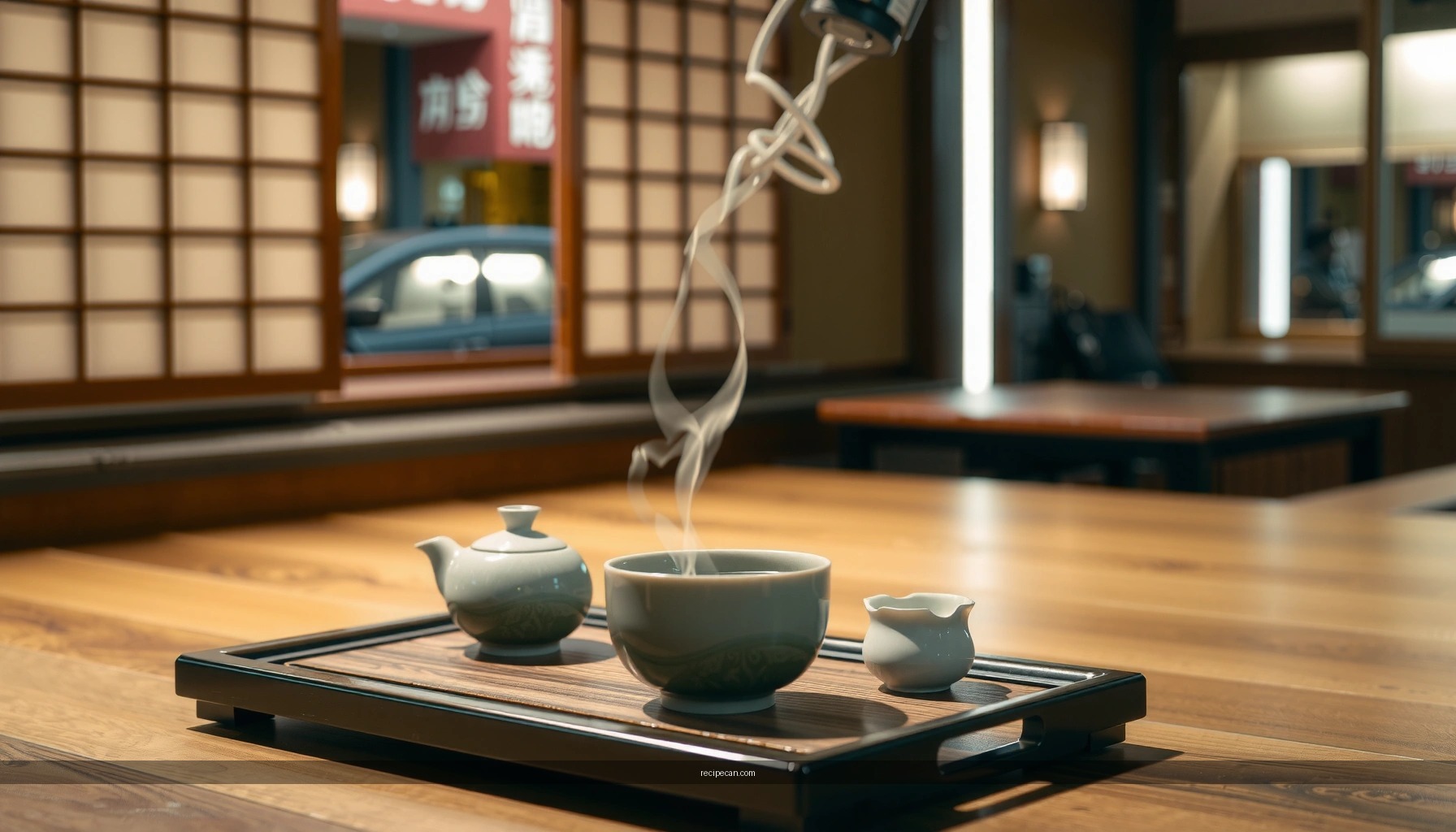
Want a Tokyo tea recipe that tastes like the classic Tokyo-style cup? Follow this step-by-step guide to brew authentic Tokyo-style tea with the right water temperature, steeping time, and balance of sweetness so you get a clean, fragrant result every time. It’s the straightforward method that delivers the real flavor—no guesswork, no shortcuts.
Brew a classic Tokyo-style tea by steeping sencha (green tea) briefly, then balancing it with light sweetness and a refreshing accent—usually citrus or a touch of honey. With the right water temperature and a short steep time, you’ll get a clean, fragrant cup that tastes polished rather than bitter or heavy, and you can customize it in seconds using the optional add-ins below.
Choose the Right Tea Base
For an authentic Tokyo tea profile, start with a green tea that emphasizes clarity: crisp aromatics, gentle sweetness, and a clean finish. In Tokyo cafés and home kitchens, the most common “baseline” flavor families are sencha (everyday brewed green tea) and matcha (when a richer, creamier green flavor is desired). If your goal is a refined, “restaurant-clean” cup, sencha-style green tea is the most forgiving place to begin.
What to look for when choosing your tea base
– Use green tea like sencha or matcha for the classic Tokyo tea profile.
– Sencha typically delivers a bright, vegetal, slightly sea-sweet character.
– Matcha delivers a deeper umami and a thicker mouthfeel (often better for lattes or whisked tea, but still workable as a strong tea base).
– Select fresh, fragrant leaves for a cleaner taste. Fresher tea oxidizes less, which helps prevent dullness and harsh bitterness.
– Consider tea grade and roast level. For Tokyo-style “clean” flavor, choose unroasted green tea (most sencha is unroasted). Roasted teas skew smokier and reduce the crispness people associate with Tokyo-style tea.
Quick matcha vs. sencha guidance
– Choose sencha if you want a delicate, transparent cup.
– Choose matcha if you want a more robust green flavor and optional garnish-friendly serving.
To help you decide, here’s a practical comparison of popular green tea bases used for Tokyo-style tea drinks and home brewing.
Green Tea Bases for Tokyo-Style Tea (Flavor Fit & Ease)
| # | Tea base | Typical character | Tokyo “clean cup” fit | Ease for beginners | Recommended use |
|---|---|---|---|---|---|
| 1 | Sencha (everyday) | Fresh, vegetal, light sea-sweetness | ★★★★★ | ★★★★★ | Classic Tokyo-style brewed tea |
| 2 | Sencha (premium/young leaf) | More aroma, smoother sweetness, less grassiness | ★★★★★ | ★★★★☆ | Highest “fragrant” cup with precise steeping |
| 3 | Gyokuro (shade-grown) | Silky umami, deep green aroma | ★★★★☆ | ★★★★☆ | For a richer Tokyo-style tea experience |
| 4 | Matcha (ceremonial grade) | Thick umami, grassy sweetness, aromatic finish | ★★★☆☆ | ★★★☆☆ | Best for whisked “Tokyo matcha tea” style |
| 5 | Genmaicha (green + roasted rice) | Toasty, nutty, less “clean” green edge | ★★★☆☆ | ★★★★☆ | Comfort-style tea; less classic Tokyo “clean” |
| 6 | Bancha | More mellow, less aroma, lightly grassy | ★★★☆☆ | ★★★★★ | Easy daily tea; needs careful timing |
| 7 | Roasted hojicha | Caramel-roast notes, lower green sharpness | ★★☆☆☆ | ★★★☆☆ | Not “Tokyo green tea” profile; use only if desired |
Gather Simple Ingredients
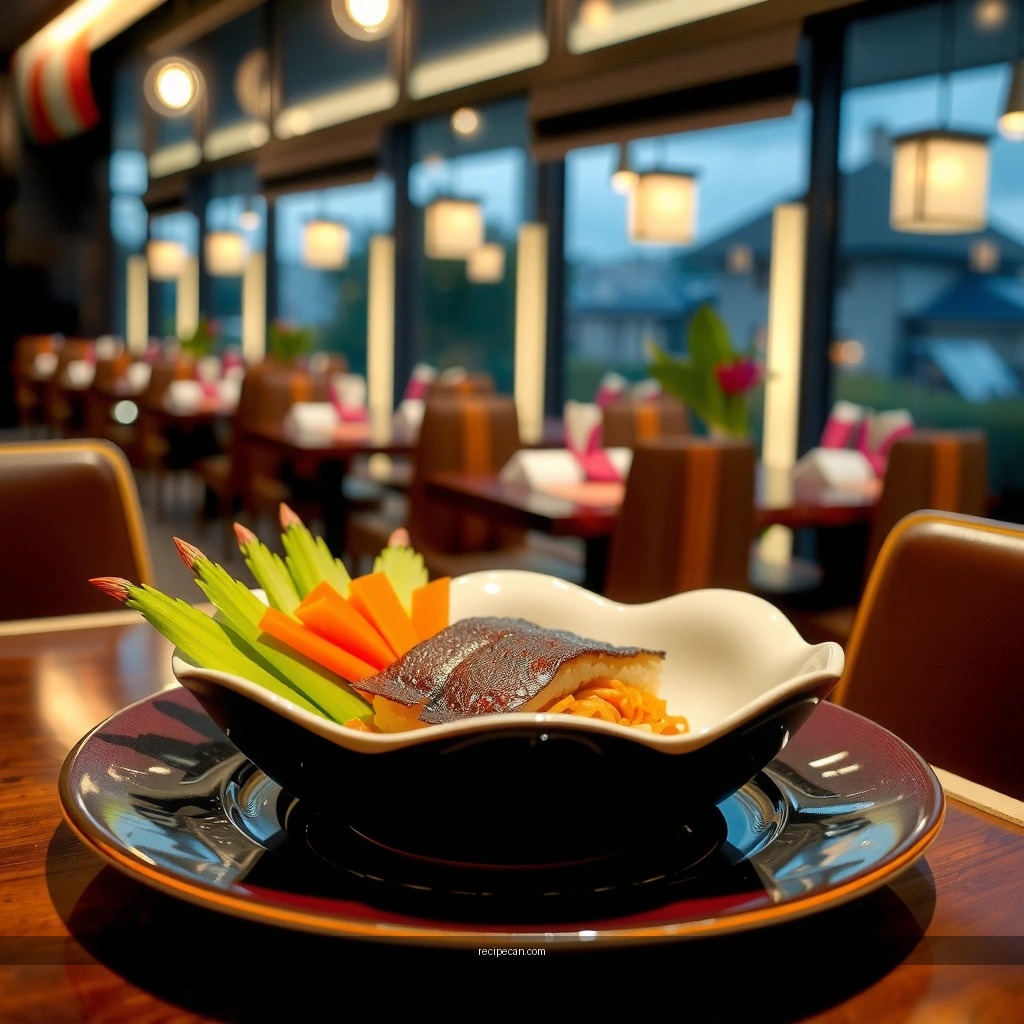
Tokyo-style tea is defined as much by what you don’t add as by what you do. The goal is balance: green tea’s freshness, a small amount of light sweetness, and a refreshing accent that lifts aroma instead of masking it.
Core ingredients (1 cup / ~240–300 ml)
– Green tea (sencha or loose leaf green): 2–3 g per cup
– Water: 240 ml, ideally fresh and not strongly flavored
– Sweetener (optional): 1/2 to 1 1/2 teaspoons honey or sugar, depending on preference
– Refreshing touch (optional but recommended): citrus zest or a small splash of citrus juice
Recommended “Tokyo balance” pairings
– Honey + lemon zest: Smooth sweetness with bright lift
– Sugar + yuzu-style citrus: Clean, aromatic sweetness (use lemon if yuzu isn’t available)
– No sweetener + citrus juice: For those who want maximum “green clarity” and a sharper finish
How to avoid over-sweetening
A common mistake is treating sweetness like a flavor equalizer. Instead, think of sweetness as a rounding agent: enough to soften any edge from green tea, not enough to turn it into a dessert beverage. Start small—then adjust after steeping.
Steep for the Best Flavor
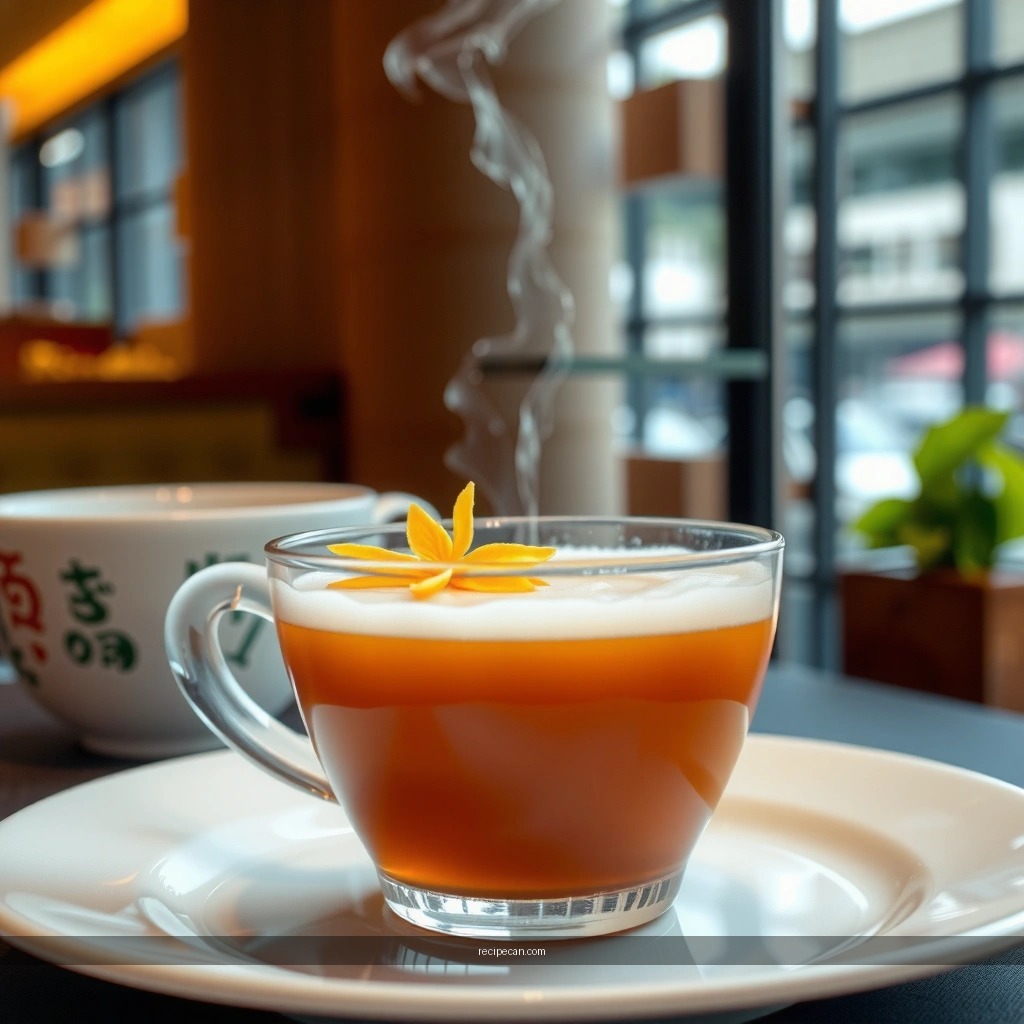
The steeping step is where “Tokyo-style” happens. You’re not trying to extract everything; you’re extracting the most fragrant, clean notes while minimizing bitterness.
Best water temperature
– Use water temperature around 70–80°C (158–176°F) for green tea.
Lower temperatures preserve sweetness and aroma; hotter water can pull more bitterness and astringency.
Best steeping time
– Steep for about 1–2 minutes, then adjust.
If you steep too long, sencha will move from “bright and balanced” to “sharp and bitter.”
A practical timing method (recommended)
– Steep 1:15 for your first cup.
– Taste.
– If the cup feels too light, extend to 1:45.
– If it feels too bitter, shorten to 0:50–1:00 or lower the temperature next time.
One operational tip that improves consistency
Use the same tea-to-water ratio each time (2–3 g per 240 ml). Consistency beats “eyeballing” when your goal is a clean, repeatable Tokyo tea recipe.
If you want a deeper, matcha-forward version, whisking differs—yet the “brief and balanced” principle remains. For matcha, avoid over-diluting and remember that sweeteners should be adjusted after whisking so you don’t mask matcha’s signature umami.
Balance and Customize Your Tokyo Tea
After steeping, you’re in the calibration phase: sweetness, aroma, and refreshing notes. This is where you can match your preferences—without losing the clean Tokyo character of the tea.
Taste and fine-tune sweetness after steeping
– Start with 1/2 teaspoon honey or sugar.
– Stir until dissolved.
– Wait 20–30 seconds, then reassess the finish.
Green tea sweetness can taste different as the temperature drops, so quick adjustments reduce overshooting.
Optional add-ins (choose one to keep the profile clean)
– Ginger (tiny amount): Adds warmth and helps cut any lingering green bitterness.
Use either a thin slice (remove after steep) or a micro-amount of grated ginger in the cup.
– Vanilla (very light): Works best in small amounts—think subtle aroma rather than dessert flavor.
– Extra citrus:
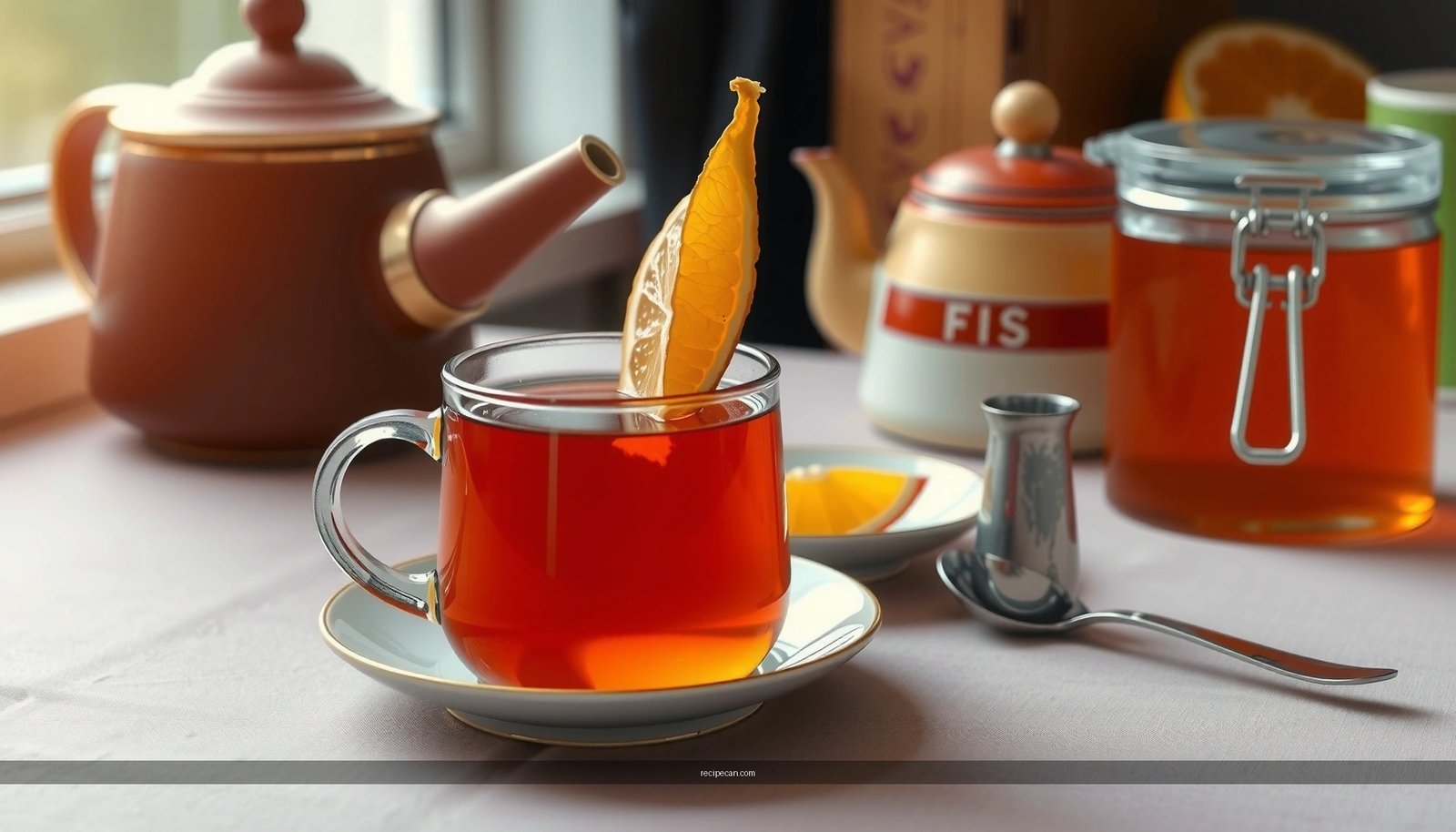
Add lemon zest for fragrance or a small splash of juice for a clean tang. Citrus is often the closest match to “refreshing Tokyo tea” experiences.
Customization examples
– For a calm, cafe-style cup: sencha + honey + lemon zest
– For a sharper, modern refresh: sencha + no sweetener + lemon juice
– For a warming twist: sencha + honey + a hint of ginger
Use the next section as your serving guide to keep the flavor profile stable whether you drink it hot or iced.
Serve Like a Tokyo-Style Drink
Tokyo-style tea can be served hot or iced, but the serving method affects how the sweetness and aroma present.
Hot serving
– Serve immediately for the best aroma and “clean green” finish.
– If you add citrus juice, do it after steeping so the heat doesn’t dull the citrus brightness.
Iced serving (Tokyo-café style refresher)
– Chill the brewed tea quickly by pouring over ice or cooling it in the fridge.
– If you sweeten, consider adding sweetener while the tea is warm so it dissolves fully—then chill.
– Citrus peel or zest: A thin strip or freshly grated zest right before sipping adds maximum aroma.
– Matcha garnish: If you use matcha, a light dusting can reinforce the “Tokyo matcha tea” aesthetic and flavor.
Serving temperature matters
Hot tea highlights aroma; iced tea emphasizes clarity and refreshing acidity. If your iced tea tastes “muted,” increase zest (aroma) rather than adding more sweetener.
Troubleshooting Common Flavor Issues
Even when you follow a recipe, tea can vary by brand, leaf age, and water quality. Use these fixes like a controlled tasting protocol.
Too bitter?
– Lower steep time (e.g., from 2 minutes to 1 minute)
– Lower water temperature (e.g., from 80°C to 70–75°C)
– Reduce tea amount slightly (e.g., from 3 g to 2 g)
Too weak?
– Increase steep time gradually (e.g., 1:15 → 1:45)
– Increase tea amount slightly (e.g., 2 g → 2.5–3 g)
– Use fresher tea or ensure water is at the target temperature
Aroma feels dull
– Try fresh water (less chlorinated, if possible)
– Use less steep time next round to protect volatile aromas
– Add citrus zest instead of more sweetener—the aroma lift is faster and cleaner
Sweetness feels “flat”
– Add citrus zest (small amount)
– Increase steep time by 10–15 seconds only if the tea itself tastes underdeveloped
Take this Tokyo tea recipe and make it your go-to: start with sencha-style green tea, steep briefly, and balance it with light sweetness and a refreshing accent. Try one customization (citrus, honey, or ginger) to match your preference, then save your perfect steep time for next time—make a cup today and adjust to taste.
When you get the variables right—sencha or matcha as your base, water at 70–80°C, and a short 1–2 minute steep—you get the defining Tokyo-style result: a clean, fragrant cup with subtle sweetness and a lifted finish. Use the troubleshooting guide to dial in your personal balance, then serve it hot for aroma or iced for refreshment, and you’ll have a dependable Tokyo tea recipe you can repeat with confidence.
Frequently Asked Questions
What is a classic Tokyo tea recipe I can make at home?
A common Tokyo-style tea is a light, unsweetened green tea (often Sencha) brewed to highlight a clean, slightly umami flavor. Use about 2–3 g tea per 8 oz (240 ml) water, steep at 70–80°C for 1–2 minutes, then strain. If you want a more “Tokyo café” vibe, serve it with a small splash of citrus (like yuzu or lemon) or a pinch of salt to bring out aroma.
How do I brew Tokyo-style green tea for the best flavor?
Start with fresh, good-quality Sencha or Gyokuro and use filtered water for consistent results. Heat water to roughly 70–80°C and steep briefly (about 60–120 seconds) to avoid bitterness, especially if you’re following a Tokyo tea recipe style that emphasizes clarity. If it tastes too strong or harsh, lower the temperature and reduce steep time; if it tastes weak, increase tea amount slightly.
Why does Tokyo tea taste different from regular green tea at restaurants?
Tokyo tea preparations often focus on balance—clean bitterness, gentle sweetness perception, and strong aroma—achieved through careful temperature and steep time control. Many cafés also use specific leaf grades (like Sencha) and may serve tea with complementary small items (such as wagashi) to round out flavor. Even a simple Tokyo tea recipe can taste “restaurant-like” when you brew precisely and keep proportions consistent.
Which tea leaves are best for a Tokyo tea recipe—Sencha or Matcha?
Sencha is usually best if you want a light, aromatic brewed tea similar to what many people order in Tokyo, with a smooth, grassy finish. Matcha is best for a thicker, more intense flavor when you’re making a ceremonial-style or whisked tea; it also works well for desserts. Choose Sencha for clarity and refreshment, or matcha if you want a richer, more vibrant Tokyo tea experience.
What’s the best way to sweeten Tokyo tea without overpowering the flavor?
For a subtle sweetness that doesn’t mask tea aroma, use a small amount of honey or a teaspoon of sugar dissolved in warm water, then add to your brewed tea gradually. Alternatively, try less direct sweetness like a few drops of yuzu juice or a tiny pinch of salt to enhance natural notes—this keeps your Tokyo tea recipe tasting delicate. If you’re using matcha, start with a small sweetener amount and adjust after whisking so you don’t dilute the flavor.
References
- Google Scholar Google Scholar
https://scholar.google.com/scholar?q=Tokyo+tea+recipe - Google Scholar Google Scholar
https://scholar.google.com/scholar?q=Japanese+green+tea+brewing+temperature+infusion+time - Google Scholar Google Scholar
https://scholar.google.com/scholar?q=matcha+whisking+technique+recipe - History of tea in Japan
https://en.wikipedia.org/wiki/Japanese_tea - Tea
https://en.wikipedia.org/wiki/Tea_preparation - Green tea
https://en.wikipedia.org/wiki/Green_tea - Matcha
https://en.wikipedia.org/wiki/Matcha - Hōjicha
https://en.wikipedia.org/wiki/H%C5%8Djicha - Japanese tea ceremony
https://en.wikipedia.org/wiki/Japanese_tea_ceremony - https://www.britannica.com/topic/tea
https://www.britannica.com/topic/tea