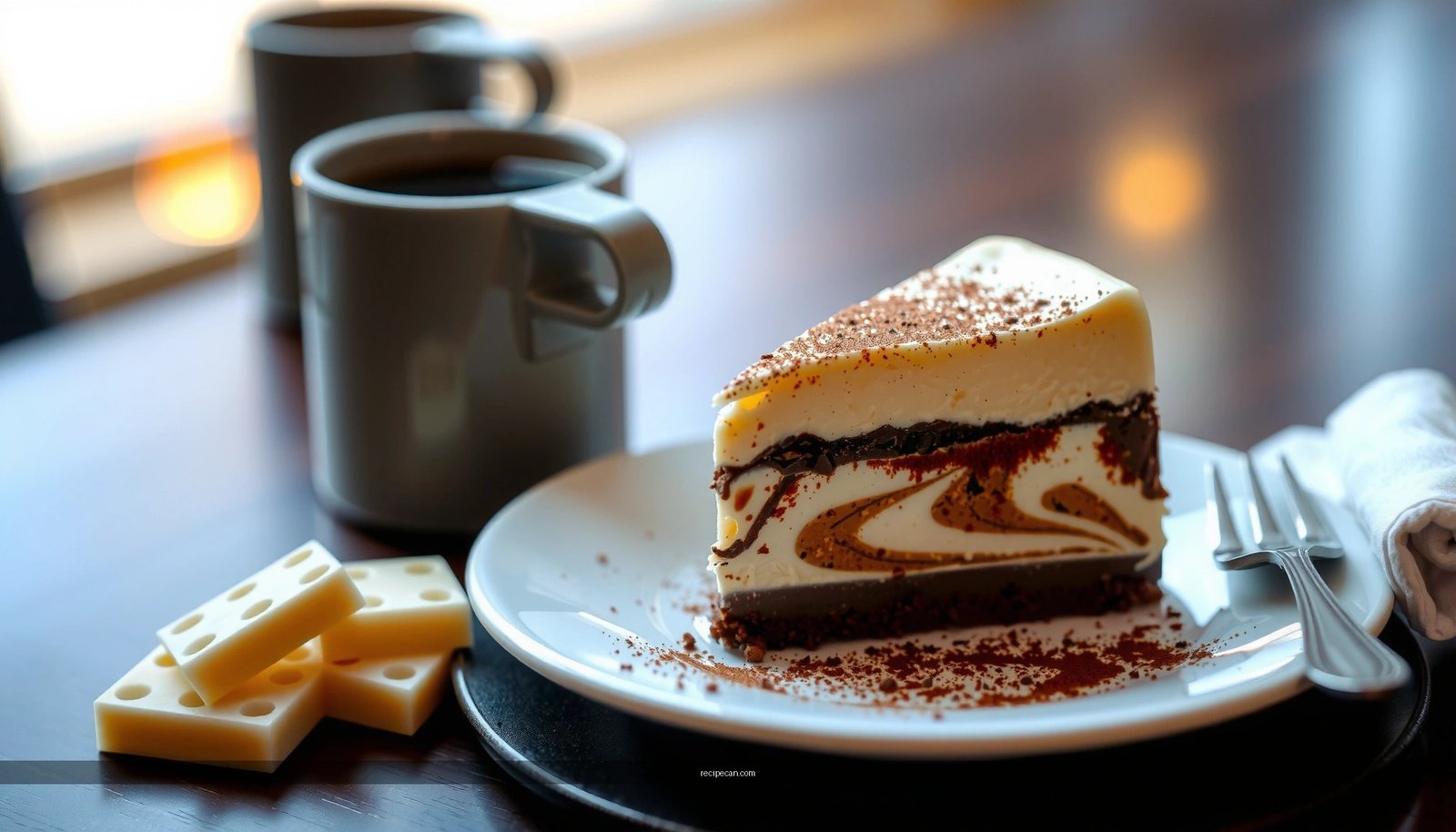
Looking for tiramisu recipes that actually deliver—classic, easy, and flavorful versions that you can make reliably at home? This guide picks the best format based on your goal: the classic for maximum coffee-cocoa flavor, and the easiest variation for fastest results without sacrificing the signature mascarpone richness. You’ll get clear, step-by-step recipes designed to prevent the two biggest failures—watery layers and bland taste—so your tiramisu lands right the first time.
Tiramisu is all about building crisp, coffee-flavored layers with a smooth mascarpone cream—then chilling long enough for it to set. If you nail the ratio of mascarpone to sweetness (and avoid over-soaking the ladyfingers), you’ll consistently get the signature light, creamy texture that makes classic tiramisu recipes so memorable.
For businesslike results—repeatable, dependable, and easy to scale—treat this dessert like a process: control the coffee temperature, standardize the soaking time, and plan the chill. Below is a complete guide that walks through classic technique and then expands into practical variations, storage best practices, and common troubleshooting.
Tiramisu Flavor Profile: Recommended Coffee Strength & Expected Result (Testing Guide)
| # | Coffee Brew Strength | Recommended Use | Soak Risk | Best For |
|---|---|---|---|---|
| 1 | Espresso (single shot) | Classic espresso flavor | Low (quick dip) | ★ Bold, bakery-style |
| 2 | Aeropress “strong” | Even bitterness profile | Low–Medium | ★ Reliable everyday classic |
| 3 | Medium-dark drip | Balanced caramel notes | Medium | ★ Family-friendly sweetness |
| 4 | Cold brew (concentrated) | Smooth, low acidity | Low | ★ Smooth, crowd-pleasing |
| 5 | Cold brew (diluted) | Milder coffee presence | Medium | ★ Lighter coffee taste |
| 6 | Instant coffee (reconstituted) | Convenient, fast prep | Medium | ★ Inconsistent depth |
| 7 | Very weak “light roast” drip | Not recommended for classic | High | ★ Coffee flavor may vanish |
Classic Tiramisu Ingredients
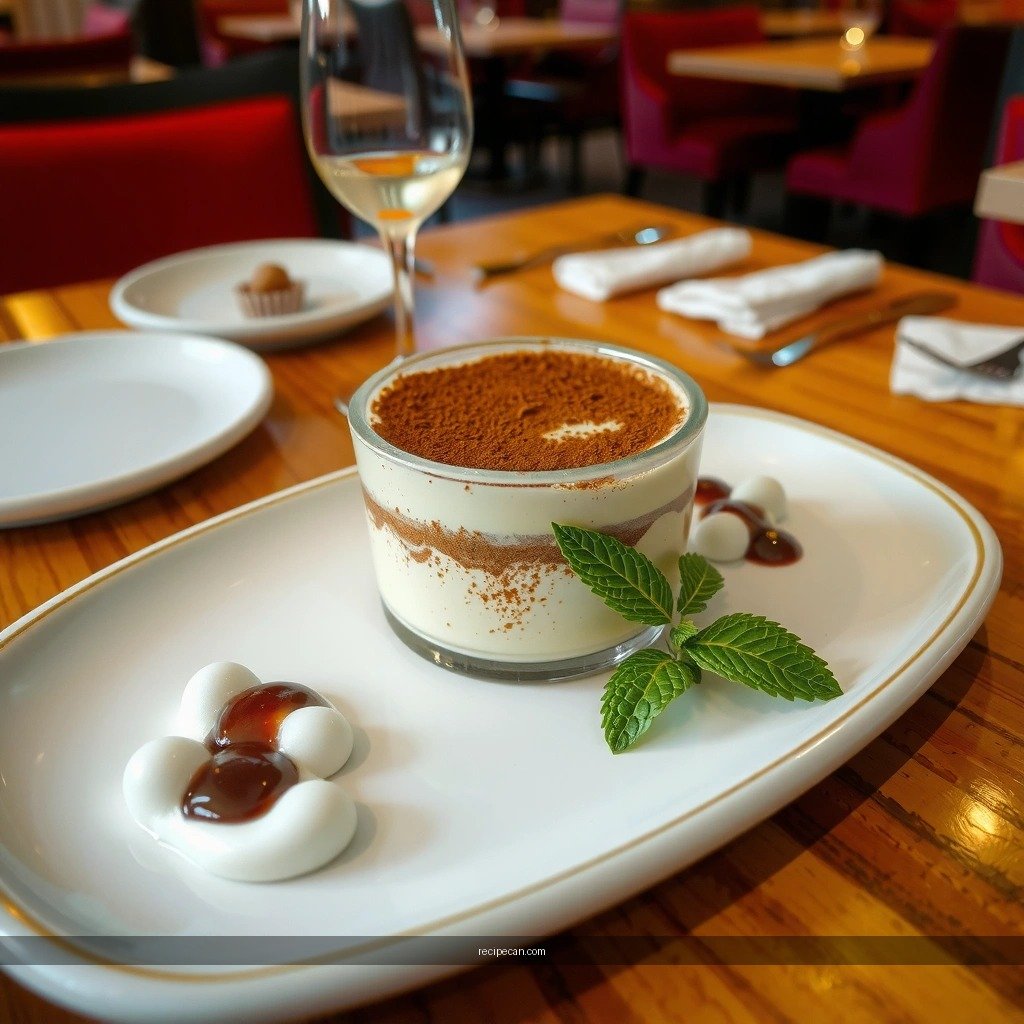
– Gather mascarpone, eggs, sugar, coffee, ladyfingers, and cocoa powder
– Use strong brewed coffee (or espresso) for bold flavor
– Choose fresh, high-quality mascarpone for the best cream consistency
Classic tiramisu recipes are built on a small set of ingredients, but each one has a job. When you source or prepare them correctly, the dessert becomes predictable—airy filling, distinct coffee flavor, and clean slices after chilling.
Mascarpone (the structural cream):
Look for fresh mascarpone with a thick, spoonable texture. If it’s loose, watery, or separated, your filling can turn grainy. This matters most for classic tiramisu method because the cream sets during chilling, not during cooking.
Eggs and sugar (the emulsion and lift):
Egg yolks contribute richness and body; sugar helps them blend smoothly. When using whole eggs (or separating), the goal is a stable emulsion that holds air without becoming unstable. For many classic tiramisu recipes, separating eggs and whisking whites separately yields the lightest texture.Coffee (the flavor signature):
Use strong brewed coffee or espresso. The coffee is not meant to be tasted faintly—it should cut through the mascarpone richness. If your coffee is weak, you may end up compensating with more sugar or soaking longer, both of which risk a watery, broken texture.
Ladyfingers (the layer that must stay “structure-first”):
Ladyfingers bring crunch that softens into tender cake. However, tiramisu texture depends on speed: too little soak leaves hard centers; too much soak creates soggy layers.
Cocoa powder (finish and contrast):
Choose unsweetened cocoa powder for bitterness and aroma. Dust cocoa right before serving—paper-thin cocoa absorbs moisture over time and can dull the surface.
Step-by-Step Tiramisu Method

– Whisk egg yolks with sugar, then fold in mascarpone until smooth
– Beat egg whites separately (if using) to keep the filling airy
– Layer ladyfingers quickly in coffee and build neat, even stacks
A reliable classic tiramisu method is less about “making it once” and more about controlling three transitions: mixing, incorporation, and layer assembly.
1) Build the mascarpone base with minimal risk
Start by whisking egg yolks and sugar until lighter and smooth. Then add mascarpone in parts, folding gently. The key analytical point: mascarpone is rich but can become thick or uneven if aggressively mixed. Folding keeps the cream silky and prevents overworking.
2) Add lift by managing egg whites (optional but common)
For a lighter texture, beat egg whites separately until they hold soft peaks, then fold into the yolk-mascarpone base. If you overmix after adding whites, you’ll lose the air that creates that cloudlike mouthfeel.
Practical business rule: stop mixing as soon as no white streaks remain. The filling should look cohesive, not “over-aerated.”
3) Assemble layers with consistent timing
Dip ladyfingers quickly—think seconds, not immersion. Then place immediately into your dish in an even layer. Repeat with filling, and keep thickness consistent across layers so slices set uniformly.
Even stacks are not just visual; they improve portioning. A dessert with uneven layer thickness can look perfect at first but slice unevenly after chilling.
Coffee & Soaking Tips

– Dip ladyfingers briefly to avoid sogginess
– Let coffee cool slightly so layers don’t melt or break
– Sweeten coffee to balance the richness of the mascarpone cream
Coffee management is where tiramisu recipes usually succeed or fail. People often blame mascarpone, but most “watery tiramisu” issues come from soaking and temperature.
Dip briefly—use a “controlled contact” approach
Ladyfingers behave like porous sponge cake. A short dip coats them with flavor but leaves their internal structure intact. If you soak longer than needed, the cookie collapses and releases moisture into the cream, which dilutes the filling.
Actionable timing approach:
– Dip each side quickly, then remove.
– Work in batches so you don’t keep ladyfingers waiting on a cutting board.
Cool the coffee so the cream stays stable
If coffee is too hot, it can partially melt the mascarpone and make layers slide. Let brewed espresso or coffee cool to warm, not steaming—room temperature or slightly below is ideal for clean assembly.
Sweeten coffee—but in balance
Mascarpone is sweet and rich, and eggs add more sweetness. If your coffee is very bitter, add sugar to smooth harsh notes. If your mascarpone filling is already very sweet, keep coffee sweetness modest so the dessert remains layered rather than cloying.
Easy Variations to Try
– Swap in chocolate shavings, espresso powder, or flavored liqueur (optional)
– Try a no-egg option for a simpler, more convenient version
– Make it layered in a dish or assembled in individual cups
Once you master classic tiramisu recipes, variations become straightforward because you’re adjusting flavor and assembly—not rebuilding the whole dessert.
Variation 1: Chocolate-forward tiramisu
If you love intense cocoa, add chocolate shavings between layers or mix a small amount of espresso powder into the mascarpone. Espresso powder boosts coffee intensity without changing texture. Keep additions small to avoid overpowering the mascarpone’s creaminess.
Variation 2: Liqueur (optional) for aroma complexity
Adding a coffee liqueur (or even a splash of vanilla-based flavor) can deepen the aroma. Use sparingly: too much alcohol can alter setting and make the flavor taste sharp rather than rounded. Think of liqueur as a “top note,” not the main body.
Variation 3: No-egg tiramisu (simpler prep)
Eggless tiramisu variations typically rely on mascarpone folded with stabilized whipped cream or a thickened cream base. The advantage is convenience and less attention to egg handling. The tradeoff is that the filling may be slightly less airy than a classic yolk/white method—but it can still deliver that creamy, chilled set.
If you go egg-free: choose a filling approach that holds structure during chilling and avoids excess water in the cream.
Variation 4: Individual cups for controlled portions
Portioning into cups is ideal for parties, meal prep, or professional catering. It also reduces slicing problems—each cup sets consistently because it has uniform depth. Layer ladyfingers and cream the same way as a dish; just keep a consistent “fill line” so every serving looks intentional.
Make-Ahead, Storage, and Serving
– Chill at least 4–6 hours (overnight is best) for clean slices
– Store covered in the fridge and enjoy within 2–3 days
– Dust cocoa right before serving to keep it fresh and crisp
Tiramisu is fundamentally a chilled dessert. The chilling time is not optional—it’s what transforms a soft layered build into a cohesive, sliceable product.
How long to chill
For best results, chill overnight. Minimum target: 4–6 hours, but overnight gives more time for the coffee to distribute evenly and for the cream to fully set. If you serve too early, the layers can separate or appear looser than expected.
Storage that preserves texture
Store covered in the refrigerator to prevent surface drying. While tiramisu recipes can last a few days, the cocoa and cookie texture degrade over time. A practical window is 2–3 days for best flavor and mouthfeel.
Serve with a “fresh finish”
Dust cocoa powder right before serving. This keeps the surface aromatic, prevents cocoa from absorbing moisture, and improves presentation.
Common Mistakes (and How to Fix Them)
– Lumpy filling: mix mascarpone gently and ensure eggs are at the right temperature
– Watery tiramisu: reduce soaking time and avoid warm coffee
– Dense texture: whip egg whites properly (or don’t overmix once combined)
Troubleshooting tiramisu is mostly pattern recognition. Here are the most common issues and how to correct them without starting over.
1) Lumpy or grainy filling
Cause: mascarpone was overmixed, eggs were too hot/cold, or incorporation was too aggressive.
Fix: fold mascarpone gently and avoid heating eggs. If you’re using separated eggs, keep whites properly beaten and folded in only until combined.
Preventive step: keep ingredients at consistent, reasonable temperatures. Sudden temperature differences can compromise the emulsion.
2) Watery tiramisu
Cause: ladyfingers were soaked too long, coffee was warm, or excess liquid was introduced.
Fix: reduce dip time and ensure coffee cools slightly before assembly. Also consider using stronger coffee so you don’t compensate with longer soaking.
If your tiramisu already looks loose, chilling longer can help firm the structure, but prevention is the real solution.
3) Dense or heavy texture
Cause: egg whites weren’t whipped to soft peaks, were under-whipped, or were overmixed after combining.
Fix: whip whites carefully until they hold soft peaks, then fold gently. Once the whites are incorporated, stop mixing quickly.
Dense tiramisu is often a “lost air” issue, not a mascarpone quality issue.
Tiramisu recipes are simple when you focus on smooth mascarpone, quick ladyfinger soaking, and proper chilling. Choose the classic method first, then try one variation based on your coffee and flavor preferences. Pick a recipe style above, make it today, and chill it long enough for that perfect creamy set—then share your results (and your favorite twist) with friends.
Frequently Asked Questions
What is the best tiramisu recipe for beginners?
A beginner-friendly tiramisu recipe uses simple, no-fuss ingredients like mascarpone, eggs (or pasteurized egg alternative), espresso, ladyfingers, and cocoa powder. Start by whipping mascarpone with sweetened egg yolks until smooth, then fold in whipped egg whites for a lighter texture. Dip the ladyfingers quickly in cooled espresso so they don’t become soggy, then layer and chill at least 4–6 hours for the best tiramisu flavor and structure.
How do I stop tiramisu from becoming watery or runny?
Watery tiramisu usually comes from over-soaking ladyfingers or using espresso that’s too warm, which can loosen the mascarpone mixture. Dip ladyfingers briefly—just 1–2 seconds per side—and let excess espresso drip off before layering. Also ensure your mascarpone is at cool room temperature, and don’t under-whip or overmix the filling, since both can affect thickness.
Why does my tiramisu taste bitter, and how can I fix it?
Bitterness in tiramisu often comes from overly strong espresso or over-reduction of coffee when it’s still too hot. Use a balanced espresso (or strong brewed coffee) and let it cool completely before assembly to avoid harsh flavors. If needed, sweeten the coffee slightly or add a small splash of coffee liqueur (or vanilla) to round out the taste while keeping the classic tiramisu profile.
Which mascarpone substitutes work best in tiramisu recipes?
If you can’t find mascarpone, look for thick, mild Italian-style cream cheese or a mascarpone-style substitute, then adjust texture with a little extra whipping/whisking. Greek yogurt-based tiramisu can work, but strain it to remove excess liquid so the filling stays creamy and not runny. For the best results, choose substitutes that are thick and low in whey, since tiramisu relies on a stable mascarpone filling to hold its layers.
How long should tiramisu chill before serving?
For classic tiramisu recipes, chill the assembled dessert for at least 4–6 hours, though overnight is even better for flavor melding. The time in the fridge helps the coffee soak evenly into the ladyfingers and lets the mascarpone filling set properly. If you’re short on time, aim for a minimum of 3 hours, but the texture won’t be as cohesive as a longer chill.
References
- Tiramisu
https://en.wikipedia.org/wiki/Tiramisu - Tiramisu | Meaning, Ingredients, Origin, Desserts, & Taste | Britannica
https://www.britannica.com/topic/tiramisu - https://cooking.nytimes.com/recipes/1015055-tiramisu
https://cooking.nytimes.com/recipes/1015055-tiramisu - https://www.theguardian.com/food/2020/sep/02/tiramisu-recipe
https://www.theguardian.com/food/2020/sep/02/tiramisu-recipe - https://www.foodnetwork.com/recipes/alton-brown/tiramisu-recipe-1939025
https://www.foodnetwork.com/recipes/alton-brown/tiramisu-recipe-1939025 - Google Scholar Google Scholar
https://scholar.google.com/scholar?q=tiramisu+recipe - Google Scholar Google Scholar
https://scholar.google.com/scholar?q=traditional+tiramisu+ingredients+mascarpone+eggs+shelf+life - Google Scholar Google Scholar
https://scholar.google.com/scholar?q=tiramisu+food+safety+raw+eggs+pasteurization - Google Scholar Google Scholar
https://scholar.google.com/scholar?q=tiramisu+recipes - tiramisu recipes – Search results
https://en.wikipedia.org/wiki/Special:Search?search=tiramisu+recipes