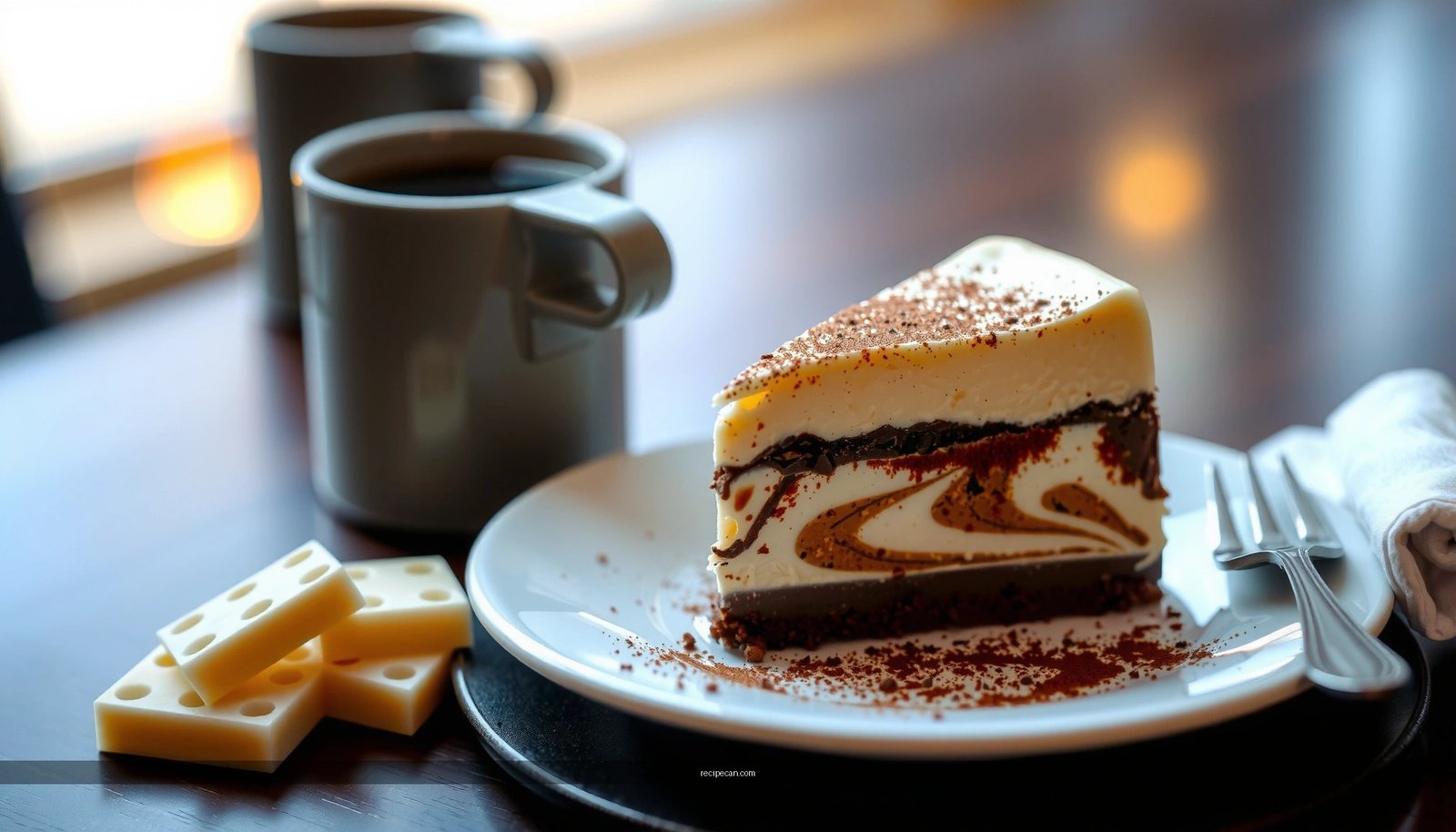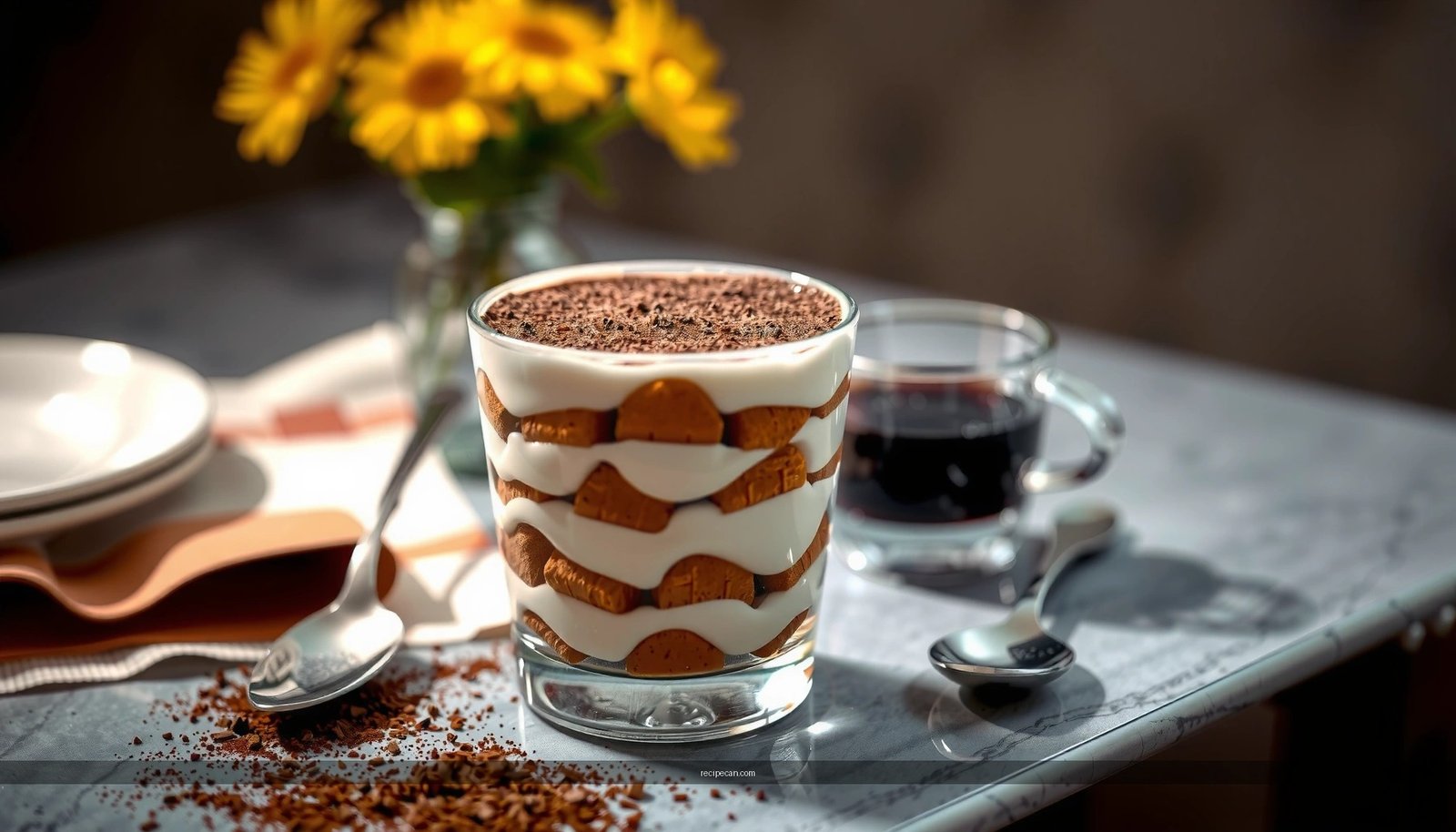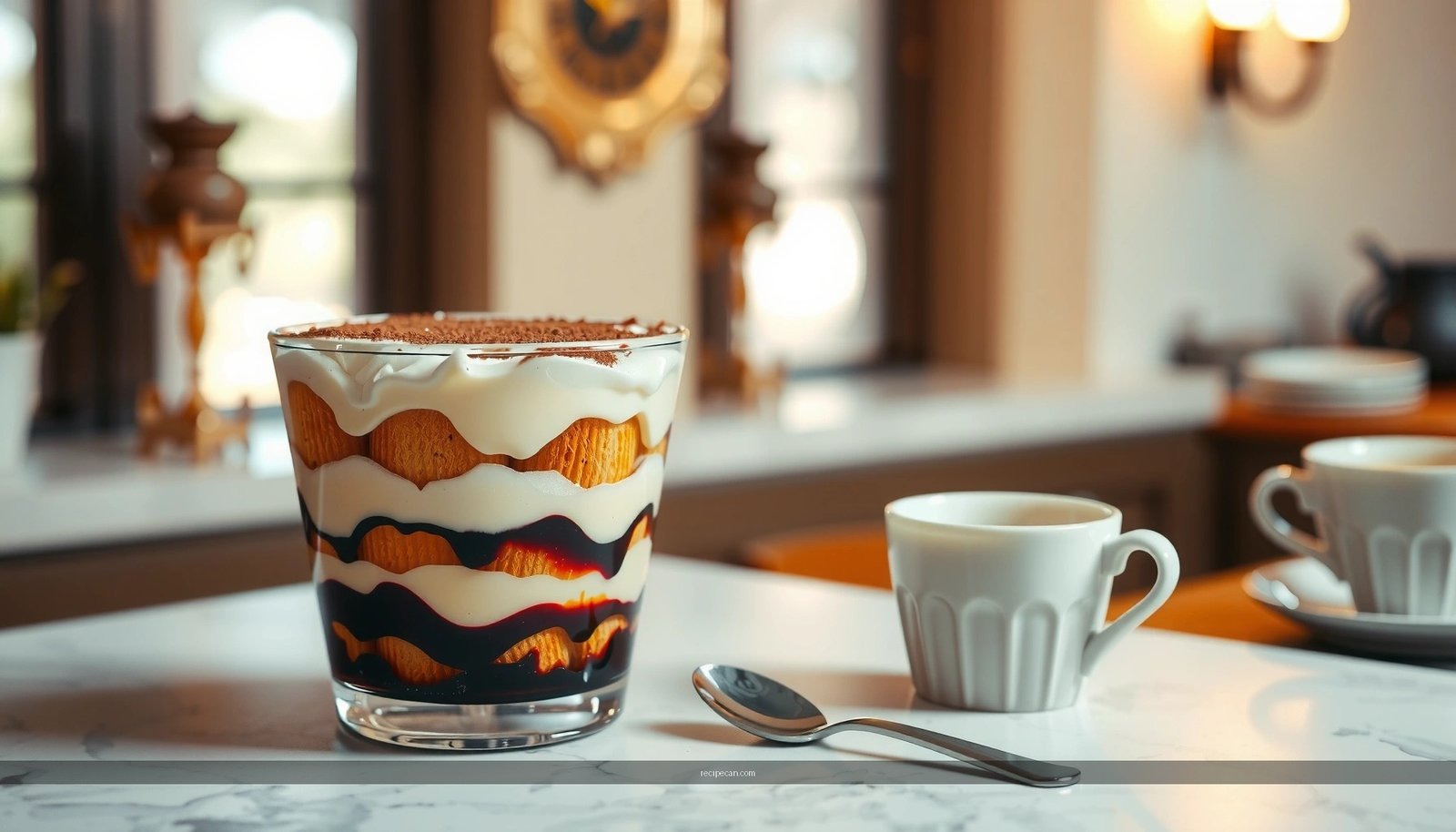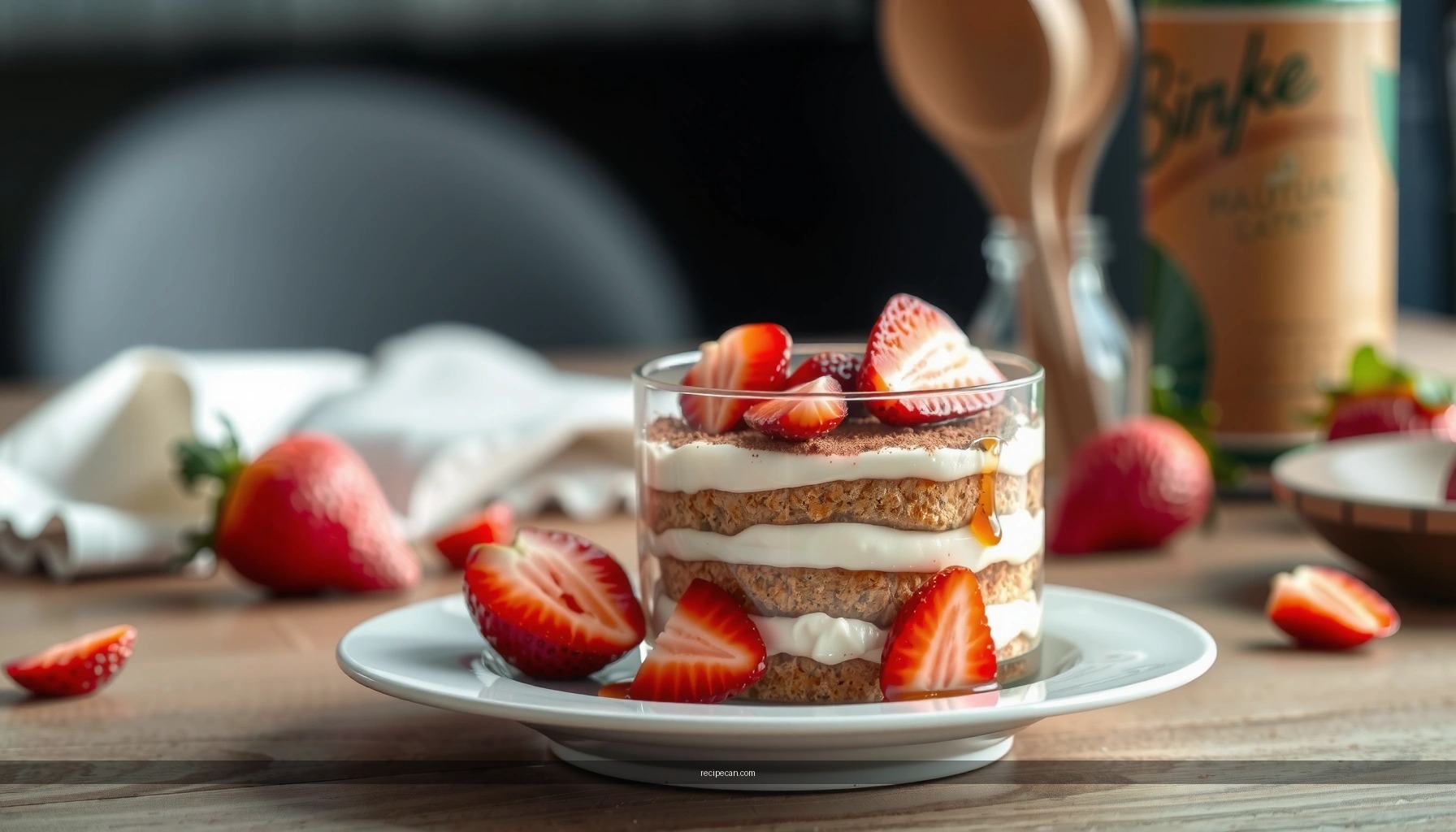
Get a creamy tiramisu recipe with strawberries that delivers real tiramisu flavor with no complicated steps. This version wins for weeknight convenience and maximum fruit-forward freshness, using simple layering techniques and a strawberry balance that won’t water down the cream. If you’re asking whether strawberries can make tiramisu lighter without losing its classic richness, the answer is yes—and you’ll be able to make it.
Yes—this strawberry tiramisu is simply made by layering a thick mascarpone cream over quick coffee-kissed ladyfingers, then topping with a sweetened macerated strawberry layer and chilling until set. In practice, the “secret” to getting clean slices and balanced flavor (creamy, lightly coffee-kissed, and refreshing) is controlling dip time, cream consistency, and berry moisture from the start.
Ingredients You’ll Need
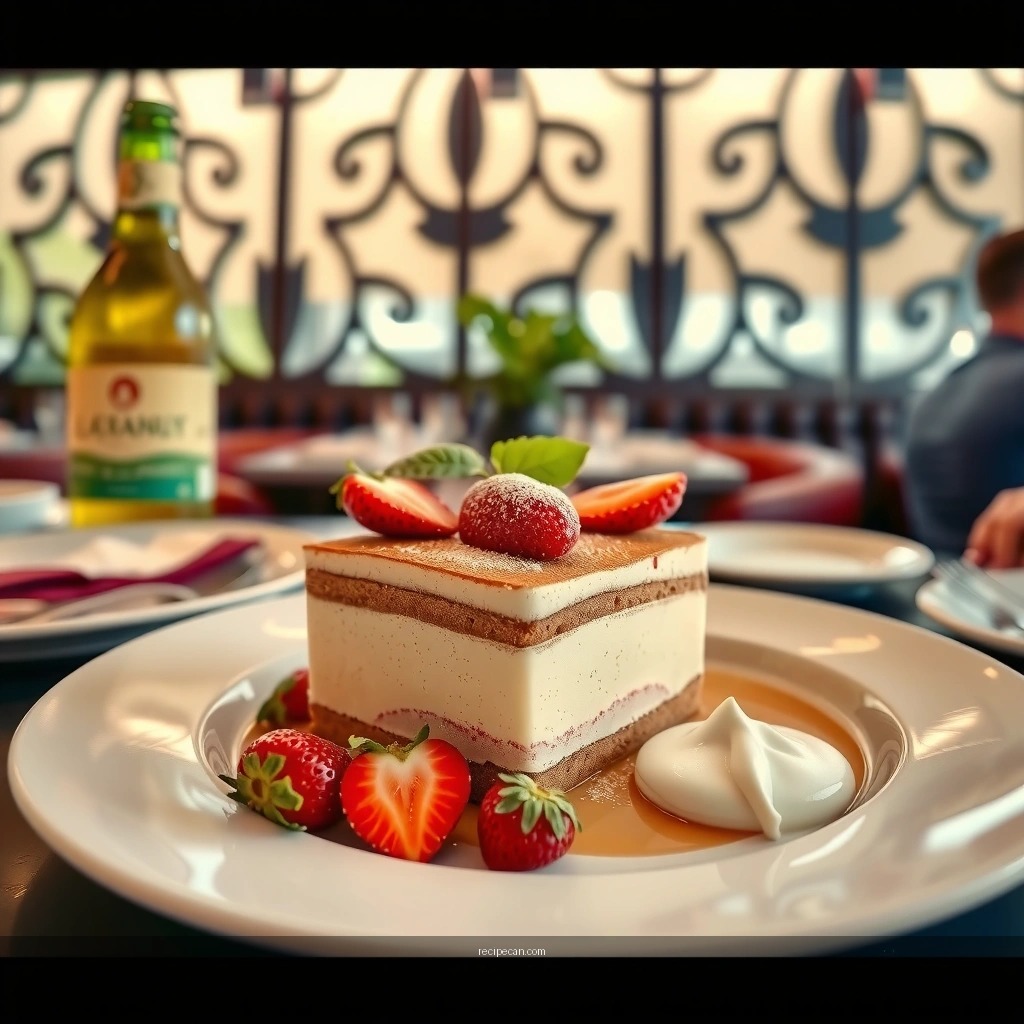
To make strawberry tiramisu at home, you only need a handful of ingredients—most are pantry staples, and the rest are straightforward fresh items. For best results, choose ingredients that match the texture goal: mascarpone should be smooth and thick, ladyfingers should absorb coffee without turning soggy, and strawberries should be sweet and spoonable rather than watery.
Core components:
– Mascarpone (the signature creamy base)
– Eggs (traditional tiramisu) *or* an eggless alternative (see the cream section)
– Sugar (for both cream sweetness and strawberry maceration)
– Whipped cream (optional) for extra lift and a lighter mouthfeel
– Ladyfingers
– Coffee or espresso (for dipping)
– Cocoa powder (for dusting)
– Fresh or frozen strawberries (fresh gives brighter aroma; frozen works well when thawed and drained)
Practical buying notes (so the recipe behaves correctly):
– Use full-fat mascarpone for stable structure.
– For coffee, choose something robust—espresso, strong brewed coffee, or cold brew—because the cocoa and fruit add sweetness and dampen bitterness.
– If using frozen strawberries, thaw them fully and drain excess liquid so the berry layer doesn’t break the cream.
> Tip: For food safety, if you use eggs in the tiramisu cream, aim for fresh eggs and consider using a method that lightly cooks or tempers the yolks for stability.
Strawberry Layer (Flavor + Texture)
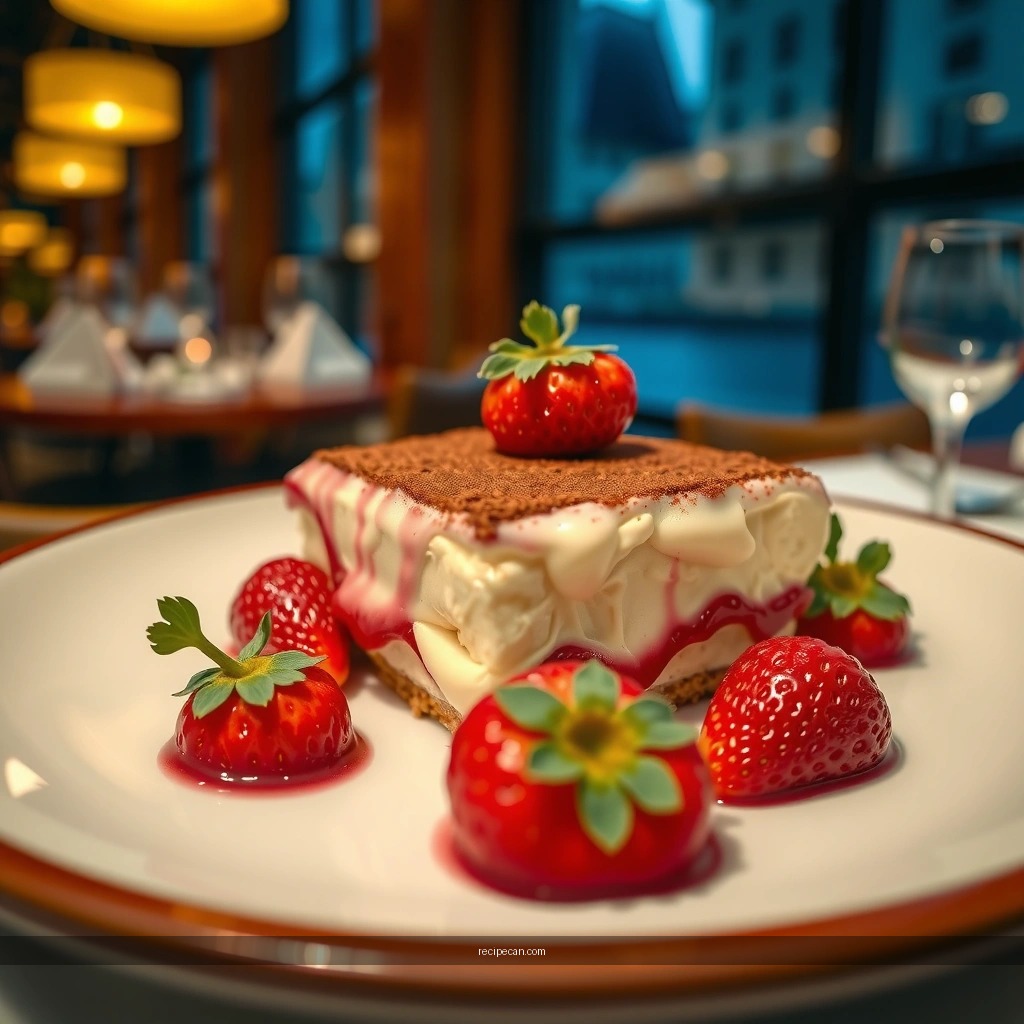
The strawberry layer is where this tiramisu diverges from classic coffee-only versions. Your goal is fruity sweetness plus juicy texture—without flooding the dessert.
How to get the right texture
– Macerate strawberries with sugar: Toss chopped strawberries with sugar and let them sit 15–30 minutes. The sugar draws out natural juices, creating a syrupy topping that bonds nicely with the cream.
– Decide on chunkiness:
– Keep chunks for a fresh bite and visible fruit throughout.
– Blend part of the strawberries (or mash lightly) for a smoother layer that spreads evenly.
Brighten the flavor (optional but effective)
A small enhancement makes the strawberry flavor “pop” against mascarpone richness:
– Add a splash of vanilla extract for classic dessert depth.
– Add a squeeze of lemon juice (or lemon zest) if your berries are very sweet; it lifts flavor and reduces cloying sweetness.
Moisture control: the hidden determinant of success
Strawberries release liquid. That’s good—up to a point.
– If your mixture looks pooling/watery, drain off a tablespoon or two of excess juice, or simmer for 1–2 minutes to thicken slightly.
– If the berries are too dry (rare, but possible with very firm frozen fruit), add a teaspoon of water or freshly brewed coffee for a cohesive layer.
When you nail this, the strawberry layer becomes spoonable, aromatic, and structurally compatible with the creamy filling.
Typical Ingredient Ratios for a 9×13-Inch Strawberry Tiramisu
| # | Component | Amount | Best Consistency Target | Recipe Impact |
|---|---|---|---|---|
| 1 | Mascarpone | 24 oz (680 g) | Thick, smooth, scoopable | Creamy structure |
| 2 | Sugar (cream) | 3/4 cup (150 g) | Dissolved, not grainy | Balanced sweetness |
| 3 | Eggs (optional classic) | 3 large yolks | Thickened, glossy | Stable, silky custard base |
| 4 | Whipped cream (optional) | 1 cup (240 ml) | Soft-to-medium peaks | Lighter texture |
| 5 | Ladyfingers | 36–40 pieces | Quickly dipped, not soaked | Clean layer integrity |
| 6 | Coffee/espresso | 2–2.5 cups (480–600 ml) | Warm or room temp for dipping | Light coffee-kissed aroma |
| 7 | Strawberries (for layer + garnish) | 2 lb (900 g) | Macerated, spoonable, not watery | Fresh fruit brightness |
Tiramisu Cream (Classic and Stable)
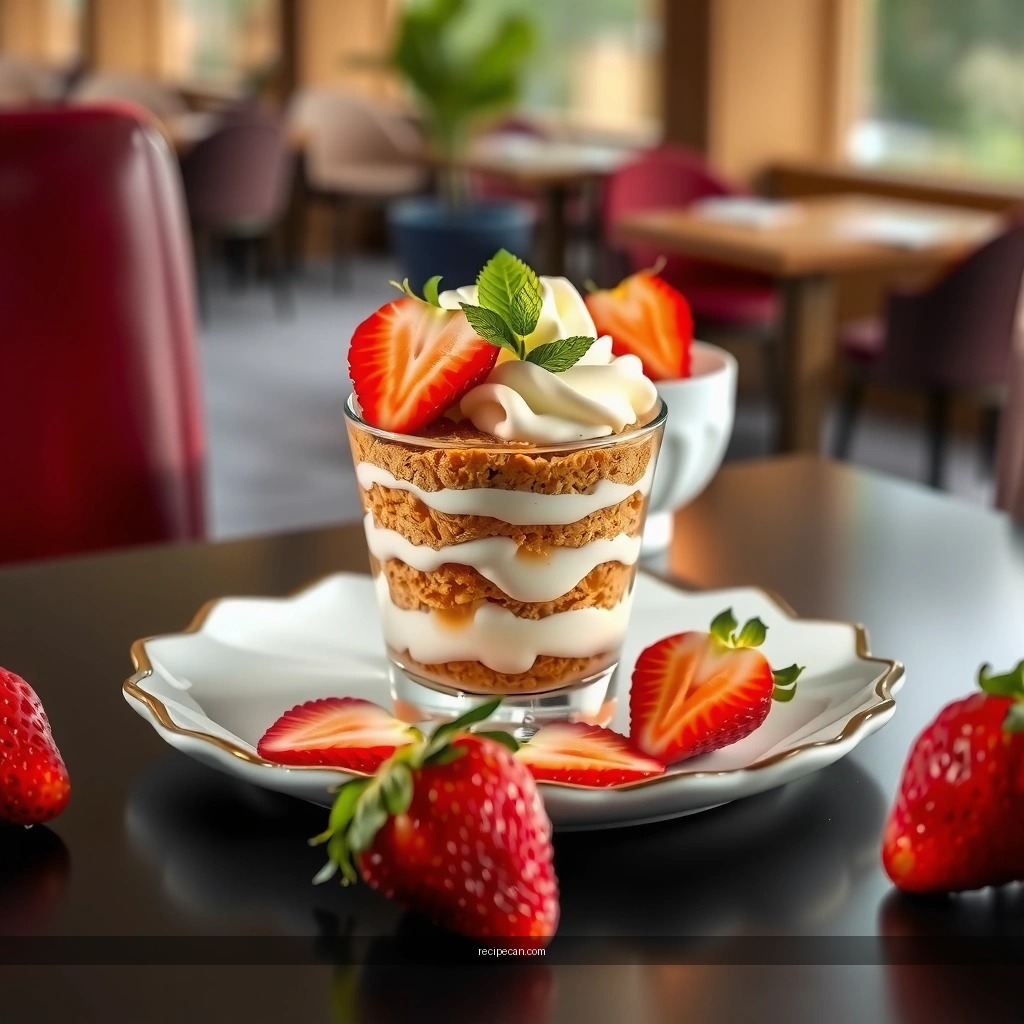
The cream is the core performance component: it must be thick enough to hold layers yet smooth enough to spread. You can make it classic (with eggs) or eggless, depending on preference and comfort with raw ingredients.
Classic approach (with eggs)
A classic method uses yolks + sugar to create a custard-like base before incorporating mascarpone. This supports:
– better stability during chilling,
– a silkier mouthfeel,
– and a cream that slices cleanly after time in the fridge.
Key technique: whisk mascarpone with sugar until smooth first, then fold in tempered egg mixture (or whipped egg yolks depending on method). Fold gently—overmixing can make the texture feel dense rather than creamy.
Eggless approach (for simplicity and speed)
If you prefer an eggless strawberry tiramisu, stability comes from balancing mascarpone with:
– sweetened mascarpone thickness, and
– optional whipped cream folded in at the end.
Whip the cream to soft-to-medium peaks—not stiff. Stiff peaks can make the final texture feel grainy or separated after chilling.
Consistency checkpoint (use this to troubleshoot)
After mixing, your cream should:
– hold a spoon line briefly,
– spread without immediately running,
– and not look curdled or glossy in a “broken” way.
If your cream is too soft, chill it 15–20 minutes before assembly. If it’s too thick, fold in a tablespoon of lightly sweetened coffee or cream (depending on your base) to loosen gently.
Flavor balancing options
Because strawberries add sweetness, coffee and vanilla choices affect the overall profile:
– Coffee-forward: slightly reduce strawberry sweetness or add a touch more espresso to dipping coffee.
– Vanilla-forward: use vanilla in both strawberries (optional) and cream (1/2 tsp vanilla extract).
– Strawberry-cream balance: keep coffee moderate; cocoa dusting provides a “finish” without dominating.
Assemble the Layers (No Soggy Ladyfingers)
Assembly is where most home cooks either win or lose the texture battle. The best strawberry tiramisu depends on one rule: dip quickly, not soak.
Coffee dipping: the difference between tender and watery
– Use espresso or strong coffee in a shallow bowl.
– Dip ladyfingers about 1–2 seconds per side.
– Place immediately into the dish.
If you soak longer, the ladyfingers swell and release liquid later, causing a watery pool and soft, unstable layers.
Layer order (for structural balance)
To keep the flavor and texture consistent:
1. Coffee-dipped ladyfingers
2. Mascarpone cream
3. Strawberry mixture (spoonable, not flooded)
4. Repeat until your dish is filled
5. Finish with mascarpone dollops and a final dusting of cocoa powder
Analytical perspective: why this order works
Ladyfingers act like a “platform” that holds the creamy and fruity components. Cream then forms a barrier layer that moderates berry moisture. Ending with mascarpone and cocoa keeps presentation classic while preventing cocoa from dissolving into wet strawberry liquid.
Practical example for even layering
– Aim for 2 layers of ladyfingers and 2 layers of cream for a 9×13-inch dish.
– Spread strawberry mixture in a thin, even band rather than a single thick mound—this helps it set uniformly.
Chilling + Serving Tips
Chilling is not optional; it’s when the chemistry of layers becomes a dessert. The cream firms, flavors marry, and the ladyfingers soften into a cohesive spoonable bite.
How long to chill
– Minimum: 4–6 hours
– Best texture: overnight (8–12 hours)
For event planning, assemble the night before if you want clean slices or consistent spoon portions.
Garnish timing
To preserve fresh fruit appearance and aroma:
– Garnish right before serving, not during assembly.
– Add extra sliced strawberries or a spoon of reserved macerated strawberries for brightness.
Serving approach
– Serve straight from the refrigerator.
– Dust lightly with cocoa powder at the last moment for that classic tiramisu look.
If you see excess liquid after chilling, it usually means the strawberry layer was too wet or ladyfingers were over-dipped. The dessert will still taste good—just expect softer edges.
Make-Ahead, Storage, and Variations
This strawberry tiramisu is ideal for make-ahead dining because chilling improves texture. Still, you’ll want to store it thoughtfully to protect cream stability and fruit freshness.
Make-ahead guidance
– Store covered in the fridge for 2–3 days for best texture and flavor.
– For best results, keep cocoa dusting for serving day and garnish with strawberries just before presenting.
Storage best practices
– Use an airtight lid to prevent fridge odors from affecting the coffee-cocoa profile.
– If you used delicate fresh berries for garnish, they’re the first element to degrade visually—so consider saving some fruit for the final top.
Freezing note (important realism)
Freezing assembled tiramisu can soften mascarpone and change berry texture. If you plan to freeze, freeze strawberries separately (macerated or sliced) and assemble fresh, or thaw and drain frozen berries thoroughly before using.
Variations worth trying
– Balsamic strawberries: add 1–2 teaspoons balsamic vinegar to the maceration for a deeper, restaurant-style flavor.
– Swap the fruit: use raspberries or blueberries for a different berry brightness.
– Lower-sugar option: reduce strawberry sugar and adjust cream sugar slightly; taste after chilling because cold dulls perceived sweetness.
Common adjustments and what they do
– More espresso (slightly) increases coffee presence without making it bitter if your strawberry layer remains syrupy rather than watery.
– Adding more whipped cream can lighten texture, but avoid over-whipping; the cream should stay stable after chilling.
Enjoy your strawberry tiramisu by layering coffee-kissed ladyfingers, creamy mascarpone, and sweetened strawberries—then chilling until perfectly set. Follow the assembly tips to avoid sogginess and use fresh garnish for the best flavor. Make it today, chill overnight, and serve it to impress with minimal effort—then try one variation you love.
Strawberry tiramisu succeeds when three variables are controlled: the strawberry layer is sweet and spoonable (not watery), the mascarpone cream is thick and stable (with or without eggs), and the ladyfingers are dipped briefly so they soften without turning soggy. When you layer coffee-kissed ladyfingers with a balanced mascarpone filling and allow sufficient chilling time, you get a dessert that’s creamy, lightly coffee-kissed, and refreshingly fruity—perfect for both casual gatherings and more formal entertaining.
Frequently Asked Questions
What’s the best tiramisu recipe with strawberries for a no-bake version?
For a no-bake tiramisu recipe with strawberries, use store-bought or quickly soaked ladyfingers, whipped mascarpone, and a strawberry layer made from sliced berries plus a little sugar. Instead of cooking or baking, you just assemble in a dish and chill until the ladyfingers soften and the flavors blend. This approach is great when you want a quick dessert that still tastes like classic tiramisu.
How do you keep strawberries from making tiramisu watery?
To prevent watery tiramisu, macerate sliced strawberries briefly with sugar, then drain excess juice before layering them into the tiramisu. You can also thicken strawberry topping by simmering the juice down into a quick strawberry sauce before assembly. Using firm, ripe strawberries and chilling the finished tiramisu recipe for several hours helps it set properly.
Why does tiramisu get runny, and how can you fix it with strawberries?
Tiramisu can turn runny if the mascarpone mixture is too loose or if the strawberries release a lot of liquid. Make sure your mascarpone is cold and whip until it holds soft peaks, and fold gently so it stays creamy. For strawberries, use a strawberry compote or drained macerated berries so the cream stays stable and the dessert holds its layers.
Which alcohol pairs best with strawberry tiramisu (or can you skip it)?
Traditional tiramisu often uses espresso and sometimes a splash of rum or Marsala, but strawberry tiramisu works well with lighter options like a little vanilla liqueur. If you want to keep it kid-friendly or avoid alcohol, replace it with strong brewed coffee or espresso-free fruit juice reductions for flavor. You can also balance sweetness by adding a touch of lemon zest to complement strawberries without needing alcohol.
How long should you chill tiramisu with strawberries before serving for best texture?
Chill your strawberry tiramisu for at least 4–6 hours, ideally overnight, so the ladyfingers fully absorb the mixture and the mascarpone sets into a sliceable dessert. If you slice too soon, the layers may feel loose and the strawberries may not have fully integrated. For best results, keep it covered in the fridge to maintain creaminess and prevent any flavors from drying out.
References
- Tiramisu
https://en.wikipedia.org/wiki/Tiramisu - Mascarpone
https://en.wikipedia.org/wiki/Mascarpone - Strawberry
https://en.wikipedia.org/wiki/Strawberry - Tiramisu | Meaning, Ingredients, Origin, Desserts, & Taste | Britannica
https://www.britannica.com/topic/tiramisu - https://pubmed.ncbi.nlm.nih.gov/?term=strawberry+tiramisu
https://pubmed.ncbi.nlm.nih.gov/?term=strawberry+tiramisu - https://pubmed.ncbi.nlm.nih.gov/?term=tiramisu+mascarpone
https://pubmed.ncbi.nlm.nih.gov/?term=tiramisu+mascarpone - Google Scholar Google Scholar
https://scholar.google.com/scholar?q=tiramisu+strawberries+recipe - Google Scholar Google Scholar
https://scholar.google.com/scholar?q=strawberry+tiramisu+mascarpone+ladyfingers - Google Scholar Google Scholar
https://scholar.google.com/scholar?q=tiramisu+alla+frutta+strawberry - Google Scholar Google Scholar
https://scholar.google.com/scholar?q=tiramisu+recipe+with+strawberries