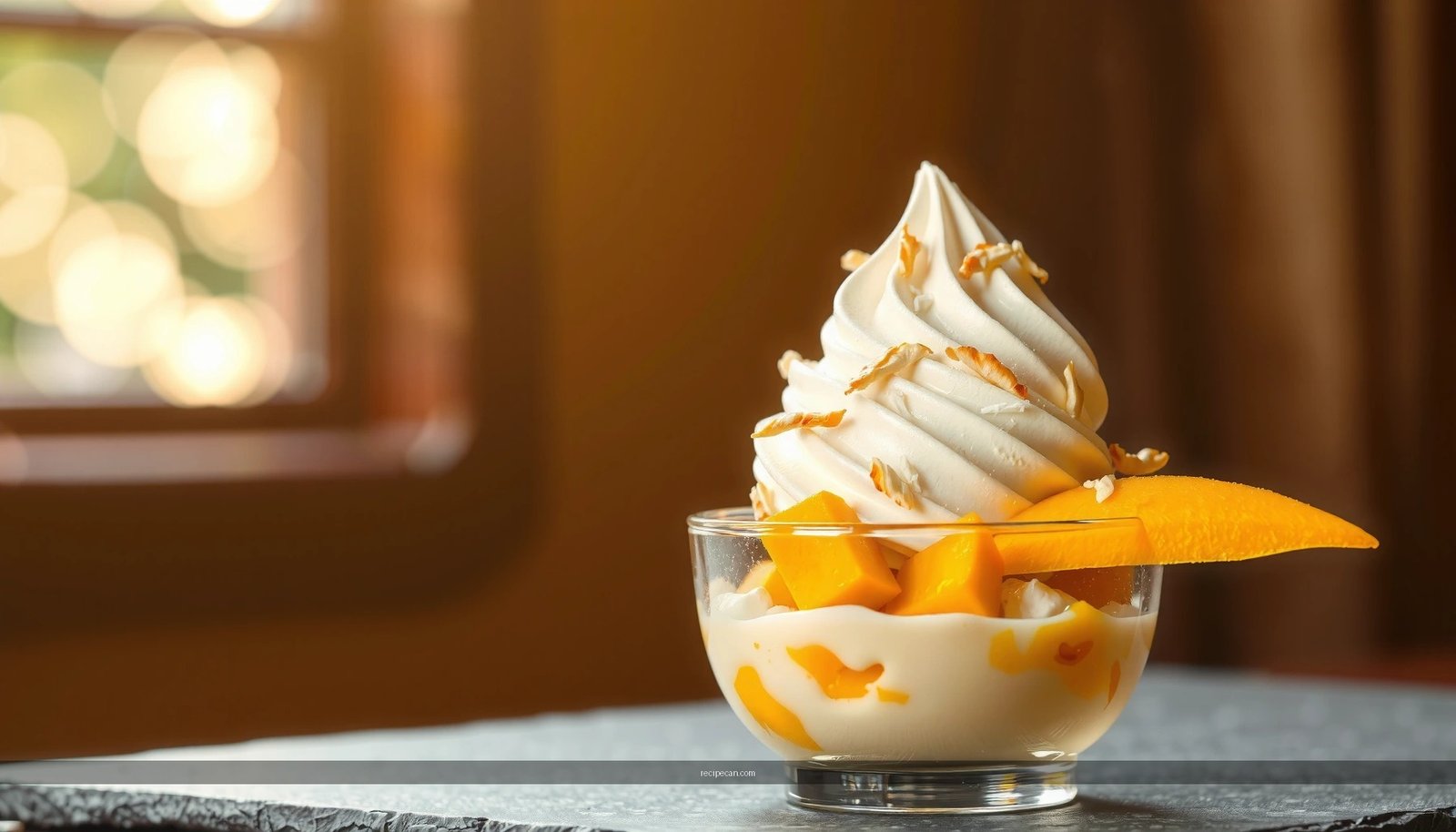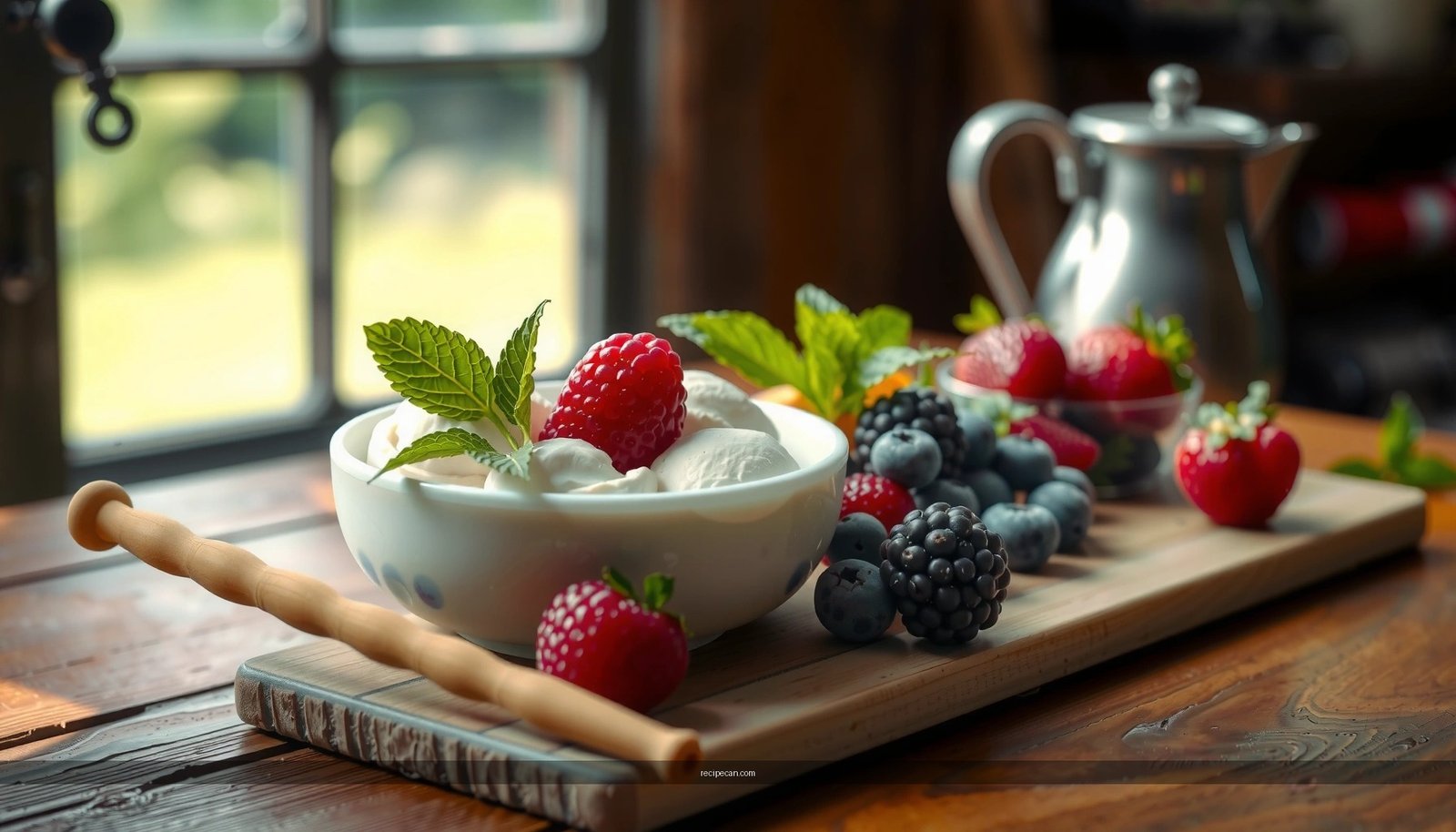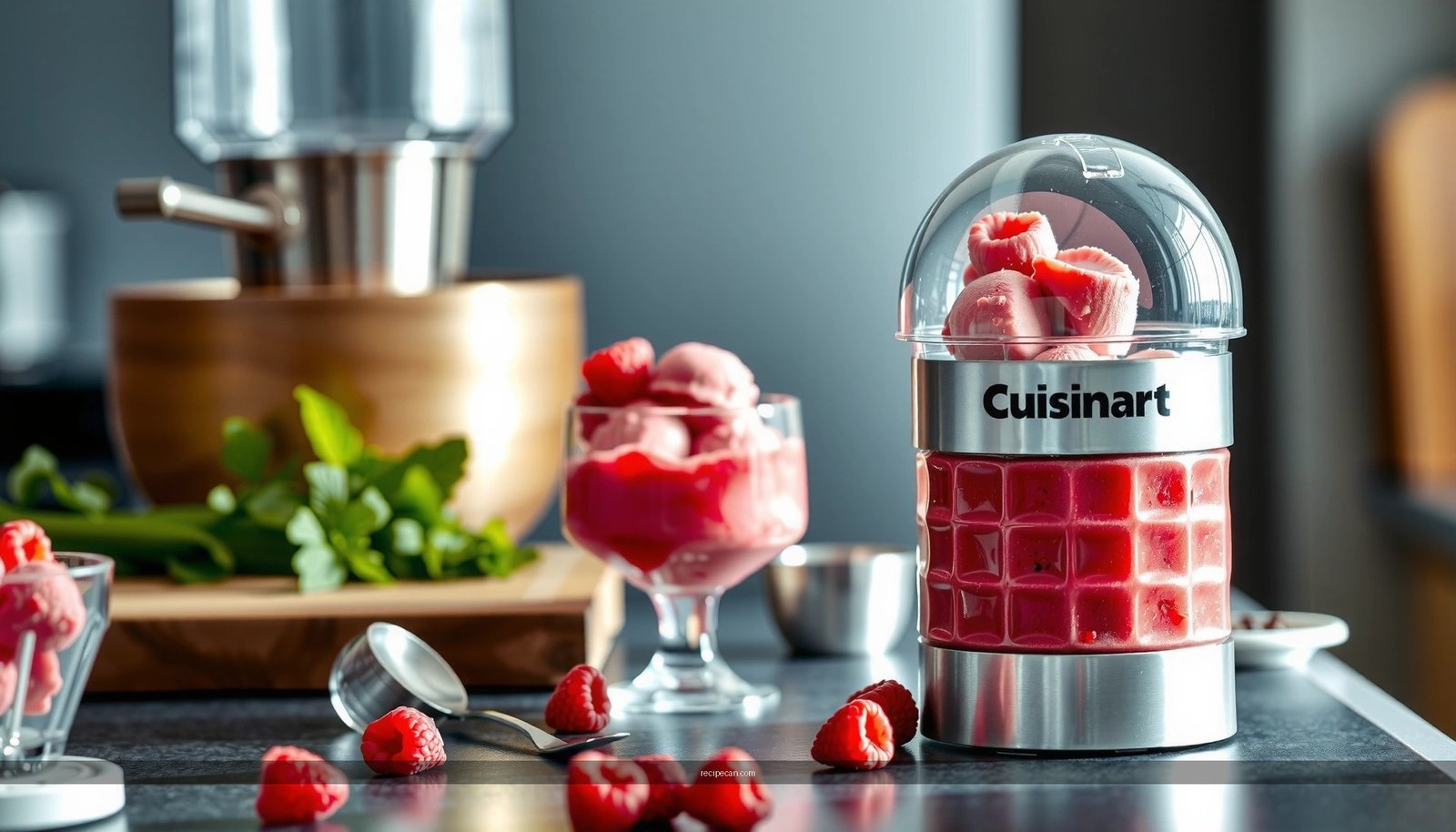
Get a foolproof sorbet recipe for a Cuisinart ice cream maker with clear, no-guesswork steps and the right ingredient ratios for a smooth, scoopable finish. This guide answers whether you can make real sorbet in your Cuisinart—without an ice-cream base—by walking you through prep, churning, and freeze timing. If you want bright fruit flavor and a clean texture, follow these steps and you’ll get reliable results.
Make smooth, scoopable sorbet in your Cuisinart ice cream maker by using a simple fruit + sugar base, chilling it thoroughly, and churning until thickened. If you focus on (1) ripe fruit, (2) fully dissolved sugar, and (3) cold mixture before processing, you’ll reliably avoid icy texture and get a professional, spoonable finish—batch after batch.
Pick Your Fruit for the Best Sorbet
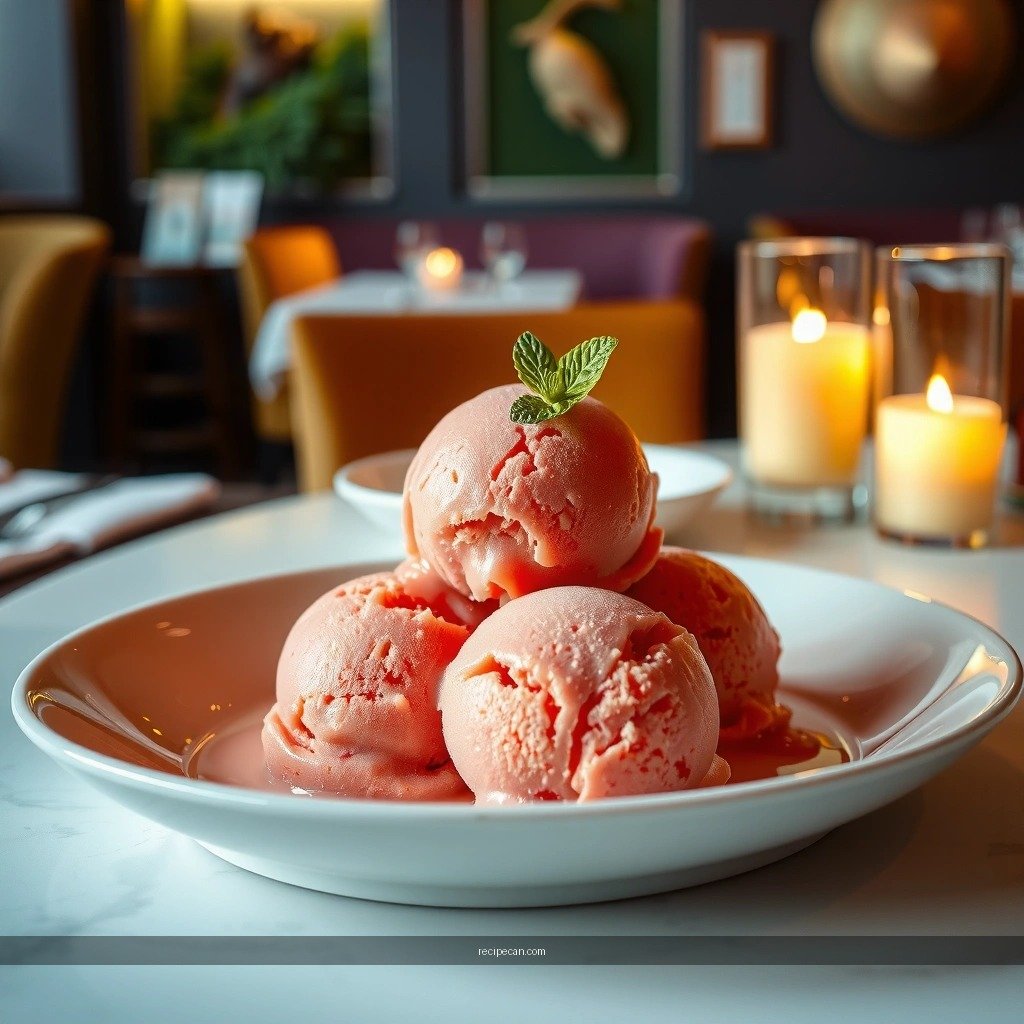
The fastest path to great Cuisinart sorbet is starting with fruit that already tastes good. In sorbet, the freezing process amplifies both sweetness and flaws: underripe fruit reads bland and “watery” after it’s churned, while overripe fruit can bring muted acidity and heavier fermentation-like notes.
– Choose ripe fruit for natural sweetness and better flavor.
Look for fruit that yields slightly to pressure and smells fragrant. For berries, avoid those with a dry, seedy flavor or that taste sharp and “green.” For citrus, prioritize fruit that’s juicy and aromatic rather than just high-acid.
– Blend fruit thoroughly (or strain for a super-smooth result).
A high-speed blend breaks fruit cell structure, improving sugar dissolution and lowering the chance of icy “speck” texture. If you want a restaurant-style smooth sorbet—especially for raspberry, blackberry, or passion fruit—strain through a fine mesh after blending. Straining removes seeds and pulp fragments that can lead to grainy freeze-up.
– Balance tart fruits with a touch more sugar or sweetener.
Tart fruit needs sugar to counter sharpness and to help stabilize the ice crystals during freezing. As a practical rule, if your fruit tastes “too sour to eat” at room temperature, your sorbet will taste even more intense once frozen. Increase sugar gradually rather than doubling it—small adjustments prevent the sorbet from becoming cloying.
Actionable fruit pairing tip: strawberries and cherries often shine at lower added sugar, while raspberries, cranberries, and sour stone fruits benefit from a slightly higher sugar level.
Make the Sorbet Base (Sugar + Fruit + Water)
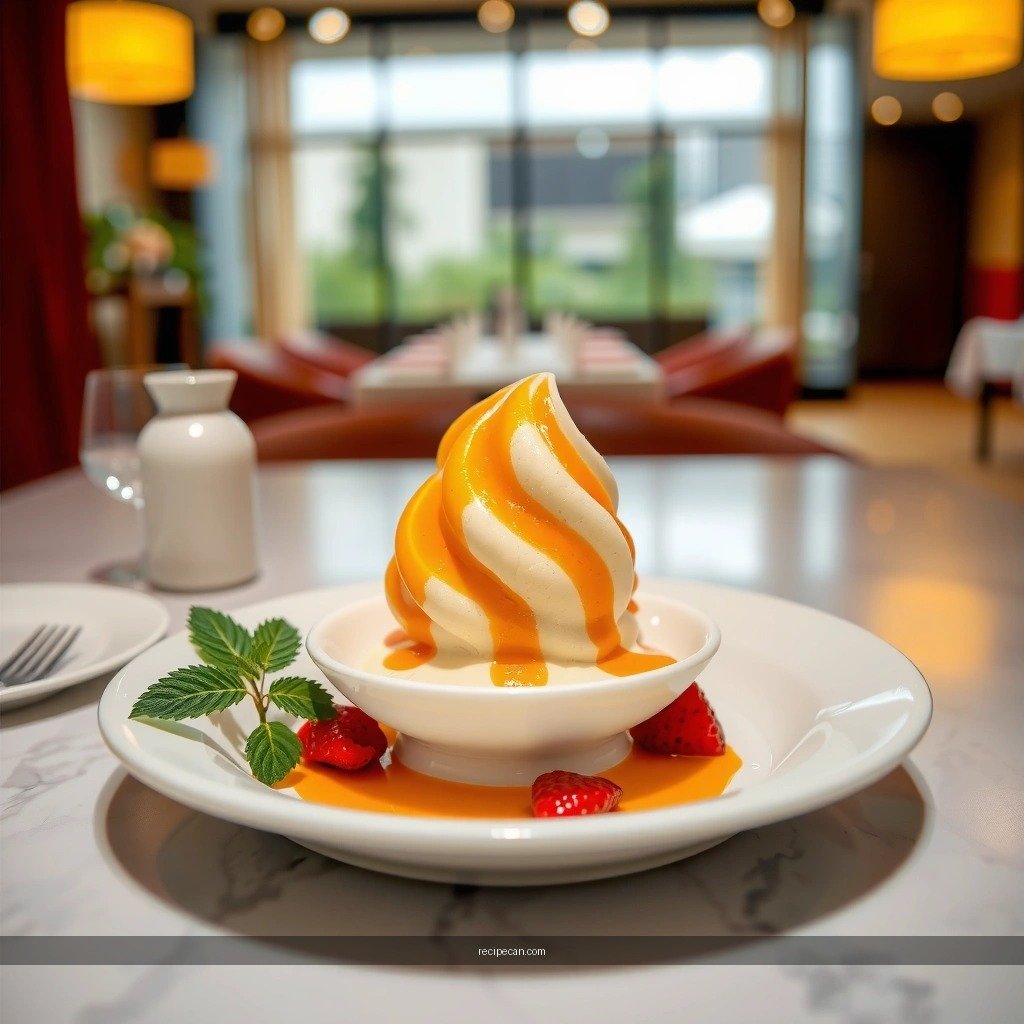
A sorbet base is essentially a controlled freezing solution: sugar lowers the freezing point (so the mixture stays scoopable) while water and fruit provide the texture and flavor. The most common home mistake is adding sugar without dissolving it fully or rushing the cooling step—both can create graininess and uneven freezing.
– Combine sugar and water until dissolved, then cool completely.
Start by heating water + sugar just until the sugar dissolves. You don’t need a boil; think “clear and fully dissolved.” Then cool the syrup to prevent warming your Cuisinart canister—warm base = slower churning and more iciness.
– Stir in blended fruit and any flavor add-ins (lemon juice, zest).
Once the syrup is cool, blend in your fruit and then add acidity carefully. Lemon juice brightens flavor and improves perceived “freshness,” but overdoing it can make the sorbet taste thin because acidity pushes sweetness perception down. Zest adds aroma without adding much volume—use it when you want a more fragrant finish.
– Keep proportions consistent for a creamy, scoopable freeze.
Consistency matters more than “exact measurements” in the moment. If you vary ratios, you’ll change scoopability. A dependable baseline for Cuisinart-style churners is about 1 part sugar to 2 parts total fruit/water by weight, then fine-tune based on fruit sweetness.
Here’s a reliable, easy baseline you can scale for most Cuisinart countertop models:
Core recipe (about 1 quart / 1 liter batch):
– 2 cups (about 300–350 g) ripe fruit, blended (plus optional straining)
– 3/4 cup (150 g) sugar
– 1/2 cup (120 ml) water
– 1–2 tbsp lemon juice (to taste)
– Optional: pinch of salt to deepen fruit flavor
Method:
1. Heat water and sugar until dissolved (no need to boil hard).
2. Cool completely (refrigerate if you’re short on time).
3. Stir in blended fruit and lemon (and zest if using).
Chill the Mixture Before Churning
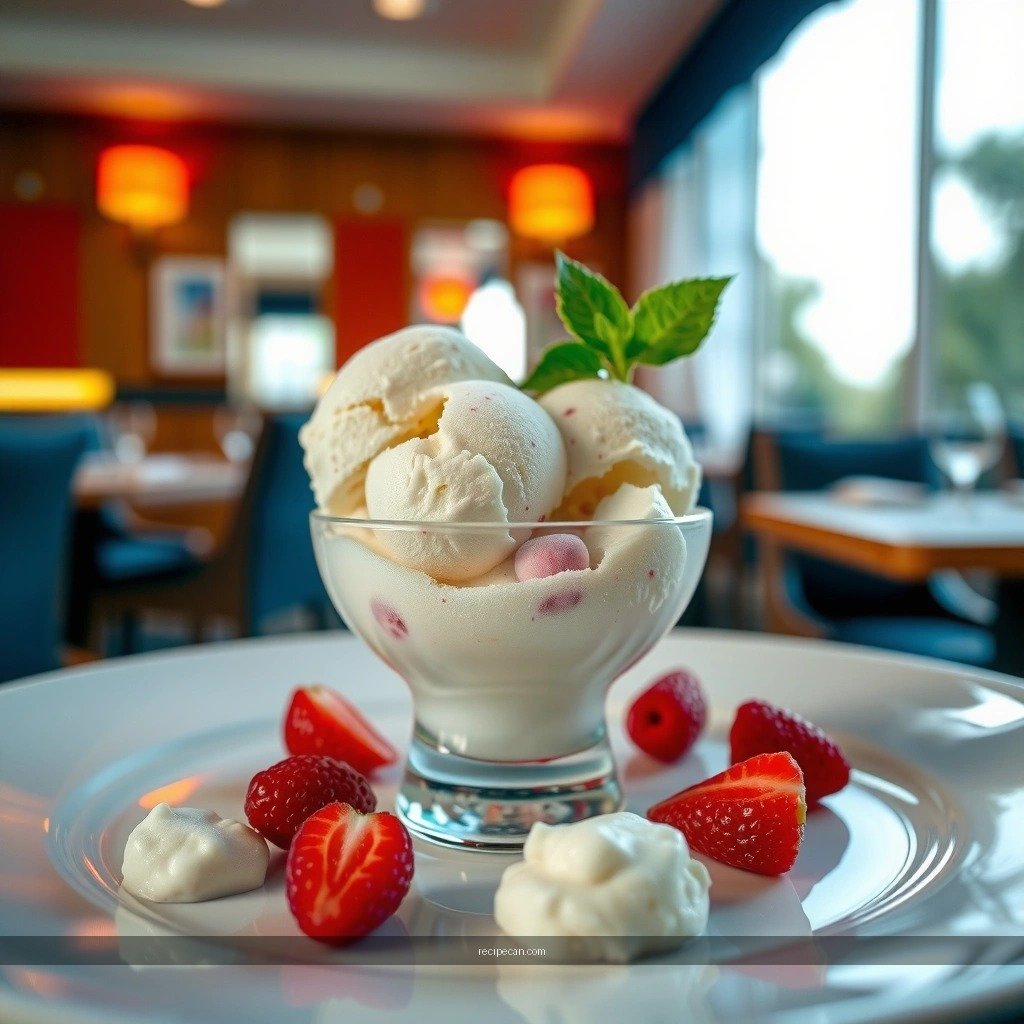
Chilling is the technical step that makes the “easy” part actually work. When you churn sorbet with a cold base, you promote rapid freezing around the dasher, which yields smaller ice crystals and a smoother, spoonable texture.
– Refrigerate the base for several hours to prevent icicle formation.
Aim for at least 4 hours, ideally overnight. This also lets fruit flavors meld with the sugar syrup, rounding sharp edges.
– Use a cold mixture for faster, smoother churning.
If your base is cold, your Cuisinart can reach the target thickening faster—less time means fewer large crystals. If you’re in a rush, even 1–2 hours in the coldest part of your fridge can help, but you’ll usually notice it in texture.
– Taste and adjust sweetness right before processing.
Correcting sweetness after blending is normal because chilling dulls flavor slightly. If it tastes a bit flat right now, add a small amount of sugar (1–2 teaspoons at a time) or a squeeze of lemon. Then mix again and let it chill briefly so the adjustment fully disperses.
Texture science in plain English: sugar + cold start = more uniform ice crystal formation. Without adequate chilling, crystals grow larger, and sorbet feels “icy” rather than creamy.
After your base is chilled, you’re ready for the Cuisinart step that turns liquid into scoopable sorbet.
Recommended Chill Time for Sorbet Texture (Cuisinart Style)
| # | Chill Time (after mixing) | Crystal Risk | Best Use Case | Texture Rating |
|---|---|---|---|---|
| 1 | 1–2 hours | Medium | Weeknight batches | ★★★☆☆ |
| 2 | 4 hours | Lower | Most recipe nights | ★★★★☆ |
| 3 | 6–8 hours | Low | Berry-forward sorbets | ★★★★★ |
| 4 | 12 hours (overnight) | Very Low | Smooth restaurant texture | ★★★★★ |
| 5 | Too warm (unrefrigerated) | High | Not recommended | ★☆☆☆☆ |
| 6 | Cold syrup + warm fruit | Medium | When blending is rushed | ★★★☆☆ |
| 7 | Stirring before churn (re-mix) | Lower | Improves uniformity | ★★★★☆ |
Use Your Cuisinart Ice Cream Maker Correctly
Even a perfect sorbet base can underperform if the machine process isn’t matched to the ingredients. Your goal is to churn long enough for thickening—but not so long that you over-freeze into a stiff, hard-to-scoop block.
– Pre-freeze the bowl (if your model requires it) until solid.
Many Cuisinart models use a freezing bowl. If it’s not fully frozen, the sorbet won’t thicken properly. Plan ahead: pre-freeze per your manual’s time window, and err longer if your freezer runs warm.
– Pour the chilled mixture into the canister and churn as directed.
Add the mixture only after it’s well chilled. Don’t fill above the indicated maximum. The mixture should move smoothly with the dasher; if it looks sluggish, the bowl or base may not be cold enough.
– Stop when it reaches a thick, spoonable sorbet consistency.
Sorbet typically thickens quickly once the mixture is cold enough. Stop when it’s the texture of soft-serve or thick gelato—not liquid, not fully hard ice cream. Over-churning can increase iciness later, because you start from a base that has already undergone too much freeze action.
Practical timing approach: check at the halfway mark, then every few minutes. Machines vary with ambient temperature and bowl state, so “exact minutes” is less reliable than “visual thickness.”
Freeze to Set the Texture
Churning builds the structure; freezing sets it. This final stage is where you protect the sorbet from large ice crystal formation that can develop during storage.
– Transfer sorbet to a container and freeze briefly for firm scoops.
After churning, freeze 1–3 hours for best scooping. Longer storage is fine, but the “best texture window” usually comes from a short set period.
– Press parchment/plastic directly on the surface to reduce ice crystals.
Air exposure is the enemy of smooth sorbet. Press barrier wrap directly onto the surface so the top doesn’t dry out and crystallize.
– Let it sit 5–10 minutes at room temperature before serving.
Straight-from-freezer sorbet is often too firm to scoop smoothly. A short rest softens the surface, making it creamy rather than crunchy.
Serving tip: if you scoop too aggressively while it’s fully frozen, you can create a rough texture. Let it temper first, and use a warm scoop (briefly rinse in hot water).
Troubleshooting Common Sorbet Issues
Even with the best recipe, minor variables—fruit ripeness, freezer temperature, machine bowl readiness—can shift texture. Use these diagnostic fixes to recover quality quickly.
– If it’s too icy, chill longer and ensure the bowl is fully frozen.
Icy sorbet usually means either insufficient pre-chill (large crystals formed early) or an under-frozen machine bowl (slow thickening). Next time: increase chilling to overnight and confirm the bowl is truly solid.
– If it’s too soft, churn a bit longer or freeze longer before serving.
Soft sorbet often results from cutting churn time short or under-freezing after churning. Give it a few extra minutes in the machine, and let it set in the freezer 1–3 hours.
– If flavor is flat, add a squeeze of lemon or a pinch of salt.
Freezing mutes aromatics. A small amount of lemon juice or zest can restore brightness. Salt (even a pinch) enhances perceived fruit flavor and reduces “sweet-only” flavor perception.
Quick recovery: If a batch is slightly icy but still tasty, blend it once after partial thawing (20–30 minutes), re-chill, and churn again for a smoother texture. This is especially effective for very berry sorbets.
After your Cuisinart sorbet churns, a good chill-and-freeze routine is what turns it into perfectly scoopable sorbet. Make this recipe once, note your favorite fruit balance, and then try variations (berries, citrus, mango) using the same process—ready to impress with every batch.
In summary, success with sorbet in a Cuisinart ice cream maker comes down to one repeatable system: choose ripe fruit, dissolve sugar completely, chill the base long enough, churn until thickened, and then freeze with surface protection. Follow these steps and you’ll consistently produce smooth, scoopable sorbet with vibrant flavor and dependable texture—no guesswork needed.
Frequently Asked Questions
What is a simple sorbet recipe I can use with my Cuisinart Ice Cream Maker?
Start with a flavorful base like 2 cups fresh fruit puree (or thawed frozen fruit), 1 cup sugar (adjust to taste), and 1 cup water. Heat the mixture just until the sugar dissolves, then cool completely before churning in your Cuisinart ice cream maker. For best results, strain out seeds or pulp if you want a smoother sorbet texture. Once churned, freeze in an airtight container to firm up before serving.
How do I get the right texture when making sorbet in a Cuisinart ice cream maker?
The key is using a fully cooled base and the correct consistency before churning—your liquid should be pourable and not warm. If your Cuisinart sorbet churn seems slow or icy, reduce added water next time and use slightly more fruit or sugar to improve body. After churning, freeze the sorbet for at least 2–4 hours so it sets properly. Avoid repeatedly thawing and refreezing, which can make sorbet icy.
Why does my sorbet turn out icy instead of smooth in a Cuisinart ice cream maker?
Icy sorbet usually comes from an unevenly chilled base, too much water, or churning too slowly. Make sure you chill the sorbet mixture thoroughly (often 4 hours in the fridge) before putting it into the Cuisinart ice cream maker. Also consider a small adjustment: increasing sugar slightly helps lower the freezing point for a smoother sorbet. Finally, don’t over-freeze immediately after churning—freeze until firm, then keep it at an ideal service temperature.
Which sorbet ingredients work best for Cuisinart-style churners?
Fruit-based recipes work exceptionally well—think raspberry, mango, lemon, strawberry, or mixed berry sorbet—because the fruit puree provides natural flavor and body. For extra smoothness, use strained puree (especially for berries) and avoid very watery fruit unless you reduce water. Adding a little lemon juice or citric acid improves brightness and can help balance sweetness, which complements the “sorbet recipe cuisinart ice cream maker” results. If you want a richer texture, consider a small amount of fruit syrup or honey, but keep liquids proportional to maintain proper freezing.
Best way to store and serve sorbet made in a Cuisinart ice cream maker?
After churning, transfer sorbet to a shallow airtight container to reduce ice crystal growth and freeze for 2–4 hours. For best texture, serve within a few minutes of taking it out of the freezer, so it softens slightly without melting. If you notice freezer burn or harsh iciness, press parchment paper directly onto the surface before sealing. This routine helps preserve the smooth outcome you expect from a reliable sorbet recipe designed for a Cuisinart ice cream maker.
References
- Google Scholar Google Scholar
https://scholar.google.com/scholar?q=sorbet+recipe+ice+crystal+formation - Google Scholar Google Scholar
https://scholar.google.com/scholar?q=ice+cream+maker+churn+mechanism+frozen+desserts - Google Scholar Google Scholar
https://scholar.google.com/scholar?q=sorbet+formulation+stabilizers+sugar+alcohol+freezing+point - Sorbet
https://en.wikipedia.org/wiki/Sorbet - Sherbet
https://en.wikipedia.org/wiki/Sherbet - Frozen dessert
https://en.wikipedia.org/wiki/Frozen_dessert - Ice cream maker
https://en.wikipedia.org/wiki/Ice_cream_maker - https://en.wikipedia.org/wiki/Freezing_(food_preservation
https://en.wikipedia.org/wiki/Freezing_(food_preservation - Emulsion
https://en.wikipedia.org/wiki/Emulsion - https://www.britannica.com/topic/sorbet
https://www.britannica.com/topic/sorbet