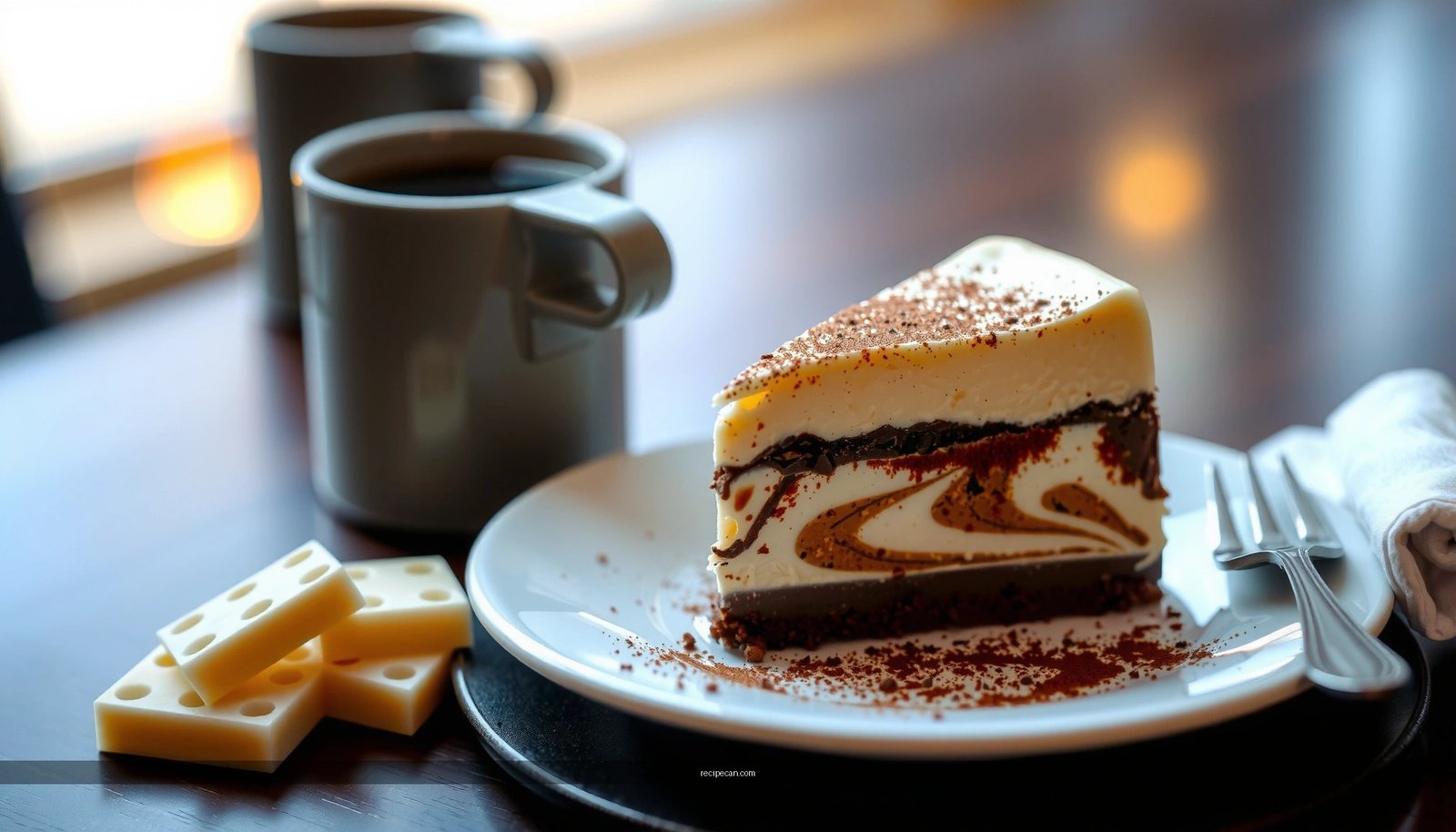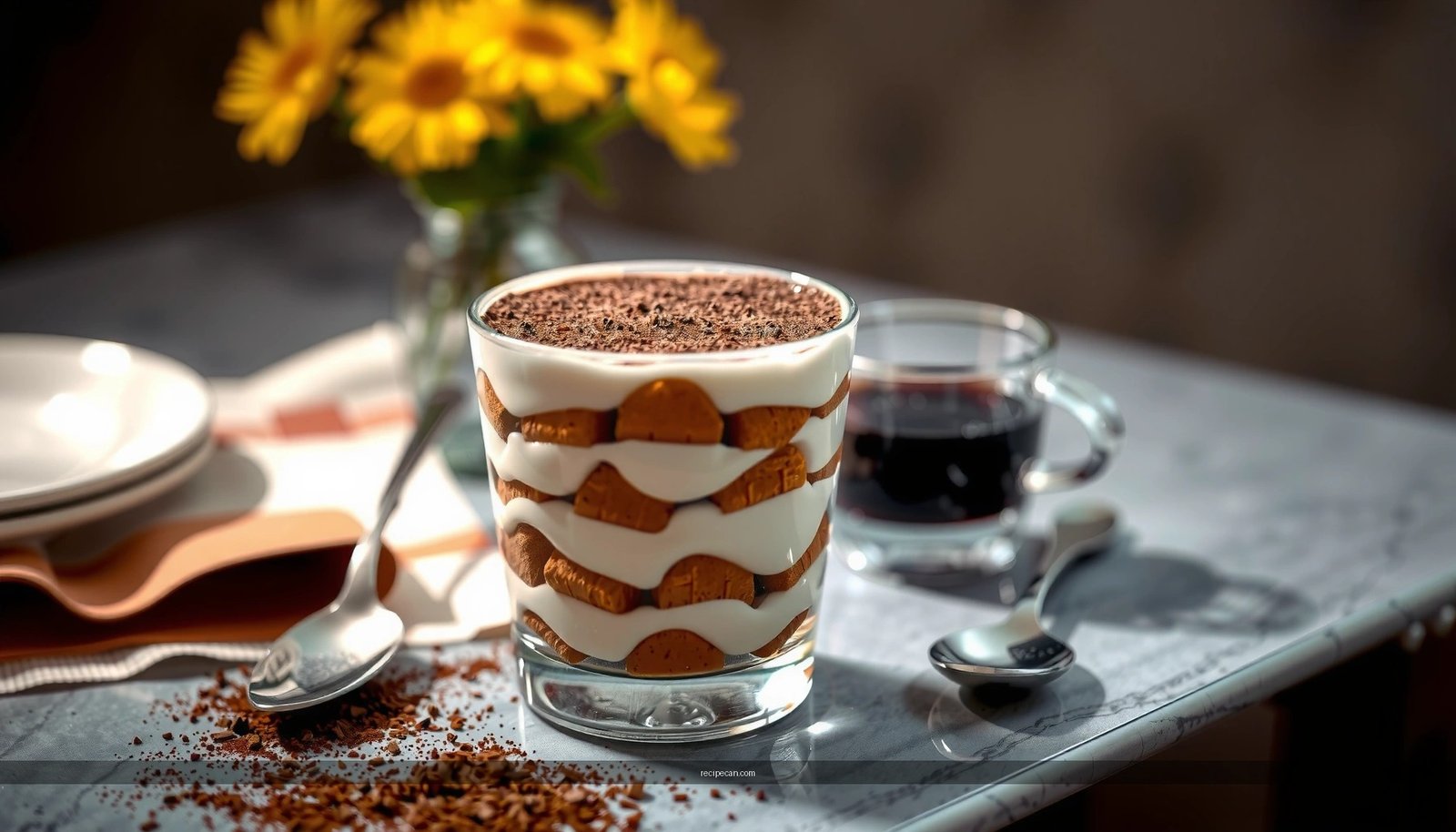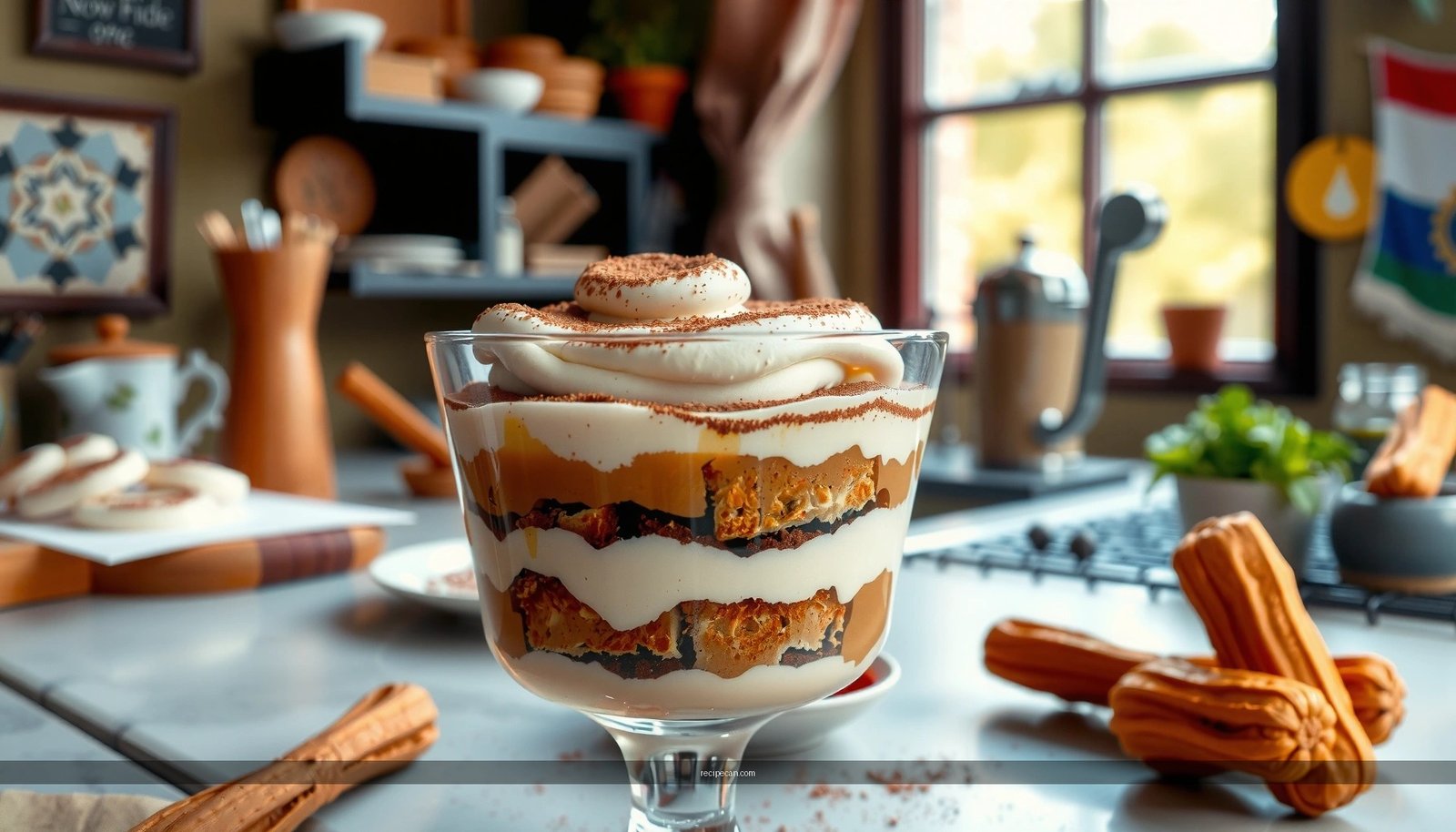
If you’re searching for a classic tiramisu recipe that tastes like the traditional version, this easy homemade tiramisu delivers the real deal—coffee-soaked ladyfingers, rich mascarpone, and cocoa on top. Follow it as written for the closest thing to an Italian classic you can make at home without special equipment or shortcuts. It answers the question: what’s the best traditional tiramisu method to get the right texture and flavor every time?
Yes—this classic tiramisu recipe gives you restaurant-style flavor and texture at home by balancing smooth mascarpone cream, properly soaked ladyfingers, and a long chill. You’ll learn exactly how to layer efficiently, control espresso saturation so the dessert holds its structure, and finish with cocoa for that signature, clean-tasting surface.
Classic Tiramisu Ingredients
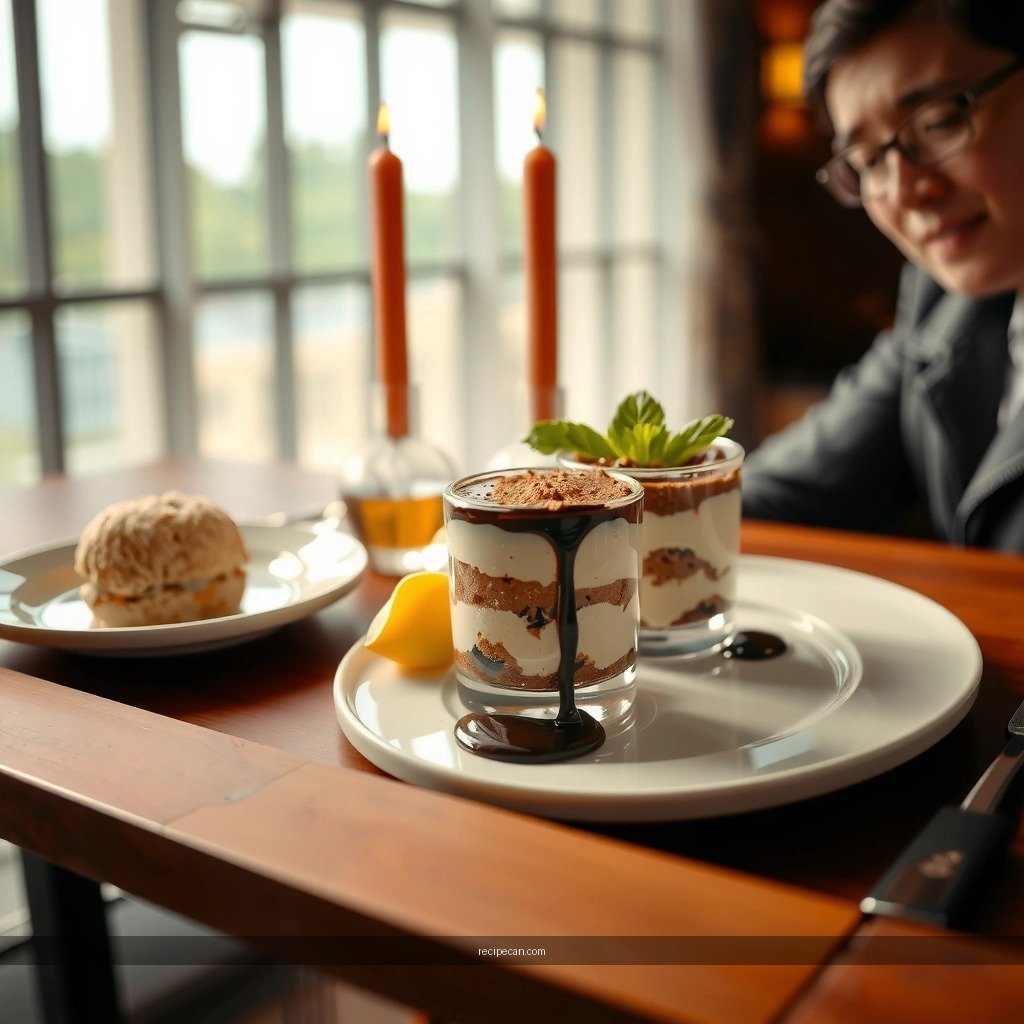
– Use mascarpone, espresso (or strong coffee), eggs, sugar, and ladyfingers
– Choose cocoa powder for the classic finish (and optionally dark chocolate shavings)
At its core, tiramisu is a disciplined layering technique: creamy mascarpone gives richness, eggs provide body and (when handled correctly) a light custard-like set, espresso soaks just enough to add coffee aroma without turning the dessert gummy, and cocoa powder caps the top with bitterness that balances sweetness.
Key ingredient guidance (so you get the “traditional” outcome):
– Mascarpone: Choose a full-fat mascarpone (not a low-fat version). Full fat whips/folds more predictably and delivers the classic creamy mouthfeel.
– Eggs: Many traditional recipes use raw or lightly cooked eggs; for consistent results at home, you can use pasteurized eggs (widely available in many supermarkets) to reduce risk while preserving texture. If you prefer fully cooked egg cream, you can temper into a custard-style base—still classic in flavor, slightly different in texture.
– Sugar: Granulated sugar dissolves best when whisked thoroughly. Some home cooks replace part of the sugar with confectioners’ sugar for faster dissolving, but granulated is perfectly fine if you whip/whisk long enough.
– Ladyfingers: Use savoiardi-style ladyfingers (Italian sponge biscuits). Their porous structure is what allows the coffee to seep in quickly and evenly.
– Coffee: Use espresso if you can, but strong brewed coffee is an excellent classic substitute. The goal is high intensity, not extra volume.
– Cocoa powder & chocolate: Use unsweetened cocoa powder for the authentic finish. Optional dark chocolate shavings add visual appeal and extra bitterness.
Because tiramisu is all about proportions, here’s a practical scaling reference that helps you keep the cream-to-biscuit balance consistent.
Scaled Tiramisu Batch Ratios (Traditional Balance)
| # | Batch (Servings) | Mascarpone (g) | Eggs | Ladyfingers + Coffee (ml) | Layer Stability |
|---|---|---|---|---|---|
| 1 | 4 | 250 | 2 | 12 + 120 | ★★★★★ |
| 2 | 6 | 375 | 3 | 18 + 180 | ★★★★★ |
| 3 | 8 | 500 | 4 | 24 + 250 | ★★★★★ |
| 4 | 10 | 625 | 5 | 30 + 310 | ★★★★☆ |
| 5 | 12 | 750 | 6 | 36 + 370 | ★★★★☆ |
| 6 | 14 | 875 | 7 | 42 + 430 | ★★★☆☆ |
| 7 | 16 | 1,000 | 8 | 48 + 490 | ★★★☆☆ |
Note: “Layer stability” above reflects how easily home cooks maintain the right soak time as the batch size increases. For larger batches, strict dipping speed and adequate chilling become more important.
Best Coffee for Tiramisu
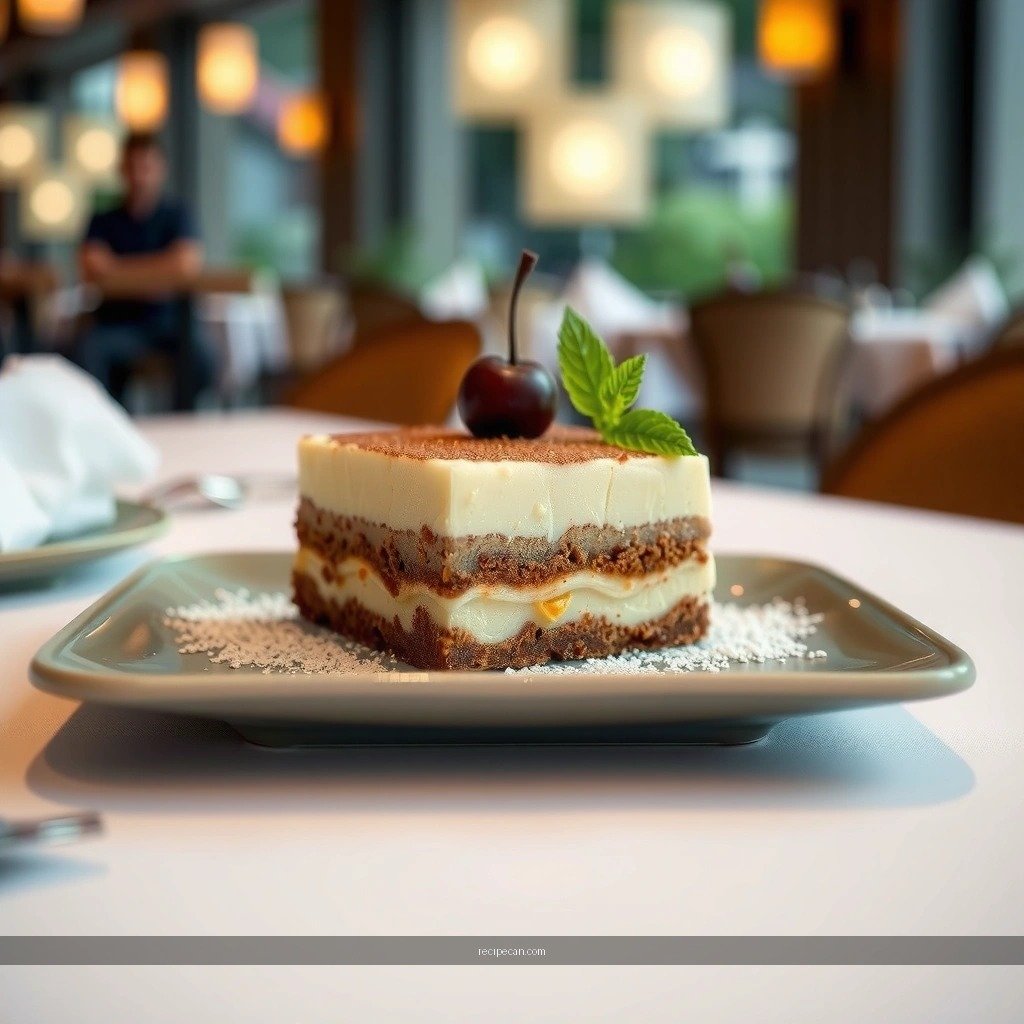
– Brew strong espresso or coffee so it stands up to the soaking
– Cool it slightly to avoid melting the cream and to control saturation
Coffee is the “flavor engine” of tiramisu, and strength matters because the ladyfingers absorb liquid. If you use weak coffee, you’ll end up with a dessert that tastes like sweetened cream with only faint coffee notes—common when people substitute regular drip coffee without dialing up intensity.
How to choose and prepare coffee for the best classic outcome:
– Brew strong: Aim for espresso-style intensity or a bold roast. If using drip coffee, use more grounds than usual (or a “strong” setting if your machine has one).
– Cool slightly (important): Let the coffee cool until warm—not hot. Hot liquid can soften mascarpone and interfere with the creamy set. A practical target is “comfortable to sip,” not “steaming.”
– Add sweetness carefully (optional): Traditional recipes often keep the coffee unsweetened because sugar is already in the cream. If your coffee tastes aggressively bitter, you can add a teaspoon or two of sugar while it’s still hot, but do not turn it into a syrup—keep the classic balance.
Soak control is a systems issue: you’re not trying to soak the biscuits like a sponge cake. You’re transferring enough coffee to perfume the interior and create that layered “coffee + cocoa + cream” sequence on the palate.
Make the Mascarpone Cream
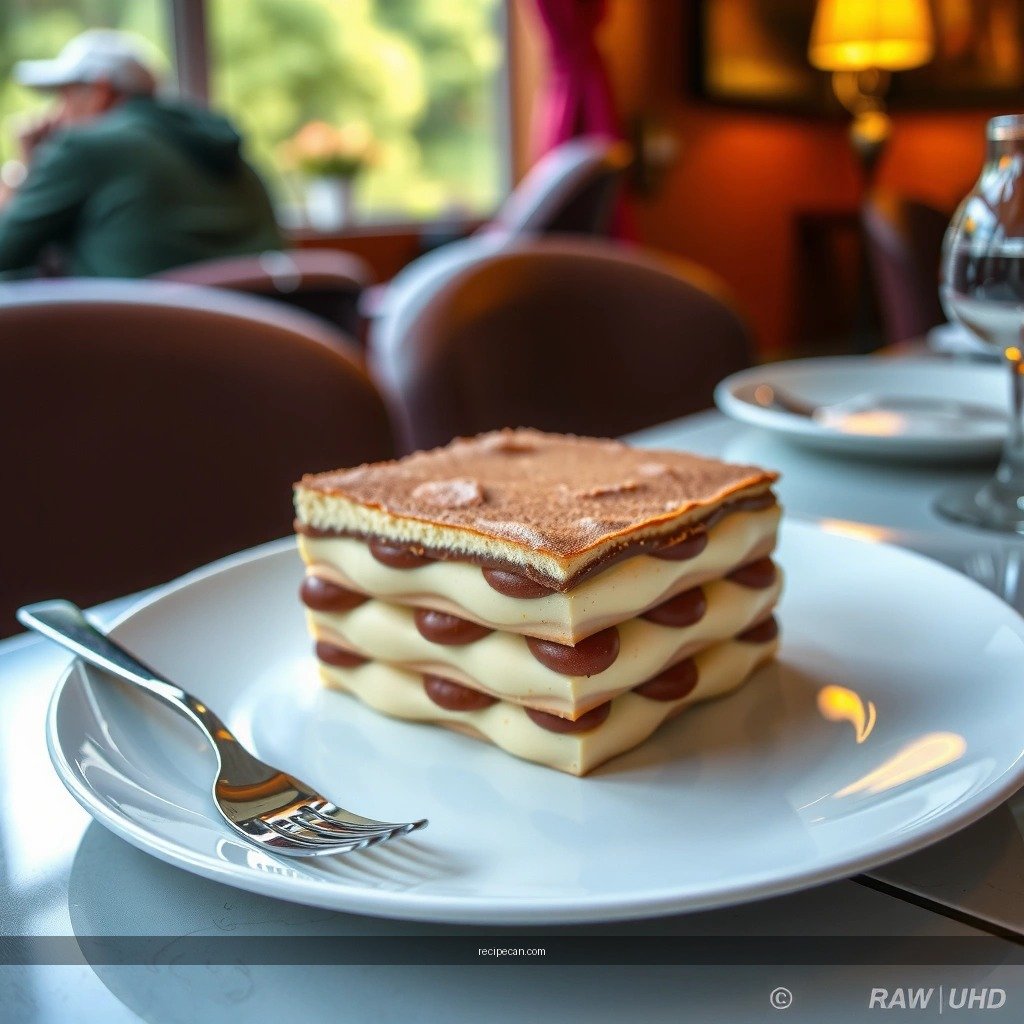
– Whip or fold mascarpone until smooth, then combine with egg mixture carefully
– Aim for a thick, spoonable consistency that holds layers without running
This is where most homemade tiramisu either becomes “restaurant-level” or falls short. The goal is a cream that is smooth, airy enough to feel light, yet thick enough to hold its shape when spread between layers.
A reliable method (classic texture, consistent layering):
1. Smooth the mascarpone first. Stir or briefly whip mascarpone to eliminate lumps. This step prevents grainy cream and helps you fold evenly.
2. Whisk eggs and sugar thoroughly. Whip until the mixture looks paler and slightly thicker. This improves stability and creates a lighter mouthfeel.
3. Combine gently. Fold the mascarpone into the egg mixture (or fold in whipped egg components, depending on your method). Overmixing can cause the cream to loosen; undermixing leaves streaks and uneven sweetness.
What “right consistency” looks like:
– The cream should be thick and spoonable, holding a mound for a few seconds.
– If it looks pourable or spreads aggressively, refrigerate briefly and reassess. Sometimes the cream simply needs chilling time to firm up.
Common troubleshooting:
– Cream too loose: Chill 10–20 minutes, then fold carefully again. Excessive whipping or warm ingredients can destabilize the mixture.
– Cream grainy: Usually from mascarpone lumps that weren’t smoothed first. Next time, soften mascarpone slightly before mixing.
– Layer separation after chilling: Often caused by cream that was too thin at assembly or coffee that was too hot, melting the structure.
Assemble the Layers
– Quickly dip ladyfingers into espresso—don’t soak too long
– Layer ladyfingers and cream, repeating until you reach your desired height
Assembly is the “timing discipline” of tiramisu. The difference between elegant slices and soggy interiors is usually how quickly the ladyfingers meet the coffee.
How to dip correctly (a practical rule):
– Dip each side quickly—think about 1 second per side—then lift immediately.
– The ladyfingers should absorb coffee at the surface and edges, not collapse into mush.
– If you’re using a shallow dish of coffee, you can rotate and lift efficiently to maintain speed across all pieces.
Layering strategy for clean slices:
1. Spread a thin layer of cream at the bottom of your dish first—this “anchors” the biscuits.
2. Arrange a single layer of dipped ladyfingers without gaps (or with minimal gaps).
3. Spread cream evenly to the edges using a spatula.
4. Repeat once more, depending on dish height.
5. Finish with cream on top so the cocoa dusting sits on a stable surface.
Serving-dish considerations:
– Use a dish that fits the ladyfingers well. Too much extra space means more gaps, which can lead to uneven coffee concentration and weaker slice structure.
A professional tip for event-style servings: cover and chill between assembly and final cocoa dusting. This keeps the top dry enough for clean cocoa coverage.
Chill and Serve for Perfect Texture
– Refrigerate at least 4–6 hours (overnight is even better)
– Serve cold and dust with cocoa right before serving to keep it fresh
Tiramisu isn’t fully “done” at assembly—it’s finished by chilling. During refrigeration, the cream sets and the ladyfingers finish hydrating in a controlled way, producing that signature sliceable, creamy, layered texture.
Chilling guidelines:
– Refrigerate at least 4–6 hours.
– Overnight chilling is better for both flavor integration and texture stability.
Cocoa timing matters:
– Dust with cocoa powder right before serving. If you cocoa the night before, it can dissolve into the cream’s moisture, turning the surface muddy rather than velvety and crisp.
Food safety note (practical, business-friendly mindset):
– If using raw eggs, prefer pasteurized eggs to reduce risk and ensure consistent results for guests.
– Keep the tiramisu refrigerated and avoid leaving it at room temperature for extended periods, especially during serving.
[CONCLUSION PARAGRAPH – NO HEADING]
Now you have the classic tiramisu recipe roadmap: make the coffee right, build a smooth mascarpone cream, assemble with quick dips, and chill until set. Try it this weekend—then adjust sweetness or espresso strength to match your taste. If you want, tell me how many servings you’re making and I’ll scale the ingredients for you.
Frequently Asked Questions
What is the classic tiramisu recipe and what ingredients do I need?
A classic tiramisu recipe typically uses ladyfingers (savoiardi), espresso or strong coffee, mascarpone, eggs, sugar, and cocoa powder, often with a splash of Marsala or rum. You’ll also need a pinch of salt to help stabilize the egg mixture and optional vanilla for extra flavor. These core ingredients are what give classic tiramisu its signature creamy texture and coffee-cocoa profile.
How do I make classic tiramisu without curdling the mascarpone-egg mixture?
To avoid curdling, whisk egg yolks with sugar until smooth and then temper them by gradually adding warm (not boiling) coffee-sugar or heating gently in a bowl over low heat. Keep the heat low and stir constantly if you’re using a cooked method; remove from heat as soon as it thickens. When combining with mascarpone, fold gently so you maintain the creamy consistency instead of mixing aggressively.
Why does tiramisu get runny, and how can I make it set properly?
Classic tiramisu can turn runny if the ladyfingers are soaked too long in espresso or if the cream mixture is too warm when assembling. Dip each ladyfinger quickly—just enough to coat—then drain briefly so it doesn’t flood the layers. Chilling is essential: refrigerate at least 4–6 hours (preferably overnight) so the mascarpone cream firms up and the flavors meld.
Which coffee should I use for the best classic tiramisu flavor?
For the best classic tiramisu recipe results, use espresso or very strong brewed coffee with a bold, low-acid flavor. If you only have regular coffee, brew it stronger than usual and let it cool before using to prevent warming the mascarpone. Flavor-wise, avoid overly sweet or flavored coffees because they can mask the balance between coffee bitterness and sweet cream.
Best way to assemble and store classic tiramisu?
Assemble in even layers: start with a thin cream layer, add a quick dip of ladyfingers, then cover with mascarpone cream and repeat as needed. Smooth the top, dust generously with cocoa powder, and keep it covered in the fridge to prevent it from drying out or absorbing fridge odors. For storage, keep classic tiramisu refrigerated and enjoy within 2–3 days for the best texture, since the ladyfingers continue to soften over time.
References
- Tiramisu
https://en.wikipedia.org/wiki/Tiramisu - Tiramisu | Meaning, Ingredients, Origin, Desserts, & Taste | Britannica
https://www.britannica.com/topic/tiramisu - https://www.bbc.co.uk/food/recipes/tiramisu_68421
https://www.bbc.co.uk/food/recipes/tiramisu_68421 - https://www.theguardian.com/food/2017/mar/07/how-to-make-tiramisu-recipe
https://www.theguardian.com/food/2017/mar/07/how-to-make-tiramisu-recipe - https://cooking.nytimes.com/recipes/101600-tiramisu
https://cooking.nytimes.com/recipes/101600-tiramisu - https://pubmed.ncbi.nlm.nih.gov/?term=tiramisu
https://pubmed.ncbi.nlm.nih.gov/?term=tiramisu - https://www.sciencedirect.com/search?qs=tiramisu
https://www.sciencedirect.com/search?qs=tiramisu - Google Scholar Google Scholar
https://scholar.google.com/scholar?q=classic+tiramisu+recipe - https://scholar.google.com/scholar?q=tiramisu+mascarpone+ladyfingers+coffee+cocoa+history+recipe Google Scholar
https://scholar.google.com/scholar?q=tiramisu+mascarpone+ladyfingers+coffee+cocoa+history+recipe - Google Scholar Google Scholar
https://scholar.google.com/scholar?q=tiramisu+recipe+classic