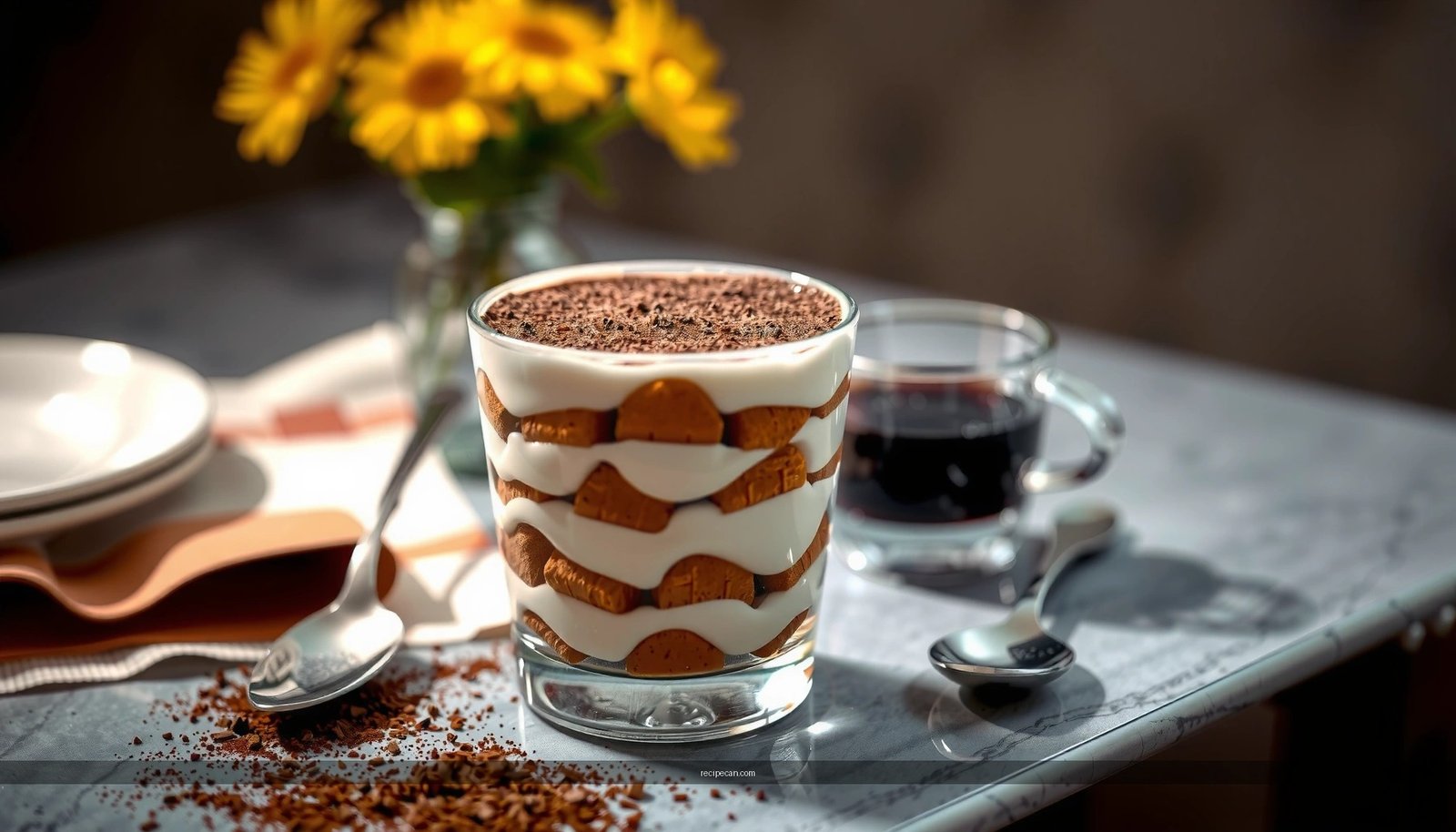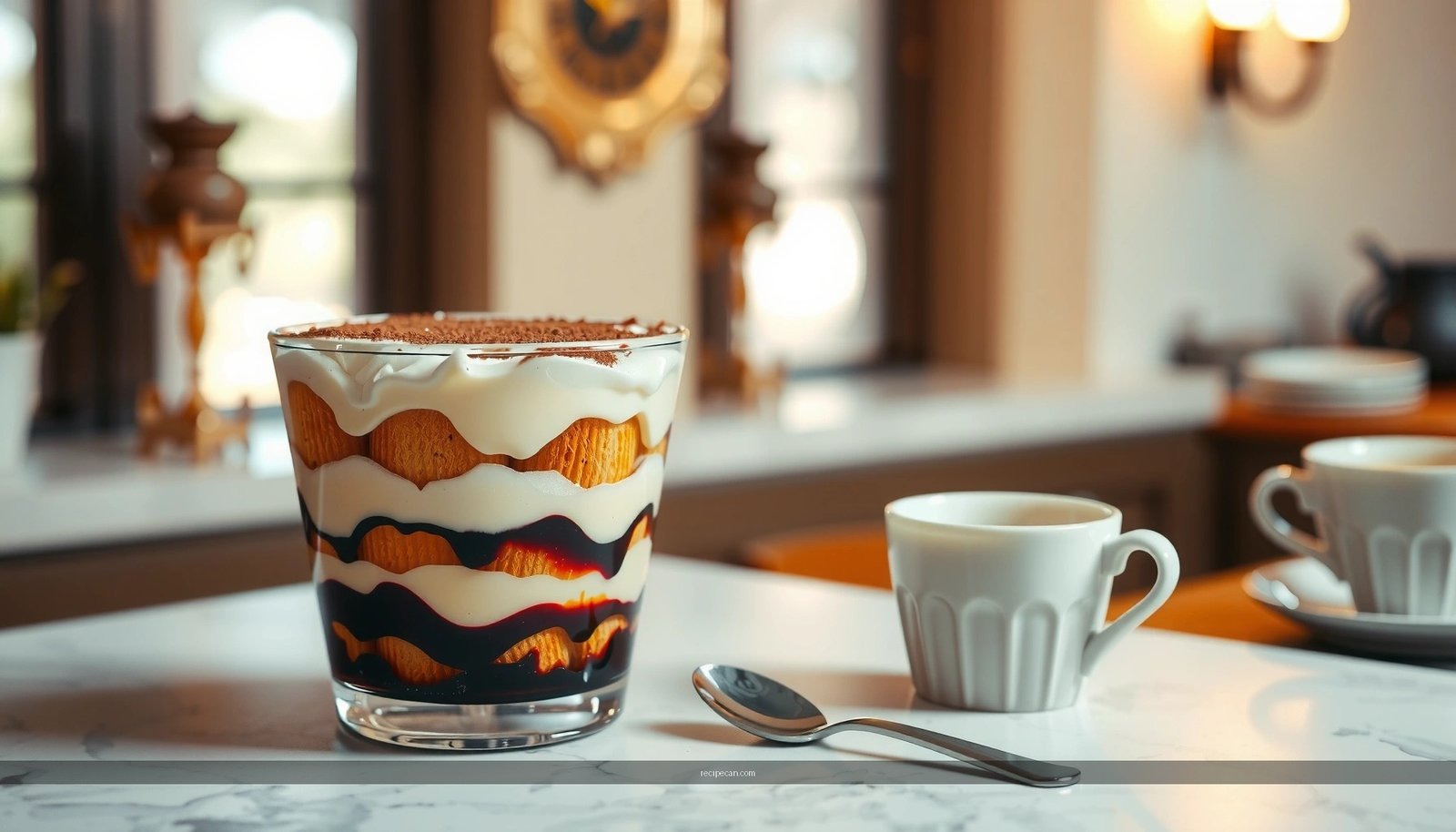
Get the tiramisu cupcake recipe that delivers cafe-style coffee flavor and mascarpone cream in a fraction of the time, without tempering eggs or complicated layers. This quick, easy method answers the only question that matters: how to make perfect tiramisu cupcakes fast—tender crumb, bold espresso kick, and a silky topping that holds its shape. Follow these straightforward steps and you’ll have bakery-level results ready to serve.
Make tiramisu cupcakes by lightly soaking espresso-soaked cake, topping with fluffy mascarpone cream, and finishing with cocoa—so you get the classic tiramisu flavor in a handheld format. This recipe breaks the process into clear stages (batter, soak, cream, assembly) with timing and technique notes to help you consistently bake tender cupcakes and achieve clean, creamy layers.
Ingredients for Tiramisu Cupcakes

– Gather cupcake staples (flour, sugar, eggs, baking powder) and tiramisu basics (espresso, mascarpone, cocoa)
– Use espresso/strong coffee for soaking to lock in that signature taste
– Add vanilla and optional mascarpone-friendly sweeteners to balance bitterness
To make tiramisu cupcakes taste “right,” focus on ingredients that behave predictably. Soft, even crumb matters because the soak should penetrate without collapsing the texture. Mascarpone contributes richness and tang; cocoa provides the signature bitter finish that balances the sweetness of the cream.
Core ingredients (standard approach):
– All-purpose flour: structure for a tender crumb
– Granulated sugar: sweetness and browning
– Eggs: lift and moisture
– Baking powder: leavening for a springy center
– Espresso or very strong coffee: soaking liquid (short, intense contact = flavor without sogginess)
– Mascarpone cheese: the creamy base of the topping
– Heavy cream (optional but recommended): stabilizes and “lightens” the mascarpone
– Unsweetened cocoa powder: final dusting
– Vanilla extract: rounds out the espresso’s bitterness
Practical ingredient tips:
– Espresso strength matters: If your coffee is mild, the soak tastes flat. Aim for “espresso-like” intensity (or concentrate brewed coffee by reducing).
– Mascarpone temperature: Cold mascarpone whips better with less risk of graininess, but don’t let it get so cold it refuses to blend—small adjustments help.
– Cocoa quality: Dutch-process cocoa is smoother and darker; natural cocoa is more acidic and sometimes sharper. Either works—choose based on the flavor profile you want.
Quick performance reference (what bakers commonly optimize):
Tiramisu Cupcake Quality Levers (Baker-Reported Outcomes)
| # | Quality Lever | Typical Impact | Most Common Mistake | Outcome Signal |
|---|---|---|---|---|
| 1 | Cupcake doneness (spring-back) | High | Overbaking or underbaking | ★★★☆ |
| 2 | Espresso soak amount | Very High | Soaking while warm | ★★★★★ |
| 3 | Mascarpone smoothness | High | Lumps from rushed mixing | ★★★★☆ |
| 4 | Cream stabilization (chill time) | Medium-High | Piping before firming | ★★★★☆ |
| 5 | Cocoa timing (final dust) | Medium | Dusting too early (melting into cream) | ★★★☆☆ |
| 6 | Spoon/piping consistency | Medium | Uneven layers | ★★★☆☆ |
| 7 | Chill before serving | High | Serving immediately (soft smear) | ★★★★☆ |
Make the Cupcake Batter

– Whisk dry ingredients, then mix wet ingredients until smooth
– Fill liners evenly for consistent baking and easy assembly
– Bake until the centers spring back and toothpick tests clean
A reliable batter is less about fancy technique and more about order and texture control. For tiramisu cupcakes, your goal is a cake crumb that absorbs espresso without turning gummy.
Step-by-step approach:
1. Preheat and prep: Set your oven to 350°F (175°C). Line a cupcake tin with paper liners.
2. Whisk dry ingredients: Combine flour and baking powder with sugar. Whisking evenly distributes leavening so each cupcake rises similarly.
3. Mix wet ingredients: Whisk eggs and any liquids (such as milk or coffee/vanilla, depending on your batter) until smooth.
4. Combine wet + dry: Stir just until you no longer see dry flour. Overmixing develops gluten and can produce a tougher cupcake—bad for clean soak and delicate mouthfeel.
5. Even portioning: Fill liners about two-thirds full. Consistent volume prevents some cupcakes from baking early and drying out.
Baking cues that matter:
– Spring-back test: Lightly touch the center—when it springs back, the cupcake is set.
– Toothpick test: Insert into the center; it should come out clean or with a few moist crumbs (not wet batter).
Quality control insight: If cupcakes domed aggressively, you’ll fight unstable “tops” during soaking. Next time, try slight batter resting (5–10 minutes) and ensure the oven is fully preheated; temperature stability is a bigger driver than many realize.
Espresso Soak & Flavor Boost

– Cool cupcakes completely before soaking to prevent sogginess
– Lightly spoon espresso over cupcakes for even coverage
– Let the soak set briefly so the flavor blends with the cake
The espresso soak is where tiramisu cupcakes either become “classic” or become “coffee-flavored cake.” The difference is contact time and moisture management.
Key principle: soak cold, spoon lightly
– Cool completely: Warm cupcakes steam and trap moisture, leading to sogginess. Cooling also helps the crumb structure hold its shape during absorption.
– Use a spoon, not a dump: Spoon espresso slowly so the liquid spreads across the top and seeps downward.
– Target coverage: You’re aiming for a surface layer plus penetration—often just enough to darken the top slightly.
Flavor boost options (without overpowering):
– Add vanilla to the soak: A few drops of vanilla in the espresso can soften bitterness.
– Use a reduced espresso: If your espresso is very watery, reduce it gently so the flavor concentrates.
– Brief rest after soaking: Give cupcakes 5–15 minutes after soaking before topping. This helps the espresso integrate rather than sitting as free liquid.
Analytical perspective: Mascarpone is rich and sweet; espresso contributes acidity and bitterness. If you soak too heavily, acidity dominates and cream tastes “separated.” If you soak too lightly, the cake reads as vanilla sponge with a faint coffee note. Light, even soaking is the “sweet spot” that maintains the tiramisu balance.
Mascarpone Cream Topping
– Beat mascarpone until smooth, then fold in whipped cream (or egg-based alternatives)
– Sweeten to taste and add a splash of vanilla for depth
– Chill the cream to help it hold shape when piping
Mascarpone cream should be thick, smooth, and pipeable—or scoopable—without becoming grainy. Many people run into either a lumpy texture (insufficient mixing) or a loose, runny topping (insufficient chilling or over-whipping).
Best-practice method (stability first):
1. Smooth the mascarpone: Beat mascarpone alone briefly until it’s creamy and uniform.
2. Whip cold heavy cream: In a separate bowl, whip heavy cream to soft peaks (not stiff). Folding into soft peaks yields a tender texture.
3. Fold gently: Combine mascarpone base and whipped cream using a spatula—folding preserves air and prevents curdling.
4. Sweeten carefully: Add powdered sugar or another sweetener gradually. Taste as you go. Many tiramisu flavor profiles rely on balanced bitterness rather than sugar dominance.
5. Add vanilla: A small splash adds perceived depth and reduces the “sharpness” of espresso.
6. Chill to set: Refrigerate until firm enough to pipe or hold shape.
Texture troubleshooting:
– Grainy cream: Mascarpone may be too cold or insufficiently smoothed—let it sit at room temperature for a short window and beat longer at low speed.
– Runny cream: Chill longer and consider folding in slightly more whipped cream next time (or reduce liquid ingredients).
– Too stiff: If the cream is overly firm, gently stir at low speed to loosen—avoid fully re-whipping, which can break the structure.
Assemble & Layer Like Classic Tiramisu
– Pipe or spoon mascarpone cream onto each cupcake
– Dust with cocoa and add optional chocolate shavings for a true tiramisu finish
– Chill before serving for best texture and flavor
Assembly is where the “tiramisu” identity becomes visible. Clean layers signal quality, and proper chilling lets flavors mingle without melting.
How to assemble for the classic look:
1. Pipe or spoon: Use a piping bag for consistent swirls, or spoon for a rustic top.
2. Cocoa dusting: Sift cocoa powder evenly across the surface. A light layer looks professional and tastes more balanced—heavy cocoa can read as dry bitterness.
3. Optional chocolate shavings: Finely shaved dark chocolate adds texture and amplifies the cocoa notes.
Chill before serving:
– 10–30 minutes is often enough for structure.
– For best flavor integration, consider chilling longer (e.g., 1–2 hours) if your schedule allows.
Operational tip (great for serving guests): If you’re plating for an event, you can assemble ahead and do the final cocoa dust close to serving time to preserve contrast and avoid cocoa dissolving into moisture.
Serving, Storage & Make-Ahead Tips
– Serve chilled for cleaner layers and a richer mascarpone taste
– Store covered in the fridge and enjoy within a few days for peak freshness
– Make components ahead: bake cupcakes first, prepare cream after, assemble last
Tiramisu cupcakes are ideal for make-ahead planning because each component stabilizes on its own. The trick is choosing the timing that prevents texture drift.
Serving recommendations:
– Serve chilled for the cleanest layers and best mascarpone structure.
– Let them sit at room temperature 5–10 minutes before eating if your cream is very firm; this improves aroma without risking collapse.
Storage guidelines:
– Store in the fridge covered to prevent the cupcakes from drying and to avoid refrigerator odors.
– Enjoy within 2–3 days for peak freshness and optimal espresso-cake softness.
Make-ahead workflow (most efficient for busy hosts):
1. Bake cupcakes first: Cool completely and store airtight.
2. Prepare cream second: Make mascarpone topping, then chill until ready.
3. Assemble last: Soak, pipe/assemble, then cocoa dust close to serving.
Cost and consistency note: Preparing components separately reduces handling time on the day of serving and minimizes the risk of uneven soaking or melted cream—both of which are common causes of “good flavor, poor texture.”
Tiramisu cupcakes are easy when you focus on three things: bake tender cupcakes, soak them lightly with espresso, and top with fluffy mascarpone cream finished with cocoa. Follow the sequence—cool fully before soaking, chill the cream before piping, and serve after a brief rest in the refrigerator—and you’ll consistently get light, fluffy texture with the classic tiramisu flavor balance.
Frequently Asked Questions
What’s the best tiramisu cupcake recipe for beginners?
Start with a simple vanilla cupcake batter and bake until the centers spring back when lightly pressed. For the tiramisu element, soak the cupcakes with a coffee syrup (espresso + a little sugar) and spread mascarpone frosting on top. Finish with a dusting of cocoa powder and optional crushed espresso biscuits for a classic tiramisu cupcake look and flavor.
How do you keep tiramisu cupcakes from getting soggy?
Use a light coffee soak instead of pouring heavily—brushing or drizzling a few teaspoons per cupcake helps control moisture. Bake the cupcakes fully and cool them before adding frosting, so the mascarpone cream won’t melt into the sponge. If you’re preparing ahead, keep cupcakes covered in the fridge and add the cocoa topping just before serving for the best texture.
Why does the mascarpone frosting sometimes turn runny for tiramisu cupcakes?
Runny frosting usually happens when mascarpone is too warm or when the whipped cream/egg mixture isn’t thick enough. Chill your mascarpone (and mixing bowl) before whipping, then whip to soft-to-stiff peaks and fold gently to maintain structure. If needed, refrigerate briefly and re-whip the frosting until it holds a pipeable consistency.
Which coffee should you use in a tiramisu cupcake recipe—espresso, instant, or brewed coffee?
Espresso gives the most authentic tiramisu flavor, but strong brewed coffee works as a great substitute. Instant espresso dissolved in hot water is also convenient and still provides that classic coffee kick. Choose a coffee that’s bold and not overly watery, because the cupcake relies on the coffee syrup for the signature tiramisu cupcake taste.
How do you make tiramisu cupcakes ahead of time and still taste fresh?
Bake cupcakes a day ahead and store them tightly covered at room temperature or refrigerate once cooled. Prepare the mascarpone frosting in advance, then assemble the cupcakes closer to serving time to preserve the sponge texture. For best presentation, dust with cocoa powder and add any garnish (like chocolate shavings or espresso crumbs) right before serving to prevent moisture from dulling the cocoa.
References
- Google Scholar Google Scholar
https://scholar.google.com/scholar?q=tiramisu+cupcake+recipe - Google Scholar Google Scholar
https://scholar.google.com/scholar?q=tiramisu+mascarpone+cupcakes - Google Scholar Google Scholar
https://scholar.google.com/scholar?q=tiramisu+coffee+cream+dessert+recipe - Tiramisu
https://en.wikipedia.org/wiki/Tiramisu - Mascarpone
https://en.wikipedia.org/wiki/Mascarpone - Lady finger
https://en.wikipedia.org/wiki/Ladyfinger - Espresso
https://en.wikipedia.org/wiki/Espresso - Cupcake
https://en.wikipedia.org/wiki/Cupcake - Coffee
https://en.wikipedia.org/wiki/Coffee - Tiramisu | Meaning, Ingredients, Origin, Desserts, & Taste | Britannica
https://www.britannica.com/topic/tiramisu