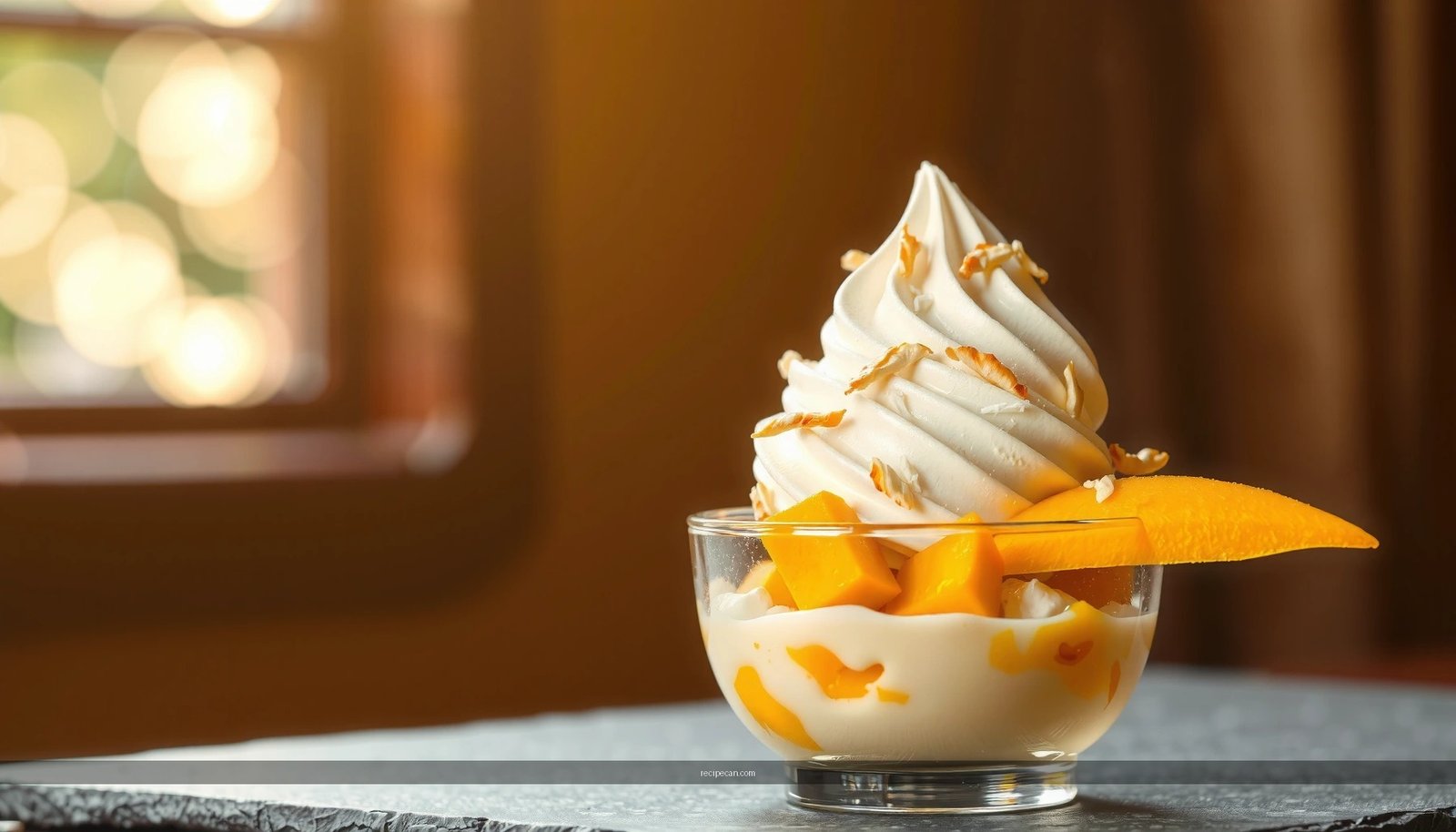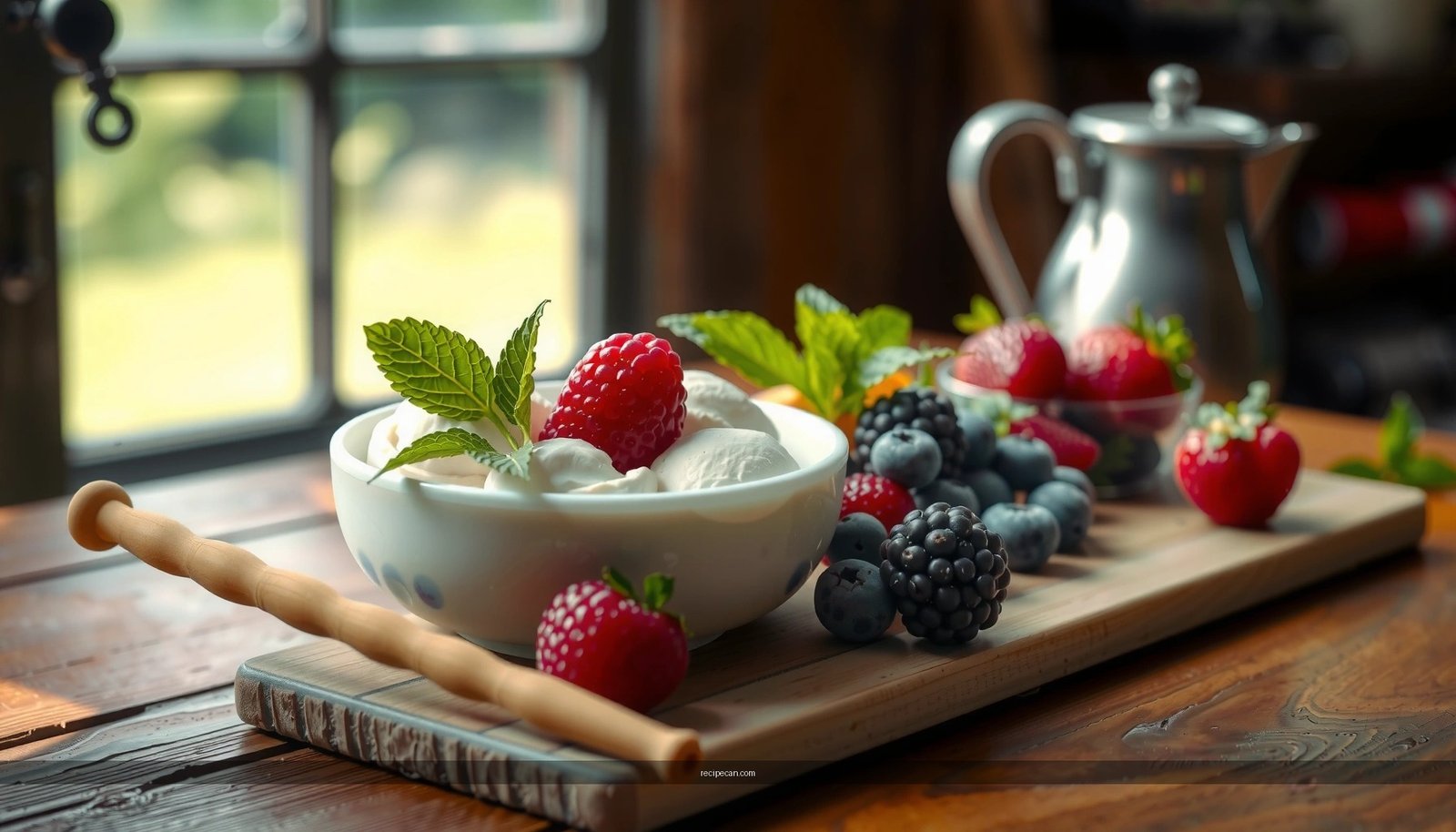
Need a three ingredient ice cream recipe that delivers truly creamy results without an ice-cream maker? This easy, no-fuss method uses just three pantry staples to make soft, scoopable ice cream fast—no complicated steps, no specialty ingredients. It’s the clear winner when you want homemade ice cream today with minimal effort and maximum payoff.
You can make homemade three-ingredient ice cream quickly and reliably by balancing a creamy base with a simple sweetener (plus optional flavor) and using the right freezing/churning method to control ice crystals. This recipe keeps the process intentionally lean—mix thoroughly, then churn or freeze—so you get a smooth, scoopable texture without complicated steps.
Choose the Right Three Ingredients
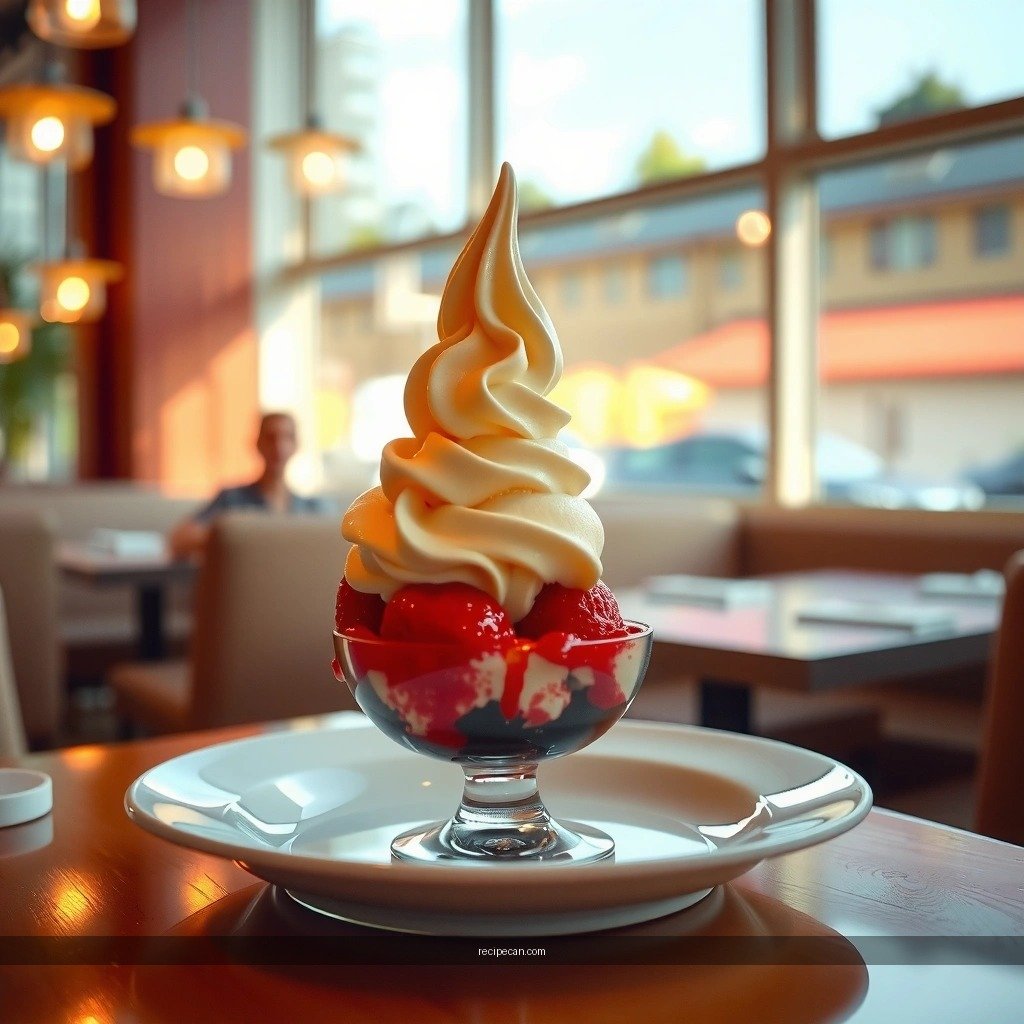
Three-ingredient ice cream works because you’re essentially optimizing three variables: fat for creaminess, sugar for texture, and a flavor component (optional, but recommended) for taste. To keep the recipe truly “no-fuss,” choose ingredients that combine well and freeze predictably.
– Pick a base (cream, milk, or condensed milk) for the creamiest result
– Heavy cream: Highest fat content, which naturally limits ice crystal formation and produces a richer, denser texture.
– Whole milk or half-and-half: Still creamy, but generally benefits from a slightly higher sweetener level to keep the mixture from freezing too hard.
– Sweetened condensed milk: Already contains sugar and milk solids, which can improve body and scoopability even without extra steps.
– Use a sweetener or flavor add-in that matches your taste
Sugar lowers the freezing point, which is critical for softness and smoothness. Common options include:
– Granulated sugar (best if you want control)
– Sweetened condensed milk (best if you want convenience)
– Honey or maple syrup (works, but sweetness and freezing behavior vary)
– Keep add-ins minimal so the “three ingredient” promise stays true
The most “three-ingredient-compliant” approach is one base + one sweetener + one flavor (such as vanilla extract, cocoa powder, or fruit purée). If you add too many extra mix-ins, you’ll reduce the simplicity and may introduce icy chunks or separation.
Creaminess vs. Fat & Sugar for 3-Ingredient Ice Cream Bases
| # | 3-Ingredient Base (fat/protein source) | Fat in base (g/100g) | Sugar/Carbs in base (g/100g) | Best-use sweetener | Smoothness rating |
|---|---|---|---|---|---|
| 1 | Heavy cream (36% fat) | 36.0 | <1 (minimal) | Granulated sugar or vanilla sugar | ★★★★★ |
| 2 | Half-and-half (10% fat) | 10.0 | ~4–5 (lactose) | Granulated sugar | ★★★★☆ |
| 3 | Whole milk (3.25% fat) | 3.3 | ~4.8 (lactose) | Granulated sugar | ★★★☆☆ |
| 4 | 2% milk (2% fat) | 2.0 | ~4.9 (lactose) | Increase sugar slightly | ★★☆☆☆ |
| 5 | Sweetened condensed milk (canned) | ~8–9 | ~55 (sugar) | Add little or no extra sugar | ★★★★★ |
| 6 | Coconut cream (typical canned) | ~20–25 | <2 (varies) | Granulated sugar or honey | ★★★★☆ |
| 7 | Low-fat evaporated milk | ~3–4 | ~4–6 (lactose) | Use extra sugar for scoopability | ★☆☆☆☆ |
Prep Your Ingredients for Best Texture
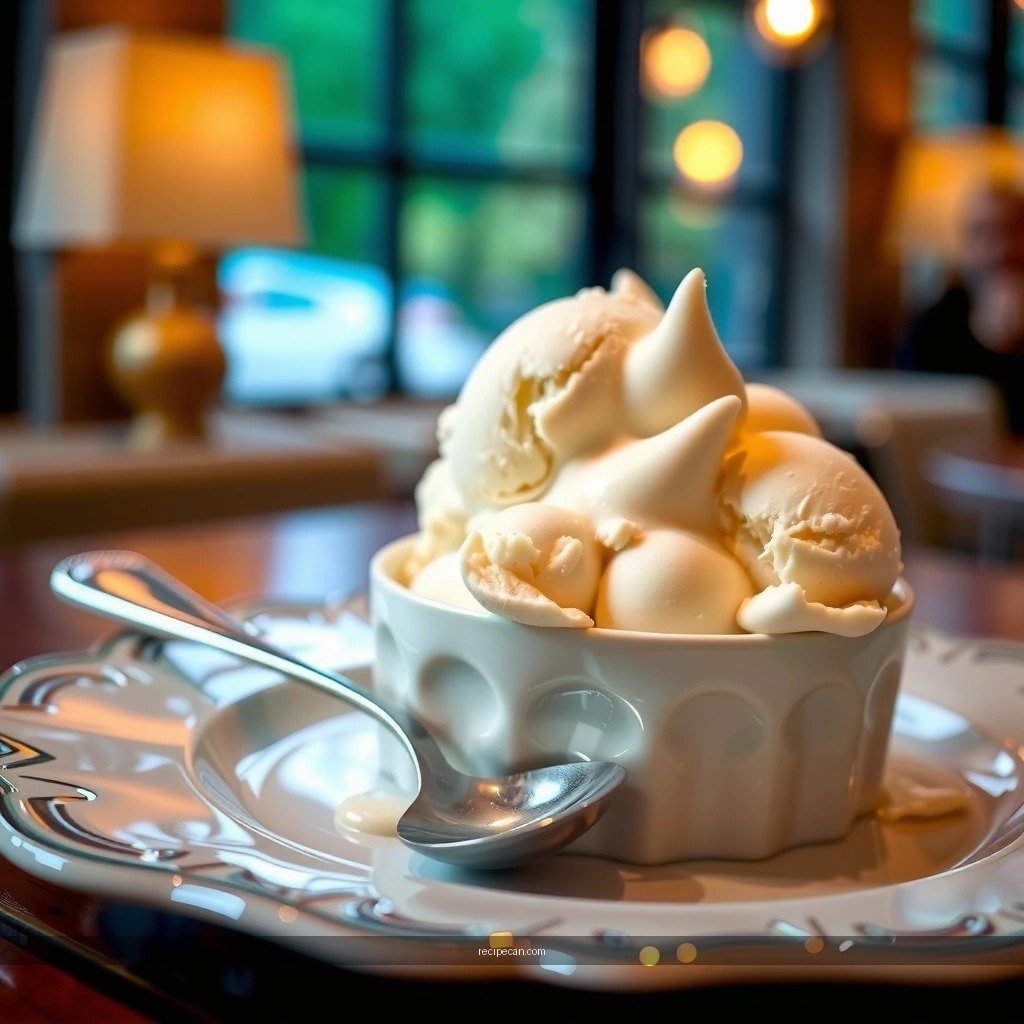
Texture problems in homemade ice cream usually come from two sources: temperature and incomplete mixing. Because this recipe is no-fuss, your best “quality control” step is to prep like a pro.
– Chill ingredients beforehand to reduce freezing graininess
Starting with cool (not room-temperature) base and sweetener helps you avoid large temperature swings in the early freezing window—when ice crystals begin to form. If you can, refrigerate your base for 1–2 hours before mixing.
– Measure carefully so sweetness and creaminess balance well
Sugar doesn’t just sweeten; it changes freezing behavior. If you under-sweeten, the ice cream may turn stiff and icy. If you over-sweeten, it can soften too much.
– Mix until smooth before chilling or churning
Even though there are only three ingredients, the mixture should look uniform. Granulated sugar should be fully dissolved, and any flavor component (cocoa or fruit purée) should be blended without streaks.
Practical rule: if you can still feel grit when you rub a small amount between your fingers, keep mixing.
Make It Creamy in the Mixing Step
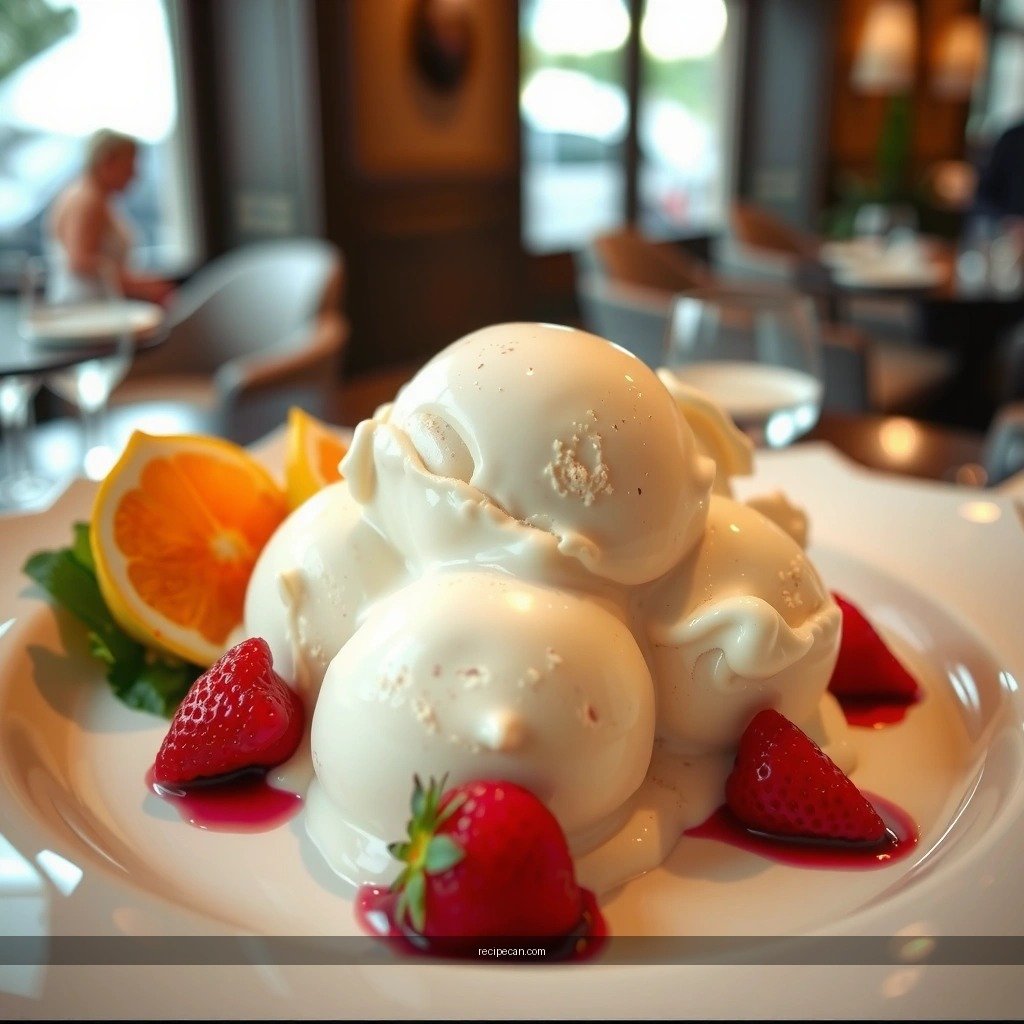
The mixing step is where your three ingredients become one consistent frozen system. In churned or no-churn versions, smoother batter = smaller ice crystals.
– Whisk or blend to fully combine all three ingredients
Use a whisk for creams and syrups, or a blender for fruit purées and cocoa. A blender is especially helpful if your flavor ingredient tends to clump.
– Scrape the sides and bottom to prevent lumps
This sounds basic, but lumps translate into icy, sandy spots after freezing. Scrape the bowl at least once during mixing and once right before transferring to your churner/freezer container.
– Aim for a thick, pourable consistency
“Thick” is usually a sign your base is rich enough (like heavy cream or condensed milk) to emulsify properly. If your mixture is watery, your finished ice cream may freeze harder and feel less creamy.
Simple quality check: after mixing, let the base sit for 5 minutes. If bubbles remain only at the surface (not throughout), your mixture is well-combined.
Churn or Freeze: Two Simple Methods
You have two legitimate paths to the same goal: controlled freezing. Churning adds mechanical aeration; no-churn relies on repeated stirring to break ice crystals.
– Churn for a faster, fluffier texture
Follow your machine’s instructions, but as a general guide: churn until it resembles soft-serve (often 15–25 minutes depending on the unit). Then transfer to a container and freeze 2–4 hours to firm up.
– Freeze if you don’t have an ice cream maker—stir periodically
Pour the mixture into a shallow, freezer-safe container. Freeze 30–45 minutes, then stir vigorously and repeat every 30–60 minutes for 3–5 cycles. This is how no-churn ice cream mimics the crystal-control you’d get from churning.
– Cover and freeze until firm but scoopable
For best scoopability, freeze until set (commonly 4–6 hours after the final stirring or churn transfer). Pressing a spoon into rock-hard ice usually means it froze too cold without enough sugar/fat—another reason choosing the right three ingredients matters.
Flavor Variations Without Complicating It
The strength of three-ingredient ice cream is that you can customize flavor while keeping the structure consistent. The best strategy is to change only the third ingredient (your flavor component), while maintaining the same base-to-sweetener ratio.
– Add a simple flavor option (vanilla, cocoa, or fruit puree) within your three ingredients
– Vanilla: Use vanilla extract or vanilla bean paste. This tends to dissolve smoothly and preserves creaminess.
– Cocoa: Use unsweetened cocoa powder, then whisk thoroughly to prevent clumps.
– Fruit purée: Blend fruit until smooth (and strain if you want an ultra-silky texture).
– Keep flavoring balanced so it doesn’t alter the texture too much
Too much fruit purée can add water, increasing iciness. If you want stronger fruit flavor, consider reducing the purée volume slightly and leaning on a more concentrated purée or cooked-down fruit.
– Try one add-on at a time for consistent results
With only three ingredients, small changes can have big texture effects. Test flavors one at a time so you can learn what works in your kitchen.
Example flavor formulas (conceptual):
– Heavy cream + sugar + vanilla extract
– Sweetened condensed milk + cocoa powder + milk (or cream, depending on thickness preference)
– Whole milk + sugar + strawberry purée (strained)
Serve and Store for Maximum Freshness
Even perfect homemade ice cream can degrade over time as ice crystals slowly grow. Serving timing and storage directly affect quality.
– Let it soften 2–5 minutes before serving
Homemade ice cream often tastes best slightly softened. This brief rest improves scoop quality and enhances flavor.
– Store in an airtight container to prevent ice crystals
Use a container with a tight seal. For extra protection, press parchment or plastic wrap against the surface before closing the lid to reduce air contact.
– Use within a few days for best texture and flavor
Three-ingredient ice cream is usually at its peak for 2–3 days. After that, even well-made ice cream will gradually lose smoothness.
Serving tip for consistency: if you serve regularly, keep the ice cream in the coldest part of your freezer and avoid repeatedly opening the door near it.
Homemade three ingredient ice cream is quick, creamy, and impressively simple—just mix, chill, and churn or freeze. Choose your ingredients, follow the method that fits your tools, then customize one flavor at a time. Make a batch today and enjoy a homemade treat with zero fuss.
Frequently Asked Questions
What are the classic three-ingredient ice cream ingredients?
A common three ingredient ice cream recipe uses sweetened condensed milk, heavy cream (or whipping cream), and vanilla extract. Sweetened condensed milk provides sweetness and body, while heavy cream adds richness and creates a smooth, scoopable texture. Vanilla extract boosts flavor, but you can also swap it for other extracts to match your mix-ins.
How do you make three ingredient ice cream without an ice cream maker?
Whip the heavy cream to soft or medium peaks, then gently fold in sweetened condensed milk and vanilla until fully combined. Transfer the mixture to a freezer-safe container and freeze until firm, stirring every 30–60 minutes for the first few hours to reduce ice crystals. Once set, let it sit at room temperature for a few minutes before scooping for the best texture.
Why does my three ingredient ice cream turn icy or grainy?
Ice cream can become icy if it’s not whipped enough before freezing or if you don’t stir during the early freezing phase. Graininess can happen when the mixture isn’t fully blended (for example, condensed milk isn’t incorporated smoothly) or if ingredients are too cold at the start. Using cold heavy cream, folding gently, and freezing with periodic stirring helps keep your no-churn three ingredient ice cream recipe creamy.
Which vanilla should I use for the best flavor in a three ingredient ice cream recipe?
Use vanilla extract for the most straightforward results, and choose pure vanilla extract for a richer, more rounded flavor. If you want a stronger, bakery-style taste, vanilla bean paste or vanilla bean seeds work well too—just keep the amount roughly similar to the vanilla extract called for. For extra flavor, consider adding a pinch of salt to enhance sweetness and make the vanilla notes pop.
What is the best way to store three ingredient ice cream so it stays smooth?
Store your three ingredient ice cream in an airtight container to prevent freezer burn and off flavors. Press a piece of parchment or plastic wrap directly onto the surface before sealing to reduce ice crystals. For best quality, eat within 1–2 weeks, and let it soften for a few minutes before serving to achieve a creamy scoop.
References
- Google Scholar Google Scholar
https://scholar.google.com/scholar?q=three+ingredient+ice+cream+recipe - Google Scholar Google Scholar
https://scholar.google.com/scholar?q=condensed+milk+whipped+cream+no-churn+ice+cream - Google Scholar Google Scholar
https://scholar.google.com/scholar?q=no-churn+ice+cream+condensed+milk - https://pubmed.ncbi.nlm.nih.gov/?term=ice+cream
https://pubmed.ncbi.nlm.nih.gov/?term=ice+cream - Ice cream
https://en.wikipedia.org/wiki/Ice_cream - https://en.wikipedia.org/wiki/No-churn_ice_cream
https://en.wikipedia.org/wiki/No-churn_ice_cream - Condensed milk
https://en.wikipedia.org/wiki/Condensed_milk - Whipped cream
https://en.wikipedia.org/wiki/Whipped_cream - Ice cream | Definition, History, & Production | Britannica
https://www.britannica.com/topic/ice-cream - eCFR :: 21 CFR 135.110 — Ice cream and frozen custard.
https://www.ecfr.gov/current/title-21/chapter-I/subchapter-B/part-135/subpart-B/section-135.110