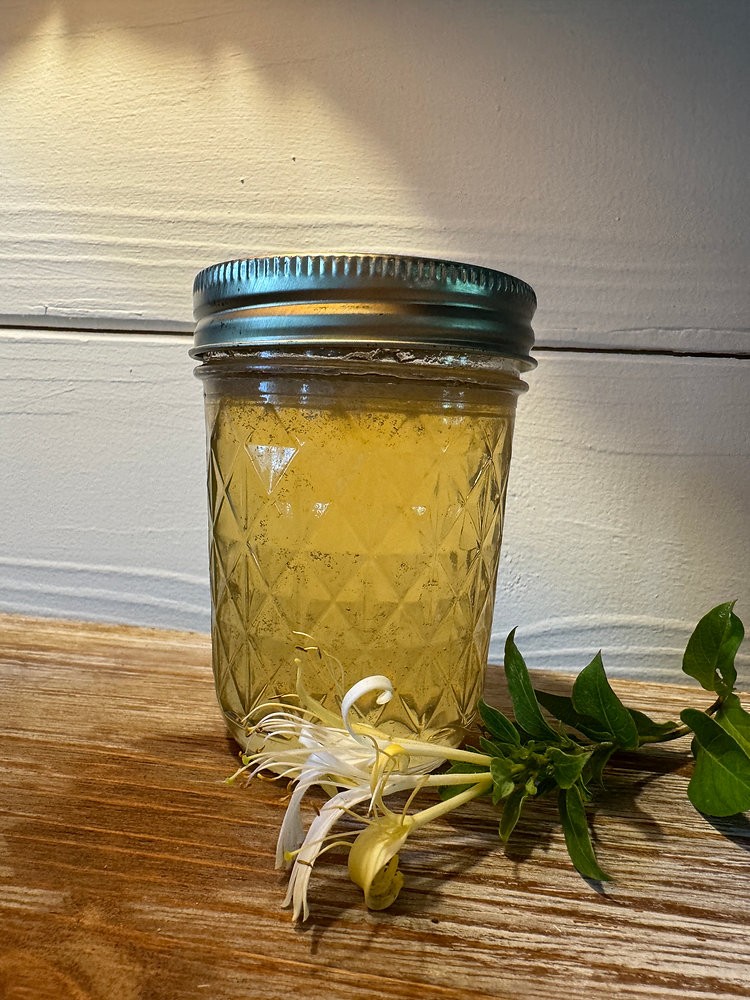
This expert guide to safely making blackberry jelly provides a precise, step-by-step approach for home canners seeking to create delicious, shelf-stable preserves. Following the correct protocol is essential to ensure safety and flavor, preventing spoilage and maintaining quality. With clear instructions and expert tips, you’ll master the art of transforming fresh blackberries into a delightful treat that captures the essence of summer.
What This Guide Covers (And What It Doesn’t)

This guide offers a comprehensive, step-by-step process for crafting blackberry jelly, featuring precise ingredient ratios, cooking times, and essential safety tips to guarantee a successful outcome. You’ll find exact measurements and methods designed to help you achieve a perfect jelly every time. However, it does not explore other types of jelly or preserves, nor does it discuss alternative fruit options or variations on the blackberry jelly recipe. The focus remains solely on home canning techniques and safe practices for preserving blackberry jelly, steering clear of advanced or commercial methods that require specialized equipment.
Who Should Read This

This guide is crafted for home cooks who possess a basic understanding of kitchen safety and food preparation, eager to refine their canning skills. It is particularly suitable for individuals with some experience in making jams or jellies who may not be familiar with the specific process for blackberry jelly. Those interested in preserving seasonal fruits for future enjoyment will find this guide especially valuable, as it highlights the significance of using ripe blackberries to maximize flavor.
The Step-by-Step Protocol

1. Gather Ingredients and Equipment:
– You will need 4 cups of ripe blackberries, 1 1/4 cups of granulated sugar, 1/4 cup of freshly squeezed lemon juice, and conventional canning supplies (jars, lids, and a water bath canner).
– Ensure you have a large pot, a ladle, a funnel, and a candy thermometer on hand.
2. Prepare Blackberries:
– Rinse the blackberries in cold water and remove any stems or leaves.
– Mash the berries in a large bowl until you have about 2 cups of pulp. This can be accomplished with a potato masher or fork, ensuring the berries are well crushed to extract maximum juice.
3. Cook the Mixture:
– In a large saucepan, combine the blackberry pulp, lemon juice, and sugar.
– Stir over medium heat until the sugar completely dissolves, which should take about 2-3 minutes.
– Bring the mixture to a rolling boil and maintain this boil for 10 minutes, stirring occasionally to prevent sticking.
4. Check for Doneness:
– Use a candy thermometer to confirm the mixture reaches 220°F (104°C), the gelling point for jelly.
– Alternatively, perform the “plate test” by placing a spoonful of the mixture on a cold plate; allow it to cool for a moment, then push it with your finger. If it wrinkles and holds its shape, it is ready to be jarred.
5. Jar the Jelly:
– Remove the pot from heat and let it sit for about 5 minutes. This helps to prevent the fruit from floating to the top when canned.
– Using a ladle and a funnel, pour the hot jelly into sterilized jars, leaving about 1/4 inch of headspace at the top.
– Wipe the rims of the jars with a clean cloth to remove any residue, then place the sterilized lids on top and screw on the metal bands until fingertip-tight.
6. Process the Jars:
– Place the jars in a boiling water bath canner, ensuring they are fully submerged in water by at least one inch.
– Process the jars for 5-10 minutes, depending on your altitude (longer processing times are required at higher elevations).
– After processing, remove the jars from the canner and let them cool on a clean kitchen towel or cooling rack for at least 12-24 hours before checking seals.
7. Store the Jelly:
– Once cooled, check the seals by pressing down in the center of each lid; if it does not pop back, the jar is sealed properly.
– Label the jars with the date and store them in a cool, dark place. Properly sealed jars can last up to one year.
Top 7 Ingredients for Blackberry Jelly
| # | Ingredient | Quantity | Calories (per serving) | Nutrition Note |
|---|---|---|---|---|
| 1 | Ripe Blackberries | 4 cups | 62 | High in fiber |
| 2 | Granulated Sugar | 1 1/4 cups | 774 | High in sugar |
| 3 | Lemon Juice | 1/4 cup | 13 | Rich in Vitamin C |
| 4 | Canning Jars | As needed | 0 | Reusable |
| 5 | Lids & Bands | As needed | 0 | Essential for sealing |
| 6 | Water | As needed | 0 | Essential for boiling |
| 7 | Potato Masher | 1 | 0 | Tool for mashing |
Warning Signs: When Not to Follow This

– Do not proceed with this recipe if your blackberries show signs of mold, fermentation, or an off odor, as these can indicate spoilage and may compromise the safety of the jelly.
– Avoid canning if you lack proper equipment, such as a water bath canner and sterilized jars, since improper tools can result in unsafe preservation.
– Skip this recipe if you have a known allergy to any of the ingredients, particularly blackberries or citrus, which could cause adverse reactions.
The Most Common Mistakes (And Their Consequences)

– A frequent error involves improper sugar measurement, which can lead to jelly that fails to set correctly; using a kitchen scale can improve accuracy.
– Overcooking the mixture may result in jelly that is too thick or caramelized, yielding a burnt flavor and undesirable texture.
– Inadequate sterilization of jars can introduce bacteria, leading to spoilage or foodborne illness; always boil jars for at least 10 minutes before filling.
Special Cases That Need a Different Approach
– If using frozen blackberries, allow them to thaw completely and drain excess liquid; adjust sugar levels accordingly, as frozen fruit tends to release more moisture, potentially altering the jelly’s consistency.
– For those with dietary restrictions, consider low-sugar pectin or sugar substitutes, but be sure to follow specific instructions for those products to ensure proper gelling.
– In high-altitude regions, adjustments in cooking time and sugar levels may be necessary; consult local canning guidelines for precise modifications.
When You Need a Professional
– If you notice any signs of spoilage in your canned jelly, such as bulging lids or off smells, discard the product immediately and consult a food safety expert for further guidance.
– Seek professional help if you are new to canning and feel uncertain about the safety of your methods or equipment; local extension offices often provide valuable resources and classes.
– If you have specific health concerns or dietary needs affecting food preservation, consult a registered dietitian to develop a safe canning plan tailored to your requirements.
Sources and Further Reading
– The National Center for Home Food Preservation offers authoritative guidelines on safe canning practices and specific recipes for various fruits, including blackberries.
– The USDA Complete Guide to Home Canning outlines essential techniques and safety tips for home canners, ensuring quality and safety in food preservation.
– For those interested in exploring more recipes and tips, “The Ball Book of Canning and Preserving” is an excellent resource filled with tried-and-true methods for jelly and jam making.
Frequently Asked Questions
What ingredients do I need to make blackberry jelly?
To make blackberry jelly, you will need fresh blackberries, granulated sugar, lemon juice, and pectin. The blackberries provide the essential fruit flavor, while the pectin helps the jelly to set properly. Make sure to use ripe blackberries for the best taste and color.
How do I ensure my blackberry jelly sets properly?
To ensure your blackberry jelly sets properly, it’s crucial to follow the correct ratio of fruit to pectin as outlined in your recipe. Additionally, make sure to boil the mixture at a rolling boil for the recommended time, and test for doneness using a spoon or the cold plate method to check the consistency before canning.
Why is my blackberry jelly runny after processing?
If your blackberry jelly is runny after processing, it may be due to insufficient pectin or not boiling the mixture long enough to activate the pectin properly. Another common reason could be using overripe blackberries, which have a higher water content. To salvage runny jelly, you can reprocess it with more pectin.
What is the best way to store homemade blackberry jelly?
The best way to store homemade blackberry jelly is to keep it in sterilized, airtight jars in a cool, dark place, such as a pantry. Once opened, store the jelly in the refrigerator to maintain its freshness. Properly canned jelly can last up to a year, while opened jelly should be consumed within a few weeks.
Which tools do I need for making blackberry jelly at home?
To make blackberry jelly at home, you will need essential tools such as a large pot for cooking the fruit mixture, a jar lifter for safely handling hot jars, and a canning funnel to fill jars without spills. Additionally, a food mill or strainer will help separate the seeds from the blackberry pulp for a smooth jelly texture.
References
- Jelly
https://en.wikipedia.org/wiki/Jelly - Enhancement of Glucose Uptake by Meso-Dihydroguaiaretic Acid through GLUT4 Up-Regulation in 3T3-L…
https://www.ncbi.nlm.nih.gov/pmc/articles/PMC6151792/ - https://www.ars.usda.gov/ARSUserFiles/np/fruit/jelly.pdf
https://www.ars.usda.gov/ARSUserFiles/np/fruit/jelly.pdf - https://www.foodnetwork.com/recipes/articles/what-is-jelly
https://www.foodnetwork.com/recipes/articles/what-is-jelly - https://www.sciencedirect.com/topics/agricultural-and-biological-sciences/jelly
https://www.sciencedirect.com/topics/agricultural-and-biological-sciences/jelly - Google Scholar Google Scholar
https://scholar.google.com/scholar?q=blackberry+jelly+recipe - Google Scholar Google Scholar
https://scholar.google.com/scholar?q=making+jelly+with+blackberries - Google Scholar Google Scholar
https://scholar.google.com/scholar?q=fruit+jelly+recipes - https://www.britannica.com/topic/jelly-food
https://www.britannica.com/topic/jelly-food - https://www.health.harvard.edu/staying-healthy/the-health-benefits-of-jelly
https://www.health.harvard.edu/staying-healthy/the-health-benefits-of-jelly