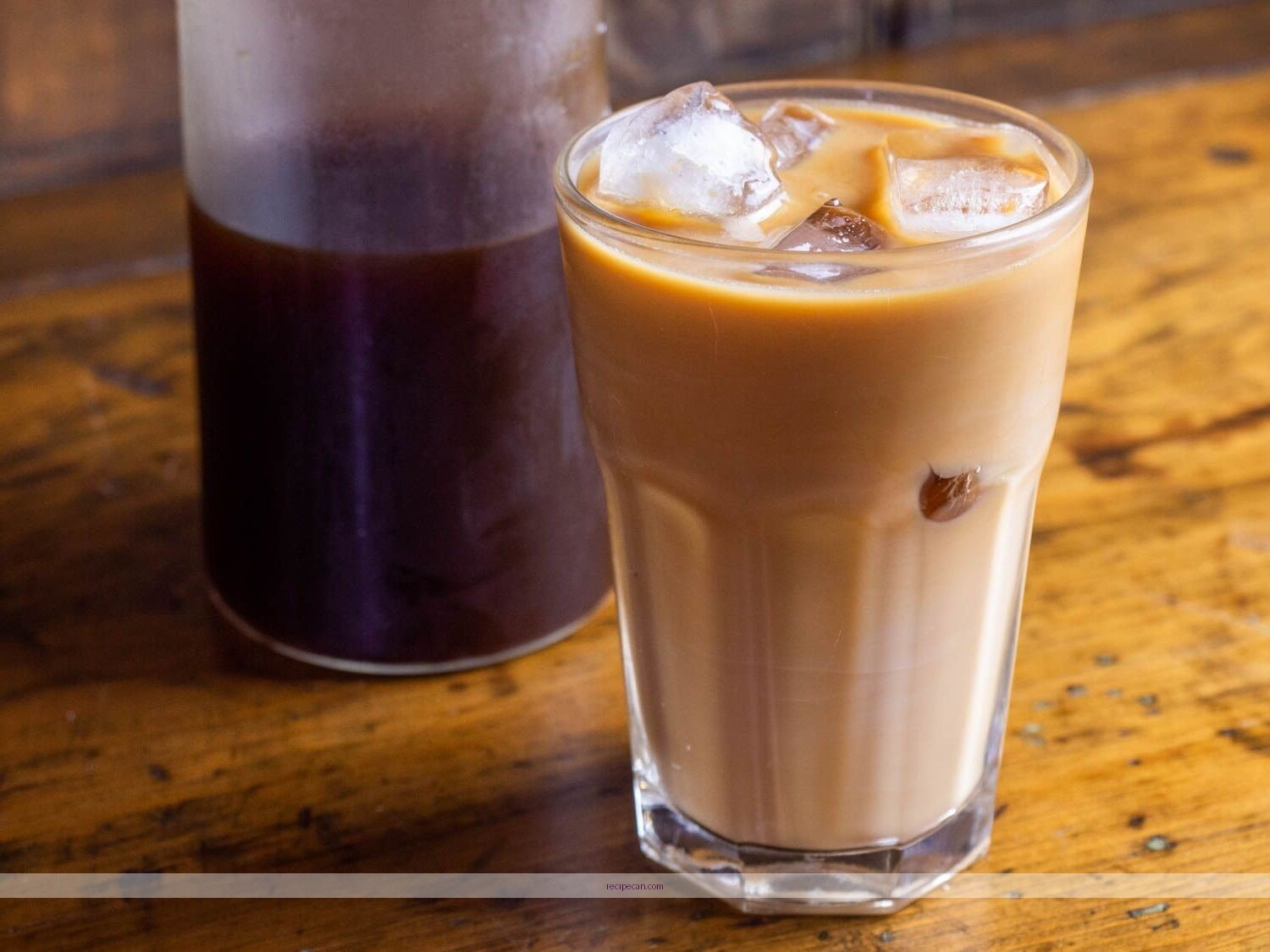
Crafting the perfect iced coffee recipe requires precision and expertise to elevate your beverage from ordinary to extraordinary. This expert guide breaks down each step, ensuring you master brewing techniques, flavor balancing, and presentation. Following this protocol not only enhances taste but also transforms your iced coffee into a refreshing work of art that impresses every time.
What This Guide Covers (And What It Doesn’t)

This guide offers a thorough, step-by-step recipe for creating the perfect iced coffee. It details specific types of coffee beans, brewing methods, and optional flavorings that enhance the overall experience. However, it does not delve into intricate coffee brewing techniques unrelated to iced coffee or explore espresso-based drinks; instead, it focuses exclusively on iced coffee preparation. Readers will discover the significance of coffee-to-water ratios, the best types of ice to use, and effective storage methods for optimal flavor retention. This ensures that the iced coffee maintains its freshness and taste.
Who Should Read This

This guide is designed for coffee enthusiasts eager to elevate their iced coffee game. Whether you’re a beginner or someone with a bit of experience looking to refine your technique, you’ll find valuable insights here. If you regularly indulge in iced coffee from cafés but wish to replicate or improve your favorite drinks at home, this guide will serve you well. Additionally, those interested in experimenting with diverse flavor profiles and brewing methods will benefit from the detailed steps and variations outlined within.
The Step-by-Step Protocol
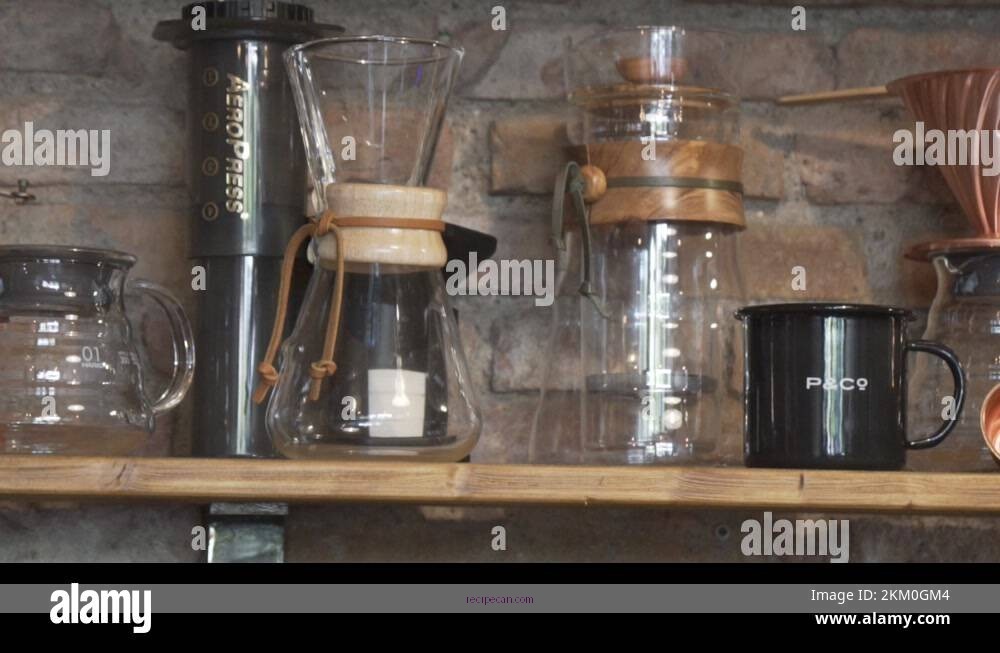
1. Select Your Coffee Beans: Choose high-quality, medium to dark roast coffee beans (preferably around 200 grams) to achieve a robust flavor profile. Opt for beans labeled as “single origin” to experience unique flavor notes.
2. Brew the Coffee: Utilize a drip coffee maker or French press with 1 liter of hot water (about 195°F to 205°F) to brew your coffee. For optimal extraction, steep for 4 to 5 minutes. If using a French press, press the plunger down slowly to avoid splashing.
3. Cool the Coffee: Allow the brewed coffee to cool to room temperature for approximately 30 minutes. Avoid placing it in the fridge, as this can compromise flavor and result in a less aromatic brew.
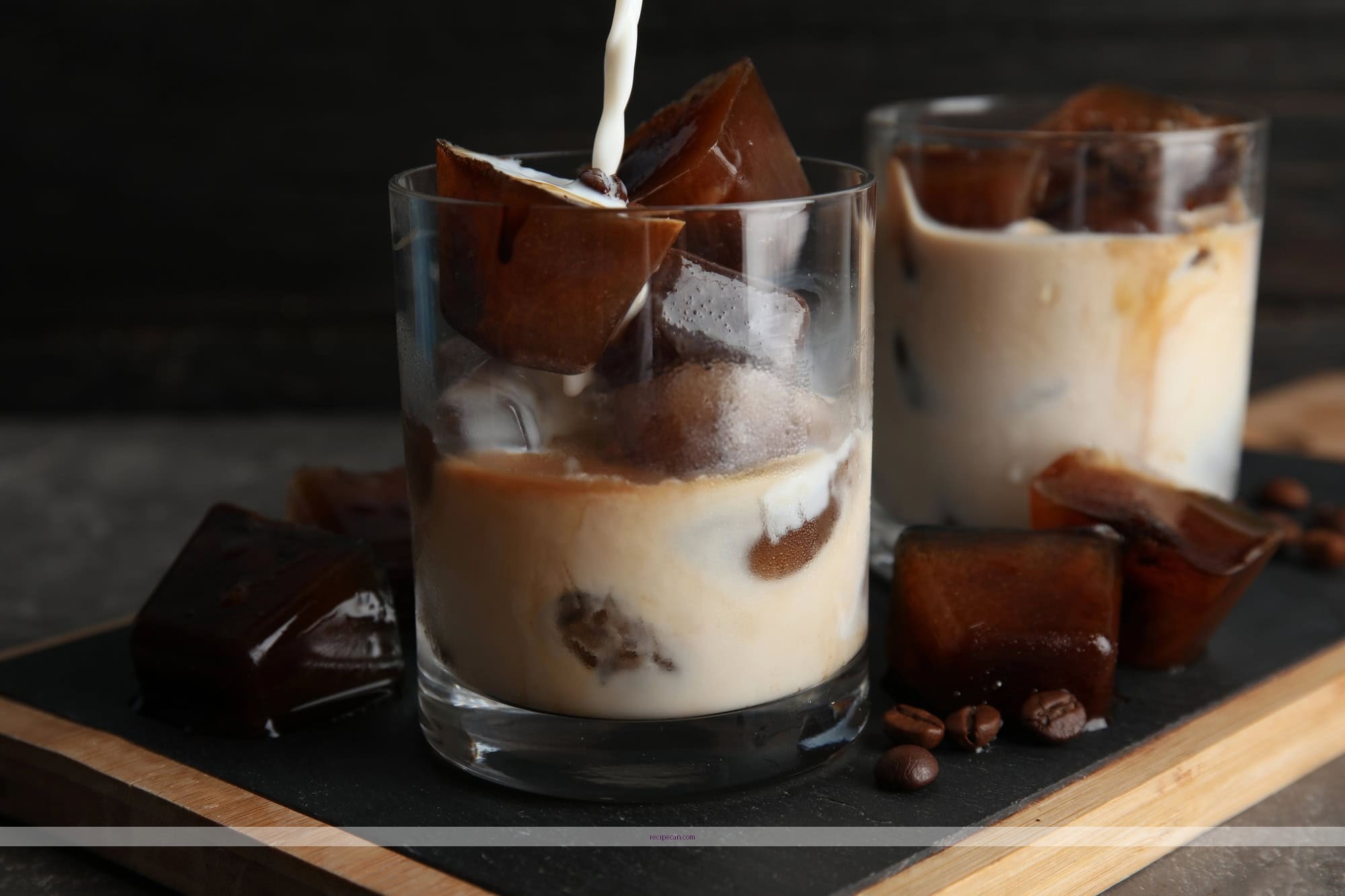
4. Prepare the Ice: Fill a large glass or cup with about 200 grams of ice cubes. For a more concentrated flavor, consider using coffee ice cubes (frozen coffee in ice trays) to prevent dilution as the ice melts.
5. Combine and Serve: Pour the cooled coffee over the ice, adding milk or sweeteners to taste. Common options include whole milk, almond milk, or flavored syrup. Enjoy immediately for the best flavor experience.
Best Coffee Beans for Iced Coffee (2024)
| # | Coffee Brand | Roast Type | Flavor Notes | Best For |
|---|---|---|---|---|
| 1 | Blue Bottle | Medium | Fruity, Floral | Iced Coffee |
| 2 | Stumptown | Dark | Chocolate, Nutty | Cold Brew |
| 3 | Peet’s Coffee | Medium | Caramel, Malty | Iced Latte |
| 4 | Intelligentsia | Medium | Bright, Sweet | Iced Coffee |
| 5 | Death Wish Coffee | Dark | Bold, Rich | High Caffeine |
| 6 | Lavazza | Medium | Smooth, Balanced | Espresso Drinks |
| 7 | Counter Culture | Medium | Citrus, Floral | Iced Coffee |
Warning Signs: When Not to Follow This
– If you have a known allergy to coffee or caffeine, avoid this recipe; consider alternatives such as herbal iced teas to prevent adverse reactions.
– Individuals with specific dietary restrictions, such as those avoiding sugar or dairy, should be mindful when adding sweeteners or milk, adjusting according to their individual needs and preferences.
– If your coffee equipment is unclean or not functioning properly, refrain from making iced coffee to avoid undesirable flavors affecting the final product. Ensure that all equipment, including grinders and brewing systems, is thoroughly cleaned before use.
The Most Common Mistakes (And Their Consequences)
– Using Hot Coffee Over Ice: Pouring hot coffee directly over ice can lead to rapid dilution, resulting in a watery drink. Always cool the coffee first to maintain its flavor.
– Incorrect Coffee-to-Water Ratio: Using too little coffee (less than 60 grams for 1 liter) can yield a weak flavor. Make sure to measure and adjust based on your taste preferences for a robust cup.
– Not Prepping Ice Properly: Using regular ice cubes instead of coffee ice cubes can dilute the drink too quickly. Preparing coffee ice ahead of time will ensure that your iced coffee remains flavorful as the ice melts.
Special Cases That Need a Different Approach
– For a sweeter iced coffee, consider using flavored syrups or sweetened condensed milk. Adjust quantities based on personal preference, typically starting with 1-2 tablespoons.
– If you prefer a less acidic taste, try cold brewing coffee using a 1:4 coffee-to-water ratio. Steep the mixture for 12-24 hours in the refrigerator before serving over ice.
– For dairy-free options, explore plant-based milks such as almond, oat, or coconut milk. Be mindful of their flavor profiles when mixing with coffee to ensure a pleasant balance.
When You Need a Professional
– If you experience adverse reactions after consuming iced coffee, such as severe headaches, hyperactivity, or digestive issues, consult a healthcare professional to evaluate caffeine sensitivity or other concerns.
– It’s advisable to seek guidance from a barista or coffee expert when experimenting with complex brewing methods or if you’re considering investing in high-end coffee equipment for optimal results.
– For those pursuing a business venture related to iced coffee, consulting with a food and beverage expert can provide essential insights into market trends, recipe development, and customer preferences.
Sources and Further Reading
– “The Coffee Compass: A Guide to Coffee and Coffee Shops” by Andrew and Annette Vickers for an in-depth understanding of coffee flavors and varieties.
– “The Science of Coffee: A Comprehensive Guide to Brewing” from the Specialty Coffee Association for technical brewing methods and best practices.
– “Cold Brew Coffee: The Complete Guide” by The Coffee Research Institute, which offers insights into cold brewing as an alternative to traditional iced coffee methods.
With this guide, you should now feel equipped to craft the perfect iced coffee at home. Follow the steps carefully, avoid common pitfalls, and savor a refreshing cup tailored to your own tastes.
Frequently Asked Questions
What is the best recipe for homemade iced coffee?
The best recipe for homemade iced coffee involves brewing a strong coffee, such as espresso or dark roast, and allowing it to cool. Combine the cooled coffee with ice, milk or a milk alternative, and sweetener to taste. For an extra touch, consider adding flavored syrups or whipped cream for a delicious treat.
How do I make iced coffee without a coffee maker?
You can make iced coffee without a coffee maker by using the cold brew method. Simply mix coarsely ground coffee with cold water in a jar, let it steep for 12-24 hours in the fridge, then strain the mixture through a fine mesh or coffee filter. Serve over ice, adding milk and sweeteners as desired.
Why does my iced coffee taste watery?
If your iced coffee tastes watery, it may be due to the ice melting and diluting the flavor. To prevent this, try using coffee ice cubes made from leftover coffee, or brew your coffee stronger than usual before pouring it over ice. This way, your iced coffee maintains its rich flavor even as the ice melts.
Which coffee beans are best for making iced coffee?
The best coffee beans for making iced coffee are medium to dark roast varieties, as they provide a bold flavor that stands up well when chilled. Popular choices include Colombian, Sumatra, or espresso blends. Ultimately, selecting high-quality, freshly roasted beans will enhance your iced coffee experience.
What are some variations of iced coffee recipes I can try?
There are numerous variations of iced coffee recipes to explore, such as iced mocha, which combines coffee with chocolate syrup and milk, or iced vanilla latte, made with vanilla syrup and steamed milk. You can also experiment with different flavors like caramel, hazelnut, or adding spices like cinnamon for a unique twist on your iced coffee.
References
- Iced coffee
https://en.wikipedia.org/wiki/Iced_coffee - https://www.bbc.com/food/articles/coffee_recipes
https://www.bbc.com/food/articles/coffee_recipes - https://www.nytimes.com/wirecutter/blog/how-to-make-iced-coffee/
https://www.nytimes.com/wirecutter/blog/how-to-make-iced-coffee/ - https://www.sciencedirect.com/topics/agricultural-and-biological-sciences/iced-coffee
https://www.sciencedirect.com/topics/agricultural-and-biological-sciences/iced-coffee - https://www.mayoclinic.org/healthy-lifestyle/nutrition-and-healthy-eating/in-depth/coffee/art-20046419
https://www.mayoclinic.org/healthy-lifestyle/nutrition-and-healthy-eating/in-depth/coffee/art-20046419 - Coffee | Origin, Types, Uses, History, & Facts | Britannica
https://www.britannica.com/topic/coffee - https://www.cdc.gov/nutrition/index.html
https://www.cdc.gov/nutrition/index.html - https://pubmed.ncbi.nlm.nih.gov/?term=iced+coffee
https://pubmed.ncbi.nlm.nih.gov/?term=iced+coffee - Google Scholar Google Scholar
https://scholar.google.com/scholar?q=recipe+for+iced+coffee - Google Scholar Google Scholar
https://scholar.google.com/scholar?q=iced+coffee+health+benefits