This expert guide to safely making roasted pepper jelly provides a comprehensive, step-by-step protocol for achieving the perfect balance of flavor and texture. Whether you’re a novice or an experienced canner, following these precise methods is crucial for ensuring both safety and deliciousness in your homemade preserves. Dive into the nuances of selecting the right peppers, mastering the roasting technique, and understanding the canning process to elevate your culinary repertoire.
What This Guide Covers (And What It Doesn’t)
This guide offers a comprehensive, step-by-step protocol for safely making roasted pepper jelly, emphasizing specific ingredients, techniques, and essential safety measures. From selecting the perfect peppers to the canning process, it equips home cooks with everything they need to replicate this delightful recipe with confidence. However, it does not delve into variations like fruit-infused or spicy adaptations, as the focus remains solely on the classic roasted pepper jelly. Tailored for home cooks with basic canning experience, this guide aims to enhance their skills while prioritizing food safety.
Who Should Read This
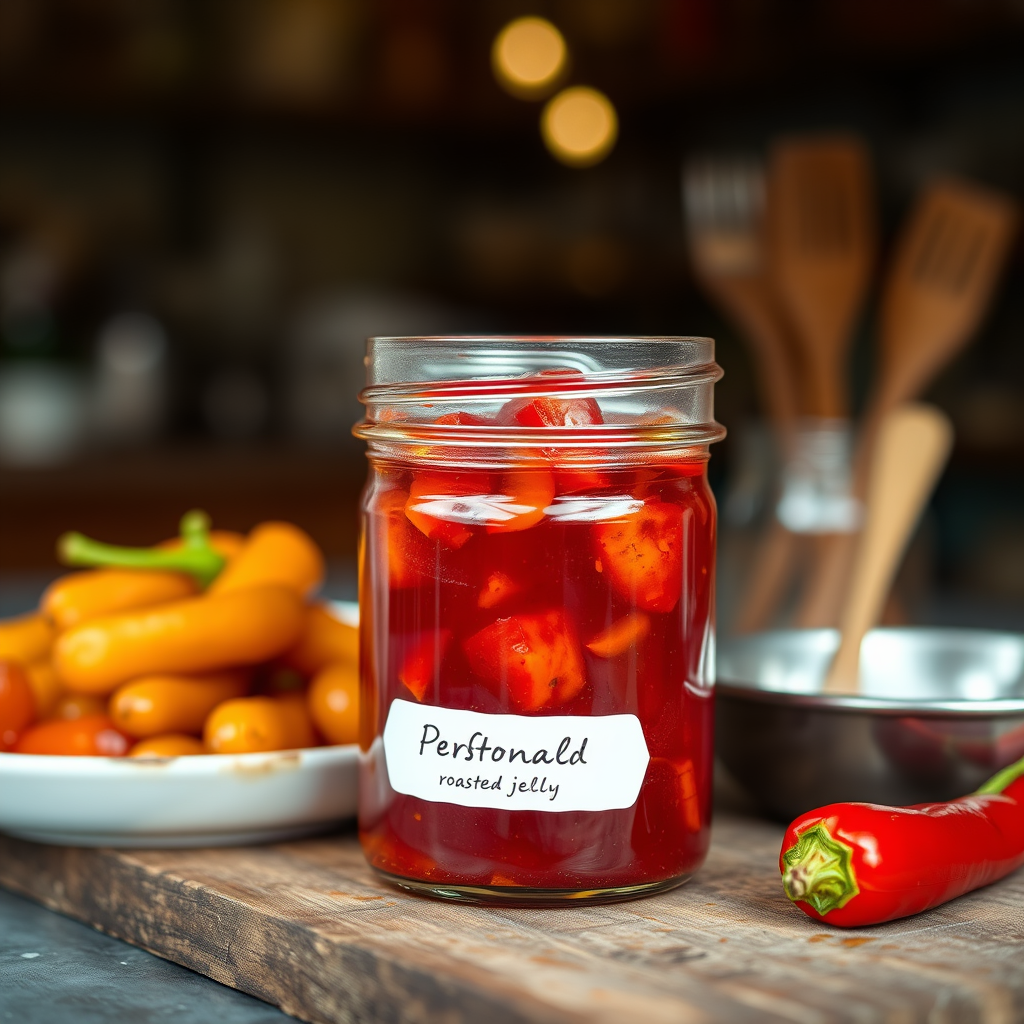
This guide is designed for home cooks who possess a foundational understanding of canning and preserving but are eager to expand their repertoire with a distinctive jelly recipe. It particularly appeals to those interested in creatively using fresh produce, especially individuals with access to an abundance of peppers. Readers should be familiar with kitchen safety, including the importance of sterilizing equipment and maintaining the appropriate acidity levels for safe preservation. Although beginners in canning may find the information valuable, they must closely adhere to safety protocols to prevent spoilage.
The Step-by-Step Protocol

1. Select Your Peppers: Use 4 cups of roasted peppers (a mix of red, yellow, and green) to achieve a balanced flavor profile. Ensure they are fresh and free from blemishes.
2. Roast the Peppers: Preheat your oven to 450°F (232°C). Place the peppers on a baking sheet and roast for 20-25 minutes, turning occasionally until the skins are blistered and charred.
3. Prepare the Jelly Mixture: Once roasted, allow the peppers to cool slightly. Peel off the skins and remove the seeds. Finely chop the peppers to yield about 2 cups of prepared pepper.
4. Combine Ingredients: In a large pot, mix the chopped peppers with 1 cup of apple cider vinegar and 2 cups of granulated sugar. Stir over medium heat until the sugar has dissolved.
5. Add Pectin: Stir in 1 package (1.75 oz) of fruit pectin, such as Sure-Jell, and bring the mixture to a rolling boil. Boil for exactly 1 minute to activate the pectin.
6. Check the Gel Point: Use a candy thermometer to ensure the mixture reaches 220°F (104°C), which is crucial for proper gelling.
7. Can the Jelly: Pour the hot jelly into sterilized jars, leaving a 1/4 inch headspace. Wipe the rims with a clean cloth, seal with lids, and process in a boiling water bath for 10 minutes.
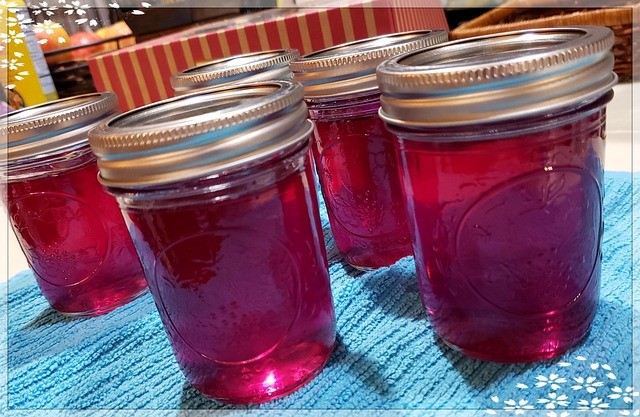
8. Cool and Store: Remove the jars from the water bath and allow them to cool completely on a clean towel. Ensure the lids are sealed before storing in a cool, dark place.
Key Ingredients for Roasted Pepper Jelly
| # | Ingredient | Quantity | Purpose | Notes |
|---|---|---|---|---|
| 1 | Roasted Peppers | 4 cups | Flavor Base | Mix of red, yellow, green |
| 2 | Apple Cider Vinegar | 1 cup | Acidity | Preserves color and flavor |
| 3 | Granulated Sugar | 2 cups | Sweetening | Balances acidity |
| 4 | Fruit Pectin | 1 package (1.75 oz) | Gelling Agent | Ensures proper consistency |
| 5 | Water | As needed | Dilution | For adjusting consistency |
| 6 | Lemon Juice | Optional | Flavor Enhancer | Adds brightness |
| 7 | Salt | 1/4 tsp | Flavor | Enhances sweetness |
Warning Signs: When Not to Follow This

– Do not attempt this recipe if your peppers show signs of spoilage, such as soft spots, mold, or an off odor, as using compromised ingredients can jeopardize food safety.
– Avoid making this jelly if you lack proper canning equipment, particularly a boiling water canner, as inadequate tools can lead to unsafe preservation.
– If you are unfamiliar with basic acidity levels (pH), do not proceed; the jelly must maintain a pH below 4.6 to prevent bacterial growth.
– Refrain from making this recipe if you have allergies to any of the ingredients, especially peppers or vinegar.
The Most Common Mistakes (And Their Consequences)
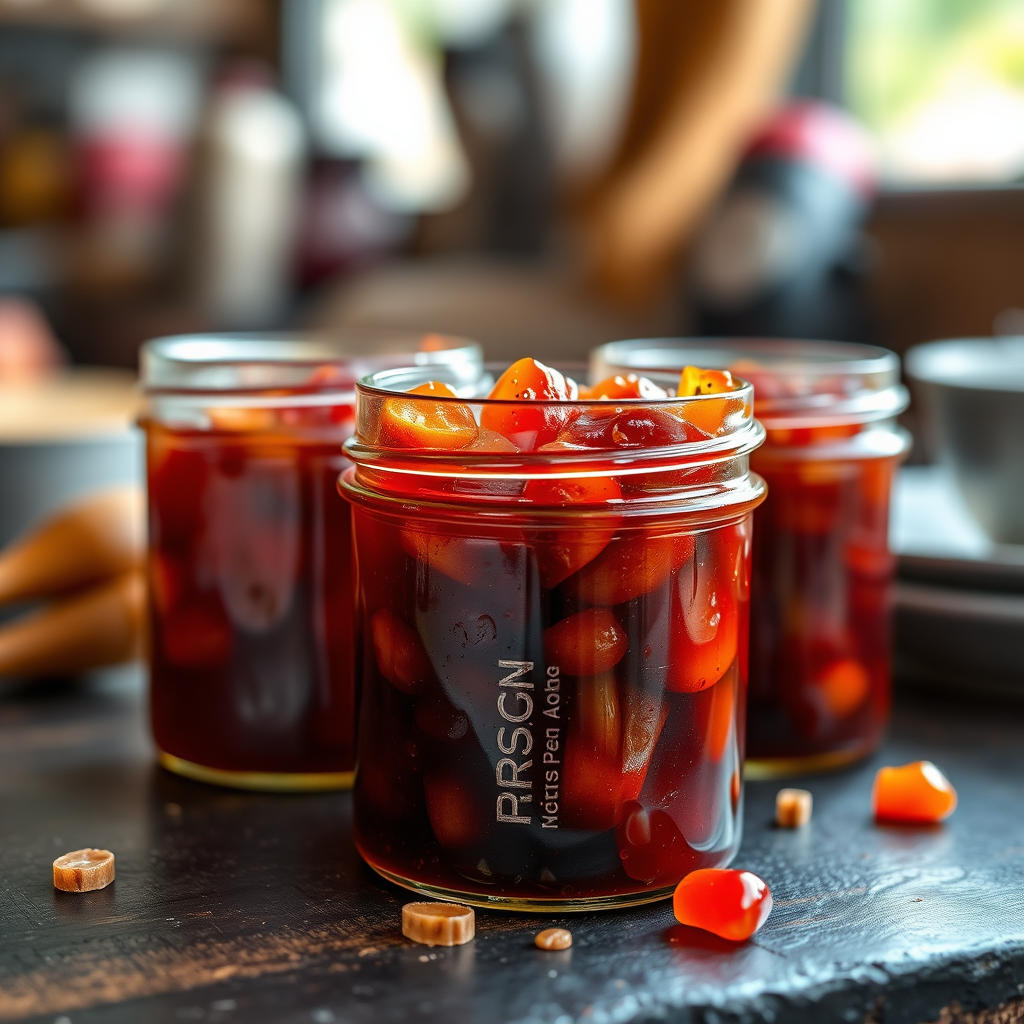
– Underestimating Roasting Time: Not roasting the peppers sufficiently can result in a jelly with a raw flavor and poor texture, as the sugars need time to caramelize.
– Not Measuring Accurately: Incorrect measurements of sugar or vinegar can disrupt the jelly’s gelling process, leading to a runny consistency.
– Skipping Sterilization: Failing to properly sterilize jars can introduce bacteria, leading to spoilage or foodborne illness, which is particularly dangerous when canning.
– Ignoring Cooling Times: Not allowing the jelly to cool completely before storage can cause jars to seal improperly, risking spoilage.
Special Cases That Need a Different Approach
– If using particularly spicy peppers, consider adjusting the sugar content to balance the heat; increase it by 1/4 cup for every cup of spicy peppers used.
– For individuals at high altitudes (above 1,000 feet), increase processing time by 1 minute for every 1,000 feet in elevation to ensure proper sealing and safety.
– If you desire a smoother jelly, consider blending the roasted peppers into a puree before combining with other ingredients, but be aware this may alter the set.
– If you’re making this jelly for gifting or events, think about adding herbs like thyme or rosemary for flavor, ensuring these ingredients are well-integrated into the recipe to maintain safety.
When You Need a Professional
– Consult a food safety expert if you are uncertain about the acidity levels of your jelly; a pH meter can provide accurate readings to ensure safety.
– If you notice any signs of spoilage in your canned jelly, such as bubbling, off smells, or unsealed jars, immediately contact a food safety professional for guidance.
– Seek advice from a licensed nutritionist if you plan to significantly modify ingredients or if you have dietary restrictions that affect the recipe.
– If you wish to sell your jelly commercially, consult with a food safety authority to ensure compliance with local regulations regarding food production and safety standards.
Sources and Further Reading
– National Center for Home Food Preservation guidelines on preserving peppers and making jellies.
– “The Ball Book of Canning and Preserving” for comprehensive canning techniques and safety protocols.
– University extension services, such as the USDA or local agricultural extensions, for research-based food safety and preservation practices.
– Online resources such as the National Food Safety Database for updates on safe canning practices and techniques.
Frequently Asked Questions
What ingredients do I need for a roasted pepper jelly recipe?
To make a delicious roasted pepper jelly, you will need fresh bell peppers (red or yellow work best), sugar, apple cider vinegar, pectin, and a pinch of salt. Optionally, you can add spices like garlic or hot peppers for added flavor. These ingredients come together to create a sweet and tangy jelly that pairs well with various dishes.
How do I roast peppers for jelly?
To roast peppers for your jelly, preheat your oven to 450°F (230°C). Cut the peppers in half, remove seeds, and place them on a baking sheet, skin side up. Roast for about 20-25 minutes or until the skin is blistered and charred, then place them in a sealed bag for 10 minutes to steam. This process makes it easy to peel the skins off, enhancing the flavor of your jelly.
Why is my roasted pepper jelly not setting properly?
If your roasted pepper jelly isn’t setting, it may be due to insufficient pectin or cooking time. Ensure you followed the correct ratios of sugar to pectin and allowed the mixture to boil vigorously for at least one minute. If your jelly still doesn’t set, consider adding a bit more pectin and reprocessing it.
What is the best way to store roasted pepper jelly?
The best way to store roasted pepper jelly is in sterilized jars with airtight lids, kept in a cool, dark place. For longer shelf life, you can also refrigerate the jars after opening. Properly sealed and stored, your jelly can last for up to a year in the pantry, and once opened, it should be consumed within a few weeks.
Which dishes pair well with roasted pepper jelly?
Roasted pepper jelly is incredibly versatile and pairs well with cheese platters, grilled meats, and even as a glaze for roasted vegetables. It also makes a delightful addition to sandwiches and burgers, enhancing their flavor profile. For a quick appetizer, serve it over cream cheese with crackers for a crowd-pleasing snack.
References
- Fruit preserves
https://en.wikipedia.org/wiki/Jam - https://www.verywellfit.com/what-is-pepper-jelly-4164785
https://www.verywellfit.com/what-is-pepper-jelly-4164785 - https://www.foodsafety.gov/food-safety-charts/canning-jams-jellies
https://www.foodsafety.gov/food-safety-charts/canning-jams-jellies - https://www.extension.purdue.edu/extmedia/FS/FS-16-W.pdf
https://www.extension.purdue.edu/extmedia/FS/FS-16-W.pdf - Microbial Population Changes and Their Relationship with Human Health and Disease – PMC
https://www.ncbi.nlm.nih.gov/pmc/articles/PMC6463060/ - https://www.sciencedirect.com/topics/agricultural-and-biological-sciences/jelly
https://www.sciencedirect.com/topics/agricultural-and-biological-sciences/jelly - Google Scholar Google Scholar
https://scholar.google.com/scholar?q=roasted+pepper+jelly+recipe - Google Scholar Google Scholar
https://scholar.google.com/scholar?q=pepper+jelly+recipes - Google Scholar Google Scholar
https://scholar.google.com/scholar?q=homemade+jelly+recipes - roasted pepper jelly recipe – Search results
https://en.wikipedia.org/wiki/Special:Search?search=roasted+pepper+jelly+recipe