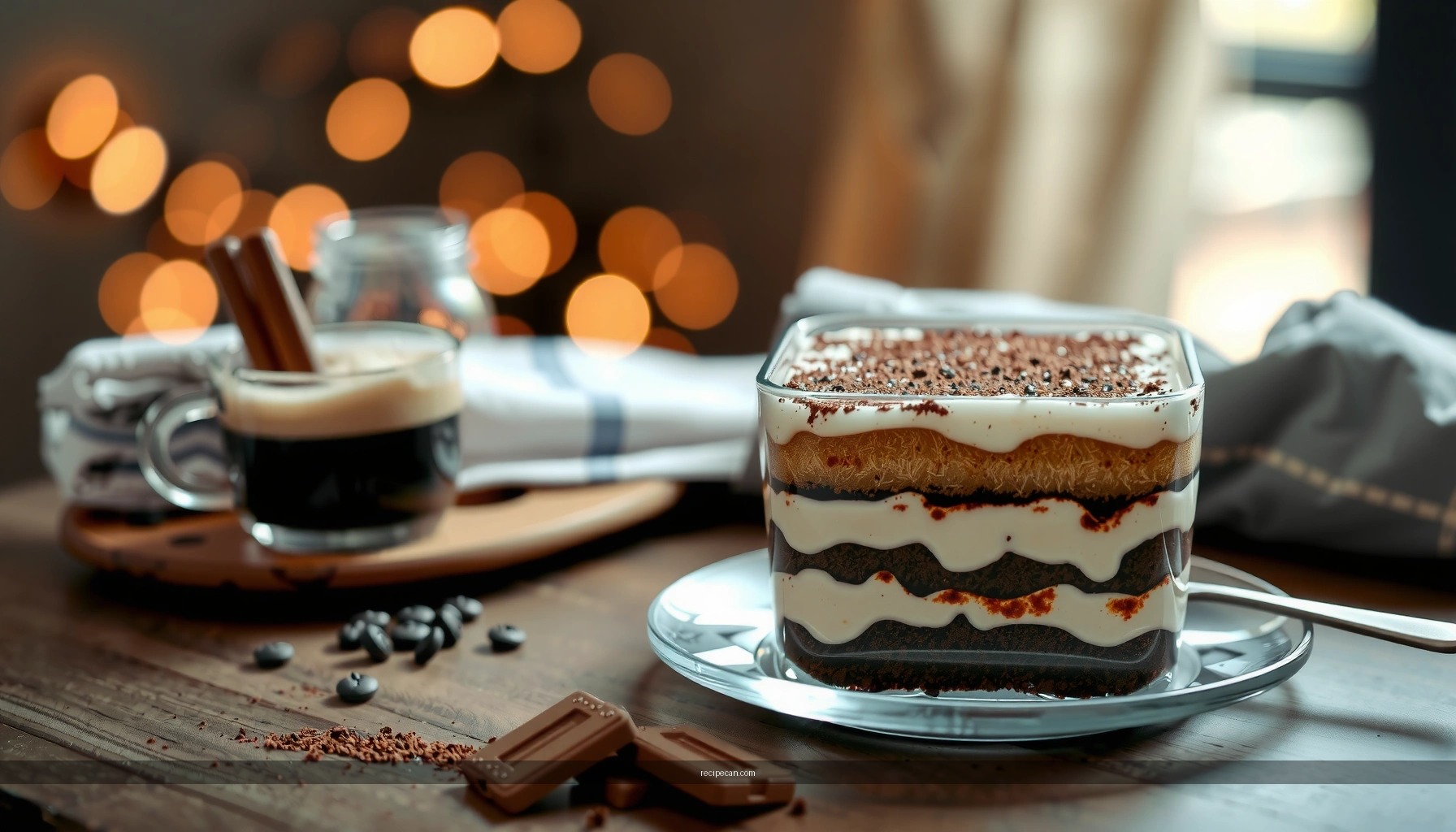
Master the art of baking a coffee bundt cake with this expert guide, designed for both novice and seasoned bakers. This step-by-step protocol ensures you achieve the perfect blend of rich coffee flavor and moist texture while maintaining safety in the kitchen. Following these precise instructions will elevate your baking skills and guarantee a show-stopping dessert that impresses every coffee lover.
What This Guide Covers (And What It Doesn’t)
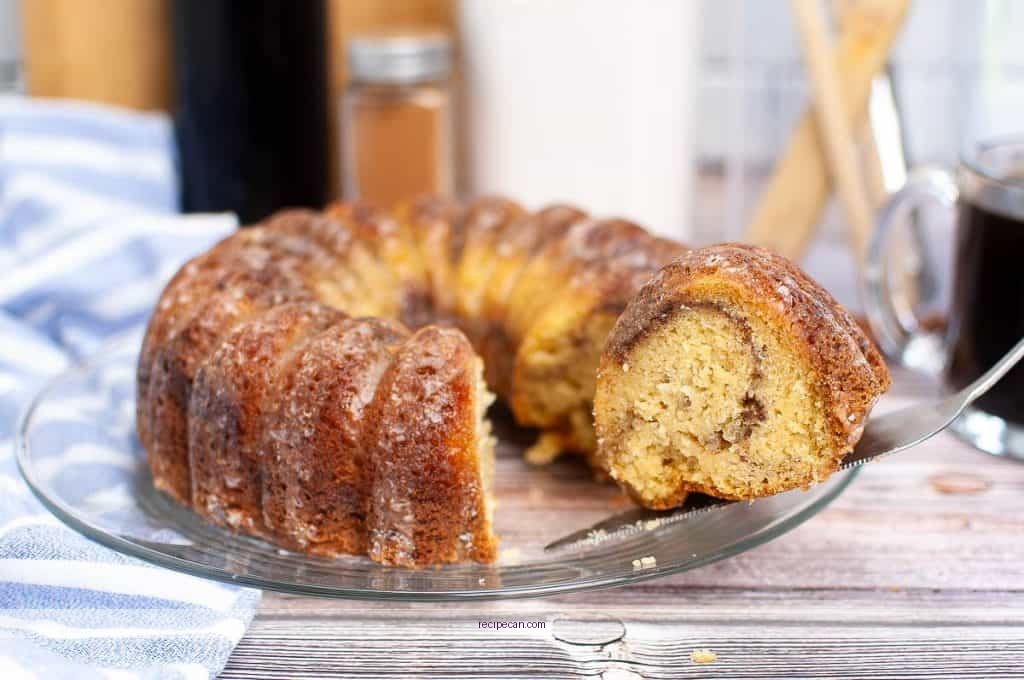
This guide provides a thorough, step-by-step protocol for safely baking a coffee bundt cake, outlining every ingredient and technique necessary for success. You’ll find precise measurements, specific baking times, and essential tips for perfecting your cake. However, this guide does not explore variations of bundt cakes that do not include coffee, nor does it address gluten-free or vegan alternatives, as these require entirely different approaches and ingredients. It is designed for home bakers who possess some experience in the kitchen, particularly those familiar with basic baking terminology and techniques.
Who Should Read This
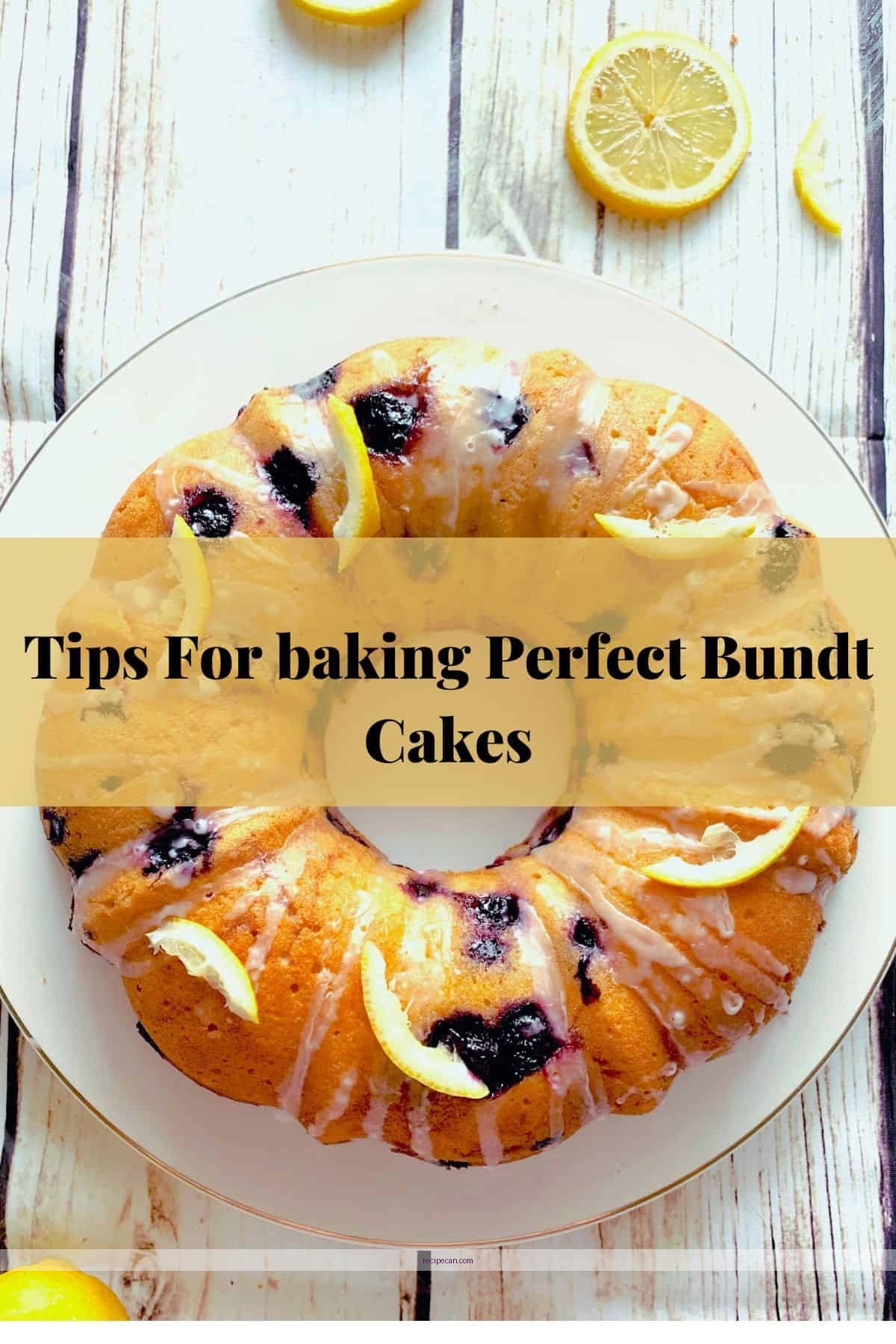
The ideal reader is a home baker who has previously baked cakes and is eager to expand their repertoire with a flavorful coffee bundt cake. A basic understanding of baking equipment and techniques—such as measuring ingredients accurately, using an oven, and greasing a bundt pan—is assumed. This guide is especially suited for individuals looking to create a coffee-flavored dessert that serves as both a delightful coffee companion and a festive treat.
The Step-by-Step Protocol
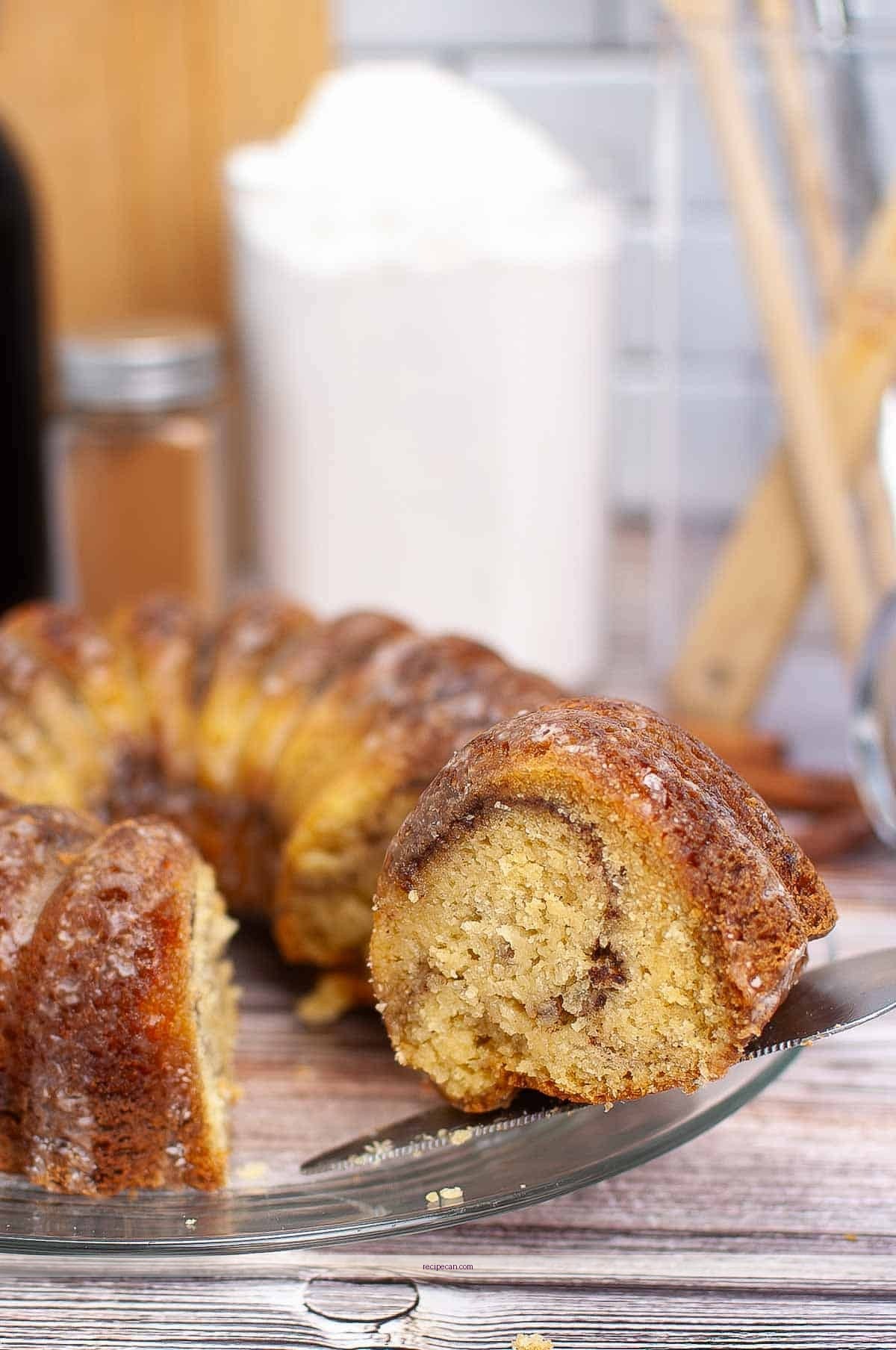
1. Gather Ingredients: Collect the following ingredients:
– 2 cups all-purpose flour
– 1 cup granulated sugar
– 1/2 cup unsweetened cocoa powder
– 1/2 cup brewed coffee (cooled)
– 1/2 cup vegetable oil
– 4 large eggs
– 1 teaspoon baking powder
– 1 teaspoon baking soda
– 1/2 teaspoon salt
Ensure all ingredients are at room temperature for optimal results.
2. Preheat the Oven: Set your oven to 350°F (175°C) and allow it to preheat fully while you prepare the batter. This crucial step ensures the cake rises properly.
3. Prepare the Bundt Pan: Grease the bundt pan thoroughly with non-stick baking spray or softened butter. Dust the pan with flour, making sure every crevice is coated to prevent sticking.
4. Mix the Batter: In a large mixing bowl, combine the dry ingredients: flour, sugar, cocoa powder, baking powder, baking soda, and salt. In a separate bowl, whisk together the wet ingredients: eggs, cooled coffee, and vegetable oil. Gradually add the wet mixture to the dry ingredients, stirring until just combined. Avoid overmixing, which can result in a tough texture.
5. Pour and Bake: Pour the batter into the prepared bundt pan, smoothing the top with a spatula. Bake for 45-50 minutes. To check for doneness, insert a toothpick into the center; it should come out clean or with a few moist crumbs attached.
6. Cool and Serve: Allow the cake to cool in the pan for 10 minutes. Carefully invert it onto a wire rack to cool completely before serving. This resting period helps the cake to set and makes slicing easier.
Ingredient Contribution to Coffee Bundt Cake
| # | Ingredient | Quantity | Function | Contribution to Texture |
|---|---|---|---|---|
| 1 | All-Purpose Flour | 2 cups | Structure | Moist & Tender |
| 2 | Granulated Sugar | 1 cup | Sweetness | Soft & Sweet |
| 3 | Cocoa Powder | 1/2 cup | Flavor & Color | Rich & Chocolatey |
| 4 | Brewed Coffee | 1/2 cup | Flavor | Deep & Bold |
| 5 | Vegetable Oil | 1/2 cup | Moisture | Soft & Moist |
| 6 | Large Eggs | 4 | Binding | Light & Fluffy |
| 7 | Baking Powder | 1 teaspoon | Leavening | Light & Airy |
| 8 | Baking Soda | 1 teaspoon | Leavening | None |
| 9 | Salt | 1/2 teaspoon | Flavor Enhancer | Balanced |
| 10 | Vanilla Extract (optional) | 1 teaspoon | Flavor | Aroma |
Warning Signs: When Not to Follow This
– If you are allergic to any ingredients such as eggs, gluten, or dairy, this recipe may not be suitable for you without significant modifications.
– Avoid baking this cake in a high-humidity environment, as excessive moisture can affect the batter’s consistency and baking time.
– If you do not have access to a working oven or proper baking equipment (like a bundt pan), this guide is not applicable.
The Most Common Mistakes (And Their Consequences)
– Not measuring ingredients accurately can lead to a dense or overly dry cake. Always use a kitchen scale or measuring cups for precision.
– Skipping the step of properly greasing the bundt pan can result in the cake sticking, making it difficult to remove and ruining its appearance.
– Overmixing the batter after adding wet ingredients can lead to a tough cake texture. Mix just until combined for the best results.
Special Cases That Need a Different Approach
– If you want to create a gluten-free version, substitute all-purpose flour with a gluten-free blend that contains xanthan gum to mimic the structure.
– For those avoiding caffeine, consider using decaffeinated coffee in the recipe, but be aware that this may slightly alter the flavor profile of the cake.
– If you have high-altitude baking conditions, reduce the baking powder to 3/4 teaspoon and increase the oven temperature by 25°F to accommodate for the elevation.
When You Need a Professional
– If you have severe allergies or dietary restrictions that require specialized knowledge or ingredients, consult a dietitian or nutritionist for safe baking practices.
– Should you encounter persistent issues with baking times or oven performance, a professional oven technician can assess and repair any malfunctioning equipment.
– If you are unsure about ingredient substitutions due to health concerns, it is advisable to seek advice from a culinary expert or licensed nutritionist.
Sources and Further Reading
– The Joy of Baking: A trusted resource for baking techniques, recipes, and ingredient substitutions.
– “Baking: From My Home to Yours” by Dorie Greenspan, which provides insights on baking fundamentals and troubleshooting common problems.
– The American Culinary Federation (ACF) for guidelines on food safety and baking standards, ensuring that your baking practices are both safe and effective.
Frequently Asked Questions
What are the key ingredients for a coffee bundt cake recipe?
The key ingredients for a coffee bundt cake recipe typically include all-purpose flour, granulated sugar, unsweetened cocoa powder, instant coffee granules, eggs, buttermilk, vegetable oil, and baking powder. Additionally, flavorings such as vanilla extract and a pinch of salt enhance the overall taste, making for a rich and moist cake.
How can I make my coffee bundt cake moist and flavorful?
To ensure your coffee bundt cake is moist and flavorful, incorporate ingredients like buttermilk or sour cream, which add moisture and richness. Additionally, avoid overmixing the batter and consider adding brewed coffee for an extra punch of flavor that complements the chocolate and enhances the coffee essence.
Why did my coffee bundt cake stick to the pan?
A coffee bundt cake may stick to the pan due to insufficient greasing or flouring before baking. It’s crucial to thoroughly coat the bundt pan with butter and a dusting of flour or use a non-stick baking spray to prevent sticking. Allowing the cake to cool slightly before inverting it can also help maintain its shape.
What is the best way to serve a coffee bundt cake?
The best way to serve a coffee bundt cake is to slice it while it’s still slightly warm and dust it with powdered sugar or drizzle a simple glaze made from powdered sugar and brewed coffee. This enhances the presentation and taste, making it an ideal treat for coffee lovers during brunch or dessert gatherings.
Which variations can I try for a coffee bundt cake recipe?
You can experiment with various variations of coffee bundt cake by adding ingredients like chocolate chips, nuts, or flavored extracts such as almond or hazelnut for extra depth. Additionally, incorporating spices like cinnamon or cardamom can elevate the flavor profile, making your coffee bundt cake uniquely delicious.
References
- Bundt cake
https://en.wikipedia.org/wiki/Bundt_cake - https://www.nytimes.com/2020/05/13/dining/coffee-cake-recipe.html
https://www.nytimes.com/2020/05/13/dining/coffee-cake-recipe.html - https://www.foodnetwork.com/recipes/food-network-kitchen/coffee-bundt-cake-recipe-2119257
https://www.foodnetwork.com/recipes/food-network-kitchen/coffee-bundt-cake-recipe-2119257 - https://www.seriouseats.com/coffee-bundt-cake-recipe-5119566
https://www.seriouseats.com/coffee-bundt-cake-recipe-5119566 - https://www.theguardian.com/food/2021/mar/21/coffee-cake-recipe-bundt
https://www.theguardian.com/food/2021/mar/21/coffee-cake-recipe-bundt - Google Scholar Google Scholar
https://scholar.google.com/scholar?q=coffee+bundt+cake+recipe - Google Scholar Google Scholar
https://scholar.google.com/scholar?q=baking+techniques+for+bundt+cakes - Google Scholar Google Scholar
https://scholar.google.com/scholar?q=coffee+flavor+in+baking - https://www.sciencedirect.com/topics/food-science/bundt-cake
https://www.sciencedirect.com/topics/food-science/bundt-cake - coffee bundt cake recipe – Search results
https://en.wikipedia.org/wiki/Special:Search?search=coffee+bundt+cake+recipe