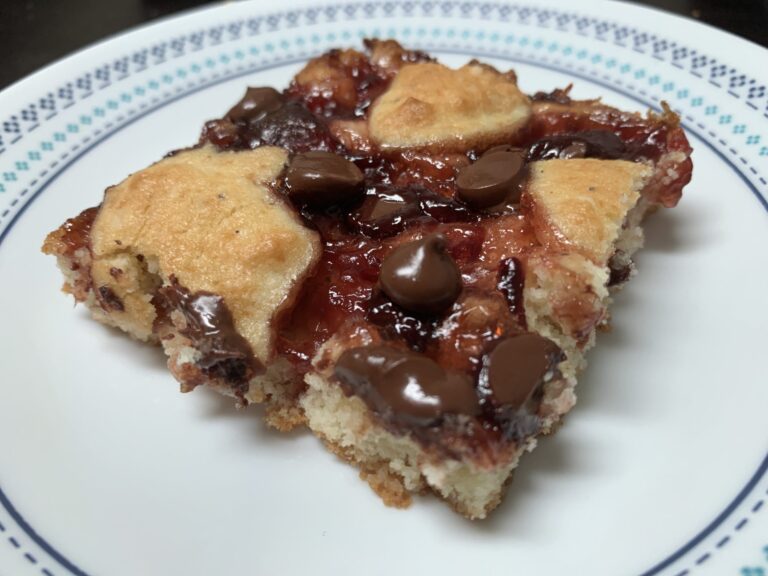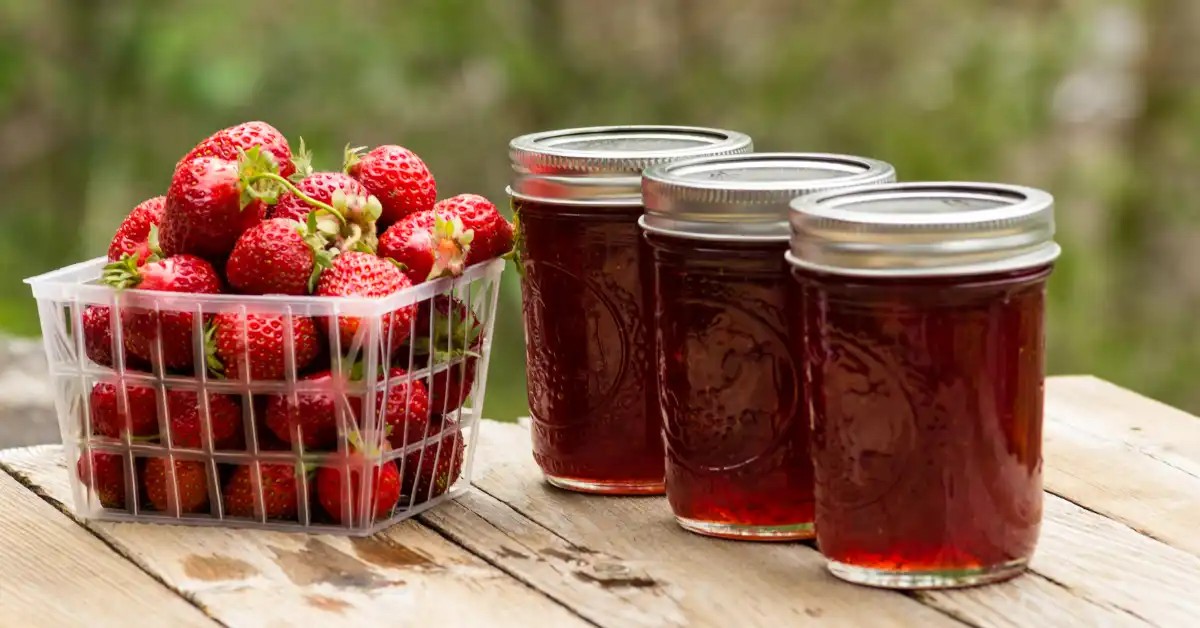
Master the art of making strawberry freezer jam with this expert guide, designed for home canners seeking foolproof recipes and protocols. This comprehensive resource covers everything from ingredient selection to safe storage techniques, ensuring your jam not only tastes great but is also safe to enjoy. Following the right procedures is crucial to prevent spoilage and maintain flavor, making this guide an essential read for anyone serious about food preservation.
What This Guide Covers (And What It Doesn’t)
This guide offers an in-depth look at the entire process of making strawberry freezer jam, from selecting the finest ingredients to employing effective preparation and storage techniques that guarantee quality and safety. It addresses common questions and concerns related to preserving strawberry jam, providing expert insights into best practices and troubleshooting tips. However, it does not delve into traditional canning methods or recipes that do not involve the freezer, focusing solely on the quick and straightforward freezer jam method.
Who Should Read This
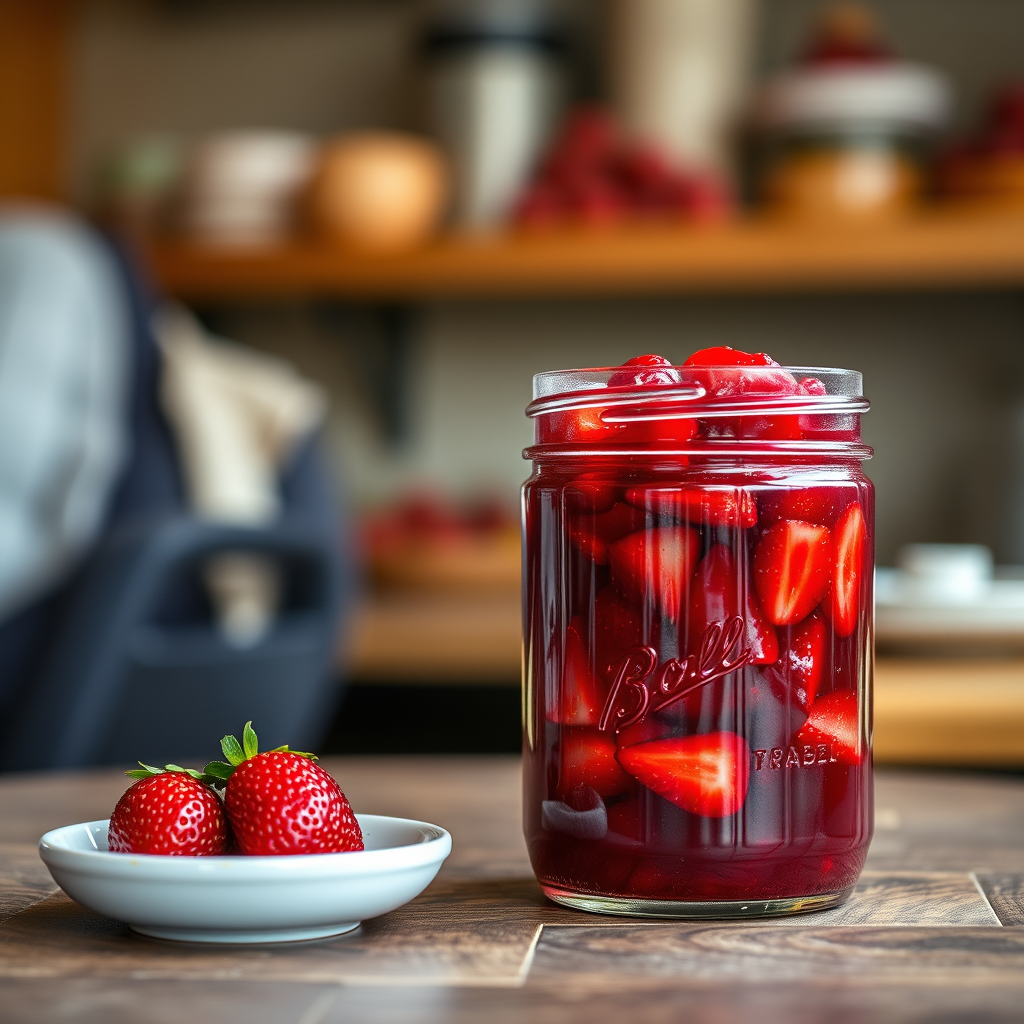
This guide is designed for home cooks and food enthusiasts eager to transform fresh strawberries into delicious jam while preserving the fruit’s natural flavor and nutrients. Readers should possess basic kitchen skills, such as measuring ingredients, using tools like a saucepan and mixer, and understanding the importance of hygiene in food preparation. Those seeking a quick and easy way to enjoy strawberry jam without the complexities of canning will find this guide particularly useful. Conversely, individuals looking for advanced preservation techniques may need to seek additional resources.
The Step-by-Step Protocol
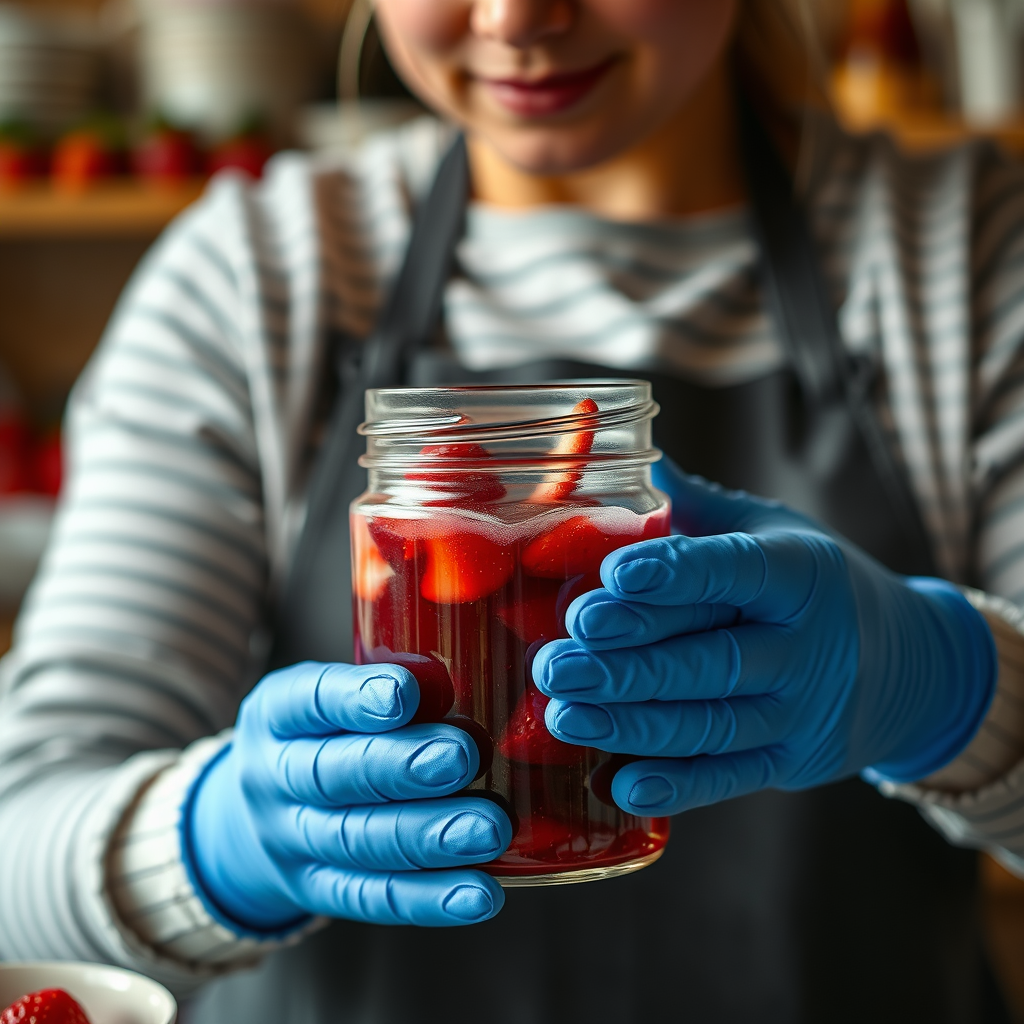
1. Gather Ingredients: Assemble 4 cups of ripe strawberries, 1 cup of granulated sugar, and 1 package (1.75 oz) of fruit pectin specifically designed for freezer jams. Ensure all ingredients are fresh and within their use-by dates.
2. Prepare Strawberries: Wash strawberries thoroughly under cold running water to remove any dirt or residues. Remove the stems and any damaged areas, then mash the strawberries in a bowl until you have approximately 2 cups of crushed fruit. Use a potato masher or fork for this process, ensuring a consistent texture.
3. Mix Sugar and Pectin: In a separate bowl, combine the granulated sugar with the fruit pectin. Stir well until the mixture is evenly distributed. This step is crucial, as it ensures that the pectin activates properly when mixed with the fruit, leading to the desired gelling effect.
4. Combine Mixtures: Gradually add the sugar-pectin mixture to the crushed strawberries, stirring continuously for about 2-3 minutes. This ensures that the sugar dissolves completely and activates the pectin, resulting in a thickening of the mixture.
5. Fill Containers: Carefully pour the jam mixture into clean, freezer-safe containers, leaving about ½ inch of headspace at the top to allow for expansion during freezing. Use containers specifically marked as freezer-safe to prevent cracking or breaking.
6. Seal and Freeze: Seal the containers with airtight lids. Place them in the freezer and allow the jam to set for at least 24 hours before consuming. This waiting period ensures that the jam solidifies properly and achieves its optimal texture.
Warning Signs: When Not to Follow This
– Do not attempt this protocol if your strawberries show signs of mold, excessive bruising, or any off-odors, as this can compromise the safety and quality of the jam.
– Avoid using homemade pectin substitutions or fruit that is overly ripe or under-ripe, as this can lead to improper gelling and spoilage.
– If you have a history of food allergies or sensitivities to any ingredients (such as sugar or pectin), consult product labels carefully and consider alternatives or modifications.
The Most Common Mistakes (And Their Consequences)
– A frequent mistake is not measuring the strawberries correctly; using too much or too little can affect the jam’s consistency and flavor, potentially resulting in a runny or overly sweet product. Always measure ingredients accurately to ensure consistent results.
– Skipping the step of thoroughly mixing the sugar and pectin can lead to uneven gelling, leaving parts of the jam too runny and others too thick, which affects the overall texture. Proper mixing is essential for uniform results.
– Failing to leave adequate headspace in containers can lead to bursting during the freezing process, resulting in messy and wasted jam, as well as potential contamination. Always adhere to the recommended headspace to avoid this issue.
Special Cases That Need a Different Approach
– If using organic strawberries or those treated with fewer preservatives, consider adjusting the sugar content, as they may require less sugar to achieve the desired sweetness and gelling. Perform a taste test to determine the right amount.
– For those with dietary restrictions, such as diabetes, exploring sugar substitutes specifically designed for canning can modify the recipe’s sugar content without sacrificing texture. Ensure the substitute is suitable for freezing to maintain quality.
– If making jam in larger batches (more than 4 cups of strawberries), it’s essential to divide the process into smaller portions. This ensures proper mixing and gelling, as large volumes can lead to uneven results. Consider making two separate batches instead of one large one.
When You Need a Professional
– If you are unsure about the safety of the strawberries due to spoilage or if you observe any signs of fermentation after making the jam, consult a food safety expert or local extension service for guidance. They can provide insight into safe food practices.
– In cases where you have underlying health conditions that affect food safety (e.g., compromised immune systems), consider seeking advice from a registered dietitian or food preservation expert before proceeding. They can help tailor the process to your needs.
– If you are interested in scaling up your jam-making efforts to a commercial level, it’s essential to consult with a food processing professional to ensure compliance with local health regulations and safe preservation techniques. This may involve understanding labeling laws and safe food handling practices.
Sources and Further Reading
– National Center for Home Food Preservation (NCHFP) – Offers research-based guidelines for safe food preservation practices, including freezer jam techniques.
– USDA Complete Guide to Home Canning – A comprehensive resource for understanding food safety and preservation methods.
– Ball Blue Book Guide to Preserving – This book contains a wealth of recipes and tips specifically for making jams and jellies, including freezer options.
By following this expert protocol, you can confidently create delicious strawberry freezer jam while ensuring the highest standards of safety and quality. Enjoy the delightful taste of summer strawberries all year round!
Frequently Asked Questions
What ingredients do I need for a basic strawberry freezer jam recipe?
To make a basic strawberry freezer jam, you will need fresh strawberries, granulated sugar, pectin (specifically freezer pectin), and lemon juice. This simple combination ensures a deliciously sweet and fruity jam that maintains the fresh taste of strawberries without the need for canning.
How do I properly prepare strawberries for freezer jam?
To prepare strawberries for freezer jam, start by washing them thoroughly and removing the green tops. Next, mash the strawberries using a potato masher or fork until you have the desired consistency, whether smooth or chunky, and measure out the correct amount according to your recipe. This step is crucial for achieving the best flavor and texture in your strawberry freezer jam.
Why is pectin important in strawberry freezer jam recipes?
Pectin is a natural thickening agent that helps the jam set properly, giving it the right consistency and preventing it from being too runny. In strawberry freezer jam recipes, using the correct type and amount of pectin is essential for achieving the perfect balance of sweetness and texture, ensuring your jam holds up well when frozen.
What is the best method for storing strawberry freezer jam?
The best method for storing strawberry freezer jam is to use clean, airtight containers specifically designed for freezing, such as plastic freezer jars or resealable freezer bags. Make sure to leave some headspace in the containers to allow for expansion as the jam freezes, and label them with the date for easy identification and optimal freshness.
Which common mistakes should I avoid when making strawberry freezer jam?
Common mistakes to avoid when making strawberry freezer jam include not measuring the ingredients accurately, skipping the pectin activation step, or using overly ripe strawberries. Additionally, ensure that the containers are properly sealed to prevent freezer burn and maintain the jam’s flavor and texture, allowing you to enjoy delicious strawberry freezer jam all year round.
References
- Fruit preserves
https://en.wikipedia.org/wiki/Jam - https://www.extension.purdue.edu/extmedia/FS/FS-16-W.pdf
https://www.extension.purdue.edu/extmedia/FS/FS-16-W.pdf - Contributions of seed bank and vegetative propagules to vegetation composition on prairie dog col…
https://www.fs.usda.gov/treesearch/pubs/43780 - https://www.uga.edu/
https://www.uga.edu/ - https://pubmed.ncbi.nlm.nih.gov/23920326/
https://pubmed.ncbi.nlm.nih.gov/23920326/ - Google Scholar Google Scholar
https://scholar.google.com/scholar?q=strawberry+freezer+jam+recipes - Google Scholar Google Scholar
https://scholar.google.com/scholar?q=making+freezer+jam - https://www.nutrition.gov/topics/food-safety/food-preservation
https://www.nutrition.gov/topics/food-safety/food-preservation - https://www.cdc.gov/foodsafety/food-safety-education-month.html
https://www.cdc.gov/foodsafety/food-safety-education-month.html - https://www.hort.purdue.edu/newcrop/afcm/jam.html
https://www.hort.purdue.edu/newcrop/afcm/jam.html