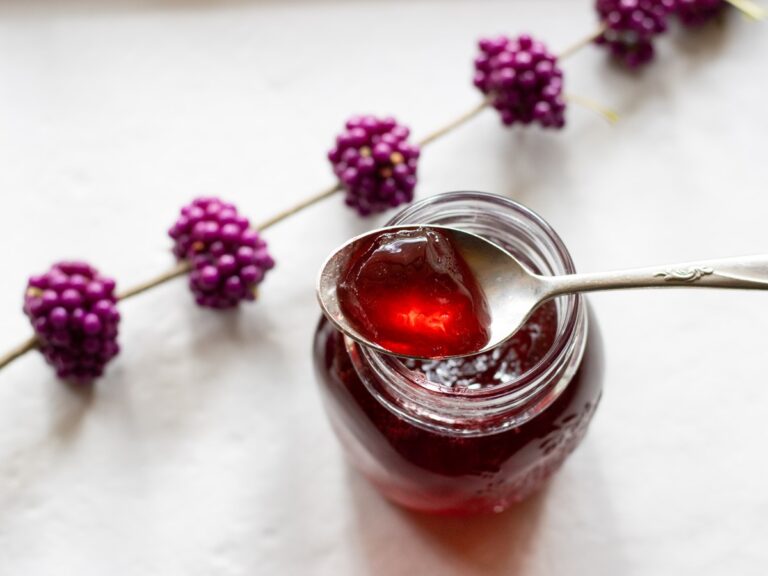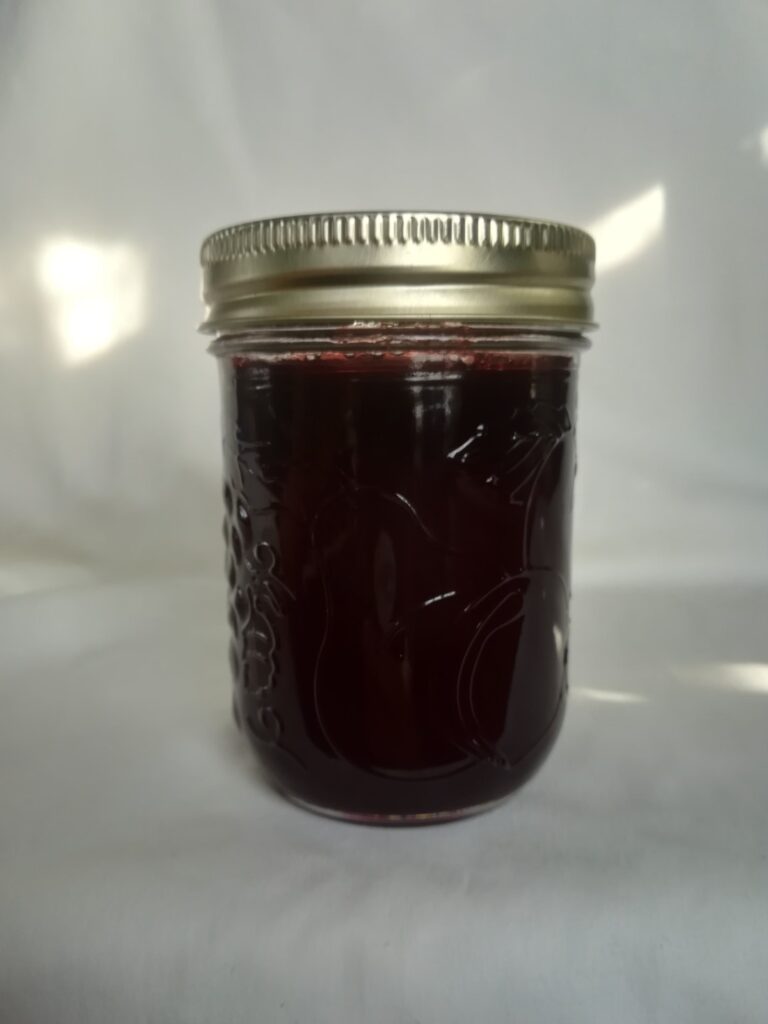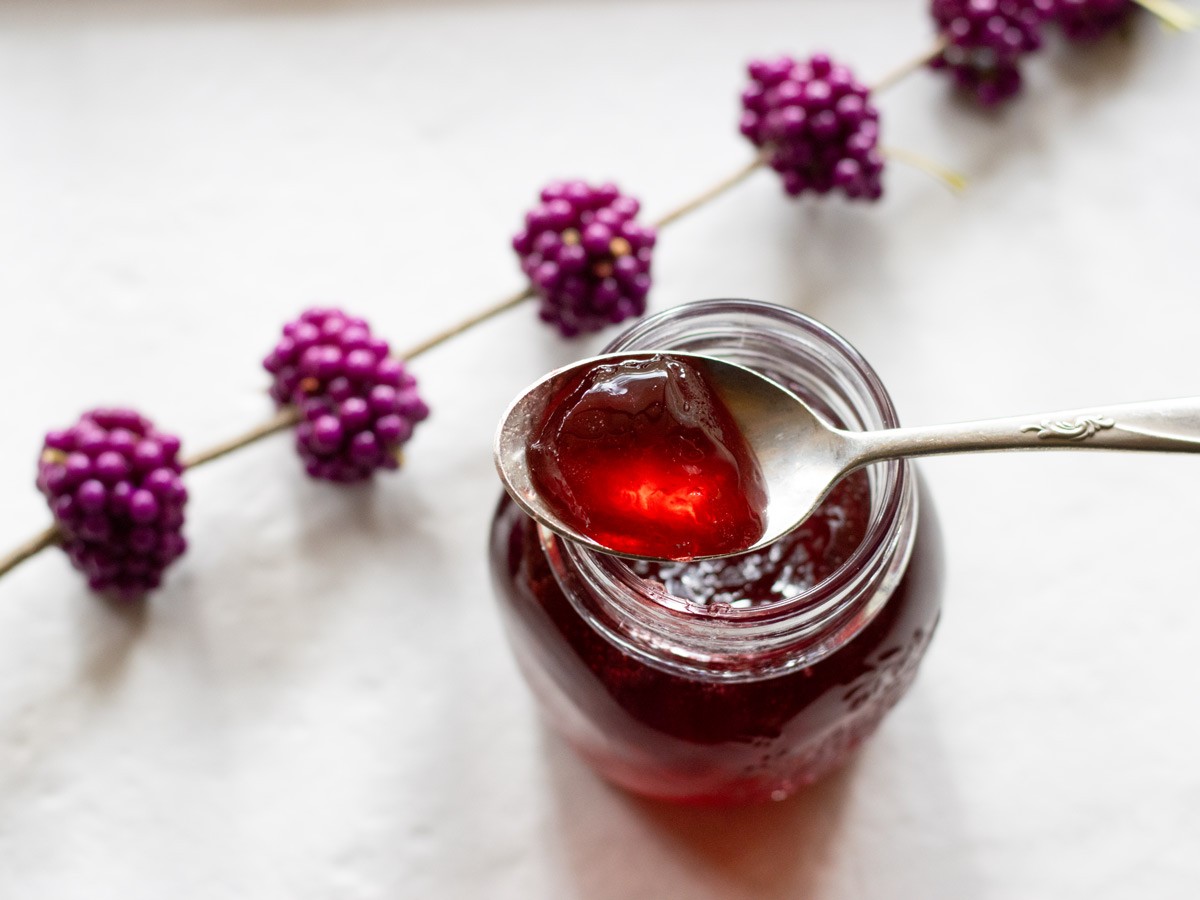
Master the art of making beautyberry jelly with this comprehensive guide that outlines expert protocols for a safe and delicious result. This guide is designed for both novice and experienced canners who seek to preserve the unique flavor of beautyberries while ensuring food safety. Adhering to the right procedures not only enhances the taste but also protects your health, making this essential reading for anyone eager to create their own homemade jelly.
What This Guide Covers (And What It Doesn’t)
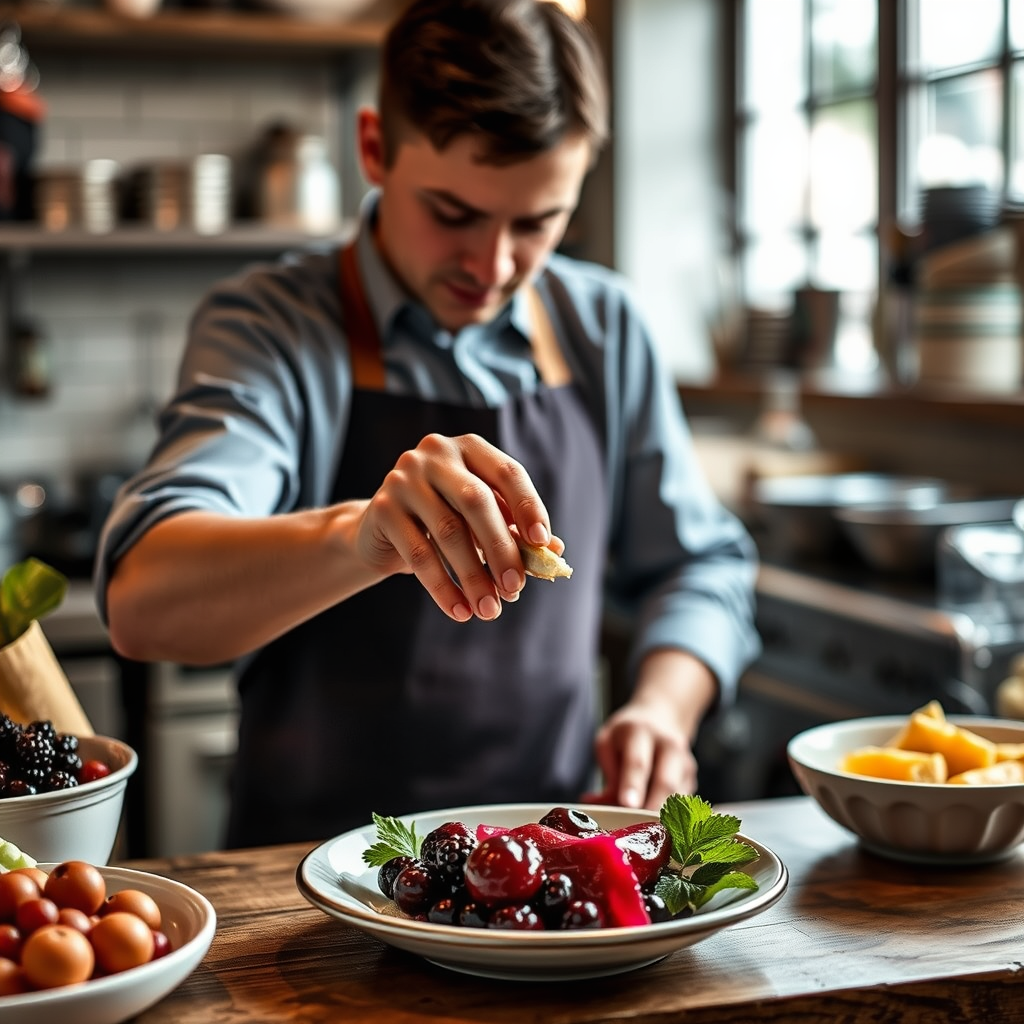
This guide offers a detailed, step-by-step protocol for safely making beautyberry jelly, covering everything from ingredient sourcing to preparation and canning techniques. It emphasizes the unique properties of beautyberries, highlighting their safe culinary applications and the distinctive flavor profile that makes them perfect for jelly. However, this guide does not delve into alternative berry jelly recipes or general canning techniques unrelated to beautyberry. If you are looking for information on other fruits or broader canning methods, this guide may not be suitable for your needs.
Who Should Read This
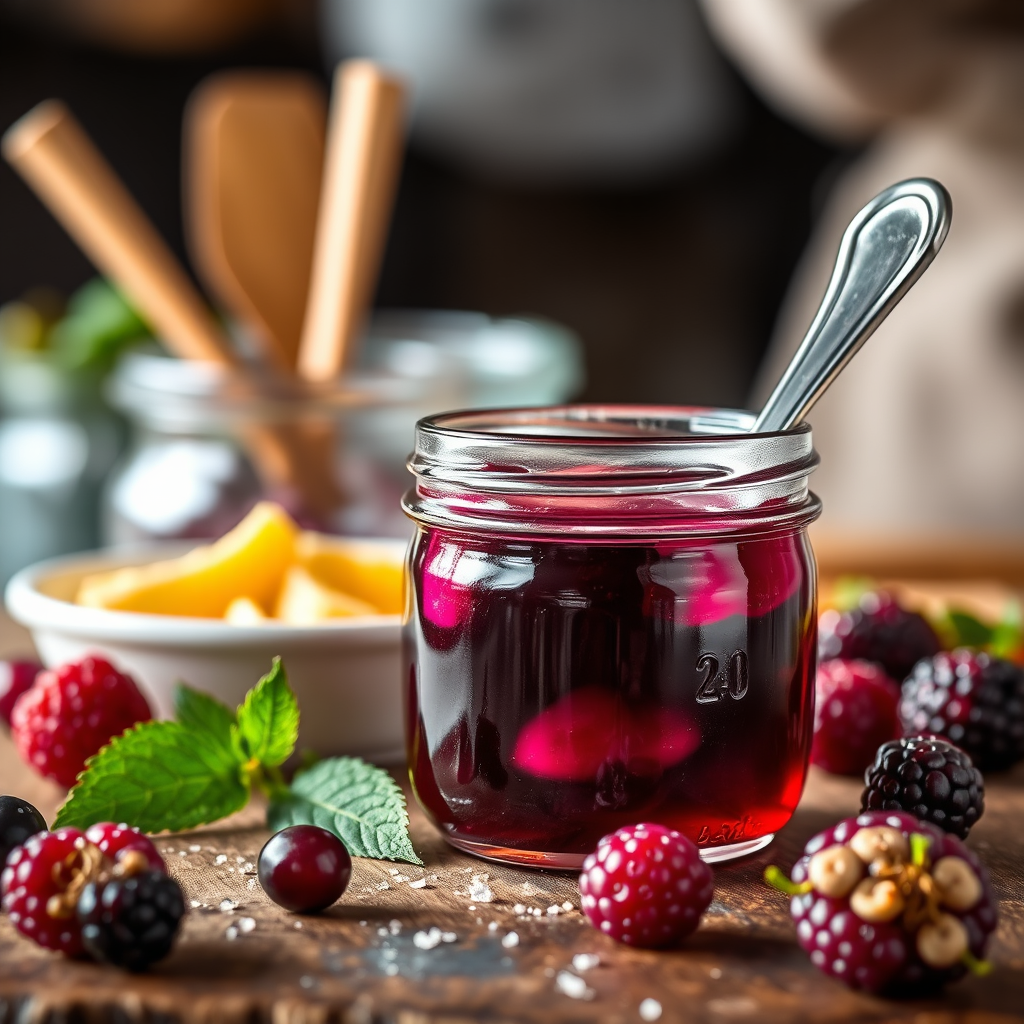
Designed for home canners and food enthusiasts, this guide targets those with a basic understanding of jelly-making who are eager to explore the unique flavors that beautyberries offer. Readers should be familiar with terms such as pectin, acidity levels, and water bath canning, as these concepts will not be explained in detail. Additionally, anyone with allergies to berries, or those unfamiliar with identifying beautyberries in the wild, should seek further information before attempting this recipe.
The Step-by-Step Protocol
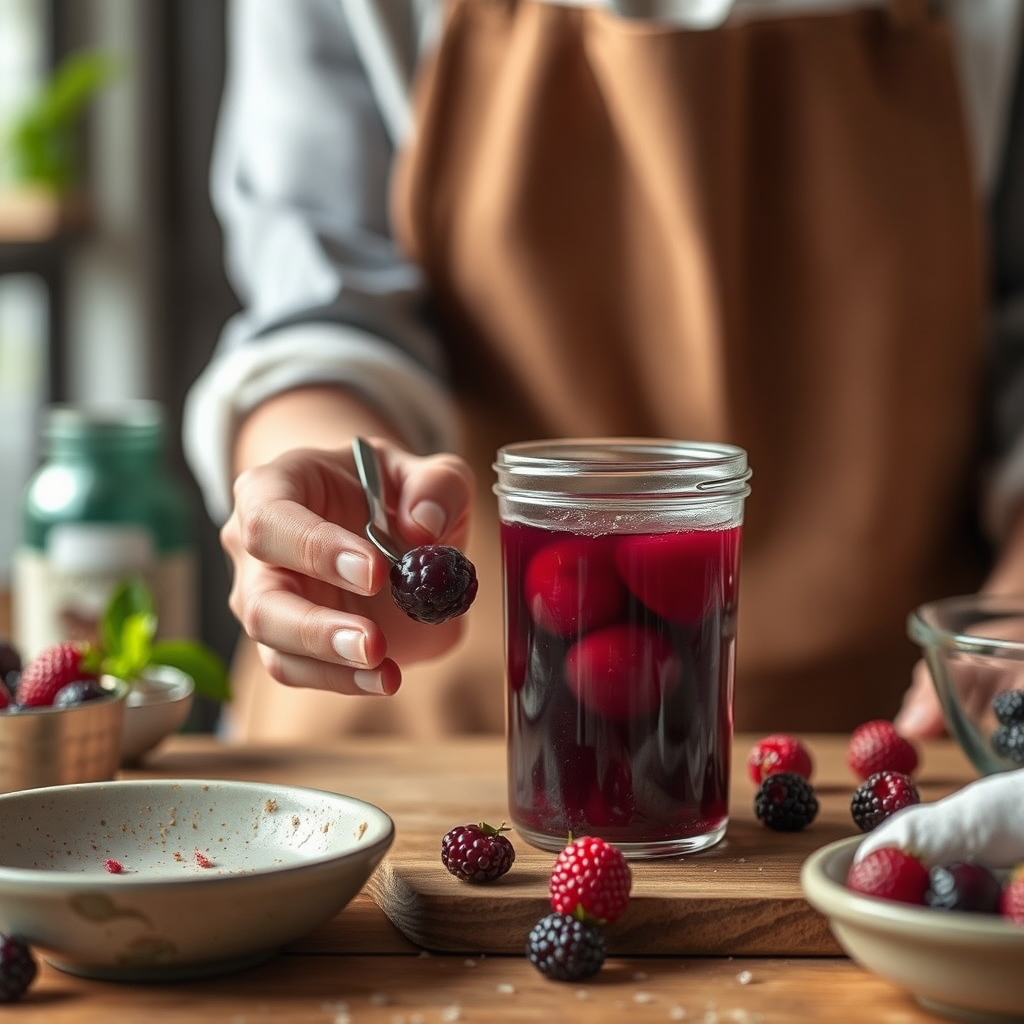
1. Ingredient Preparation: Gather 4 cups of fresh beautyberries, 2 cups of granulated sugar, 1 cup of apple juice, and 1 tablespoon of lemon juice. Ensure all ingredients are fresh and organic when possible.
2. Berry Extraction: Rinse the beautyberries thoroughly under running water. Remove the stems and lightly mash the berries to extract juices, yielding approximately 2 cups of juice.
3. Cooking the Jelly: In a medium saucepan, combine the beautyberry juice, apple juice, and lemon juice. Bring this mixture to a rolling boil, then gradually add the sugar, stirring until it is completely dissolved.
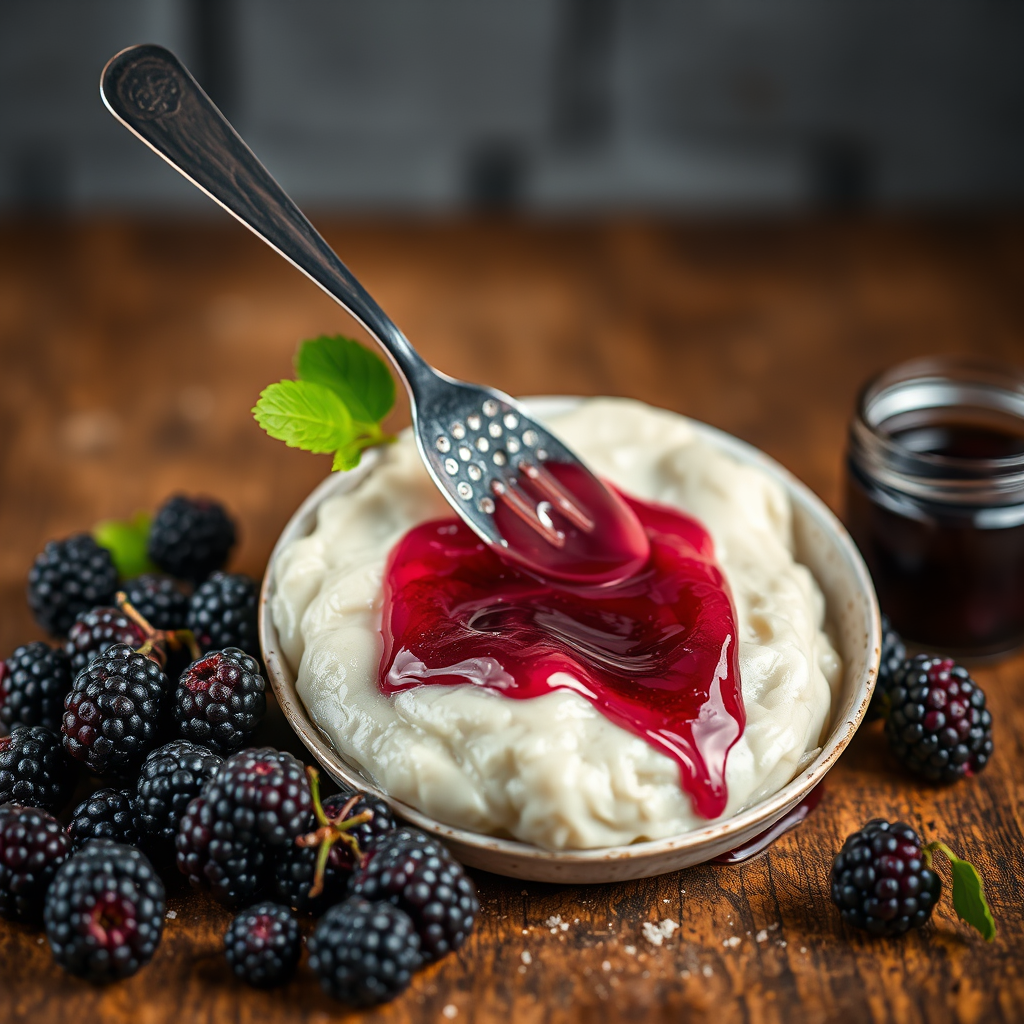
4. Testing for Doneness: Use a candy thermometer to monitor the mixture, cooking until it reaches 220°F (104°C). To test for gel consistency, place a spoonful of jelly on a cold plate; it should firm up once cooled.
5. Canning Process: Pour the hot jelly into sterilized jars, leaving a ¼-inch headspace. Wipe the rims, seal with lids, and process in a boiling water bath for 5-10 minutes, depending on your altitude.
Nutritional Comparison of Beautyberries per 100g
| # | Nutrient | Amount | Daily Value (%DV) |
|---|---|---|---|
| 1 | Calories | 43 | 2% |
| 2 | Carbohydrates | 11g | 4% |
| 3 | Fiber | 5g | 20% |
| 4 | Vitamin C | 15mg | 17% |
| 5 | Potassium | 150mg | 4% |
| 6 | Calcium | 26mg | 2% |
| 7 | Iron | 0.6mg | 3% |
Warning Signs: When Not to Follow This
Exercise caution when making beautyberry jelly. If you are uncertain about identifying beautyberries, refrain from proceeding, as some look-alike berries can be toxic. Additionally, do not attempt this recipe if you have a known allergy to elderberries, as beautyberries may elicit similar allergic reactions in sensitive individuals. If you detect any signs of spoilage in your ingredients, such as mold on the berries or an off odor, do not continue with the recipe.
The Most Common Mistakes (And Their Consequences)
– Neglecting to properly sterilize jars can lead to bacterial growth, spoiling the jelly and posing health risks.
– Incorrectly measuring acidity can result in jelly that fails to set properly or is unsafe for long-term storage.
– Using overripe or damaged beautyberries can produce jelly with undesirable flavors and textures, ultimately compromising its quality.
Special Cases That Need a Different Approach
– When using frozen beautyberries, allow them to thaw completely and drain any excess liquid before mashing. This step is crucial for ensuring that the jelly sets correctly.
– For those seeking a lower sugar option, consider using a sugar substitute specifically designed for canning, adjusting quantities as needed according to the substitute’s guidelines.
– If you are canning at higher altitudes (above 1,000 feet), be sure to adjust processing times in the water bath to guarantee safety and proper sealing.
When You Need a Professional
If you experience allergic reactions after consuming beautyberry products, seek medical attention immediately. It’s also wise to consult a professional if you are uncertain about the safety of your canning practices, particularly regarding pressure canning methods for low-acid foods. When in doubt about identifying beautyberries or if you suspect contamination, reach out to a local extension office or a food safety expert for guidance.
Sources and Further Reading
– “Canning and Preserving for Beginners: The Essential Canning Cookbook” by Carla Emery provides valuable insights on canning techniques that complement this jelly-making guide.
– The USDA Complete Guide to Home Canning offers essential safety guidelines for food preservation.
– Research articles from the Journal of Food Science can provide additional information on the health benefits and culinary uses of beautyberries.
By following this comprehensive protocol, you can safely create delicious beautyberry jelly, adding a unique and flavorful touch to your pantry. Enjoy the process and the delightful results of your efforts!
Frequently Asked Questions
What ingredients do I need for a beautyberry jelly recipe?
To make beautyberry jelly, you will need fresh beautyberries, sugar, pectin, and lemon juice. The beautyberries provide a unique flavor and vibrant color, while sugar and pectin help create the perfect jelly consistency. Fresh lemon juice not only enhances the flavor but also helps with the gelling process.
How do I properly harvest beautyberries for jelly making?
When harvesting beautyberries, look for ripe clusters that are deep purple in color, typically found in late summer to early fall. Use scissors or pruning shears to cut the stems, avoiding damage to the plant. Ensure to wash the berries thoroughly to remove any dirt before using them in your jelly recipe.
Why is pectin important in beautyberry jelly recipes?
Pectin is a natural thickening agent that helps the jelly set properly, giving it the desired texture. Without sufficient pectin, your beautyberry jelly may end up too runny. Many recipes call for commercial pectin, but you can also use the natural pectin found in the beautyberries themselves, especially if combined with acidic ingredients like lemon juice.
What is the best way to store beautyberry jelly?
The best way to store beautyberry jelly is in sterilized glass jars, sealed tightly and kept in a cool, dark place. If you’ve processed the jelly properly, it can last for up to a year in the pantry. Once opened, store it in the refrigerator where it should be consumed within a few weeks for optimal freshness.
Which kitchen tools are essential for making beautyberry jelly?
Essential kitchen tools for making beautyberry jelly include a large pot for cooking the berries, a fine mesh strainer or cheesecloth for extracting juice, and canning jars for storage. Additionally, a thermometer can help ensure your jelly reaches the right temperature for proper gelling. A ladle and funnel can also make the pouring process easier and less messy.
References
- Callicarpa
https://en.wikipedia.org/wiki/Beautyberry - Google Scholar Google Scholar
https://scholar.google.com/scholar?q=beautyberry+jelly+recipe - Checking your browser – reCAPTCHA
https://www.ncbi.nlm.nih.gov/pmc/articles/PMC5021418/ - Google Scholar Google Scholar
https://scholar.google.com/scholar?q=beautyberry+recipes - https://www.sciencedirect.com/topics/agricultural-and-biological-sciences/beautyberry
https://www.sciencedirect.com/topics/agricultural-and-biological-sciences/beautyberry - https://www.britannica.com/plant/beautyberry
https://www.britannica.com/plant/beautyberry - https://pubmed.ncbi.nlm.nih.gov/22089729/
https://pubmed.ncbi.nlm.nih.gov/22089729/ - https://www.nature.com/articles/s41598-019-47462-z
https://www.nature.com/articles/s41598-019-47462-z - https://www.foodnetwork.com/recipes/articles/what-is-beautyberry
https://www.foodnetwork.com/recipes/articles/what-is-beautyberry - https://www.nature.com/articles/s41597-021-00965-6
https://www.nature.com/articles/s41597-021-00965-6