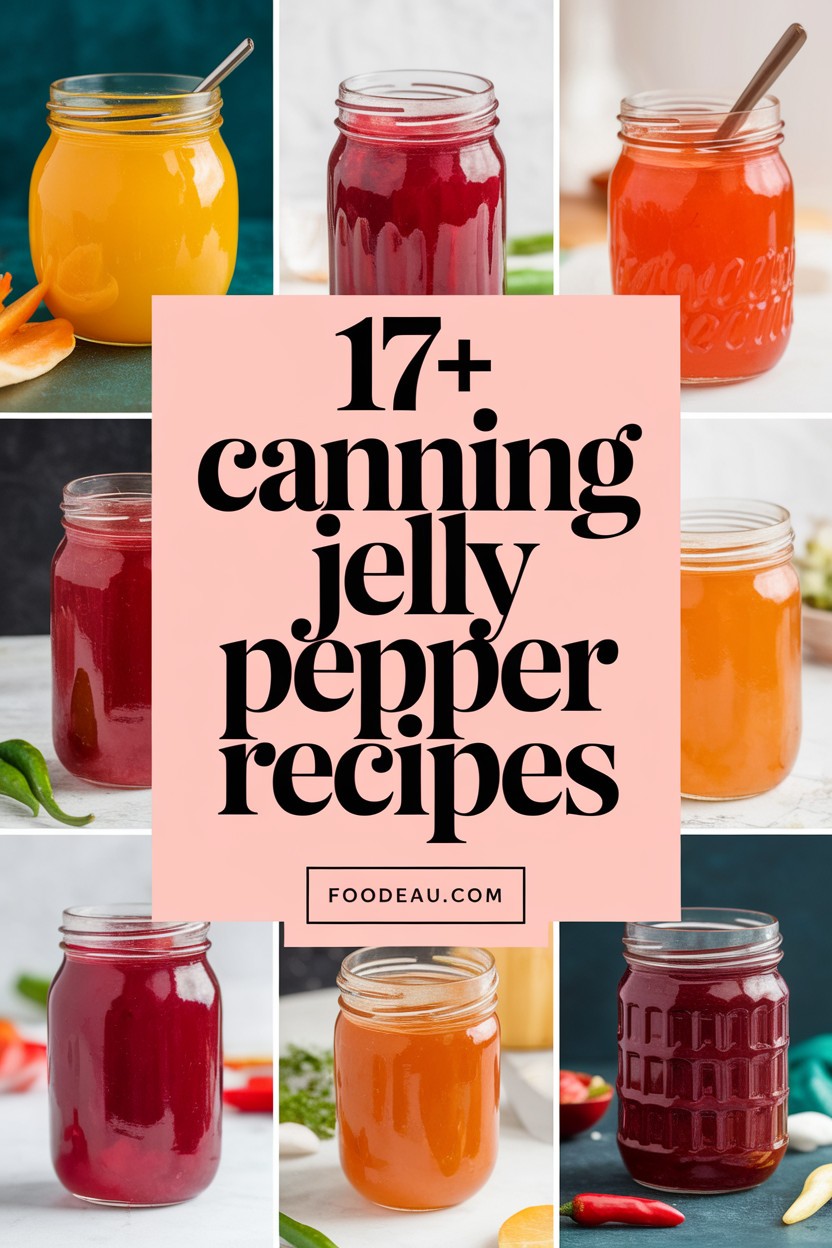
Mastering the art of safely canning pepper jelly is essential for anyone seeking to preserve the vibrant flavors of this popular condiment. This comprehensive guide provides expert protocols, including step-by-step recipes and safety tips to ensure your pepper jelly is delicious and safe for consumption. Following the right canning procedures not only enhances flavor but also prevents foodborne illnesses, making this knowledge crucial for home canners and food preservation enthusiasts alike.
What This Guide Covers (And What It Doesn’t)
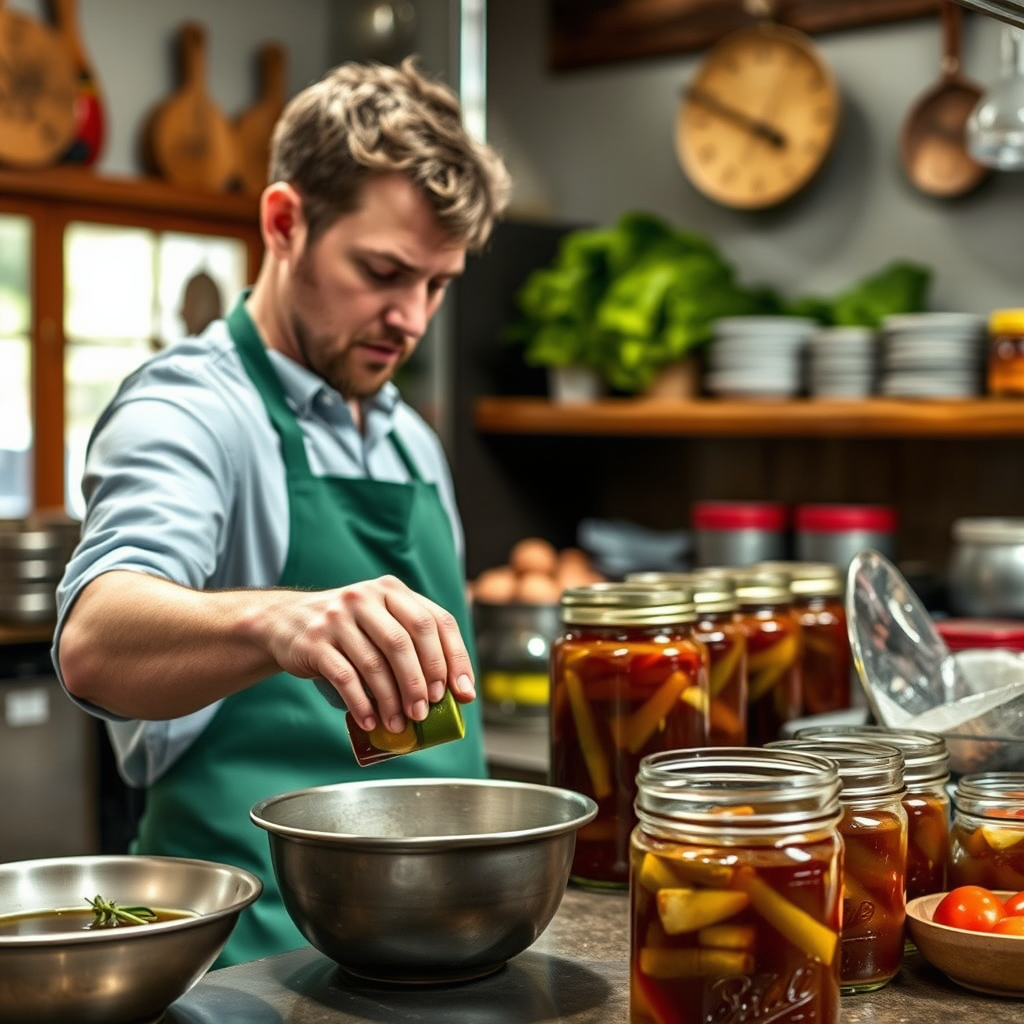
This guide offers a comprehensive, step-by-step protocol for safely canning pepper jelly, emphasizing the essential ingredients, equipment, and safety measures needed for a successful batch. It intentionally excludes variations of pepper jelly recipes that deviate from safe canning practices, particularly those incorporating low-acid ingredients or non-standard methods that could jeopardize food safety. Readers will discover specific information on acidity levels, jar sterilization, and the critical importance of following tested recipes to mitigate the risk of foodborne illness. This resource is tailored for home canners with a foundational understanding of food preservation techniques who wish to expand their skills by including pepper jelly in their culinary repertoire.
Who Should Read This
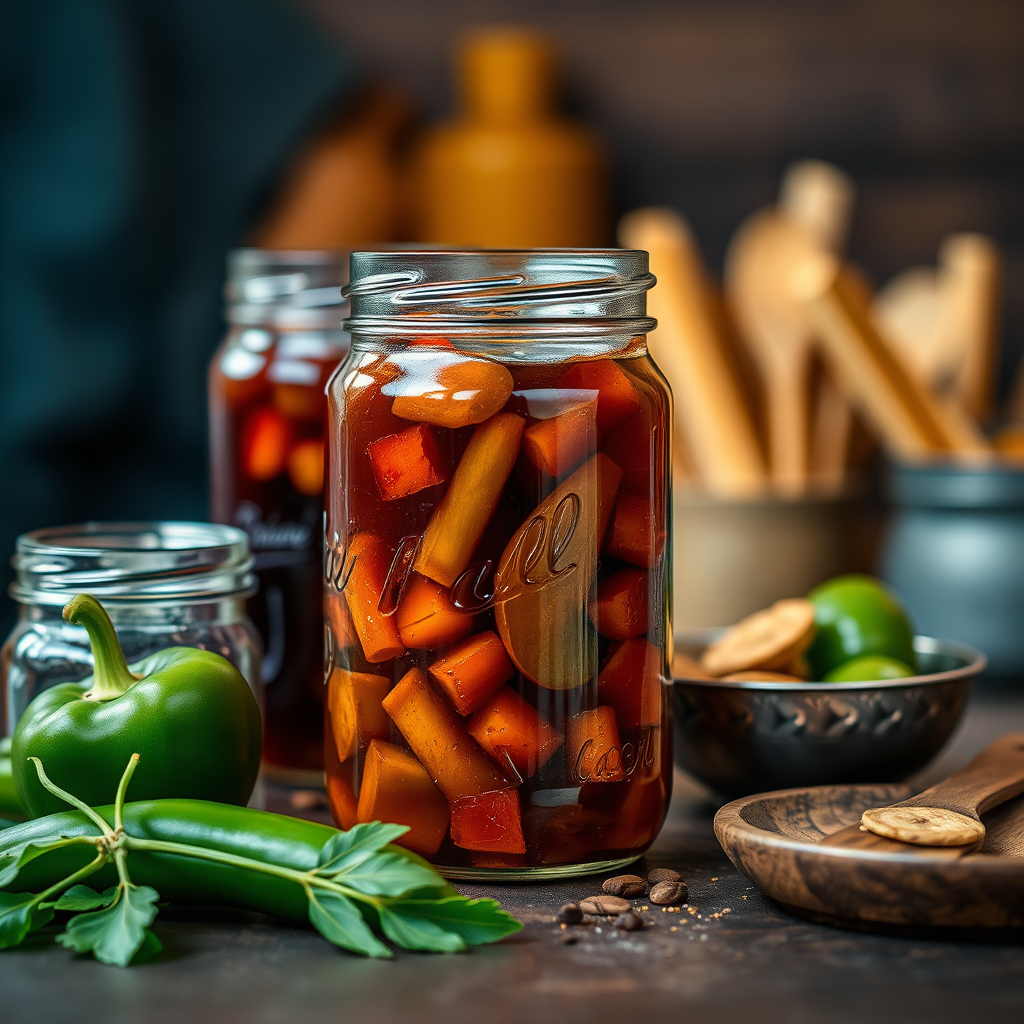
This guide is designed for home cooks and food preservation enthusiasts who possess a basic understanding of canning but may not have specific experience in making pepper jelly. It is particularly beneficial for those with access to fresh peppers, pectin, and canning supplies, as well as anyone interested in crafting homemade preserves for personal enjoyment or gifting. However, it is not suitable for individuals without any knowledge of canning processes, as a grasp of food safety and preservation fundamentals is essential for successfully canning pepper jelly. Readers should be prepared to adhere to precise measurements and guidelines, as accuracy is vital to prevent spoilage or safety hazards.
The Step-by-Step Protocol
1. Gather Ingredients:
– Use 4 cups of finely chopped peppers (a combination of sweet and hot varieties to achieve your desired heat level), 1 cup of apple cider vinegar (with a minimum of 5% acidity), and 1 package (1.75 oz) of powdered fruit pectin.
2. Prepare Equipment:
– Sterilize canning jars and lids by submerging them in boiling water for 10 minutes. Ensure all tools, including spoons and ladles, are also sanitized to prevent any contamination.
3. Cook the Mixture:
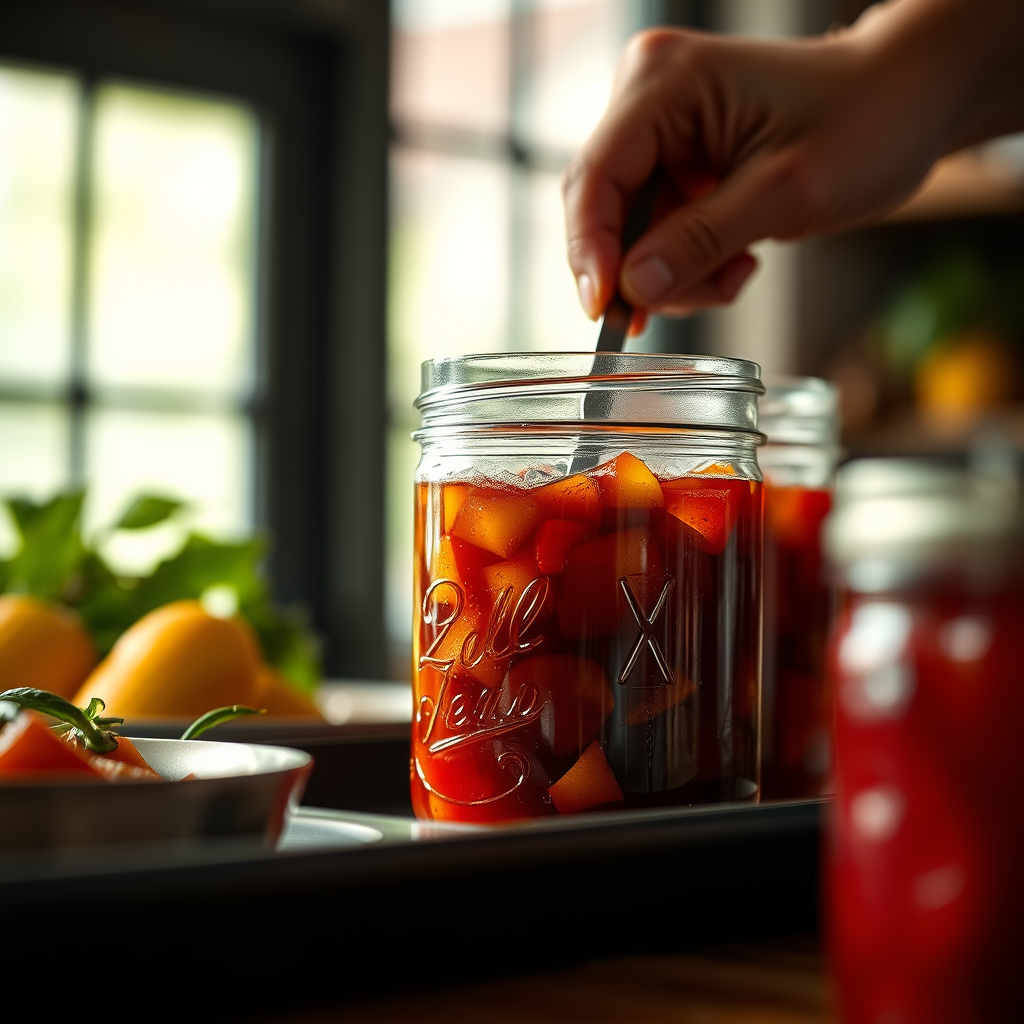
– In a large, heavy-bottomed pot, combine the chopped peppers, vinegar, and pectin. Bring the mixture to a rapid boil while stirring constantly. Once boiling, add 5 cups of granulated sugar all at once. Stir continuously until the sugar is fully dissolved, then boil for exactly 1 minute. This timing is crucial for achieving the right consistency.
4. Fill and Seal Jars:
– Using a ladle, fill the hot pepper jelly into the sterilized jars, leaving a 1/4-inch headspace. Wipe the rims of the jars with a clean cloth to eliminate any residue, place the sterilized lids on top, and screw the metal bands until fingertip-tight. Process the jars in a boiling water bath for 10 minutes to ensure proper sealing.
5. Cool and Store:
– After processing, remove the jars from the water bath and let them cool on a clean towel or rack. Allow the jars to sit undisturbed for 24 hours. After cooling, check the seals by pressing the center of each lid; if it does not pop back, the jar is sealed properly. Store sealed jars in a cool, dark place.
Common Ingredients and Their Roles in Pepper Jelly
| # | Ingredient | Quantity | Purpose |
|---|---|---|---|
| 1 | Finely Chopped Peppers | 4 cups | Flavor and Heat |
| 2 | Apple Cider Vinegar | 1 cup | Acidity for Preservation |
| 3 | Fruit Pectin | 1 package (1.75 oz) | Thickening Agent |
| 4 | Granulated Sugar | 5 cups | Sweetness and Preservation |
| 5 | Water | As needed | Used for sterilizing and boiling |
| 6 | Lemon Juice (optional) | As needed | Additional acidity for flavor |
| 7 | Fresh Herbs (optional) | To taste | Flavor enhancement |
Warning Signs: When Not to Follow This
If you notice any off-smells, discoloration, or mold on your pepper jelly after preparation, do not consume it, as these signs indicate spoilage. Avoid canning if your peppers were not fresh or show signs of rot, as this can compromise the acidity and safety of the final product. If you lack the proper canning equipment, such as a boiling water canner or adequate sterilization methods, do not proceed with this recipe to minimize food safety risks. Additionally, do not alter the sugar or vinegar proportions in the recipe, as this may lead to unsafe pH levels, jeopardizing the preservation of the jelly.
The Most Common Mistakes (And Their Consequences)
– Skipping the sterilization step: This oversight can lead to bacterial contamination, resulting in spoilage or foodborne illnesses, and ultimately unsafe jelly.
– Failing to measure the acidity of the vinegar used: This can produce a jelly that lacks the necessary acid levels for safe canning, significantly increasing the risk of botulism.
– Overcooking the jelly mixture beyond the recommended time: This mistake can result in a jelly that is too thick or candy-like, rendering it unspreadable and potentially impacting preservation.
– Not allowing adequate headspace in jars: Insufficient headspace may cause the jelly to overflow during processing, leading to seal failure and spoilage.
Special Cases That Need a Different Approach
If you choose to use non-standard peppers or mixtures that include low-acid ingredients (such as tomatoes), you must modify the recipe by adding extra acid (like lemon juice) to ensure safety. For those residing at high altitudes (above 1,000 feet), process the jars for an additional 5 minutes to account for boiling point variations that affect sealing. If substituting sugar with alternative sweeteners, ensure they are appropriate for canning and check for any required adjustments in pH or processing time. When preparing larger batches, consider dividing the mixture into smaller pots to ensure even cooking and proper gel formation.
When You Need a Professional
Should you encounter issues with jar sealing or discover jars that have not sealed properly after cooling, consult a local extension service or a food preservation expert for guidance on safe reprocessing or disposal. In cases of suspected contamination or spoilage—such as unusual colors, textures, or smells—discard the product and seek advice from food safety professionals. If you have health conditions that may be affected by consuming home-canned goods, such as compromised immune systems, consult a healthcare provider before consuming homemade preserves. When uncertain about the acidity or safety of your recipe, particularly when using experimental ingredients, reach out to a certified food preservation specialist for tailored advice.
Sources and Further Reading
– USDA Complete Guide to Home Canning: Essential guidelines for safe canning practices and recipes (available online).
– National Center for Home Food Preservation: Comprehensive resources on food safety, canning techniques, and troubleshooting (nchfp.uga.edu).
– Ball Blue Book Guide to Preserving: A trusted reference for canning recipes, including pepper jelly, with detailed safety protocols.
– Local Cooperative Extension Services: Contact for region-specific advice on canning and preserving, including workshops and updated food safety information.
By following these detailed steps and guidelines, you can confidently create delicious pepper jelly that enhances your culinary repertoire while adhering to the necessary safety standards for home canning. Happy canning!
Frequently Asked Questions
What ingredients do I need for a basic pepper jelly canning recipe?
A basic pepper jelly canning recipe typically requires fresh peppers (such as bell and jalapeño), sugar, apple cider vinegar, and pectin. For a flavorful twist, you can also add spices like garlic or herbs. Ensure that your ingredients are fresh to achieve the best taste and texture in your jelly.
How do I properly sterilize jars for canning pepper jelly?
To properly sterilize jars for canning pepper jelly, first wash them in hot, soapy water and rinse well. Then, place the jars in a boiling water bath for 10 minutes or run them through a dishwasher on a hot cycle without drying. This process eliminates bacteria and ensures a safe canning process.
Why is pectin important in a pepper jelly canning recipe?
Pectin is crucial in a pepper jelly canning recipe because it helps the jelly set and achieve the desired consistency. Without pectin, the jelly may remain runny and not gel properly. It acts as a natural thickening agent, making your pepper jelly not only flavorful but also visually appealing and easy to spread.
What is the best method for sealing jars after making pepper jelly?
The best method for sealing jars after making pepper jelly is to use the water bath canning technique. After filling the sterilized jars with hot jelly, wipe the rims to remove any residue, place the lids on, and process the jars in a boiling water bath for 5-10 minutes. This ensures a tight seal and prolongs the shelf life of your pepper jelly.
Which types of peppers are best for making pepper jelly?
The best types of peppers for making pepper jelly are typically a combination of sweet and hot varieties, such as red or green bell peppers paired with jalapeños or serranos. This blend provides a balanced flavor profile that enhances the sweetness of the jelly while adding a subtle kick. Experimenting with different pepper combinations can yield unique and delicious results.
References
- Jelly
https://en.wikipedia.org/wiki/Jelly - https://pubmed.ncbi.nlm.nih.gov/18823845/
https://pubmed.ncbi.nlm.nih.gov/18823845/ - Catalytic Enantioselective Aryl Transfer to Aldehydes Using Chiral 2,2’-Bispyrrolidine-Based Sala…
https://www.ncbi.nlm.nih.gov/pmc/articles/PMC6260645/ - https://www.extension.purdue.edu/extmedia/FNR/FNR-559-W.pdf
https://www.extension.purdue.edu/extmedia/FNR/FNR-559-W.pdf - Home | White River National Forest | Forest Service
https://www.fs.usda.gov/whiteriver/news/2019/08/pepper-jelly-recipe-and-canning-tips - UGA
https://www.uga.edu/ - Google Scholar Google Scholar
https://scholar.google.com/scholar?q=pepper+jelly+canning+recipe - Google Scholar Google Scholar
https://scholar.google.com/scholar?q=homemade+pepper+jelly+preservation - Google Scholar Google Scholar
https://scholar.google.com/scholar?q=canning+recipes+for+pepper+jelly - pepper jelly canning recipe – Search results
https://en.wikipedia.org/wiki/Special:Search?search=pepper+jelly+canning+recipe