Mastering jams recipe is essential for anyone keen on safe preservation techniques that ensure both flavor and food safety. This comprehensive guide covers expert protocols, from selecting the best fruit to the critical steps in processing and canning. Adhering to these methods not only enhances taste but also protects against spoilage and contamination. Dive in to elevate your jam-making skills and safeguard your creations.
What This Guide Covers (And What It Doesn’t)

This guide provides a thorough, step-by-step protocol for crafting delicious fruit jams, emphasizing safe preservation techniques and precise ingredient ratios. You will discover the essential equipment required for jam-making, including jars, lids, and preserving pots, along with tips for selecting the best fruits. Specific ratios for sugar and fruit, cooking times, and storage recommendations are also included. However, this guide does not cover non-fruit jams, such as savory vegetable varieties, nor does it address alternative preservation methods like freezing, ensuring a concentrated focus on traditional fruit jam recipes.
Who Should Read This
This guide is tailored for home cooks who possess basic culinary skills and wish to master the art of jam-making to preserve seasonal fruits. Whether you are a beginner venturing into jam-making for the first time or an experienced cook looking to enhance your preservation techniques, this guide offers valuable insights. Readers should be familiar with kitchen safety practices, particularly the importance of cleanliness and proper food handling.
The Step-by-Step Protocol
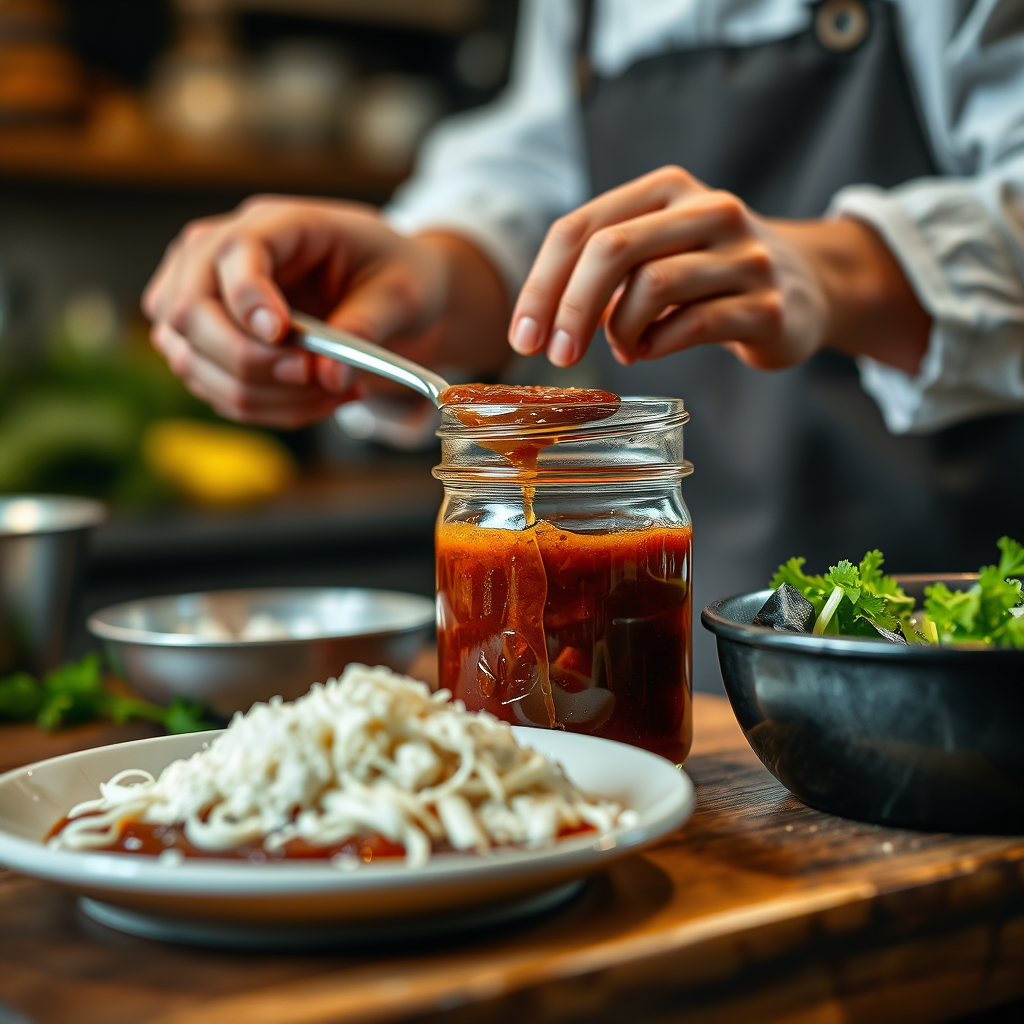
1. Select Your Fruit: Choose ripe, high-quality fruits such as strawberries, raspberries, or peaches. For a standard batch, aim for about 2 pounds of fruit. Ensure the fruit is free from blemishes and overripeness, as these factors can significantly impact the final product.
2. Prepare Your Equipment: Sterilize jars and lids by boiling them in water for 10 minutes. To prevent breakage, keep them hot until you are ready to fill. Use canning jars specifically designed for preserving, as they are more durable than standard glass jars.
3. Cook the Fruit Mixture: In a large pot, combine the prepared fruit (chopped if necessary) with 1 cup of sugar for every pound of fruit. Cook over medium heat, stirring frequently until the sugar dissolves and the mixture begins to boil. Continue cooking for about 10-15 minutes until it thickens, stirring to prevent sticking.
4. Test for Doneness: Use a candy thermometer to ensure the mixture reaches 220°F (104°C). Alternatively, perform the plate test by placing a spoonful of jam on a cold plate; it should hold its shape after cooling for a minute. This indicates that the jam is ready for canning.
5. Fill the Jars: Carefully ladle the hot jam into the prepared jars, leaving about 1/4 inch of headspace at the top. Wipe the rims of the jars with a clean, damp cloth to guarantee a proper seal.
6. Seal and Process: Place the sterilized lids on the jars and screw on the metal bands until they are fingertip-tight. Process the jars in a boiling water bath for 10-15 minutes, adjusting the time based on your altitude. Typically, you should add 5 minutes for every 1,000 feet above sea level.
7. Cool and Store: Once the processing time is complete, carefully remove the jars from the water bath and place them on a clean towel or cooling rack. Allow them to cool completely, which may take several hours. Check that the lids have sealed properly by pressing in the center of each lid; if it does not pop back, the jar has sealed correctly.
8. Label and Store: After cooling, label the jars with the date and type of jam. Store them in a cool, dark place, ideally below 75°F (24°C). Properly canned jams can last up to a year.
Top 7 Fruits for Jam-Making (2023)
| # | Fruit Type | Sugar Ratio (per lb) | Acidity Level | Best For |
|---|---|---|---|---|
| 1 | Strawberries | 1 cup | Low | Classic Jam |
| 2 | Raspberries | 1 cup | Medium | Sweet Spreads |
| 3 | Peaches | 1 cup | Low | Canning |
| 4 | Blackberries | 1 cup | Medium | Desserts |
| 5 | Cherries | 1 cup | Medium | Ice Cream Topping |
| 6 | Plums | 1 cup | Low | Savory Dishes |
| 7 | Citrus | 1 cup | High | Bright Flavors |
Warning Signs: When Not to Follow This
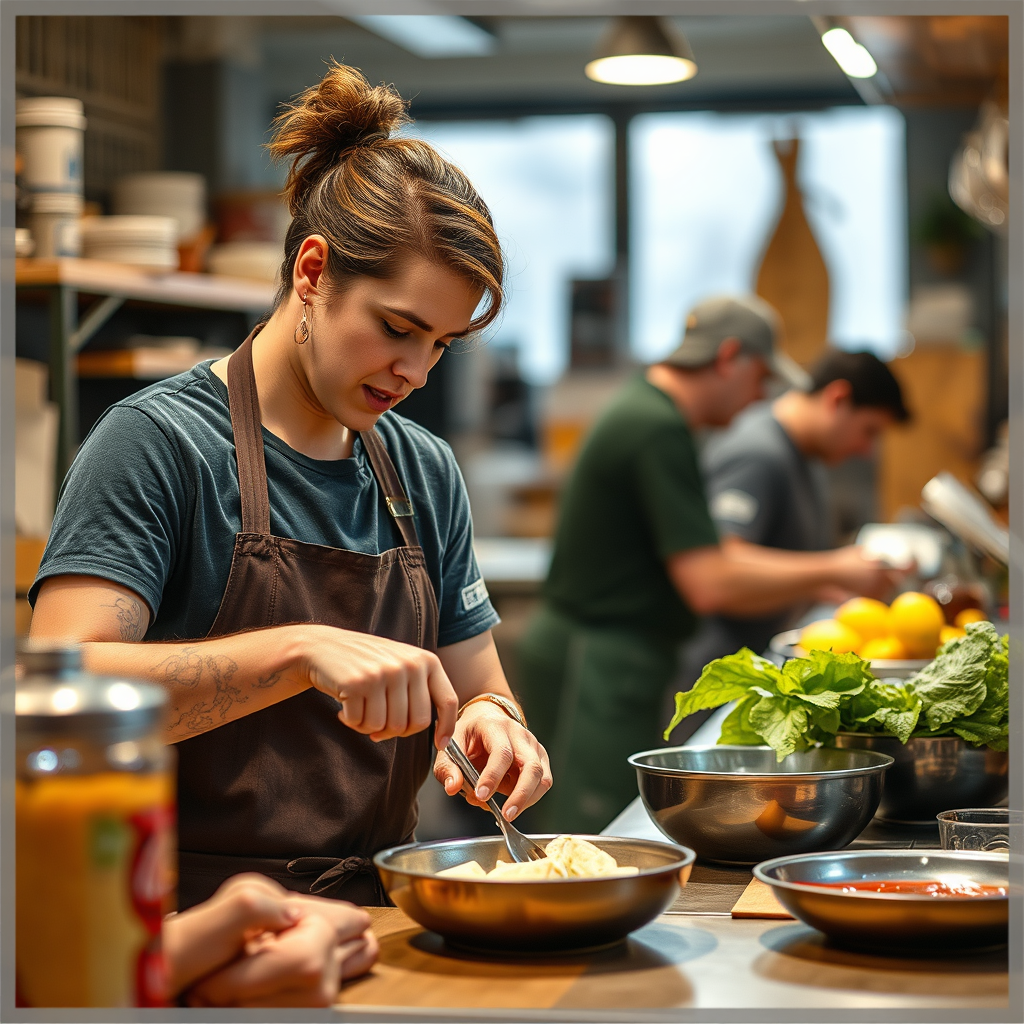
Avoid attempting to make jam if your fruit exhibits any signs of spoilage, such as mold or off-smells, as these can lead to foodborne illnesses. Using an incorrect ratio of sugar to fruit can also prevent proper gelling and increase the risk of spoilage. Do not skip the sterilization process for jars and lids; neglecting this step could introduce harmful bacteria into your jam. If you have any doubts about the freshness of your ingredients, it is best to err on the side of caution and discard them.
The Most Common Mistakes (And Their Consequences)
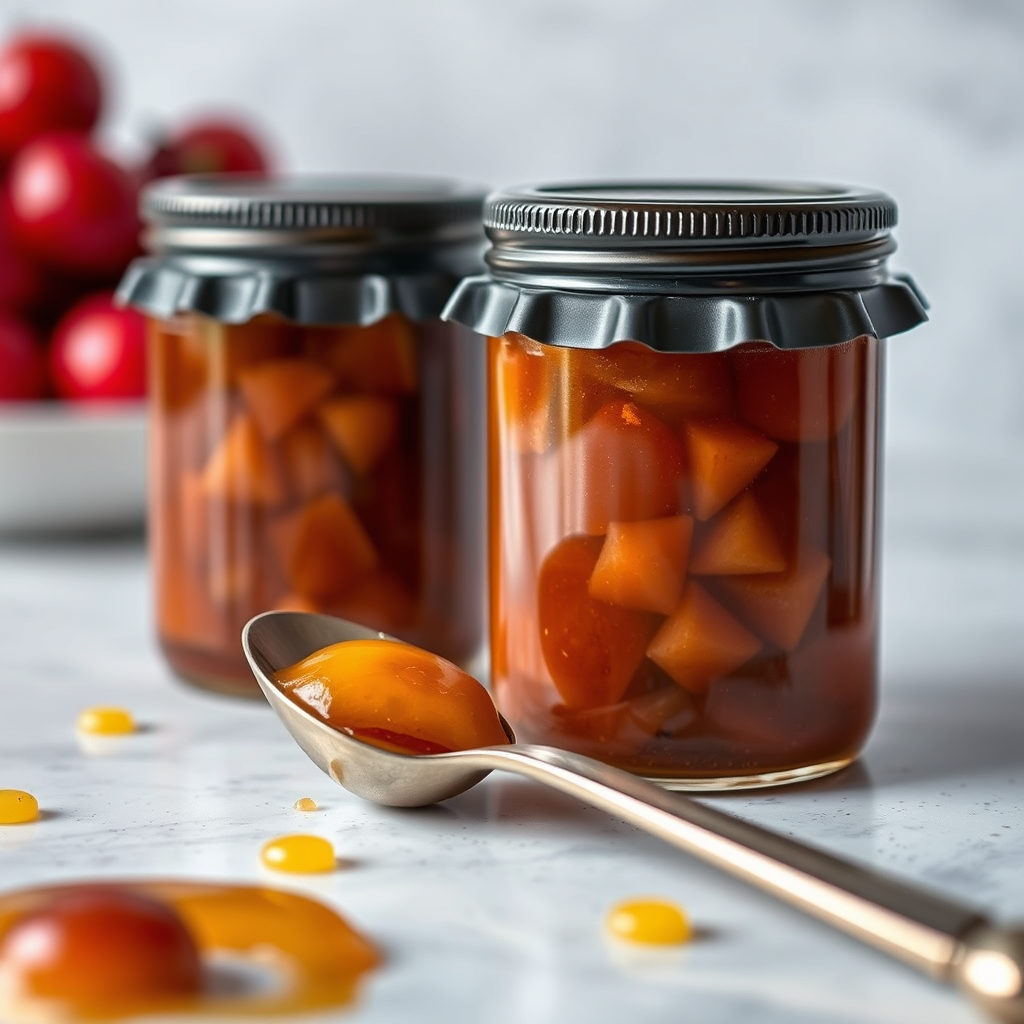
One common mistake is inaccurately measuring the sugar, which can result in a jam that is either too runny or excessively sweet. Another frequent error is failing to leave enough headspace in the jar when filling; this can lead to breakage during processing and spoil the jam. Not processing the jars in a boiling water bath for the recommended time (usually 10-15 minutes depending on altitude) can yield unsealed jars, risking spoilage. Additionally, using low-quality fruit can detract from the flavor and texture of your jam.
Special Cases That Need a Different Approach
Low-sugar jams necessitate specific pectin formulations; when using low-sugar fruit spreads, follow the manufacturer’s guidelines closely for ratios and processing times. If you are preserving jams at high altitudes, be sure to adjust processing times accordingly—typically, you should add 5 minutes for every 1,000 feet above sea level. For jams made with high-acid fruits like citrus, you may need to modify sugar levels or add lemon juice for optimal flavor and preservation. When using frozen fruits, ensure they are fully thawed and drained before cooking to achieve the desired consistency.
When You Need a Professional
Consult a food safety expert or licensed nutritionist if you plan to sell your jams commercially, as this involves additional regulatory requirements. If you are uncertain about the safety of your preserved jams or notice signs of spoilage after canning, seek professional guidance immediately. When experimenting with unusual ingredients or methods not covered in this guide, it’s wise to consult a food preservation specialist to ensure safety. Always adhere to local food safety regulations, which can vary by region.
Sources and Further Reading
– The National Center for Home Food Preservation: Guidelines on safe canning practices and preservation techniques.
– “Canning and Preserving for Dummies” by Amelia Jeanroy and Karen Ward: A comprehensive resource covering various canning methods, including jam-making.
– USDA Complete Guide to Home Canning: Detailed protocols and recommendations for safe home canning practices.
Frequently Asked Questions
What are the basic ingredients needed for a homemade jam recipe?
The basic ingredients for a homemade jam recipe typically include fresh fruit, sugar, and pectin. Depending on the type of fruit, you may also need lemon juice to enhance flavor and help with preservation. Using quality, ripe fruit will significantly improve the taste and texture of your jam.
How do I make jam without using pectin?
To make jam without pectin, you can rely on the natural pectin found in fruits like apples or citrus. Start by cooking your fruit with sugar over medium heat until it breaks down and thickens, which may take longer than using commercial pectin. Be sure to test the consistency by placing a small amount on a cold plate to see if it sets to your desired thickness.
Why did my homemade jam not set properly?
Homemade jam may not set properly due to several reasons, including insufficient cooking time, not using enough sugar, or using fruit that is low in natural pectin. Ensure you cook the mixture long enough to reach a rolling boil and consider adding a bit of lemon juice or using a higher pectin fruit to help achieve the desired consistency.
What is the best fruit to use for making jam?
The best fruits for making jam are those high in natural pectin, such as apples, berries, and citrus fruits. Strawberries, raspberries, and blackberries are popular choices for their sweetness and flavor. For a unique twist, consider combining different fruits to create a delicious fusion jam.
Which tools do I need for an easy jam-making process?
Essential tools for an easy jam-making process include a large pot, a wooden spoon for stirring, measuring cups, and jars with lids for storage. A canning funnel can help pour the hot jam into jars without making a mess, while a thermometer is useful for checking the cooking temperature to ensure perfect results.
References
- Fruit preserves
https://en.wikipedia.org/wiki/Jam - https://www.britannica.com/topic/jam
https://www.britannica.com/topic/jam - https://www.ncbi.nlm.nih.gov/pmc/articles/PMC6512189/
https://www.ncbi.nlm.nih.gov/pmc/articles/PMC6512189/ - https://www.sciencedirect.com/topics/agricultural-and-biological-sciences/jam
https://www.sciencedirect.com/topics/agricultural-and-biological-sciences/jam - https://www.ars.usda.gov/ARSUserFiles/oc/cor/foodproduct/jam.pdf
https://www.ars.usda.gov/ARSUserFiles/oc/cor/foodproduct/jam.pdf - https://www.foodsafety.gov/keep/charts/jam.html
https://www.foodsafety.gov/keep/charts/jam.html - https://www.cdc.gov/foodsafety/food-safety-education-month.html
https://www.cdc.gov/foodsafety/food-safety-education-month.html - Google Scholar Google Scholar
https://scholar.google.com/scholar?q=jams+recipe - Google Scholar Google Scholar
https://scholar.google.com/scholar?q=homemade+jams+preservation - Google Scholar Google Scholar
https://scholar.google.com/scholar?q=fruit+preservation+techniques