Crafting vanilla bean syrup for coffee requires precision and care to ensure safety and flavor. This complete guide offers step-by-step instructions, expert tips, and essential safety protocols to help you create a rich, aromatic syrup that enhances your coffee experience. Following these guidelines not only elevates your brewing skills but also ensures a delicious and safe product for enjoyment.
What This Guide Covers (And What It Doesn’t)
This guide provides a detailed, step-by-step procedure for creating vanilla bean syrup designed to enhance your coffee experience. It includes specific instructions on ingredient selection, preparation, and storage techniques. However, it does not delve into other types of flavored syrups or coffee recipes that do not feature vanilla bean syrup, nor does it address commercial syrup production methods. Tailored for home cooks and coffee enthusiasts, this guide focuses on safe food handling and preparation practices to help you elevate your coffee with homemade vanilla bean syrup.
Who Should Read This
This guide is perfect for individuals who relish coffee and want to craft their own flavored syrups at home, particularly those who appreciate the distinctive flavor profile of vanilla bean. Readers should possess a basic understanding of cooking and food preparation, including familiarity with measuring ingredients and using kitchen tools like pots and strainers. This guide also caters to those looking to create specialty coffee drinks for personal consumption or entertaining guests, as well as individuals aiming to avoid commercial syrups laden with artificial additives.
The Step-by-Step Protocol
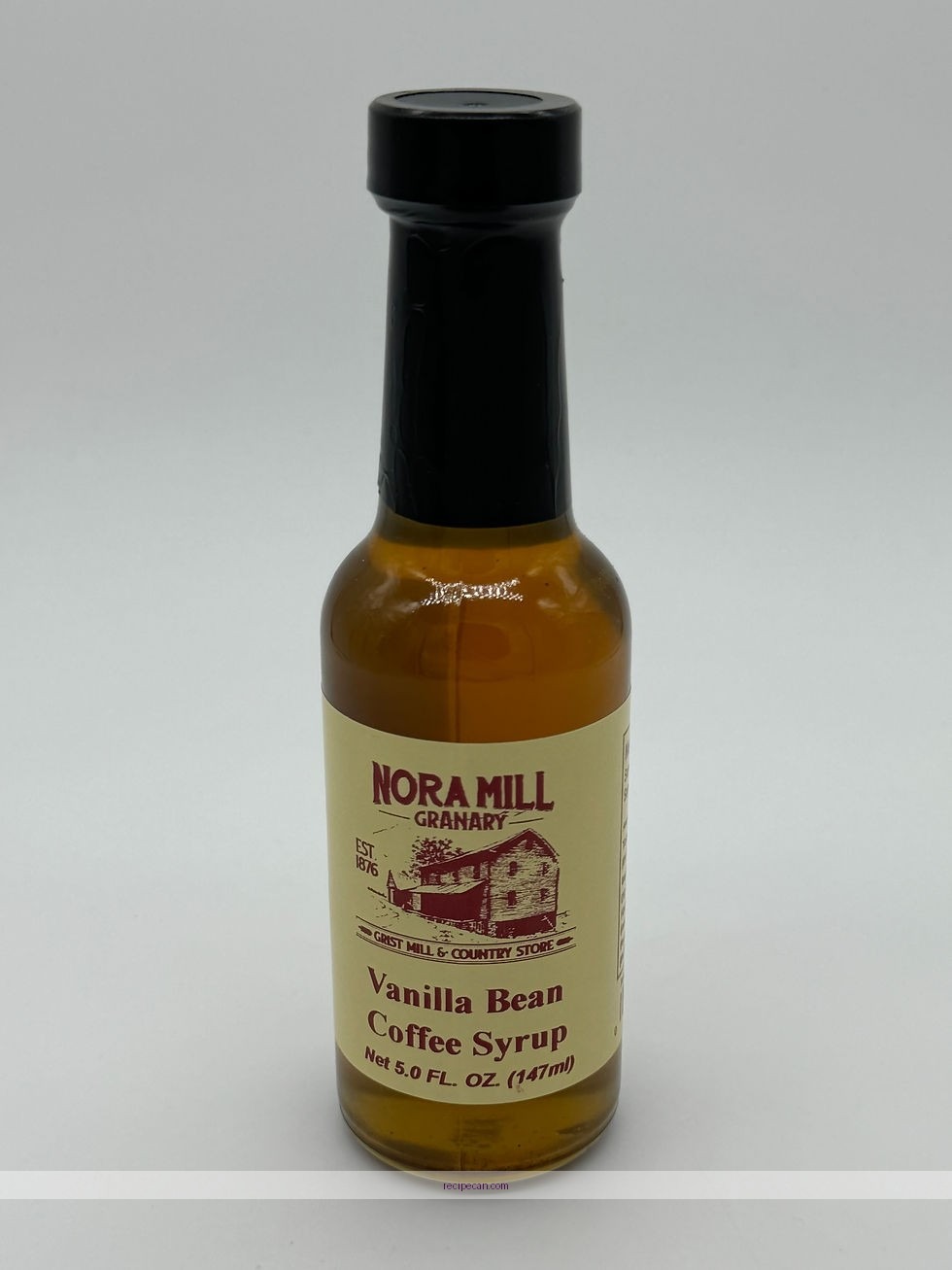
1. Gather Ingredients and Equipment: Obtain 1 cup of granulated sugar, 1 cup of water, 2 whole vanilla beans, and a small saucepan. Ensure you have a clean glass bottle for storage.
2. Prepare Vanilla Beans: Split the vanilla beans lengthwise with a sharp knife to expose the seeds. Scrape the seeds out and set them aside. This maximizes flavor extraction.
3. Combine Ingredients: In the saucepan, combine the sugar, water, vanilla bean pods, and the scraped seeds. Stir well to integrate the ingredients.
4. Heat the Mixture: Heat the saucepan over medium heat, stirring occasionally until the sugar is completely dissolved. Keep the mixture just below boiling for about 5-7 minutes; do not let it boil.
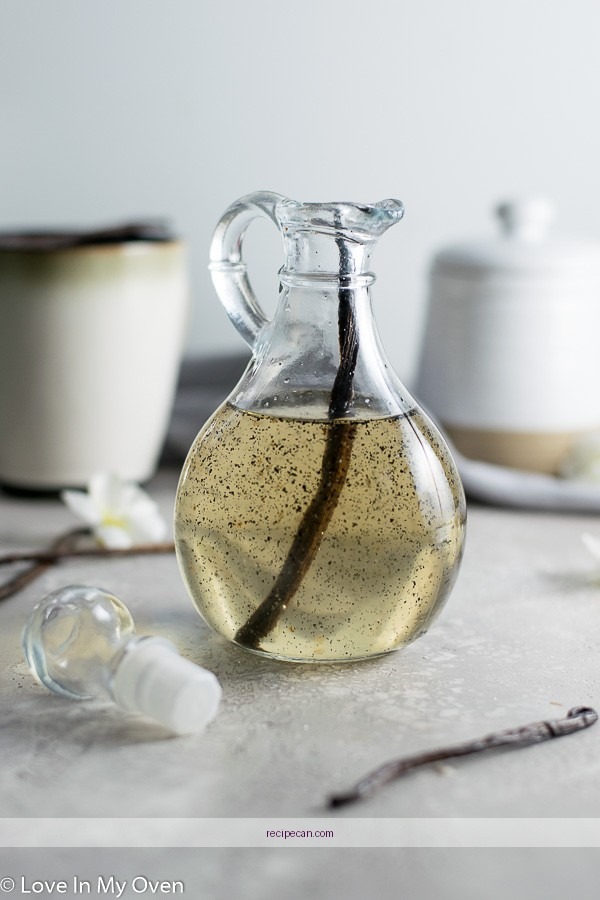
5. Cool and Store: Remove from heat and let the syrup cool to room temperature. Strain the syrup into the glass bottle, discarding the vanilla bean pods. Seal tightly and store in the refrigerator for up to 2 weeks.
Top 7 Vanilla Bean Syrup Brands (2024)
| # | Brand | Ingredients | Calories (per 1 tbsp) | Price (for 12 fl. oz.) |
|---|---|---|---|---|
| 1 | Monin | Sugar, Water, Vanilla Bean Extract | 50 | $8.99 |
| 2 | Torani | Pure Cane Sugar, Water, Natural Flavors | 60 | $7.49 |
| 3 | Da Vinci | Sugar, Water, Vanilla Flavor | 70 | $6.99 |
| 4 | Jordan’s Skinny Syrups | Water, Natural Flavors, Sucralose | 0 | $5.99 |
| 5 | Nielsen-Massey | Pure Cane Sugar, Water, Vanilla Bean Extract | 50 | $9.99 |
| 6 | Amoretti | Water, Sugar, Vanilla Extract | 45 | $8.49 |
| 7 | Starbucks | Sugar, Water, Natural Flavors | 50 | $10.99 |
Warning Signs: When Not to Follow This
There are several important considerations to keep in mind. If you have a known allergy to vanilla or any of the other ingredients, do not attempt to make this syrup, as it could trigger a severe allergic reaction. Additionally, avoid preparing this syrup if you cannot maintain proper hygiene in your kitchen, as improper handling can lead to contamination. Lastly, if you are unable to use the syrup within the recommended 2-week storage period, consider making smaller batches or exploring alternative flavoring methods.
The Most Common Mistakes (And Their Consequences)
One prevalent mistake is boiling the syrup mixture, which can yield a thick, caramelized texture that alters both the flavor and usability in coffee. This often results in an overly sweet syrup that lacks the delicate vanilla notes. Additionally, failing to properly split and scrape the vanilla beans can diminish flavor depth, leaving the syrup bland and overly sweet without the complexity of vanilla. Not storing the syrup in a clean, airtight container can also lead to spoilage or mold growth, posing a health risk if consumed.
Special Cases That Need a Different Approach
For those seeking a sugar-free version, alternative sweeteners like erythritol or stevia can be used, but you may need to adjust ratios and cooking times for optimal flavor. Be cautious with erythritol, as it can crystallize more easily than sugar. If you’re making the syrup for someone with diabetes, consulting a nutritionist about appropriate sweetener options and portion sizes is essential. This ensures that the syrup meets dietary needs without compromising health. Additionally, individuals in humid climates may find that the syrup has a shorter shelf life; in this case, consider making smaller batches and refrigerating immediately after preparation. Adding a small amount of citric acid can also help preserve the syrup.
When You Need a Professional
If you have dietary restrictions or health conditions affected by the ingredients in this syrup, seeking advice from a healthcare provider is wise to ensure it aligns with your dietary needs. If you experience any adverse reactions after consuming the syrup, such as gastrointestinal discomfort, consult a medical professional to rule out allergies or intolerances. For those interested in commercial production or large-scale recipes, engaging a food safety expert or a licensed food production consultant is advisable to comply with health regulations.
Sources and Further Reading
– “The Science of Good Cooking” by Cook’s Illustrated, for insights into the chemistry behind flavor infusion.
– The USDA Food Safety and Inspection Service guidelines for proper food handling and storage practices.
– Research articles on the health benefits of vanilla, accessible through databases like PubMed for additional insights into the nutritional aspects of vanilla bean usage in food.
By following this expert guide, you can create a delicious vanilla bean syrup that enhances your coffee experience while ensuring safe and effective preparation. Enjoy your homemade creation!
Frequently Asked Questions
What is the best way to make vanilla bean syrup for coffee?
To make the best vanilla bean syrup for coffee, combine one cup of water, one cup of granulated sugar, and the seeds from one vanilla bean in a saucepan. Heat the mixture over medium heat until the sugar dissolves, then simmer for about 10 minutes. Allow it to cool before straining into a bottle, and you’ll have a rich, flavorful syrup perfect for enhancing your coffee.
How can I use vanilla bean syrup to enhance my coffee drinks?
You can use vanilla bean syrup to enhance your coffee drinks by adding one to two tablespoons to your brewed coffee, espresso, or cold brew. It pairs exceptionally well with milk-based drinks like lattes and cappuccinos, adding a sweet and aromatic flavor that elevates your beverage experience.
Why should I choose homemade vanilla bean syrup over store-bought options?
Choosing homemade vanilla bean syrup over store-bought options allows you to control the ingredients and flavor intensity. Store-bought syrups often contain preservatives and artificial flavors, while homemade syrup is made with pure ingredients, offering a fresher and more authentic taste that complements your coffee perfectly.
Which types of coffee are best complemented by vanilla bean syrup?
Vanilla bean syrup complements a variety of coffee types, but it works exceptionally well with dark roasts, lattes, and iced coffees. The syrup’s sweet and aromatic notes enhance the richness of darker brews while providing a delightful contrast in lighter coffee drinks, making every sip enjoyable.
What are some variations I can try with vanilla bean syrup for coffee?
You can try several variations with vanilla bean syrup for coffee by adding flavors like cinnamon, caramel, or even a hint of almond extract. Experimenting with different types of milk, such as oat or almond milk, can also create unique flavor profiles, making your coffee experience more diverse and enjoyable.
References
- Vanilla
https://en.wikipedia.org/wiki/Vanilla - Checking your browser – reCAPTCHA
https://www.ncbi.nlm.nih.gov/pmc/articles/PMC6188919/ - https://www.sciencedirect.com/topics/agricultural-and-biological-sciences/vanilla
https://www.sciencedirect.com/topics/agricultural-and-biological-sciences/vanilla - Platelet releasate promotes breast cancer growth and angiogenesis via VEGF–integrin cooperative s…
https://www.ncbi.nlm.nih.gov/pmc/articles/PMC5572171/ - Seizure‐related deaths in children: The expanding spectrum – PMC
https://www.ncbi.nlm.nih.gov/pmc/articles/PMC7986159/ - Google Scholar Google Scholar
https://scholar.google.com/scholar?q=vanilla+bean+syrup+for+coffee+recipe - Google Scholar Google Scholar
https://scholar.google.com/scholar?q=vanilla+bean+syrup+coffee - Google Scholar Google Scholar
https://scholar.google.com/scholar?q=recipe+vanilla+bean+syrup+coffee - https://www.theguardian.com/food/2020/jul/15/how-to-make-vanilla-syrup-for-coffee
https://www.theguardian.com/food/2020/jul/15/how-to-make-vanilla-syrup-for-coffee - vanilla bean syrup for coffee recipe – Search results
https://en.wikipedia.org/wiki/Special:Search?search=vanilla+bean+syrup+for+coffee+recipe