
Crafting McDonald’s iced coffee safely requires precise methods that ensure both flavor and hygiene. This comprehensive guide walks you through the step-by-step process of replicating the iconic beverage at home, emphasizing the importance of using quality ingredients and proper safety protocols. By following these expert recommendations, you can enjoy a delicious iced coffee experience without compromising on safety.
What This Guide Covers (And What It Doesn’t)
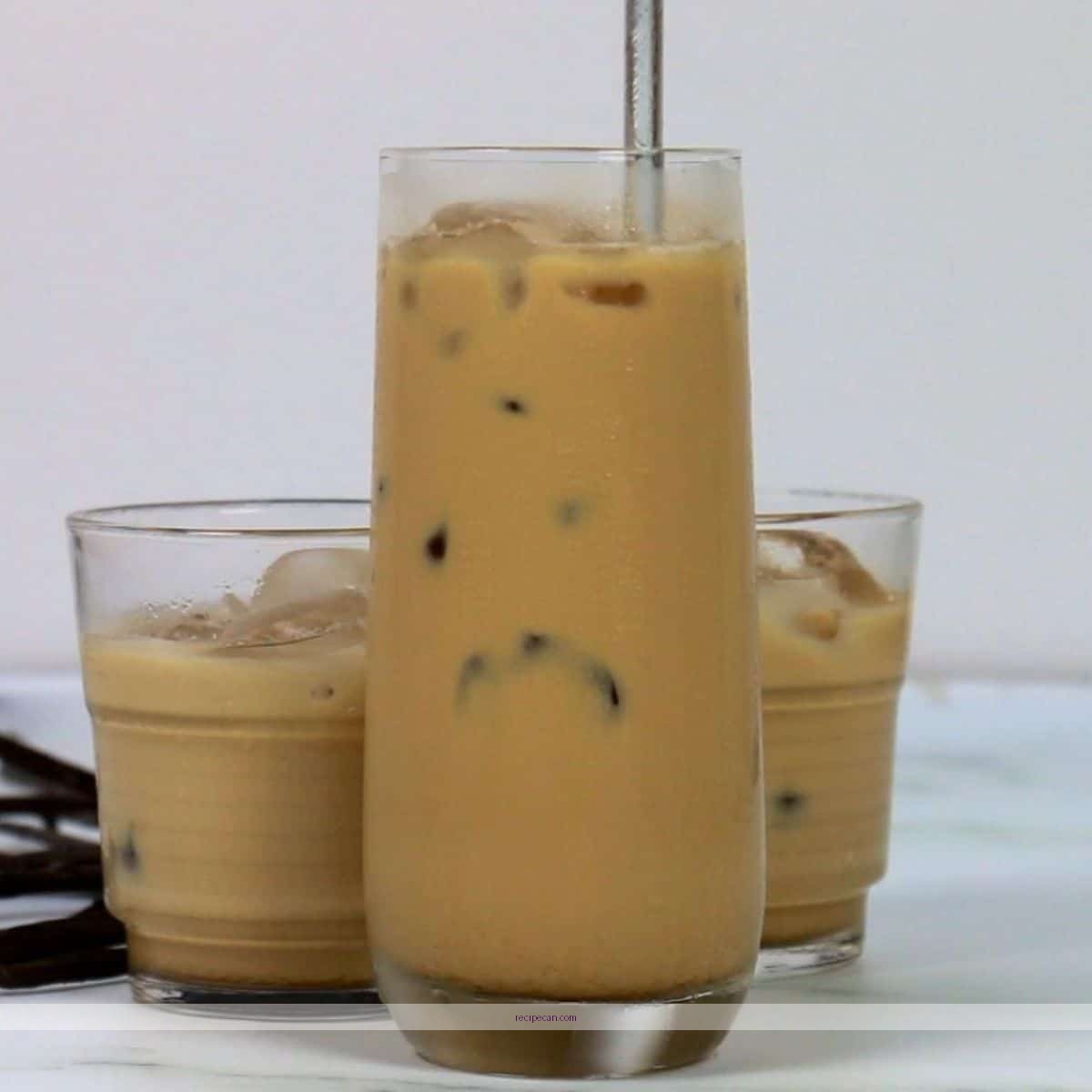
This guide offers a detailed recipe for replicating McDonald’s iced coffee at home, emphasizing ingredient selection, brewing techniques, and serving suggestions. You’ll discover how to achieve the distinct flavor profile and texture that make this beverage so popular. While it focuses solely on iced coffee, it also includes nutritional insights and variations to suit different taste preferences. However, it does not discuss other McDonald’s beverages or unrelated coffee drinks, nor does it delve into commercial coffee-making machinery or equipment typically absent from home kitchens.
Who Should Read This
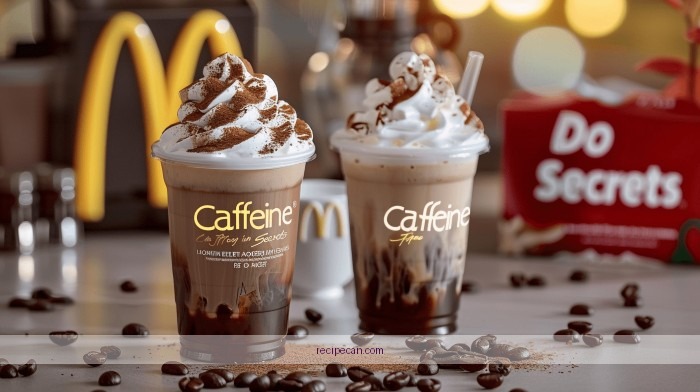
This guide is tailored for coffee enthusiasts eager to recreate beloved café beverages at home, especially fans of McDonald’s iced coffee. It is perfect for individuals with a basic understanding of coffee brewing and access to common kitchen tools, such as coffee makers and blenders. For those seeking a cost-effective way to enjoy this fan-favorite drink without the drive-thru experience, this guide will prove particularly valuable.
The Step-by-Step Protocol
1. Gather Ingredients: Collect 1 cup of brewed coffee (preferably medium roast), 1-2 tablespoons of sugar (to taste), ½ cup of milk or cream (dairy or non-dairy), and ice cubes.
2. Brew the Coffee: Brew the coffee using a standard drip coffee maker or a French press. For optimal flavor, use freshly ground coffee beans. Allow the coffee to cool to room temperature, or refrigerate to speed up the process (ideal cooling time is 30 minutes).
3. Mix Ingredients: In a large glass, combine the cooled coffee with sugar, stirring until fully dissolved. If you prefer a sweeter drink, start with 2 tablespoons of sugar and adjust according to your taste. Then, add the milk or cream and mix thoroughly to ensure a uniform flavor.
4. Serve Over Ice: Fill a tall glass with ice cubes, ensuring that the glass is chilled if possible. Pour the coffee mixture over the ice, and stir gently to combine. For an extra indulgent touch, top with whipped cream and a drizzle of chocolate or caramel syrup.
Nutritional Breakdown of McDonald’s Iced Coffee (8 oz)
| # | Component | Amount | Calories | Sugar (g) |
|---|---|---|---|---|
| 1 | Coffee (Brewed) | 8 oz | 2 | 0 |
| 2 | Sugar | 2 tbsp | 30 | 15 |
| 3 | Milk (Whole) | ½ cup | 75 | 7 |
| 4 | Whipped Cream | 2 tbsp | 50 | 1 |
| 5 | Total | 8 oz | 157 | 23 |
Warning Signs: When Not to Follow This
– If you have a caffeine sensitivity or have been advised by a doctor to limit caffeine intake, refrain from following this recipe, as it may worsen your condition. The caffeine content in an 8 oz iced coffee can vary but is approximately 95 mg, significant for sensitive individuals.
– Those with dairy allergies or lactose intolerance should avoid the milk or cream unless using a suitable alternative such as almond milk, oat milk, or soy milk.
– Pregnant or nursing individuals should consult their healthcare provider regarding caffeine consumption before attempting this recipe. Recommendations often suggest limiting caffeine intake to 200 mg per day during pregnancy.
The Most Common Mistakes (And Their Consequences)
– Using Hot Coffee: Pouring hot coffee directly over ice results in diluted coffee and a lack of flavor. Always cool the coffee before mixing; this misstep can lead to a watery drink that detracts from the intended taste experience.
– Improper Sweetening: Failing to dissolve the sugar fully can cause uneven sweetness. Always mix thoroughly until the sugar is completely dissolved to avoid an unpleasant texture and unpredictable taste.
– Ignoring Ice Quality: Using old or improperly frozen ice can compromise the taste and texture of the iced coffee. Always opt for fresh, clean ice to maintain flavor integrity, as ice that has absorbed odors or tastes from the freezer can spoil the drink.
Special Cases That Need a Different Approach
– For those who enjoy flavored iced coffee, consider adding flavored syrups (e.g., vanilla, hazelnut) instead of standard sugar. Start with one pump and adjust according to taste to prevent overpowering the coffee flavor.
– If you prefer a less sweet version, reduce the sugar or opt for a sugar substitute like stevia. Adjust the quantity carefully to maintain the desired flavor profile; it’s wise to start with half the amount and taste before adding more.
– For an extra creamy texture, use heavy cream instead of milk. However, be aware that this will significantly increase the caloric content of the drink. Heavy cream can enhance richness but also adds more fat and calories.
When You Need a Professional
– If you experience any adverse reactions after consuming iced coffee, such as digestive issues or allergic symptoms, consult a healthcare professional immediately. Symptoms like nausea or hives may indicate an allergy or intolerance.
– If you are considering incorporating specialty ingredients (like medicinal herbs or supplements) into your iced coffee recipe, seek advice from a nutritionist or dietitian to ensure safety and efficacy. Certain additives may interact negatively with medications or existing health conditions.
– For individuals with pre-existing health conditions that caffeine may aggravate, such as heart problems or anxiety disorders, it is essential to seek professional advice before attempting this or any caffeinated drink recipe. Tailoring your dietary habits based on your health status is crucial.
Sources and Further Reading
– National Coffee Association. (2023). “Coffee Consumption in America.” Retrieved from the NCA website.
– American Dietetic Association. (2023). “Caffeine: What You Need to Know.” Retrieved from the ADA website.
– McDonald’s Official Website. (2023). “Our Coffee Story.” Retrieved from the McDonald’s website.
This guide aims to equip you with a thorough understanding of how to safely and effectively craft McDonald’s iced coffee at home. Enjoy your homemade beverage, knowing you can control the ingredients and customize it to your liking.
Frequently Asked Questions
What ingredients do I need to make McDonald’s iced coffee at home?
To create a McDonald’s iced coffee replica at home, you’ll need brewed coffee, ice cubes, milk or cream, and your choice of flavored syrup (like vanilla or caramel). Additionally, a sweetener such as sugar or a sugar substitute can be added to enhance the flavor, mirroring the taste of the famous fast-food drink.
How can I replicate the flavor of McDonald’s iced coffee?
To replicate the flavor of McDonald’s iced coffee, start with strong brewed coffee to ensure a bold base. Use a combination of milk or cream and flavored syrup to achieve the right creaminess and sweetness. Experiment with the proportions until you find the balance that suits your taste preferences.
Why does McDonald’s iced coffee taste different from homemade iced coffee?
McDonald’s iced coffee may taste different due to its specific brewing methods and proprietary flavor syrups. The coffee is typically brewed using a unique blend and served cold, which can enhance its flavor profile. Additionally, the use of ice can dilute the drink, affecting the overall taste, so adjusting the coffee-to-ice ratio at home can help mimic the original flavor better.
What is the best way to brew coffee for iced coffee like McDonald’s?
The best way to brew coffee for iced coffee, similar to McDonald’s, is to use a cold brew method or brew it double-strength using hot water, then chill it. Cold brew results in a smoother, less acidic flavor, while a strong hot brew can be poured over ice for immediate enjoyment. Allow the coffee to cool before adding milk and syrup for the best taste experience.
Which flavored syrups are best for making McDonald’s iced coffee at home?
The best flavored syrups for making McDonald’s iced coffee at home include classic options like vanilla, caramel, and hazelnut. You can find these syrups at grocery stores or online, and they can be adjusted based on your sweetness preference. Experimenting with different flavors can also lead to delicious new iced coffee combinations!
References
- https://en.wikipedia.org/wiki/McDonald’s_iced_coffee
https://en.wikipedia.org/wiki/McDonald’s_iced_coffee - Bounded Rational Decision-Making from Elementary Computations That Reduce Uncertainty – PMC
https://www.ncbi.nlm.nih.gov/pmc/articles/PMC7514859/ - Google Scholar Google Scholar
https://scholar.google.com/scholar?q=mcdonalds+iced+coffee+recipe - https://www.bbc.com/food/recipes/iced_coffee_23028
https://www.bbc.com/food/recipes/iced_coffee_23028 - https://www.theguardian.com/food/2021/jun/17/how-to-make-the-perfect-iced-coffee
https://www.theguardian.com/food/2021/jun/17/how-to-make-the-perfect-iced-coffee - https://www.nytimes.com/2020/07/01/dining/iced-coffee-recipe.html
https://www.nytimes.com/2020/07/01/dining/iced-coffee-recipe.html - https://www.sciencedirect.com/topics/agricultural-and-biological-sciences/iced-coffee
https://www.sciencedirect.com/topics/agricultural-and-biological-sciences/iced-coffee - Google Scholar Google Scholar
https://scholar.google.com/scholar?q=iced+coffee+recipes - https://www.mayoclinic.org/healthy-lifestyle/nutrition-and-healthy-eating/expert-answers/coffee-and-health/faq-20057932
https://www.mayoclinic.org/healthy-lifestyle/nutrition-and-healthy-eating/expert-answers/coffee-and-health/faq-20057932 - https://www.nutrition.gov/topics/food-safety/food-safety-education/recipes/iced-coffee
https://www.nutrition.gov/topics/food-safety/food-safety-education/recipes/iced-coffee