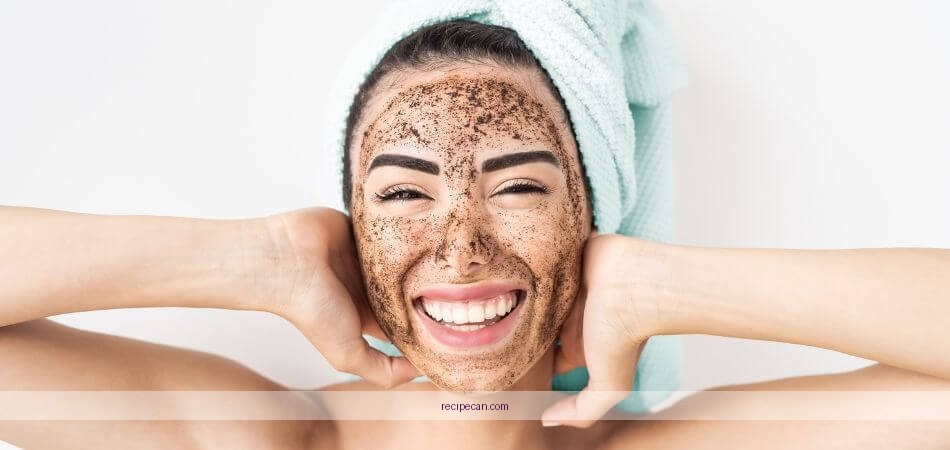
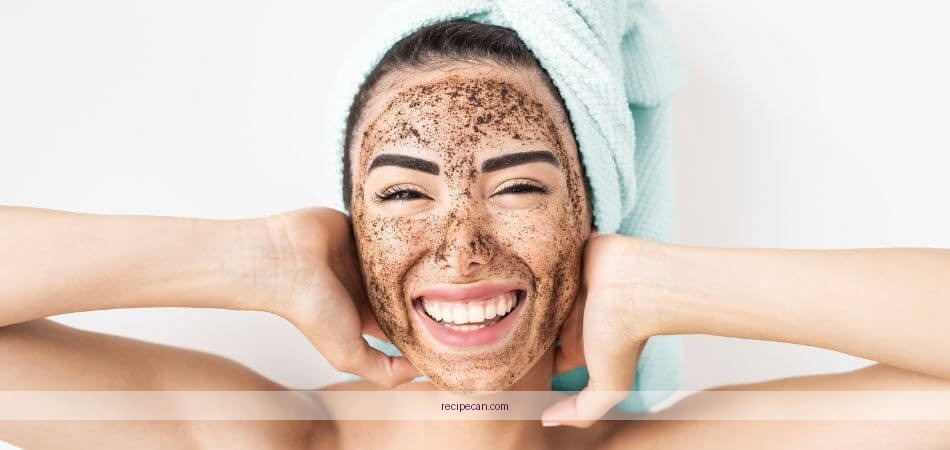
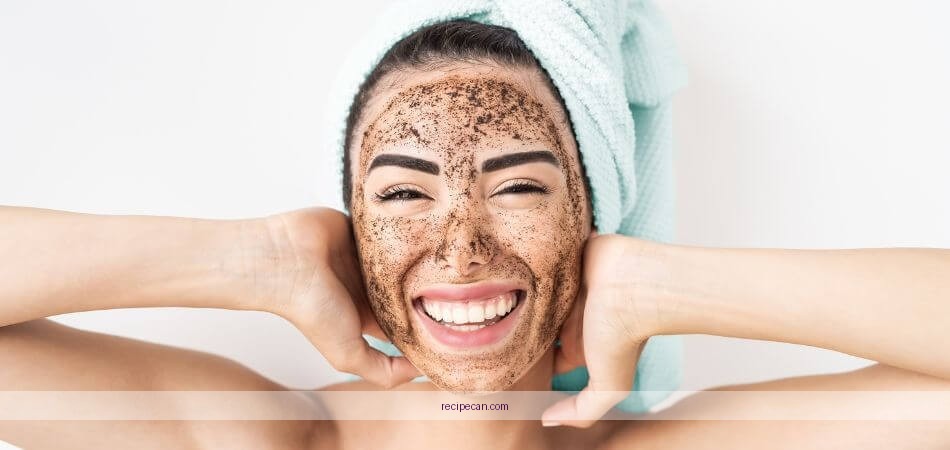
Crafting a safe coffee face mask recipe can elevate your skincare routine by harnessing the natural benefits of coffee. This comprehensive guide provides step-by-step instructions and expert tips to ensure your DIY mask is both effective and safe for all skin types. Following the right protocol is crucial to avoid irritation and maximize the nourishing properties of coffee, making this guide essential for beauty enthusiasts seeking natural skincare solutions.
What This Guide Covers (And What It Doesn’t)
This guide offers an in-depth explanation of how to create a coffee face mask, featuring detailed recipes, benefits, and application techniques tailored to various skin types. You’ll discover the antioxidant properties of coffee, its exfoliating effects, and how it can enhance skin texture and appearance. Additionally, the guide outlines essential safety measures and contraindications for individuals who may be sensitive to coffee or other common ingredients. It is designed for those interested in DIY skincare, particularly individuals seeking natural, cost-effective solutions. However, it does not address commercial coffee mask products or alternative ingredients unrelated to coffee. For professional skincare treatments, readers should consult external resources.
Who Should Read This
This guide is ideal for skincare enthusiasts who have a basic understanding of DIY beauty treatments and are familiar with common kitchen ingredients. Individuals dealing with specific skin concerns, such as dryness, dullness, or early signs of aging, can particularly benefit from coffee’s antioxidant properties. Moreover, those who prefer natural skincare alternatives and are eager to explore eco-friendly beauty practices will find this guide especially useful. However, it is not intended for individuals with severe skin conditions, allergies to coffee, or those who have not previously tested DIY masks on a small area of skin.
The Step-by-Step Protocol
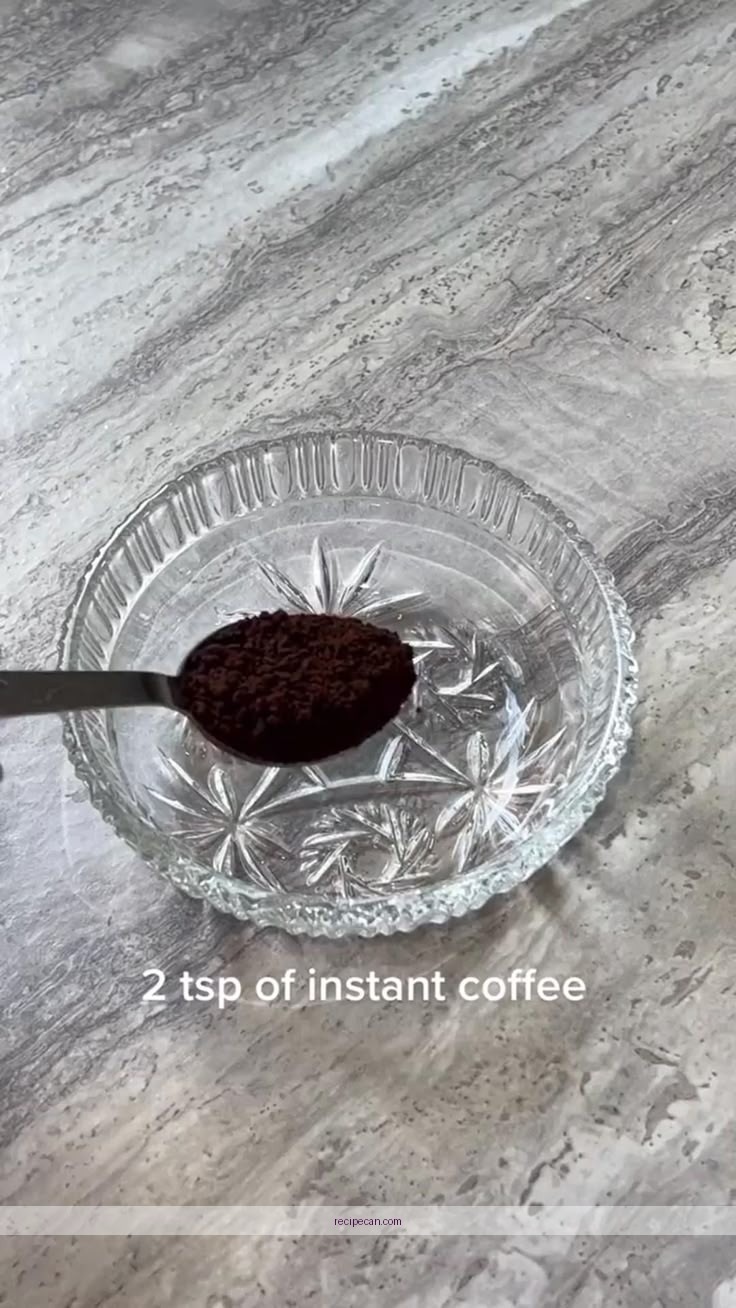
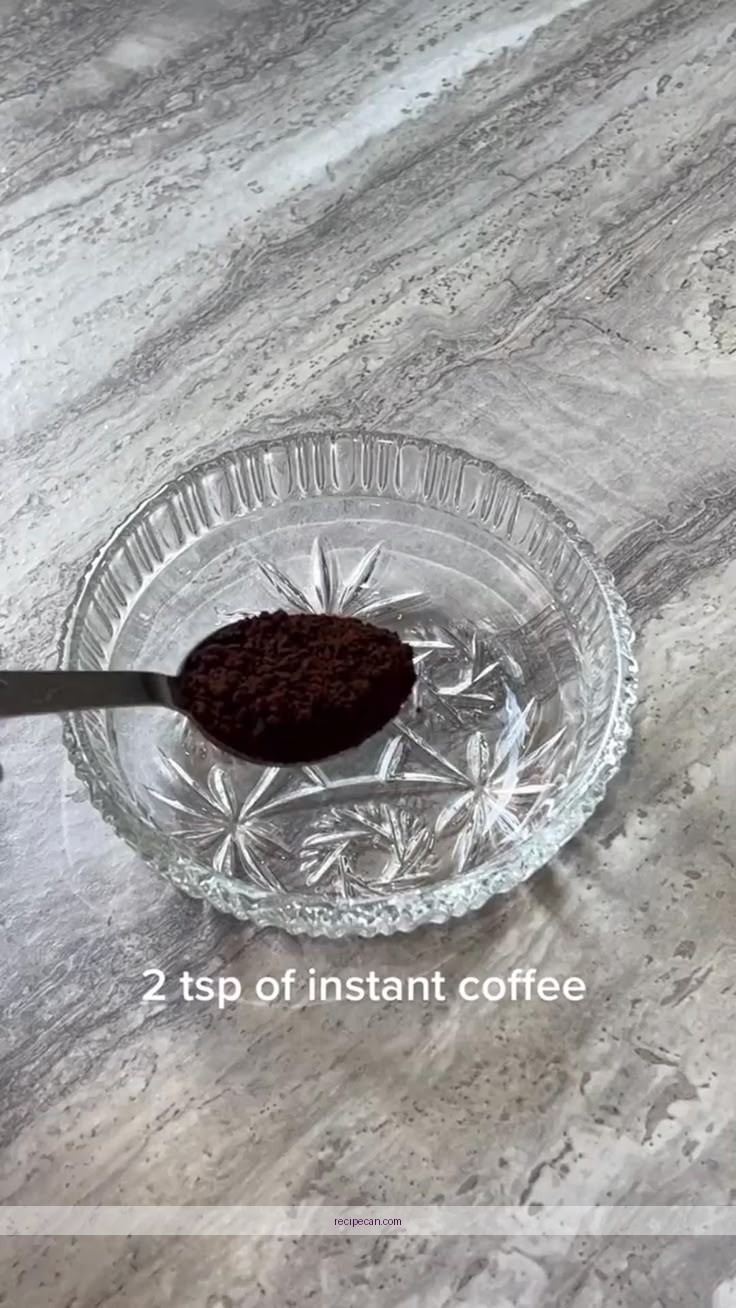
1. Gather Ingredients: Collect 2 tablespoons of finely ground coffee, 1 tablespoon of honey, and 1 tablespoon of plain yogurt or coconut oil for a moisturizing blend. Measure accurately to ensure a balanced mixture.
2. Mix Ingredients: In a small bowl, combine the coffee grounds, honey, and yogurt or coconut oil until you achieve a smooth, paste-like consistency. If the mixture is too thick, add a few drops of water; if too runny, incorporate more coffee grounds.
3. Patch Test: Before applying the mask, conduct a patch test by applying a small amount on your wrist or behind your ear to check for any adverse reactions. Wait for 10-15 minutes, then observe for any signs of irritation.
4. Apply the Mask: If no irritation occurs during the patch test, proceed to apply the mask evenly to clean, dry skin using your fingertips or a brush, taking care to avoid the eye area. Leave it on for 15-20 minutes, then rinse with lukewarm water, gently massaging the skin to enhance exfoliation.
5. Moisturize: After rinsing off the mask, apply a gentle moisturizer suited to your skin type to lock in hydration and maintain skin balance.
Warning Signs: When Not to Follow This
– Individuals with known allergies to coffee or caffeine should avoid using a coffee face mask entirely, as it may trigger allergic reactions, including redness, swelling, or rashes.
– If you have open wounds, sunburned skin, or active acne lesions, applying a coffee mask could exacerbate irritation or discomfort, leading to further skin issues.
– Those with very sensitive skin or conditions like rosacea should refrain from using coffee masks, as the exfoliating properties of coffee may increase redness or inflammation.
– It is advisable to skip the mask if you experience any irritation during the patch test, indicating that the ingredients may not be suitable for your skin.
The Most Common Mistakes (And Their Consequences)
– Using coarse coffee grounds instead of finely ground coffee can lead to abrasions on the skin, causing irritation and potential breakouts.
– Failing to conduct a patch test may result in allergic reactions, leading to redness, swelling, or rashes on the face, which can be uncomfortable and time-consuming to heal.
– Leaving the mask on for longer than the recommended 20 minutes can cause over-exfoliation, resulting in dryness and irritation, particularly for sensitive skin types.
– Not applying the mask on clean skin can hinder the absorption of beneficial ingredients, significantly reducing the overall effectiveness of the treatment.
Special Cases That Need a Different Approach
– For individuals with oily skin, consider adding 1 teaspoon of lemon juice to the mask to enhance oil control and reduce shine. The acidity of lemon aids in balancing oil production.
– If you have dry skin, substitute yogurt with avocado or a richer oil like almond oil to provide additional moisture and nourishment, ensuring the skin remains hydrated after the mask.
– For those with combination skin, a dual application strategy may be beneficial—apply the coffee mask to oily areas while using a hydrating mask on dry patches, ensuring each skin type receives targeted care.
– Pregnant or nursing individuals should avoid essential oils or any additional ingredients that may not be fully researched for safety during these periods, opting for the most basic recipe.
When You Need a Professional
– Seek a licensed dermatologist if you have a history of skin conditions such as eczema or psoriasis that may be exacerbated by DIY treatments. They can provide tailored advice based on your skin’s needs.
– Consult a professional if you experience persistent redness, irritation, or allergic reactions after using the coffee face mask. This indicates a need for specialized care and possibly allergy testing.
– If you are considering combining the coffee mask with other treatments (e.g., chemical peels, laser therapy), professional guidance is essential to avoid adverse interactions and ensure safe practices.
– When unsure about your skin type or if you have concerns about specific ingredients, professional advice can help tailor skincare regimens to your unique needs.
Top 7 Ingredients for DIY Face Masks
| # | Ingredient | Benefits | Skin Type | Rating |
|---|---|---|---|---|
| 1 | Coffee | Exfoliation, Antioxidants | All Skin Types | ★★★★☆ |
| 2 | Honey | Moisturization, Anti-bacterial | Dry/Sensitive | ★★★★★ |
| 3 | Yogurt | Exfoliation, Brightening | Oily/Combination | ★★★★☆ |
| 4 | Coconut Oil | Hydration, Nourishment | Dry/Normal | ★★★★★ |
| 5 | Avocado | Moisturizing, Anti-aging | All Skin Types | ★★★★☆ |
| 6 | Lemon Juice | Brightening, Oil Control | Oily Skin | ★★★☆☆ |
| 7 | Oatmeal | Calming, Exfoliating | Sensitive Skin | ★★★★☆ |
Sources and Further Reading
– “The Benefits of Coffee for Skin: A Review of the Literature” – Journal of Cosmetic Dermatology.
– “Natural Face Masks: Efficacy and Safety” – International Journal of Dermatology.
– “DIY Skincare: The Science of Natural Ingredients” – American Journal of Clinical Dermatology.
– “Guidelines for Safe Home-Made Cosmetic Products” – The Cosmetic Ingredient Review.
In conclusion, crafting a coffee face mask can be a rewarding addition to your skincare routine, as long as you prioritize safety practices and understand your skin’s unique needs. Always consult with a professional if you have any concerns or experience adverse reactions to DIY treatments. Embrace the natural benefits of coffee and enjoy a revitalized complexion!
Frequently Asked Questions
What are the benefits of using a coffee face mask?
A coffee face mask offers numerous benefits, including exfoliation, improved circulation, and reduced puffiness. The caffeine in coffee can help tighten the skin and reduce the appearance of fine lines, while the antioxidants combat free radicals, promoting a youthful glow. Regular use can enhance skin texture and provide a natural radiance.
How do I make a simple coffee face mask at home?
To create a simple coffee face mask, mix 2 tablespoons of brewed coffee grounds with 1 tablespoon of honey and 1 tablespoon of yogurt. Apply the mixture to your face and let it sit for about 15-20 minutes before rinsing off with warm water. This mask not only exfoliates but also hydrates the skin, making it a great DIY option.
Why should I choose a coffee face mask over other types?
Choosing a coffee face mask over others can be beneficial due to its natural exfoliating properties and high antioxidant content. Coffee masks can specifically target issues like dullness and dark circles, thanks to caffeine’s ability to stimulate blood flow. Additionally, using a natural ingredient like coffee reduces exposure to synthetic chemicals found in many commercial masks.
What is the best coffee face mask recipe for oily skin?
The best coffee face mask recipe for oily skin includes 2 tablespoons of coffee grounds, 1 tablespoon of cocoa powder, and a few drops of tea tree oil mixed with water to form a paste. This combination helps absorb excess oil while providing gentle exfoliation and antibacterial properties. Apply it once a week for optimal results.
Which skin types should avoid coffee face masks?
Individuals with very sensitive or inflamed skin should avoid coffee face masks, as the exfoliating properties may exacerbate irritation or redness. Additionally, if you have active acne or rosacea, it’s best to consult with a dermatologist before trying a coffee mask, as it may not suit your skin’s condition. Always perform a patch test before applying any new product to your face.
References
- Coffee
https://en.wikipedia.org/wiki/Coffee - Potassium channel selectivity filter dynamics revealed by single-molecule FRET – PMC
https://www.ncbi.nlm.nih.gov/pmc/articles/PMC6430689/ - Is TKA with computer-assisted navigation associated with less blood loss? A comparative study bet…
https://www.ncbi.nlm.nih.gov/pmc/articles/PMC7000559/ - Page Not Found – Site Help – Mayo Clinic
https://www.mayoclinic.org/healthy-lifestyle/skin-care/expert-answers/coffee-scrub/faq-20057827 - https://www.sciencedirect.com/topics/food-science/coffee
https://www.sciencedirect.com/topics/food-science/coffee - Coffee | Origin, Types, Uses, History, & Facts | Britannica
https://www.britannica.com/topic/coffee - 2-chloro-N-((S)-((S)-1-[11C]methylpiperidine-2-yl)(thiophen-3-yl)methyl)-3-(trifluoromethyl)benza…
https://www.ncbi.nlm.nih.gov/books/NBK92703/ - Google Scholar Google Scholar
https://scholar.google.com/scholar?q=coffee+face+mask+recipe - Google Scholar Google Scholar
https://scholar.google.com/scholar?q=benefits+of+coffee+on+skin - Google Scholar Google Scholar
https://scholar.google.com/scholar?q=natural+face+mask+recipes+with+coffee